Den Anker
Den Anker sits on the working edge of the Victoria and Alfred Waterfront, where Cape Town's harbour history and Belgian brewing tradition meet West Coast seafood. The setting places it inside a specific dining category: waterfront restaurants that earn their reputation through sourcing and technique rather than scenery alone. For visitors and locals orienting around the V&A, it functions as both a serious eating destination and a reliable read on how Cape Town handles European culinary frameworks.
Pearl is the En Primeur Club membership app — saves, bookings, and concierge access live there. Same editors, same standards.
- Address
- Victoria & Alfred Waterfront, Cape Town, 8001, South Africa
- Phone
- +27214190249
- Website
- denanker.co.za
- Directions
- Get directions
 Saves & bookings on Pearl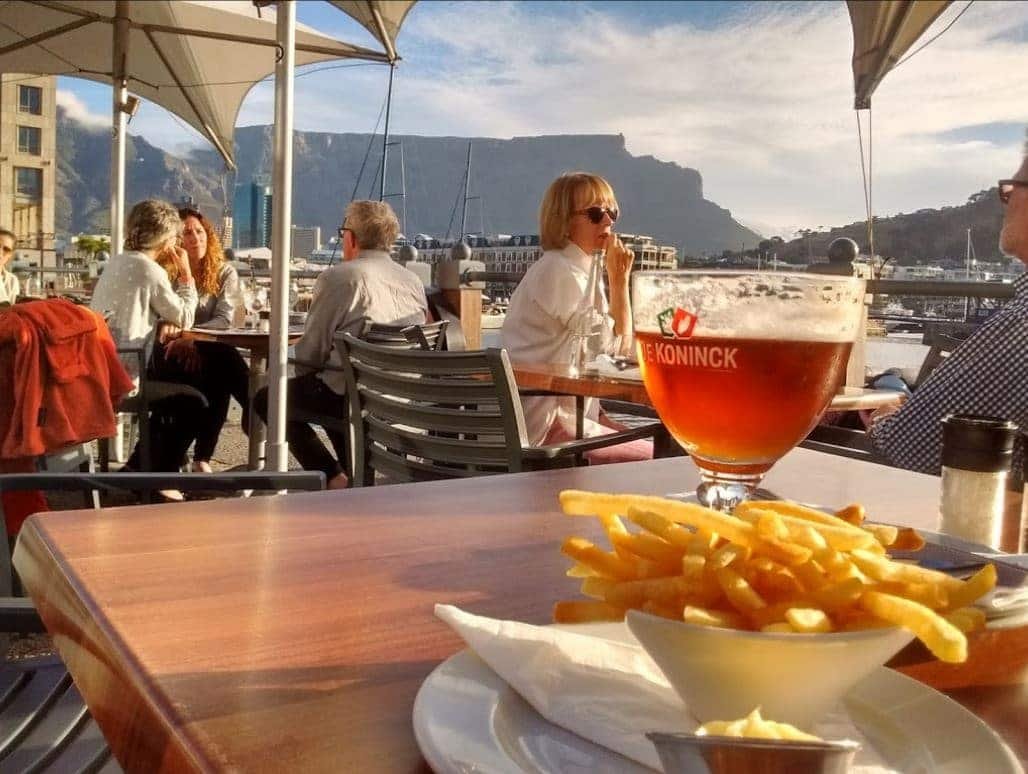
Where the Harbour Meets the Kitchen
The Victoria and Alfred Waterfront is one of the more complicated dining addresses in Cape Town. The precinct draws millions of visitors annually, which means the gravitational pull toward mediocre, tourist-facing menus is strong. The restaurants that resist that pull tend to do so by anchoring themselves in something specific: a sourcing story, a culinary tradition, or a format that gives regulars a reason to return regardless of the view. Den Anker belongs to that category. Positioned on the water's edge with working harbour infrastructure visible across the basin, it frames the physical drama of the V&A; without letting scenery substitute for substance.
The approach to the restaurant runs along the boardwalk, and the noise of the waterfront, ropes against cleats, the low engine hum of harbour vessels, fades as you move closer to the dining room. It is a setting that rewards lunch in particular, when the light off Table Bay is direct and the mountain sits clearly above the bowl of the city. In a precinct where tables are often sold primarily on their outlook, the specificity of Den Anker's culinary positioning gives the space a different kind of weight.
Belgian Framework, Cape Larder
Across the Cape Winelands and the broader Western Cape dining scene, particularly interesting kitchens currently operate at the intersection of imported technique and indigenous product. You see it at Fyn, where Japanese precision meets South African ingredients, and in different registers at La Colombe and Salsify at the Roundhouse. Den Anker's version of that intersection is older and less fashionable in the current moment, rooted in Belgian brasserie culture, but it is no less coherent for that.
Belgian cuisine as a framework for a Cape Town seafood restaurant makes more sense than it might initially appear. Both traditions center on shellfish, on broth-based cooking, on the relationship between beer and food as equal partners at the table. The West Coast of South Africa produces snoek, harders, West Coast rock lobster, perlemoen (abalone), and a mussel harvest from Saldanha Bay, with its cold, clean Atlantic waters, that competes with any European equivalent. A kitchen working Belgian methods has a ready vocabulary for these ingredients: the moules-frites format, the cream-and-beer reductions, the precise calibration of bivalves cooked just past their opening point. The question, as with any European framework applied to southern African product, is whether the sourcing keeps pace with the technique.
That sourcing context matters particularly when you consider what the Western Cape larder offers at different points in the year. Snoek season runs roughly from May through August, when the fish move into False Bay and the broader Cape peninsula waters. Rock lobster has its own regulated season, typically from November into the early months of the following year. A kitchen serious about local seafood has to track these rhythms rather than defaulting to year-round imported product, and a Belgian brasserie format, which has always prioritised seasonal availability, is a reasonable vehicle for doing so.
The V&A; in Competitive Context
The Waterfront address defines the restaurant's competitive set more precisely than its cuisine does. Within the precinct itself, the competition is largely casual, with higher-volume operations designed for tourist throughput. The meaningful comparison set sits further afield: The Test Kitchen in the Old Biscuit Mill, 95 at Parks in the southern suburbs, and the broader group of Cape Town restaurants that have built sustained reputations through kitchen discipline rather than location advantage.
What the restaurant offers that those addresses cannot is immediacy to the harbour itself. For a meal organised around seafood, the proximity to the working port carries its own logic: the product arriving at the docks and the product on the plate share the same geography. That is a less common asset in Cape Town's dining scene than the proliferation of wine-country restaurants might suggest. Comparison venues outside the city, including Le Quartier Français in Franschhoek and Wolfgat in Paternoster, each with their own relationship to local ingredient traditions, are operating in a different register. Wolfgat in Saldanha Bay is the closest parallel in terms of coastal ingredient focus, though its format and scale are considerably smaller.
For visitors building an itinerary around serious eating in the Western Cape, the restaurant functions as the Waterfront's most coherent answer to the question of where European culinary training and Cape seafood productively meet. Those extending their trip into the Winelands will find a different register at Delheim Wine Estate in Stellenbosch, where the kitchen operates in service of the cellar rather than the harbour.
Planning a Visit
Foundry in Sandton, Sympathy's Restaurant in Johannesburg, and Capito in Pretoria, while those combining Cape Town with safari will find different register at Silvan Safari Lodge and Londolozi Game Reserve in Kruger National Park. For visitors arriving from further afield, the seafood-led formats at Le Bernardin in New York City provide a useful benchmark for how a European technique framework handles premium marine product, while Lazy Bear in San Francisco demonstrates a different model of ingredient-technique synthesis. Cape Town's luxury accommodation options, including Ellerman House in Bantry Bay, place the Waterfront within easy reach of quieter residential addresses for those who prefer to base themselves away from the precinct itself.
- Moules Marinieres
- Steak Au Poivre
- Bitterballen
- Pommes Frites
- Pork Belly
- Kingklip
Reputation Context
Comparable venues nearby, for context on price, style, and recognition.
| Venue | Cuisine | Price | Notes |
|---|---|---|---|
| Den AnkerThis venue — the venue you are viewing | Belgian Seafood Brasserie | $$ | Not listed |
| Tamboerswinkel | South African Cafe | $$ | Higgovale |
| Judd’s Local | European Gastropub | $$ | Higgovale |
| Manna Epicure | French-South African Fusion Bistro | $$ | Higgovale |
| Grand Africa Café & Beach | Mediterranean Beach Café with Italian Influences | $$$ | Mouille Point |
| Bistro Sixteen82 | Contemporary Bistro and Tapas | $$$ | Westlake |
Continue exploring
More in Cape Town
Restaurants in Cape Town
Browse all →
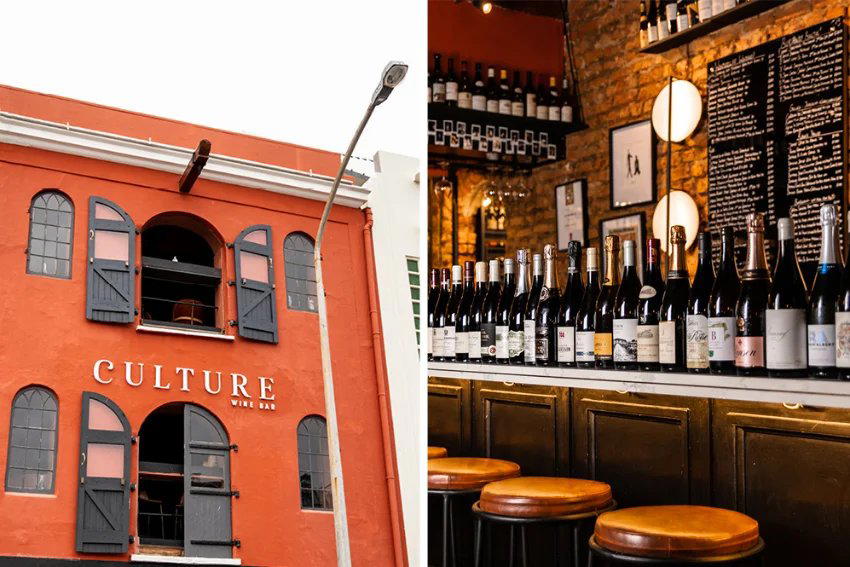
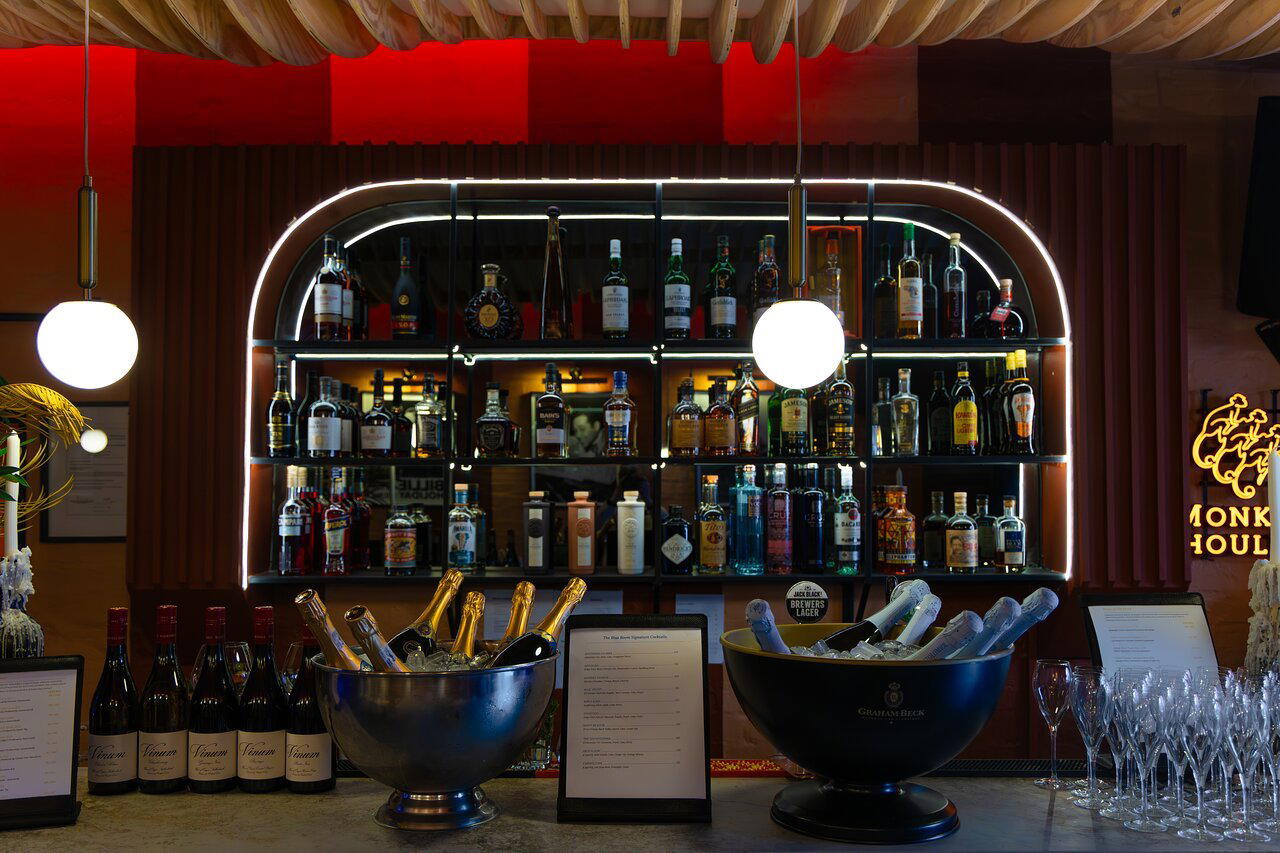
Bars in Cape Town
Browse all →
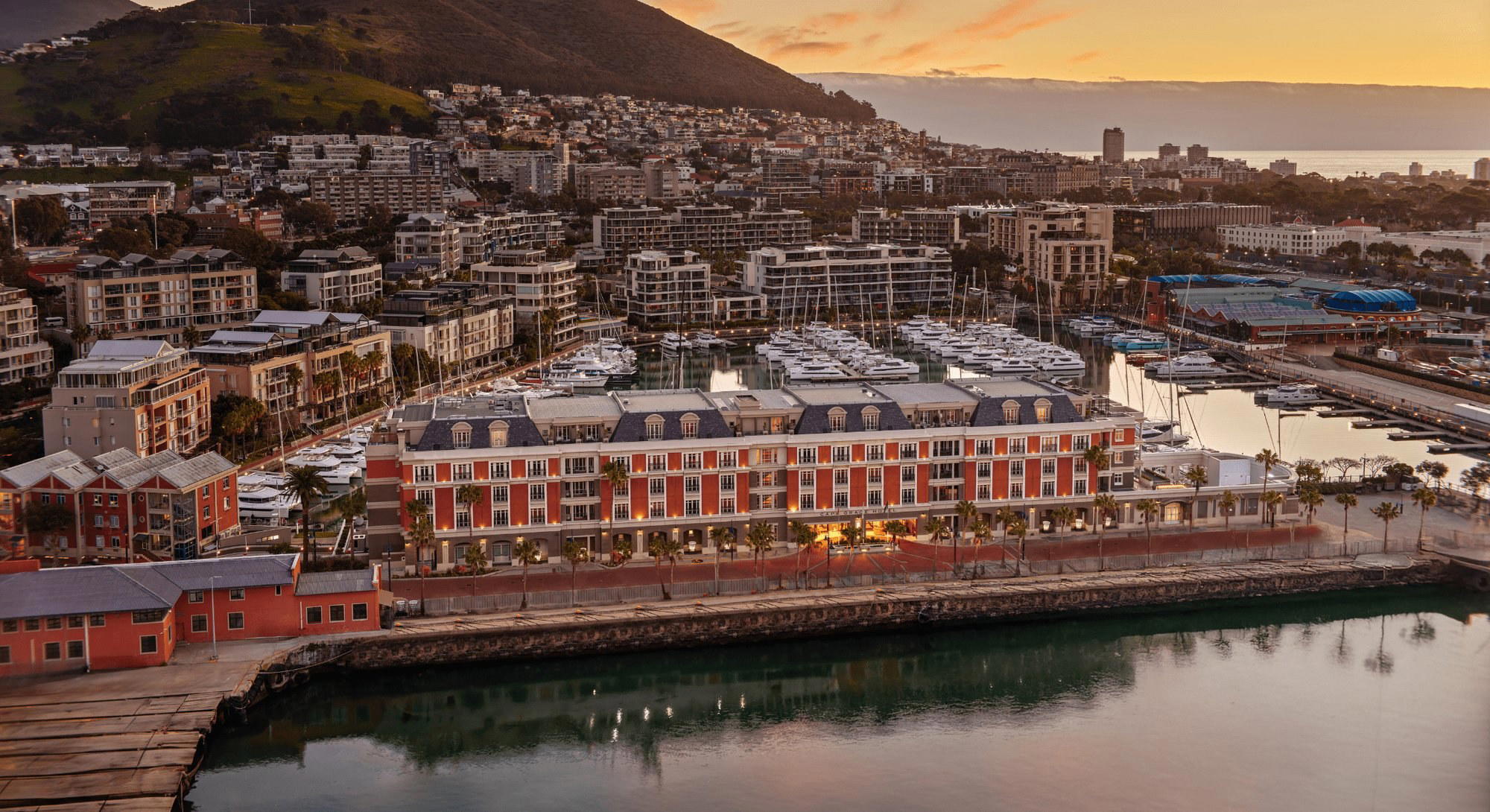
Hotels in Cape Town
Browse all →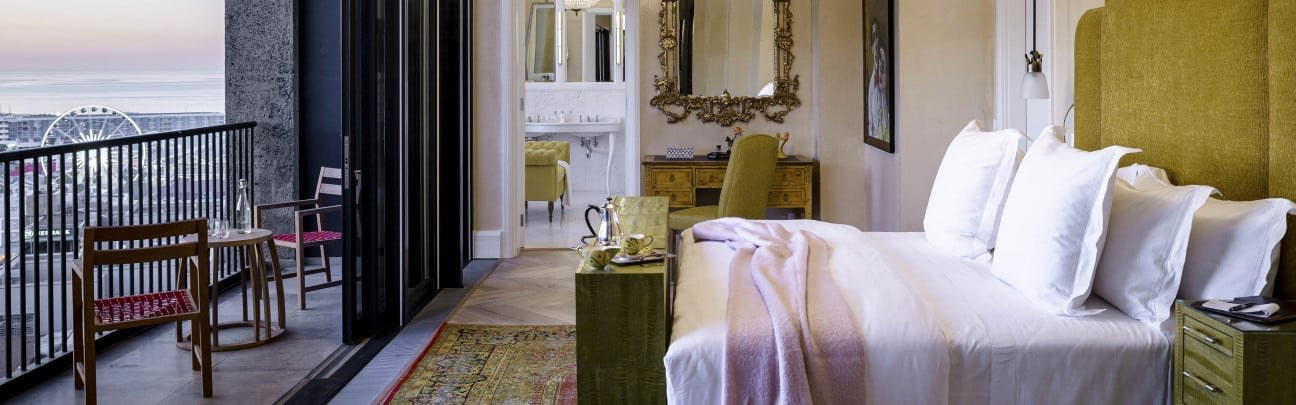
At a Glance
- Lively
- Scenic
- Classic
- Well Known
- Date Night
- Business Dinner
- Group Dining
- Casual Hangout
- Brunch
- Late Night
- Waterfront
- Terrace
- Panoramic View
- Historic Building
- Extensive Wine List
- Beer Program
- Local Sourcing
- Sustainable Seafood
- Waterfront
- Mountain
Current opening hours
- Monday
- 9 AM–10:30 PM
- Tuesday
- 9 AM–10:30 PM
- Wednesday
- 9 AM–10:30 PM
- Thursday
- 9 AM–10:30 PM
- Friday
- 9 AM–10:30 PM
- Saturday
- 9 AM–10:30 PM
- Sunday
- 9 AM–10:30 PM
Hours can change for holidays and private events. Last verified .
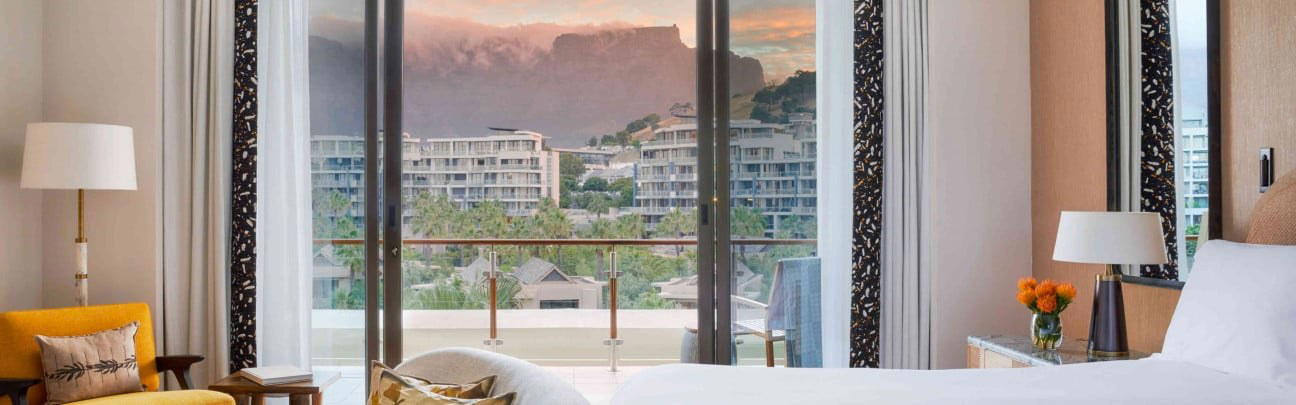
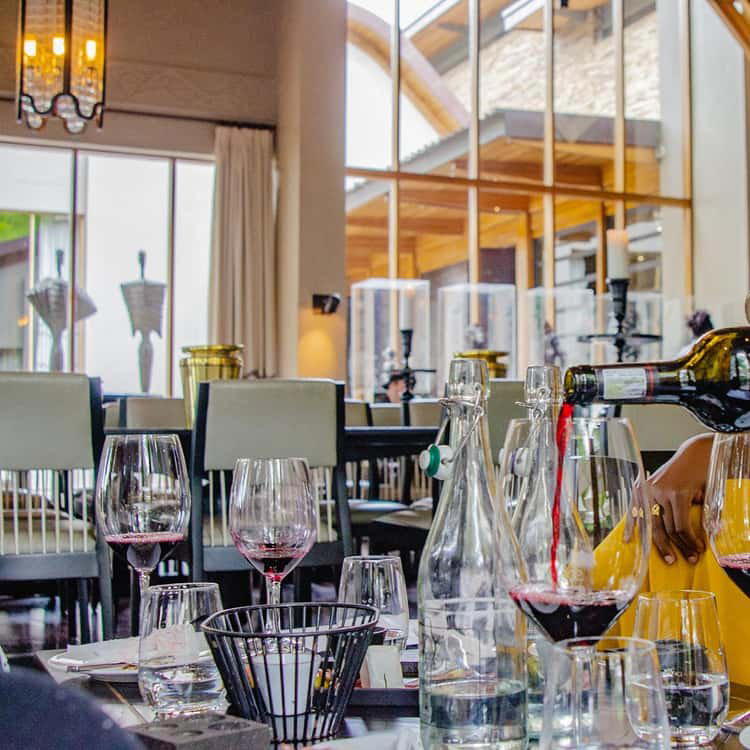
Lively and welcoming with wall-to-wall windows overlooking the harbor and Table Mountain; features both indoor dining with a woodstove and umbrella-shaded terrace seating; lively atmosphere with friendly, attentive staff.