← Guides
Discover a leading Fine Dining in Tokyo! From kaiseki to omakase, these Michelin-starred restaurants offer memorable Fine Dining experiences in Tokyo.
Discover a leading Fine Dining in Tokyo! From kaiseki to omakase, these Michelin-starred restaurants offer memorable Fine Dining experiences in Tokyo.
Fine Dining Tokyo is a global leader in fine dining, offering a mix of multi-course meals (kaiseki), chef-curated menus (omakase), and innovative fusion cuisine. Many of its restaurants feature Michelin stars, showcasing the city's culinary mastery and attention to detail.
Here's a quick guide to 10 standout options for a memorable dining experience:
Key Tips:
Tokyo offers an unusual dining journey, blending seasonal ingredients with expert techniques. Whether you're into sushi, kaiseki, or fusion, these restaurants promise a memorable experience.
Chef Yoshihiro Narisawa brings a distinctive blend of Japanese tradition and modern creativity to Tokyo's fine dining scene. Set in the upscale district of Minamiaoyama (2-6-15 Minamiaoyama, Minato-ku), Narisawa offers broader than the meal - it's an experience crafted around the essence of Japan's seasons.
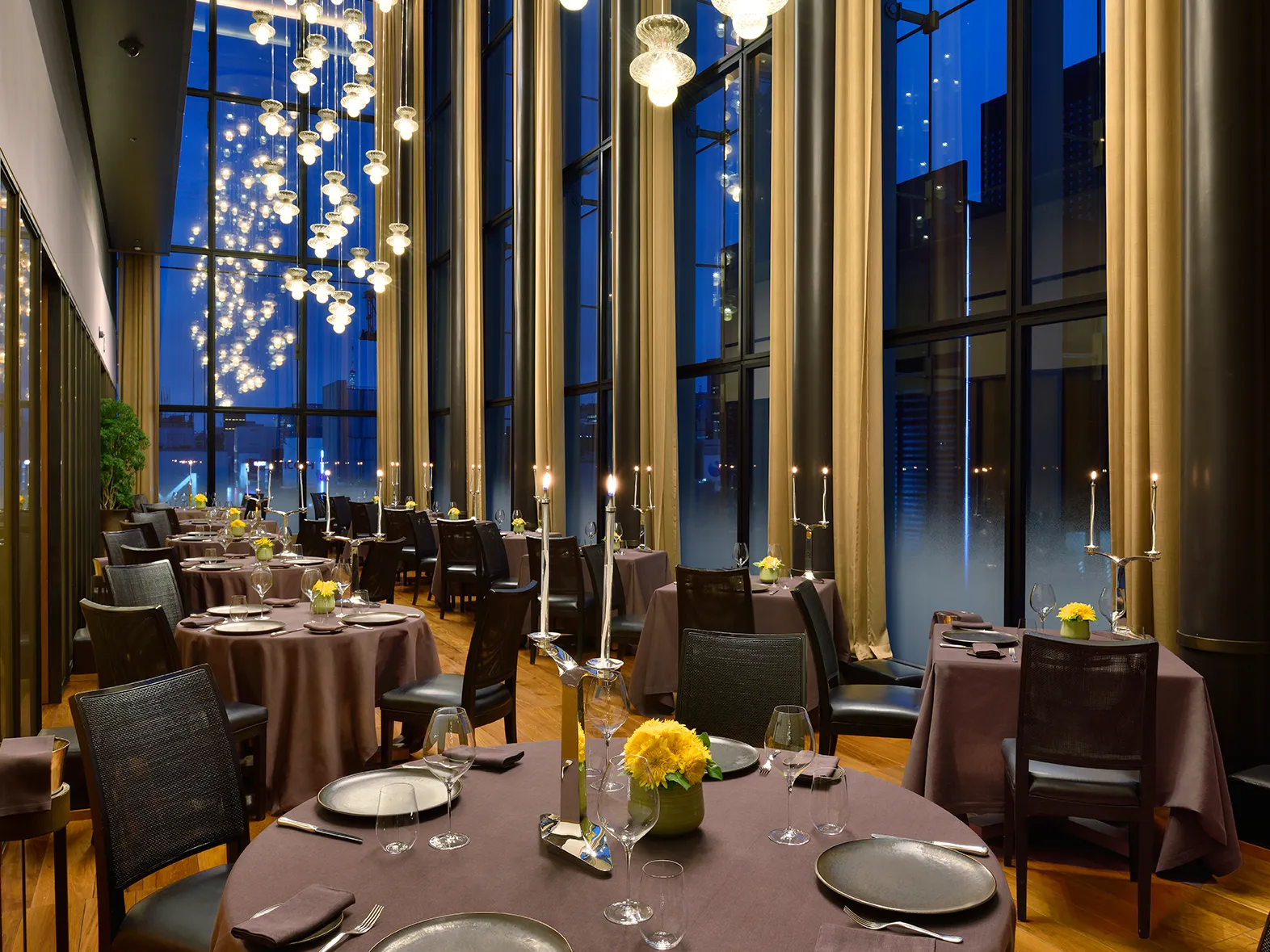
Narisawa's menu is a harmonious blend of traditional kaiseki and seasonal omakase, a style he calls "innovative satoyama cuisine." This approach beautifully combines cultivated and wild ingredients, creating dishes that celebrate Japan's seasonal offerings. Each ingredient is thoughtfully sourced from specific regions, ensuring every plate tells a story of time and place.
The pricing reflects the artistry and seasonality of the dishes. Tasting menus start at around $67 (¥10,000+), with prices adjusting based on the availability and uniqueness of seasonal ingredients.
Reservations are a priority, given the restaurant's limited seating and the high demand for its seasonal omakase menus. These exclusive dining experiences, showcasing Chef Narisawa's innovative use of seasonal ingredients, often fill up quickly - especially during peak periods when rare ingredients are featured.
A smart casual dress code is required, aligning with the refined and intimate atmosphere of the restaurant.
From the intricate techniques to the thoughtfully curated setting, dining at Narisawa is a memorable journey through Japan's culinary landscape.
Set in the upscale Toranomon/Moto-Azabu area, Chef Hiroyuki Kanda's restaurant is a shining example of Japanese culinary mastery.
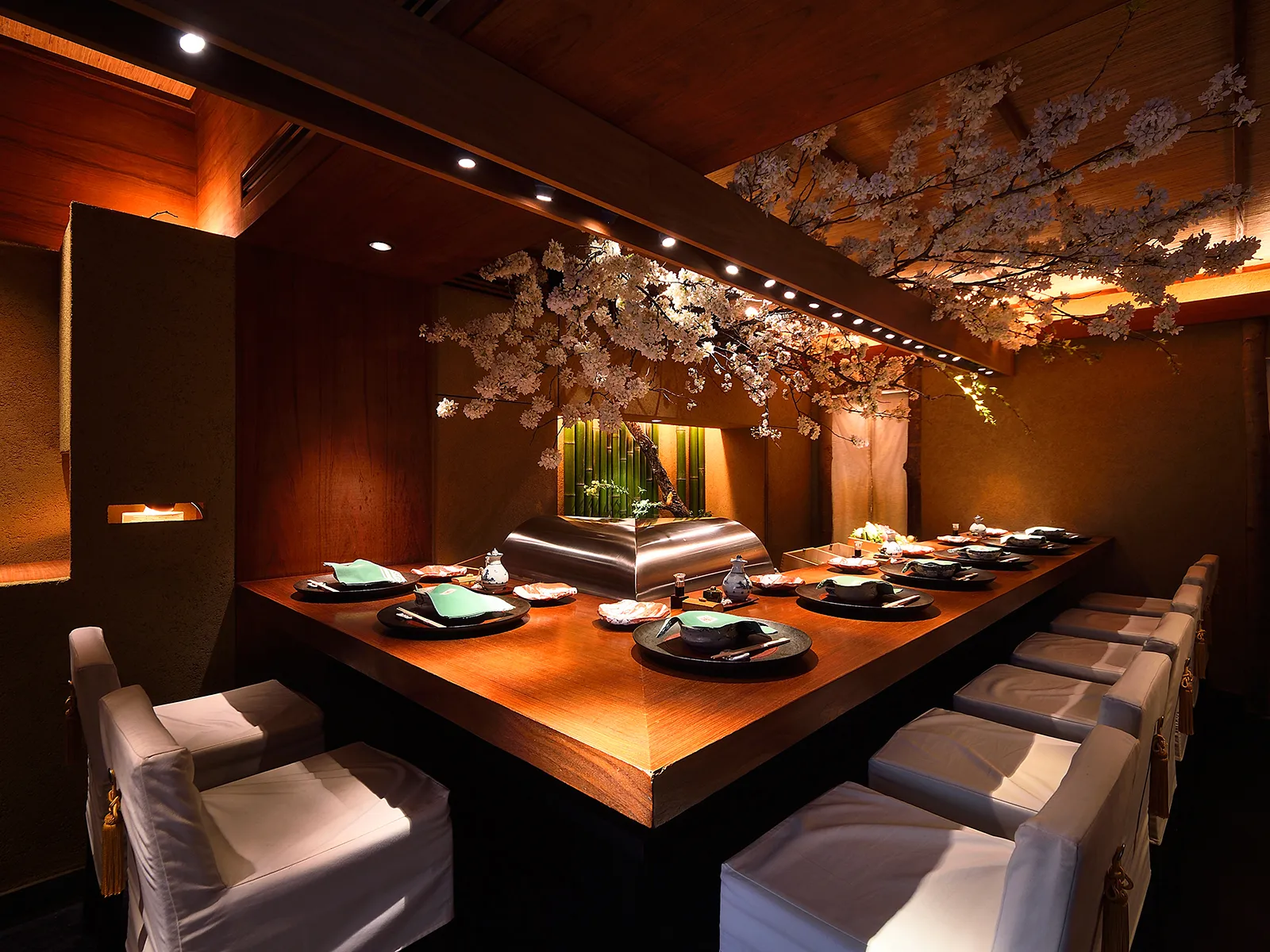
Kanda has earned and maintained an impressive three Michelin stars for 18 years straight. It stands among just 12 Tokyo restaurants to achieve this honor in the Michelin Guide Tokyo 2026.
Kanda specializes in kaiseki cuisine, a traditional Japanese multi-course meal that celebrates the changing seasons. Each dish is a meticulous work of art, crafted to highlight the leading seasonal ingredients. This dedication to quality is reflected in the restaurant's pricing.
Dining at Kanda is a premium experience, with the Michelin Guide assigning it a ¥¥¥¥ price rating. A full kaiseki meal here costs around $200 (¥30,000+), showcasing the notable seasonal ingredients used in every course.
To secure a table at Kanda, reservations must be made by phone. Due to its limited seating and high demand, bookings often need to be arranged 3,6 months in advance.
A formal dress code is required, aligning with Kanda's reputation as one of Japan's most distinguished dining destinations.
Chef Kanda’s relentless pursuit of perfection continues to set the standard for fine dining in Tokyo.
Sukiyabashi Jiro is celebrated for its masterfully crafted omakase sushi, where every detail reflects an unwavering dedication to perfection.
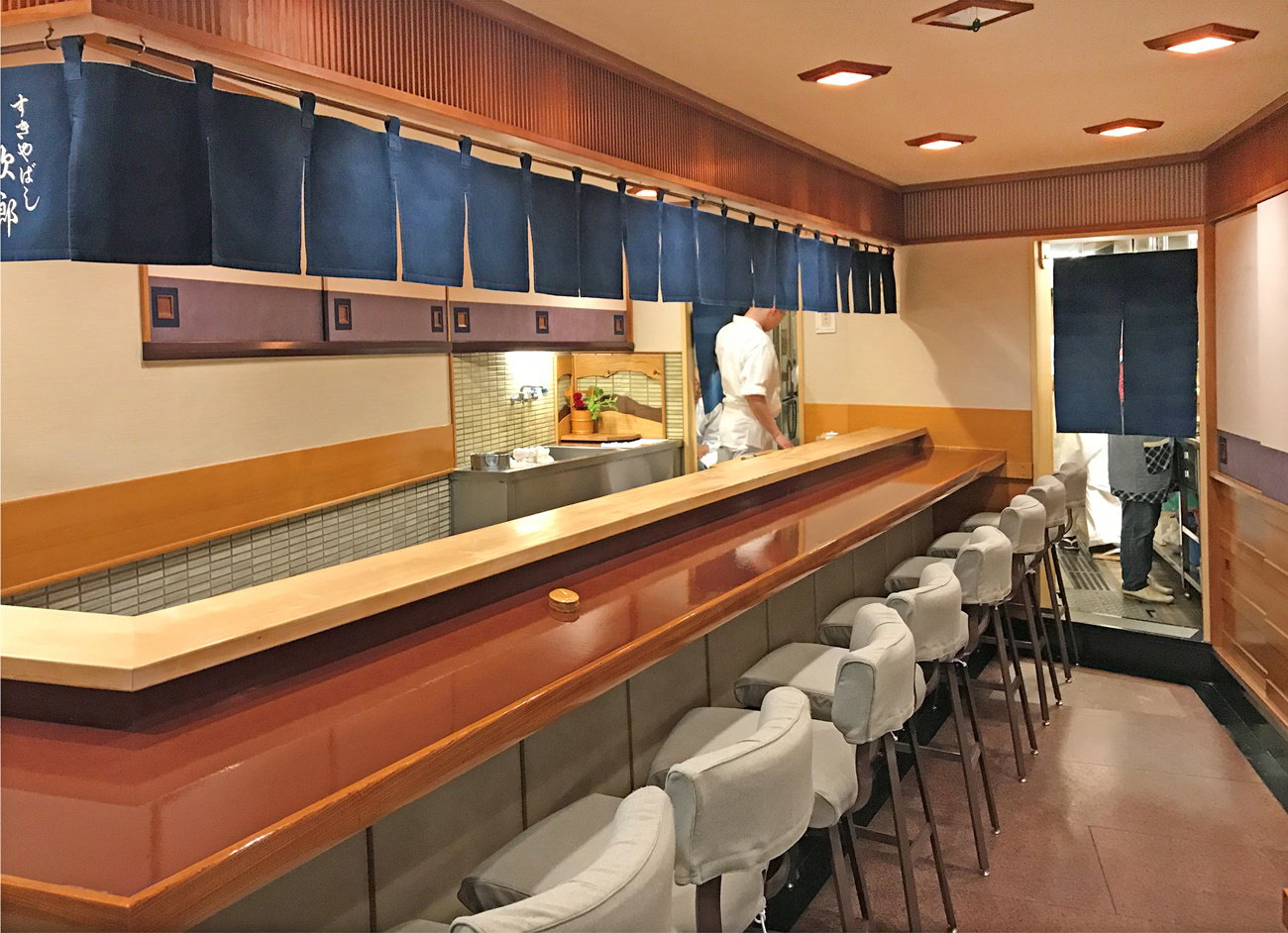
Sukiyabashi Jiro previously held three Michelin stars but was removed from the Michelin Guide in 2020, because it no longer accepts reservations from the general public. Known for its omakase-style sushi, Sukiyabashi Jiro offers a carefully curated selection that highlights the chef's artistry and meticulous attention to flavor. Each piece is a testament to the pursuit of balance and harmony, making every bite a memorable experience.
A meal at Sukiyabashi Jiro comes with a premium price tag, with lunch costing between ¥50,000 and ¥60,000 (around $333 to $400). This reflects the restaurant's standing as a upper-tier dining destination.
Den showcases the essence of Tokyo's fine dining scene, offering a playful and inventive twist on traditional kaiseki cuisine.
With two Michelin stars to its name, Den redefines kaiseki by blending age-old Japanese culinary techniques with modern flair. Chef Zaiyu Hasegawa crafts each dish with a well-suited balance of tradition and creativity, celebrating seasonal ingredients in a way that’s both respectful of kaiseki’s roots and refreshingly unexpected. Every course follows the classic kaiseki progression but adds a touch of whimsy and innovation, making the dining experience memorable.
The tasting menus at Den are priced between ¥20,000 and ¥30,000 (around $133,$200). This pricing reflects the restaurant's premium status and its commitment to delivering an extraordinary two-star Michelin experience.
Set in the lively Jingumae/Harajuku area, Den invites diners to enjoy its upscale yet relaxed atmosphere with a smart casual dress code, making it an approachable choice for a refined dining experience.
Quintessence holds its place as a standout in Tokyo's upscale dining landscape. Despite its reputation among fine dining enthusiasts, it often flies under the radar. Specific details like its cuisine style, Michelin rating, pricing, and dress code aren’t readily available. For accurate and up-to-date information, check out the restaurant's official website.
Set in Nishi-Azabu, L'Effervescence is helmed by Chef Shinobu Namae, who masterfully combines Italian culinary techniques with high-quality Japanese ingredients. While the Michelin Guide categorizes it as French cuisine, the unmistakable Italian influences in its dishes highlight the restaurant's innovative approach. This distinctive fusion mirrors Tokyo's reputation for pushing the boundaries of culinary creativity.
In December 2020, L'Effervescence achieved the prestigious three Michelin stars. According to Michelin standards, this rating signifies "strong cuisine, worth a special journey". The restaurant's meticulous attention to detail and polished service played a central role in earning this honor. It is a testament to its bold and inventive culinary vision.
Critic Saori Nishida highlights the restaurant's Italian-inspired creations, crafted with Japanese ingredients, alongside its flawless service, which even includes on-table matcha preparation. Guests can expect a well-paced dining experience lasting approximately 2.5 to 3 hours.
L'Effervescence falls into the Michelin Guide's "¥¥¥¥" price category, indicating a high-end dining experience.
Reservations at L’Effervescence require careful planning due to its esteemed status. Online booking is available, but securing a table often demands reservations made 3,6 months in advance. Lunch bookings may offer slightly more availability, but flexibility with dates is key. As with many three-star Michelin establishments in Tokyo, demand is high, and tables fill quickly. Patience and planning are essential for those eager to experience this notable dining destination.
Nihonryori RyuGin, often called RyuGin, proudly carries a coveted three-star Michelin rating. This distinction signifies cuisine so extraordinary that it’s worth going out of your way to experience. It’s firmly established as one of Tokyo’s top dining destinations, celebrated for delivering particularly precise culinary artistry.
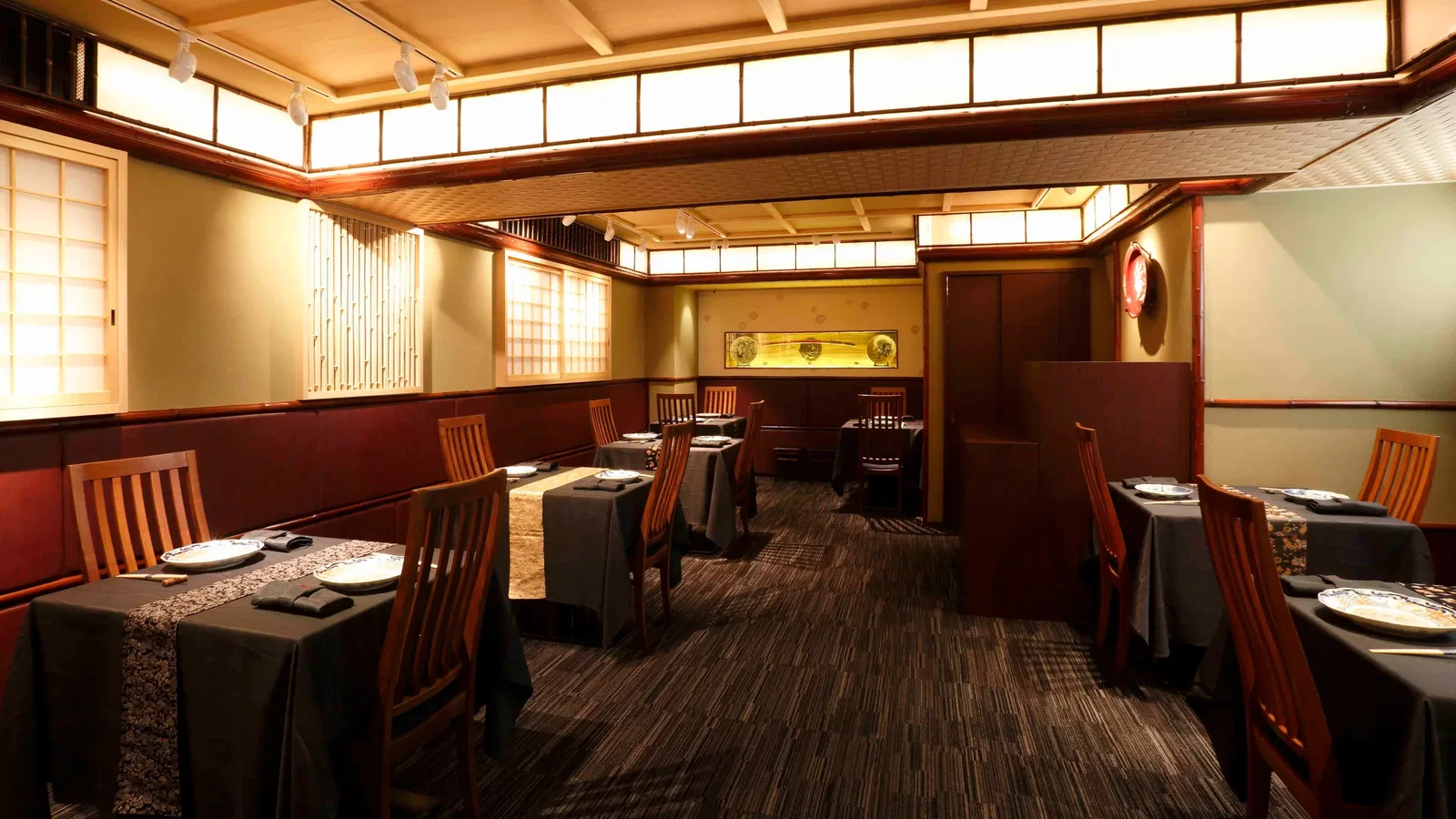
Florilège continues Tokyo's reputation as a hub for notable fine dining, offering a distinctive take on culinary craftsmanship. Set in Azabudai Hills, this restaurant seamlessly merges French and Japanese flavors, delivering a dining experience that's both refined and imaginative. The layout features a counter and communal seating, inviting diners to watch the chefs in action - a touch that adds an engaging, interactive element to the meal.
Details about pricing, reservations, and dress code aren't available at the moment. For the latest updates, it's best to reach out to the restaurant directly.
Sushi Yoshitake is one of Tokyo's most sought-after sushi spots, offering an intimate omakase experience crafted by Chef Masahiro Yoshitake. With only 12,13 seats available, diners are treated to personalized attention and a front-row view of the chef's meticulous techniques.
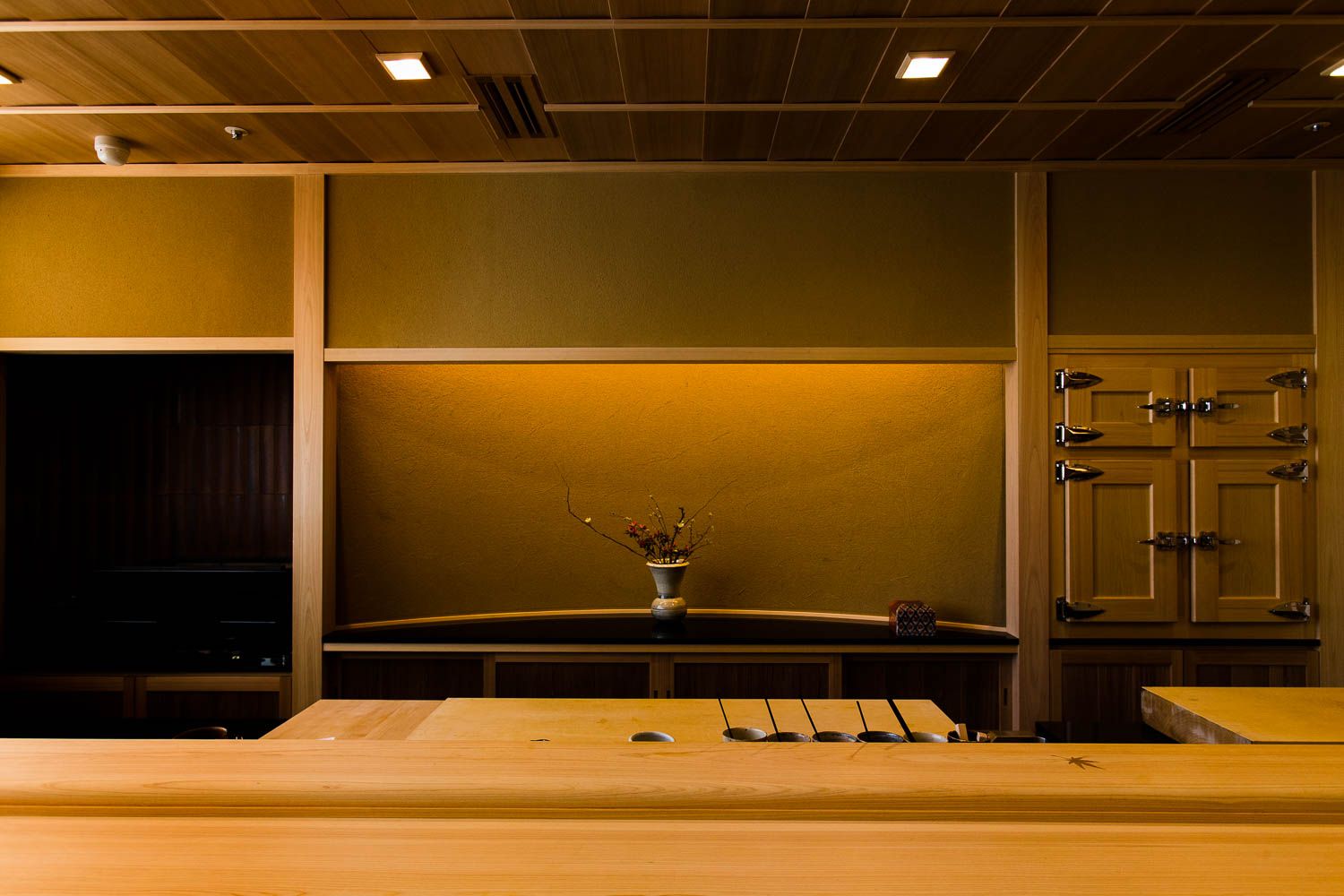
While its current Michelin star status remains unconfirmed, Sushi Yoshitake is widely celebrated for its masterful sushi preparation. The techniques perfected here have influenced many of Tokyo's upper-tier sushi establishments.
Sushi Yoshitake specializes in traditional omakase, where every piece of sushi is handpicked and prepared by the chef using the leading seasonal ingredients. Guests seated at the counter can witness the artistry up close as each piece is served at its peak freshness and flavor. This immersive approach elevates the dining experience to a whole new level.
Dining at Sushi Yoshitake comes with a premium price tag, reflecting the quality of ingredients and the exclusivity of the experience. The omakase menu typically costs between $270 and $470 (¥40,000,¥70,000), aligning with the restaurant's dedication to offering only a strong option.
With just 12,13 seats and a stellar reputation, reservations at Sushi Yoshitake are notoriously difficult to secure. Planning well in advance is essential for those hoping to experience this exclusive dining destination. The combination of limited availability and high demand solidifies its position as one of Tokyo's premier sushi experiences.
Sushi Saito, helmed by the renowned Chef Takashi Saitō, has built its reputation as among the more sought-after sushi destinations in the world. With decades of dedication to traditional sushi-making and a focus on serving a informed clientele, it offers an experience that feels both intimate and extraordinary.
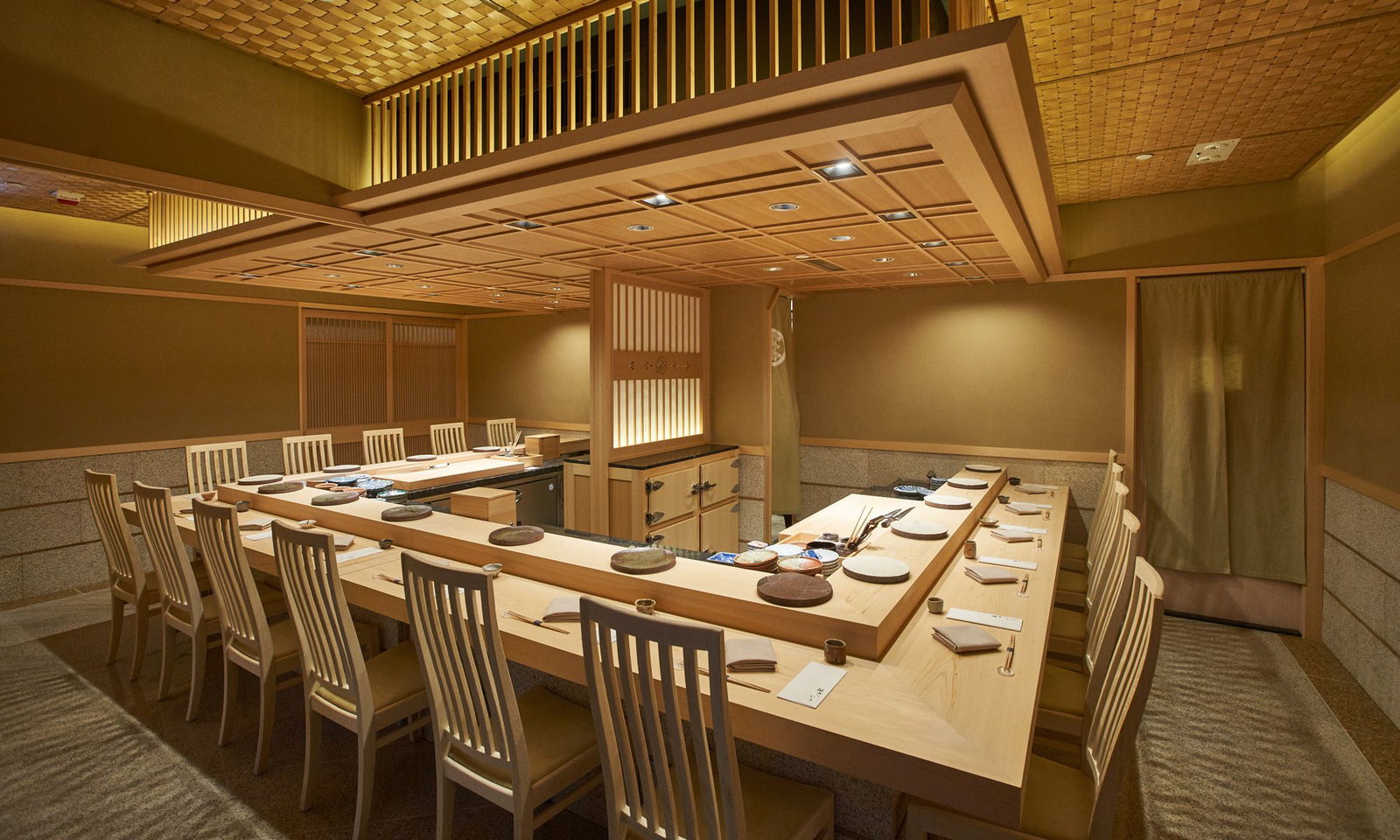
The restaurant is known for its limited seating, which allows Chef Saitō to personally showcase his mastery of nigiri, crafted with unusual precision and care.
At Sushi Saito, the spotlight is on traditional omakase sushi. Guests place their trust in the chef to curate a meal that highlights the leading seasonal ingredients. Every piece of sushi is a masterpiece, prepared with meticulous attention to timing, temperature, and ingredient pairing. This approach reflects the essence of Edomae sushi, a style deeply rooted in Tokyo's culinary heritage. The result is a dining experience that feels both timeless and deeply personal.
Securing a reservation at Sushi Saito is no small feat. Seats are reserved exclusively through hotel concierges, and the demand often means planning months in advance. This exclusivity only adds to the allure, making a visit to Sushi Saito a bucket-list experience for sushi enthusiasts.
Here’s a quick look at some of Tokyo’s top fine dining spots, summarizing their standout features for easy comparison. This table complements the detailed reviews, helping you decide where to dine.
Dining at these premier restaurants is a mix of elegance, exclusivity, and strong cuisine. Prices at three-star establishments typically start above $200 per person, with high-end sushi spots like Sushi Yoshitake and Sushi Saito reaching over $400 for omakase. Reservations can be direct or require concierge assistance, depending on the venue. Dress codes also vary: some, like Kanda and Sushi Saito, demand formal attire, while others lean toward smart or elegant casual styles.
The culinary offerings range widely - from traditional kaiseki and sushi to inventive French-Japanese fusion. For instance, Den offers a playful twist on kaiseki, while Florilège blends French and Japanese influences for a fusion experience. Whether you’re seeking classic techniques or experimental flavors, Tokyo’s fine dining scene has something memorable to offer.
Tokyo's fine dining scene masterfully combines age-old traditions with modern creativity. Whether it's the artistry of kaiseki or the personalized touch of omakase, every restaurant showcases Japan's deep respect for seasonal ingredients and meticulous craftsmanship. The variety is astounding, from Chef Yoshihiro Narisawa's nature-inspired dishes to the French-influenced menus at Quintessence, where meals start at $260. This blend of diversity and exclusivity captures the essence of Tokyo's lively dining culture.
As highlighted earlier, securing a reservation often requires planning months in advance, typically through phone calls or concierge services. Many of particularly sought-after spots, especially those with limited seating, rely on concierge bookings to manage their exclusivity. This ensures a highly personalized experience, where every detail is thoughtfully curated.
Dining at these establishments, with prices ranging from $65 to over $450 per person, is broader than the meal - it's the culmination of decades of culinary expertise. The renowned omotenashi (Japanese hospitality), paired with precise techniques and often theatrical presentations, leaves an impression that lingers long after the last bite.
For those who appreciate fine wine or are eager to explore new culinary horizons, Tokyo's fine dining restaurants offer an immersive experience. They embody Japan's unwavering commitment to excellence and creativity. Plan ahead, respect the dress codes, and prepare to be part of a dining journey that redefines the meaning of luxury and craftsmanship.
Securing a table at Tokyo’s upper-tier fine dining spots can feel like a daunting task, but there are a few strategies that can make it easier:
Because these restaurants often have limited seating and fill up months in advance, planning ahead is central. Being flexible with your preferred dates and times can also increase your chances of getting a reservation.
Kaiseki and omakase represent two distinct yet equally captivating approaches to fine dining in Tokyo. Kaiseki offers a carefully orchestrated multi-course meal, rooted in tradition. Each dish is a celebration of seasonal ingredients, prepared using various techniques to create a harmonious balance of flavors, textures, and visual presentation. Every detail, from the arrangement of the food to the choice of serving ware, is thoughtfully considered.
On the other hand, omakase, which translates to "I’ll leave it up to you", takes a more spontaneous route. The chef crafts a personalized menu on the spot, guided by the freshest ingredients available that day. This style often feels more interactive, with dishes presented one by one directly from the chef, creating a dynamic and intimate dining experience.
While both styles showcase the precision and artistry of Japanese cuisine, kaiseki leans into tradition and formality, whereas omakase thrives on creativity and the diner’s trust in the chef’s expertise.
In Tokyo's fine dining scene, dress codes usually fall between formal attire and smart casual, depending on the restaurant. For instance, establishments like Kanda expect guests to dress formally, while spots like Den lean toward a more relaxed smart casual vibe.
Adhering to these dress codes isn't just about appearances - it's a way to honor the restaurant's traditions, maintain its refined atmosphere, and fully immerse yourself in the notable dining experience that Tokyo is celebrated for. It’s all part of the meticulous attention to detail that makes this city's culinary world so extraordinary.
Get the App
Take the shortlist into the En Primeur Club app for concierge access, saved places, and the next step after discovery.
Get Exclusive AccessMore from the editors