Delilah Dallas
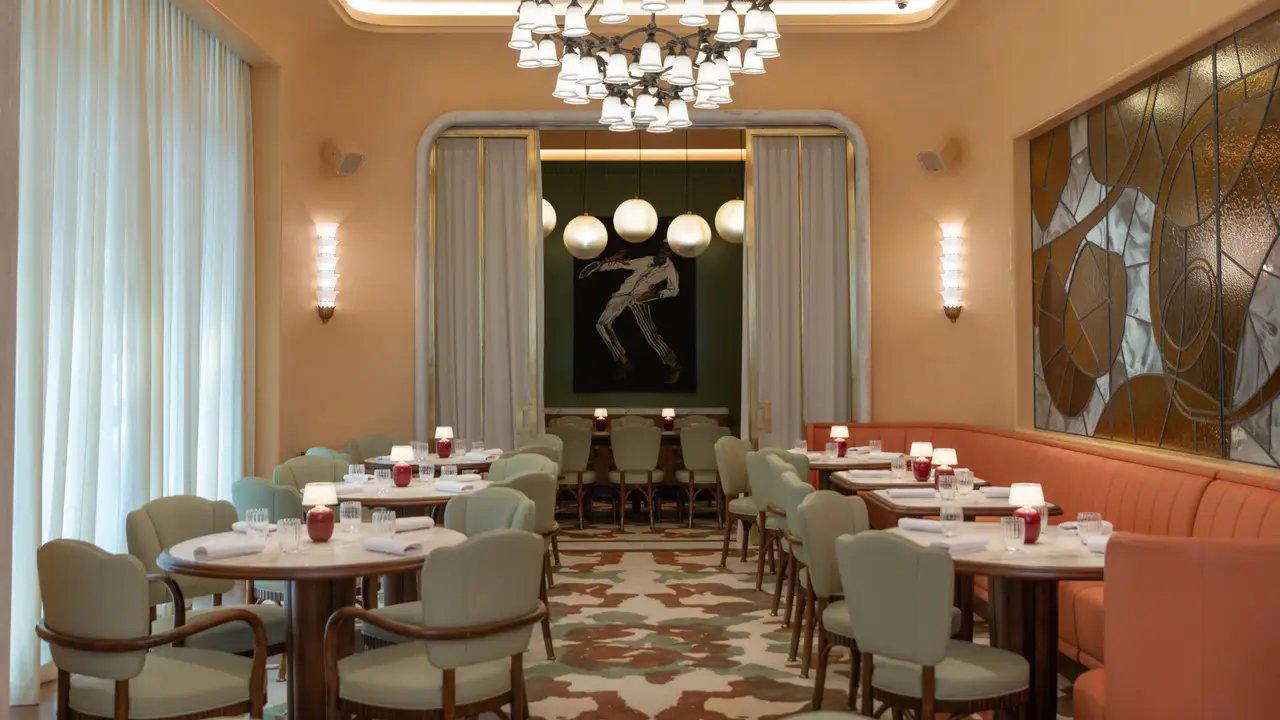
Delilah Dallas sits at 1616 Hi Line Dr in the Design District, a corner of the city where hospitality venues compete on atmosphere as much as plate. The room draws from the broader national wave of design-led dining that treats the physical space as the primary editorial statement. Reserve ahead and arrive with that context in mind.
Pearl is the En Primeur Club membership app — saves, bookings, and concierge access live there. Same editors, same standards.
- Address
- 1616 Hi Line Dr, Dallas, TX 75207
- Phone
- +14699491171
- Website
- delilahrestaurants.com
- Directions
- Get directions
 Saves & bookings on Pearl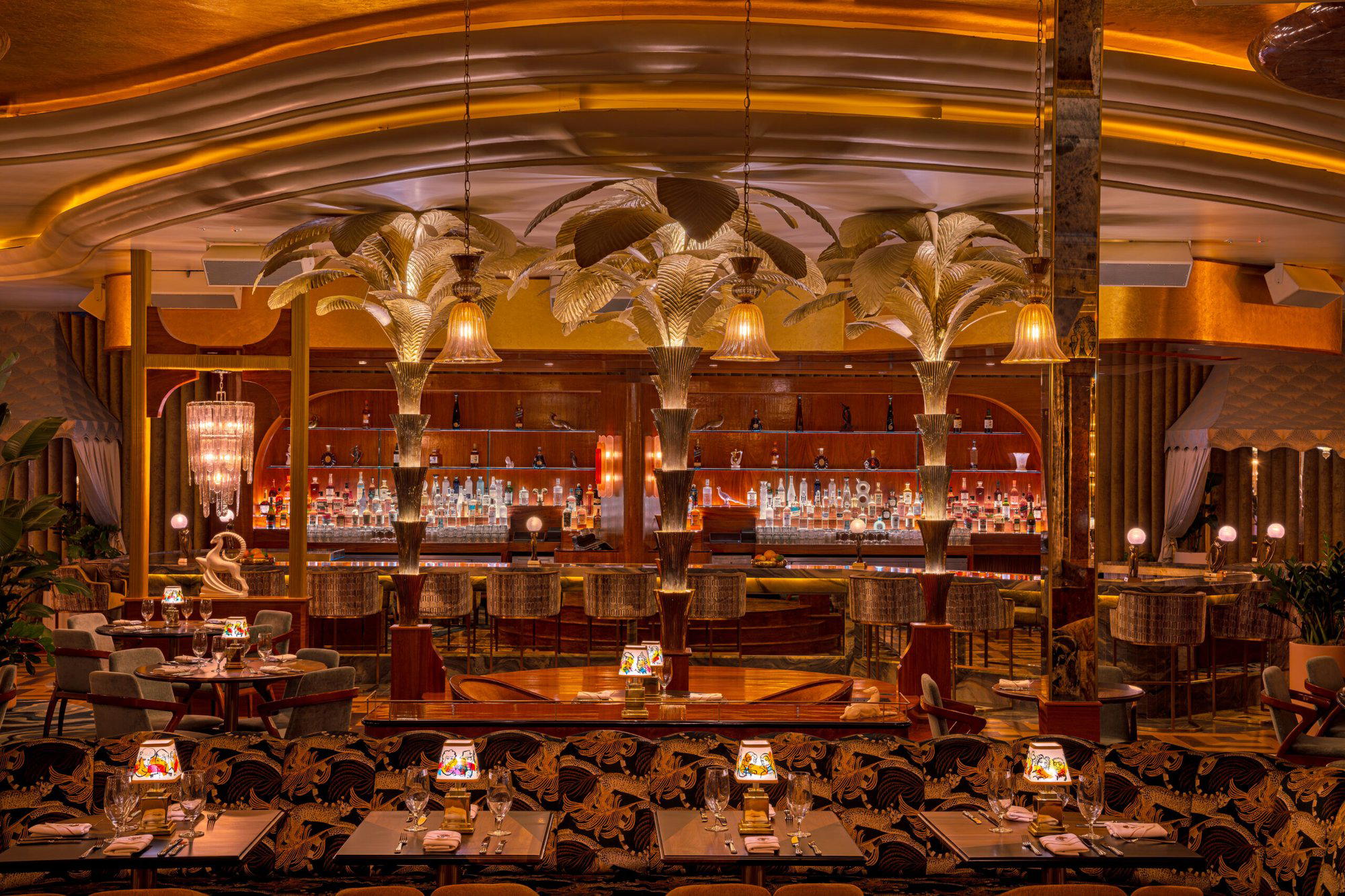
The Design District Sets the Frame
Dallas's Design District, clustered along Hi Line Drive and its surrounding blocks, has spent the better part of a decade evolving from showroom territory into one of the city's most contested hospitality zones. The logic is architectural from the start: buildings here carry scale, ceiling height, and raw industrial bones that restaurants in older dining corridors simply cannot replicate. When a venue opens at 1616 Hi Line Dr, it inherits a physical context that is already doing part of the work. The question is whether the interior program matches what the container promises.
That pressure defines the tier of restaurant the Design District now attracts. This is not the neighborhood for a quiet neighborhood Italian or a tucked-away ramen counter. Venues that open here are making a spatial argument first. Delilah Dallas arrives inside that logic, placing itself in a competitive set where the room is read as a direct signal of intent, before a single dish or cocktail enters the picture. Compare this to the quieter editorial made by Mamani or the precision-focused format at Tatsu Dallas, and the difference in spatial register becomes clear.
Reading the Room: Architecture as Argument
The national conversation about what a dining room should do has shifted considerably in recent years. A decade ago, the dominant language was intimacy: low ceilings, close tables, candlelight that flattened distance. The current wave, visible in cities from New York to Los Angeles, reaches in the opposite direction. Rooms are larger, materials are heavier, and the lighting plan is expected to carry dramatic weight across a significantly bigger floor plate. Venues like Lazy Bear in San Francisco and Smyth in Chicago have each, in different ways, treated the physical dining environment as a programmatic decision with as much consequence as the menu format itself.
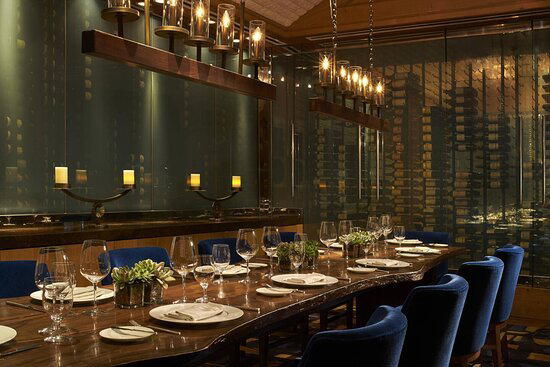
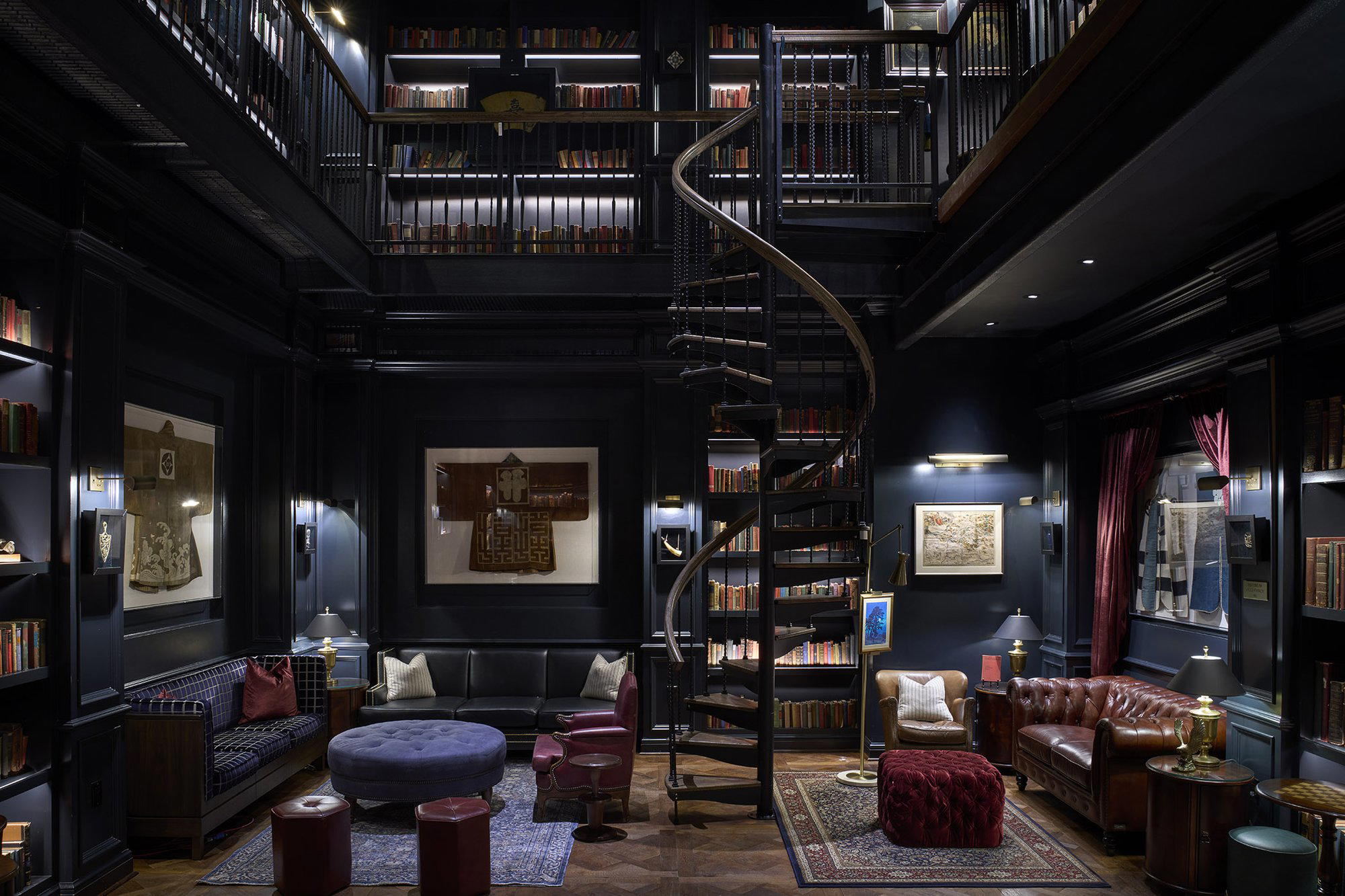
Delilah Dallas occupies that same conversation at the local level. The Hi Line Dr address places the room in a neighborhood where the bones are already generous: industrial volumes, open sight lines, and the kind of ambient noise floor that signals gathering over hushed reverence. A space like this asks its interior program to subdivide intelligently, creating zones that feel distinct without losing the energy that a large floor generates. How seating arrangements handle that challenge, whether through banquette structures, material shifts, or lighting zoning, determines whether a big room feels considered or merely big.
For reference against the national field: rooms at Providence in Los Angeles or Addison in San Diego use spatial discipline to signal a particular dining register without telegraphing their category in the first thirty seconds. Delilah Dallas is operating closer to the entertainment-hospitality end of that spectrum, where the room is meant to generate its own occasion rather than recede behind the food.
Where Delilah Dallas Sits in Dallas's Dining Tier
Dallas has always run a split dining identity. On one side sits the steakhouse tradition, the Southwestern American lineage of places like Fearing's, and the Brazilian churrasco format represented by venues such as 12 Cuts Brazilian Steakhouse. On the other side, a younger cohort of design-conscious, experience-oriented rooms has emerged over the last five years, pulling diners who are as interested in where they are as in what they are eating. The restaurant belongs to the second group.
That positioning means the relevant comparison set is not necessarily defined by cuisine category. A meal at 3Eleven Kitchen and Cocktails or a Sunday at 360 Brunch House draws on different motivations than a dinner at Tei-An or a lunch at Lucia. Delilah competes for the same decision as the former group: an occasion driven by atmosphere and social energy, where the food and drink program needs to be capable rather than necessarily genre-defining. That is not a lesser ambition; it is a different one, and the Design District rewards venues that commit to it clearly.
National venues that have built their reputation on this same combination of space, social energy, and capable kitchen programs include Emeril's in New Orleans, which for years occupied a room that generated its own occasion, and the longer-established format at The Inn at Little Washington, where the physical environment carries programmatic weight alongside the tasting menu. The scale and social register differ, but the underlying argument, that where you sit shapes what the meal means, is the same.
The Kitchen's Role in a Room-Led Format
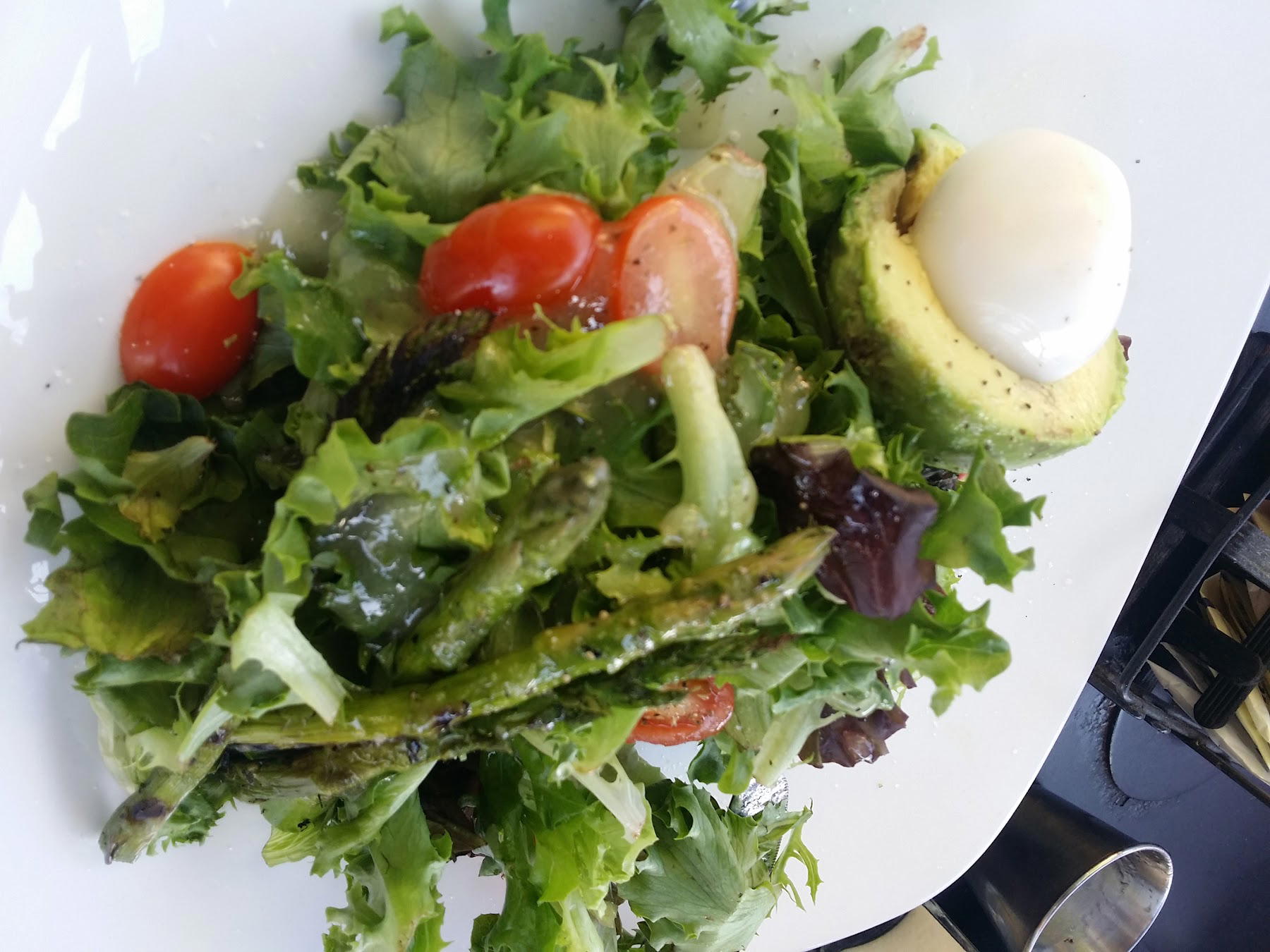
When a venue leads with space, the kitchen is working against a specific challenge. Diners who arrive primarily for the environment have a lower activation threshold for the food: they are already engaged. But they are also more likely to remember a dish that fails, because it punctures an atmosphere they are otherwise enjoying. The food program at a design-led room needs to be coherent and technically sound, even if it is not pushing genre boundaries.
One durable versions of this format, from Blue Hill at Stone Barns in Tarrytown to Single Thread Farm in Healdsburg, solve this by aligning the food philosophy directly to the spatial identity, so neither element feels imported. Venues where the kitchen program and the room feel like they were designed for different customers tend to drift. Whether the restaurant has achieved that alignment is a question the room and plate together will answer on any given visit.
Among the formal international reference points, Le Bernardin in New York City, Atomix in New York City, and Atelier Moessmer Norbert Niederkofler in Brunico represent the end of the spectrum where kitchen and room are in complete alignment, a useful benchmark even when the format is different. The French Laundry in Napa is the canonical American case of a physical environment that became inseparable from the culinary identity over time.
Reputation First
Comparable venues nearby, for context on price, style, and recognition.
| Venue | Cuisine | Price | Notes |
|---|---|---|---|
| Delilah DallasThis venue — the venue you are viewing | Modern American Supper Club | $$$$ | Not listed |
| The Crescent Club | Contemporary American Fine Dining | $$$$ | LoMac |
| 3Eleven Kitchen and Cocktails | Contemporary American Steakhouse | $$$ | West End Historic District |
| Doughbird | Pizza and Rotisserie Chicken | $$$ | Devonshire |
| Monarch at Tower Club Dallas | Contemporary Upscale American Steakhouse | $$$$ | Downtown |
| CBD Provisions | Modern Texas Brasserie | $$$ | Downtown |

At a Glance
- Elegant
- Lively
- Sophisticated
- Ornate
- Well Known
- Date Night
- Celebration
- Special Occasion
- Late Night
- Live Music
- Private Dining
- Craft Cocktails
Current opening hours
- Monday
- Closed
- Tuesday
- 5 PM–12 AM
- Wednesday
- 5 PM–12 AM
- Thursday
- 5 PM–12 AM
- Friday
- 5 PM–2 AM
- Saturday
- 5 PM–2 AM
- Sunday
- 5 PM–12 AM
Hours can change for holidays and private events. Last verified .
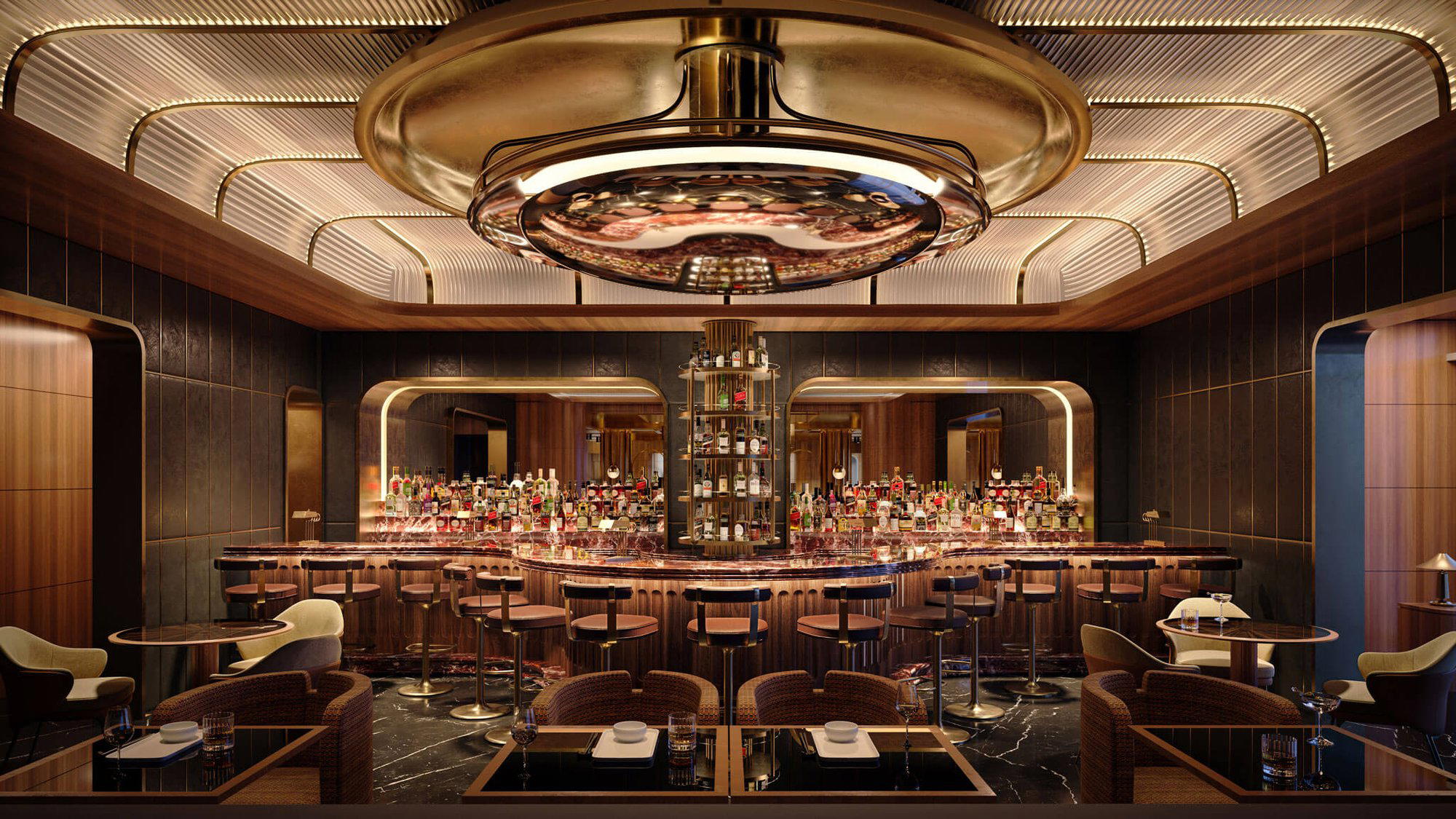
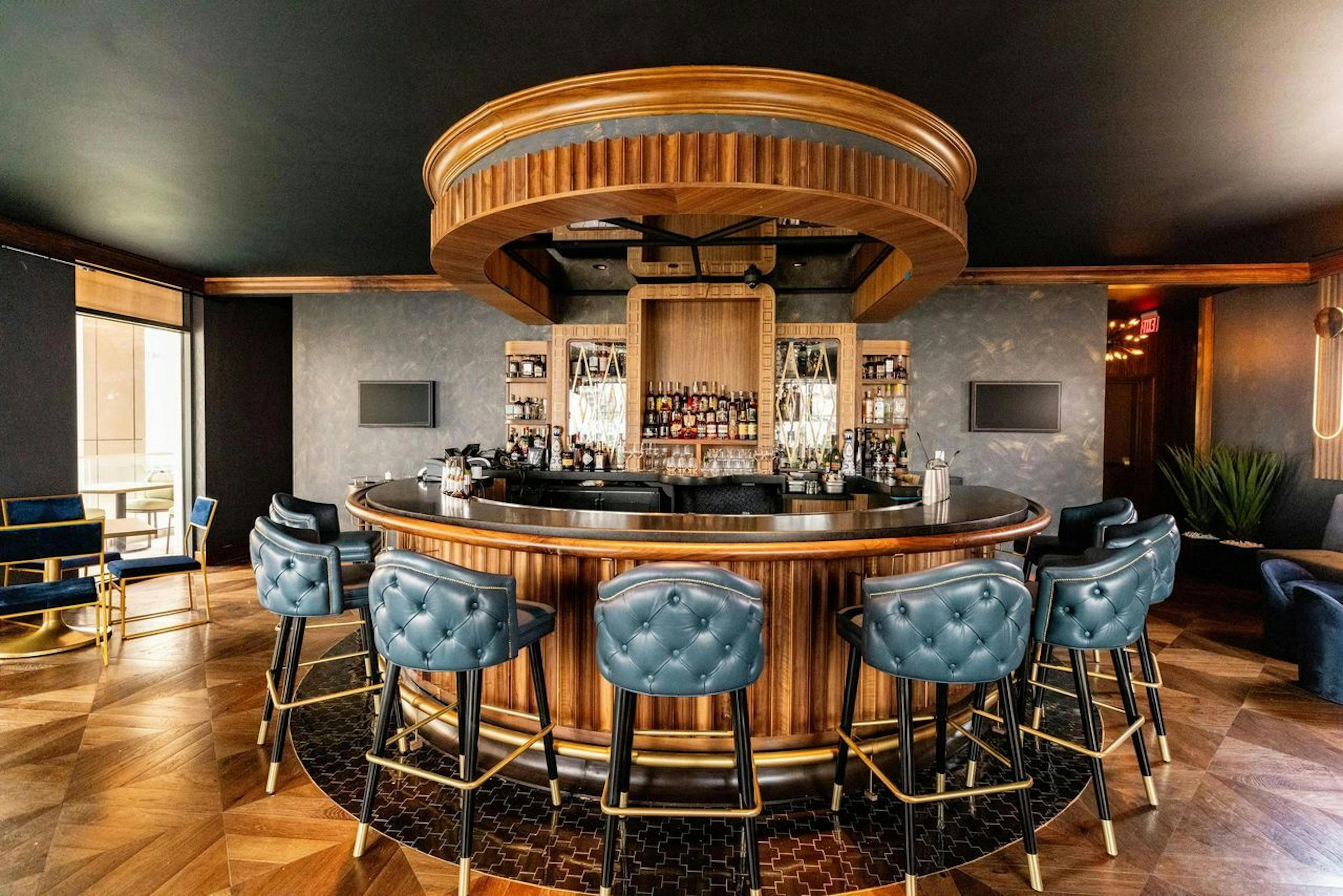
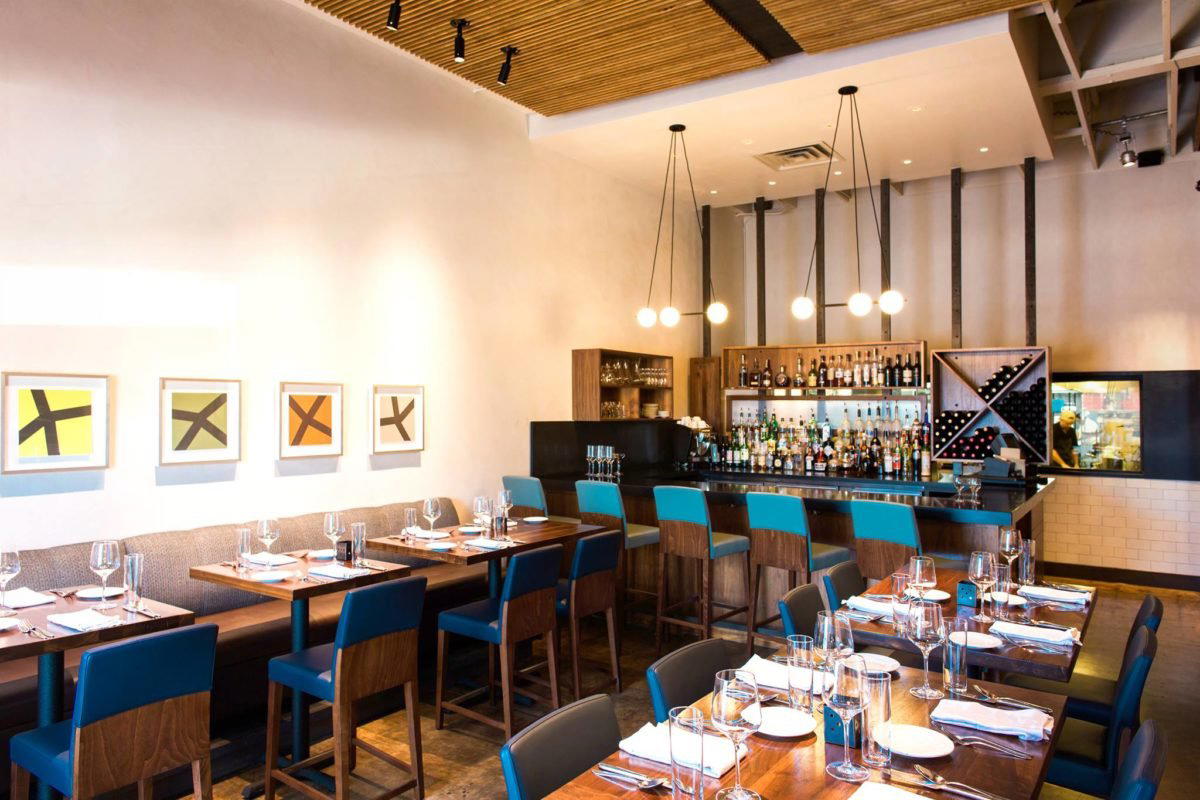
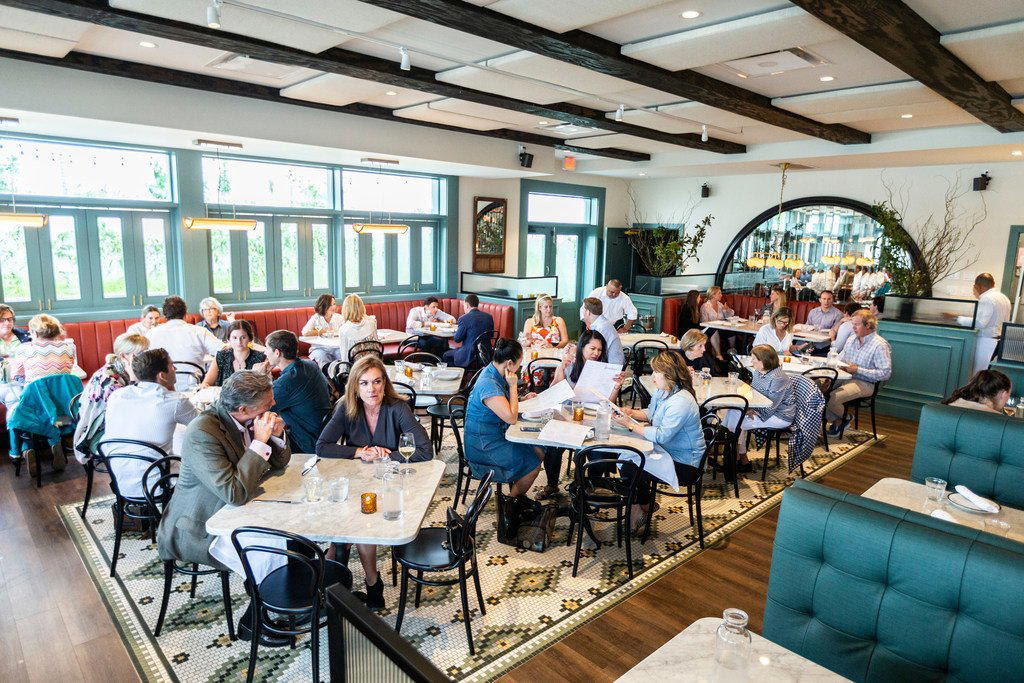
Moody lighting from chandeliers, rich textures like blue marble and burlwood, pink velvet booths, with a glamorous old Hollywood atmosphere enhanced by live bands and dancers.