

Wine Spectator Best of Award of Excellence
Our verdict
On the Rue de France, Keisuke Matsushima has built one of Nice's most critically tracked French tables, earning consecutive Opinionated About Dining Classical rankings in Europe through 2024 and 2025. The kitchen works within the French classical tradition while drawing on the Côte d'Azur's proximity to some of France's most ingredient-rich coastal and inland growing zones. Open Tuesday through Saturday for lunch and dinner.

Pearl is the En Primeur Club membership app, where members save venues, book tables and use the concierge.
Where the Côte d'Azur's Larder Meets Classical French Discipline
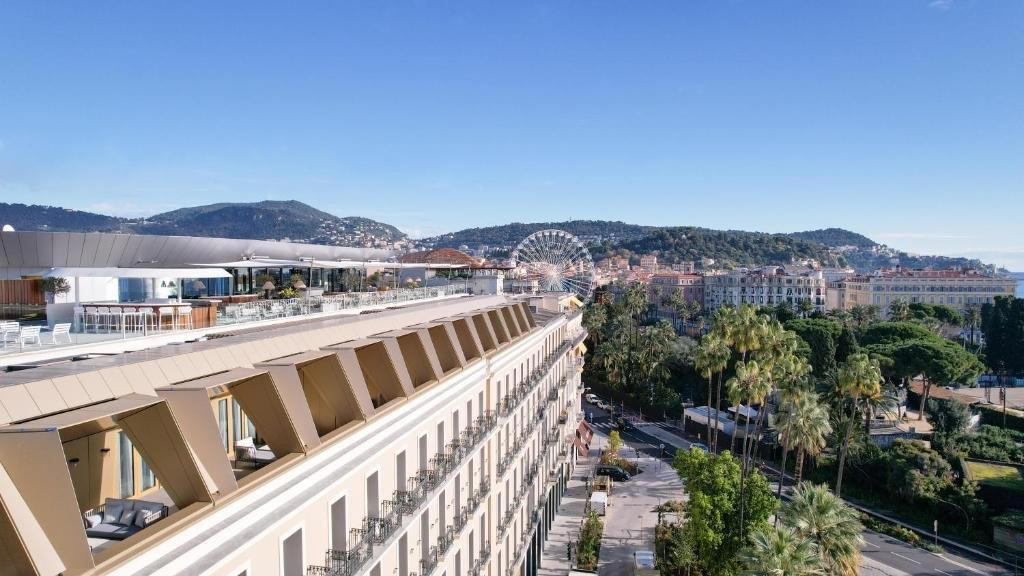
Rue de France runs parallel to the Promenade des Anglais, a few blocks inland from the sea, and the stretch around number 22 sits in the part of Nice that functions as a working dining neighbourhood rather than a tourist corridor. The approach is low-key: no grand facade signals what's inside. That restraint is, in some ways, consistent with how the kitchen operates. Keisuke Matsushima is a serious French table in a city that has historically been defined more by its Niçoise and Provençal traditions than by the kind of classical French cooking that earns sustained critical recognition on a European scale.
Nice's fine dining tier has consolidated around a handful of addresses in recent years. Flaveur holds two Michelin stars in the creative-modern French register; L'Aromate carries one star in modern cuisine; Le Chantecler and Les Agitateurs occupy adjacent high-end positions, and ONICE represents the newer wave of modern cuisine. Where much of the city's premium dining has moved toward creative and neobistro formats, this kitchen maintains a more orthodox French structure.
The Sourcing Logic Behind a Classical French Table on the Mediterranean
The editorial angle on any serious French restaurant in Nice starts with geography, because geography here is an argument. The city sits at the intersection of three distinct supply zones that few other French cities can claim simultaneously: the Mediterranean coastline, with its line-caught fish and shellfish from waters that run cooler than the tourist brochures suggest; the Var and Alpes-Maritimes hinterland, where micro-producers grow vegetables, herbs, and fruit in conditions shaped by altitude shifts that begin almost immediately inland; and the proximity to Italy, which gives the local market tradition access to ingredients and curing techniques that don't appear in equivalent form further west along the French coast.
Classical French cooking, when practiced at this tier, uses that kind of sourcing not as decoration but as structural argument. The tradition from which this style descends, the lineage that runs through houses like Auberge de l'Ill, Troisgros, and Bras, has always demanded that the kitchen's formal technique function as a frame for ingredient quality rather than a substitute for it. At addresses like Alléno Paris au Pavillon Ledoyen or Flocons de Sel, the classical structure remains audible even when the specific dishes have moved forward. The question for any Nice kitchen working in this register is whether the Côte d'Azur's particular terroir actually shows up on the plate, or whether classical technique flattens the regional character into something interchangeable with what you'd find in Lyon or Bordeaux.
The Opinionated About Dining Classical in Europe rankings suggest the kitchen at Keisuke Matsushima is answering that question credibly. Ranked 310th in 2024 and 386th in 2025 within a list that covers every classical French and European table from Paris to the Swiss border, the trajectory places this restaurant inside a competitive set that extends well beyond Nice's local dining scene. For reference, OAD Classical rankings of this kind are compiled from thousands of meals logged by a community of informed, frequent diners, making the list one of the more reliable peer-based trackers of consistent kitchen quality. The fact that the restaurant has held recommended and ranked status across three consecutive years, 2023 through 2025, points to the kind of stability that's harder to manufacture than a single strong year.
Chef Keisuke Matsushima in the Context of French-Japanese Classical Cooking
French kitchens led by Japanese-born chefs have become a distinct and serious category within European classical dining over the past two decades. The discipline, precision, and product reverence that define the most rigorous Japanese culinary training have, in the hands of the leading practitioners, added a particular register of exactness to classical French technique. L'Effervescence in Tokyo represents one expression of that cross-influence running in the other direction. In Nice, Keisuke Matsushima represents the case where a Japanese chef absorbs the French classical tradition in France itself, on the Mediterranean, and shapes a kitchen that belongs to the French canon rather than sitting outside it as a commentary on it.
That positioning matters for how to read the menu, even without specific dish descriptions available.
Planning a Visit: Hours, Format, and the Nice Dining Calendar
Service runs Tuesday through Saturday, lunch from noon to 1:30 pm and dinner from 7 to 9:30 pm, with the restaurant closed Monday and Sunday. The lunch window is tight by French standards, forty-five minutes between first and last seating on the kitchen side, which suggests a structured format rather than an open-ended Provençal affair. Dinner runs from 7 pm through 9:30 pm, broadly consistent with how Nice's better tables time their service.
In terms of seasonal timing, the Côte d'Azur's dining calendar tends to peak in late spring and early autumn. Summer brings volume but also the logistical pressure of the tourist season; the leading months to secure a table at addresses of this tier, and to eat the local produce at its cleanest, run from April through June and September through October. The Alpes-Maritimes growing season extends into autumn more reliably than many inland French regions, meaning that September and October menus often carry the depth of a full summer's produce alongside the first cool-weather arrivals from the hills.
The address is 22 Ter Rue de France, in central Nice, reachable on foot from the main hotel district along the Promenade. For broader orientation across the city's dining, drinking, and hotel options, EP Club maintains dedicated guides: our full Nice restaurants guide, our full Nice hotels guide, our full Nice bars guide, our full Nice wineries guide, and our full Nice experiences guide. For French fine dining at the top of the regional tier, Mirazur in Menton and Hotel de Ville Crissier are the obvious comparative references for anyone building a Côte d'Azur itinerary around classical French tables.
Frequently asked questions
How would you describe the vibe at Keisuke Matsushima?
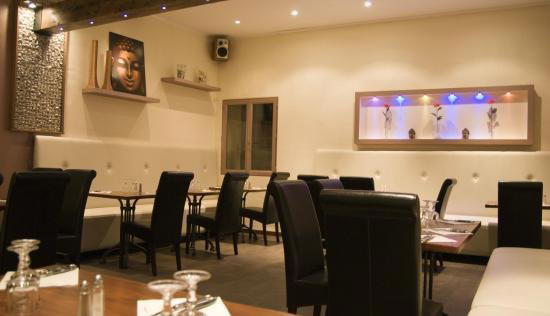
The address on Rue de France, a few blocks from the Promenade des Anglais, sets a tone that is residential and considered rather than touristic. A restaurant that has held a place on the Opinionated About Dining Classical in Europe list since 2023 tends to attract guests who come for the cooking, not the setting, and the format, two tight service windows at lunch and dinner, Tuesday through Saturday, reinforces that focus.
Peers in This Market
| Venue | Cuisine | Price | Awards | Notes |
|---|---|---|---|---|
| Keisuke MatsuhimaThis venue (the venue you are viewing) | Mediterranean-Japanese Fusion | Not listed | Wine Spectator Best of Award of Excellence | Not listed |
| Flaveur | Modern French Fine Dining | $300–500 | 2 Michelin Stars · La Liste Top Restaurants | Modern French, Creative |
| L'Aromate | Modern French Fine Dining | Not listed | 1 Michelin Star | Modern Cuisine |
| JAN | South African-French Fusion Fine Dining | $150–200 | 1 Michelin Star · Falstaff Restaurant - 95 Falstaff Points | Modern French, Modern European, Creative |
| La Merenda | Authentic Niçois Bistro | $50–100 | Michelin Bib Gourmand | Niçoise, Provençal |
| Pure & V | Modern French-Scandinavian Fine Dining | $100–150 | 1 Michelin Star · Falstaff Restaurant - 93 Falstaff Points | Neobistro - Nordic, Modern Cuisine |
Recognition history
Dated appearances from independent guides and award organizations, with the underlying list record or original source where available.
Wine Spectator Best of Award of Excellence
Wine Spectator
Opinionated About Dining Classical in Europe Ranked #386
Opinionated About Dining
Full recognition history (4 entries)
Opinionated About Dining Classical in Europe Ranked #310
Opinionated About Dining
Opinionated About Dining Classical in Europe Recommended
Opinionated About Dining
Continue exploring
More in Nice
Restaurants in Nice
All restaurants in Nice →
Bars in Nice
All bars in Nice →

Keisuke Matsushima
The wine
Keisuke Matsushima holds the Wine Spectator Best of Award of Excellence, which Wine Spectator gives to lists of usually 350 or more selections.
- Wine Spectator
- Wine Spectator Best of Award of Excellence
Details
- Elegant
- Modern
- Intimate
- Sophisticated
- Date Night
- Special Occasion
- Open Kitchen
- Chefs Counter
- Local Sourcing
Current opening hours
- Monday
- Closed
- Tuesday
- 12–1:30 PM, 7–9:30 PM
- Wednesday
- 12–1:30 PM, 7–9:30 PM
- Thursday
- 12–1:30 PM, 7–9:30 PM
- Friday
- 12–1:30 PM, 7–9:30 PM
- Saturday
- 7–9:30 PM
- Sunday
- Closed
Hours can change for holidays and private events. Hours as of .
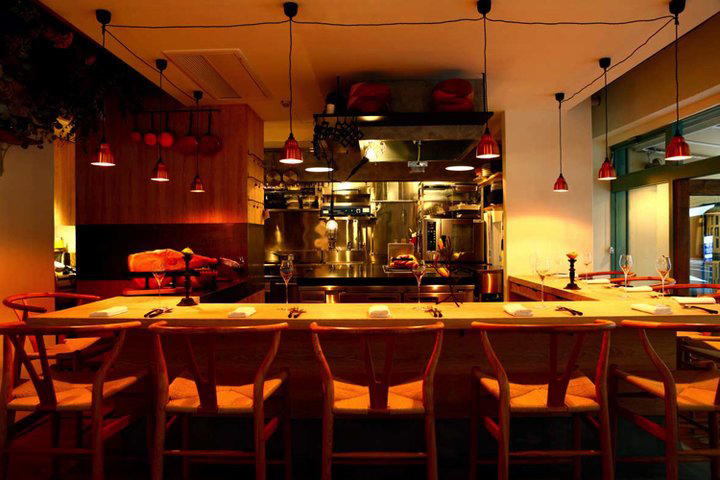
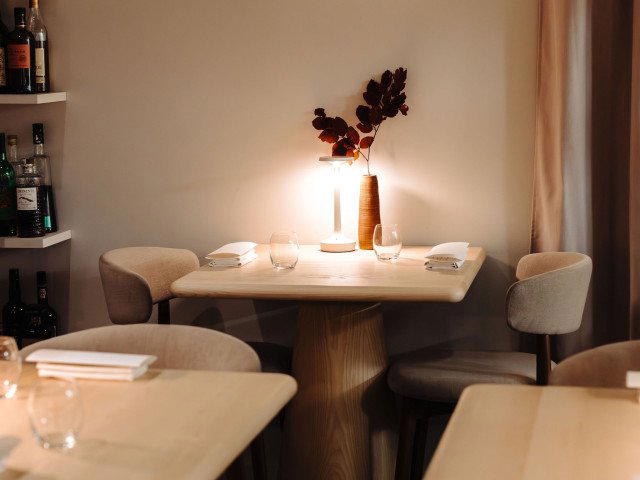
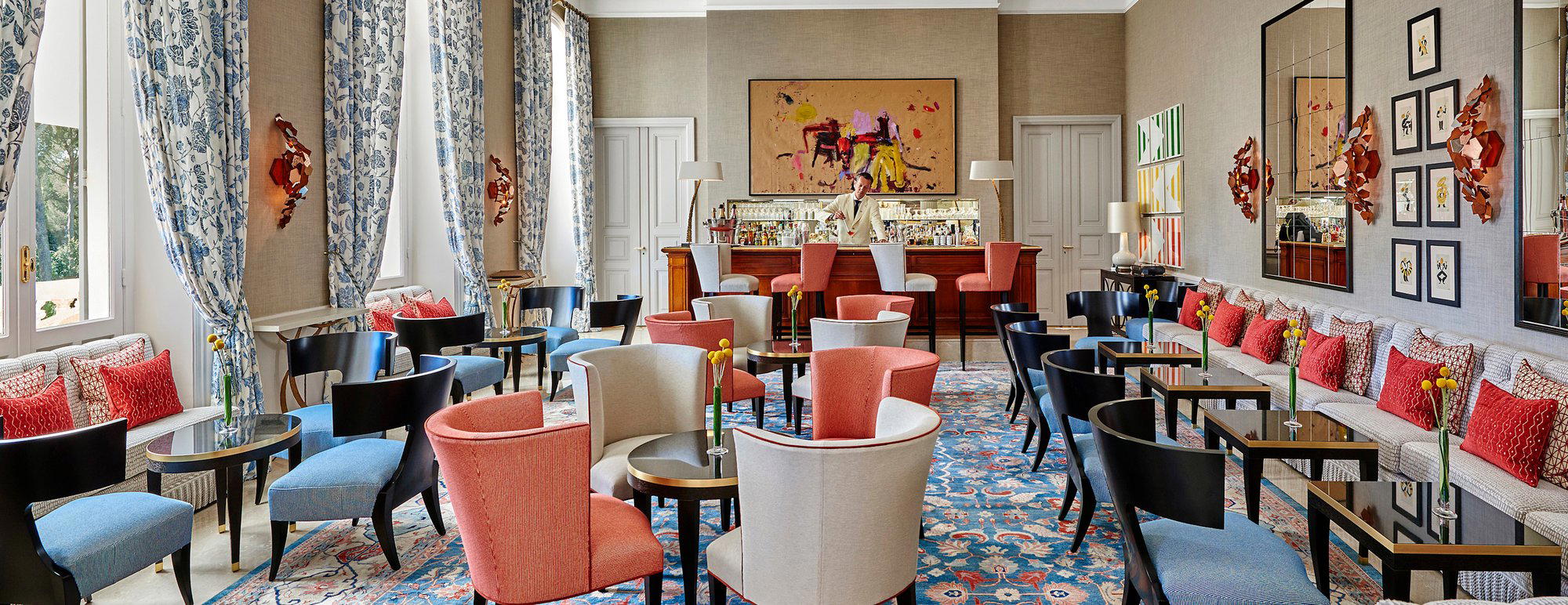
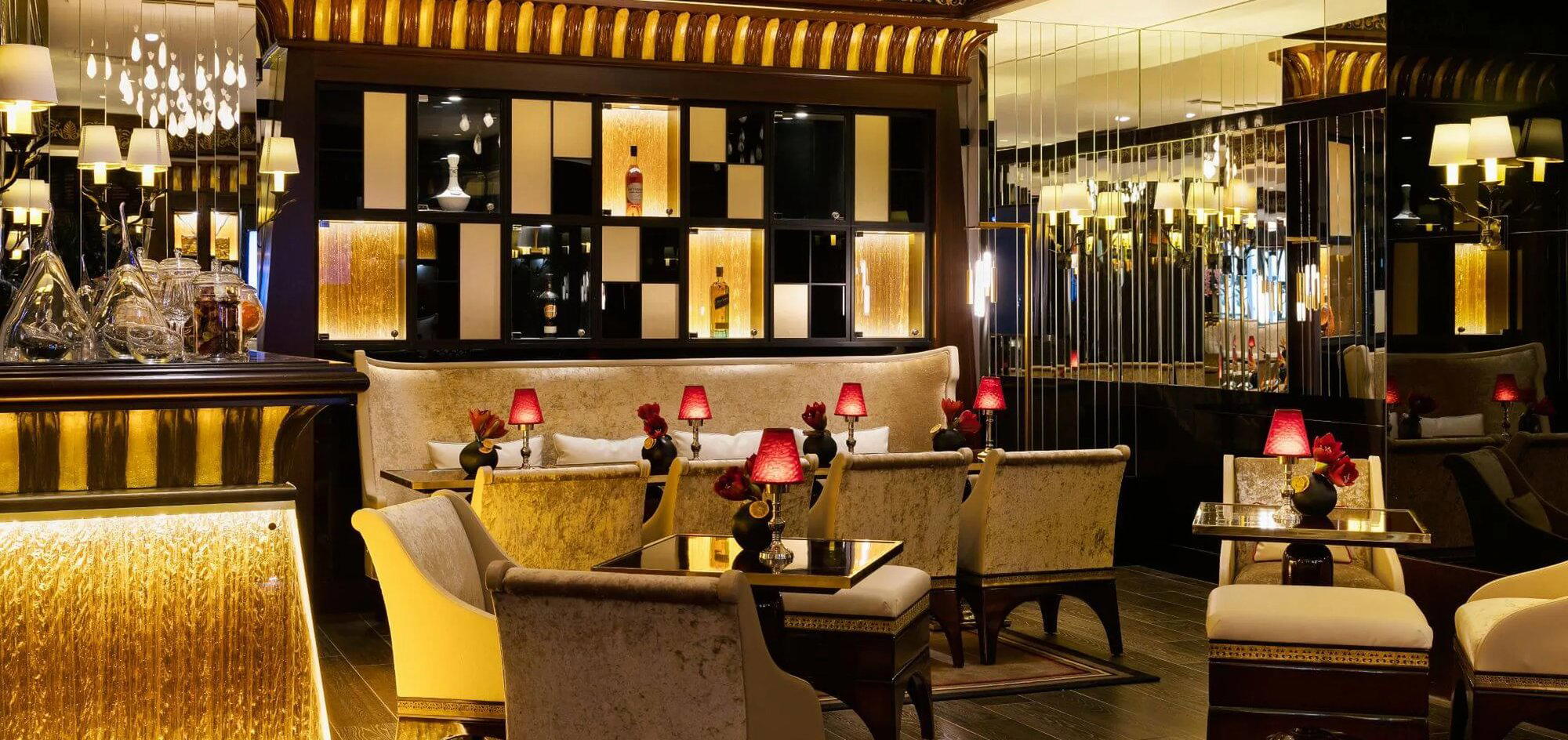
Comfortable, épuré, and sensuel space centered around an open kitchen with modern minimalist decor.