Deep Blu Seafood Grille
Our verdict
Deep Blu Seafood Grille operates from the Wyndham Grand Orlando Resort on Chelonia Parkway, positioning itself within Orlando's resort-dining corridor as a seafood-focused alternative to the steakhouse and pan-American formats that dominate the area. The restaurant draws from a broad Atlantic and Gulf Coast tradition, placing it in a distinct tier from the city's Japanese and Vietnamese fine-dining rooms that have earned national attention in recent years.

Pearl is the En Primeur Club membership app, where members save venues, book tables and use the concierge.
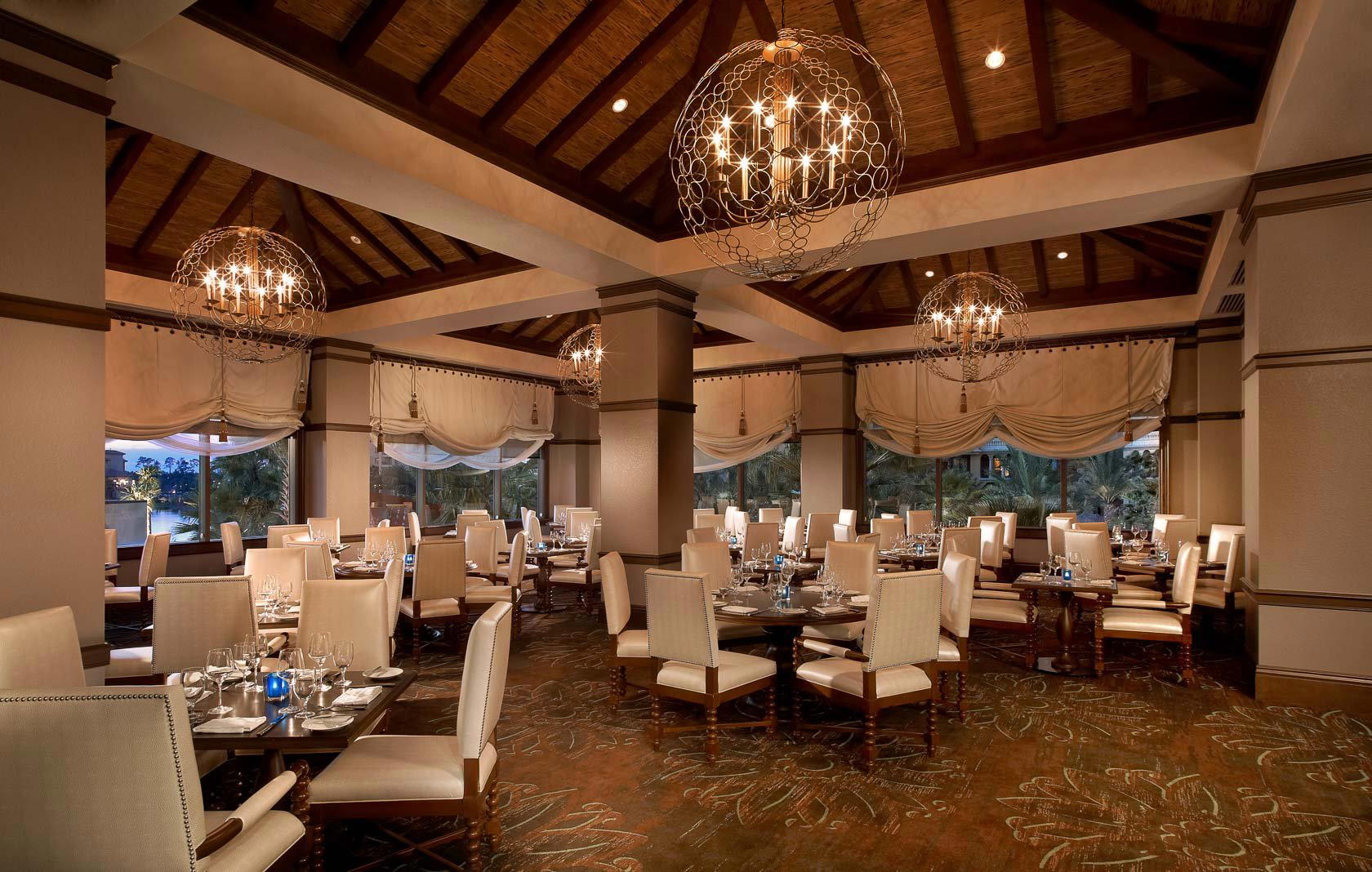
The menu
What to order
- Crab Cakes
- Lobster Ravioli
- Short Rib Pappardelle
Where Resort Dining Meets the Sea
Orlando's resort corridor along the International Drive and Lake Buena Vista axis has long been defined by scale: sprawling dining rooms built to absorb thousands of theme-park visitors who want something more considered than a food court but aren't necessarily seeking the kind of precision-focused tasting menu that has put venues like Sorekara (Japanese) and Kadence (Japanese) on national radar. Deep Blu Seafood Grille sits inside this corridor, anchored to the Wyndham Grand Orlando Resort on Chelonia Parkway, and occupies a category that is underrepresented in the area: a dedicated seafood grille that frames the dining experience around ocean sourcing rather than the beef-forward programming that dominates nearby competitors like Capa (Steakhouse).
That positioning matters more than it might seem. Florida sits at the confluence of Atlantic and Gulf Coast fishing traditions, with access to stone crab, Gulf shrimp, grouper, and mahi that give a seafood-focused kitchen a genuinely regional identity, if the sourcing decisions are made carefully. The question any serious seafood restaurant in this state has to answer is not whether the ocean is nearby, but how deliberately the menu reflects what is actually in season and how the kitchen handles the relationship between supplier and plate.
The Sustainability Argument for Seafood in Florida
Across the American fine-dining circuit, the conversation around responsible seafood sourcing has become more specific and more demanding over the past decade. Restaurants like Le Bernardin in New York City and Providence in Los Angeles have built programs that operate in close dialogue with Monterey Bay Aquarium's Seafood Watch, treat byproduct and offcuts as part of the menu's design rather than waste, and rotate offerings based on availability signals from their supplier networks. Blue Hill at Stone Barns in Tarrytown and Single Thread Farm in Healdsburg have extended this logic further, treating sourcing transparency as a core part of the dining narrative rather than a footnote on the menu. These approaches have set a standard that now filters down into resort-category restaurants, where guests increasingly expect some form of sourcing accountability.
For a Florida-based seafood restaurant, the environmental stakes are particularly visible. The Gulf of Mexico and Atlantic fisheries that supply Florida kitchens face documented pressures from warming water temperatures, red tide events, and shifting stock populations. A kitchen that takes those pressures seriously will rotate its menu based on what is available rather than holding static signature dishes across seasons, and will work with suppliers who can demonstrate traceability back to the catch. These are the signals worth watching at any seafood-focused operation in this region, from the most casual fish shack to the most formal resort dining room.
It is worth comparing this to what is happening at the more experimental end of the American dining spectrum. Operations like Smyth in Chicago and Lazy Bear in San Francisco have built entire culinary identities around seasonal constraint and waste reduction. Internationally, Atelier Moessmer Norbert Niederkofler in Brunico has made hyper-regional, low-impact sourcing the defining philosophy of a three-Michelin-star kitchen. While Deep Blu operates in a different tier and format, the principles those restaurants have demonstrated influence what informed diners expect everywhere, including resort dining rooms in Central Florida.
Orlando's Seafood Position in the Wider Dining Scene
Orlando's fine-dining conversation has shifted considerably in recent years, with the emergence of focused, independent operations running small formats with chef-driven menus. Natsu (Japanese) and Camille (Vietnamese) represent the kind of high-intention, compact operations that have drawn national critical attention to a city previously known primarily for volume-driven resort and theme-park dining.
Deep Blu exists in a different conversation entirely, one defined by the resort hotel dining category, where the format serves a broader audience across a wider range of occasions. That category is not without value: some of the most sustained and technically accomplished American fine dining of the past three decades has come out of hotel kitchens, from Emeril's in New Orleans to The Inn at Little Washington in Washington. The hotel context does not preclude seriousness; it simply defines a different set of constraints and expectations. For a seafood-focused kitchen within that context, the differentiating move is usually a commitment to sourcing specificity and menu flexibility that distinguishes the operation from venues offering a static, year-round seafood tower without reference to what is actually in season or where the fish originated. For a broader map of where Deep Blu sits within Orlando's dining geography, the full Orlando restaurants guide provides useful comparative context across cuisine types and price tiers.
The French Laundry Standard and What Filters Down
The sourcing philosophies pioneered at the upper tier of American dining, including operations like The French Laundry in Napa, have had a measurable effect on how ingredient provenance is discussed and disclosed across all categories of restaurant. It is now common, even in resort dining rooms, to see menu language that references the origin of key proteins, the fishing method used, or the name of a supplier. Whether that language reflects genuine supply-chain accountability or simply menu design is a question worth asking at any restaurant making sourcing claims.
For a seafood restaurant in Florida specifically, the clearest trust signal is seasonal menu variation. A kitchen rotating its Gulf catches based on what fishmongers are actually landing in a given week is demonstrating something real. A kitchen offering the same lobster bisque and Chilean sea bass year-round, sourced through a national broadline distributor, is describing a different operation entirely, regardless of how the menu frames it.
Planning a Visit
Deep Blu Seafood Grille is located at 14651 Chelonia Parkway within the Wyndham Grand Orlando Resort, placing it in the Lake Buena Vista resort zone southwest of the city centre. The address puts it within the primary resort corridor frequented by Walt Disney World guests, making it accessible for visitors staying in the surrounding hotel cluster without requiring a separate trip into the city. For diners staying in the resort area who want a seafood-focused alternative to the steakhouse format, it functions as the most direct option in the immediate vicinity. Booking lead times, pricing, hours, and dress code are best confirmed directly with the property before arrival, as resort dining operations in this segment frequently adjust seasonal hours and reservation availability based on hotel occupancy patterns.
Frequently asked questions
What should I eat at Deep Blu Seafood Grille?
The clearest directive at any dedicated seafood grille in Florida is to prioritise whatever reflects current Gulf Coast or Atlantic seasonal availability rather than year-round staples. In practical terms, this means asking your server which proteins were sourced most recently and locally, since kitchens with genuine supply-chain relationships will know that answer specifically. Dishes built around Florida stone crab (in season October through May), Gulf grouper, or locally landed shrimp tend to reflect the kitchen's sourcing commitments more clearly than items dependent on imports. For broader context on how Deep Blu compares to other Orlando options, the full Orlando restaurants guide maps the city's dining tiers across cuisine categories.
How far ahead should I plan for Deep Blu Seafood Grille?
Deep Blu sits within a resort hotel property in one of the highest-traffic tourism zones in the United States, which creates a distinct reservation dynamic. Orlando's Lake Buena Vista corridor sees occupancy spikes around school holidays, major theme-park event periods, and the December-January peak travel season. If your visit falls within those windows, confirming a reservation several days to two weeks in advance is a reasonable precaution, particularly for dinner on weekend evenings. Outside peak season, same-week booking is generally more feasible for resort-format restaurants in this tier. For comparison, the most in-demand independent fine-dining rooms in Orlando, including those in the full Orlando restaurants guide, often require four to eight weeks of lead time given their smaller seat counts.
Is Deep Blu Seafood Grille suitable for guests with sustainability priorities around seafood?
Florida's proximity to Gulf and Atlantic fisheries means that a kitchen with active sourcing relationships has access to genuinely traceable, seasonally appropriate protein without relying heavily on farmed or long-distance imports. The meaningful question to ask before or during your visit is whether the restaurant can speak to specific suppliers or fishing methods for key menu items, as this is the clearest indicator of where sourcing accountability sits on a given kitchen's priority list. Nationally, the benchmark for this transparency is set by operations like Providence in Los Angeles and Le Bernardin in New York City, both of which publish sourcing frameworks and work within named certification programmes.
Cost Snapshot
Comparable venues nearby, for context on price, style, and recognition.
| Venue | Cuisine | Price | Awards | Notes |
|---|---|---|---|---|
| Deep Blu Seafood GrilleThis venue (the venue you are viewing) | Seafood Grille with Sushi and Steak | $30–50 | Not listed | Not listed |
| Atlantic Restaurant | Modern surf-and-turf seafood in a Victorian undersea aquarium setting | $50–100 | Not listed | Universal Epic Universe – Celestial Park, Modern surf-and-turf seafood in a Victorian undersea aquarium setting |
| Lee & Rick's | Classic Seafood Oyster Bar | $20–30 | Not listed | Orlo Vista, Classic Seafood Oyster Bar |
| Citrus Club | Seafood & American Fine Dining | $50–100 | Not listed | Downtown Orlando, Seafood & American Fine Dining |
| Coral Reef Restaurant | Florida Coastal Seafood | $30–50 | Not listed | EPCOT, Florida Coastal Seafood |
| Flying Fish | Contemporary American Seafood and Grill | $50–100 | Wine Spectator Award of Excellence | Disney's BoardWalk, Contemporary American Seafood and Grill |
Continue exploring
More in Orlando
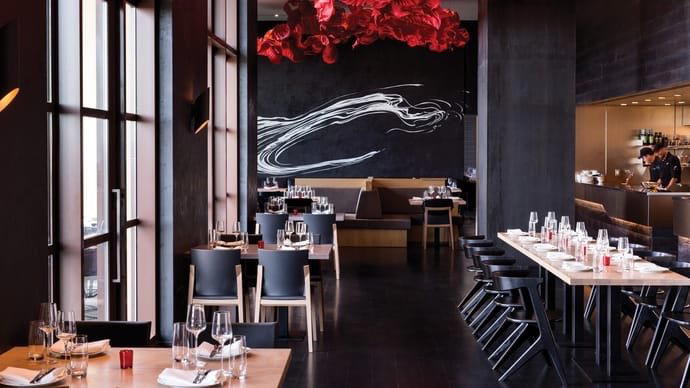
Restaurants in Orlando
All restaurants in Orlando →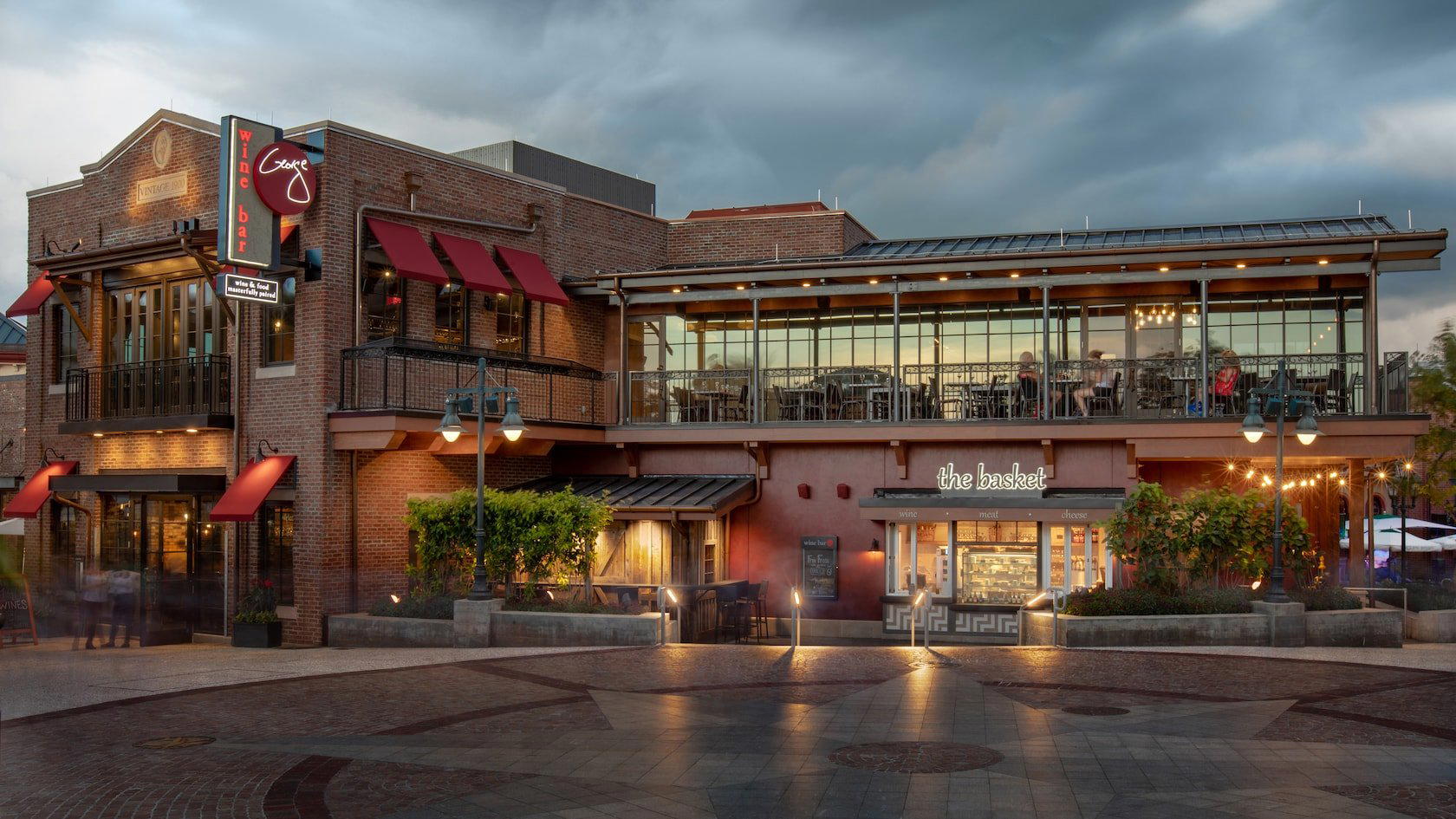
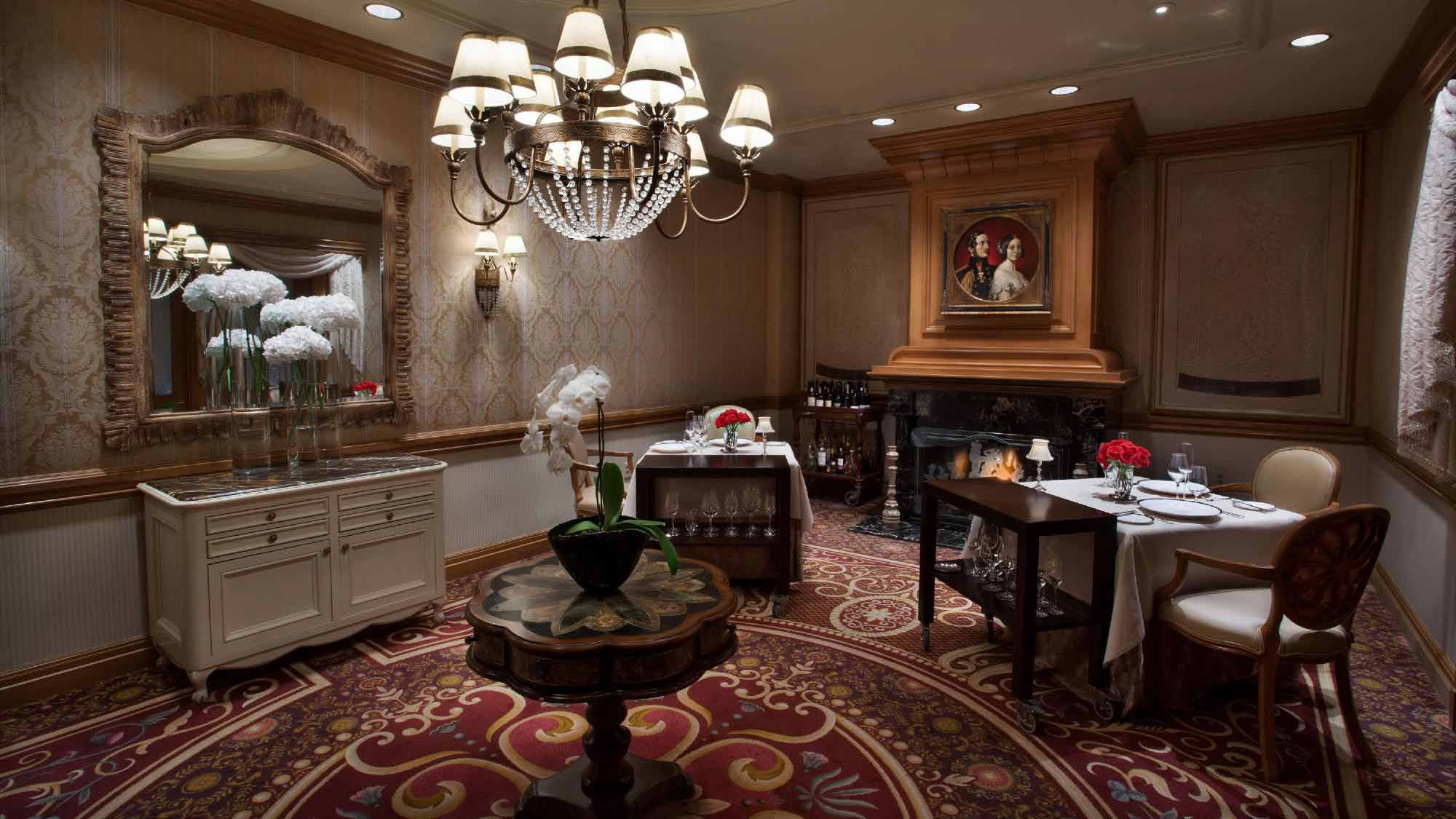
Bars in Orlando
All bars in Orlando →
Details
- Elegant
- Sophisticated
- Date Night
- Special Occasion
- Group Dining
- Hotel Restaurant
- Private Dining
- Craft Cocktails
- Extensive Wine List
- A La Carte
- Vegetarian Friendly
- Vegan Options
- Gluten Free Options
Current opening hours
- Monday
- 5:30–9 PM
- Tuesday
- 5:30–9 PM
- Wednesday
- 5:30–9 PM
- Thursday
- 5:30–9 PM
- Friday
- 5:30–9 PM
- Saturday
- 5:30–9 PM
- Sunday
- 5:30–9 PM
Hours can change for holidays and private events. Hours as of .
Serene and relaxing atmosphere with dedicated, attentive service.