De Voetangel

A Michelin Plate recipient in 2024 and 2025, De Voetangel sits in Ouderkerk aan de Amstel, a village that has defined quiet, ingredient-led Dutch dining for decades. The kitchen works within the traditional cuisine bracket at mid-range pricing, making it one of the more accessible entry points into recognised cooking in the Amsterdam orbit.
Pearl is the En Primeur Club membership app — saves, bookings, and concierge access live there. Same editors, same standards.
- Address
- Rondehoep Oost 3, 1191 KA Ouderkerk aan de Amstel, Netherlands
- Phone
- +31 20 496 1373
- Website
- voetangel.nl
- Directions
- Get directions
 Saves & bookings on Pearl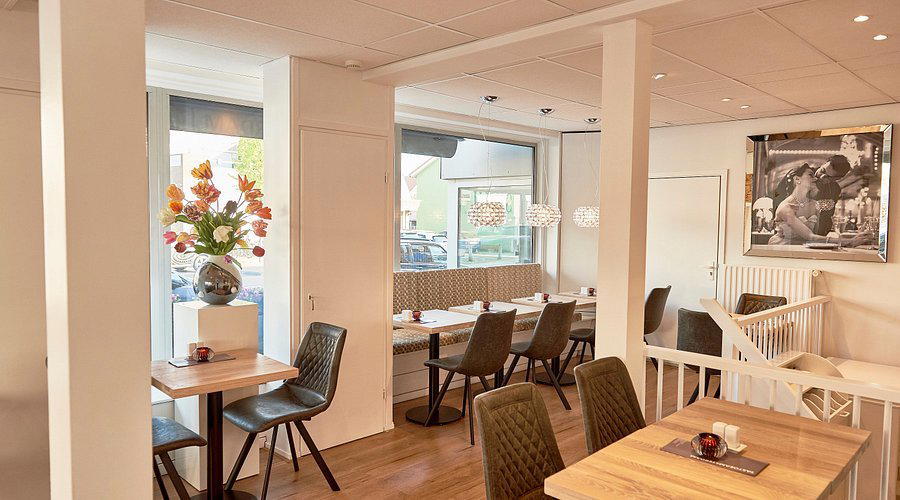
Where the Amstel Slows Down and the Cooking Keeps Pace
The road into Ouderkerk aan de Amstel follows the river at a pace the rest of the Netherlands seems to have forgotten. The village sits roughly eight kilometres southeast of Amsterdam, close enough to reach by bicycle along the Amsteldijk but far enough that the city's energy doesn't follow. The buildings along Rondehoep Oost are polder-facing, low, and weathered in the way that Dutch riverbank architecture gets when it has stood long enough to belong. De Voetangel is a restaurant in Ouderkerk aan de Amstel serving traditional Dutch-European cuisine with international influences at a price point around $50 per person. The location does the positioning for it.
This kind of village-restaurant model has a specific logic in the Netherlands. For Amsterdam-based diners, it represents a deliberate departure, a reason to get on a bike or take a short drive that the destination earns on its own terms. For locals, it functions as the sort of place that accumulates years of regulars. De Voetangel has built a 4.6 rating on Google across 985 reviews, a sample large enough to carry weight. That number, in a village this size, suggests something beyond passing tourist traffic.
Traditional Cuisine, Taken Seriously
The Dutch traditional cuisine category has a complicated reputation. At its weakest, it means reheated stamppot and token local produce dressed up with tablecloths. At its most considered, it means kitchens that take the actual agricultural and fishing heritage of the region as their working brief, seasonal, polder-to-plate thinking that predates the farm-to-table framing imported from elsewhere. De Voetangel operates in the latter register, and the Michelin Plate recognition in both 2024 and 2025 confirms that the Guide's inspectors share that reading.
A Michelin Plate is a recognition worth being precise about. The designation marks kitchens that inspectors consider to be cooking to a good standard, restaurants worth knowing about, positioned below the star tier but still marking a kitchen worth knowing. In a country where Michelin-starred dining trends toward multi-course creative formats at the €€€€ price level (see De Librije in Zwolle, 't Nonnetje in Harderwijk, or Ciel Bleu in Amsterdam), the Plate at a €€ price point in a village context represents a different kind of distinction. The cooking is being assessed on its own terms, not against a luxury-format comparable set.
What Ingredient Sourcing Means on the Amstel
The area around Ouderkerk aan de Amstel is polder country. The land is flat, below sea level in places, criss-crossed by drainage ditches, and has been farmed continuously for centuries. Dairy, vegetables, and freshwater fish have come out of this landscape as long as there have been kitchens to receive them. The Amstel itself, and the broader network of waterways connecting the region to the IJmeer and the old Zuiderzee fishing grounds, once made this one of the more productive food-producing zones in the western Netherlands.
Restaurants that anchor themselves in traditional Dutch cuisine in this specific geography have a sourcing argument available that few other European kitchen settings can replicate with the same directness. The provenance is often across the dike. This is the material context that makes the traditional cuisine framing at De Voetangel coherent rather than nostalgic. It connects what's on the plate to what the land around the restaurant actually produces.
For comparison, Dutch restaurants operating in the creative or organic tier at the four-price-symbol bracket, such as De Nieuwe Winkel in Nijmegen or De Lindehof in Nuenen, have built significant international recognition partly on sourcing and ingredient philosophy. The restaurant works a quieter version of the same argument, at a price point accessible to a wider audience, in a village that still looks like the landscape it draws from.
The €€ Bracket in the Amsterdam Orbit
Amsterdam's fine dining scene concentrates at the higher price bands. The restaurants that carry Michelin stars or sustained critical attention in and around the city tend to operate at €€€ or €€€€, and the mid-range bracket in the metropolitan area can feel underpowered by comparison. Ouderkerk aan de Amstel is close enough to the city to be a direct alternative for Amsterdam residents, and the €€ pricing at a Michelin Plate-recognised kitchen represents a more accessible route into verified cooking than the city center typically offers at that spend level.
Aan de Poel in Amstelveen operates in the same general southwest-Amsterdam orbit but at a different price tier and format. The restaurant's positioning at €€ with traditional Dutch cuisine is a different proposition, less about technical ambition signalled through format and price, more about depth of execution within a specific culinary register. These are not competing for the same table. They occupy different positions in the same regional picture.
Within the traditional cuisine category at the mid-range price point, Bistro in Noordeloos and Café Sjiek in Maastricht represent comparable formats in different parts of the country. Each demonstrates that the €€ traditional Dutch bracket, when taken seriously, produces restaurants with genuine repeat followings rather than one-visit tourist patterns.
Planning a Visit
The restaurant is located at Rondehoep Oost 3, 1191 KA Ouderkerk aan de Amstel. The address places it on the eastern polder road, the kind of route that requires a car or a committed cyclist. From Amsterdam, the Amsteldijk bicycle route is a well-established connection, roughly thirty to forty minutes depending on wind, and the ride along the river into the village is its own argument for the journey. For drivers, the village is straightforwardly accessible from the A2 or via the smaller roads south of the city.
Reservations are recommended. The €€ price bracket means that the total spend per head is meaningfully lower than the starred alternatives in the region, which makes it a practical choice for repeat visits rather than a single occasion.
Elsewhere in the Netherlands, De Bokkedoorns in Overveen, De Groene Lantaarn in Staphorst, De Lindenhof in Giethoorn, De Treeswijkhoeve in Waalre, and Brut172 in Reijmerstok represent other regional examples of village and small-town restaurants that have built sustained recognition outside the major cities.
A Quick Peer Check
Comparable venues nearby, for context on price, style, and recognition.
| Venue | Cuisine | Price | Awards | Notes |
|---|---|---|---|---|
| De VoetangelThis venue — the venue you are viewing | Traditional Dutch-European with International Influences | $$$ | Michelin Plate | Not listed |
| In de Oude Stempel | Creative European Fine Dining | $$$ | Michelin Plate | Steenbergen |
| TWENTYSIX | Modern European Fine Dining with Vegetarian Focus | $$$$ | Michelin Plate | Vivaldi |
| De Coterie | Modern European Shared Dining | $$$ | Michelin Plate | Bezuidenhout |
| Kasvio | Modern Vegan European Fine Dining | $$$ | Not listed | Leidsche Rijn |
| Helling 7 | Modern European Wood-Fired Grill | $$$ | Not listed | Cornelis Douwesterrein |
Recognition history
Dated appearances from independent guides and award organizations, with the underlying list record or original source where available.
Michelin Plate
Michelin
Michelin Plate
Michelin
Continue exploring
More in Ouderkerk aan de Amstel
Restaurants in Ouderkerk aan de Amstel
Browse all →
Bars in Ouderkerk aan de Amstel
Browse all →
Hotels in Ouderkerk aan de Amstel
Browse all →
Wineries in Ouderkerk aan de Amstel
Browse all →
At a Glance
- Cozy
- Romantic
- Scenic
- Elegant
- Date Night
- Special Occasion
- Waterfront
- Terrace
- Extensive Wine List
- Waterfront
Current opening hours
- Monday
- Closed
- Tuesday
- 12–10 PM
- Wednesday
- 12–10 PM
- Thursday
- 12–10 PM
- Friday
- 12–10 PM
- Saturday
- 12–10 PM
- Sunday
- Closed
Hours can change for holidays and private events. Last verified .
Warm, cosy, and romantic atmosphere with views of the water, pastures, and distant Amsterdam skyline.