
We're Smart World 3 Radishes
Our verdict
De Moestuin in Schelle operates at the junction of kitchen and kitchen garden, with the Van den Wyngaert brothers dividing responsibilities between the stove and micro-agriculture. Recognised by We're Smart for its plant-forward approach, the restaurant builds its menus from what the land produces, making meat and fish optional rather than default. It sits within a growing tier of Belgian restaurants treating vegetable sourcing as a structural commitment, not a trend.

Pearl is the En Primeur Club membership app — saves, bookings, and concierge access live there. Same editors, same standards.
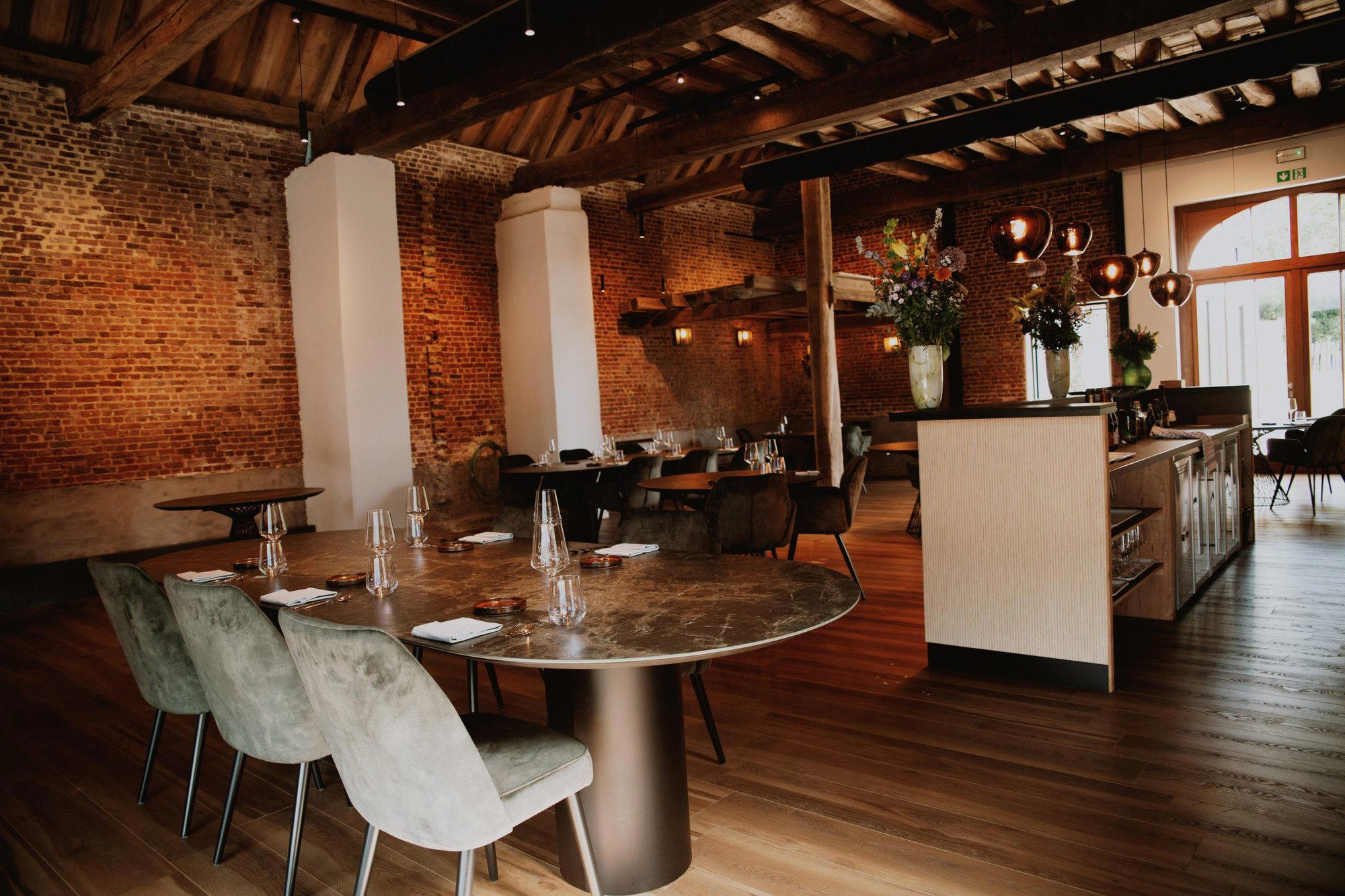
Where the Garden Dictates the Menu
In the flat river-country south of Antwerp, a shift is underway in how some Belgian restaurants think about sourcing. The question is no longer whether a kitchen uses local produce, but whether it has closed the loop entirely: growing what it serves, and building menus backward from what the soil yields rather than forward from a fixed repertoire. De Moestuin, on Laarhofstraat in Schelle, represents one of the more literal expressions of this model in the region. The name translates as 'the kitchen garden', and that is not a metaphor — the garden is operational, managed by one of the two brothers behind the restaurant, with produce feeding the kitchen directly.
This kind of integrated farm-to-table structure is still rare in Belgium outside a handful of well-capitalised properties. What makes the Schelle model notable is its scale and its division of labour: a sibling partnership where one brother handles micro-agriculture and the other the kitchen, creating a feedback loop between planting decisions and cooking decisions that a traditional supplier relationship cannot replicate. When a chef and a grower share a surname and a business, the conversation about what goes on the plate happens in a fundamentally different register.
The Logic of Building from the Plant
Belgian fine dining has traditionally been structured around protein. Even at the country's most progressive tables, the vegetable has historically played a supporting role — a garnish, a purée, a bed for fish or fowl. What We're Smart, the organisation dedicated to plant-based excellence in professional kitchens, observed at De Moestuin cuts against that convention. Recognition from We're Smart signals that vegetables here are not a dietary accommodation but the primary architectural material of the menu.
The practical consequence of this approach is a menu structure that makes fish and meat genuinely optional rather than awkwardly absent. Guests choosing a fully plant-based experience are not navigating a reduced version of the main menu; they are eating the menu as it was intended. This is a meaningful distinction. Across the Belgian restaurant scene, you will find kitchens that offer vegetarian alternatives, and kitchens like De Moestuin where the plant-forward menu is the core logic, with everything else orbiting it. For context, comparable restaurants operating at the higher end of Belgian cuisine, including Boury in Roeselare and Hof van Cleve in Kruishoutem, remain rooted in protein-led tasting structures. De Moestuin occupies a different category by design.
Schelle and Its Place in the Antwerp Dining Orbit
Schelle sits within commuting distance of Antwerp, across the Rupel river, in the kind of quiet municipal strip that rarely features in restaurant destination writing. That geographical modesty is part of what makes the project interesting. Antwerp itself has developed a dense, competitive restaurant scene, anchored by addresses like Zilte, and the city draws most of the critical attention in this part of Flanders. But the surrounding municipalities have quietly produced their own serious kitchens, often operating with lower overhead and more physical space than their urban counterparts, conditions that make a working micro-farm viable in ways it simply would not be inside Antwerp's building fabric.
Dining out from Antwerp to villages like Schelle follows a well-established Flemish pattern: the region has long supported destination restaurants in rural and semi-rural settings, places where space, quiet, and proximity to growing land allow formats that urban restaurants cannot sustain. Castor in nearby Beveren and De Jonkman in Sint-Kruis similarly operate in provincial settings while drawing guests from the wider Flemish dining circuit. De Moestuin belongs to this tradition, though its specific agricultural integration places it in a narrower subset within it.
The Broader Movement and Where De Moestuin Sits Within It
We're Smart's recognition is not incidental context. The organisation evaluates restaurants across Europe specifically on the quality and centrality of vegetable cookery, awarding recognition on a scale that places kitchens in relationship to each other based on this criterion alone.
The wider trend We're Smart cited in its assessment, that young chefs are increasingly approaching natural produce with greater respect and structural commitment, is observable across Belgium and Northern Europe more broadly. What distinguishes the restaurants gaining real traction within this movement is not simply the sourcing provenance on the menu card, but genuine operational integration: kitchens where growing and cooking are treated as a single process. De Moestuin's setup, with micro-agriculture managed by a founding partner rather than contracted to a third-party farm, positions it toward the committed end of that spectrum.
For readers exploring the full range of Belgian plant-forward and creative dining, the national picture includes addresses as varied as Bozar Restaurant in Brussels, Willem Hiele in Oudenburg, and Cuchara in Lommel, each working from different assumptions about sourcing, format, and what Belgian cooking is becoming. De Moestuin's specific contribution to that conversation is the closed-loop kitchen-garden model, applied with the kind of operational seriousness that earns external recognition.
Planning a Visit
De Moestuin is located at Laarhofstraat 61, 2627 Schelle. Given the restaurant's recognition and the specificity of its format, advance booking is advisable, particularly for weekend service. The address is most practically reached by car from Antwerp, which lies roughly fifteen kilometres to the north. The rural setting means the approach is quiet, no urban noise, no neighbourhood foot traffic, which suits the restaurant's general register. Guests with dietary restrictions beyond plant-based eating should contact the restaurant directly, as the menu structure, being built from what the garden produces seasonally, may vary in ways that are not predictable from a fixed menu document.
For more on what the area around Schelle offers, see our full Schelle restaurants guide, as well as our guides to hotels, bars, wineries, and experiences in Schelle. Readers with an interest in how plant-forward cooking is being approached at the international level can also look at Bartholomeus in Heist, d'Eugénie à Emilie in Baudour, L'Eau Vive in Arbre, Le Bernardin in New York City, and Emeril's in New Orleans for comparison across different culinary traditions.
Frequently asked questions
Is De Moestuin okay with children?
The restaurant's format, a structured menu built around micro-grown produce from the adjacent kitchen garden, is more suited to guests with an interest in the food itself. Families with older children who engage with that kind of table-centred experience should find it manageable. Families with very young children would do well to call ahead, as the format and pacing may not fit an informal family meal.
How would you describe the vibe at De Moestuin?
De Moestuin sits in a quiet municipal strip south of Antwerp in Schelle, and the setting reflects that: unhurried, close to the land, and deliberately removed from city-centre restaurant energy. The Van den Wyngaert brothers run kitchen and micro-farm as a single operation, which gives the dining room a purposeful, almost agricultural calm rather than a conventional fine-dining formality.
Is De Moestuin award-winning?
De Moestuin has received recognition including: We love that vegetables are mentioned as the main ingredient, top! Restaurant De Moestuin - The Kitchen Garden - is a total concept where the Van den Wyngaert brothers join forces to be different, closer to nature. Lodewijk takes care of th….
What do regulars order at De Moestuin?
The menu is built from the plant outward, with We're Smart specifically citing that vegetables function as the primary ingredient rather than a supporting role. Guests who prefer to skip fish and meat entirely can do so without compromise, as the full menu is designed to work as 100% plant-based. There is no standard à la carte to default to; the format follows the kitchen garden's seasonal output.
Where do I go for De Moestuin?
De Moestuin is located at Laarhofstraat 61, 2627 Schelle, Belgium, Schelle.
Should I book De Moestuin in advance?
Yes. De Moestuin holds We're Smart recognition for its plant-forward approach, which draws a specific and motivated audience to an address in Schelle that is not casually walked past. The restaurant operates a focused format tied to seasonal micro-agriculture, which limits covers by design. Booking ahead is the practical approach, particularly for weekend visits or larger groups.
A Quick Peer Check
Comparable venues nearby, for context on price, style, and recognition.
| Venue | Cuisine | Price | Awards | Notes |
|---|---|---|---|---|
| De MoestuinThis venue — the venue you are viewing | Farm-to-Table Vegetable-Focused Fine Dining | $50–100 | We're Smart World 3 Radishes | Not listed |
| bistro55 by Domein WItbos | Belgian Bistro | $50–100 | Not listed | Noorderwijk |
| Naturell | Seasonal European Fine Dining | Not listed | We're Smart World 4 Radishes | Centrum |
| ALBUM | Modern Belgian with Contemporary European Influences | $50–100 | Michelin Plate | Gedempte Zuiderdokken |
| SLŌ | Modern European Small Plates | Not listed | Not listed | City Center |
| Fiera | Contemporary Cosmopolitan | $50–100 | We're Smart World 1 Radish | Antwerp City Centre |
Recognition history
Dated appearances from independent guides and award organizations, with the underlying list record or original source where available.
We're Smart World 3 Radishes
We're Smart World
Continue exploring
More in Schelle
Restaurants in Schelle
All restaurants in Schelle →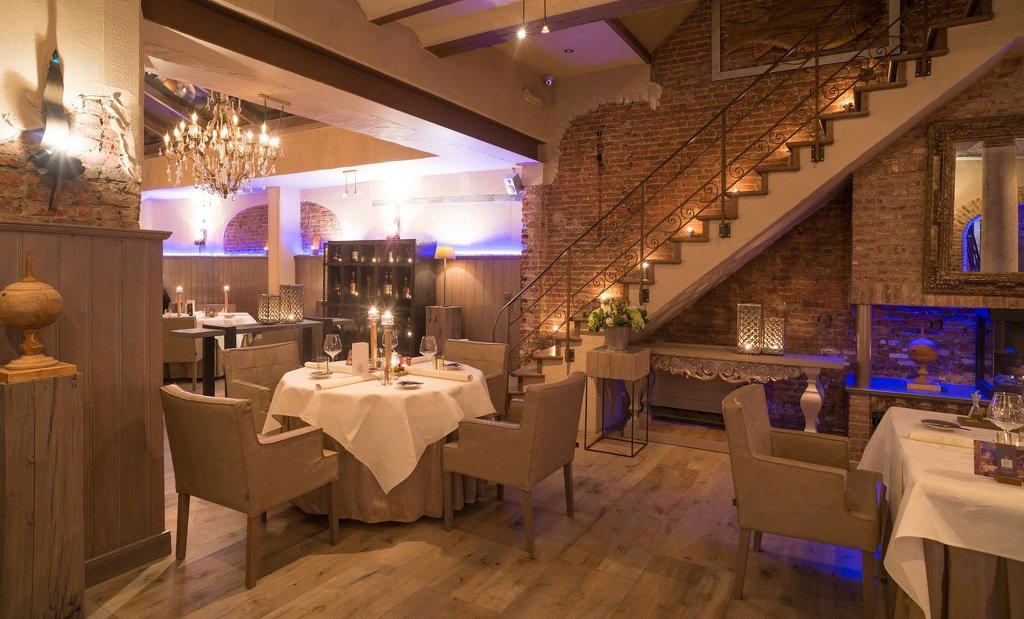
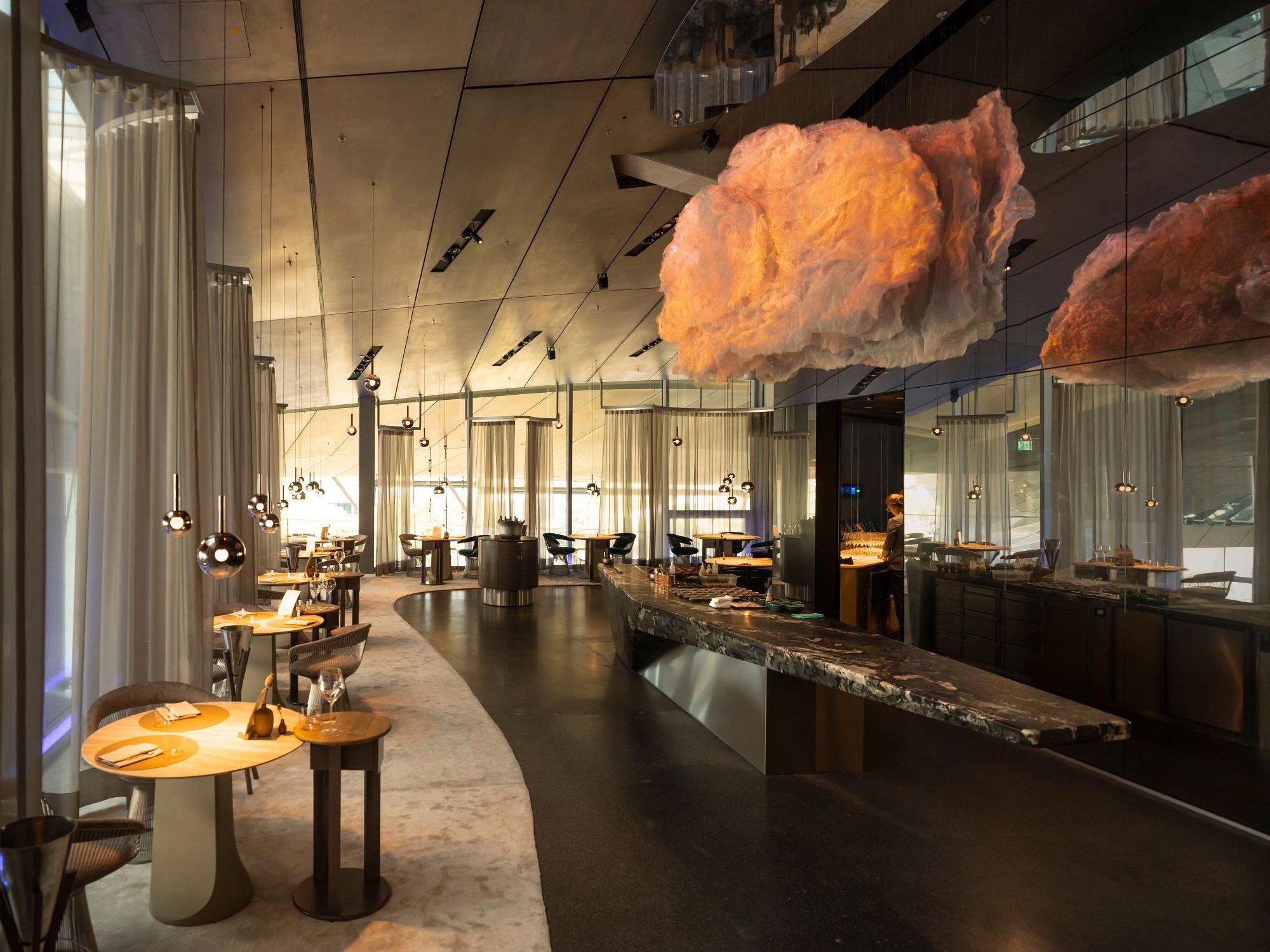
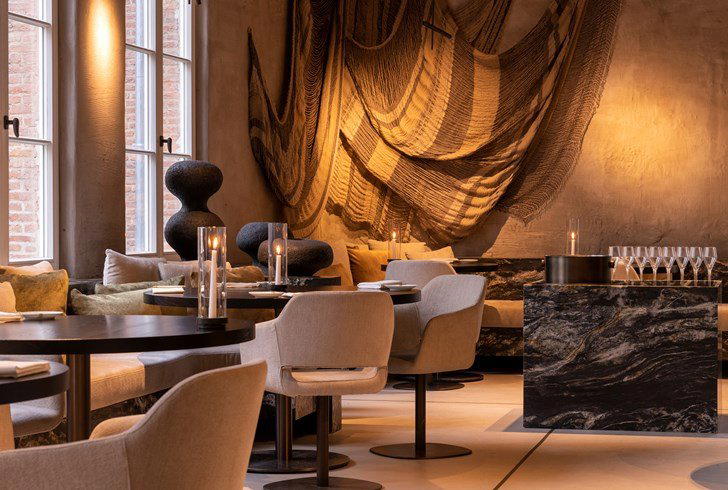
Bars in Schelle
Browse all →
De Moestuin
The wine
- Wine program
- Curated wine list
- Extensive wine list
Details
- Rustic
- Cozy
- Intimate
- Elegant
- Date Night
- Special Occasion
- Garden
- Historic Building
- Extensive Wine List
- Farm To Table
- Local Sourcing
- Zero Waste
- Garden
- Set Menu
- Vegetarian Friendly
Current opening hours
- Monday
- Closed
- Tuesday
- Closed
- Wednesday
- Closed
- Thursday
- Closed
- Friday
- Closed
- Saturday
- Closed
- Sunday
- Closed
Hours can change for holidays and private events. Last verified .
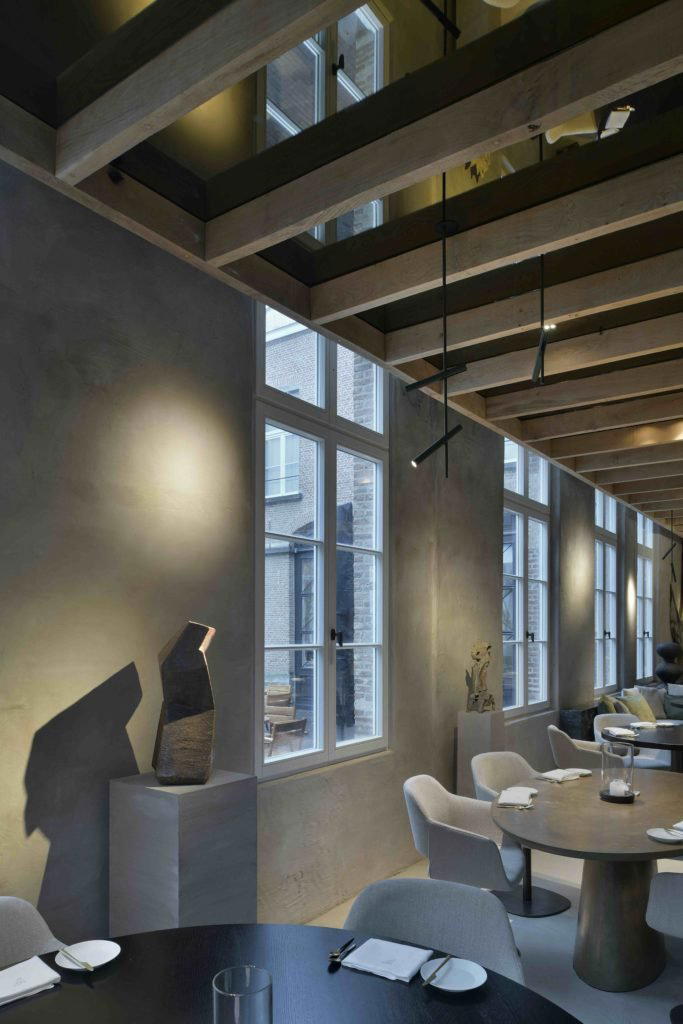
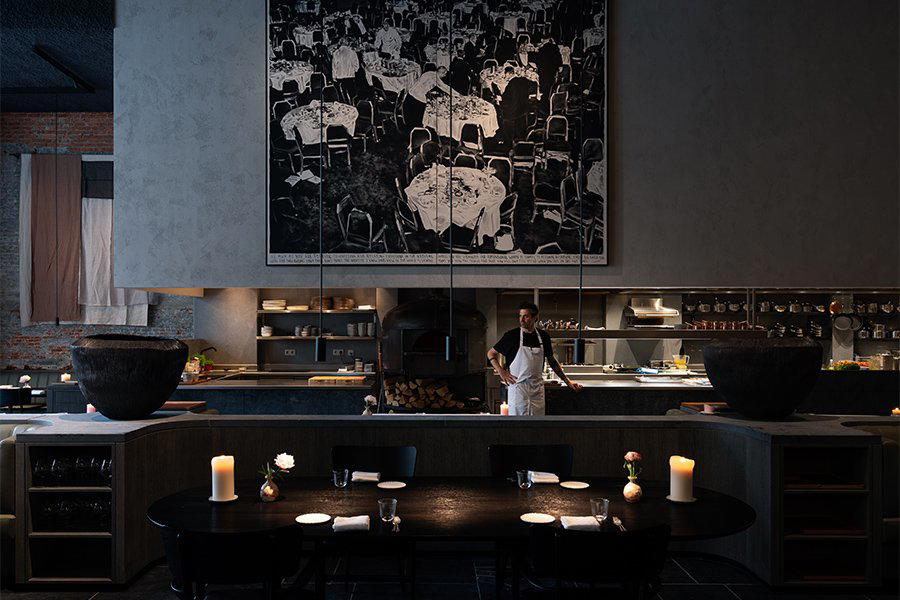
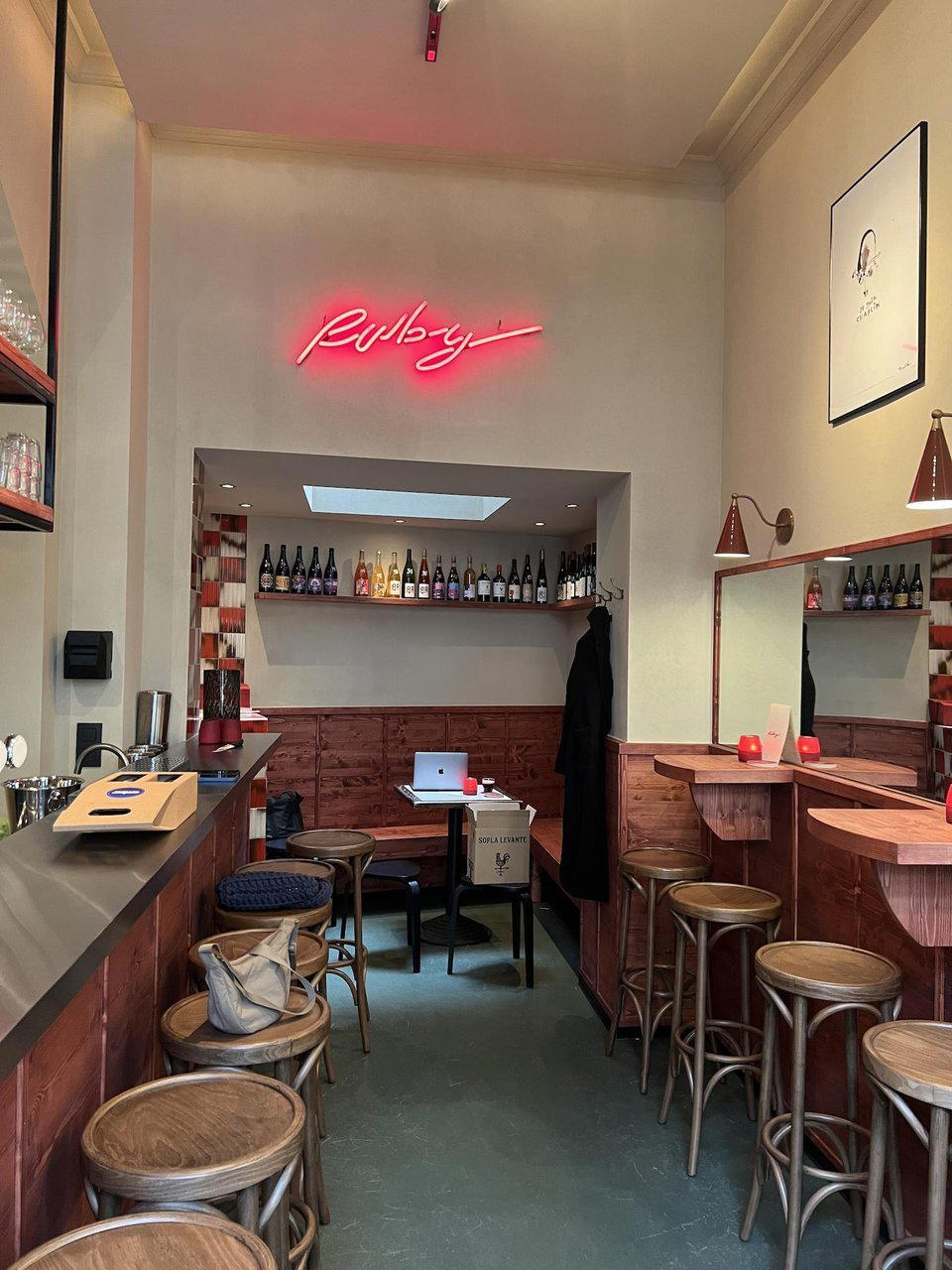
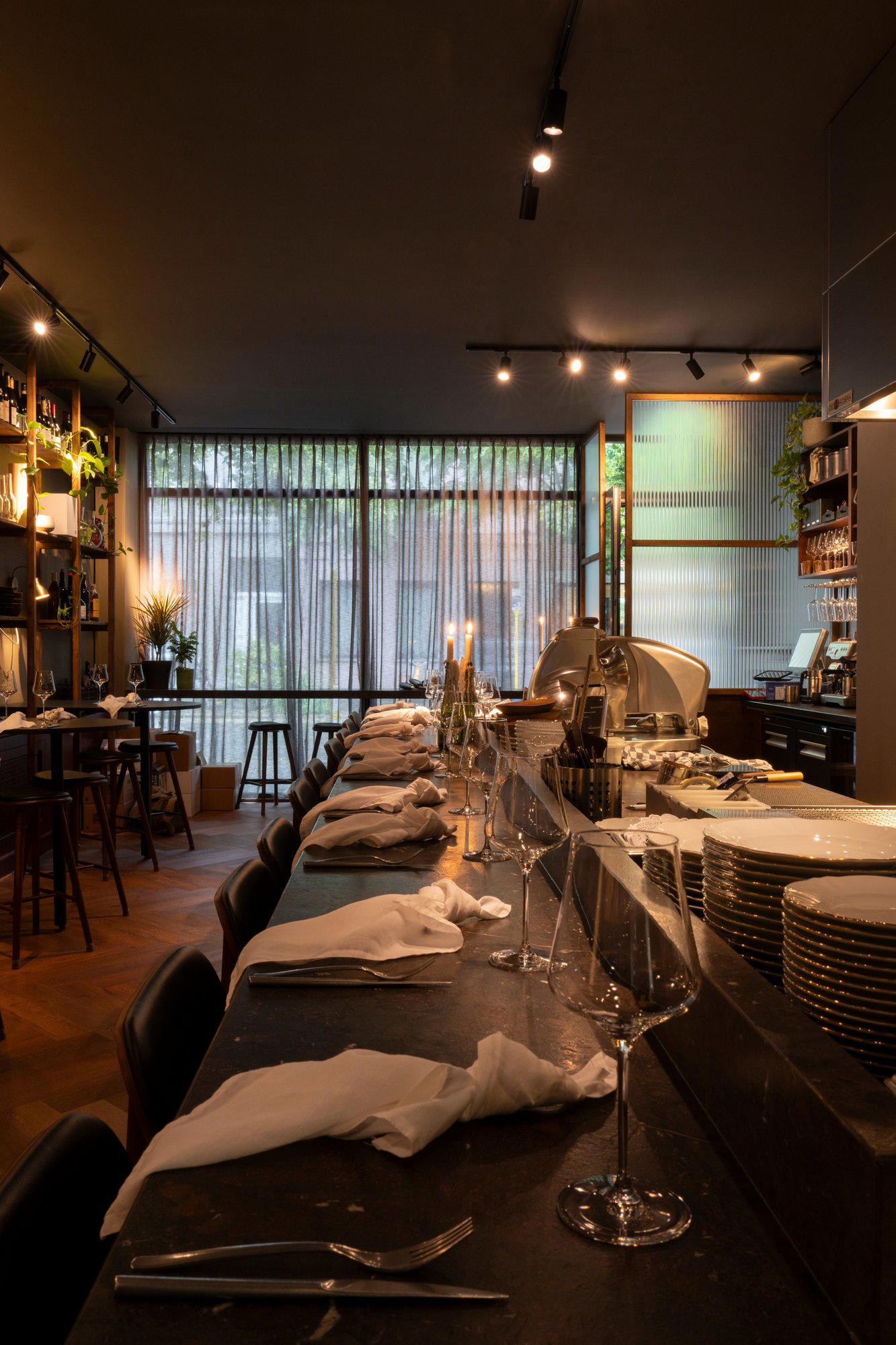
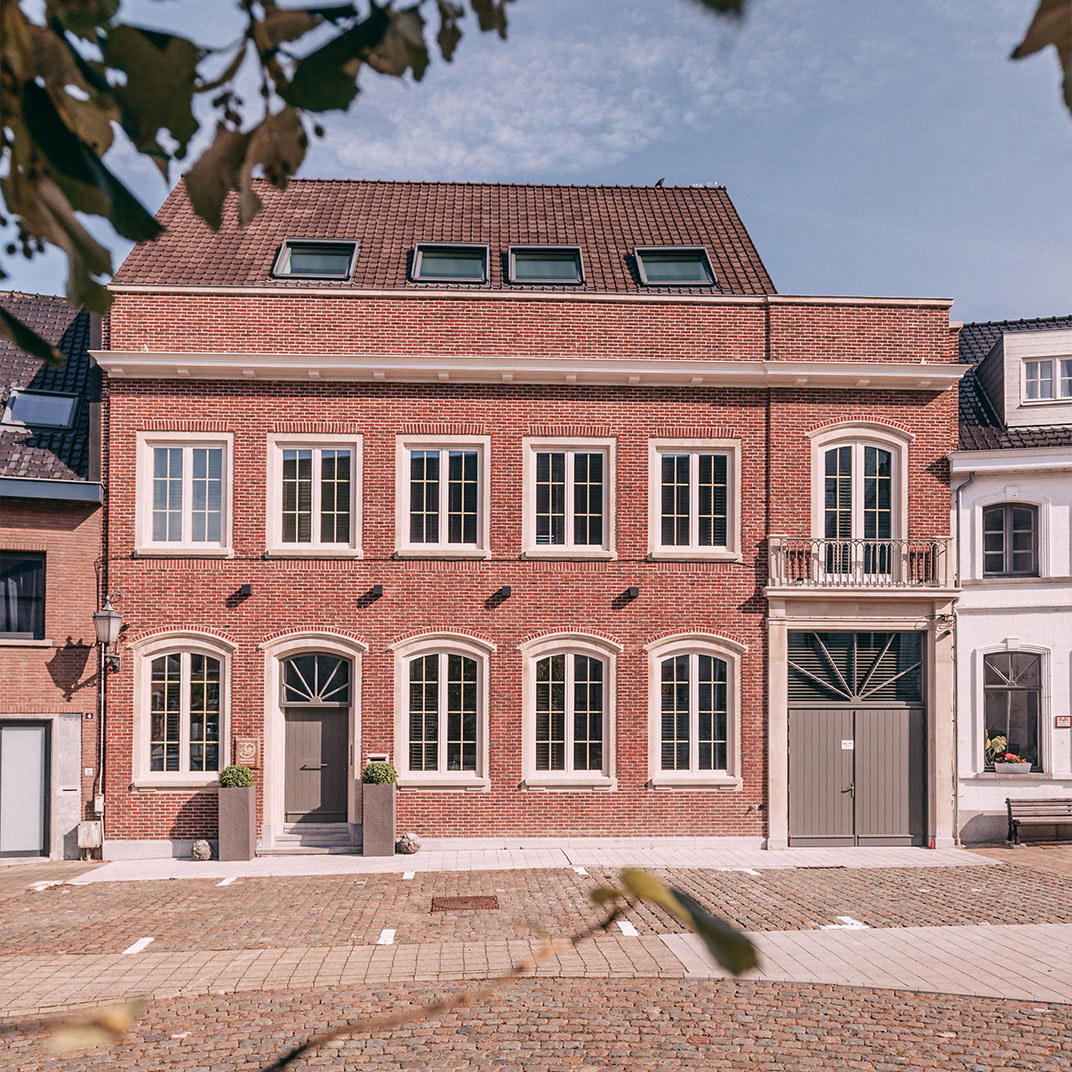
Beautifully renovated rustic farmhouse with tables spaced far apart for privacy, excellent acoustics, warm and welcoming atmosphere.