
Naturell was a Gent restaurant by Lieven Lootens, operating as a companion concept to Aards Paradijs with menus built around seasonal vegetables and herbs. The kitchen treated produce as the structural core of each dish rather than a supporting element. The restaurant has since permanently closed, but its approach reflected a broader movement in Flemish creative dining toward ingredient-led, plant-forward menus.
- Address
- Jan Breydelstraat 10, 9000 Gent, Belgium
- Website
- naturell-gent.be
- Directions
- Get directions
A Closed Chapter in Gent's Vegetable-Forward Dining Story
Naturell is a restaurant in Gent that has permanently closed. The restaurant at Jan Breydelstraat 10 in Gent has permanently closed.
What Naturell Was, and Why It Mattered
Gent has spent the better part of two decades building a reputation as one of Belgium's most serious cities for produce-driven cooking. That reputation does not rest on a single establishment but on a cluster of kitchens that have consistently treated sourcing as a structural decision rather than a branding exercise. Naturell was conceived within that tradition, positioned as a concept by Lieven Lootens that went further than his earlier Aards Paradijs in committing to what the documentation described as a "total experience."
The phrase is worth unpacking. In the context of Belgian fine dining in the 2010s and early 2020s, "total experience" typically signalled an intention to close the gap between kitchen philosophy and dining room atmosphere, rather than simply offering a tasting menu with good sourcing credentials. Menus at Naturell were framed as expressions of the seasons, with vegetables and herbs acting as the binding force across dishes described as playful and original. This placed the restaurant in a specific corner of Flemish creative cooking: not the austere Nordic-influence school that strips flavour down to its mineral minimum, and not the classical French-derived richness that still anchors many of Belgium's most awarded kitchens, but something more lateral, where produce dictated the menu's architecture from the ground up.
The Sourcing Logic Behind the Concept
Belgium's position in European agriculture gives its serious restaurants a meaningful advantage. The Flemish interior, particularly the corridor running from Ghent toward the coast and south toward the Pajottenland, supports small-scale vegetable and herb growers whose output rarely reaches supermarket distribution. Kitchens that build relationships with those producers early gain access to ingredients that cannot simply be ordered from a wholesaler: uncommon brassica varieties, foraged herbs, cultivars grown to a chef's specification rather than to a retailer's yield requirements.
Naturell's framing of vegetables and herbs as a "binding force" rather than a garnish or side category reflects a sourcing philosophy that was gaining significant traction in Gent specifically during the period the restaurant operated. The city's designation as Europe's first vegetarian city in 2009, though largely symbolic in policy terms, had real effects on the culinary culture: it created a market-level signal that produce-led cooking carried social as well as gastronomic weight. Restaurants that moved early in that direction were not making a commercial sacrifice; they were positioning ahead of a shift that would later become mainstream.
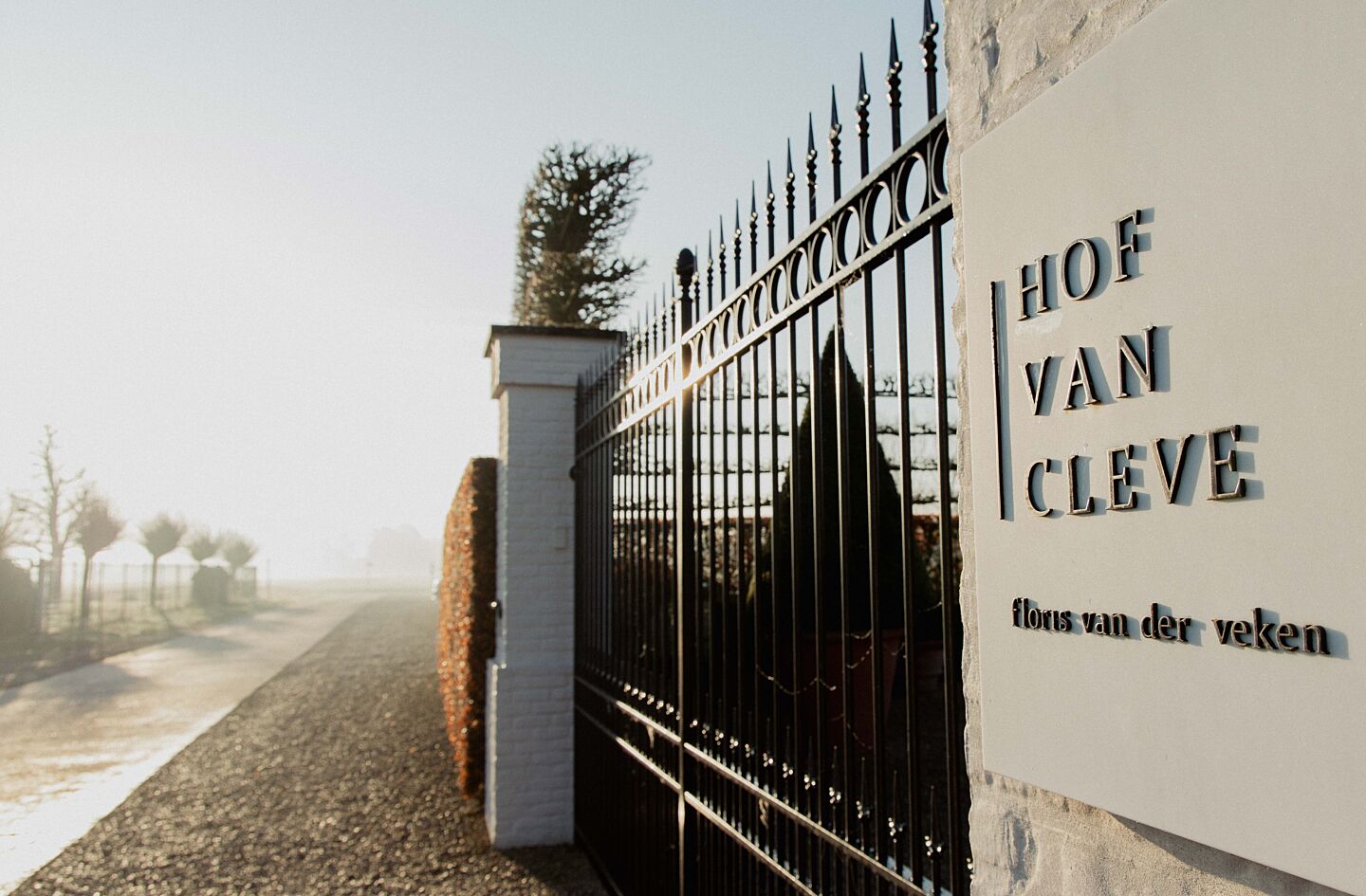
That context makes the concept more legible. Naturell was not a vegetarian restaurant in the strict sense, nor was it positioning around dietary restriction. It was a kitchen using the full logic of seasonal sourcing to generate menus where vegetables and herbs carried the narrative weight that protein typically carries in more conventional fine dining formats. That is a harder technical problem than it might sound, and the restaurants that solve it well tend to earn attention from the same audience that follows Vrijmoed and Souvenir in Gent, or, further afield, kitchens like Hof van Cleve in Kruishoutem and Boury in Roeselare that have built their reputations on a similar commitment to Flemish produce at the highest level.
Where Gent's Ingredient-Led Scene Stands Now
The closure of Naturell does not represent a retreat of produce-driven cooking in Gent. If anything, the city's restaurant culture has deepened its commitment to that approach in the years since. Vegetables-first or produce-anchored menus are no longer a niche positioning in Gent; they are increasingly the baseline expectation at the city's serious mid-to-upper tier. What distinguishes the restaurants that remain is the specificity of their sourcing relationships and the technical ambition of what they do with the ingredients once sourced.
Publiek operates at the €€€ tier and has built a reputation around accessible modern cuisine that takes seasonal sourcing seriously without the formality of a long tasting menu format. Oak Gent sits at the €€€€ level within Gent's modern European category, representing the city's appetite for technically ambitious cooking that still reads as rooted in place. For something with a different cultural register, a food affair brings an Asian lens to the same city that produced Naturell, a reminder that Gent's food culture is not monolithic.
Beyond Gent, Belgium's broader fine dining circuit continues to reward ingredient-specificity. Zilte in Antwerp and Willem Hiele in Oudenburg each represent different expressions of the same underlying logic: that the sourcing decision is inseparable from the cooking decision, and that the leading Belgian kitchens treat them as a single problem. Internationally, the comparison points stretch further: Le Bernardin in New York City built its entire identity around a single ingredient category treated with absolute seriousness, and Bozar Restaurant in Brussels occupies a different register in the Belgian capital for readers moving between cities. Bartholomeus in Heist and Emeril's in New Orleans round out the wider context for readers tracking ingredient-led cooking across different geographies.
At-a-Glance Comparison
Comparable venues nearby, for context on price, style, and recognition.
| Venue | Cuisine | Price | Awards | Notes |
|---|---|---|---|---|
| NaturellThis venue — the venue you are viewing | Seasonal European Fine Dining | $$$ | Not listed | Not listed |
| LOF | Modern French Fine Dining | $$$$ | Michelin Plate | City Center |
| Gillis | Modern Steakhouse | $$$$ | Not listed | Ghent city centre |
| Rizoom | Modern Japanese-Influenced Seafood | $$$ | Michelin Plate | Patershol |
| Bar Bask | Pintxos | $$$ | Bib Gourmand | Gent |
| Lys d'Or | Modern Belgian-French Fine Dining | $$$$ | Michelin Plate | Arts Quarter |
Recognition history
Dated appearances from independent guides and award organizations, with the underlying list record or original source where available.
We're Smart World 4 Radishes
We're Smart World

At a Glance
- Cozy
- Elegant
- Special Occasion
- Open Kitchen
- Beer Program
- Local Sourcing
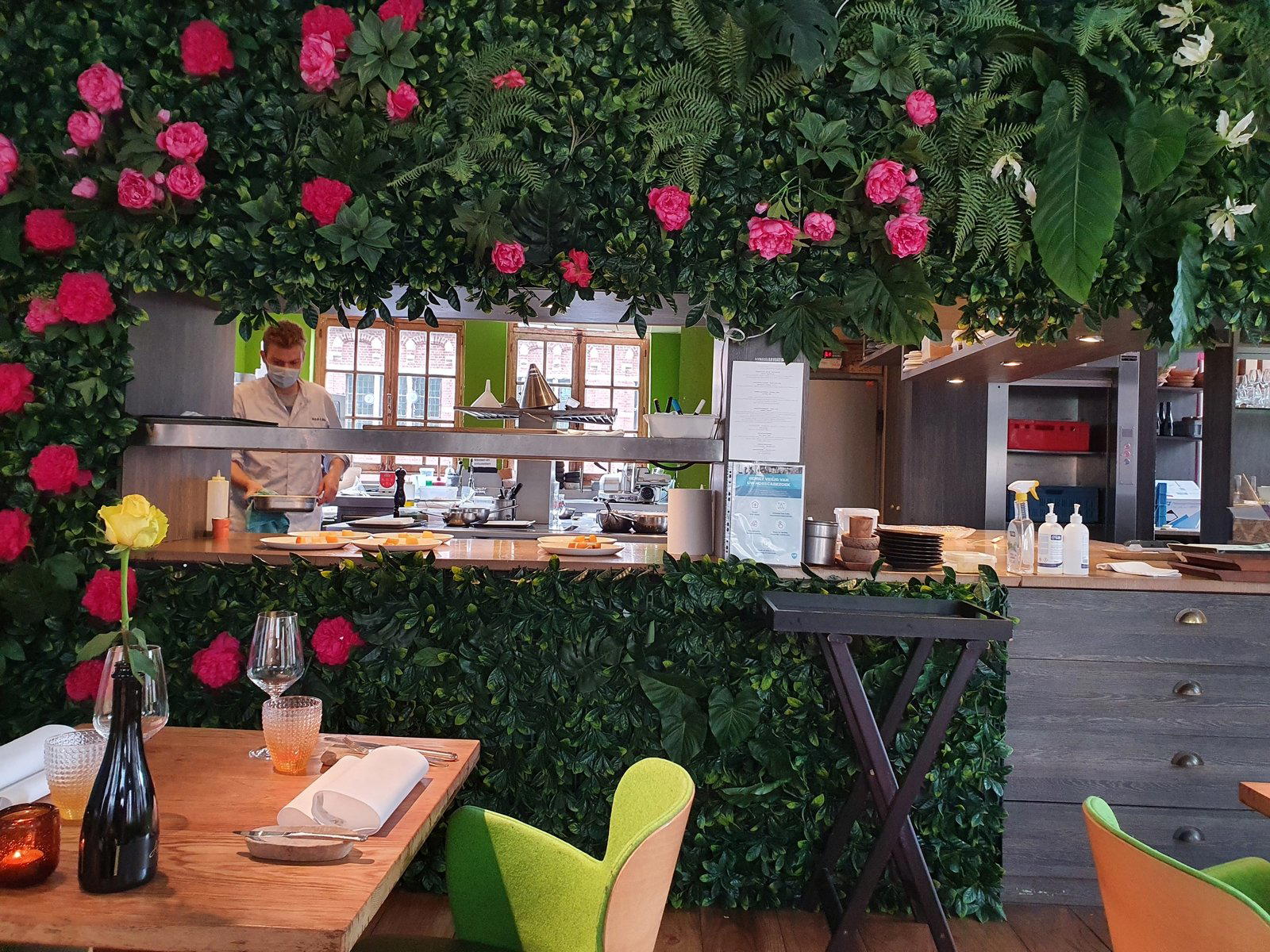
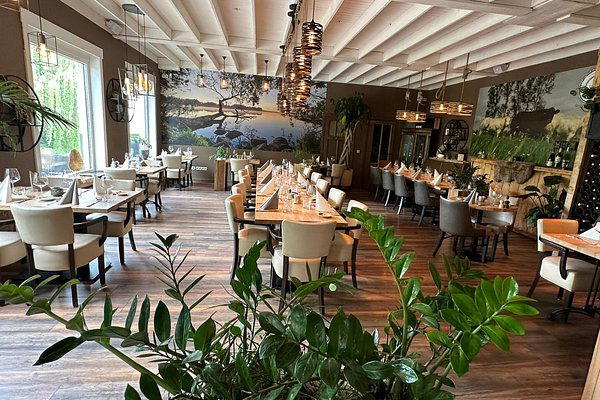
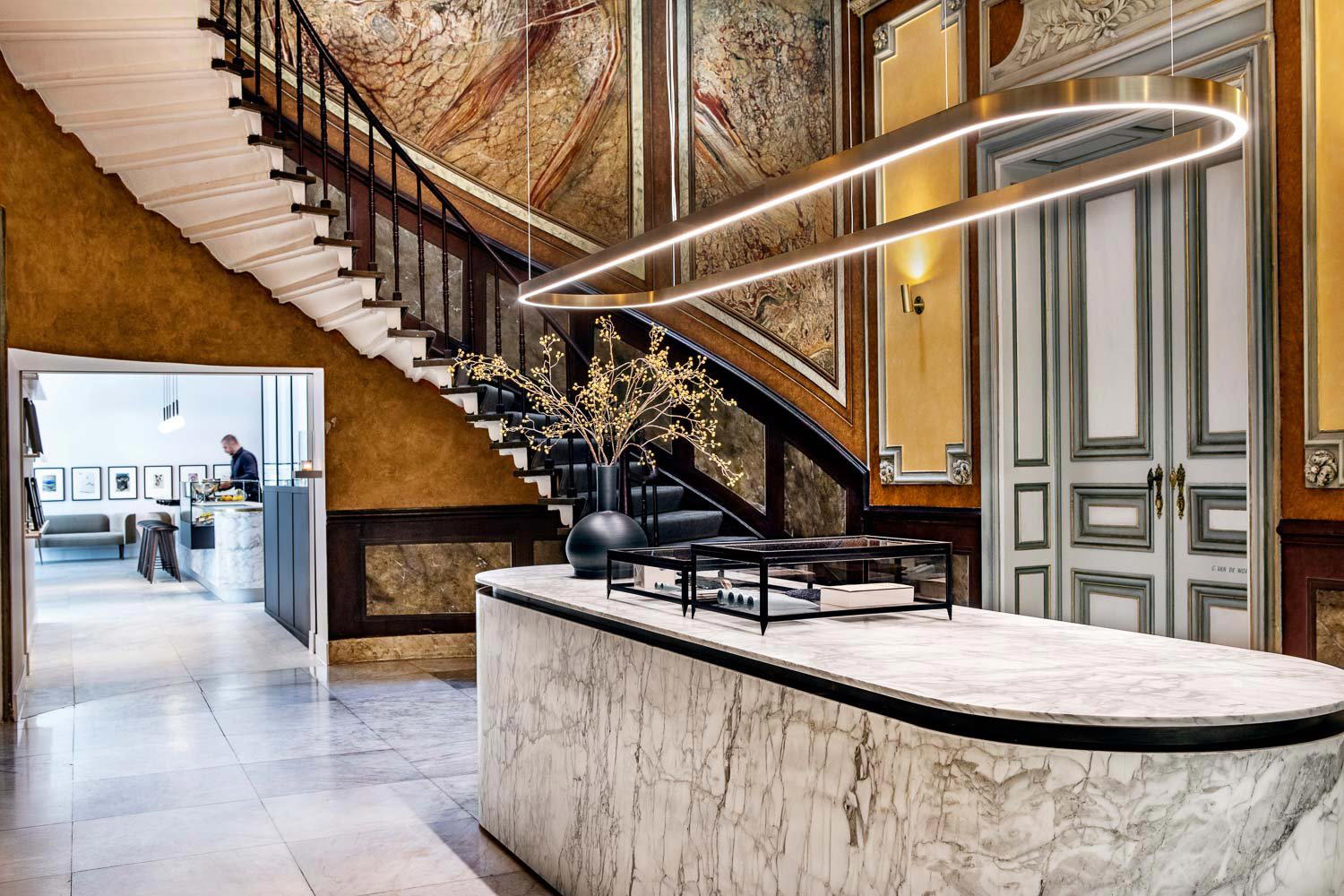
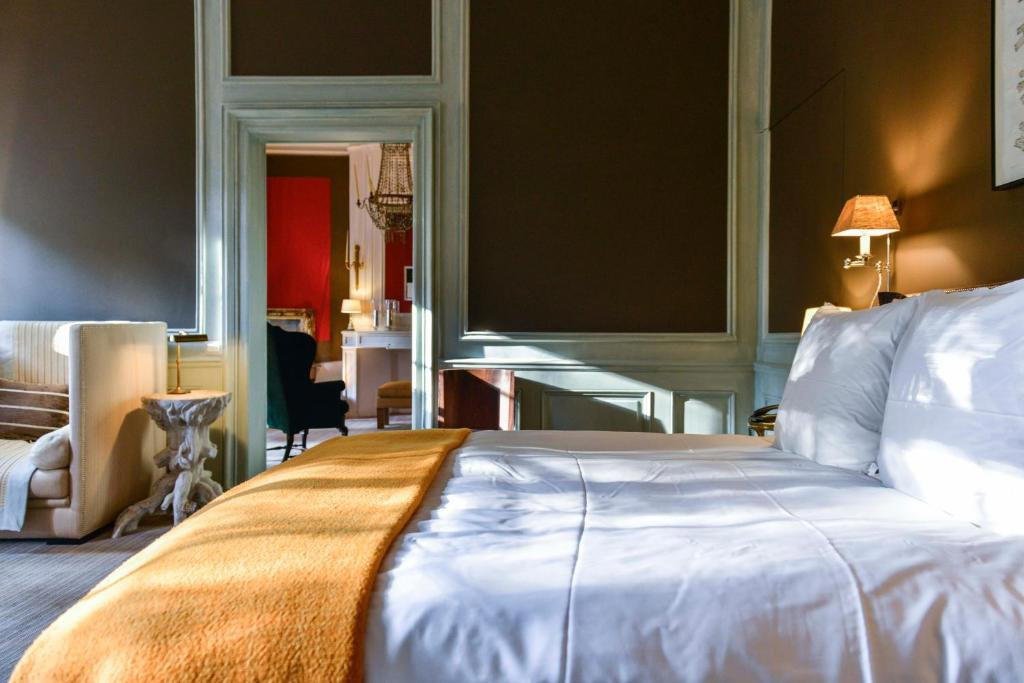
Colourful interior with wooden decor, green plant decorations, and some kitsch bright elements like fake flowers.