Skip to Main Content
← Collection
LocationAntwerpen, Belgium
Michelin

<h2>Where the Scheldt Meets the Casual Table</h2><p>Vlaamsekaai runs along the left bank of the Scheldt, and the stretch of converted warehouse buildings there has become one of Antwerp's more considered dining addresses over the past decade. The former industrial fabric of the neighbourhood, with its high ceilings, exposed brickwork, and wide floor plans, suits a certain kind of restaurant: one that can hold a crowd without feeling like a canteen, and that can carry a serious kitchen without the formality of white tablecloths. ALBUM occupies one of these warehouses, and its conversion into a casual but considered dining room places it squarely within that broader shift in Belgian dining away from rigid tasting-menu formality and toward a format that adjusts to the hour and the appetite.</p><h2>The Format: Flexible by Design</h2><p>Belgian restaurant culture has long maintained a sharper divide between lunch and dinner than many of its European neighbours. Lunch remains a serious meal in Flemish cities, and venues that offer genuine culinary depth at midday, not just a scaled-back version of their evening ambitions, occupy a distinct and valued position. ALBUM's midday offer of two-, three-, or four-course menus reflects that tradition. The flexibility is deliberate: it acknowledges that a business lunch and a leisurely afternoon table have different rhythms and budgets, and it prices accordingly. The evening narrows to a five-course menu, which is the more common format for Belgian kitchens at this price point and keeps the kitchen focused rather than sprawling.</p><p>For context on how Antwerp's fine-casual tier compares to the higher end: the city's most celebrated rooms, including <a href="https://www.enprimeurclub.com/restaurants/zilte-antwerp-restaurant">Zilte in Antwerp</a>, operate in a different price and formality bracket altogether. ALBUM sits closer to the accessible end of serious dining in the city, which is where Antwerp restaurants like <a href="https://www.enprimeurclub.com/restaurants/asur-antwerpen-restaurant">A'sur</a> and <a href="https://www.enprimeurclub.com/restaurants/bardin-antwerpen-restaurant">Bardin</a> also position themselves.</p><h2>Ingredient Logic and the Kitchen's Approach</h2><p>The clearest signal of a kitchen's seriousness is not its Michelin count but its sourcing decisions and the way those decisions show up on the plate. In Belgium, where the distance between a fishing port and a restaurant kitchen can be shorter than in most Western European countries, the question of where ingredients come from carries real weight. The Flemish coast, the Ardennes, and the market gardens of the Mechelen region all feed into the country's broader restaurant culture, and restaurants that pay attention to those supply lines tend to produce more coherent cooking than those that default to standard wholesale channels.</p><p>At ALBUM, that sourcing logic surfaces in a dish that has been cited repeatedly in accounts of the kitchen's output: wafer-thin slices and mousse of smoked salmon, paired with a caramel coulis of pine nuts and cherries. The combination is instructive. Smoked salmon in Belgium is not the generic commodity product it is in many international markets; the smoking traditions of the Low Countries produce a specific flavour register, more restrained and less aggressively saline than some northern European styles. The decision to combine that smoke with sweet cherry and pine nut, and to carry the contrast through both texture (thin slice against mousse) and flavour (smoky against fruity-sweet), reflects a kitchen that thinks in terms of architecture rather than accumulation. The caramel coulis acts as a bridge, softening the boundary between the savoury and sweet registers. This kind of technical integration is more common at the higher end of Belgian dining, at addresses like <a href="https://www.enprimeurclub.com/restaurants/hof-van-cleve-floris-van-der-veken-kruishoutem-restaurant">Hof van Cleve in Kruishoutem</a> or <a href="https://www.enprimeurclub.com/restaurants/boury-roeselare-restaurant">Boury in Roeselare</a>, but ALBUM applies it in a less formal register.</p><p>The sourdough bread programme adds another data point. Bakery culture in Belgium is taken seriously at a retail level, and a restaurant kitchen that produces sourdough of sufficient quality to sell by the loaf at service's end is making a claim about its base technique. Fermentation-led breadmaking requires consistency and patience, and the fact that ALBUM offers its sourdough for take-home purchase suggests the kitchen treats it as a product in its own right, not a supporting detail.</p><h2>The Beverage Program</h2><p>Belgium's wine and beverage culture has evolved considerably over the past fifteen years, moving from a relatively conservative, French-focused list toward a more exploratory position that accommodates natural wines, Belgian gin, and ambitious non-alcoholic pairings. The beverage lineup at ALBUM has been described as intriguing, which in this context functions as editorial shorthand for a list that takes positions rather than defaulting to crowd-pleasing selections. That matters for the Vlaamsekaai neighbourhood specifically: warehouse-conversion venues in Antwerp tend to attract a clientele that is younger and more adventurous than the traditional fine dining room, and a beverage list that reflects that appetite does more for overall satisfaction than a technically correct but predictable French-heavy selection. For comparison, Belgium's broader fine dining circuit, from <a href="https://www.enprimeurclub.com/restaurants/castor-beveren-restaurant">Castor in Beveren</a> to <a href="https://www.enprimeurclub.com/restaurants/cuchara-lommel-restaurant">Cuchara in Lommel</a>, has increasingly moved toward beverage programmes with a strong local and regional identity.</p><h2>Antwerp in the Belgian Dining Picture</h2><p>Antwerp is not Brussels, and that distinction matters for how you read a restaurant like ALBUM. Brussels maintains a stronger attachment to classical French-Belgian formality, visible in rooms like <a href="https://www.enprimeurclub.com/restaurants/bozar-restaurant-brussels-restaurant">Bozar Restaurant</a>, while Antwerp's food scene has moved toward a more casual, design-conscious register without abandoning culinary seriousness. The city's port history and its fashion and design culture have produced a dining public that is comfortable with informality as a style choice rather than a compromise. That context explains why a converted warehouse with a casual vibe can produce cooking that draws genuine attention: in Antwerp, the setting does not undercut the food's credibility the way it might in a more conventionally formal dining culture.</p><p>For a fuller sense of where ALBUM sits within the city's current offer, <a href="https://www.enprimeurclub.com/restaurants/antwerpen">our full Antwerpen restaurants guide</a> maps the scene across price points and formats. Those planning a longer stay can also consult <a href="https://www.enprimeurclub.com/hotels/antwerpen">our full Antwerpen hotels guide</a>, <a href="https://www.enprimeurclub.com/bars/antwerpen">our full Antwerpen bars guide</a>, <a href="https://www.enprimeurclub.com/wineries/antwerpen">our full Antwerpen wineries guide</a>, and <a href="https://www.enprimeurclub.com/experiences/antwerpen">our full Antwerpen experiences guide</a>.</p><p>Belgian creative dining of this type also invites comparison beyond the country's borders. The technical discipline applied to accessible formats at venues like ALBUM echoes what kitchens at a different scale and price point, such as <a href="https://www.enprimeurclub.com/restaurants/le-bernardin">Le Bernardin in New York City</a> or <a href="https://www.enprimeurclub.com/restaurants/emerils-new-orleans-restaurant">Emeril's in New Orleans</a>, demonstrate: that ingredient-forward cooking with clear technical ambition does not require the most expensive room in the city to land.</p><p>Further afield in the Belgian coastal and rural circuit, venues like <a href="https://www.enprimeurclub.com/restaurants/willem-hiele-oudenburg-restaurant">Willem Hiele in Oudenburg</a>, <a href="https://www.enprimeurclub.com/restaurants/bartholomeus-heist-restaurant">Bartholomeus in Heist</a>, and <a href="https://www.enprimeurclub.com/restaurants/deugnie-emilie-baudour-restaurant">d'Eugénie à Emilie in Baudour</a> show how seriously the Flemish and Walloon regions take ingredient provenance as a structural argument for their cooking. ALBUM operates with a similar set of values inside a city format.</p><h2>Planning Your Visit</h2><p>ALBUM is located at Vlaamsekaai 6, on the Scheldt waterfront. The kitchen runs both lunch and dinner services, with lunch offering the most flexibility across two, three, or four courses, and dinner structured as a five-course menu. The Vlaamsekaai area is accessible by tram from the city centre, and the waterfront concentration of restaurants and bars makes it a logical anchor for an evening that might extend beyond a single table. Those who want to take something home should ask about sourdough availability at the end of service.</p><h2>Frequently Asked Questions</h2><h3>What do people recommend at ALBUM?</h3><p>The smoked salmon preparation, combining thin-sliced fish with mousse, pine nut and cherry caramel coulis, has drawn consistent attention for the way it integrates savoury and sweet flavour registers without losing coherence. The sourdough bread, available for purchase to take home, is also frequently cited. The beverage list, described as atypical for an Antwerp casual room, is worth approaching with curiosity rather than defaulting to the obvious choices.</p><h3>How hard is it to get a table at ALBUM?</h3><p>Specific booking data is not available, but the lunch service, with its flexible course options, tends to offer more availability than tightly formatted evening menus at comparable Antwerp addresses. The five-course dinner format suggests a more fixed service rhythm, which typically means fewer covers and correspondingly less flexibility on short notice. Booking ahead for dinner is the practical approach; lunch may allow for more spontaneity.</p><h3>What is ALBUM leading at?</h3><p>The kitchen's clearest strength, based on available accounts, is its ability to construct dishes that move between flavour registers, sweet, smoky, savoury, without the result feeling arbitrary. That kind of integration is harder to achieve at a casual price point than at the leading end of the Belgian fine dining circuit. The format flexibility at lunch also makes it more accessible than most Antwerp rooms operating at a comparable culinary level.</p>

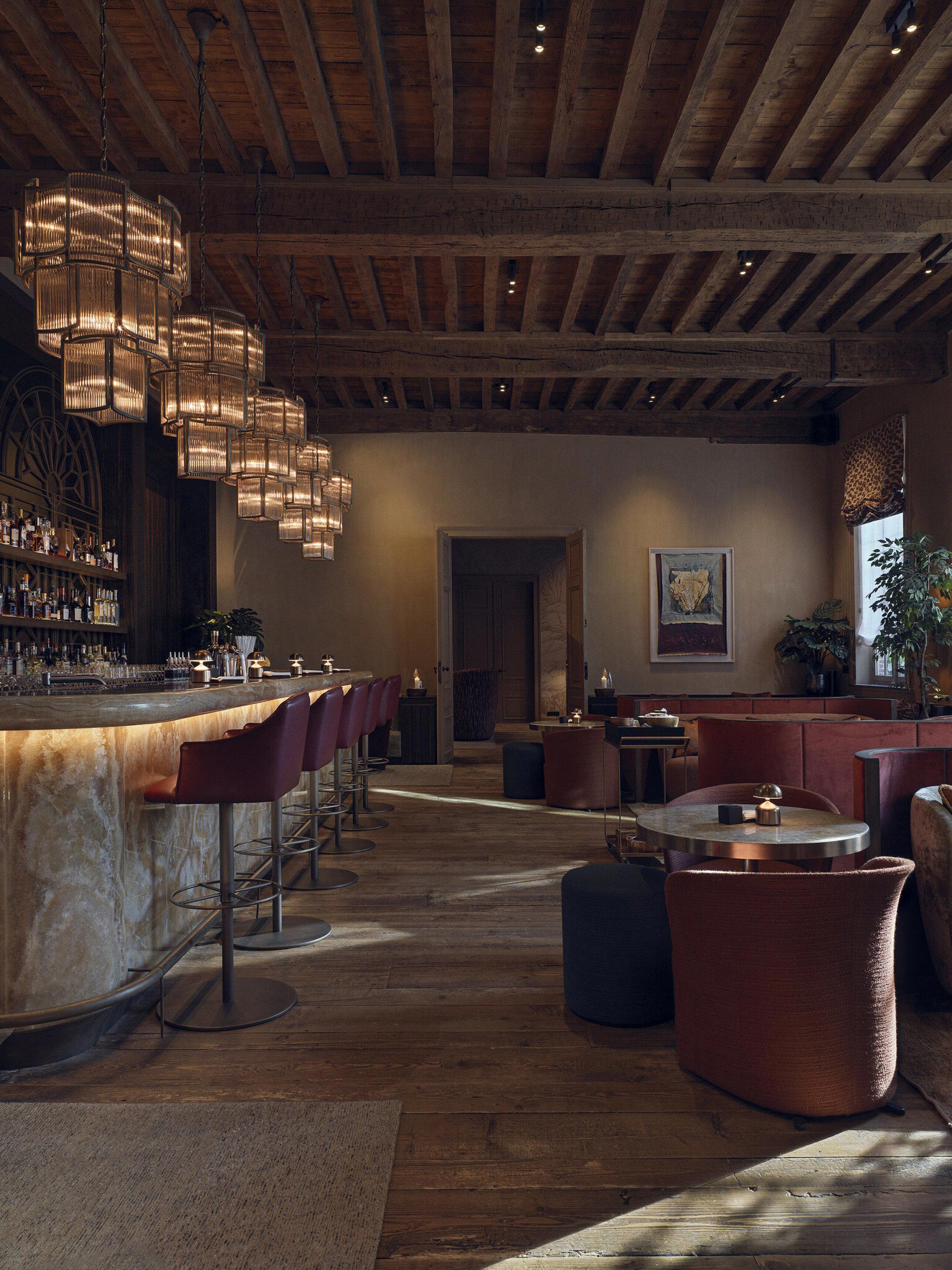
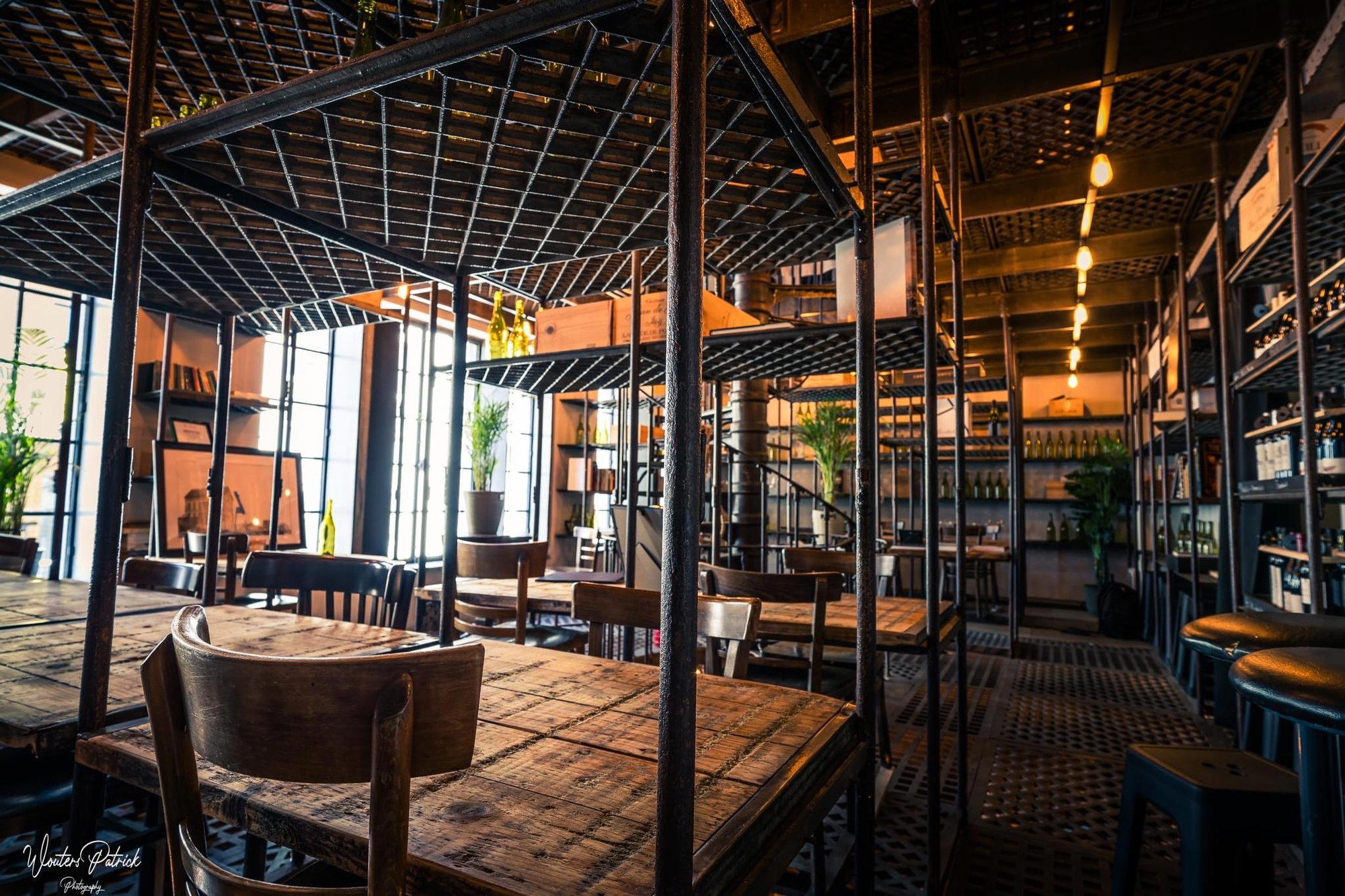
ALBUM restaurant in Antwerpen, Belgium
About

Where the Scheldt Meets the Casual Table

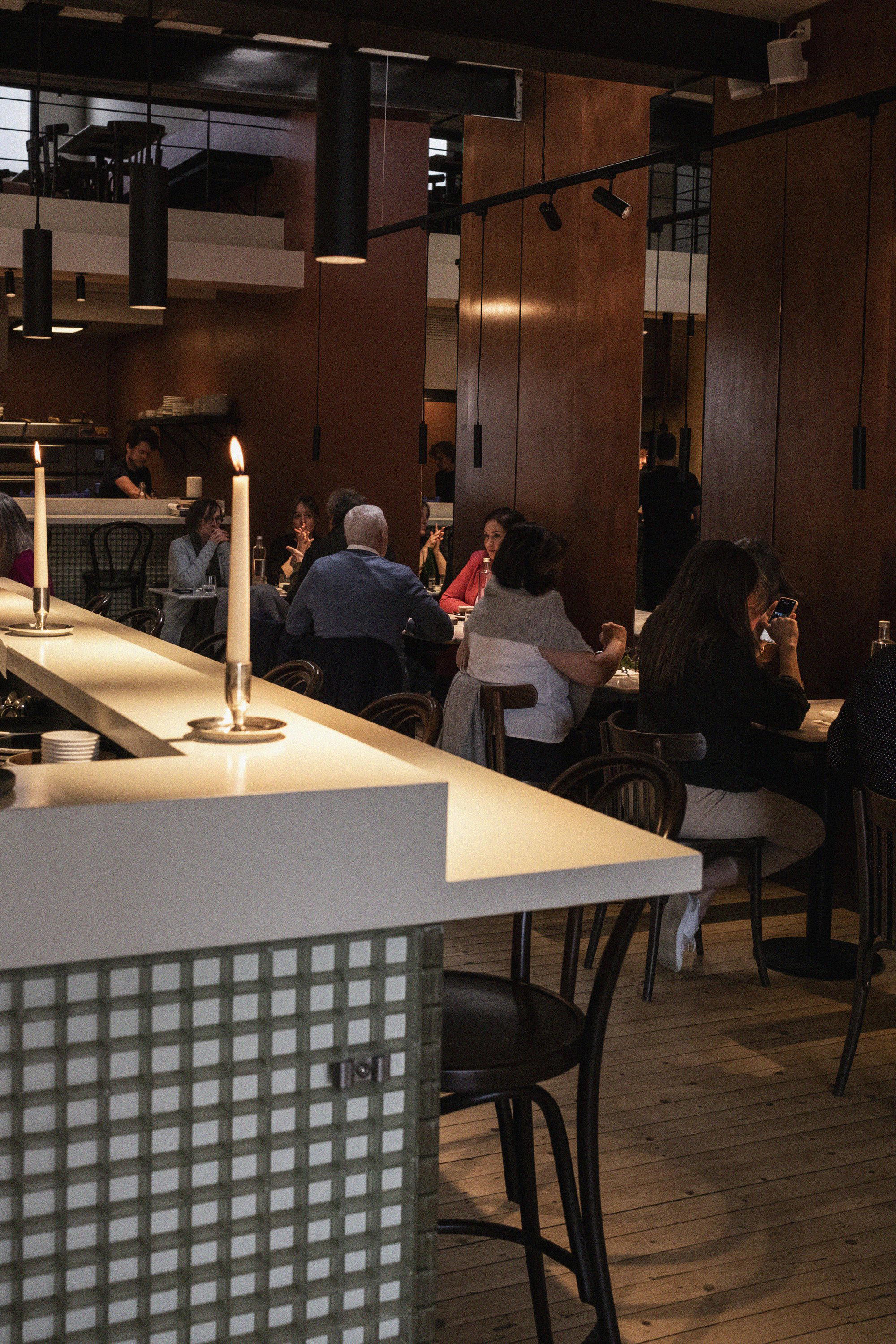
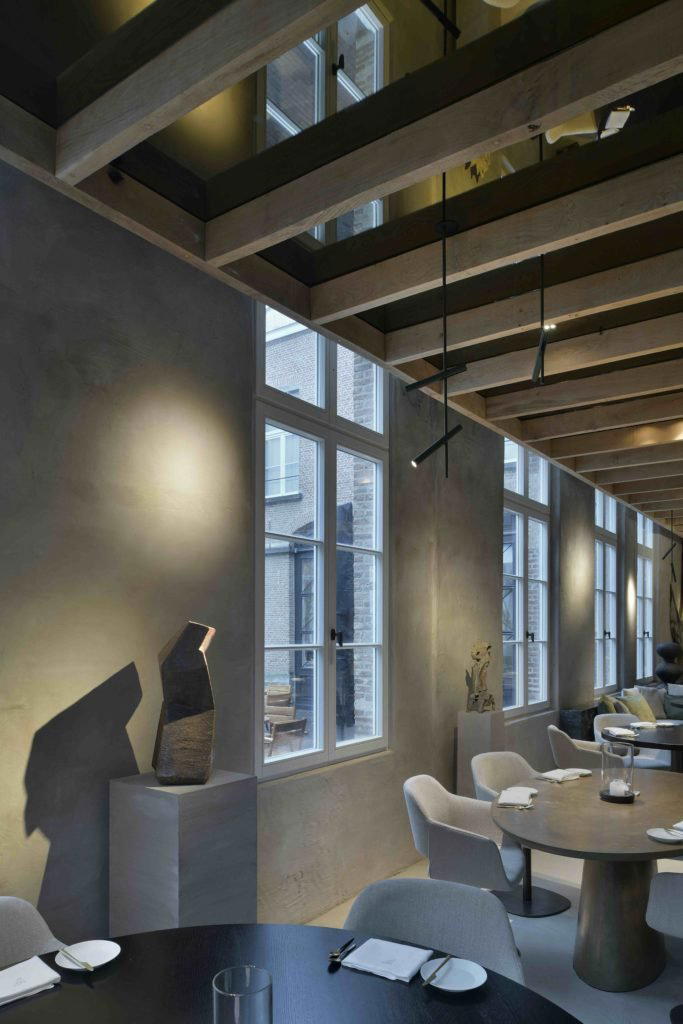
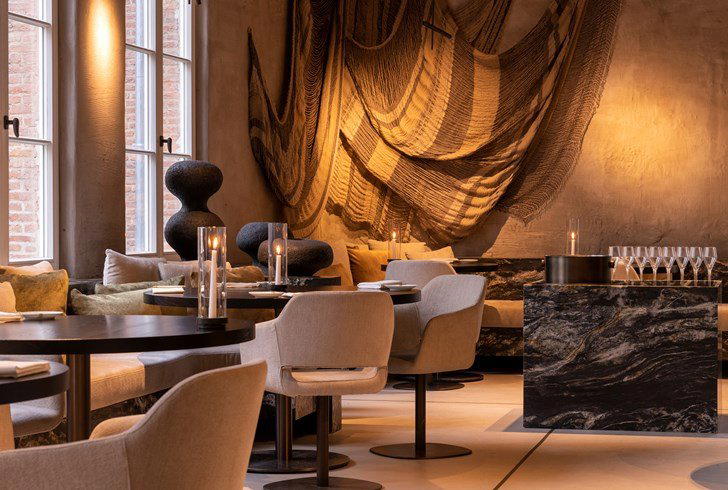
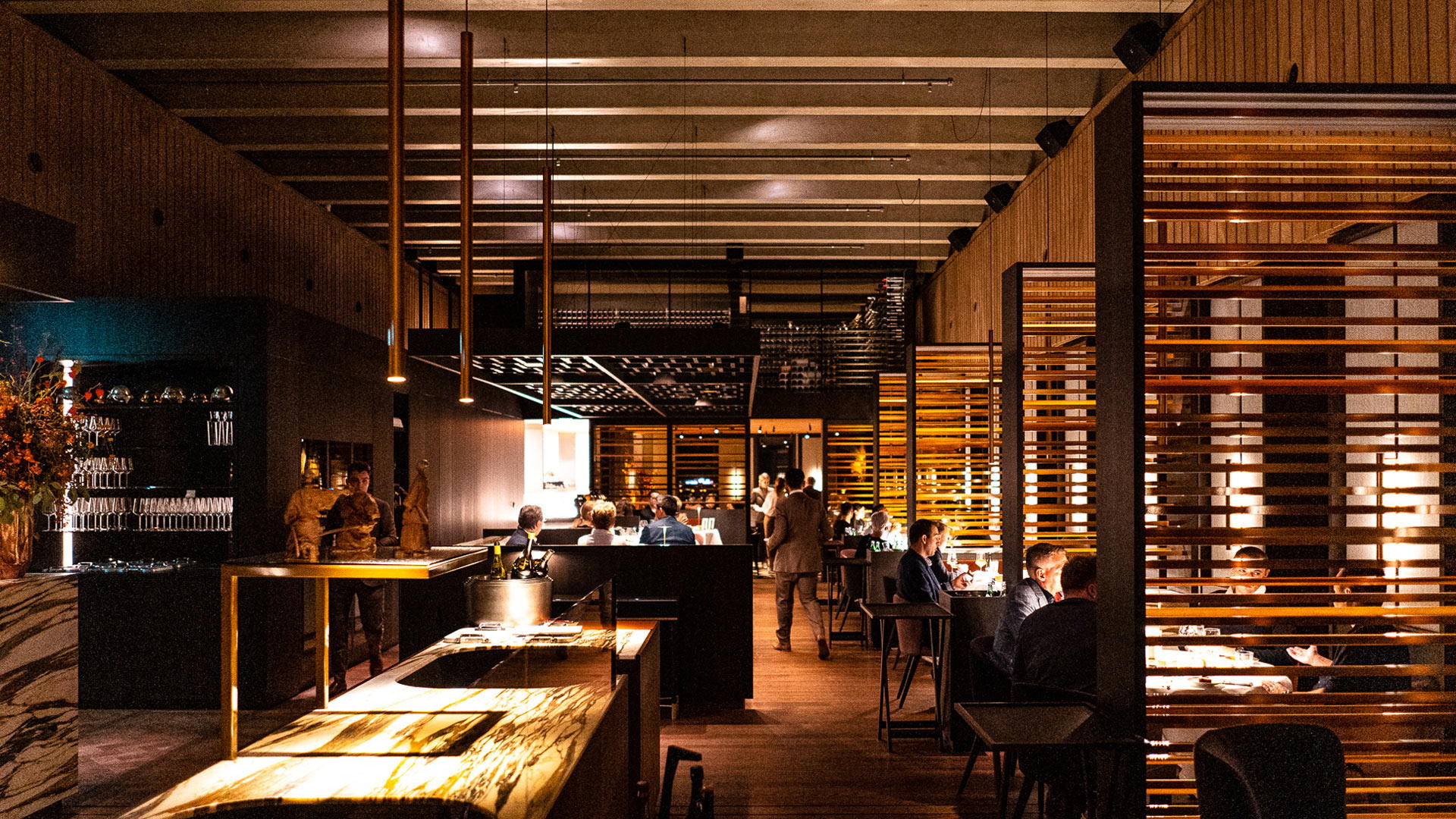
Vlaamsekaai runs along the left bank of the Scheldt, and the stretch of converted warehouse buildings there has become one of Antwerp's more considered dining addresses over the past decade. The former industrial fabric of the neighbourhood, with its high ceilings, exposed brickwork, and wide floor plans, suits a certain kind of restaurant: one that can hold a crowd without feeling like a canteen, and that can carry a serious kitchen without the formality of white tablecloths. ALBUM occupies one of these warehouses, and its conversion into a casual but considered dining room places it squarely within that broader shift in Belgian dining away from rigid tasting-menu formality and toward a format that adjusts to the hour and the appetite.

The Format: Flexible by Design

Belgian restaurant culture has long maintained a sharper divide between lunch and dinner than many of its European neighbours. Lunch remains a serious meal in Flemish cities, and venues that offer genuine culinary depth at midday, not just a scaled-back version of their evening ambitions, occupy a distinct and valued position. ALBUM's midday offer of two-, three-, or four-course menus reflects that tradition. The flexibility is deliberate: it acknowledges that a business lunch and a leisurely afternoon table have different rhythms and budgets, and it prices accordingly. The evening narrows to a five-course menu, which is the more common format for Belgian kitchens at this price point and keeps the kitchen focused rather than sprawling.

Members Only

The shortlist, unlocked.

Hard-to-book tables, cellar releases, and concierge-planned trips.

Get Exclusive Access →

For context on how Antwerp's fine-casual tier compares to the higher end: the city's most celebrated rooms, including Zilte in Antwerp, operate in a different price and formality bracket altogether. ALBUM sits closer to the accessible end of serious dining in the city, which is where Antwerp restaurants like A'sur and Bardin also position themselves.

Ingredient Logic and the Kitchen's Approach

The clearest signal of a kitchen's seriousness is not its Michelin count but its sourcing decisions and the way those decisions show up on the plate. In Belgium, where the distance between a fishing port and a restaurant kitchen can be shorter than in most Western European countries, the question of where ingredients come from carries real weight. The Flemish coast, the Ardennes, and the market gardens of the Mechelen region all feed into the country's broader restaurant culture, and restaurants that pay attention to those supply lines tend to produce more coherent cooking than those that default to standard wholesale channels.

At ALBUM, that sourcing logic surfaces in a dish that has been cited repeatedly in accounts of the kitchen's output: wafer-thin slices and mousse of smoked salmon, paired with a caramel coulis of pine nuts and cherries. The combination is instructive. Smoked salmon in Belgium is not the generic commodity product it is in many international markets; the smoking traditions of the Low Countries produce a specific flavour register, more restrained and less aggressively saline than some northern European styles. The decision to combine that smoke with sweet cherry and pine nut, and to carry the contrast through both texture (thin slice against mousse) and flavour (smoky against fruity-sweet), reflects a kitchen that thinks in terms of architecture rather than accumulation. The caramel coulis acts as a bridge, softening the boundary between the savoury and sweet registers. This kind of technical integration is more common at the higher end of Belgian dining, at addresses like Hof van Cleve in Kruishoutem or Boury in Roeselare, but ALBUM applies it in a less formal register.

The sourdough bread programme adds another data point. Bakery culture in Belgium is taken seriously at a retail level, and a restaurant kitchen that produces sourdough of sufficient quality to sell by the loaf at service's end is making a claim about its base technique. Fermentation-led breadmaking requires consistency and patience, and the fact that ALBUM offers its sourdough for take-home purchase suggests the kitchen treats it as a product in its own right, not a supporting detail.

The Beverage Program

Belgium's wine and beverage culture has evolved considerably over the past fifteen years, moving from a relatively conservative, French-focused list toward a more exploratory position that accommodates natural wines, Belgian gin, and ambitious non-alcoholic pairings. The beverage lineup at ALBUM has been described as intriguing, which in this context functions as editorial shorthand for a list that takes positions rather than defaulting to crowd-pleasing selections. That matters for the Vlaamsekaai neighbourhood specifically: warehouse-conversion venues in Antwerp tend to attract a clientele that is younger and more adventurous than the traditional fine dining room, and a beverage list that reflects that appetite does more for overall satisfaction than a technically correct but predictable French-heavy selection. For comparison, Belgium's broader fine dining circuit, from Castor in Beveren to Cuchara in Lommel, has increasingly moved toward beverage programmes with a strong local and regional identity.

Antwerp in the Belgian Dining Picture

Antwerp is not Brussels, and that distinction matters for how you read a restaurant like ALBUM. Brussels maintains a stronger attachment to classical French-Belgian formality, visible in rooms like Bozar Restaurant, while Antwerp's food scene has moved toward a more casual, design-conscious register without abandoning culinary seriousness. The city's port history and its fashion and design culture have produced a dining public that is comfortable with informality as a style choice rather than a compromise. That context explains why a converted warehouse with a casual vibe can produce cooking that draws genuine attention: in Antwerp, the setting does not undercut the food's credibility the way it might in a more conventionally formal dining culture.

For a fuller sense of where ALBUM sits within the city's current offer, our full Antwerpen restaurants guide maps the scene across price points and formats. Those planning a longer stay can also consult our full Antwerpen hotels guide, our full Antwerpen bars guide, our full Antwerpen wineries guide, and our full Antwerpen experiences guide.

Belgian creative dining of this type also invites comparison beyond the country's borders. The technical discipline applied to accessible formats at venues like ALBUM echoes what kitchens at a different scale and price point, such as Le Bernardin in New York City or Emeril's in New Orleans, demonstrate: that ingredient-forward cooking with clear technical ambition does not require the most expensive room in the city to land.

Further afield in the Belgian coastal and rural circuit, venues like Willem Hiele in Oudenburg, Bartholomeus in Heist, and d'Eugénie à Emilie in Baudour show how seriously the Flemish and Walloon regions take ingredient provenance as a structural argument for their cooking. ALBUM operates with a similar set of values inside a city format.

Planning Your Visit

ALBUM is located at Vlaamsekaai 6, on the Scheldt waterfront. The kitchen runs both lunch and dinner services, with lunch offering the most flexibility across two, three, or four courses, and dinner structured as a five-course menu. The Vlaamsekaai area is accessible by tram from the city centre, and the waterfront concentration of restaurants and bars makes it a logical anchor for an evening that might extend beyond a single table. Those who want to take something home should ask about sourdough availability at the end of service.

Members Only

The shortlist, unlocked.

Hard-to-book tables, cellar releases, and concierge-planned trips.

Get Exclusive Access →

Frequently Asked Questions

At-a-Glance Comparison

A compact peer snapshot based on similar venues we track.

Collector Access

Need a table?

Our members enjoy priority alerts and concierge-led booking support for the world's most difficult tables.

Get Exclusive Access
Members Only

The shortlist, unlocked.

Hard-to-book tables, cellar releases, and concierge-planned trips.

Get Exclusive Access →