.png)
La Grappe d'Or reads Riquewihr through Alsatian comfort cooking rather than tasting-menu theatre: choucroute, baeckeofe, ham knuckle and stuffed trout anchor the table in local produce, preservation and vineyard-country appetite. The €€ positioning keeps it in the accessible traditional bracket, while the 1554 house and regional interior give the meal a strong sense of place without turning dinner into costume drama.
 Discover on Pearl
Pearl is the En Primeur Club membership app — saves, bookings, and concierge access live there. Same editors, same standards.
- Address
- Seigneuriales, 1 Rue des Écuries, 68340 Riquewihr, France
- Phone
- +33 3 89 47 89 52
- Website
- restaurant-grappedor.com
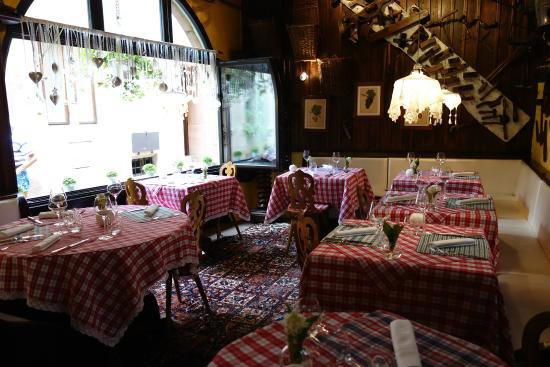
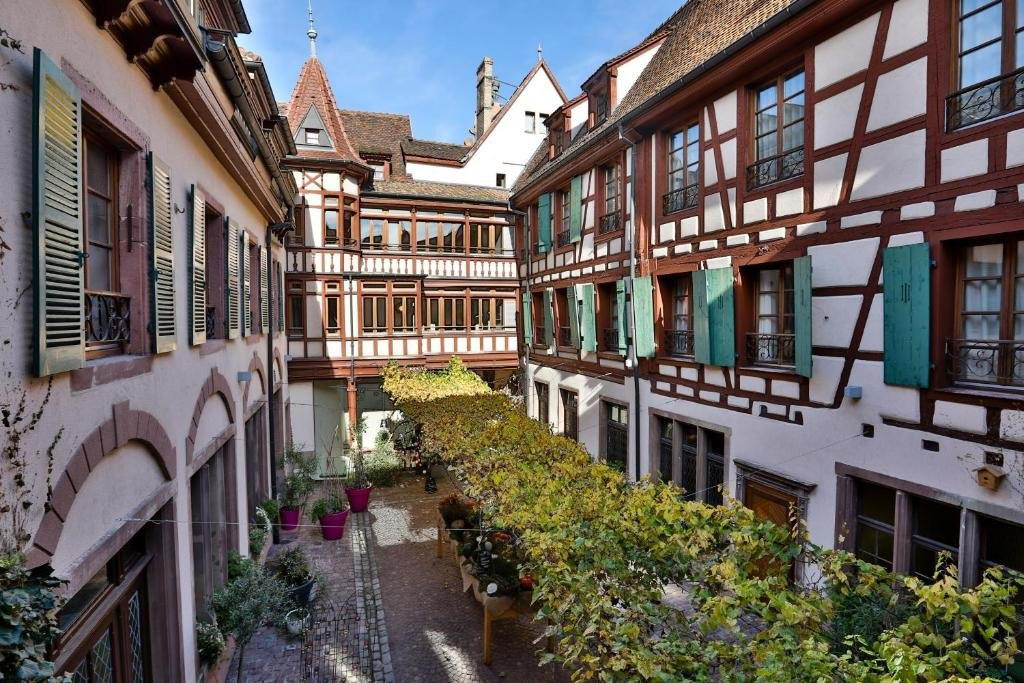
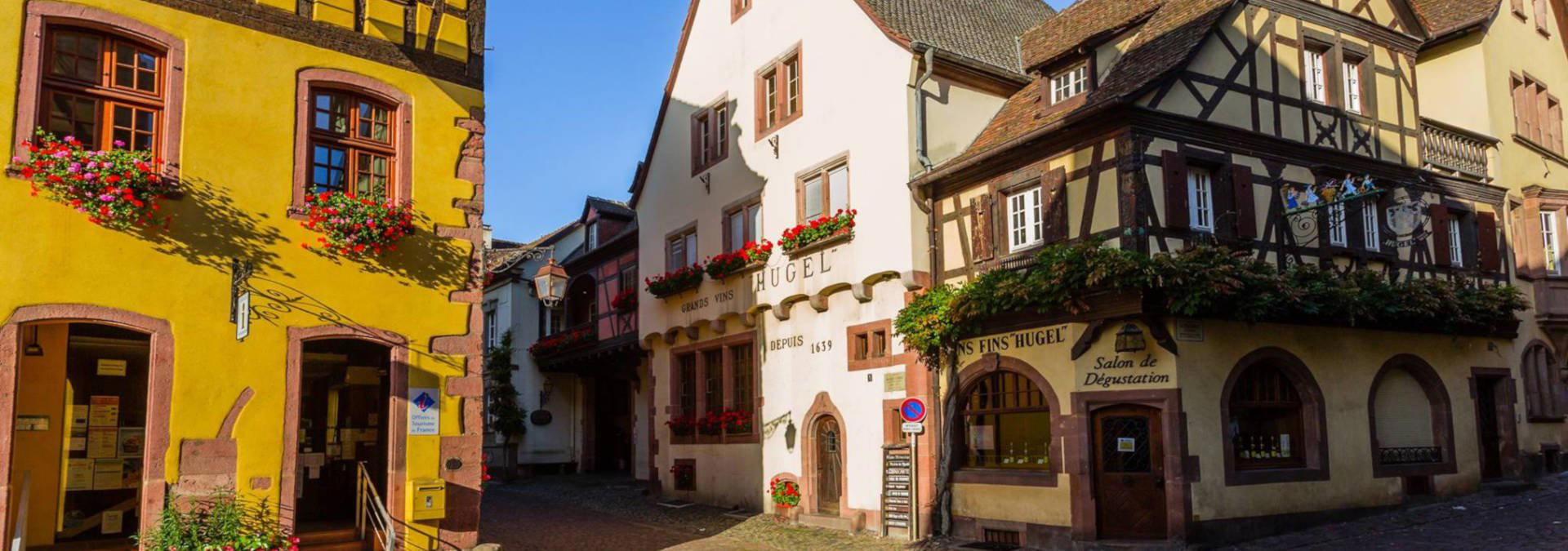
Riquewihr makes restaurants work harder than its postcard surface suggests. Half-timbered façades, wine-route foot traffic and souvenir Alsace can flatten regional cooking into costume. Stronger tables push back by treating the old repertoire as living discipline: cabbage, pork, freshwater fish, slow-baked casseroles and wine-led sauces served seriously enough to survive the room’s charm. La Grappe d'Or sits inside that argument, in a flower-decked house dated to 1554, where the appeal is not novelty but a refusal to turn tradition into theme-park dining.
That matters in a town where visitors often arrive between cellar tastings expecting a quick translation of Alsace on the plate. Regional cooking here is broad, tied to vines, smokehouses, freshwater fish and winter stores. A menu naming choucroute, baeckeofe, knuckle of ham and stuffed trout is not conservative by default; it tests whether the kitchen can give familiar dishes structure rather than bulk.
Alsace classics treated as working dishes, not museum pieces
The regional interior, noted for keeping its yesteryear character, gives the food context newer rooms often have to manufacture. The danger is sentimentality: too much timber, folklore and plate-filling. The better reading is practical. These dishes were built for appetite, wine and weather, and they make sense in Riquewihr because the town’s dining rhythm remains tied to wine-country habits rather than metropolitan fashion.
Choucroute is emblematic, but also a measure of discipline. It can become a heap; handled properly, it balances acidity, smoke, salt and texture. Baeckeofe is another marker, dependent on slow cooking and proportion, not ornament. Knuckle of ham is direct, generous and unforgiving if mishandled. Stuffed trout adds the freshwater counterpoint, showing Alsace is not only pork and cabbage but also streams, river cookery and white-wine compatibility.
The kitchen’s role is best understood as custody. In contemporary French dining, restaurants often seek recognition through personal signatures, imported techniques or tasting-menu architecture. Here, the more convincing skill is quieter: holding a regional line without caricature. Recognition attached to the house points to classic regional delicacies rather than chef-led spectacle. The cooking belongs to a local grammar before it belongs to an individual brand.
Within Riquewihr, that differs from more contemporary or authored dining rooms elsewhere in town. Those tables may speak to a more interpretive version of Alsace and contemporary France, while other local addresses keep the regional frame closer to the surface. La Grappe d'Or belongs to the strand where recognition comes from preserving the canon precisely enough for old dishes to still feel useful.
The Riquewihr setting raises the stakes for traditional cooking
Riquewihr’s beauty can trap diners. The town attracts day visitors by compressing medieval streets, wine culture and Alsatian architecture into a small, walkable place, creating demand for restaurants that look the part before the food is judged. Better traditional rooms must separate regional confidence from decorative nostalgia. A house from 1554 gives La Grappe d'Or an advantage and a burden: the room promises old Alsace before a plate arrives, so the kitchen has to make that promise edible rather than theatrical.
The positioning also matters. Regional Alsace cooking here is not presented as a grand gastronomic detour; it sits among traditional tables where comfort can become complacency. Against peers such as Lucas et Chris, La Maison Rouge and Au Vieux Porche, the distinction is setting and repertoire rather than category. Weinstube Baldreit and Soul Kitchen help frame the wider spread of comparable dining. In that context, La Grappe d'Or reads as a regional choice anchored by historic surroundings and a menu that names the canonical dishes directly.
For travellers building a Riquewihr itinerary, the restaurant makes most sense as part of a wine-country day rather than an isolated destination meal. Alsace cooking was made to sit beside the region’s cellar culture, even when a specific pairing is not the point. Its weight, acidity and preserved flavours align with local wine-country habits, so lunch or dinner here belongs naturally alongside producer visits and village walking, not after a long sequence of snacks.
The wider EP Club map helps calibrate expectations across categories. For broader planning, see Our full Riquewihr restaurants guide, Our full Riquewihr hotels guide, Our full Riquewihr bars guide, Our full Riquewihr wineries guide and Our full Riquewihr experiences guide. Travellers comparing French regional cooking beyond Alsace can place it beside other dining rooms elsewhere, while keeping La Grappe d'Or in focus as a Riquewihr address rooted in the Alsatian repertoire.
Who should choose this room
This is the Riquewihr choice for diners who want Alsace directly: historic room, regional dishes and a kitchen attached to the old vocabulary. It is less suited to anyone seeking a meal framed primarily around novelty or a contemporary dining room stripped of local codes. The proposition is compact: town, house and menu point in the same direction, and that coherence is rarer than it sounds in heavily visited wine villages.
The editorial call is simple: choose La Grappe d'Or when the meal needs to explain Alsace rather than reinterpret it. In a region where tradition can be serious cooking and tourist shorthand, this address sits on the serious side because the named dishes carry the weight of the experience. The room may draw people in first, but the reason to stay is the clarity of the regional frame.
At-a-Glance Comparison
Comparable venues by cuisine and price in the same metro.
| Venue | Cuisine | Price | Awards | Notes |
|---|---|---|---|---|
| La Grappe d'OrThis venue — the venue you are viewing | Alsatian French Winstub | $$ | Michelin Plate | |
| D'Brendelstub | Modern Alsatian Winstub | $$ | , | Riquewihr |
| AOR La Table, le Goût et Nous | Modern French Tasting Menu | $$$$ | Michelin Plate | Riquewihr |
| La Table du Gourmet | Modern French Fine Dining | $$$$ | Michelin 1 Star | Riquewihr |
| Le Comptoir de Georges | Traditional Alsatian Brasserie | $$$ | Michelin Plate | Petite Venise |
| Maison de Laveline | French Terroir Bistro | $$ | Michelin Plate | Ban-de-Laveline |
Continue exploring
More in Riquewihr
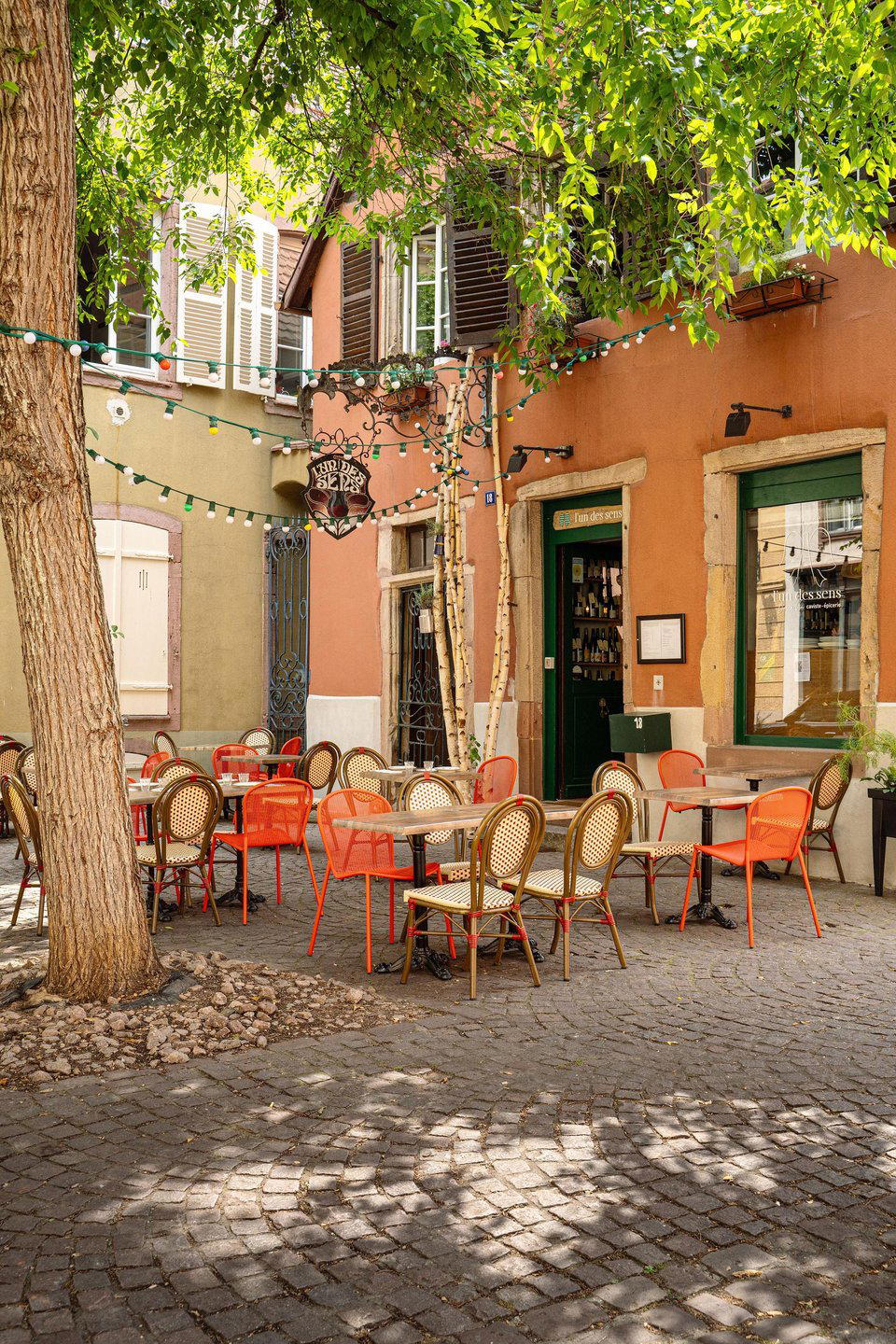
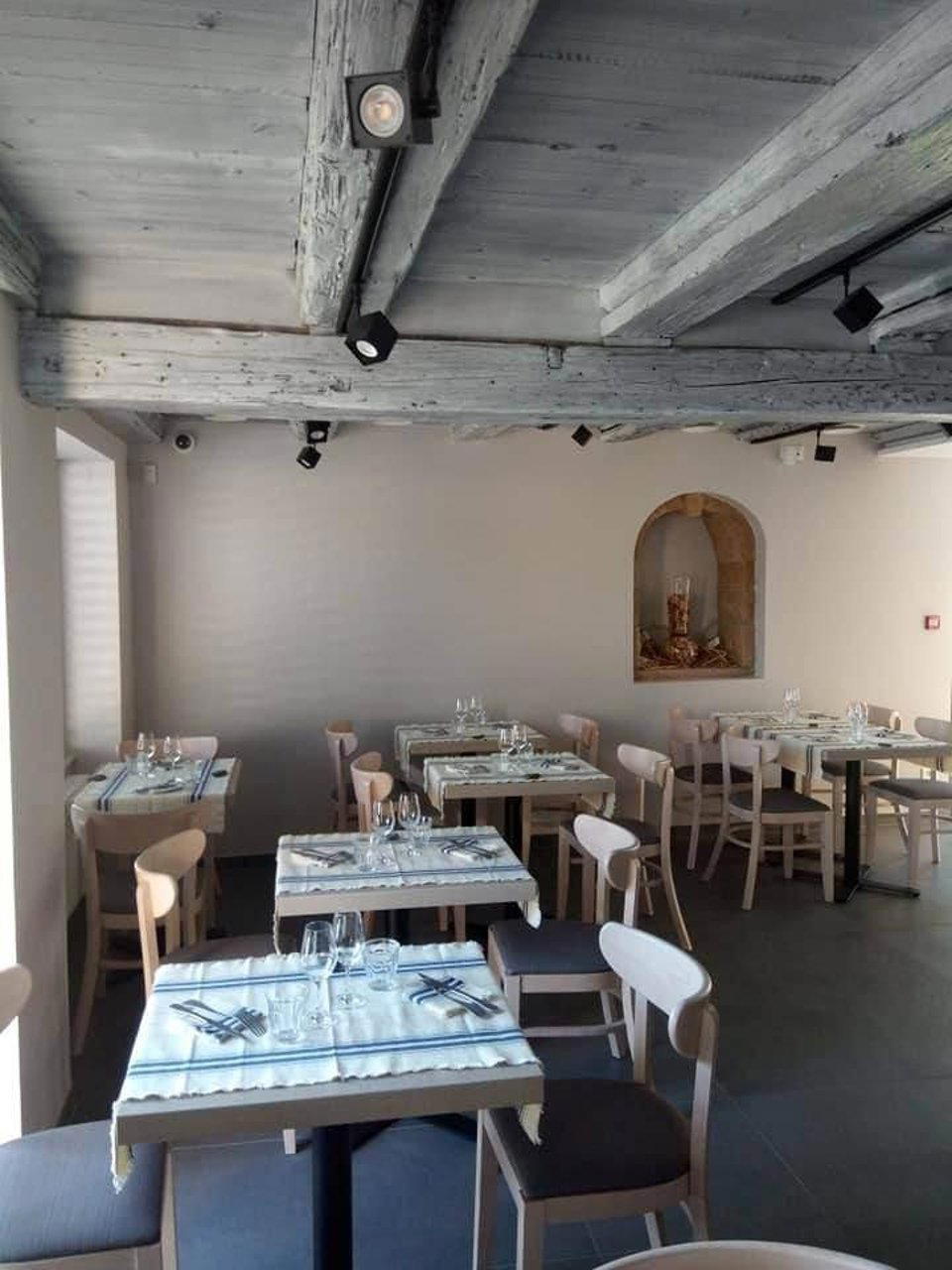
Restaurants in Riquewihr
Browse all →
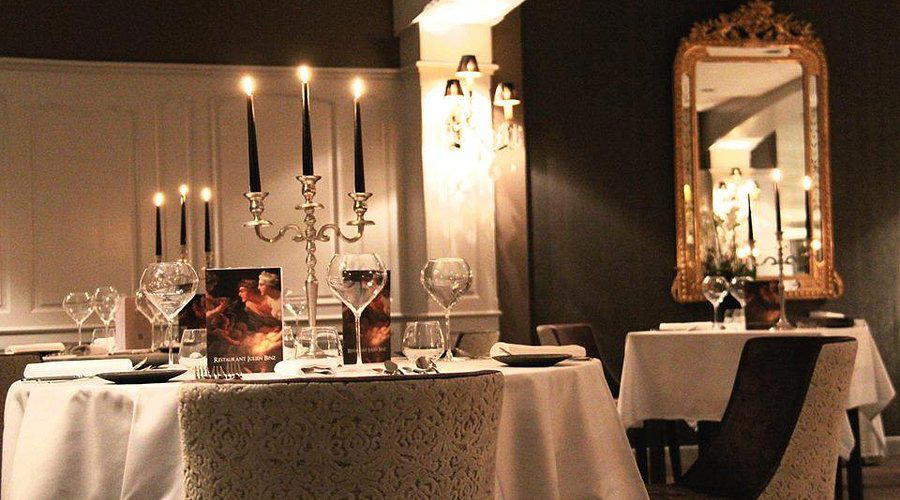
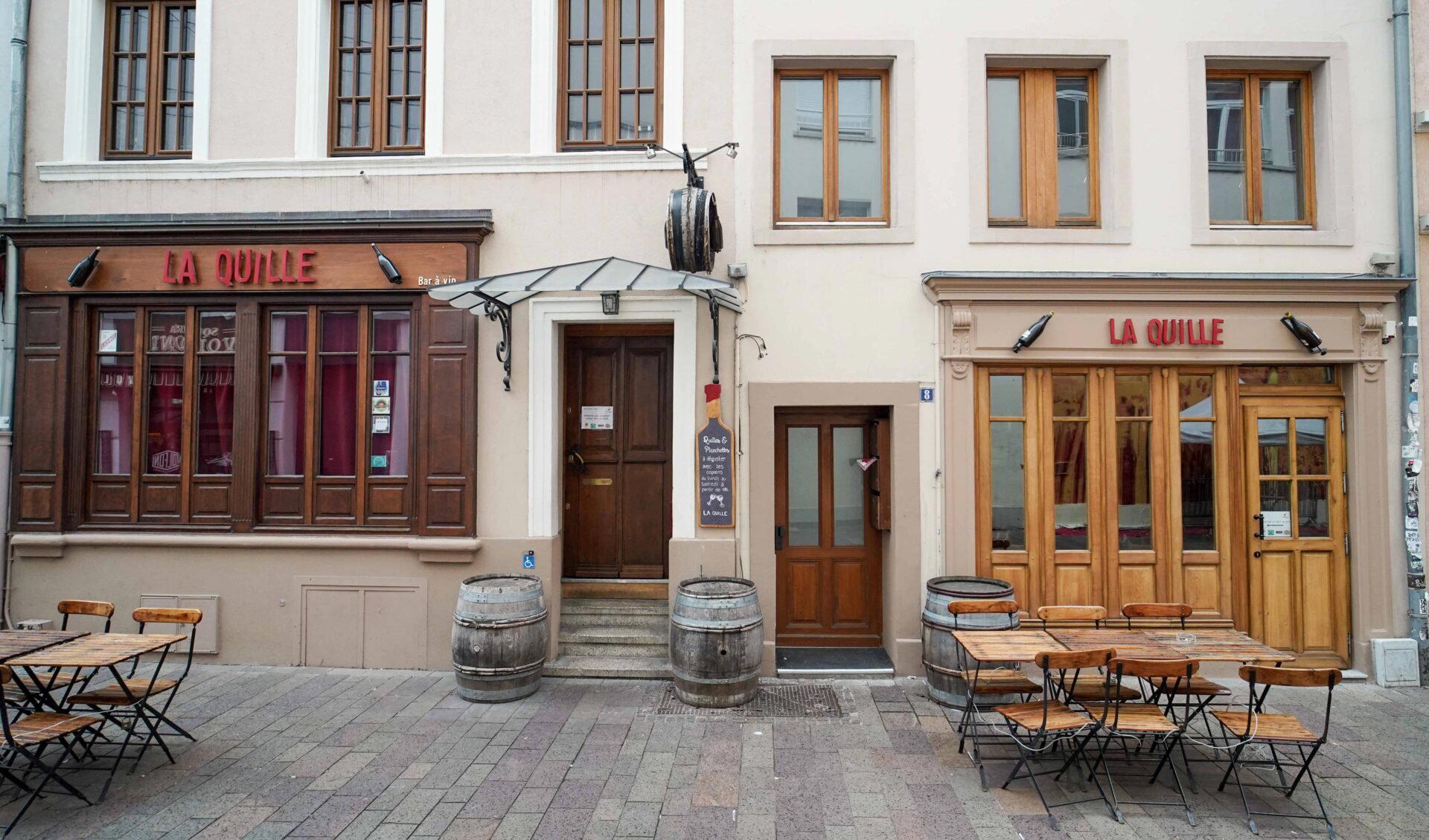
Bars in Riquewihr
Browse all →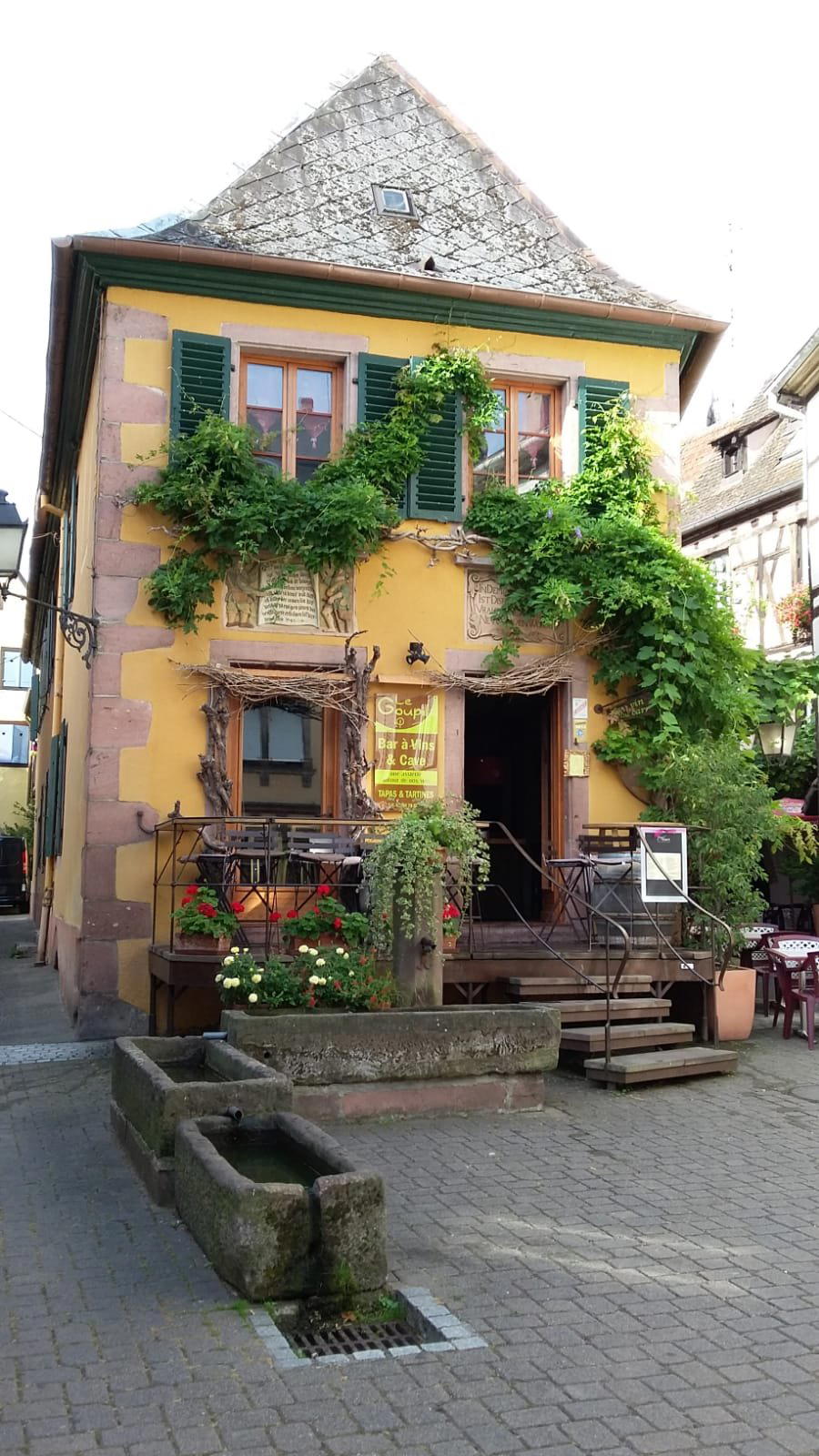
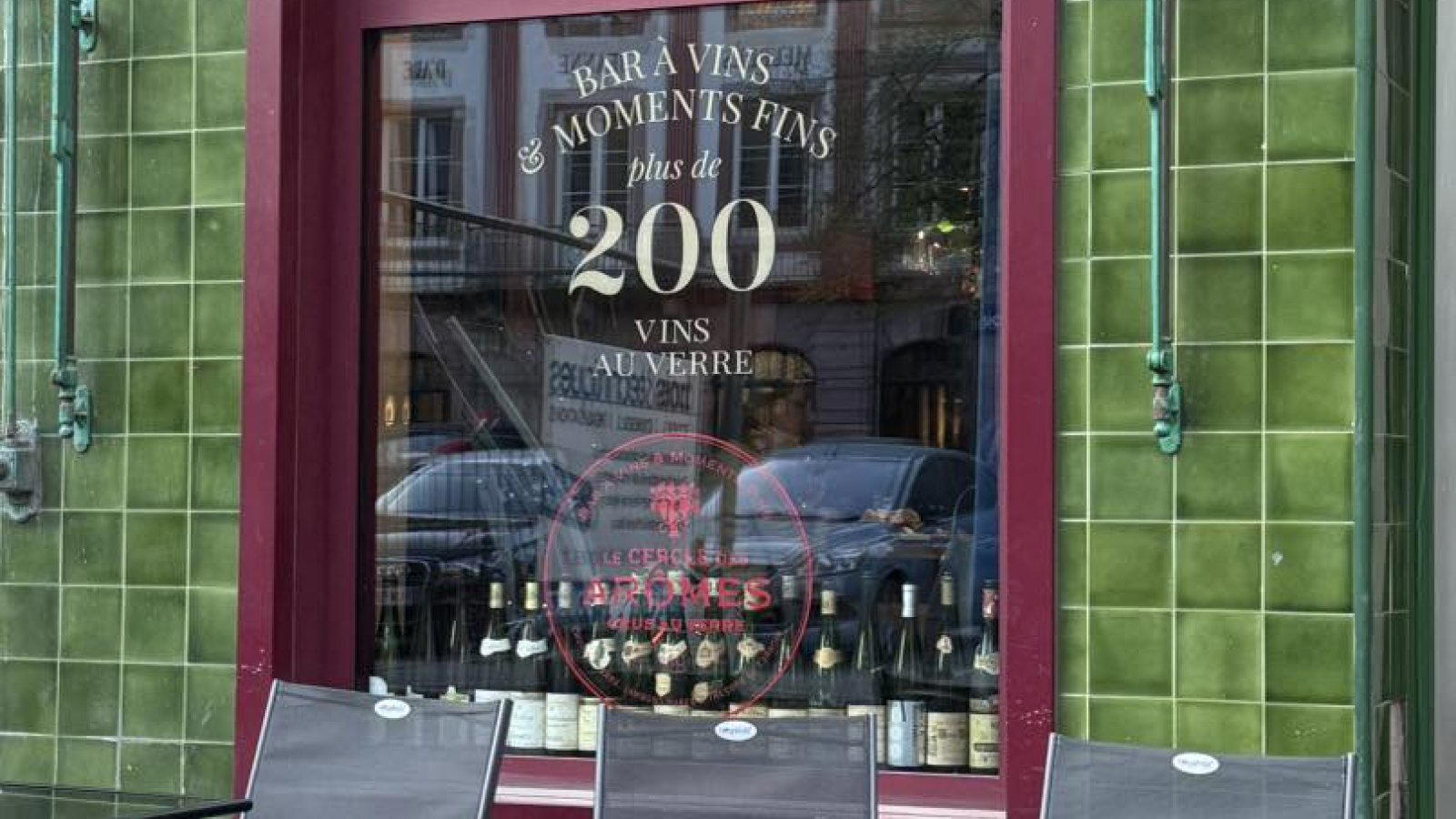
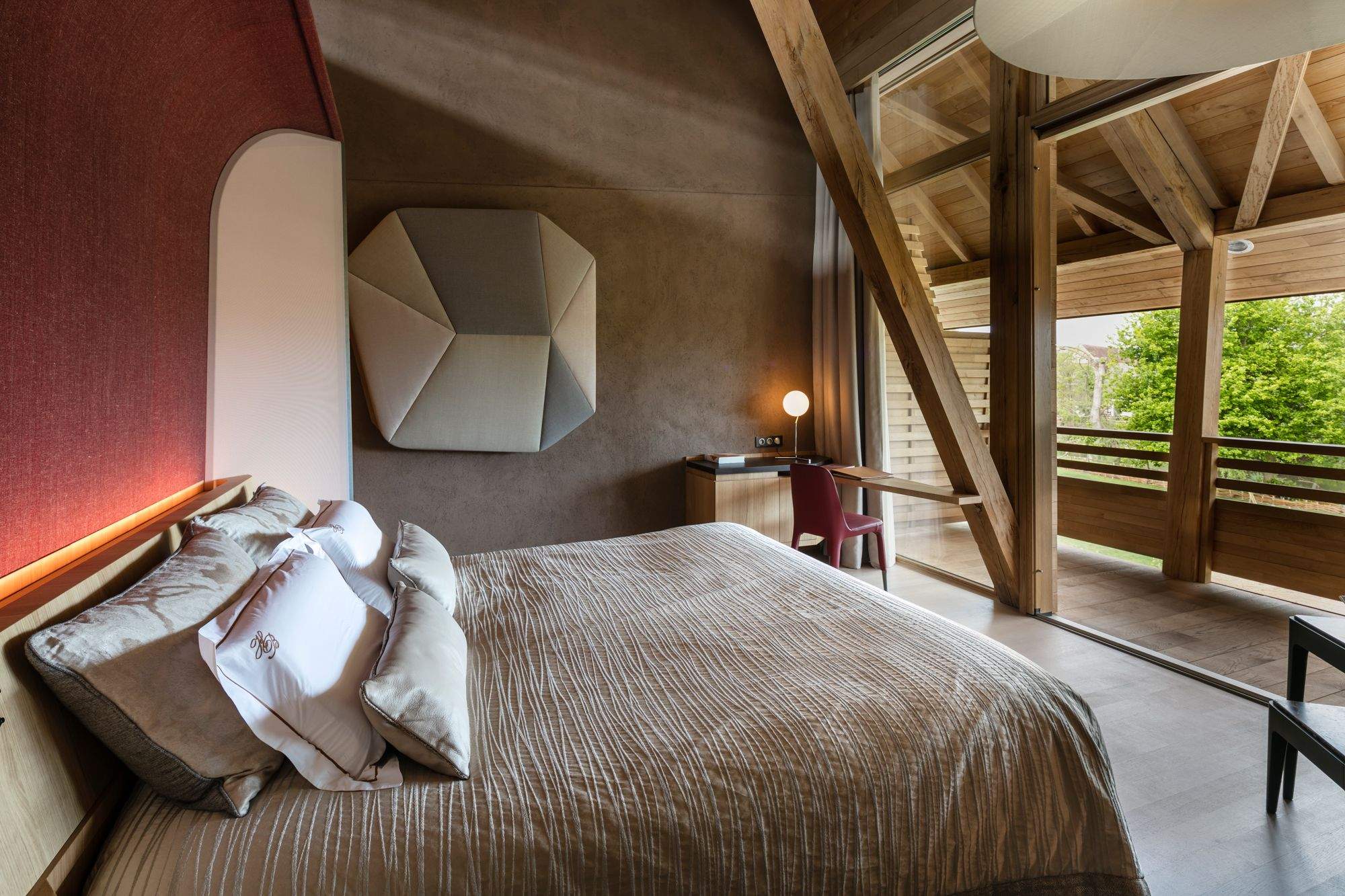
Hotels in Riquewihr
Browse all →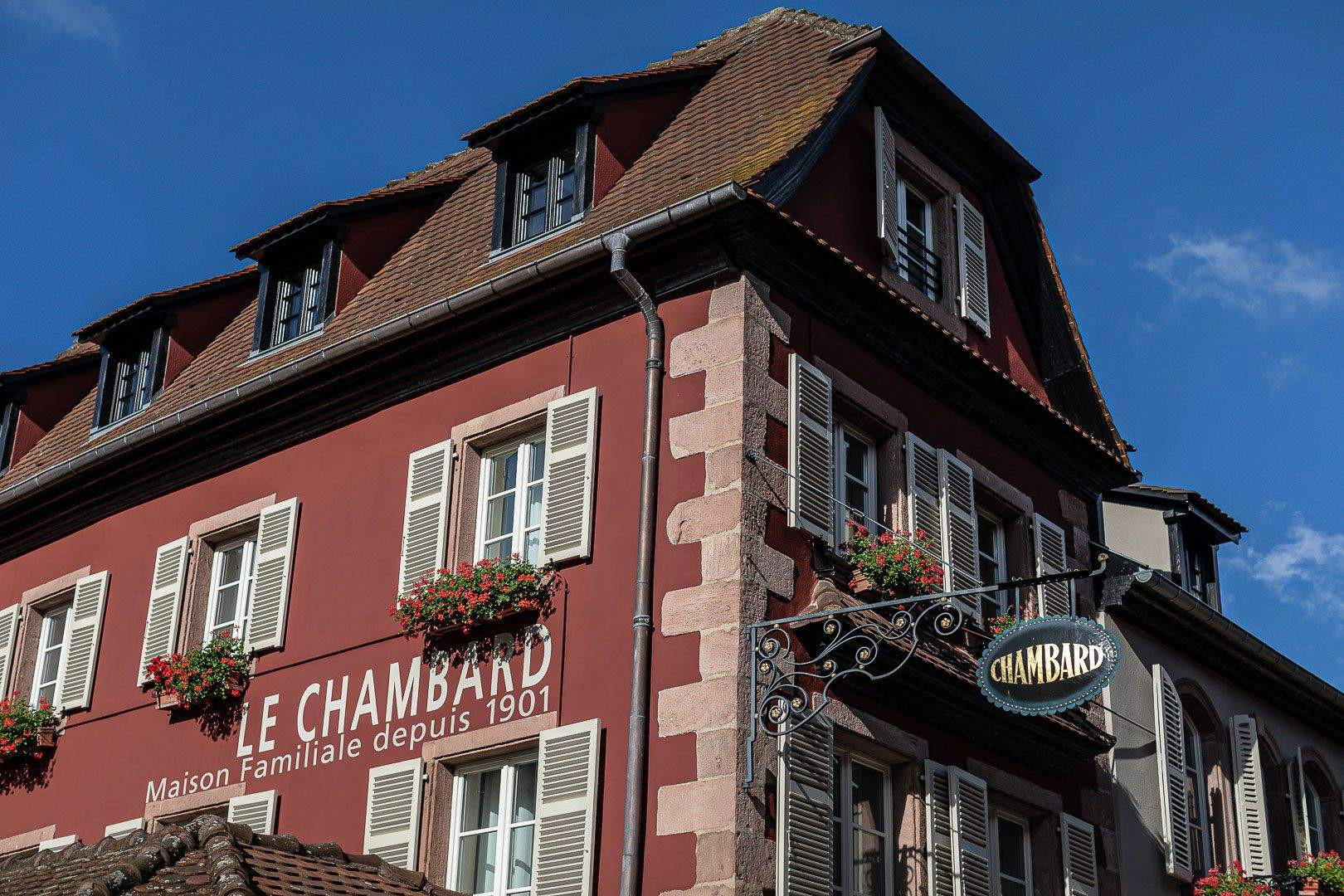
At a Glance
- Rustic
- Cozy
- Classic
- Intimate
- Elegant
- Date Night
- Family
- Group Dining
- Special Occasion
- Historic Building
- Extensive Wine List
- Local Sourcing
Charming traditional Alsatian decor with warm, colorful winstub atmosphere, multiple rooms including family dining hall, vaulted cellar, and intimate low-ceiling mezzanine.