
Michelin Plate
Our verdict
A Michelin Plate-recognised address in the Inn Valley, das grander brings regional Austrian cooking to Wattens with two consecutive years of Michelin recognition (2024 and 2025). At the €€€ price point, it occupies the serious end of Tyrolean dining without crossing into the formal fine-dining register of the region's starred houses.

Pearl is the En Primeur Club membership app, where members save venues, book tables and use the concierge.
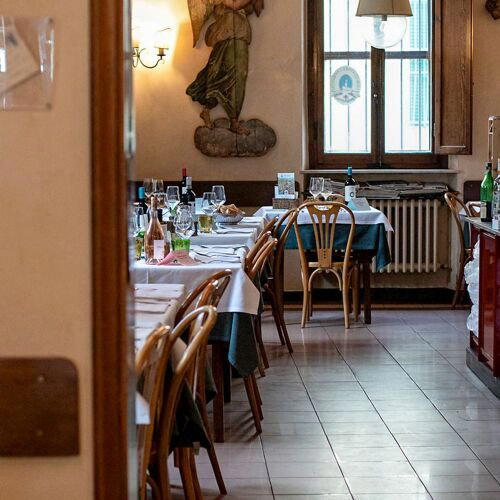
Where the Inn Valley Shows Up on the Plate
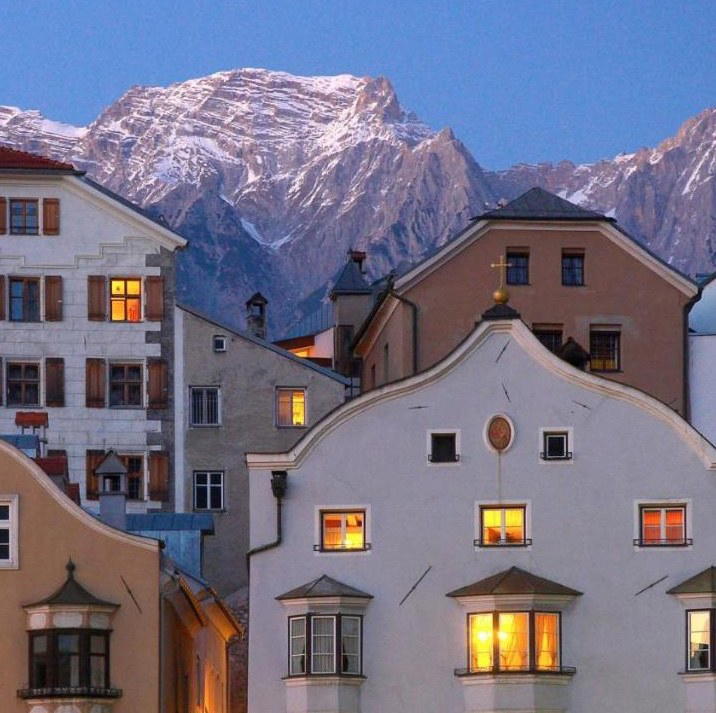
Wattens sits in the lower Inn Valley, roughly midway between Innsbruck and Schwaz, in a stretch of Tyrol where the mountains narrow the valley floor and the agricultural character of the region remains closely tied to altitude. The town is better known internationally for a crystal manufacturer than for its restaurants, which makes the presence of a Michelin-recognised kitchen here worth examining on its own terms. Das grander, at Dr.-Felix-Bunzl-Straße 6, operates in a context where the supply chain is the story: Tyrolean regional cooking at this level draws on alpine dairy, upland game, river fish, and foraged mountain produce in ways that city restaurants in Innsbruck or Vienna can reference but rarely source with the same proximity.
In the broader geography of Austrian regional cuisine, the Tyrol occupies a distinct position. Unlike the vineyard-driven gastronomy of the Wachau or the urban refinement of Viennese cooking, Tyrolean food is shaped by altitude and season in ways that constrain as much as they inspire. What grows above 1,000 metres, what can be preserved through winter, and what the alpine pastures produce in summer define the palette. A kitchen working seriously within that framework is not simply executing recipes; it is interpreting a larder that changes meaningfully from month to month.
Two Years of Michelin Recognition in a Non-Destination Town
The Michelin Plate is awarded to restaurants where inspectors find cooking that is prepared with quality ingredients and care. It is not a star, but it is a signal: the guide's inspectors visited, assessed, and found the kitchen worth marking. Das grander holds that recognition for both 2024 and 2025, which means the consistency of execution has been maintained across two full inspection cycles. In a town without the tourist infrastructure of Innsbruck or the culinary reputation of, say, Golling (where Döllerer holds two Michelin stars) or Sankt Anton (home to Gourmetrestaurant Tannenhof), sustaining that standard requires a kitchen that is performing for its own reasons rather than for foot traffic.
For comparison, the Austrian restaurants at the top of the Michelin hierarchy, including Steirereck im Stadtpark in Vienna and Landhaus Bacher in Mautern an der Donau, operate at the €€€€ level with starred credentials. These are kitchens where the emphasis falls on ingredient provenance and regional fidelity rather than on creative re-invention for its own sake.
Regional Cuisine at the €€€ Register
Austrian regional cooking at the €€€ price point occupies a specific middle ground. It is not the everyday Gasthaus, and it is not the tasting-menu-only format of the starred houses. What it typically offers is a shorter, seasonally rotated menu built around sourcing that a lower-budget kitchen cannot sustain: aged alpine cheeses, locally raised veal, river trout from Tyrolean streams, wild garlic and mushrooms gathered from nearby slopes. The discipline lies in restraint: letting the provenance of an ingredient carry a dish rather than obscuring it under technique.
This sourcing-first approach has gained ground across the Austrian alpine dining scene over the past decade, partly in reaction to the creative-international format that peaked in the early 2010s. Kitchens like Kräuterreich by Vitus Winkler in Sankt Veit im Pongau have built reputations specifically around herb and forage programs tied to specific mountain terrain. The same logic applies in the Inn Valley: the closer the kitchen to its source ingredients, the more directly those ingredients can define the menu. Das grander's location in Wattens, rather than in a larger city, is an asset in this framework rather than a disadvantage.
What the Guest Experience Looks Like
At the €€€ price level in an Austrian market, the expectation is a formal but not stiff dining room, service that understands the menu's sourcing logic, and a wine list that draws on Austrian producers, most plausibly from the Wachau, Kamptal, or Südtirol, given their affinity with alpine food traditions. None of those specifics are confirmed by available data, but the price register and Michelin recognition together indicate a room that has moved beyond casual into considered hospitality.
Wattens is accessible by regional train from Innsbruck (the town sits on the Innsbruck-Wörgl line) and is a short drive from the A12 Inntal motorway. For visitors combining a meal with time in the Inn Valley, the logistics are manageable from Innsbruck as a base, and the surrounding area offers context beyond the table. Those planning a broader Tyrolean dining itinerary can also reference Griggeler Stuba in Lech or Restaurant 141 by Joachim Jaud in Mieming for the starred tier, while das grander fills a different position: serious regional cooking at a price point that does not require a special occasion as justification.
Placing das grander in the Wider Austrian Scene
For diners working through our full Wattens restaurants guide, das grander represents the clearest case for a meal in the town itself. Those exploring the broader area can consult our Wattens hotels guide, the bars guide, the wineries guide, and the experiences guide to build a fuller picture of what the Inn Valley offers beyond the plate. For those cross-referencing with regional cuisine peers in the German-speaking alpine zone, Fahr in Künten-Sulz is worth including in any comparative assessment of what this category is producing across the wider alpine corridor.
Frequently asked questions
Is das grander suitable for children?
At the €€€ price register with two consecutive Michelin Plate recognitions (2024 and 2025), das grander operates in considered-dining territory rather than the casual Gasthaus format common elsewhere in Tyrol. Younger children may find the pace and formality a stretch, though older children comfortable with structured meals should present no difficulty. A call ahead to confirm is advisable.
What should I expect atmosphere-wise at das grander?
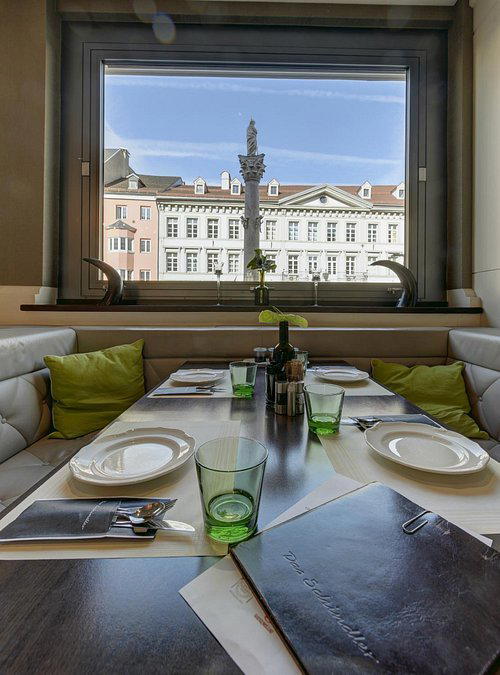
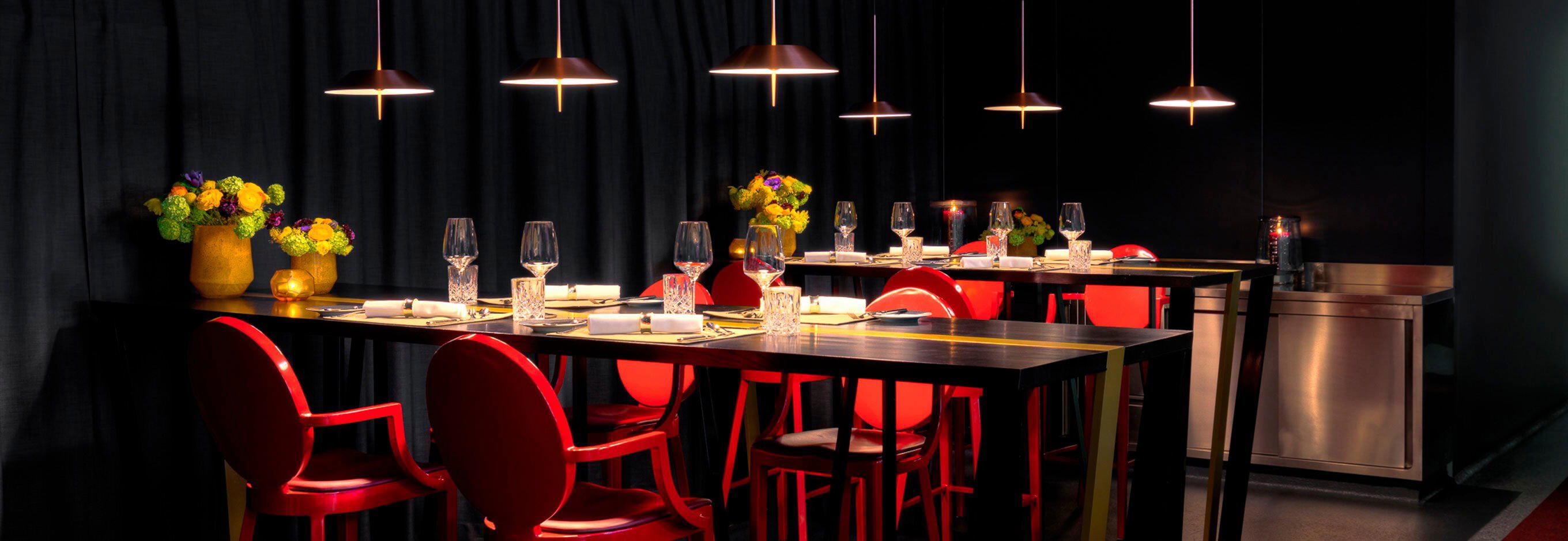
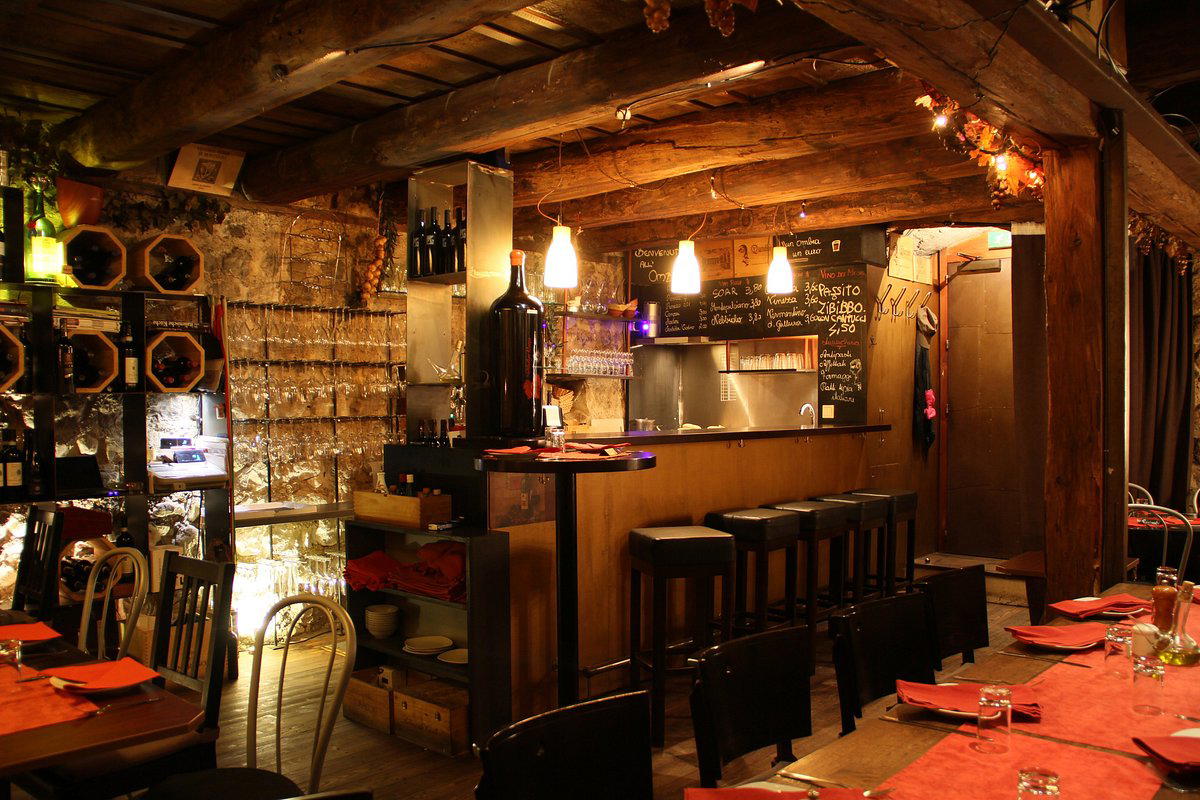
Two Michelin Plate years and the €€€ pricing indicate a room that has moved past the informal register without committing to the austerity of a tasting-menu counter. In the Wattens context, that places das grander in a bracket where regional hospitality and considered service coexist, expect attentive but not stiff.
What kind of recognition has das grander received?
das grander has received recognition including: Michelin Plate (2025); Michelin Plate (2024).
What's the signature dish at das grander?
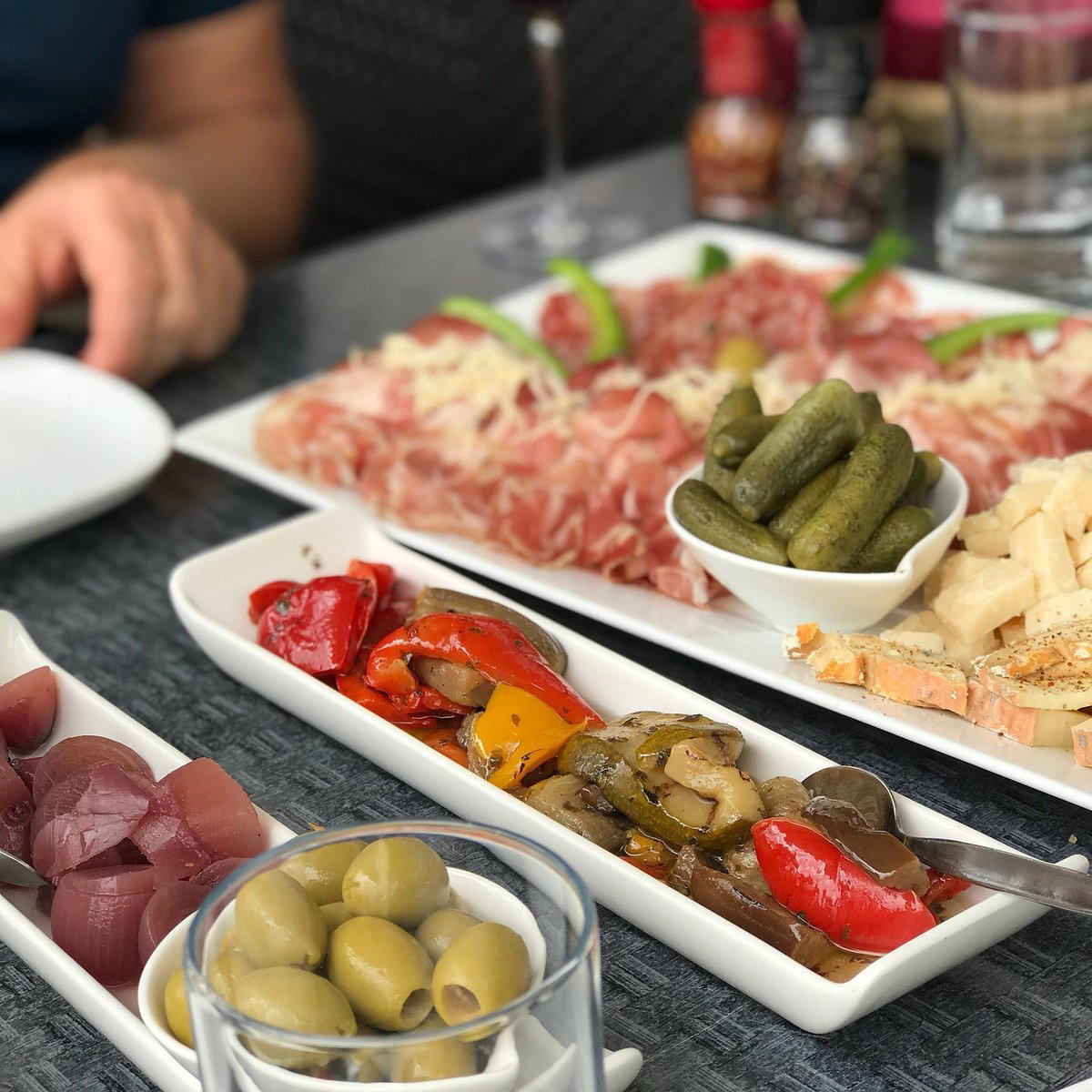
No confirmed signature dishes appear in current documentation for das grander. Given the Michelin Plate standing and the regional-cuisine category, the kitchen is oriented toward quality ingredients and technical care grounded in Tyrolean tradition, but specific dish names should be verified directly with the restaurant before visiting.
A Quick Peer Check
| Venue | Cuisine | Price | Awards | Notes |
|---|---|---|---|---|
| das granderThis venue (the venue you are viewing) | Modern Austrian Fine Dining | Not listed | Michelin Plate | Not listed |
| Steirereck im Stadtpark | Modern Austrian Fine Dining | $200–300 | 3 Michelin Stars · World's 50 Best #33 | Creative |
| Döllerer | Modern Alpine Cuisine | $100–150 | 2 Michelin Stars · La Liste Top Restaurants | Contemporary Austrian, Innovative |
| Ikarus | Guest Chef Fine Dining | $200–300 | 2 Michelin Stars · La Liste Top Restaurants | Modern European, Creative |
| Mraz & Sohn | Contemporary Austrian Fusion | $150–200 | 2 Michelin Stars · La Liste Top Restaurants | Modern Austrian, Creative |
| Obauer | Modern Austrian Fine Dining | $50–100 | 2 Michelin Stars · La Liste Top Restaurants | Classic Cuisine |
Recognition history
Dated appearances from independent guides and award organizations, with the underlying list record or original source where available.
Michelin Plate
Michelin
Full recognition history (3 entries)
Michelin Plate
Michelin
Michelin Plate
Michelin
Continue exploring
More in Wattens
Restaurants in Wattens
All restaurants in Wattens →
Bars in Wattens
Browse all →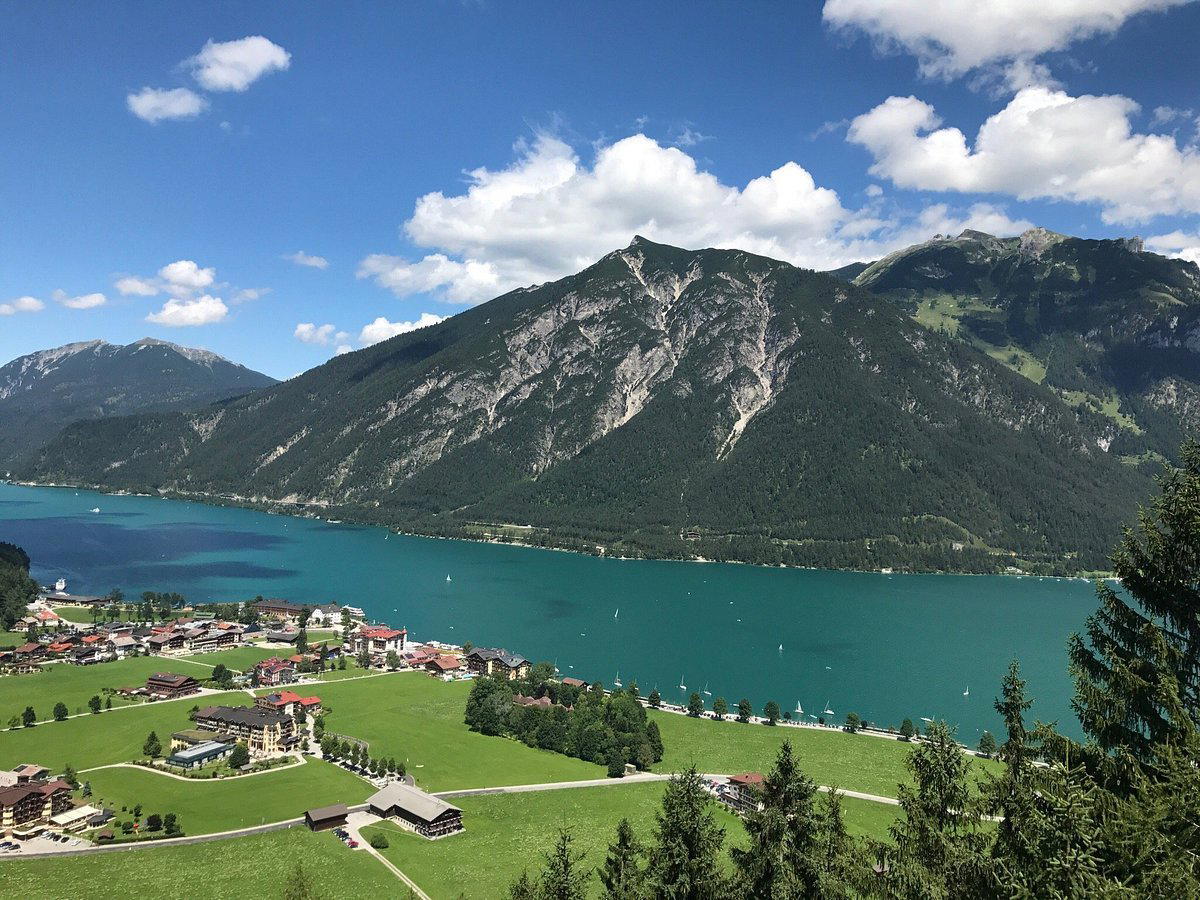

Details
- Elegant
- Lively
- Modern
- Cozy
- Business Dinner
- Date Night
- Special Occasion
- Terrace
- Extensive Wine List
- Mountain
- Set Menu
- A La Carte
- Small Plates
- Vegetarian Friendly
- Vegan Options
Current opening hours
- Monday
- 10:30 AM–12 AM
- Tuesday
- 10:30 AM–12 AM
- Wednesday
- 10:30 AM–12 AM
- Thursday
- 10:30 AM–12 AM
- Friday
- 10:30 AM–12 AM
- Saturday
- 5:30 PM–12 AM
- Sunday
- Closed
Hours can change for holidays and private events. Hours as of .
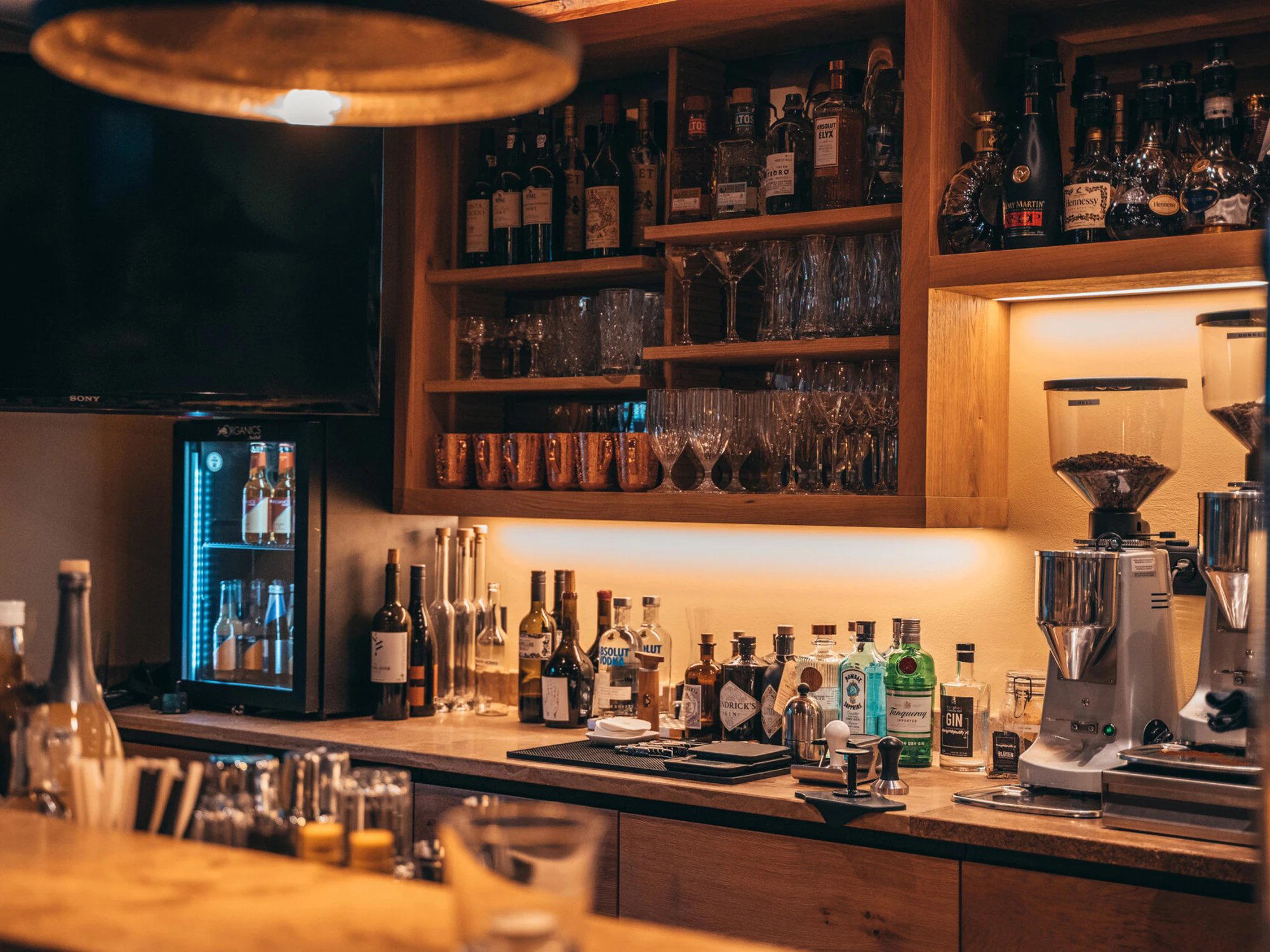
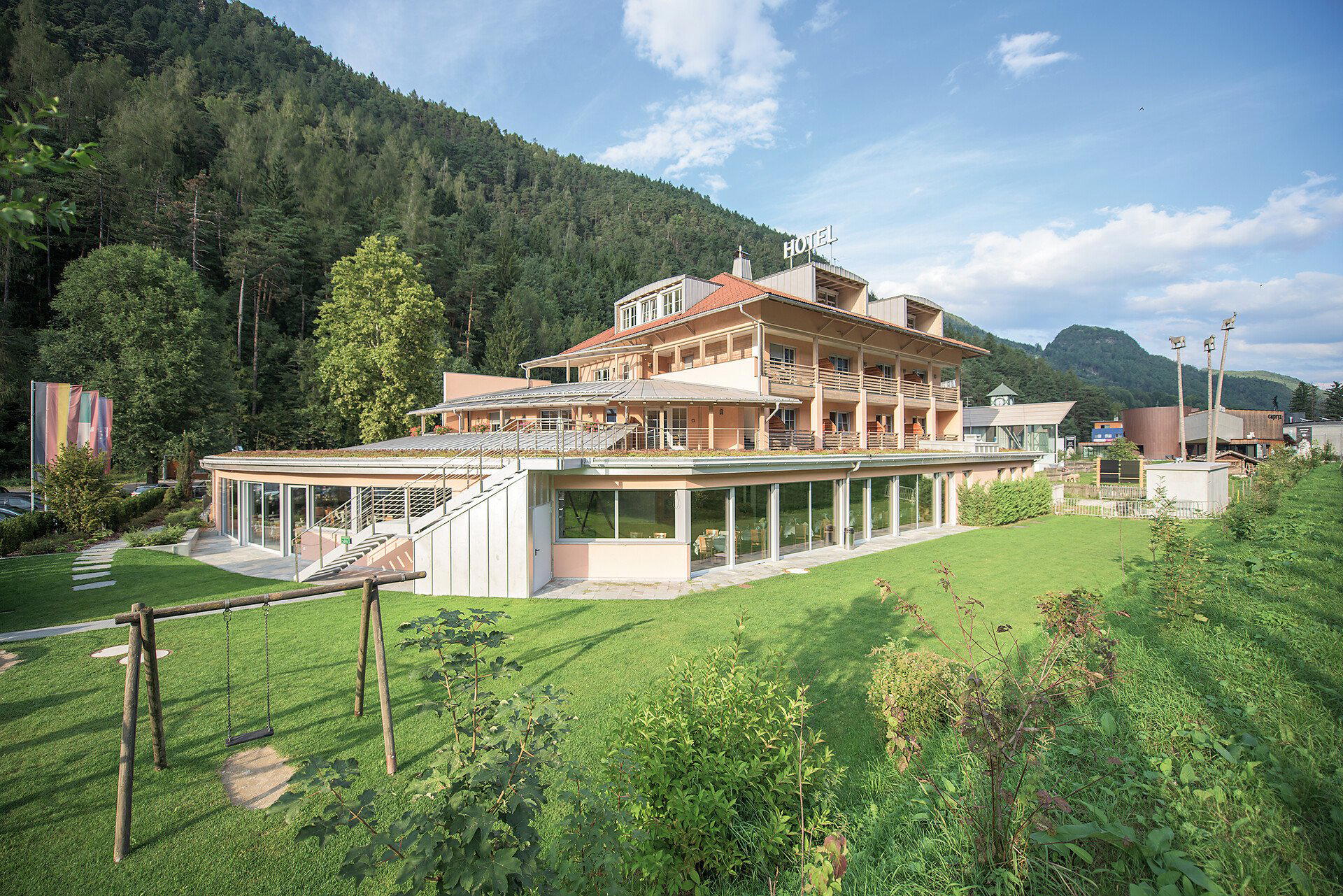
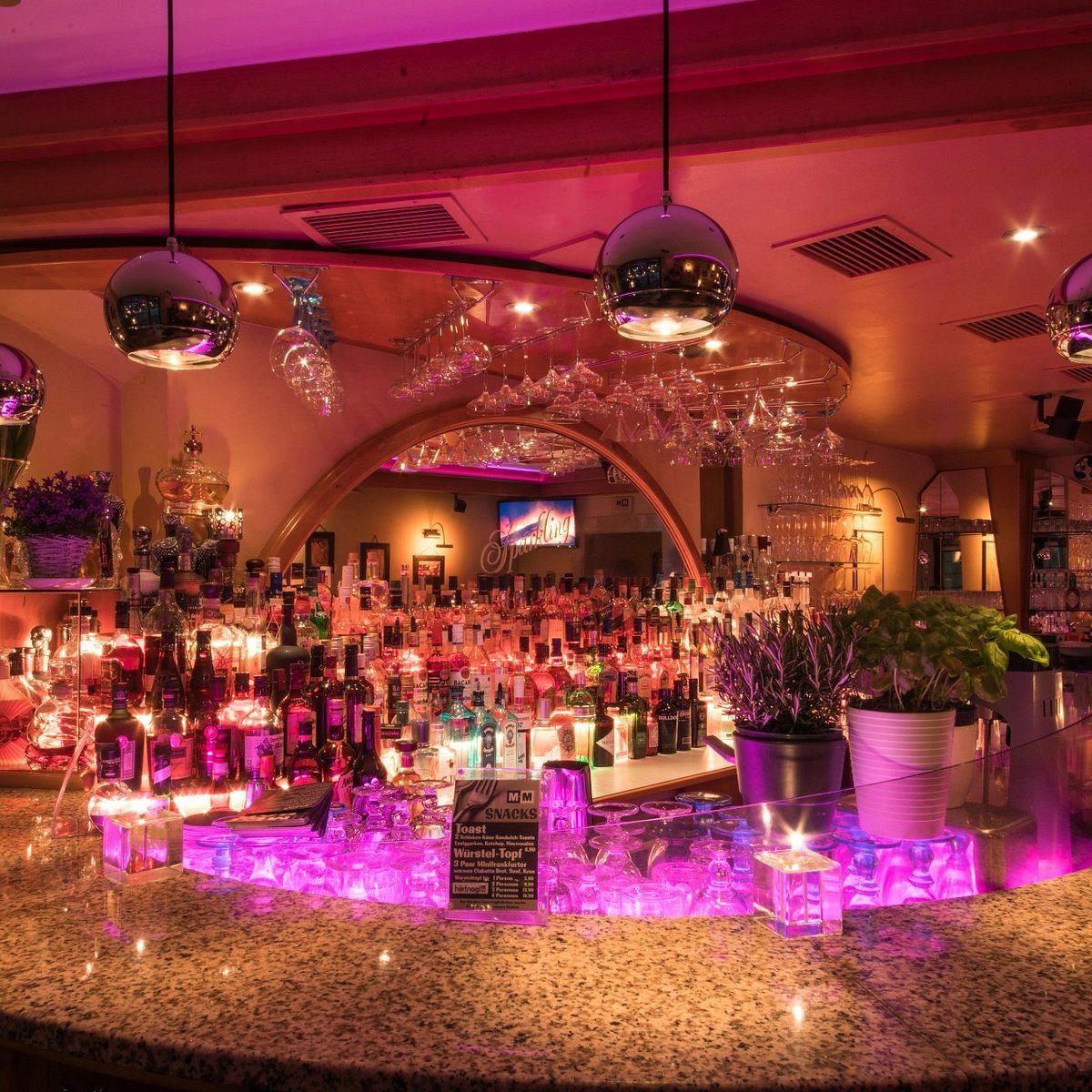
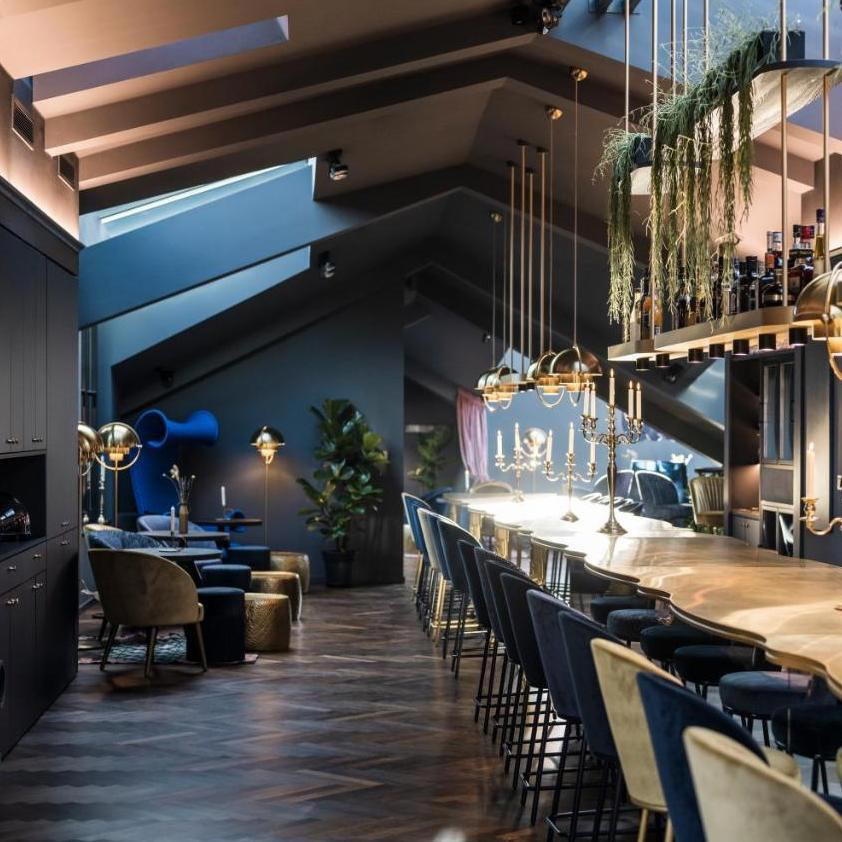
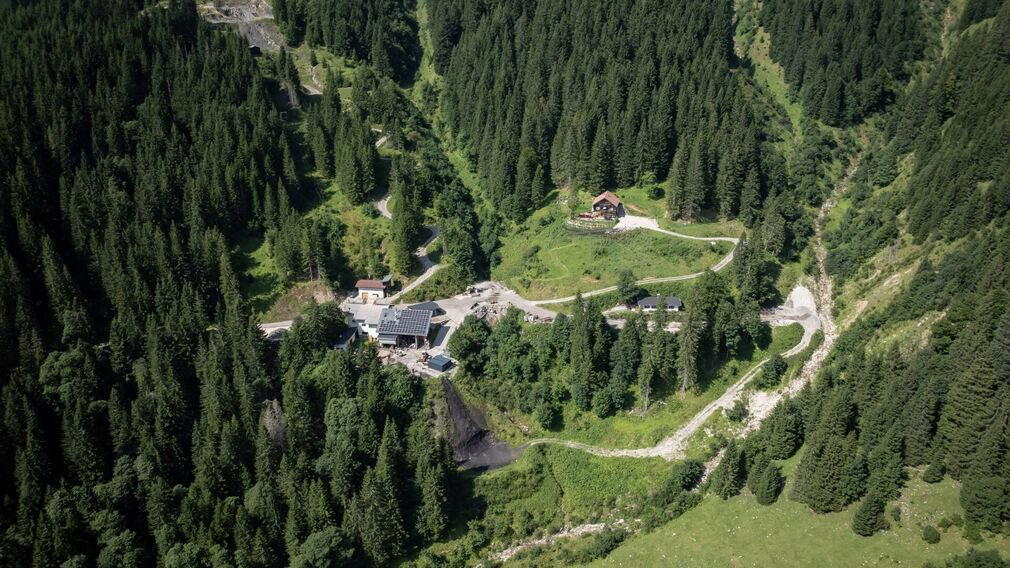
Friendly and lively atmosphere with modern ambience, terrace seating with mountain views in summer, and a relaxing vibe praised in guest reviews.