
Tabelog 100 #30
Our verdict
Tokishirazu sits in Fukuoka’s serious izakaya tier, where seasonal Japanese cooking, drink fluency, and a compact room matter more than spectacle. Its Tabelog 100 Izakaya WEST 2025 selection, 32-seat scale, sommelier service, and JPY 6,000–7,999 dinner range place it above casual tavern territory without pushing into formal kaiseki.

Pearl is the En Primeur Club membership app — saves, bookings, and concierge access live there. Same editors, same standards.
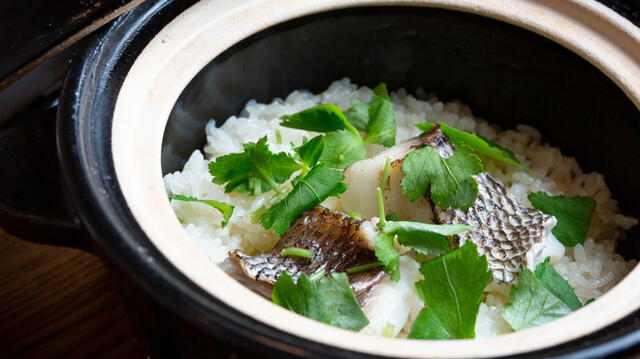
Fukuoka’s dining rhythm is broader than the neon shorthand for the city: office workers moving through the evening, small elevators opening onto upper-floor rooms, and izakaya counters where dinner follows what arrived that day rather than a fixed performance. Tokishirazu belongs to that register. The format is Japanese tavern cooking, with Japanese cuisine also part of its listed category, and recognition in Tabelog 100 Izakaya WEST 2025.
Fukuoka rewards restaurants that understand supply. The city’s food identity is not only ramen and late-night yatai; it draws from Kyushu vegetables, nearby fishing ports, poultry traditions, and a drinking culture that treats shochu, sake, beer, and wine as part of the meal. In that context, an izakaya with Japanese cuisine as its second category reads less like a pub than a flexible kitchen, moving between raw, grilled, simmered, and fried preparations according to procurement and season.
A Kyushu izakaya lens, not a Tokyo tasting-room pose
Premium izakaya in western Japan occupy useful middle ground. They are more ingredient-led than chain taverns, less ceremonial than kaiseki, and often more satisfying for travelers seeking regional produce without a long set menu. Tokishirazu’s Tabelog score of 3.63 and inclusion in the 2025 Izakaya WEST selection put it in that serious regional conversation. The award matters because izakaya quality is harder to summarize than sushi or French dining; the category depends on breadth, timing, and how well the kitchen handles everyday products with restraint.
The useful comparison is Fukuoka’s split personality. A traveler can stop at Hatchan Ramen and understand the city’s speed and appetite in minutes. Other Japanese dining rooms, including Hinai Matomi, work with different expectations around structure and occasion. Tokishirazu’s JPY 6,000–7,999 dinner range lands in a middle zone where the bill should reflect better sourcing and a broader evening without making the meal formal.
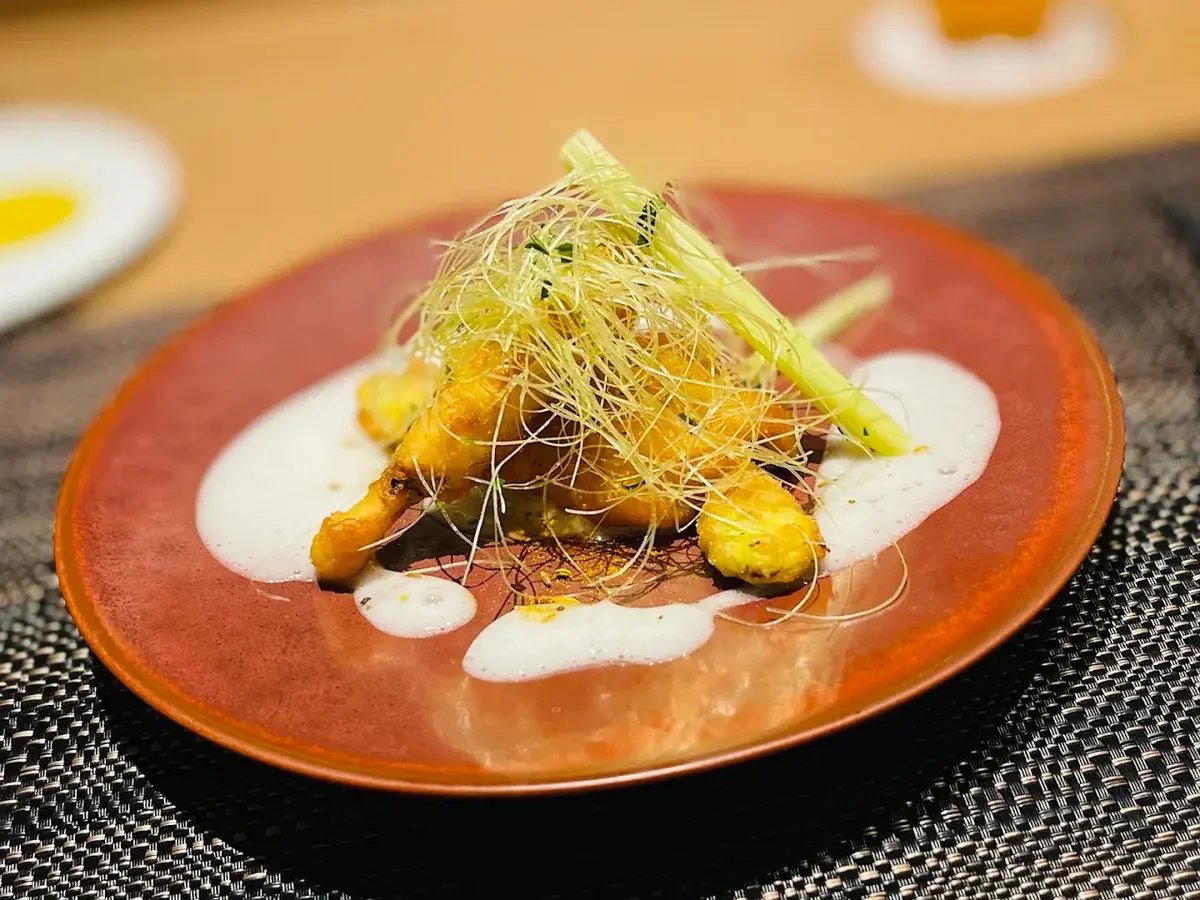
That middle tier is where Fukuoka can be especially persuasive. Kyushu kitchens favor directness: chicken cooked for texture, fish treated with minimal interference, vegetables used for sweetness and snap, broths and tare doing quiet background work. The available details do not name signature dishes, so the sharper reading is categorical rather than item-by-item. Think seasonal Japanese cooking supported by tavern pacing, not a destination for one famous plate.
Why ingredient sourcing matters in Fukuoka's tavern culture
In cities with strong market access, the better izakaya need not announce itself through luxury ingredients. It earns attention through choice and sequence: what is served early with drinks, what gets grilled, what is left simple, and where a richer dish resets the table. Fukuoka’s position on Kyushu gives kitchens a broad pantry, from seafood routes to agricultural hinterland, and the city’s diners read those cues quickly. A generic izakaya can survive on atmosphere; a serious one is judged by procurement and consistency.
Tokishirazu’s category signal is worth noting. Japanese cuisine in an izakaya setting suggests a broader food frame than a simple beer-and-snacks tavern. That does not make the room Westernized or overly formal. It reflects a Fukuoka pattern among stronger contemporary taverns: local and Japanese cooking remain central while the meal can flex around richer, saltier, grilled, and raw preparations.
The scale of a serious izakaya also affects the food. Large taverns often rely on speed and volume; more focused rooms can keep a closer relationship between procurement, prep, and service rhythm. Tokishirazu should not be judged by sushi-counter rules. Its strength is flexible dinner: enough structure for a planned night out, enough informality for conversation, and enough recognition to separate it from a random choice.
How to place it within a Fukuoka eating itinerary
Fukuoka is a city where over-planning can flatten the point. Divide meals by function. Ramen and yatai handle speed. Specialist counters handle precision. Izakaya like Tokishirazu handle the long middle of the evening, when a table wants regional Japanese cooking, drinks, and a room that can carry more than one round. For a broader map of the city’s dining range, use our full Fukuoka restaurants guide; for the surrounding trip architecture, our full Fukuoka hotels guide, our full Fukuoka bars guide, our full Fukuoka wineries guide, and Our full Fukuoka experiences guide give the city more shape.
Travelers building a Fukuoka restaurant week should vary texture rather than repeat categories. Other dining in Fukuoka can cover spice, casual staples, focused specialists, and established everyday meals. Tokishirazu fits when the night calls for a more composed izakaya meal with stronger ingredient intent and a Japanese tavern frame.
For readers comparing Japanese dining across cities, the category travels well. Across Japan, regional context changes the same national vocabulary, from specialist counters to casual taverns and contemporary dining rooms. Outside Japan, Japanese casual formats make the same point in a different setting: they become serious when sourcing, pacing, and beverage intelligence line up.
The editorial case for Tokishirazu is clear. It is not the cheapest way to eat in Fukuoka, and that is not its job. Its role is to translate the city’s ingredient confidence into a polished izakaya evening, with enough structure for a planned dinner and enough looseness to remain faithful to the tavern form.
Frequently asked questions
What time does Tokishirazu open and close?
The supplied public details for Tokishirazu do not confirm opening hours. Check the venue's official channels for the latest schedule before going.
Where do I go for Tokishirazu?
Tokishirazu is located in Fukuoka.
What does dinner at Tokishirazu typically cost?
Pricing at Tokishirazu is listed as JPY 6,000 - JPY 7,999.
What is Tokishirazu known for?
Tokishirazu is known as a Fukuoka izakaya selected for Tabelog 100 Izakaya WEST 2025. It is listed in the izakaya and Japanese cuisine categories, with dinner priced at JPY 6,000–JPY 7,999.
Do they accommodate allergies at Tokishirazu?
The supplied public details confirm Tokishirazu as an izakaya and Japanese cuisine venue in Fukuoka, but they do not list a formal allergy policy. For any allergy concern, the safest approach is to call the restaurant at +81-92-518-7676 before booking. Check the venue's official channels for the latest details.
Comparable Spots, Quickly
Comparable venues by cuisine and price in the same metro.
| Venue | Cuisine | Price | Awards | Notes |
|---|---|---|---|---|
| TokishirazuThis venue (the venue you are viewing) | Creative Japanese Izakaya-style Dining | $30–50 | Tabelog 100 #30 | Not listed |
| あ三五 | Authentic Sarashina Soba | $50–100 | Tabelog Bronze #29 | Chūō |
| Kego Furuya | Yakitori Omakase & Seasonal Japanese Cuisine | $50–100 | Tabelog 100 #26 | Chūō |
| Unazen | Traditional Japanese Unagi | $100–150 | Tabelog 100 #42 | Chūō |
| Taigen Honkan | Yakiniku & Teppanyaki with House-Raised Wagyu | $50–100 | Tabelog 100 #51 | Chūō |
| Kuwaman | Traditional Japanese Izakaya & Sake Bar | $50–100 | Tabelog 100 #14 | Chūō |
Recognition history
Dated appearances from independent guides and award organizations, with the underlying list record or original source where available.
Tabelog 100 #30 · No. 30
Tabelog · Tabelog 100 - Izakaya - WEST - 2025
Continue exploring
More in Fukuoka
Restaurants in Fukuoka
All restaurants in Fukuoka →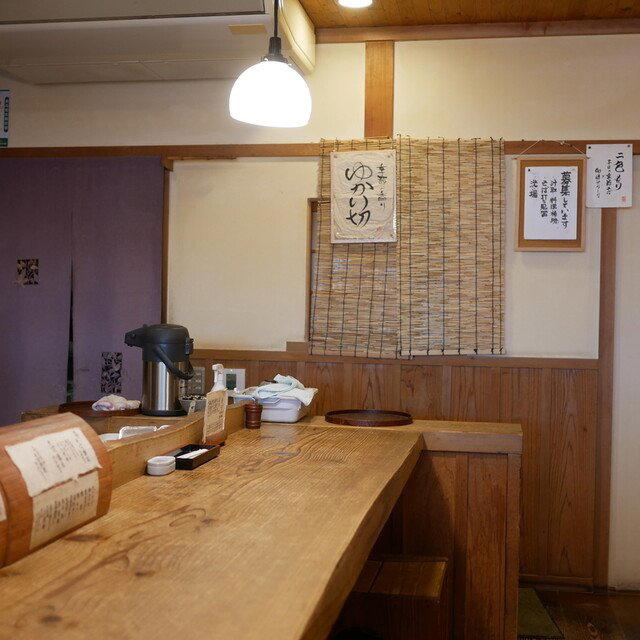
Details
- Cozy
- Elegant
- Intimate
- Sophisticated
- Date Night
- Business Dinner
- Group Dining
- After Work
- Special Occasion
- Standalone
- Design Destination
- Sake Program
- Craft Cocktails
- A La Carte
- Tasting Menu
- Small Plates
- Set Menu
- Sake
- Cocktails
Current opening hours
- Monday
- 5 PM–12 AM
- Tuesday
- 5 PM–12 AM
- Wednesday
- 5 PM–12 AM
- Thursday
- 5 PM–12 AM
- Friday
- 5 PM–12 AM
- Saturday
- 5 PM–12 AM
- Sunday
- 5 PM–12 AM
Hours can change for holidays and private events. Last verified .
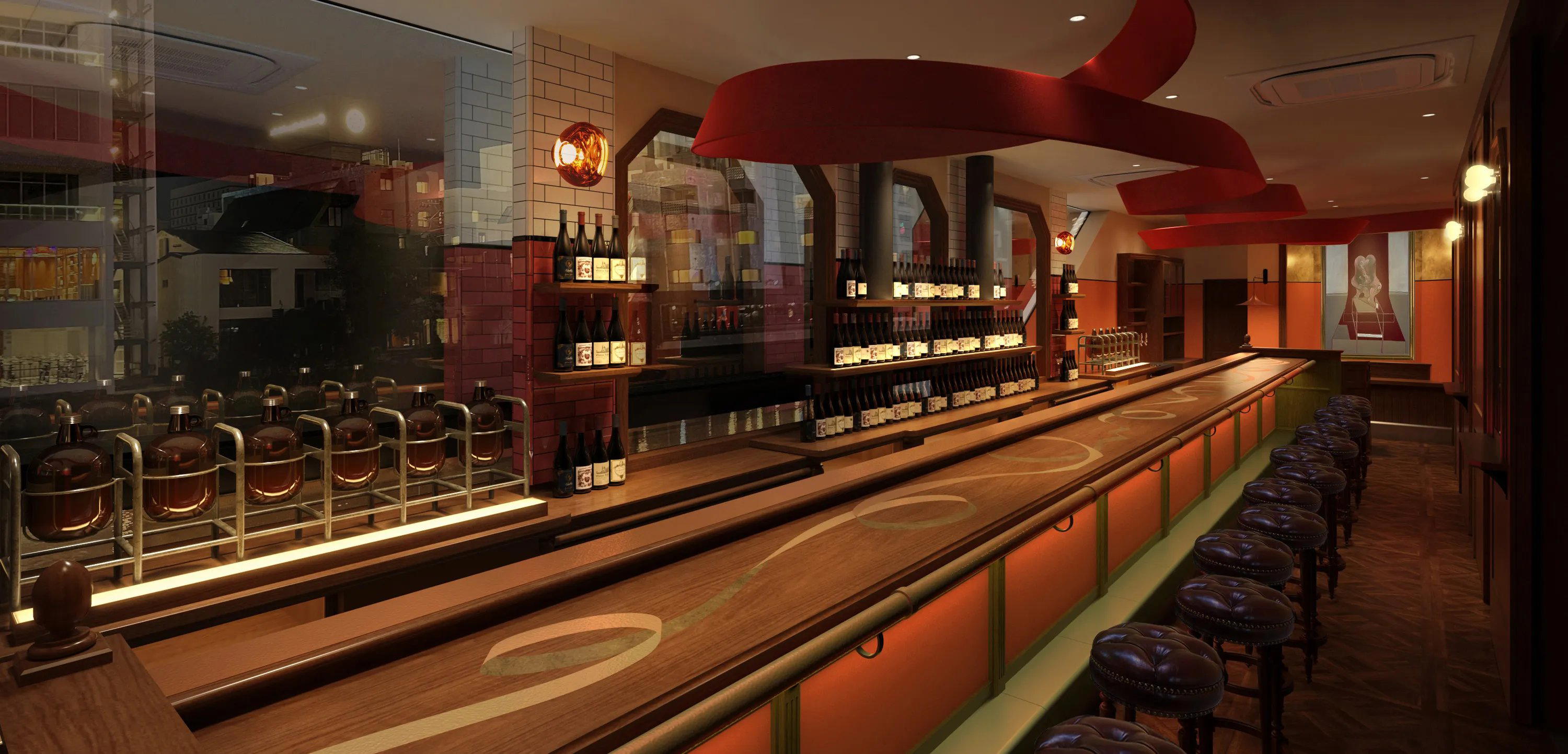
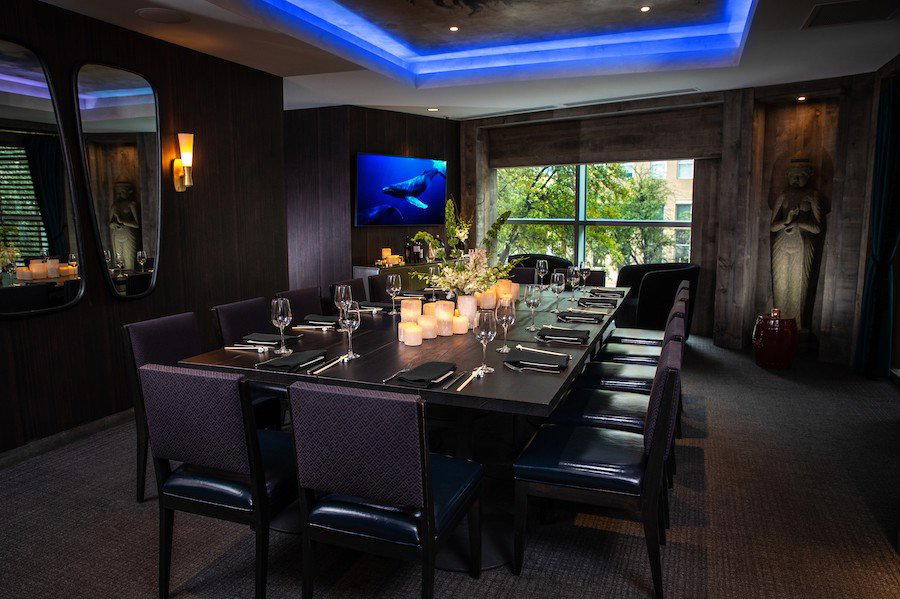
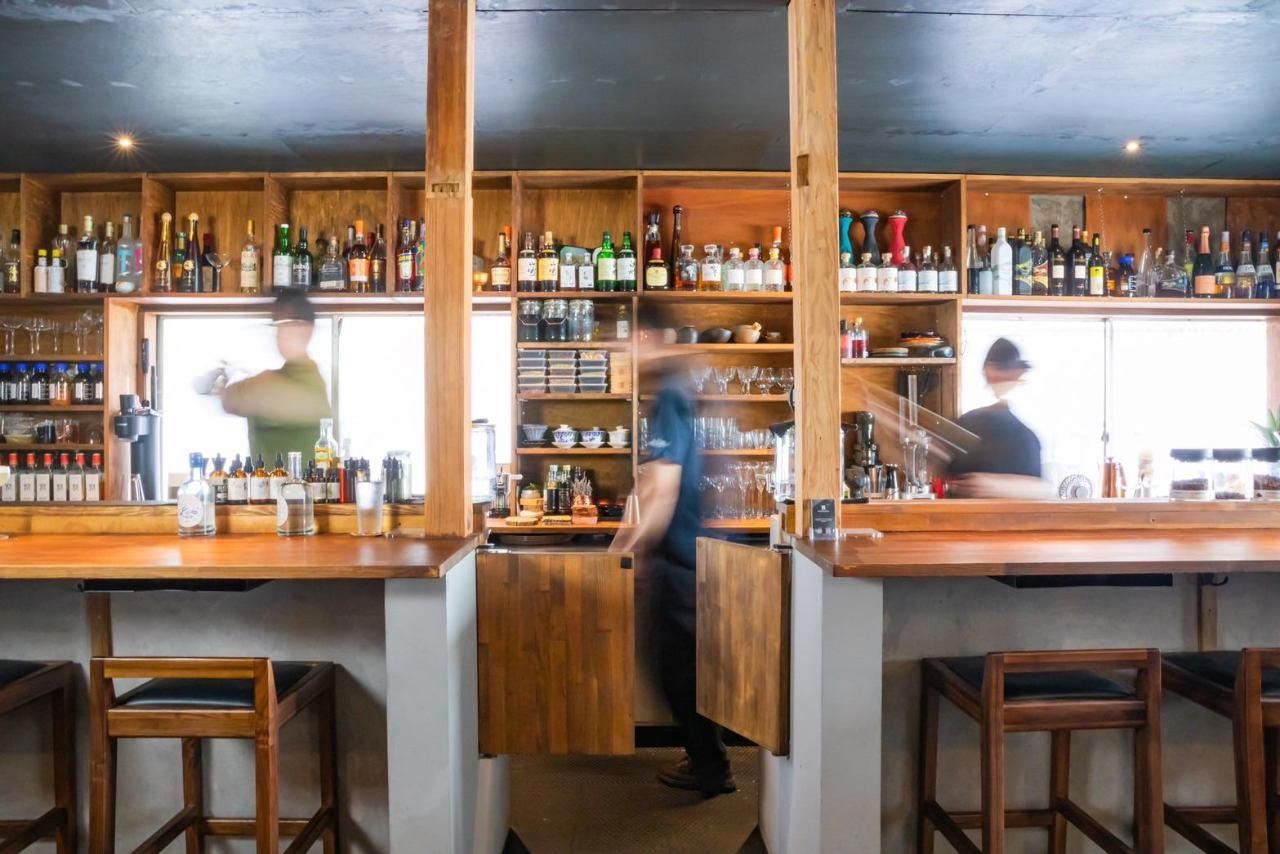
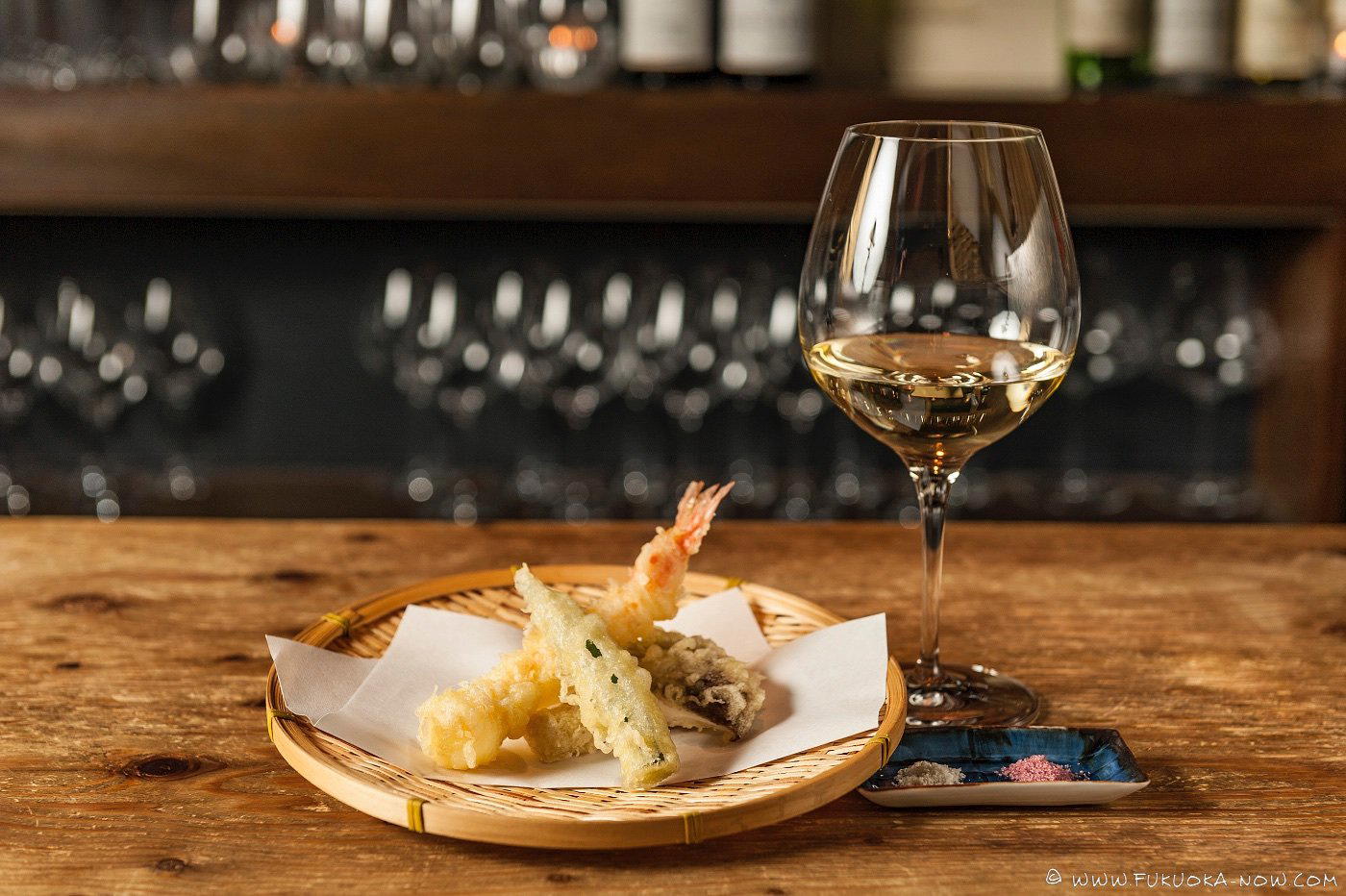
A calm, understated hideaway on the third floor of a mixed-use building, with warm wood tones and a chic, subdued design that creates a refined yet relaxed atmosphere suited to adults enjoying Japanese cuisine and drinks.