
Tabelog 100 #87
Our verdict
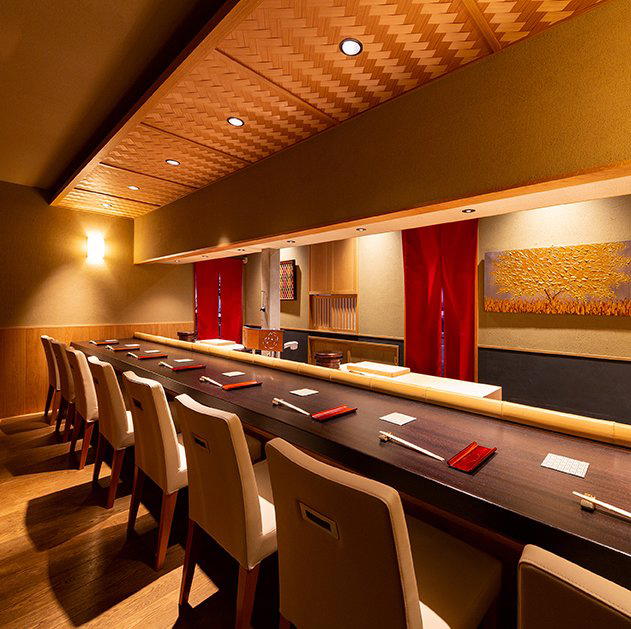
Teppanyaki Hiyori is a 16-seat Muromi counter and table restaurant recognised in Tabelog’s Steak / Teppanyaki WEST 100 in both 2024 and 2025. Its appeal sits in Fukuoka’s smaller-format teppanyaki culture: Kyushu meat, seafood and vegetables handled at close range, with dinner typically in the JPY 6,000 to JPY 7,999 band and a more accessible lunch range.

Pearl is the En Primeur Club membership app — saves, bookings, and concierge access live there. Same editors, same standards.
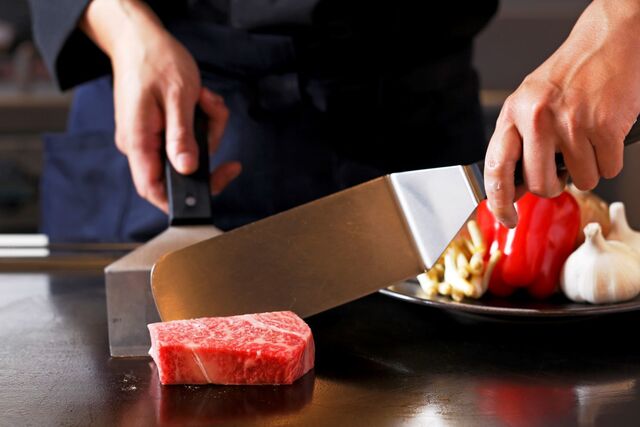
The menu
What to order
- Kyushu wagyu teppanyaki
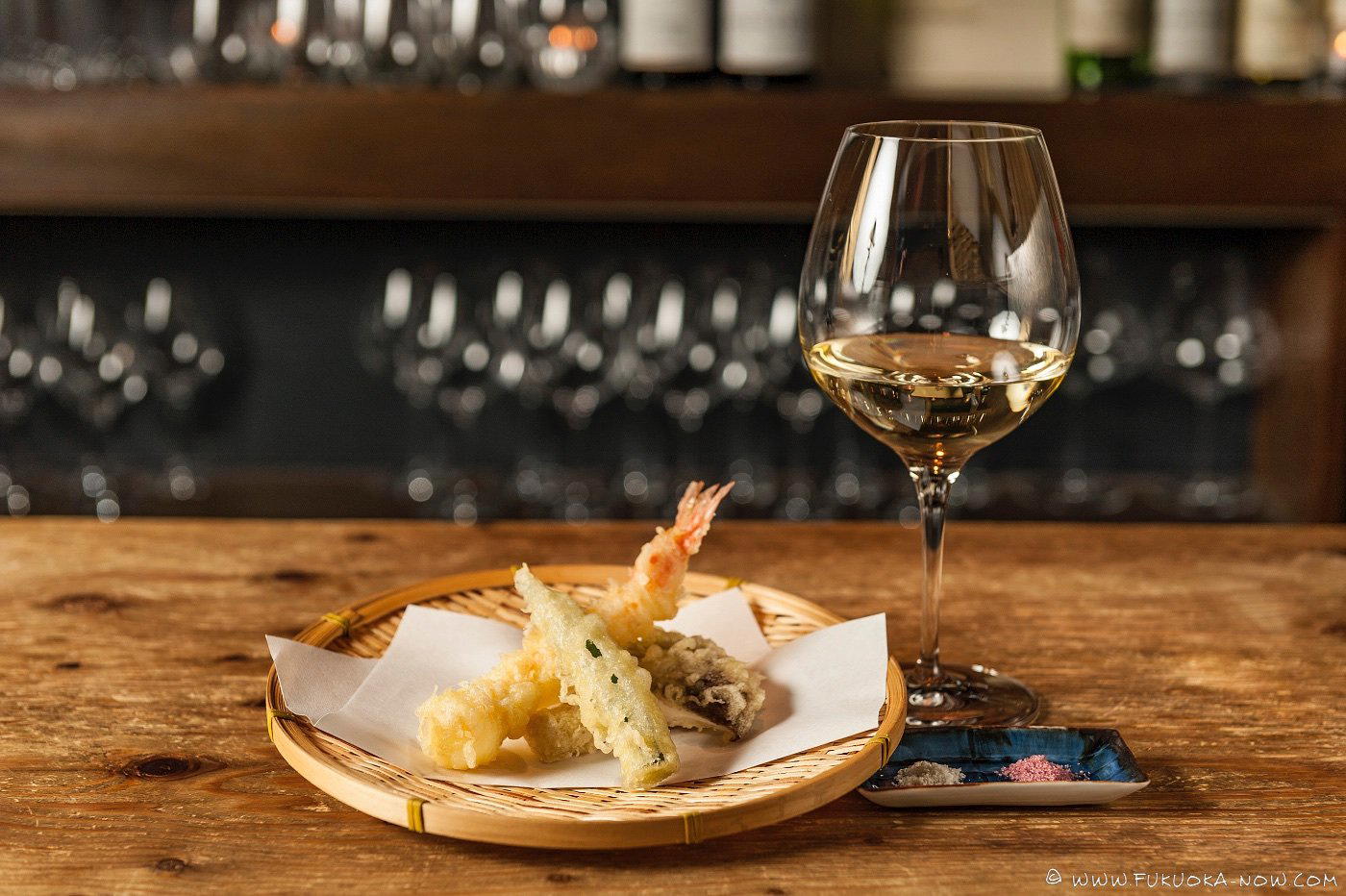
- Seasonal Kyushu seafood teppanyaki
- Assorted grilled Kyushu vegetables
Fukuoka gives dining a different rhythm from station-side grill rooms and late-night izakaya corridors. Teppanyaki Hiyori is best understood through its listed categories: teppanyaki, seafood and steak. In a city visitors know for ramen, yatai, seafood counters and yakitori, this Fukuoka restaurant takes a quieter lane: direct heat, a focused format, and ingredients framed without unnecessary theatrical handling.
Recognition has sharpened that lane. Teppanyaki Hiyori is listed in Tabelog’s Hyakumeiten recognition for 2025, giving travellers a useful signal within its category. The signal matters because travellers often misread teppanyaki as hotel spectacle or luxury beef ceremony. Fukuoka’s better compact dining rooms are less rigid: seafood can matter as much as steak; drinks can be chosen around the food; and the meal can suit a date, family dinner or compact celebration without changing its grammar.
Small-format teppanyaki in a city built on seafood and grill culture
Fukuoka’s dining identity is unusually broad for its size. The city brings noodle history, market energy, casual dining and residential restaurants built on repeat local use rather than visitor traffic. That context matters. A teppanyaki restaurant in Fukuoka competes less with grand hotel dining than with the city’s everyday serious restaurants: yakitori, fish-led izakaya, fry shops, curry rooms and set-meal specialists where value is judged plate by plate.
The comparison helps. Tsukune Seisakusho, Nishishin Hatsuki Honten, Rojiura Sakaba Gompoji, Yakitori Benkei Nishijin ten and Shokudo Shiotosake all belong to the same broader Fukuoka habit of compact, purpose-built dining, though often at lower or adjacent spending bands. Teppanyaki Hiyori asks a higher dinner commitment than many neighbourhood izakaya and yakitori counters, with a listed dinner budget of JPY 6,000 - JPY 7,999. That middle position is its editorial interest: serious enough for published recognition, accessible enough to remain close to local dining rhythms.
The category mix also makes the restaurant read as Fukuoka rather than generic teppanyaki. Its listed categories are teppanyaki, seafood and steak. In Kyushu, that matters. Beef has regional prestige, but Fukuoka’s strongest everyday dining instincts often come from the sea, from market-driven fish shops to charcoal counters that respect seafood as much as meat. A teppanyaki format that admits fish, steak and vegetables into one frame feels aligned with the city, not imported from a resort dining room.
Why the Tabelog Hyakumeiten signal matters
Tabelog’s Hyakumeiten lists are not Michelin stars and should not be read as a universal hierarchy. They work better as maps of category credibility: places with enough attention inside a specific Japanese dining genre to merit inclusion. For travellers, the 2025 listing says something practical and critical. This is not just a convenient local grill; it has been noticed on a widely used Japanese restaurant platform.
The Tabelog score of 3.66 adds another Japanese signal. Overseas diners sometimes misread Tabelog numbers because its scoring culture is stricter than many international review sites. In that context, a mid-3 rating paired with Hyakumeiten recognition is stronger than it first appears. It indicates a restaurant operating in a competitive category where small differences in consistency, sourcing and format carry weight.
The restaurant’s format reinforces the recognition story. In teppanyaki, reputation is built where slippage is visible. Teppanyaki gives less cover than many cuisines: overcooking, awkward pacing and weak ingredients cannot hide behind sauce work or elaborate plating. That visibility makes better iron-plate dining persuasive. Technique is not only heat control; it is sequencing, restraint and knowing when the ingredient has had enough contact with the iron.
Fukuoka visitors building a wider food itinerary should treat this as one chapter, not the whole book. Other Fukuoka dining rooms point to the city’s appetite beyond a single category, while local curry culture has its own following. Fish and fry-shop traditions, yakitori counters and compact set-meal restaurants round out the same citywide pattern: focused rooms, clear formats and value judged dish by dish. For the broader city edit, use Our full Fukuoka restaurants guide, then cross-check the wider trip through Our full Fukuoka hotels guide, Our full Fukuoka bars guide, Our full Fukuoka wineries guide and Our full Fukuoka experiences guide.
Who should choose this counter
This is the right booking for diners who want Fukuoka beyond the obvious first-night circuit. The appeal is not spectacle; it is concentration. A teppanyaki meal compresses the experience into a close exchange between ingredient, heat and pacing. Diners who prefer long tasting menus with formal ceremony may find the format too direct. Diners who read a city through everyday excellence will understand the argument quickly.
The planning logic is simple. Teppanyaki Hiyori sits in a category where format matters as much as the individual dish: teppanyaki, seafood and steak, with a listed lunch budget of JPY 1,000 - JPY 1,999 and dinner budget of JPY 6,000 - JPY 7,999. Its Tabelog 2025 Hyakumeiten recognition gives travellers a useful signal, while the price range keeps it in a more accessible band than Japan’s most formal luxury teppanyaki rooms.
For travellers comparing Japanese dining formats across cities, this Fukuoka address also fits a wider itinerary. Other Fukuoka dining rooms, from casual grill rooms to café formats, specialist curry, sake-led dining and rice-ball casual dining, all underline the same travel truth: category matters. Teppanyaki here is not a generic luxury label. It is a Fukuoka format with enough recognition to justify planning around it.
Frequently asked questions
What's the price range at Teppanyaki Hiyori?
Pricing at Teppanyaki Hiyori is listed as Dinner: JPY 6,000 - JPY 7,999; Lunch: JPY 1,000 - JPY 1,999.
What's the address for Teppanyaki Hiyori?
Teppanyaki Hiyori is located in Fukuoka.
Should I book Teppanyaki Hiyori in advance?
Teppanyaki Hiyori has Tabelog Hyakumeiten recognition for 2025, so travellers who want to include it in a Fukuoka dining itinerary should plan ahead.
What makes Teppanyaki Hiyori worth seeking out?
The draw is its focused format: teppanyaki, seafood, and steak in Fukuoka. It has Tabelog Hyakumeiten recognition for 2025, which gives it a useful category signal.
Can Teppanyaki Hiyori accommodate dietary restrictions?
The listed categories are seafood, steak, and teppanyaki, so restrictions need to be checked case by case. The safest route is to call +81-92-836-9213 before booking and specify any allergies or exclusions.
Cost and Credentials
Comparable venues for orientation by cuisine and category.
| Venue | Cuisine | Price | Awards | Notes |
|---|---|---|---|---|
| Teppanyaki HiyoriThis venue (the venue you are viewing) | Kyushu-focused Japanese Teppanyaki | $50–100 | Tabelog 100 #87 | Not listed |
| Tori Kami Garden City | Yakitori | $30–50 | Tabelog 100 #88 | Chūō, Yakitori |
| ginmi | Kyushu Izakaya | $50–100 | Tabelog 100 #66 | Chūō, Kyushu Izakaya |
| Seimon Barai | Seafood-focused Japanese Izakaya | $50–100 | Tabelog 100 #49 | Hakata, Seafood-focused Japanese Izakaya |
| Daidokoro | Seasonal Japanese Izakaya & Seafood | $50–100 | Tabelog 100 #97 | Chūō, Seasonal Japanese Izakaya & Seafood |
| Kiyoki | Japanese small plates and steak | $50–100 | Tabelog 100 #84 | Chūō, Japanese small plates and steak |
Recognition history
Dated appearances from independent guides and award organizations, with the underlying list record or original source where available.
Tabelog 100 #87 · No. 87
Tabelog · Tabelog 100 - Steak / Teppanyaki - WEST - 2025
Continue exploring
More in Fukuoka
Restaurants in Fukuoka
All restaurants in Fukuoka →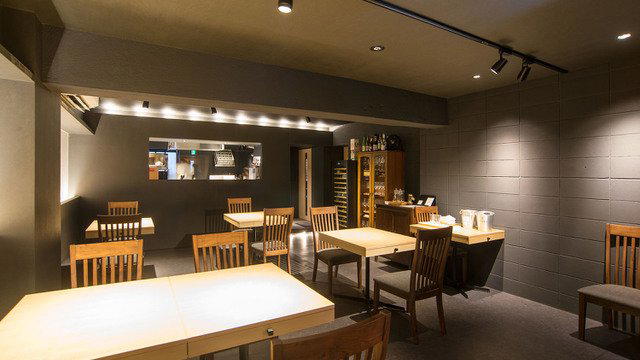
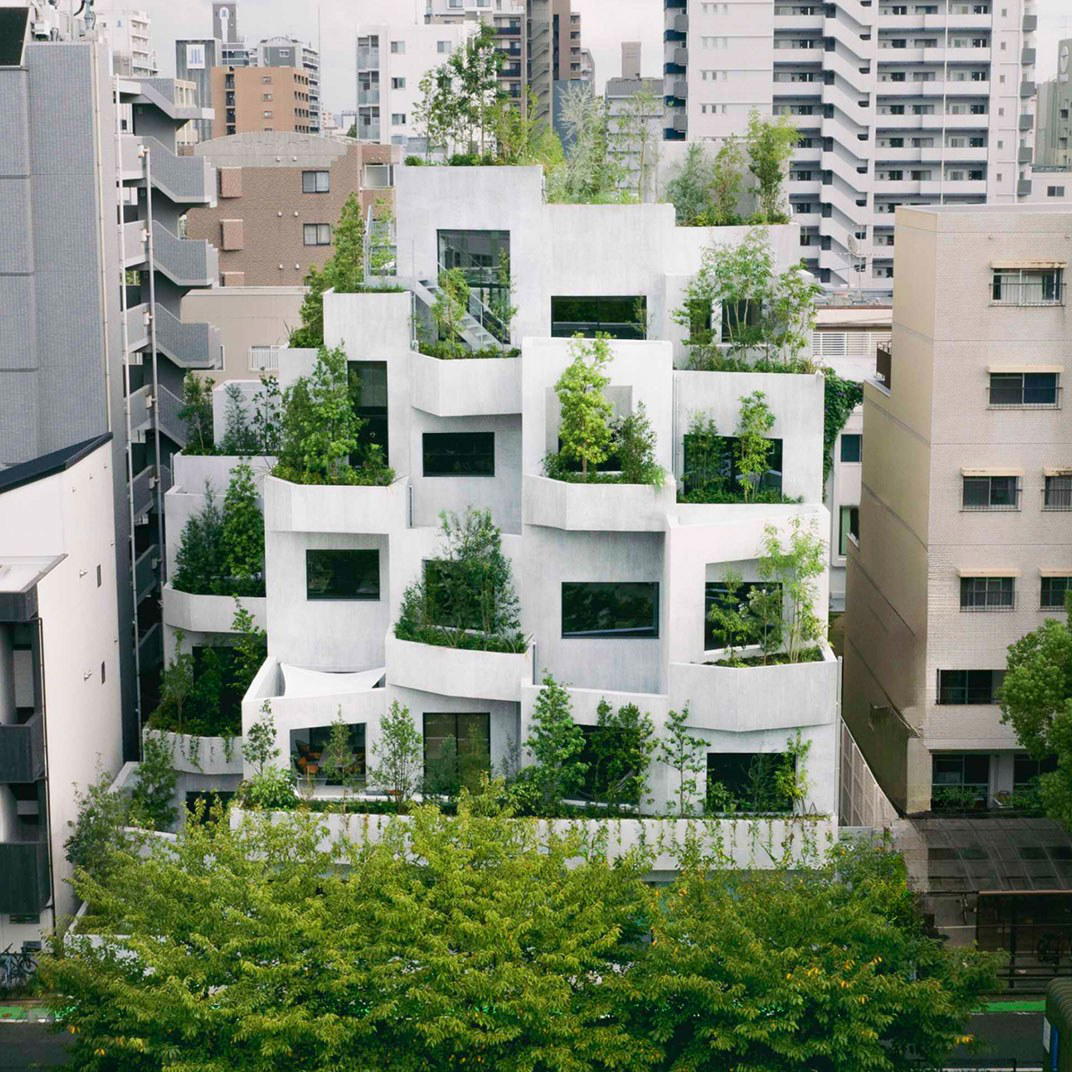
Teppanyaki Hiyori
The wine
- Wine program
- Curated wine list
- Sake program
Details
- Cozy
- Intimate
- Date Night
- Business Dinner
- Celebration
- Special Occasion
- Solo
- Chefs Counter
- Open Kitchen
- Standalone
- Sake Program
- Local Sourcing
- A La Carte
- Counter Dining
- Set Menu
- Sake
- Wine
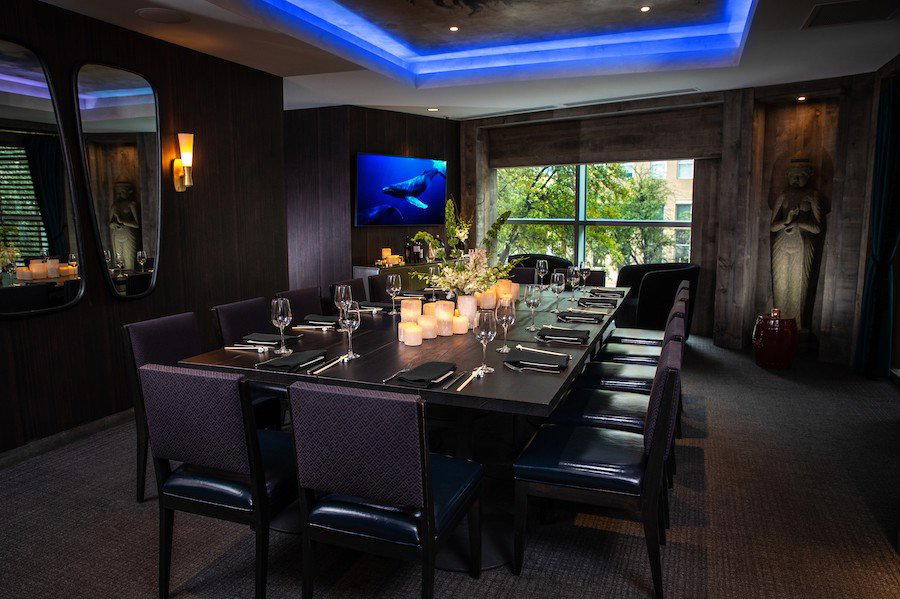
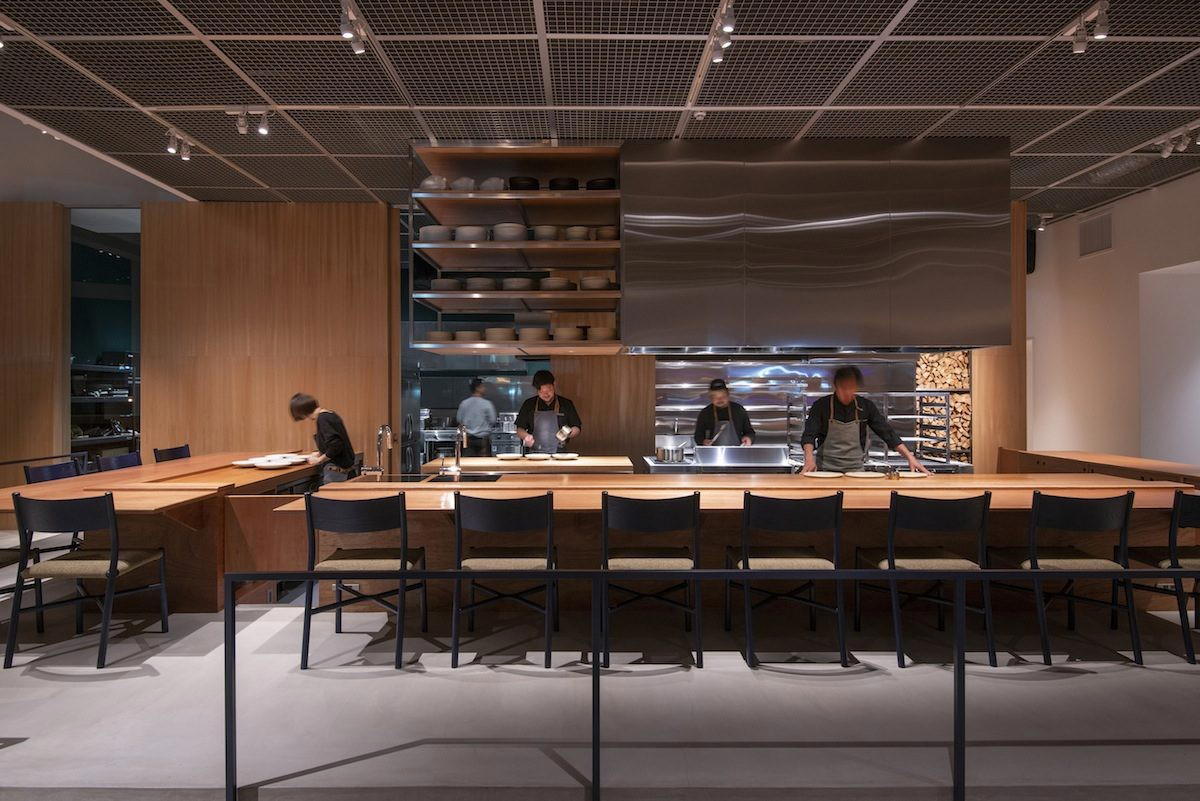
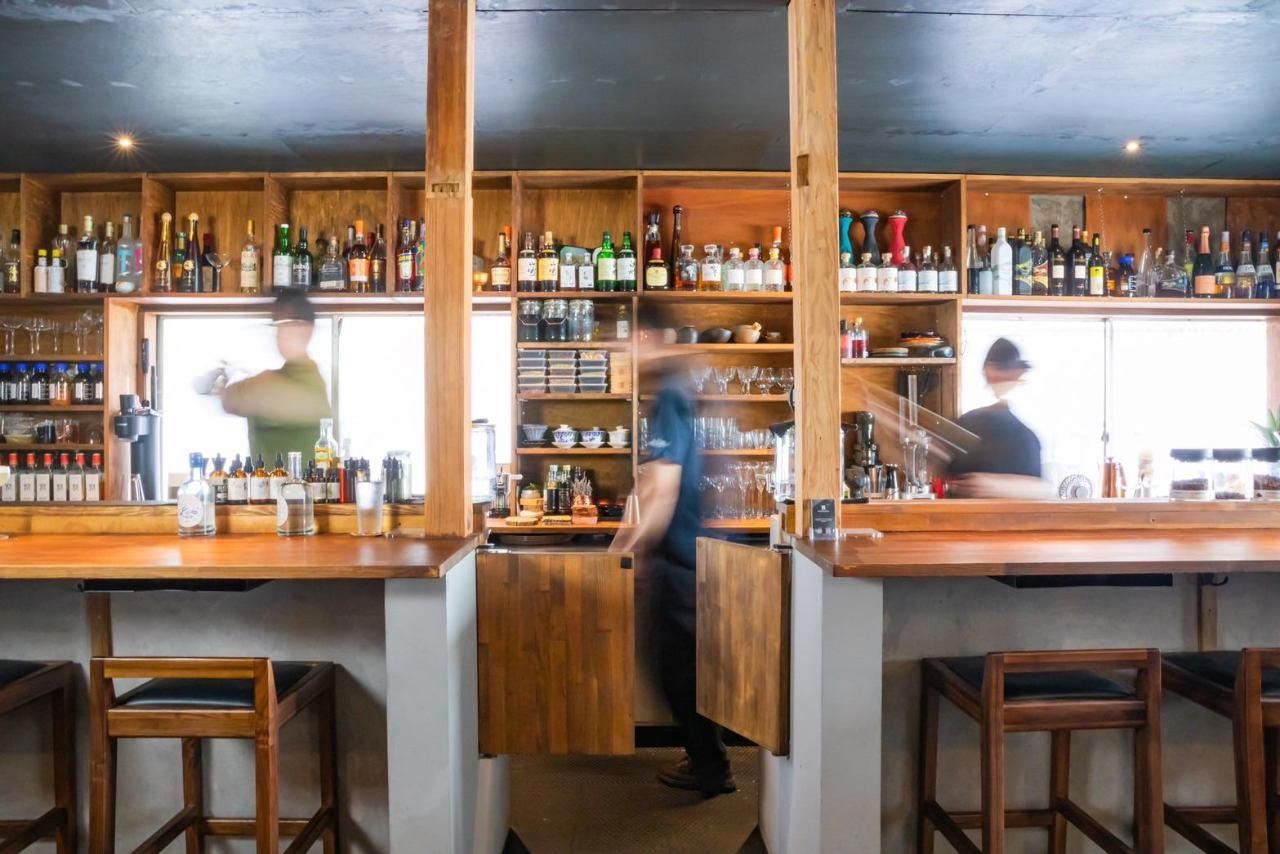
An intimate counter-led teppanyaki room with only 16 seats, where guests sit close to the iron plate and watch the chef cook seasonal Kyushu ingredients in a relaxed, casual yet refined atmosphere suited to quiet conversations rather than loud groups.