Da Tommaso
On 8th Avenue in Midtown, Da Tommaso occupies a position that few Italian restaurants in New York hold: a neighborhood-anchored room that operates at a different register from the city's high-concept Italian wave. Where the broader Midtown dining scene tilts toward power-lunch theater or tasting-menu ambition, Da Tommaso holds to a more direct Italian-American tradition, making it a practical and substantive counterpoint to the block's noisier options.
- Address
- 903 8th Ave, New York, NY 10019
- Phone
- +12122651890
- Website
- newyorkdatommaso.com
- Directions
- Get directions
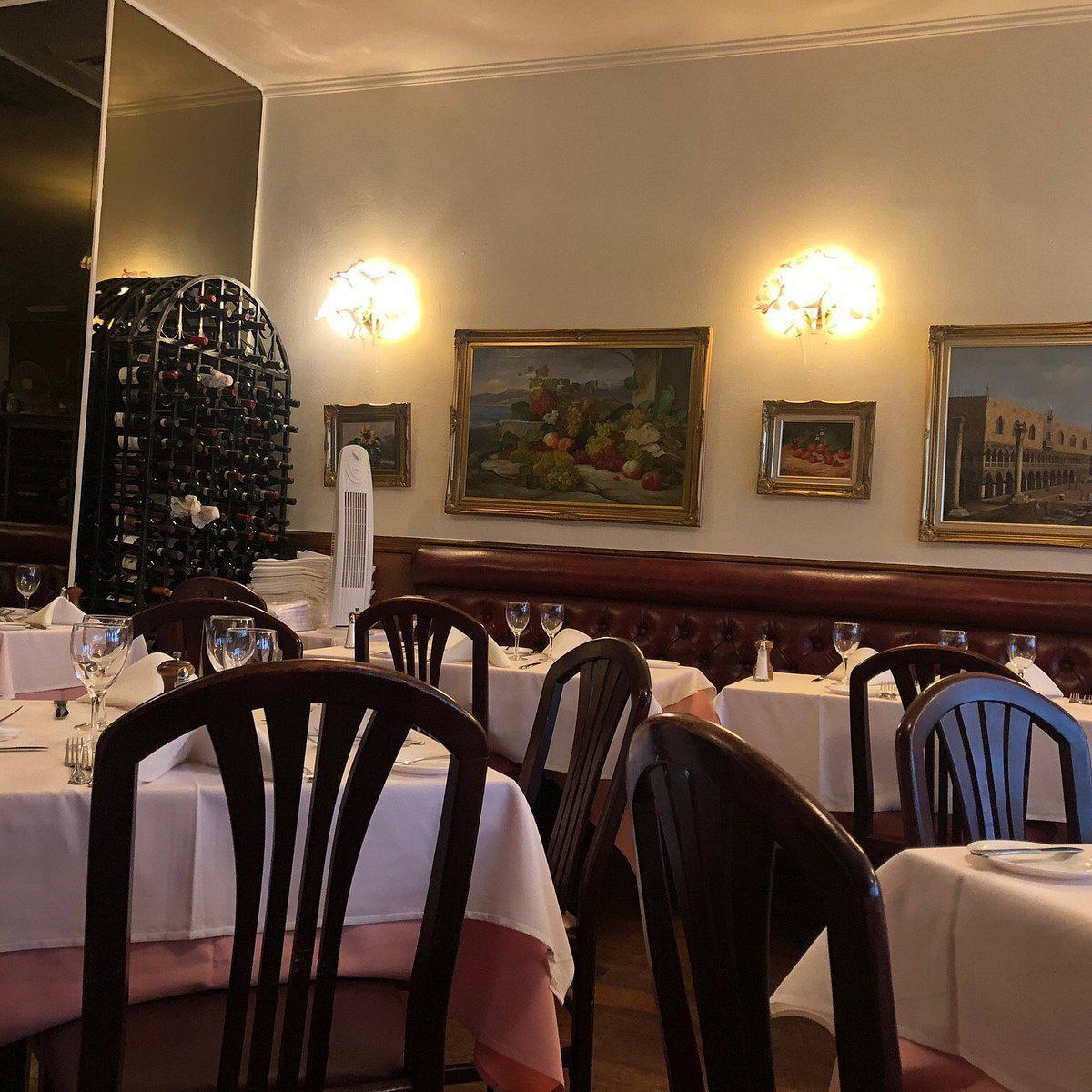
Midtown's Italian-American Anchor on 8th Avenue
Midtown Manhattan's restaurant scene has long split between two poles: the expense-account rooms clustered around Rockefeller Center and the Theater District's pre-curtain rush, where speed and volume dominate. Da Tommaso, at 903 8th Avenue, is a restaurant in New York City serving Traditional Northern Italian cuisine. It operates instead as a neighborhood Italian of the older New York school, the kind that predates the city's current obsession with tasting-menu formats and imported regional Italian specificity. That positioning, unfashionable by some measures, is precisely what makes it a relevant reference point for anyone trying to understand how traditional Italian-American dining survives in a borough that has largely moved on.
The Italian-American tradition in New York is not a lesser version of Italian cuisine. It is a distinct category, shaped by decades of immigrant adaptation, local ingredient substitution, and the practical demands of feeding a working city. At its leading, it produces cooking that is direct, generous, and calibrated to comfort rather than concept. Da Tommaso belongs to this lineage rather than to the wave of cucina italiana venues that trade on regional Italian credentials and imported cured meats. For readers whose New York Italian dining vocabulary runs toward Le Bernardin's precision or the chef-driven ambition of Eleven Madison Park, Da Tommaso operates in an entirely different register.
Lunch and Dinner: Two Distinct Moods on the Same Block
One of the more instructive things about restaurants like Da Tommaso is how sharply lunch and dinner diverge in character. The lunch service in this part of Midtown draws a working crowd: people with limited time, clear price expectations, and no interest in ceremony. For a room rooted in Italian-American tradition, that daytime window is where the cooking tends to be at its most functional and, most honest. Pasta dishes, direct proteins, and familiar sauces read as practical midday sustenance rather than evening occasion-building.
Evening service in the Theater District changes the calculus. The neighborhood's proximity to Broadway means dinner traffic tilts toward pre-show visitors who have a hard stop at curtain time, and post-show diners who arrive later and linger differently. Italian-American restaurants in this corridor have historically managed that rhythm well, offering menus that can accommodate both the rushed pre-theater table and the slower post-performance appetite. The kitchen's ability to read the room and pace accordingly is, in this context, as much a skill as any specific dish.
This lunch-dinner divide also affects value perception. Midtown's premium restaurants, including Per Se and Masa, operate at price points that position every meal as a major occasion. The restaurant's Italian-American format allows for a more graduated relationship with the diner across different times of day, which is a structural advantage that concept-driven rooms rarely have.
Where It Sits in the Broader Italian-American Canon
Italian-American restaurants have taken a complicated position in serious dining conversation over the past decade. On one hand, the category has been embraced as a subject of culinary history and nostalgia. On the other, its most credentialed American practitioners, places like Frasca Food and Wine in Boulder with its Friulian specificity, have pushed toward a European regional precision that distances itself from the red-sauce canon. The restaurant occupies the middle ground: a room that is not attempting to reframe or reclaim the tradition intellectually, but simply to execute it at a consistent standard for a demanding urban audience.
That approach places it in a different comparable set from New York's award-tracked Italian rooms and closer to the working-restaurant model that Italian immigrants built across the five boroughs over the twentieth century. For comparative context, venues like Emeril's in New Orleans demonstrate how a city's foundational cooking traditions can survive alongside a new generation of high-concept rooms, often by simply refusing to compete on the same terms. The restaurant's 8th Avenue address suggests a similar logic of durability over positioning.
The Neighborhood Context
8th Avenue between 50th and 57th Streets is one of the more densely transited corridors in Manhattan, feeding foot traffic from the Port Authority bus terminal to the south, the Midtown hotel cluster, and the Theater District proper. Restaurants on this stretch serve a genuinely mixed audience: tourists, commuters, industry workers, and theatergoers, often on the same evening. Holding a consistent standard across that range of guests, with their varying familiarity with the cooking and widely different expectations, is a specific operational challenge that quieter neighborhoods do not impose in the same way.
For context on how other American cities handle the tension between institution and innovation, Lazy Bear in San Francisco, Smyth in Chicago, and Providence in Los Angeles each represent the high-concept end of that spectrum. On the Italian side specifically, Dal Pescatore in Runate and Atelier Moessmer Norbert Niederkofler in Brunico show what Italian regional tradition looks like when it has been formalized into a destination-dining proposition. The restaurant operates far from that formalization, by geography and by intent.
Readers considering the full range of New York's Italian options should note that the city now supports multiple tiers of the cuisine, from the ultra-premium counter format associated with Atomix's Korean-influenced contemporaries through to traditional neighborhood rooms. Understanding where any given restaurant sits in that structure is more useful than treating each venue as an isolated subject. Additional context on farm-to-table precision dining, which represents a different but comparably committed approach to sourcing and cooking, can be found at Blue Hill at Stone Barns in Tarrytown, Single Thread Farm in Healdsburg, and Addison in San Diego. At the formal tasting-menu end of American dining, The French Laundry in Napa and The Inn at Little Washington remain the clearest reference points for occasion dining at full ceremony.
Know Before You Go
- Address: 903 8th Ave, New York, NY 10019
- Neighborhood: Theater District / Midtown West
- Cuisine: Italian-American
- Booking: Recommended
Compact Comparison
Comparable venues nearby, for context on price, style, and recognition.
| Venue | Price | Notes |
|---|---|---|
| Da TommasoThis venue — the venue you are viewing | $$ | Not listed |
| L’Industrie | $$ | Little Italy, Neapolitan-Style New York Pizza |
| Tarallucci e Vino | $$ | Midtown South-Flatiron-Union Square, Authentic Italian Bistro |
| Frankies 457 Spuntino | $$ | Carroll Gardens-Cobble Hill-Gowanus-Red Hook, Italian-American Trattoria |
| Lavagna | $$ | East Village, Traditional Italian Trattoria |
| Russo's Mozzarella and Pasta | $$ | Park Slope, Classic Italian Mozzarella & Pasta Shop |
Continue exploring
More in New York City
Restaurants in New York City
Browse all →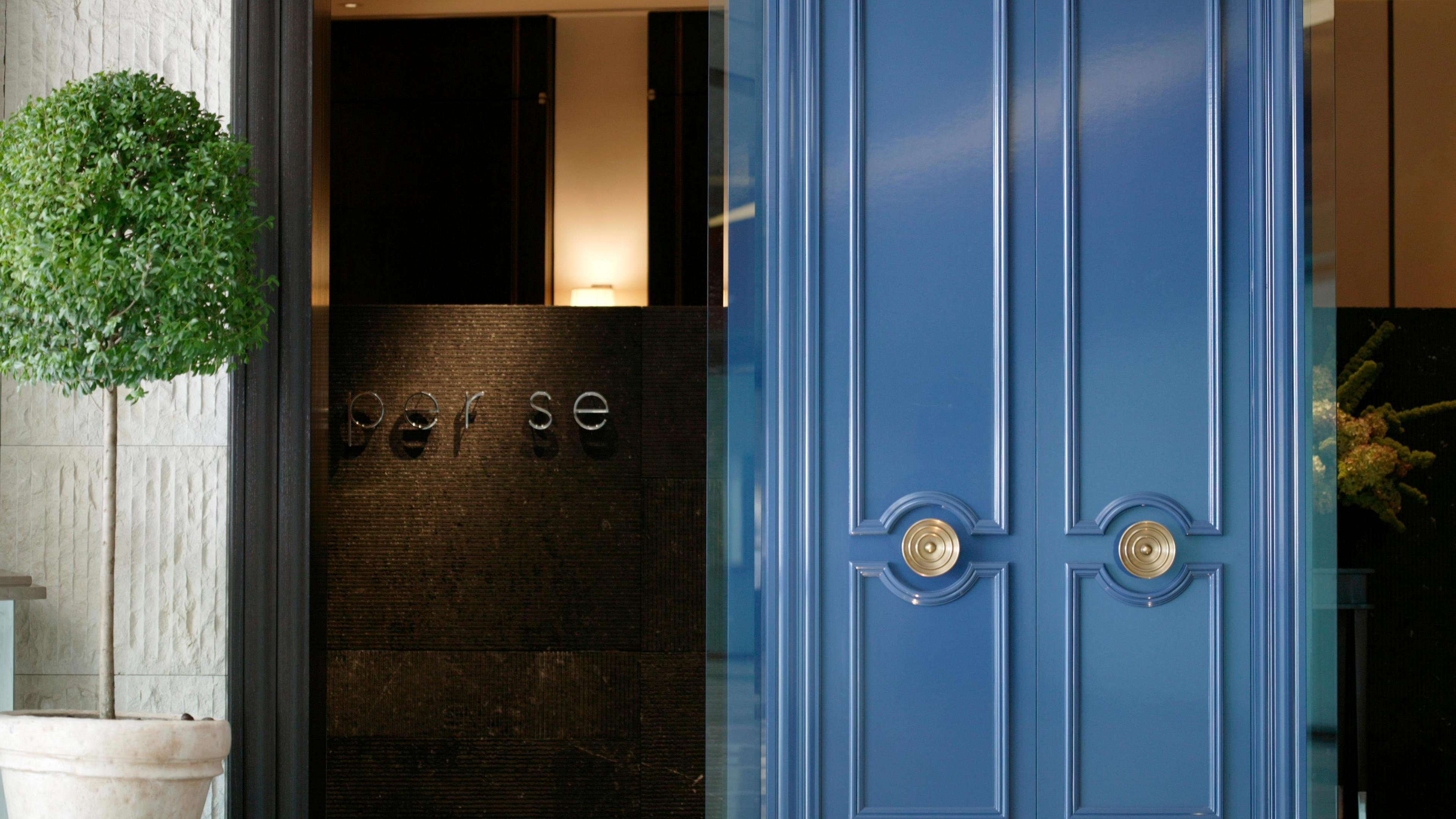
Bars in New York City
Browse all →

Hotels in New York City
Browse all →





At a Glance
- Cozy
- Classic
- Intimate
- Date Night
- Casual Hangout
- Pre Theater
- Standalone
Warm, comfortable, and inviting with a small-town family restaurant feel, adorned with Italian art, providing a calm oasis amid Midtown's bustle.