Da Irma
In the Friulian village of Ruscletto, on the edge of San Vito di Fagagna, Da Irma occupies a position typical of northeastern Italy's most enduring family trattorie: rooted in local agricultural rhythms, largely unknown beyond the region, and operating without the credentials machinery that defines Italy's more celebrated dining rooms. For travellers willing to move past the obvious stops, it represents a different kind of seriousness about food.
Pearl is the En Primeur Club membership app — saves, bookings, and concierge access live there. Same editors, same standards.
- Address
- Via Unica, 15, 33030 Ruscletto UD, Italy
- Phone
- +39432808021
- Website
- dairma.it
- Directions
- Get directions
 Saves & bookings on Pearl
The Friuli Table: Where Ingredients Arrive Before the Menu Does
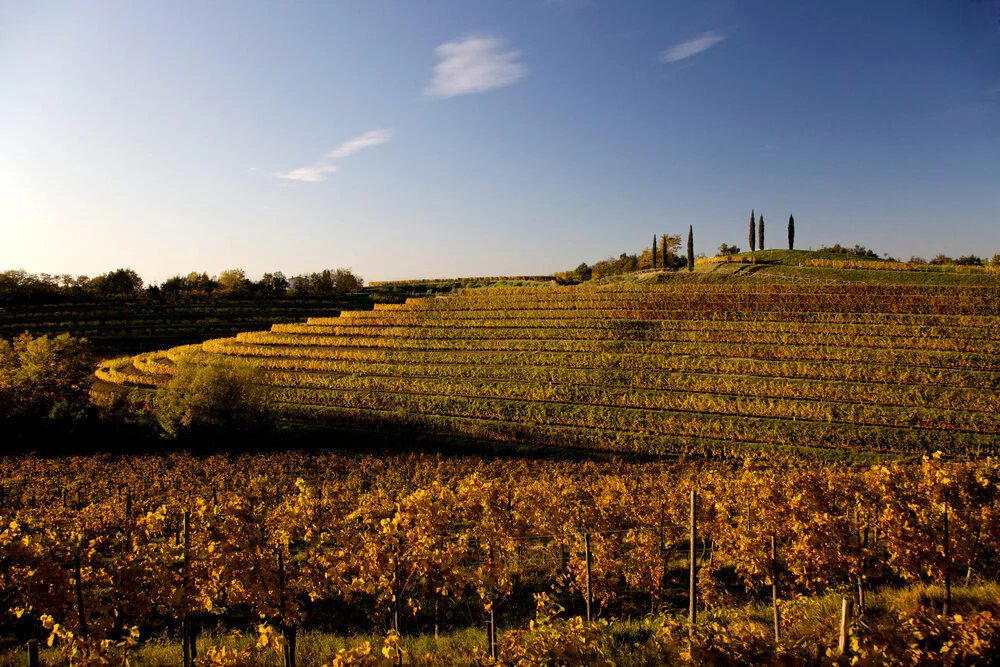
Northeastern Italy's approach to the table has always run counter to the country's more theatrical dining traditions. In Friuli-Venezia Giulia, the region that surrounds San Vito di Fagagna and its hamlet of Ruscletto, the meal is shaped first by what the surrounding land produces — the Carnic Pre-Alps to the north, the Tagliamento plain below, and a livestock and dairy culture that resists outside interference. Da Irma, on Via Unica 15 in Ruscletto, sits inside that agricultural logic. The address itself is a signal: one road, one village, and a kitchen that by all accounts has been oriented toward what is nearby rather than what is fashionable.
Friulian cuisine occupies a specific niche in the Italian regional canon. It is neither the refined produce-forward cooking of Piedmont nor the urban complexity found at Enrico Bartolini in Milan or Osteria Francescana in Modena. Instead, it draws on Central European influences — particularly Austrian and Slovenian, that arrived through centuries of borderland history. Smoked meats, polenta prepared from local maize, cured pork in forms that differ from Emilian salumi, and freshwater fish from the rivers that cut through the plain: these are the structural ingredients of a cuisine that rarely travels but rewards proximity.
What the Land Sends to the Table
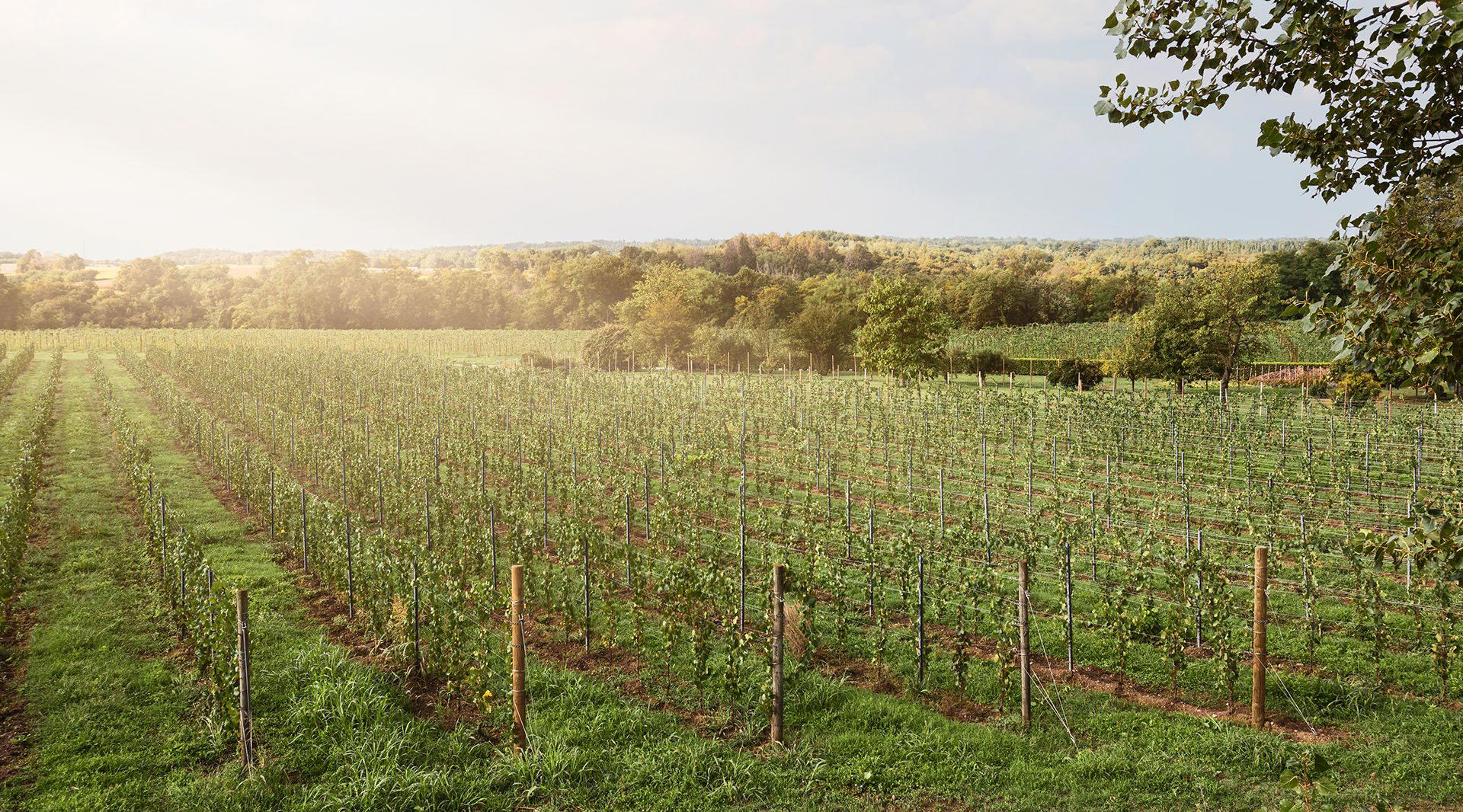
In small Friulian trattorie of Da Irma's type, the sourcing model is rarely described in marketing language because it is simply the default operating condition. Farmers in the Fagagna hills have supplied local restaurants here for generations without it requiring a named philosophy. The result, in kitchens like this one, is food where the connection between ingredient origin and finished dish remains short and visible. This is structurally different from what happens at destination restaurants where sourcing is a curated narrative, places like Reale in Castel di Sangro or Atelier Moessmer Norbert Niederkofler in Brunico, where Alpine and Apennine ingredient sourcing is both practice and editorial statement. At a rural Friulian trattoria, it is simply how lunch gets made.
That distinction matters when deciding where to eat. If the draw of sourcing-led cooking for you lies in its documentation, the provenance cards, the tasting menu narrative, the sommelier who traces each wine to its microclimate, then the more structured end of Italian dining, represented by places like Dal Pescatore in Runate or Piazza Duomo in Alba, will answer that need more completely. But if what you want is the thing itself, the ingredient in its least-mediated form, cooked by people who live near where it grows, then the rural trattoria format has an argument to make that no amount of tasting-menu construction can replicate.
A Particular Kind of Room
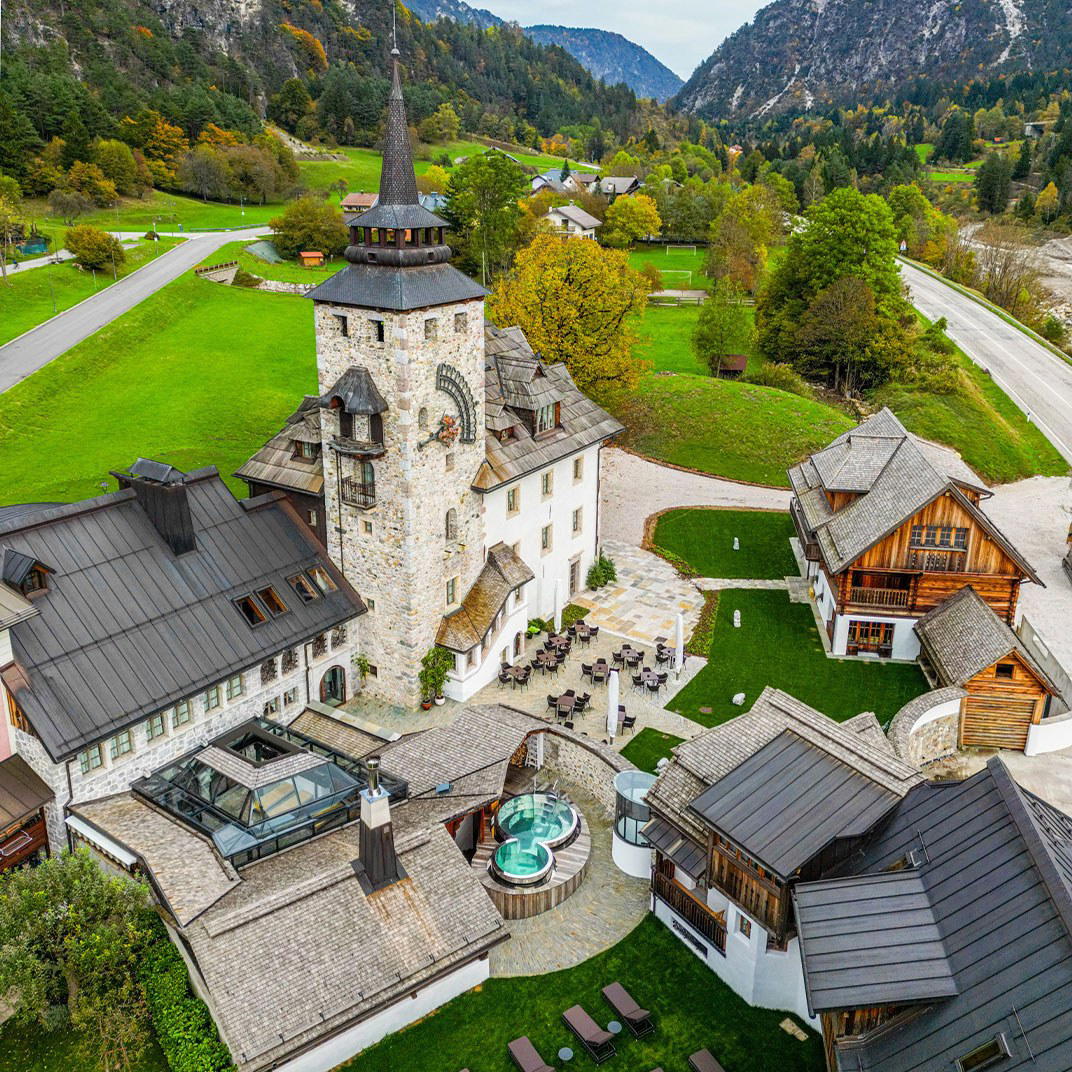
The physical setting of Da Irma corresponds to what rural Friulian dining looks like at this tier. San Vito di Fagagna is a small hill town east of Udine, and Ruscletto is smaller still, a cluster of houses on a single road in the Friulian plain. Restaurants here do not typically present as designed spaces. The room at a place like this tends toward the functional: tables close enough together that you hear other conversations, service that has been performed by the same people for years, a wine list oriented toward local producers from the Colli Orientali del Friuli or the Collio zone, where Friulano, Ribolla Gialla, and Tocai white wines carry regional identity as completely as the food does.
The contrast with the broader Italian restaurant canon is real. The coastal ambition of Uliassi in Senigallia, the Mediterranean precision of Quattro Passi in Marina del Cantone, or the baroque intensity of Enoteca Pinchiorri in Florence, these are different projects. Da Irma belongs to a lineage of restaurants where the room exists to support the eating, not to become a destination in itself. That is not a limitation; it is a choice that defines a category.
Planning a Visit to San Vito di Fagagna
San Vito di Fagagna sits roughly 20 kilometres northeast of Udine, itself a city with a significant medieval centre and a strong local food culture. Visitors arriving from further afield typically route through Udine by train from Venice, Trieste, or Ljubljana, then travel by car to reach the smaller comuni of the Fagagna hills. The area does not have the tourism infrastructure of Collio or Cividale del Friuli, which means Da Irma's clientele skews local, a pattern that, at a family trattoria of this type, tends to correlate with a kitchen calibrated for regulars rather than occasional visitors.
Given the absence of online booking data in the public record, the safest approach is direct contact before arriving. Rural Friulian trattorie at this scale frequently close on one or two days per week and may observe seasonal closures around harvest or local holidays. Arriving without a reservation at a small-room restaurant in a hamlet of this size carries real risk of a closed door. For visitors combining Da Irma with the wider Friuli table, the region also supports day trips to Cividale del Friuli (a UNESCO-listed Lombard site with its own restaurant culture) and to the wine estates of the Collio DOC zone along the Slovenian border.
For context on how Italian regional cooking at this geographic remove compares to the country's more internationally visible dining rooms, our coverage of Le Calandre in Rubano, Villa Crespi in Orta San Giulio, Da Vittorio in Brusaporto, and La Pergola in Rome maps the formal end of the Italian table. On the international side, Le Bernardin in New York City, Lazy Bear in San Francisco, Gambero Rosso in Marina di Gioiosa Ionica, and Casa Perbellini 12 Apostoli in Verona each represent the structured end of their respective categories. Da Irma sits at the other pole, local, specific, and operating without that machinery. See our full San Vito di Fagagna restaurants guide for the wider picture.
Comparison Snapshot
| Venue | Cuisine | Price | Awards |
|---|---|---|---|
| Da IrmaThis venue — the venue you are viewing | This venue | Not listed | Not listed |
| Atelier Moessmer Norbert Niederkofler | Italian, Creative | €€€€ | Michelin 3 Star |
| Dal Pescatore | Italian, Italian Contemporary | €€€€ | Michelin 3 Star |
| Quattro Passi | Italian, Mediterranean Cuisine | €€€€ | Michelin 3 Star |
| Reale | Progressive Italian, Modern Cuisine | €€€€ | Michelin 3 Star |
| Uliassi | Italian Seafood - Marche, Creative | €€€€ | Michelin 3 Star |
Continue exploring
More in San Vito Di Fagagna
Restaurants in San Vito Di Fagagna
Browse all →
Bars in San Vito Di Fagagna
Browse all →
Hotels in San Vito Di Fagagna
Browse all →
At a Glance
- Rustic
- Classic
- Cozy
- Elegant
- Group Dining
- Celebration
- Special Occasion
- Date Night
- Standalone
- Local Sourcing
Current opening hours
- Monday
- Closed
- Tuesday
- 7:30 PM–12 AM
- Wednesday
- 7:30 PM–12 AM
- Thursday
- 7:30 PM–12 AM
- Friday
- 7:30 PM–12 AM
- Saturday
- 7:30 PM–12 AM
- Sunday
- 12–6 PM
Hours can change for holidays and private events. Last verified .
Warm and inviting atmosphere with an authentic Italian trattoria aesthetic, known for its welcoming and informal setting.