Google: 4.3 · 83 reviews
DA COSTA
.png)
Set within the Art Farm development at Durslade Farm, Da Costa brings Italian cooking to the Somerset countryside with hand-cut pasta, wood-fired technique, and hearty, produce-led sauces. The open kitchen, hung with pots, pans, and chairs, reads like a working country kitchen scaled up with design ambition. A 2025 Michelin Plate holder and priced at £££, it occupies a distinct niche in Bruton's increasingly serious dining scene.
 Discover on Pearl
Wood, Fire, and the Weight of Good Pasta
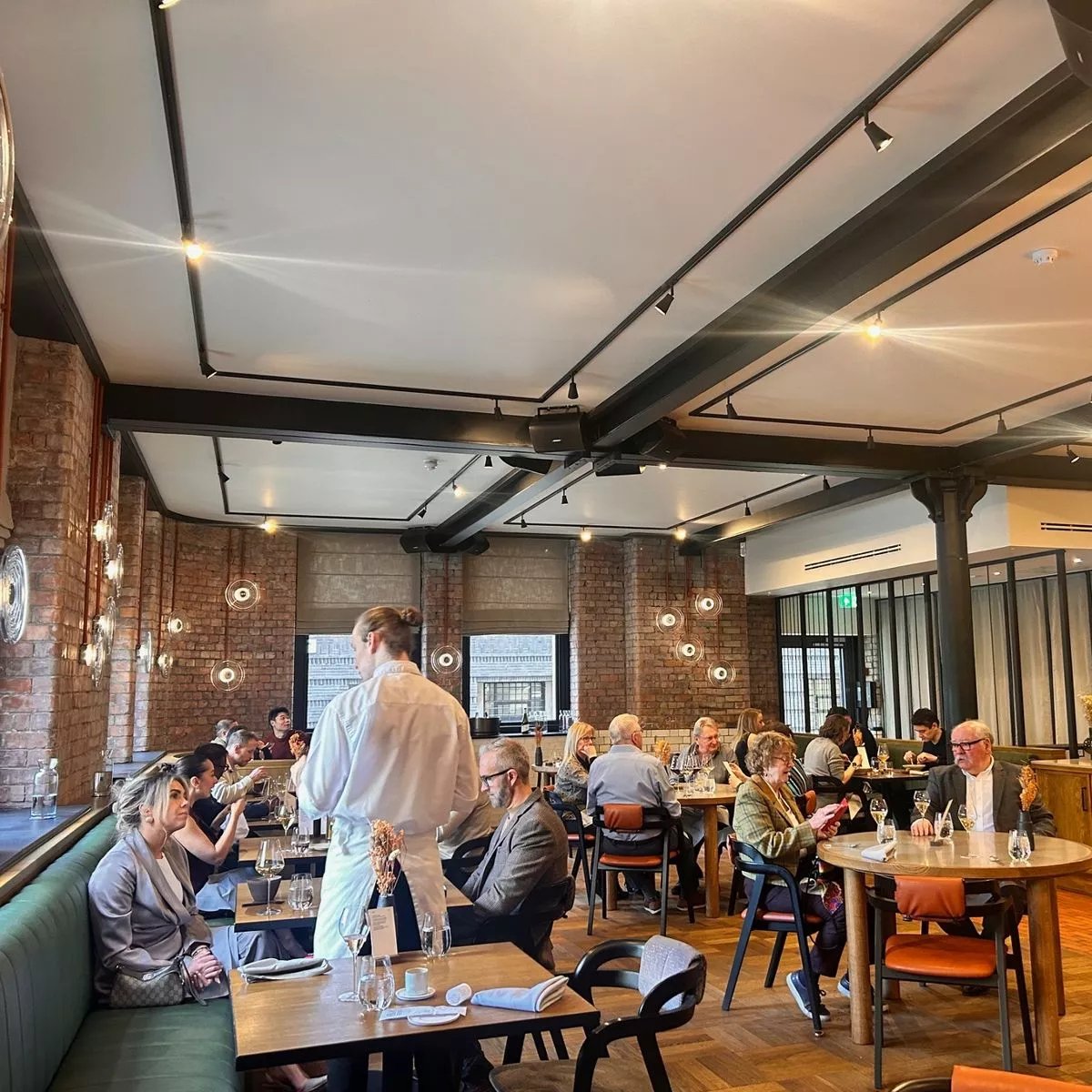
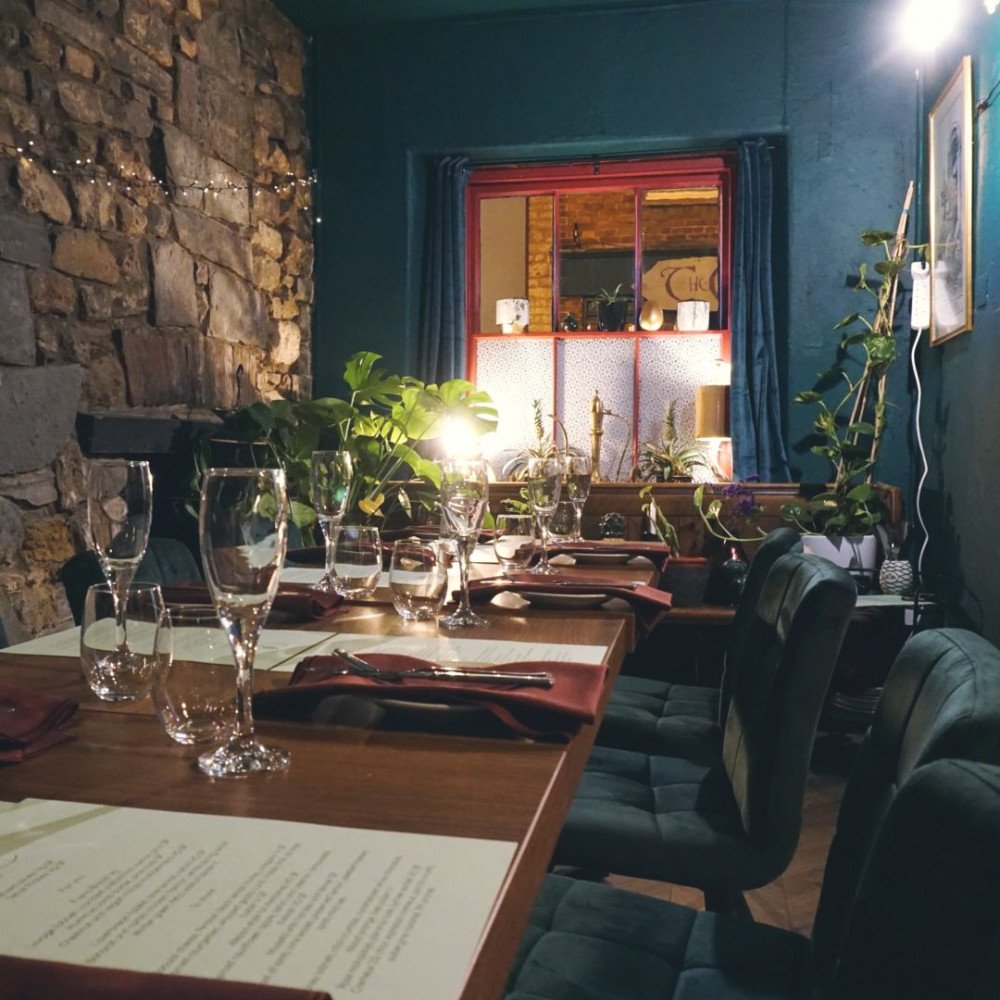
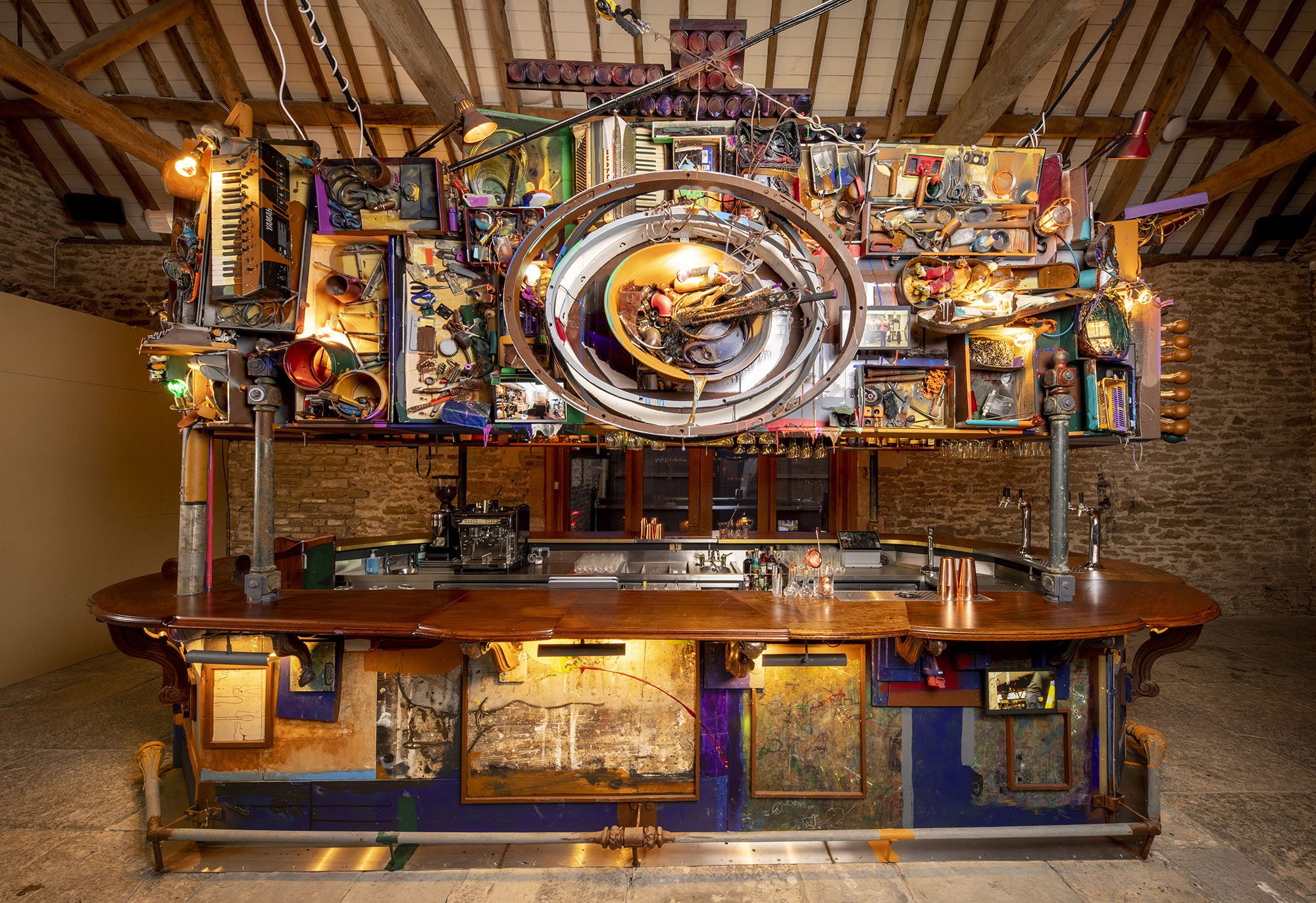
The smell reaches you before anything else. At Durslade Farm on the edge of Bruton, the Art Farm development has attracted the kind of cultural and hospitality investment that turns a Somerset field into a destination in its own right. Inside Da Costa, the open kitchen announces itself through the scent of wood smoke, a cue that shapes the entire register of the meal before a menu has been opened. The kitchen design is a statement in itself: pots, pans, and chairs suspended from the ceiling, an abundance of timber, and the organised intensity of live fire cooking visible from most seats. This is not a room that hides its intent.
The broader pattern in British destination dining has been a drift toward either hyper-local tasting menus or the kind of global-influence plates that resist easy categorisation. Da Costa reads against that grain. The cooking is Italian in the plainest, most committed sense — pasta made by hand, sauces built on technique and time, flavours that tend toward depth rather than novelty. In a village that includes Osip and Botanical Rooms at the ££££ tier and Briar at the more accessible ££ end, Da Costa's £££ position and Italian focus give it a clear identity in a scene that could easily blur into uniformity.
The Case for Hand-Cut Pasta in the English Countryside
Italian pasta in Britain exists on a wide spectrum, from the perfunctory to the serious, and the distinction usually comes down to one question: is the pasta made in-house, and does its texture actually differ from what a decent dried alternative could achieve? At Da Costa, the hand-cut pasta is the anchor of the menu. The technique behind bigoli — a thick, rough-extruded shape traditionally from the Veneto, with a porous surface that clings to sauce , demands more attention than shapes cut from a sheet, and the pairing with venison ragu at Da Costa shows both the regional logic and the local adaptation at work. Venison is not a Venetian ingredient, but the structural match between a slow-cooked, collagen-rich meat sauce and the grip of bigoli is the kind of decision that reflects real understanding of how pasta and sauce interact.
Bigoli with venison ragu is documented as a signature here, and it functions as a useful key to reading the rest of the menu. The emphasis is on what the Italians call cucina povera traditions , the school of cooking that derives complexity from process rather than expensive ingredients, where the quality of the pasta dough, the patience of a long braise, and the seasoning of each stage matter more than premium imports. In a country house or destination-dining context, that can easily tip into pastiche. At Da Costa, the wood fire and the evident seriousness of the kitchen technique keep it grounded.
For a wider reference point on Italian cooking operating at the highest level outside Italy, the contrast with 8½ Otto e Mezzo Bombana in Hong Kong or cenci in Kyoto is instructive. Both represent Italian technique transplanted into entirely different culinary cultures. Da Costa presents a different challenge: bringing the honest, hearty register of regional Italian cooking into a Somerset setting without the safety net of Italian nostalgia or the theatre of a city dining room. The Art Farm context, with its design credentials and cultural programming, does some of the atmospheric work, but the cooking has to carry its own case.
What the Michelin Plate Signals
The 2025 Michelin Plate is a calibration tool as much as a credential. It indicates that Michelin's inspectors found cooking of consistent quality, executed with care, without yet placing the restaurant in the starred tier. In Bruton's context, that matters. The village's dining reputation has grown significantly, with Osip holding a Michelin star and operating at the higher price point. Da Costa's Plate recognition at £££ positions it as serious without being inaccessible , a restaurant where the cooking justifies the setting rather than merely reflecting it.
Within the broader map of recognised British destination restaurants, from CORE by Clare Smyth in London and The Fat Duck in Bray to L'Enclume in Cartmel, Moor Hall in Aughton, or the more food-adjacent country house model of Gidleigh Park in Chagford and Le Manoir aux Quat'Saisons in Great Milton, Da Costa sits in a different register entirely. It is not proposing a grand tasting experience or a resort occasion. The model is closer to the trattoria principle: honest technique, generous flavour, a room with genuine character. Reviewed on Google by 55 guests with a 4.3 rating, it carries an early but encouraging public record for a restaurant operating in a relatively small catchment area.
The Art Farm Setting
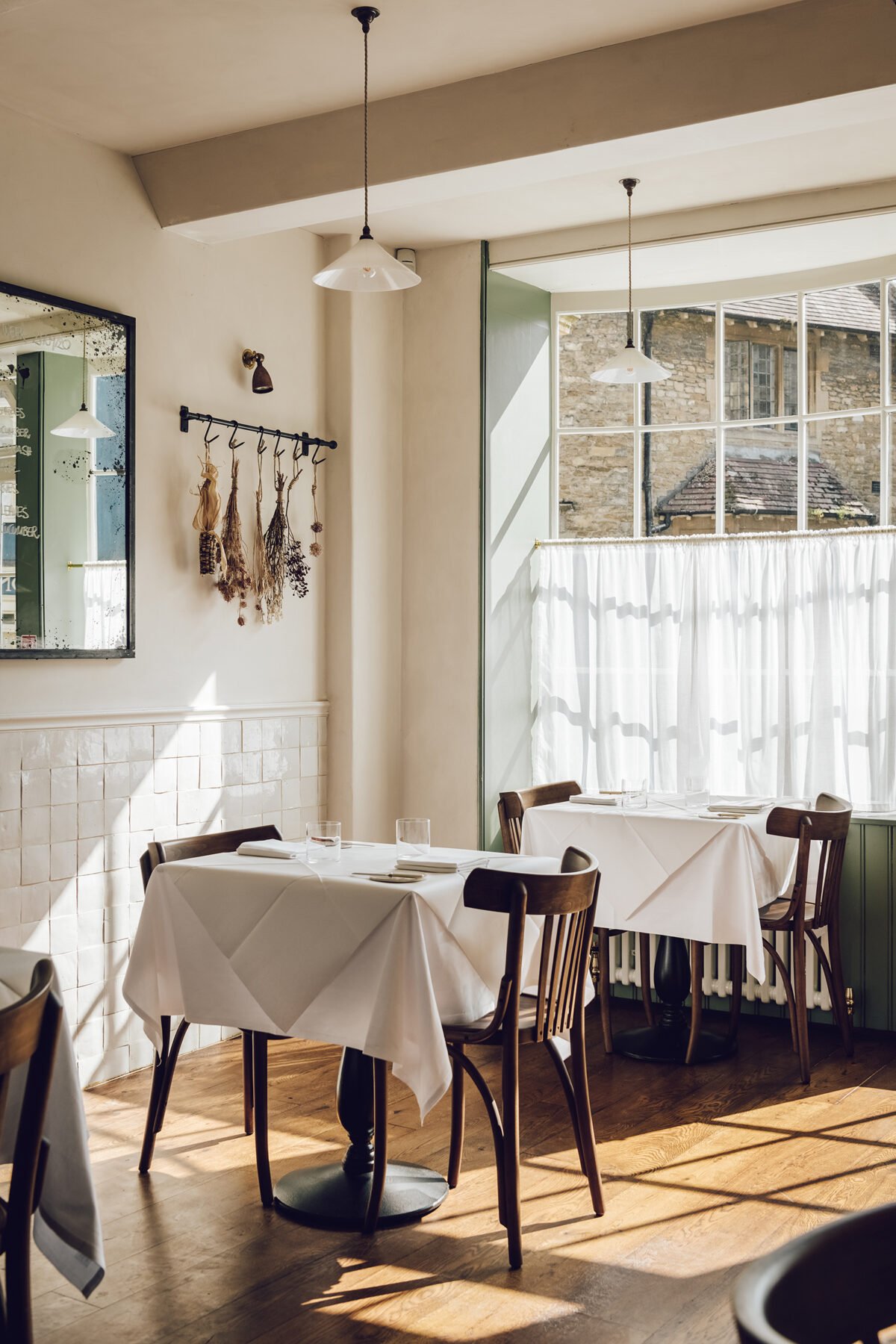
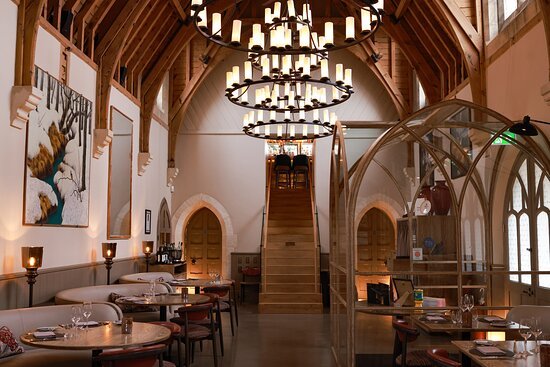
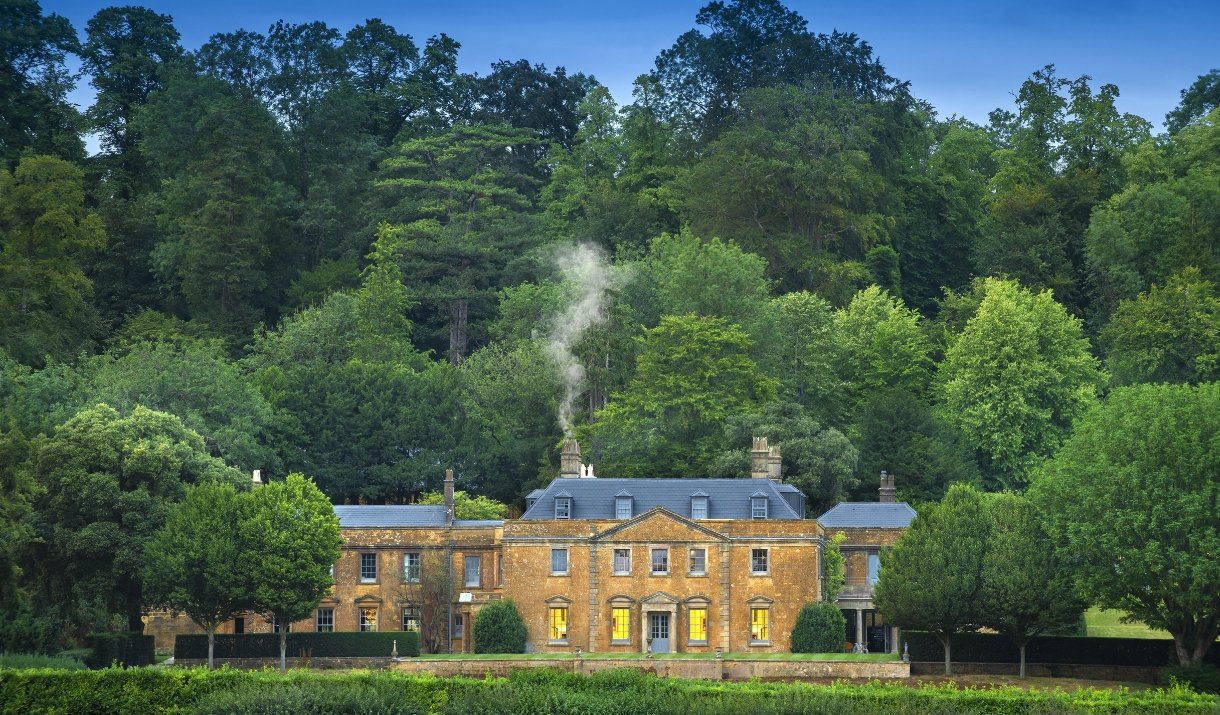
The Durslade Farm address places Da Costa within a broader arts and hospitality development that has drawn significant attention to this corner of Somerset. The Art Farm context creates an expectation of design quality, and the restaurant's interior , the hanging kitchen equipment, the wood-dominant aesthetic, the open kitchen , meets that expectation on its own terms rather than simply reflecting the development's branding. The kitchen's visibility is not theatrical in the contemporary fine-dining sense of a silent, tweezers-at-work performance kitchen; it reads more like a professional version of the kind of kitchen you might find in a well-resourced Italian farmhouse, which is the appropriate frame for the cooking.
For visitors building a Bruton itinerary, Da Costa fits naturally into a sequence that might also draw on the village's bar scene and wider food culture. Our full Bruton bars guide, hotels guide, and experiences guide cover the surrounding options, and the wineries guide adds a further layer for those staying overnight. The full Bruton restaurants guide maps the village's dining scene across price points and styles, with Da Costa sitting at the intersection of Italian seriousness and Somerset informality.
Planning Your Visit
Da Costa is located at Durslade Farm, Dropping Lane, Bruton, BA10 0NL. Booking is advised, particularly on weekends and during the summer months when the Art Farm draws visitors from beyond the immediate region. The £££ pricing aligns with a restaurant-quality spend of roughly £50 to £80 per person with drinks, placing it between the more accessible Briar and the higher-commitment spend of Botanical Rooms and Osip. For regional comparison on the wood-fired Italian model, Hand and Flowers in Marlow and hide and fox in Saltwood represent different points on the British destination restaurant map, but neither occupies quite the same Italian-focused, live-fire niche. Da Costa's positioning in Bruton is its own argument.
Cuisine and Awards Snapshot
These are the closest comparables we have in our database for quick context.
| Venue | Cuisine | Awards | Notes |
|---|---|---|---|
| DA COSTA | Italian | The stunning Art Farm development makes a fitting home for this equally gorgeous… | This venue |
| Osip | Modern British | Michelin 1 Star | Modern British, ££££ |
| Briar | Contemporary | Contemporary, ££ | |
| Botanical Rooms | Modern British | Modern British, ££££ |
At a Glance
- Rustic
- Cozy
- Elegant
- Date Night
- Special Occasion
- Open Kitchen
- Extensive Wine List
- Local Sourcing
Rustic atmospheric setting in a converted barn with warm, open kitchen and chatty chefs.