Google: 5.0 · 318 reviews
Briar
.png)

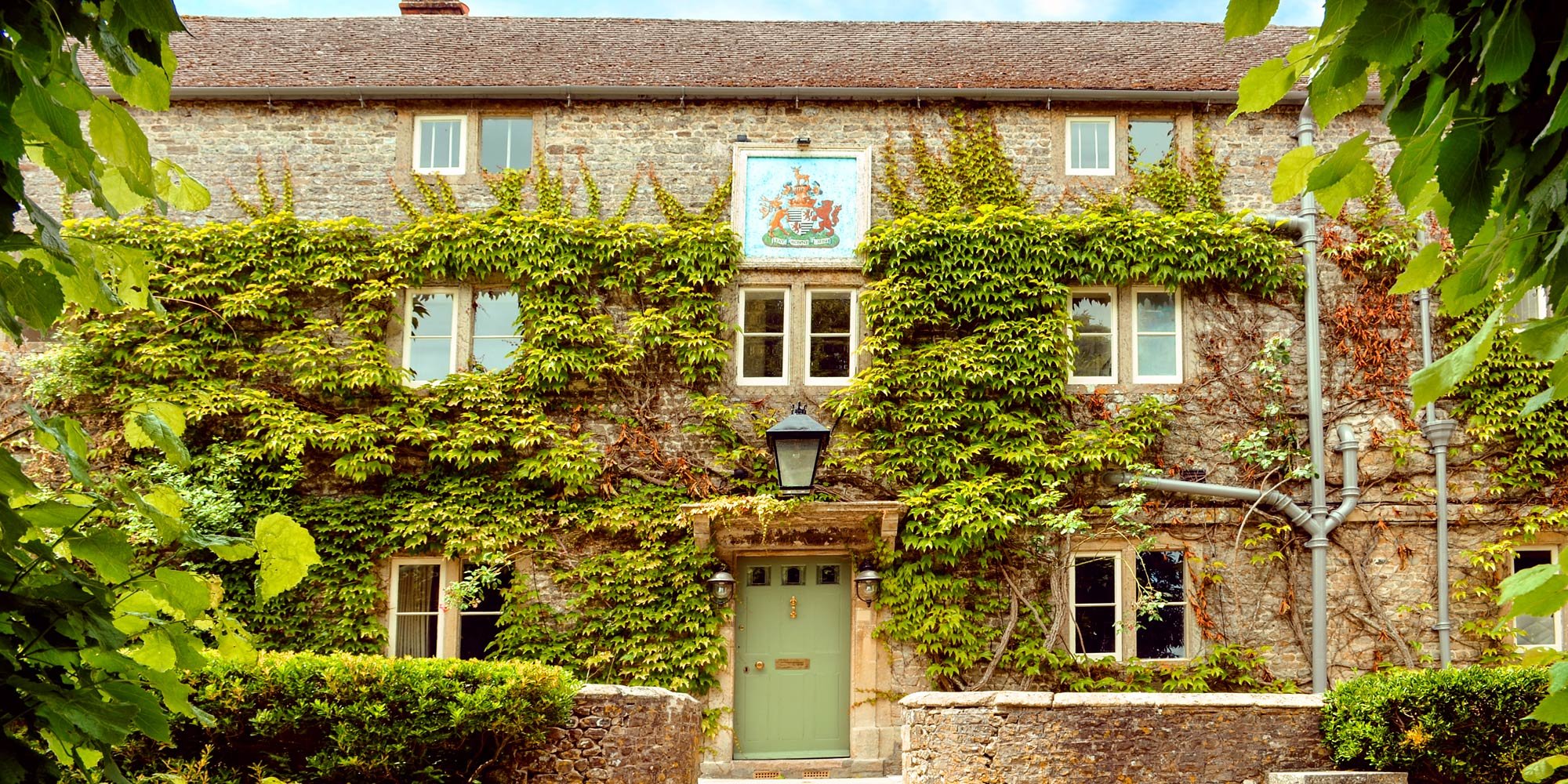
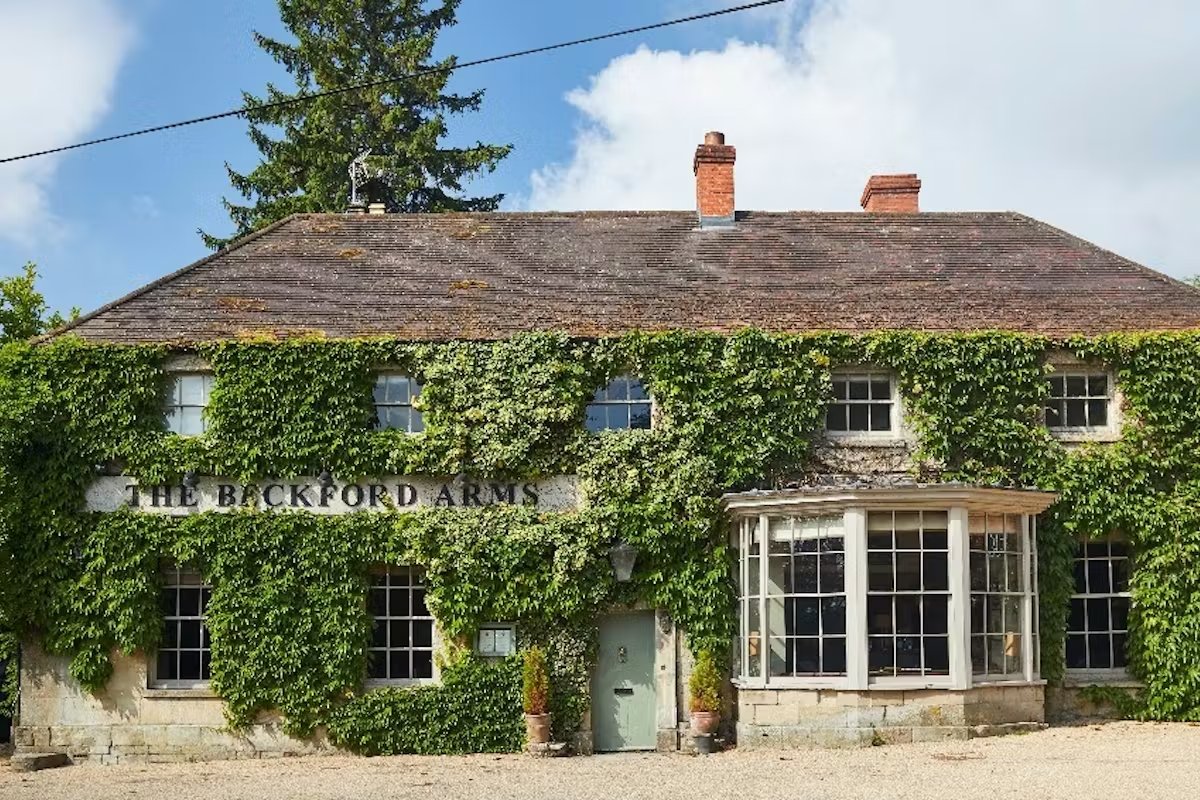
Briar holds a Michelin Bib Gourmand (2024 and 2025) and occupies the dining room inside Number One Bruton on the town's High Street. Head chef Sam Lomas runs a daily-changing small plates menu built around seasonal produce, allotment vegetables, and sparingly used local meat and fish. Three to four plates per person lands at a price point that sits well below comparable contemporary cooking in Somerset.
 Discover on Pearl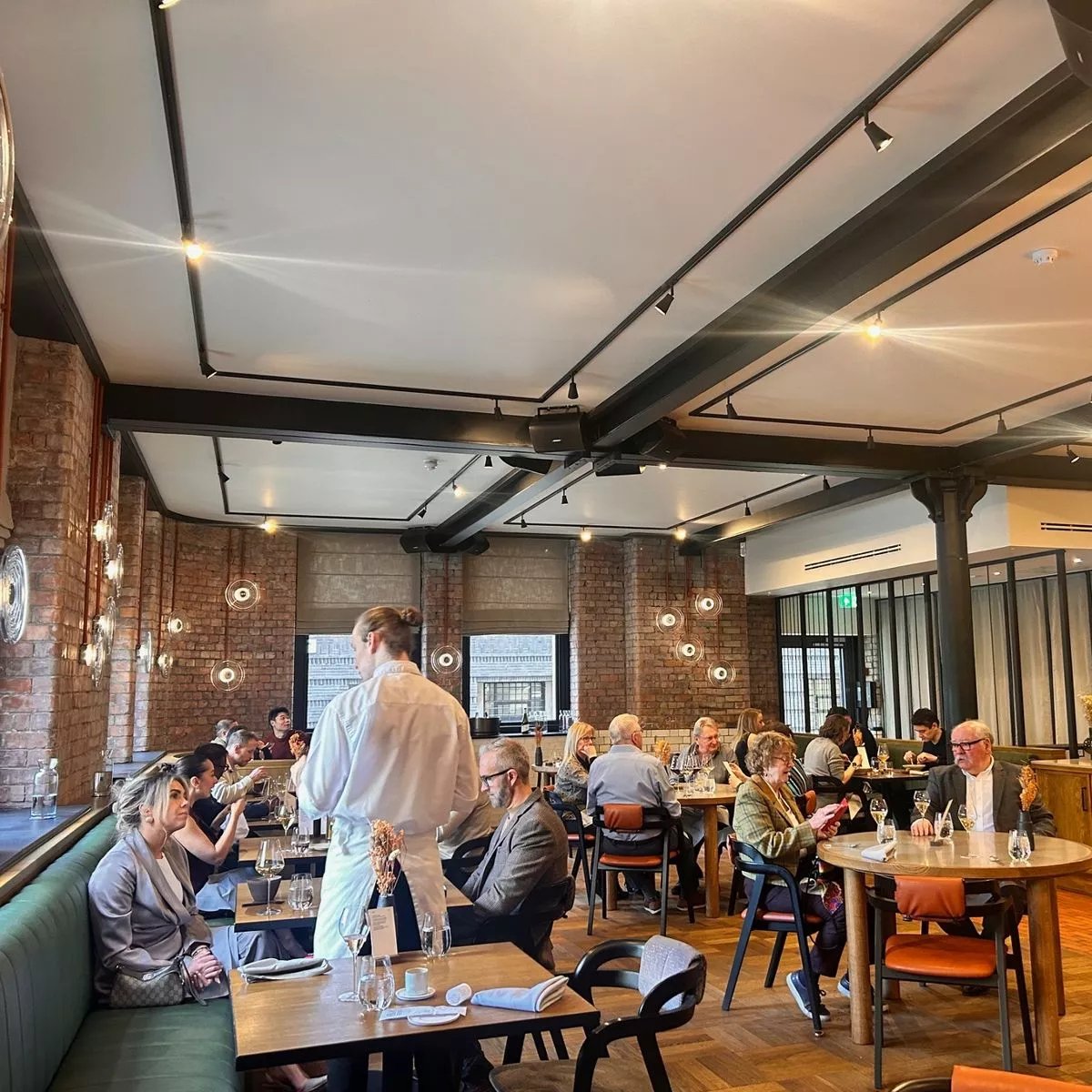
Where the Produce Leads
The small-plates format has proliferated across British contemporary dining to the point where it risks becoming a default rather than a statement. At Briar, inside the Georgian hotel Number One Bruton on the High Street, the format carries a specific logic: a menu that changes daily cannot sustain the weight of fixed centrepiece dishes, so the kitchen keeps plates small, rotates the selection with what is available, and lets sourcing dictate structure rather than the other way around. That discipline is what separates a genuinely produce-driven operation from one that merely uses the language of locality.
Vegetables arrive from local growers and from the restaurant's own allotment, a supply relationship that keeps the menu tethered to what is actually in the ground in Somerset at any given moment. Meat and fish appear on the menu, but sparingly, functioning as seasoning or accent rather than anchor. For British contemporary cooking, this proportion is a deliberate choice, and it pulls Briar closer in spirit to certain French and Nordic kitchens than to the gastropub tradition that still defines much of rural England's dining offer. The result is a plate-count rather than a portion-count experience: plan on three to four sharing plates per person to eat fully, a quantity that represents solid value at the ££ price point.
The Room and What It Replaced
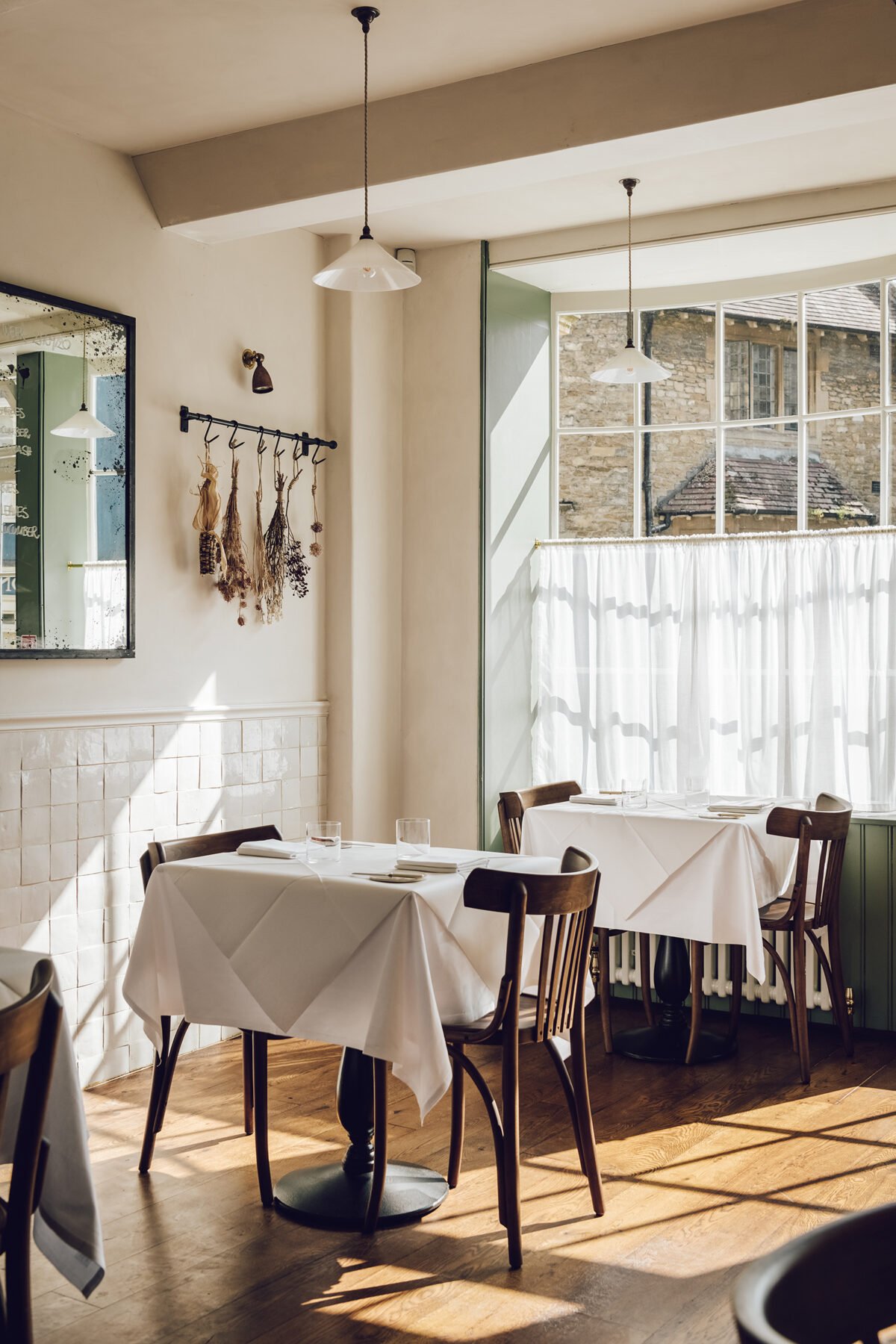
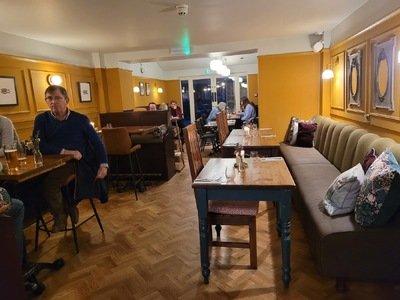
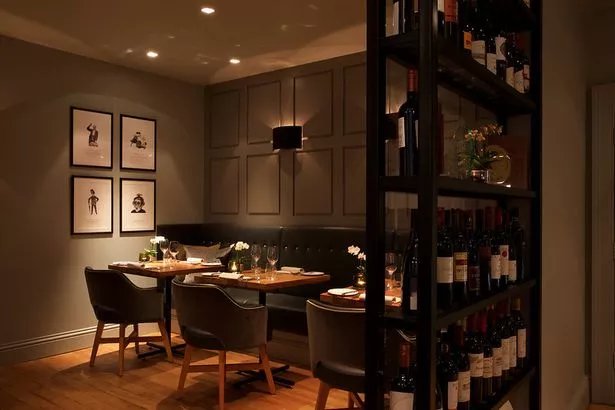
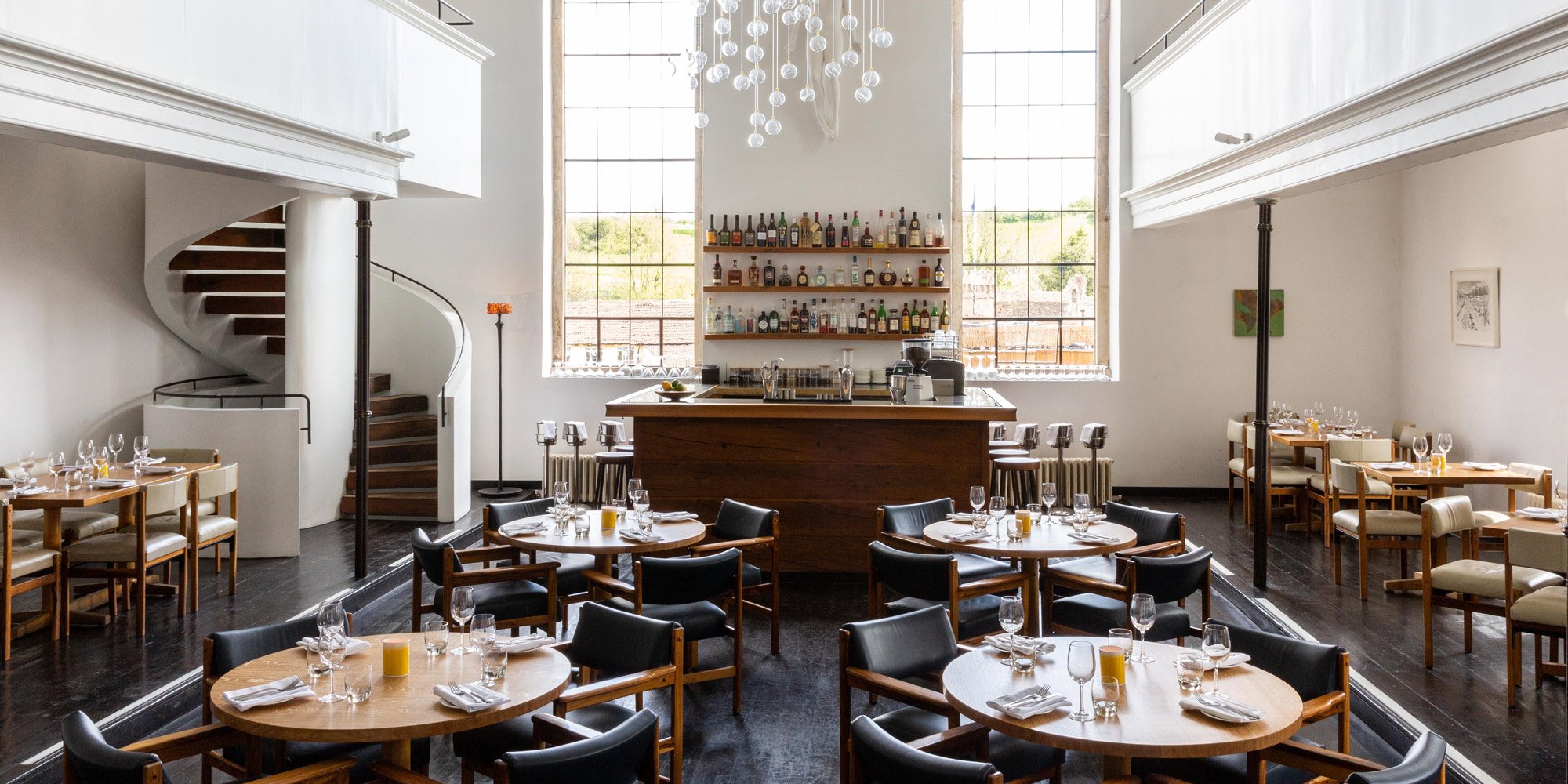
The dining room will be familiar to anyone who visited under its previous occupant. Osip (Modern British) established this space as a destination address in Somerset before Merlin Labron-Johnson's original iteration closed, and the comparison is instructive. Where Osip operated at ££££, Briar's sharing-plates format signals a deliberate step toward informality and a lower barrier to return visits. The walls are now done out in buttermilk and brown rather than the cooler tones of its predecessor, and bare wood tables sit alongside a high shelf stacked with plants. The physical space encourages the kind of mid-week supper that a four-course tasting menu format cannot, which broadens the audience without abandoning the sourcing standards the room built its reputation on.
The wider Bruton dining scene reflects this split between high-formality destination cooking and more accessible neighbourhood formats. Botanical Rooms (Modern British) and DA COSTA (Italian) occupy different points on that spectrum, and Briar's arrival adds a third register: Michelin-recognised quality without the ceremony or the price bracket that typically accompanies it. For a town of Bruton's size, having three distinct contemporary options within walking distance of each other is unusual, and it speaks to the concentration of London-adjacent demand that has reshaped this part of Somerset over the past decade.
How the Kitchen Cooks
Head chef Sam Lomas, previously at Glebe House in Devon, works with a short menu of daily-changing small plates and snacks. The Michelin inspectors who awarded consecutive Bib Gourmands in 2024 and 2025 noted dishes cooked with lightness of touch: a foamy roasted mushroom cream with pickled girolles and crispy kale; four bite-size gougères filled with Westcombe Cheddar custard and topped with wild garlic capers; grilled lamb skewers with Roscoff onions, sumac, mint, and yoghurt. The pattern across those examples is consistent. Acidity is used structurally, pickling and fermentation providing contrast rather than garnish. Fat is present but controlled. Umami comes from the produce itself rather than from reduction or enrichment.
Westcombe Cheddar, produced a few miles from Bruton in Shepton Mallet, is the kind of local credential that many restaurants claim and fewer actually demonstrate on the plate. Its appearance inside a gougère rather than on a cheese board signals that the kitchen is using local sourcing as a cooking resource rather than a marketing point. That distinction matters for the Bib Gourmand designation, which Michelin applies to restaurants offering quality cooking at moderate prices, rather than as a consolation prize for places that fall short of starred criteria. Briar has held it in consecutive years, which confirms consistency rather than a single strong inspection.
Desserts extend the produce logic into the sweeter register. A chocolate mousse arrives with preserved damsons and oat biscuits; a Somerset apple cake with butterscotch and clotted cream. Both anchor to regional identity without becoming folksy. The wine list is short, with all selections accompanied by helpful descriptions, and a useful range is available by the glass, which suits the sharing format and the price point.
Bruton in the Broader British Context
The town's dining density is worth framing against the wider British rural restaurant picture. Destination restaurants in the English countryside have traditionally operated on a high-spend, low-frequency model, the kind found at L'Enclume in Cartmel, Gidleigh Park in Chagford, or Le Manoir aux Quat' Saisons, a Belmond Hotel in Great Milton. These are exceptional addresses by any standard, but they serve a visiting audience and require forward planning measured in months. Briar operates on a different axis. Its Bib Gourmand recognition places it in a peer set alongside operations like Hand and Flowers in Marlow, where Michelin-level discipline meets a format designed for repeat custom. The daily-changing menu reinforces that logic: there is no fixed offering to exhaust, which means the restaurant rewards visits across seasons rather than a single annual pilgrimage.
For readers who have spent time at places like The Fat Duck in Bray, The Ledbury in London, or Moor Hall in Aughton, Briar occupies a deliberately different register, closer in spirit to a neighbourhood local that happens to cook at a serious level than to a temple of gastronomy. The friendliness of service, noted consistently in the Michelin commentary, is not incidental but structural: warm front-of-house is what makes a sharing-plates format work socially, and at Briar it reads as genuinely held rather than performed.
Planning Your Visit
Briar sits at 1 High St, Bruton BA10 0AB, within Number One Bruton. The sharing-plates format means the table can flex in both size and pacing, which makes it one of the more adaptable bookings in this part of Somerset. Three to four plates per person is the kitchen's recommended quantity, and pricing at the ££ tier makes a full table order accessible without the advance financial commitment that some of Bruton's other contemporary options require. The wine list works by the glass throughout, which suits groups eating at different speeds. For broader context on what else the town offers, see our full Bruton restaurants guide, our full Bruton hotels guide, our full Bruton bars guide, our full Bruton wineries guide, and our full Bruton experiences guide.
Budget Reality Check
A fast peer set for context, pulled from similar venues in our database.
| Venue | Price | Awards | Notes |
|---|---|---|---|
| Briar | ££ | Bib Gourmand | This venue |
| Osip | ££££ | Michelin 1 Star | Modern British, ££££ |
| DA COSTA | £££ | Italian, £££ | |
| Botanical Rooms | ££££ | Modern British, ££££ |
At a Glance
- Cozy
- Rustic
- Intimate
- Elegant
- Date Night
- Special Occasion
- Group Dining
- Open Kitchen
- Extensive Wine List
- Farm To Table
- Local Sourcing
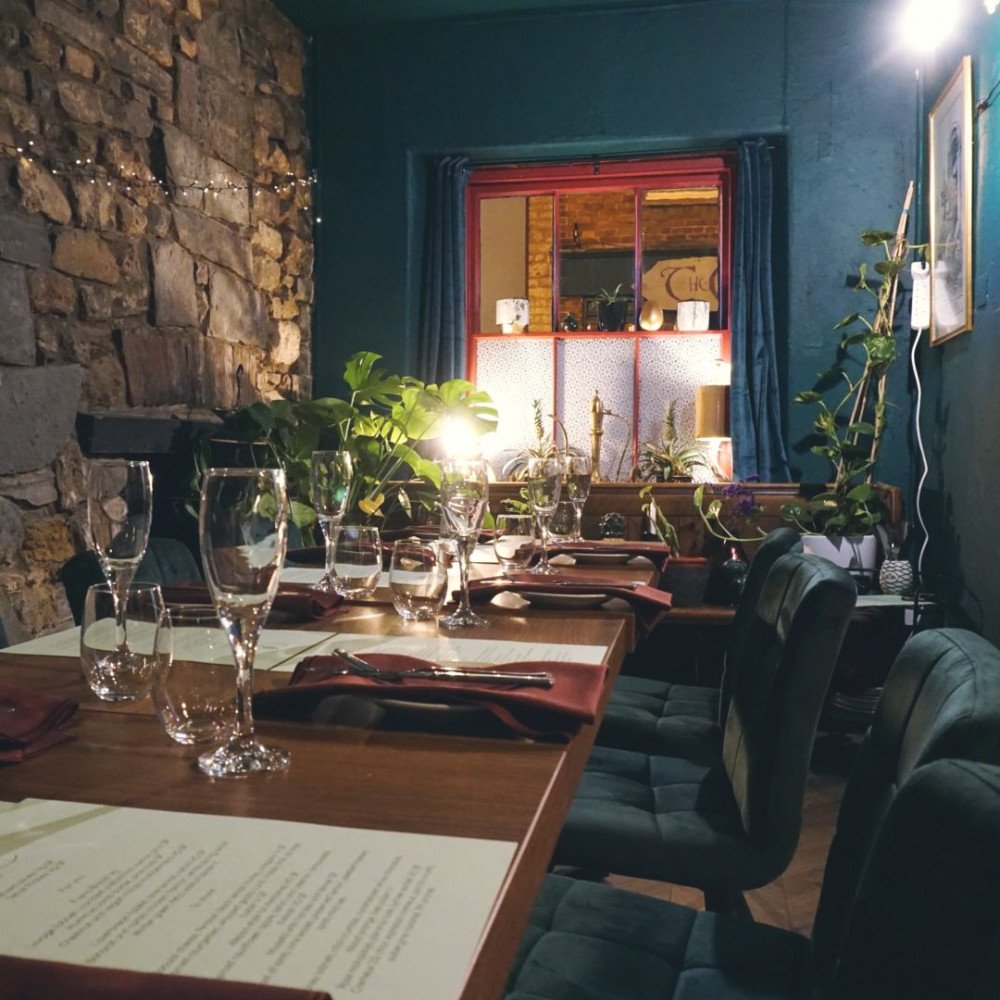
Relaxed and welcoming with sunshine yellow/buttermilk walls, bare wood tables, plants, rustic chic elements, and a warm, friendly neighborhood atmosphere.