Google: 4.8 · 335 reviews
Osip






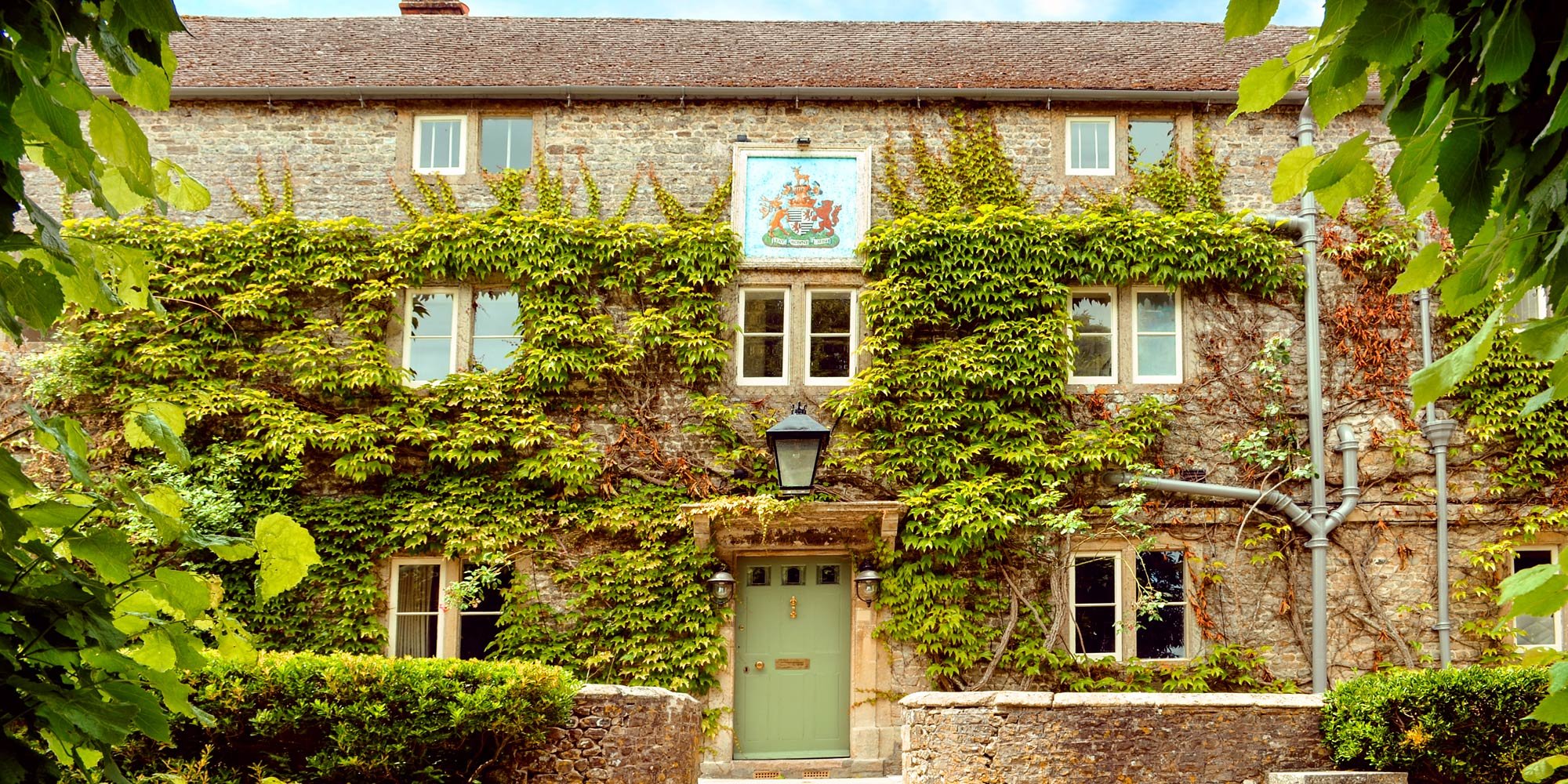
Set in a converted 17th-century coaching inn ten minutes from Bruton, Osip holds a Michelin star and a 91-point La Liste ranking for 2026. Merlin Labron-Johnson's surprise tasting menu draws on two organic smallholdings and a wine list built around low-intervention bottles. Four rooms named after Somerset rivers make it a genuine overnight destination.
 Discover on Pearl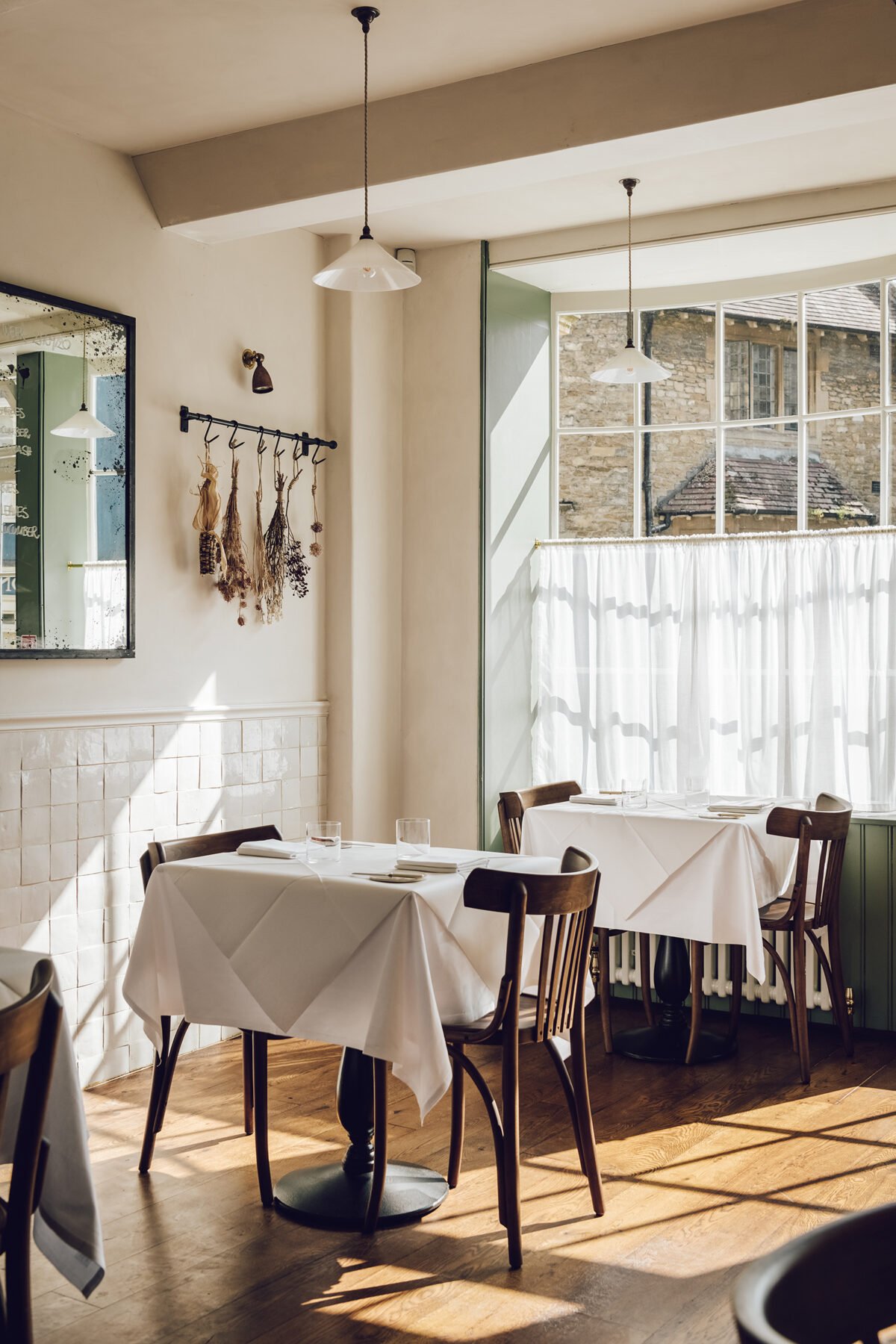
A Former Pub in the Somerset Fields
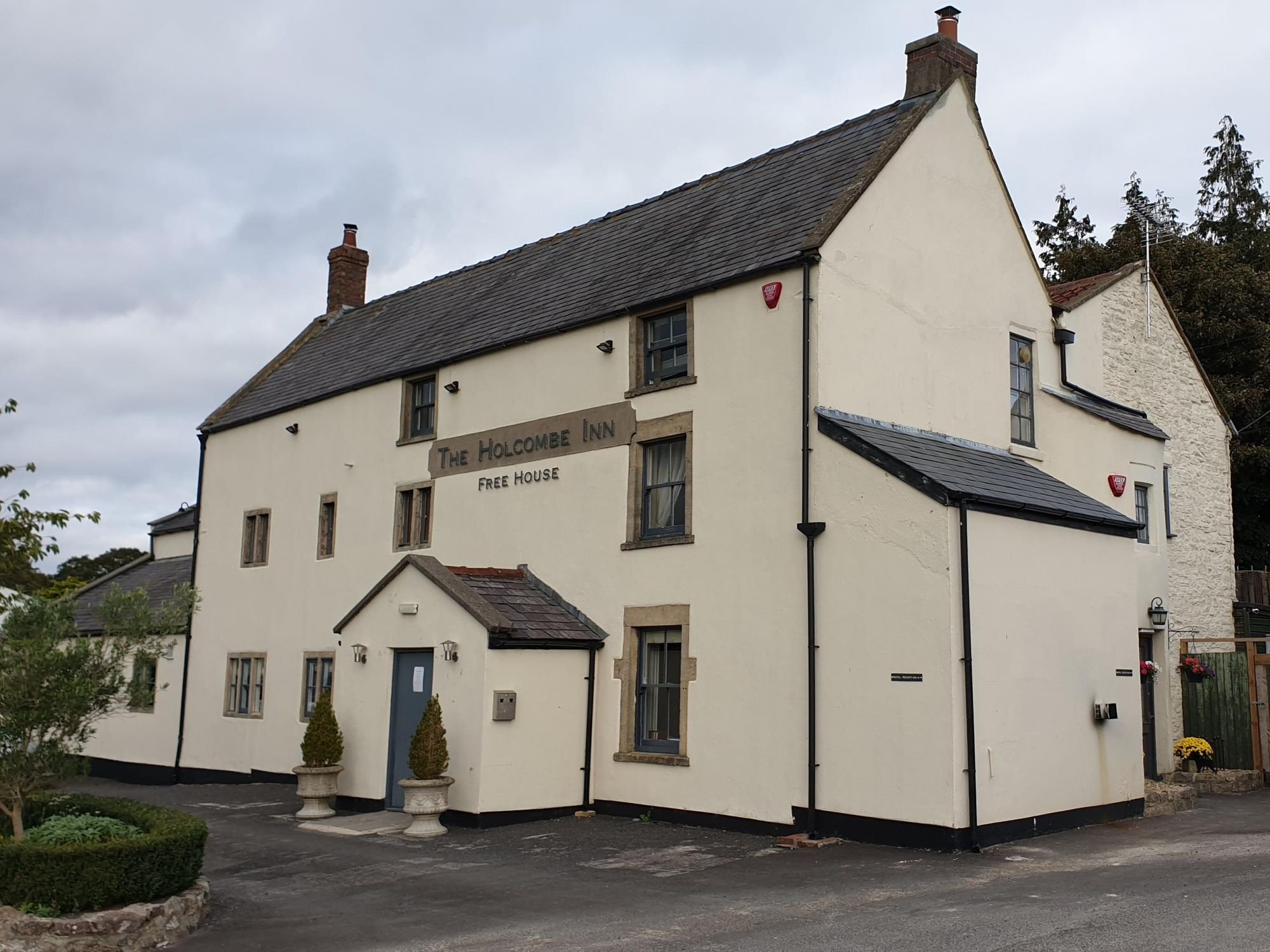
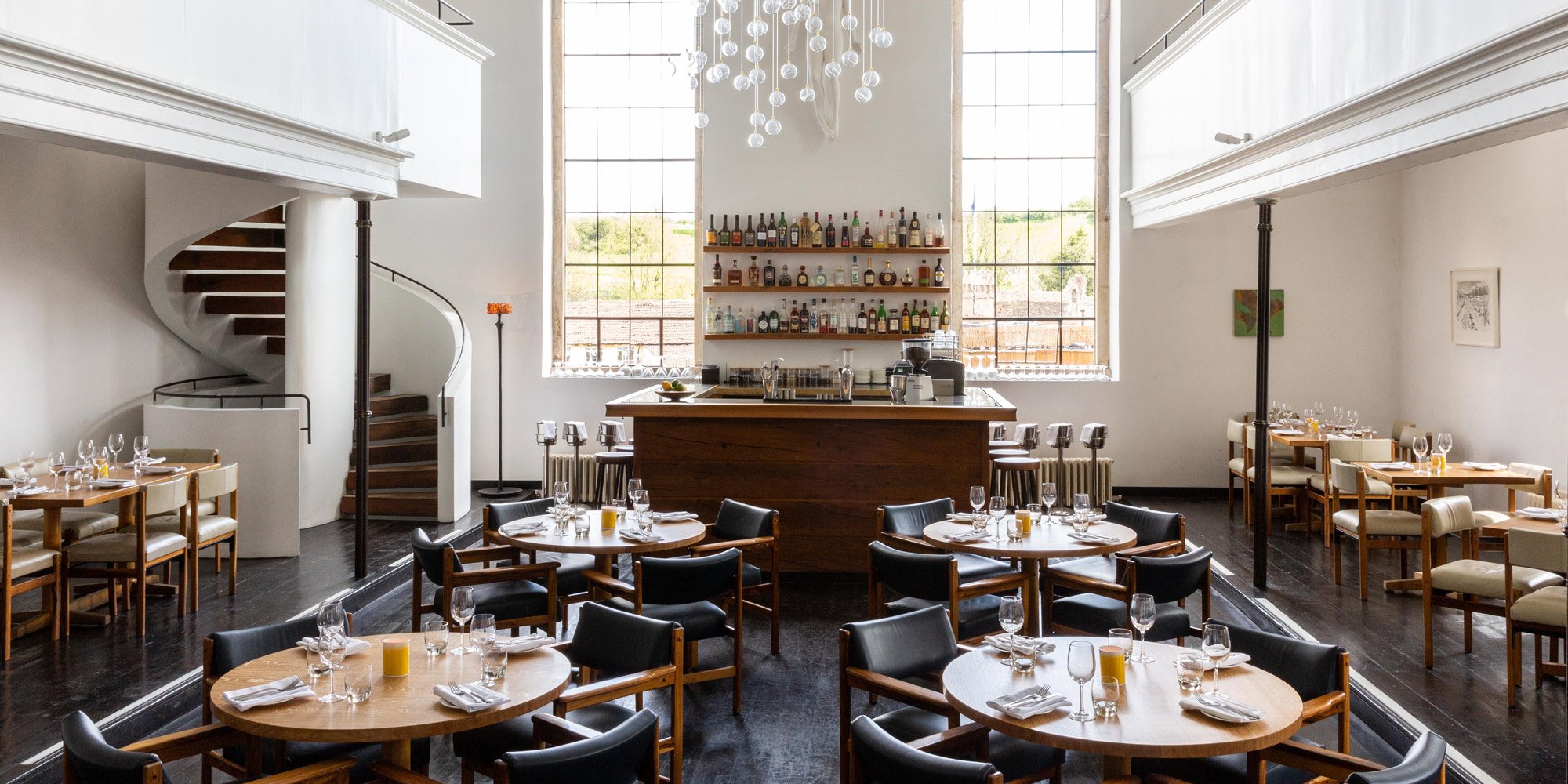
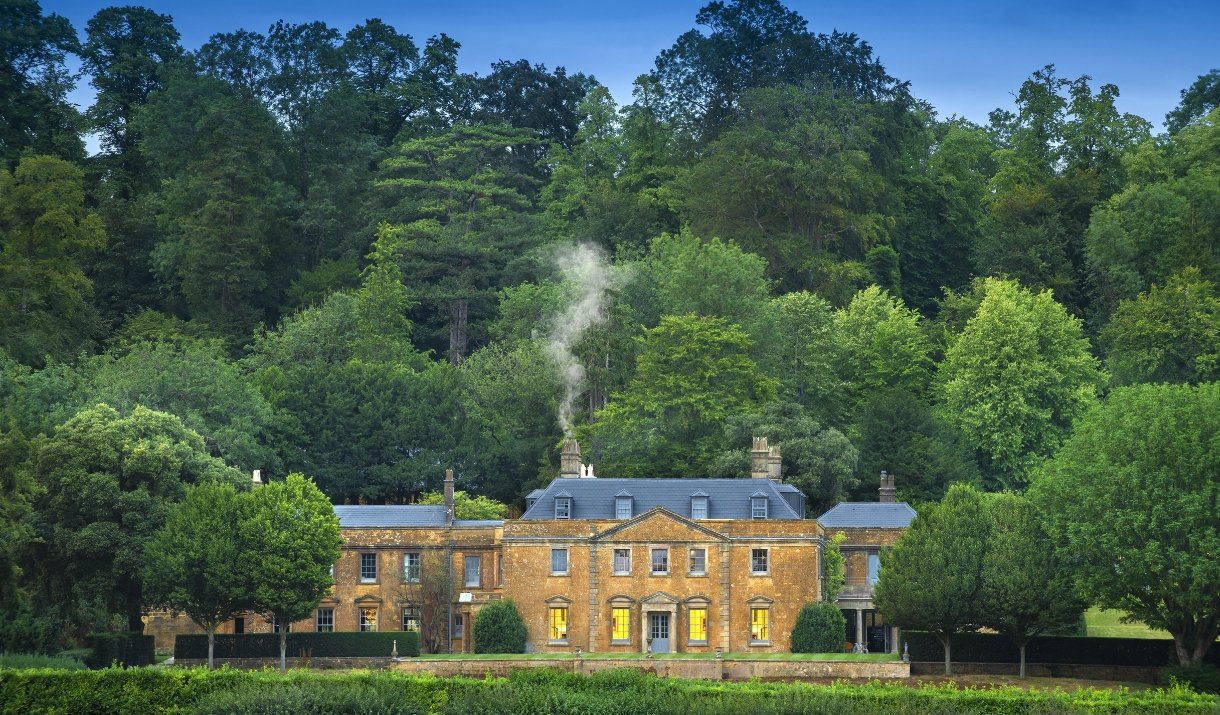
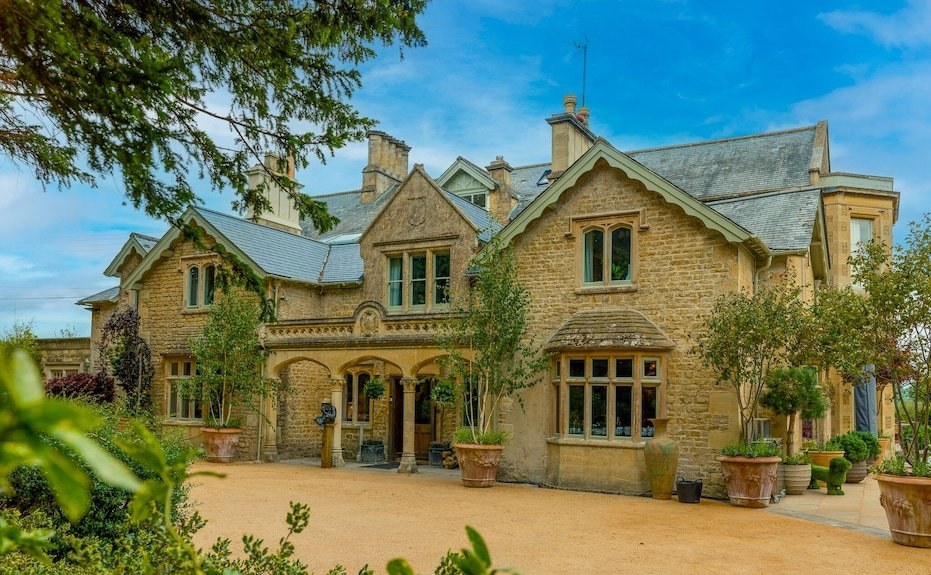
The road to Osip's current address at Hardway, a short drive from Bruton's centre, ends at a building that reads stark white against open pasture. What was once a country pub has been stripped and extended into something closer to a pavilion: bare flagstone floors, plain walls, and a reception lounge where aperitifs and the first amuse-bouche arrive before you have seen a dining room. The architectural reveal comes later. A glass box at the rear houses the main kitchen and part of the dining space, the entire back wall opening onto fields that, in season, supply a portion of what ends up on the plate. The effect is less rural retreat and more working farm made visible — which is precisely the point.
That move from the centre of Bruton to this countryside setting is worth understanding in the context of the broader destination-dining model that British tasting-menu restaurants have pursued over the past decade. Where venues like L'Enclume in Cartmel and Moor Hall in Aughton anchored themselves to specific rural or village economies, Osip's relocation gives it a similar proposition: arrive, stay, eat across multiple meals, walk the land. Four letting rooms named after rivers in Somerset complete the overnight offer, and a kitchen-garden tour and tea house are in development. The infrastructure is being built for extended stays, not just dinner reservations.
The Tasting Menu: Produce as Technique
No menus are presented before the meal begins. Guests discover what they are eating as it arrives, or after, when the full sequence is printed and handed over at the end. This format is common across the tier of British restaurants that take sourcing seriously enough to make the menu a variable rather than a fixed document — but at Osip the stakes of that format are particularly high because the kitchen leans so far toward vegetables and foraged ingredients that a single failed harvest or poor season could change an evening significantly.
The eleven-course dinner is priced at £150 per person; a nine-course lunch runs at £95 per person. Those figures place Osip in the same price bracket as Botanical Rooms in Bruton at the ££££ tier, and above the more accessible Briar and DA COSTA in the same town. In the wider national picture, those prices sit below the upper tier of London destination dining, such as CORE by Clare Smyth or The Ledbury, and in roughly the same range as comparable rural Michelin-starred destinations across England.
The kitchen's approach foregrounds what grows in and around its two organic smallholdings. Tomato tea served as a limpid broth with droplets of fig-leaf oil, French beans over almond cream, lamb served across three preparations , these are dishes where the technical work is present but subordinate to clarity of ingredient. The editorial frequently cited around the restaurant frames this as restraint, though it is more precisely calibration: the cooking is not simple, but it is directed entirely at making a single flavour legible rather than at demonstrating range. A chilled tomato consommé with fig oil, for example, requires considerable technical discipline to achieve the concentration and clarity it demands without leaning on secondary flavour support.
Pastry, Bread, and the Sweet Arc
Savoury-to-sweet transition at tasting-menu level is where kitchens frequently lose the thread they built during the main courses, defaulting to technical showpieces that sit outside the sourcing logic of what preceded them. Osip's record in this territory is more consistent than most. Churros with meadowsweet ice cream, blackberry compôte and marigold leaves keep faith with the foraged and garden-grown register of the rest of the meal. Meadowsweet , a hedgerow flower with a faint almond scent , is not a standard pastry ingredient, and its appearance as the dominant flavour in an ice cream is both a precise seasonal choice and a demonstration of the kitchen's willingness to use unfamiliar ingredients in central rather than decorative roles.
Optional cheese supplement is worth noting as an example of how the kitchen handles supplementary courses: Baron Bigod, a Suffolk-made Brie-style cheese, is melted over fruit bread, topped with black truffle, and finished at the table with honey from the restaurant's own hives. That last detail matters. The hives are on site, which means the honey is traceable to a specific landscape rather than being a sourcing gesture. It is a small distinction but consistent with the kitchen's general preference for provenance that can be walked to rather than ordered in.
The Wine List
Somerset is not a wine-producing region, so Osip's list functions as a curatorial rather than a regional document. It has been expanded since the move to Hardway and continues to focus on low-intervention bottles from small producers, with organic and biodynamic options. Wine pairings are available and explained by the sommelier. This approach places the list in a cohort that has become standard at serious British tasting-menu restaurants, though Osip's pairing prices and overall list scope are consistent with its food pricing tier , accessible relative to London comparators like The Ritz Restaurant, more considered than casual dining. For those travelling to Somerset with wine as a secondary interest, the wider context is thin: the county does not have a native production tradition comparable to wine regions found elsewhere in the UK, but the restaurant's list compensates with genuine depth in its chosen style.
Service and Space
The front-of-house team at Osip is young and, by most accounts, unusually well-briefed. Staff can speak to specific suppliers and to what is currently growing on the restaurant's smallholdings , a level of supply-chain literacy that reflects the degree to which the kitchen is embedded in its source material. At destination restaurants where the food philosophy is central to the proposition, that knowledge transfer to service matters. When a dish of foraged herbs or an unusual ferment arrives, the conversation that accompanies it shapes how the guest experiences it. The team here, by consistent report, handles that responsibility without becoming lecturing or performative about it.
Reservations at this level of destination dining in rural England typically require planning weeks to months in advance. Guests travelling from London face a two-hour drive to the Somerset address; the nearest rail connections run to Castle Cary, a few miles from Bruton. Those combining the meal with a wider Somerset visit will find the region's food and drink scene covered in our full Bruton restaurants guide, Bruton hotels guide, Bruton bars guide, Bruton wineries guide, and Bruton experiences guide. Allow several hours for dinner; the full sequence is not a meal to be rushed toward an early train.
Where Osip Sits in the National Conversation
The Michelin star, awarded in 2024, and La Liste's 91-point placement in its 2026 ranking put Osip in a clearly defined tier of British destination restaurants. That peer set includes rural operators like Gidleigh Park in Chagford and Hand and Flowers in Marlow, as well as the more formally structured Le Manoir aux Quat' Saisons in Great Milton and Restaurant Andrew Fairlie in Auchterarder. What distinguishes Osip within that group is the degree to which its sourcing geography is also its physical address. The kitchen does not source from the region and then locate itself at a convenient distance from it , it is on the land. That compression of farm and dining room into a single property is not new in British restaurant history, but it is rare at this execution level, and it gives the new Hardway premises a coherence that the original Bruton town-centre location, however successful, could not have achieved.
Chef Merlin Labron-Johnson's reputation was already established before the La Liste ranking and the Michelin star, but those credentials confirm Osip's position in a tier where the Fat Duck end of British fine dining and the hyper-local farm-table end are no longer the only reference points. Osip operates in the space between them: technically serious, sourcing-led, and now physically embedded in the Somerset countryside in a way that makes the meal and the landscape a single proposition.
What Do People Recommend at Osip?
Guests consistently single out the vegetable and foraged-herb courses as the most memorable part of the sequence, with specific mentions of a beetroot taco with salted egg yolk, fallow deer, and fried parsnip as courses that shift expectations. The meadowsweet ice cream has a following of its own. Longer-standing visitors point to game pithivier and a preparation of squid, pig's head and black truffle as recurring highlights when they appear on the rotating menu. The cheese supplement , Baron Bigod with black truffle and house honey , is recommended by guests who take the optional course. For those new to the format, the consensus is that the vegetable cooking, specifically the way ordinary ingredients carry concentrated flavour, is the thing that most surprises first-time visitors. The Google rating sits at 4.8 across 299 reviews, a consistency that is notable for a restaurant operating at this price point and format.
Just the Basics
A quick look at comparable venues, using the data we have on file.
| Venue | Notes | Price |
|---|---|---|
| Osip | This venue | ££££ |
| Briar | Contemporary, ££ | ££ |
| Botanical Rooms | Modern British, ££££ | ££££ |
| DA COSTA | Italian, £££ | £££ |
At a Glance
- Intimate
- Rustic
- Modern
- Elegant
- Cozy
- Sophisticated
- Special Occasion
- Date Night
- Open Kitchen
- Garden
- Natural Wine
- Sommelier Led
- Farm To Table
- Local Sourcing
- Garden
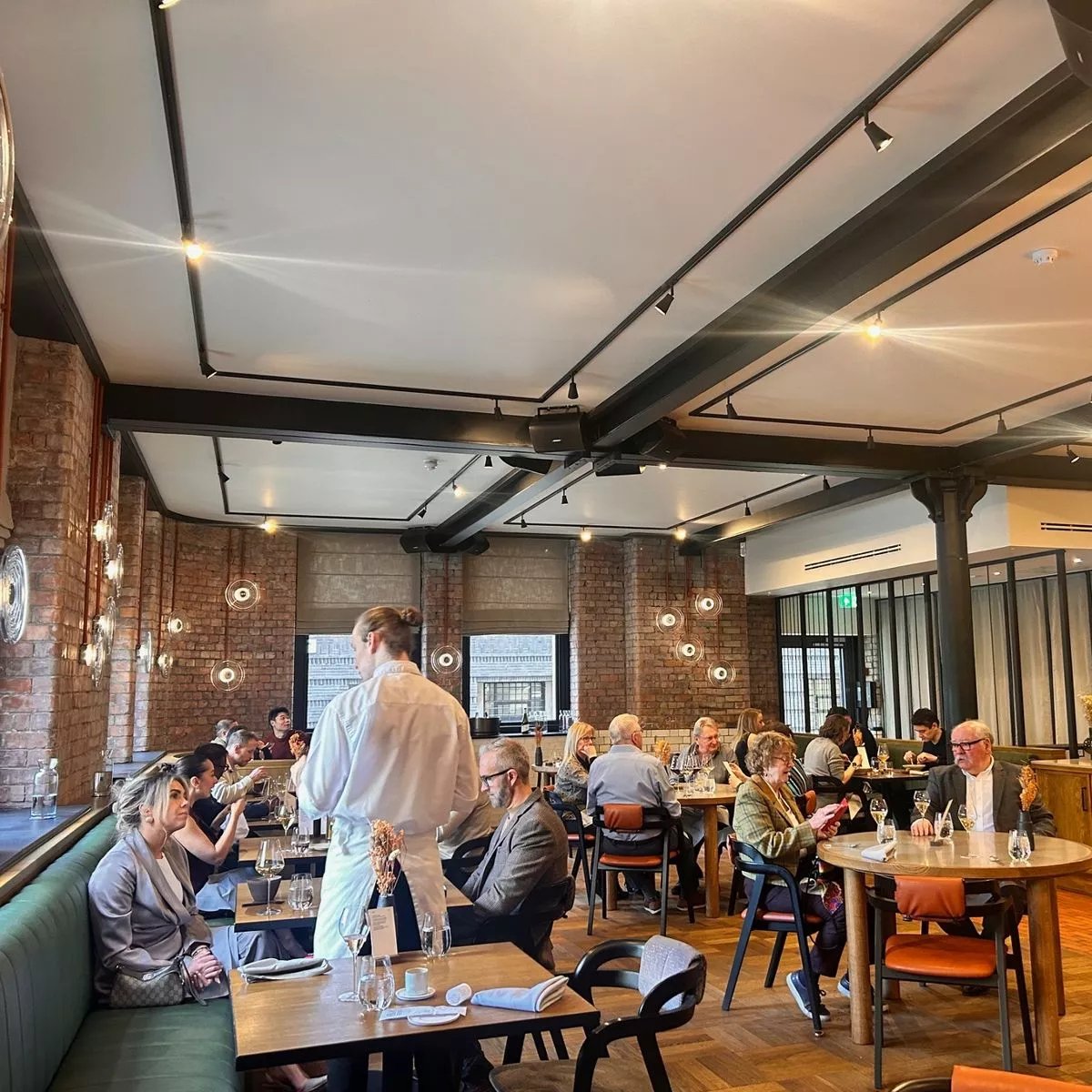
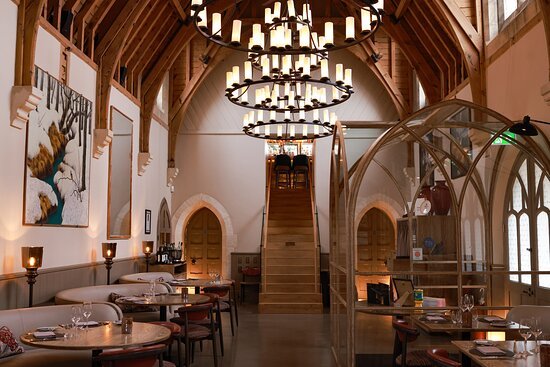
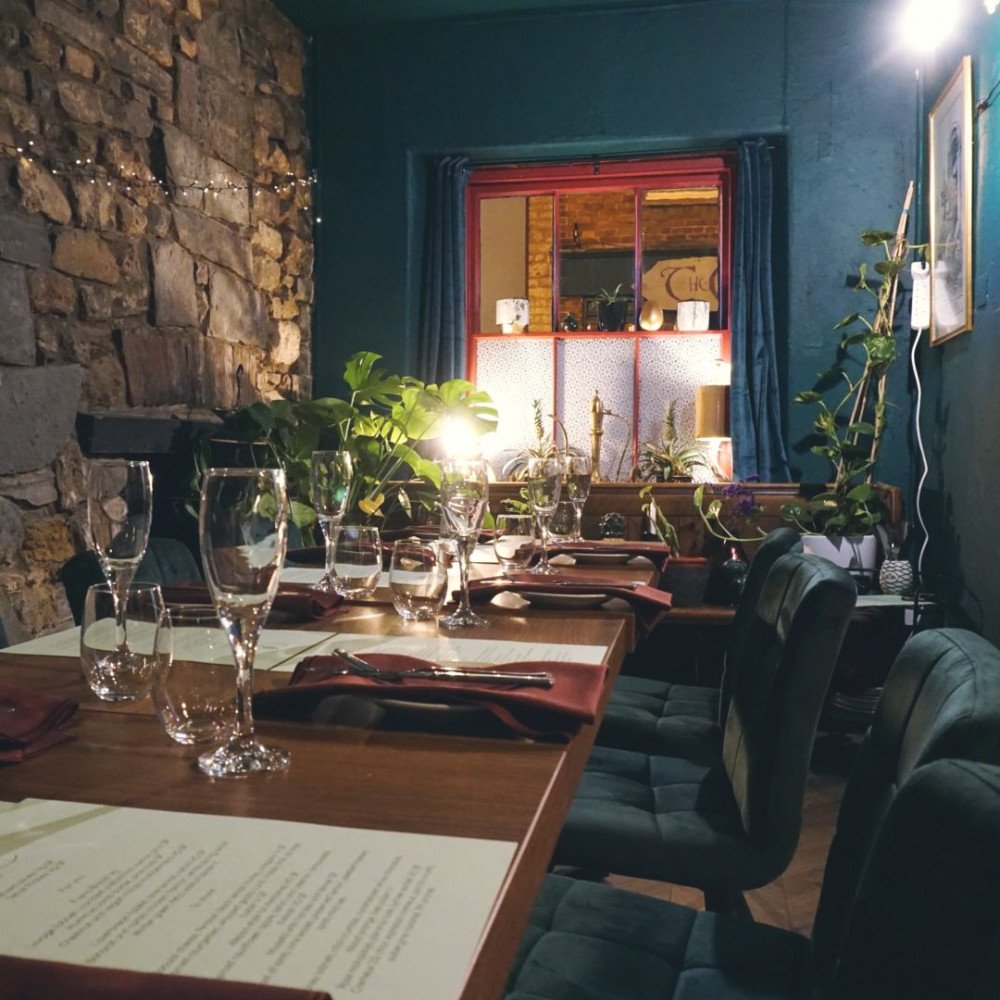
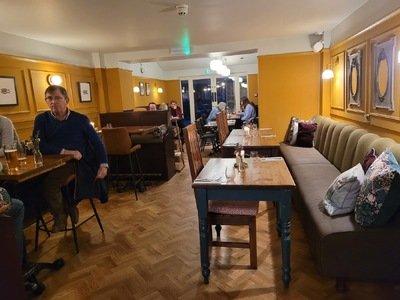
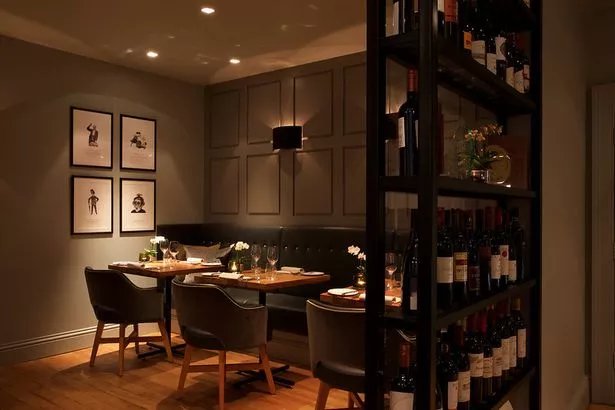
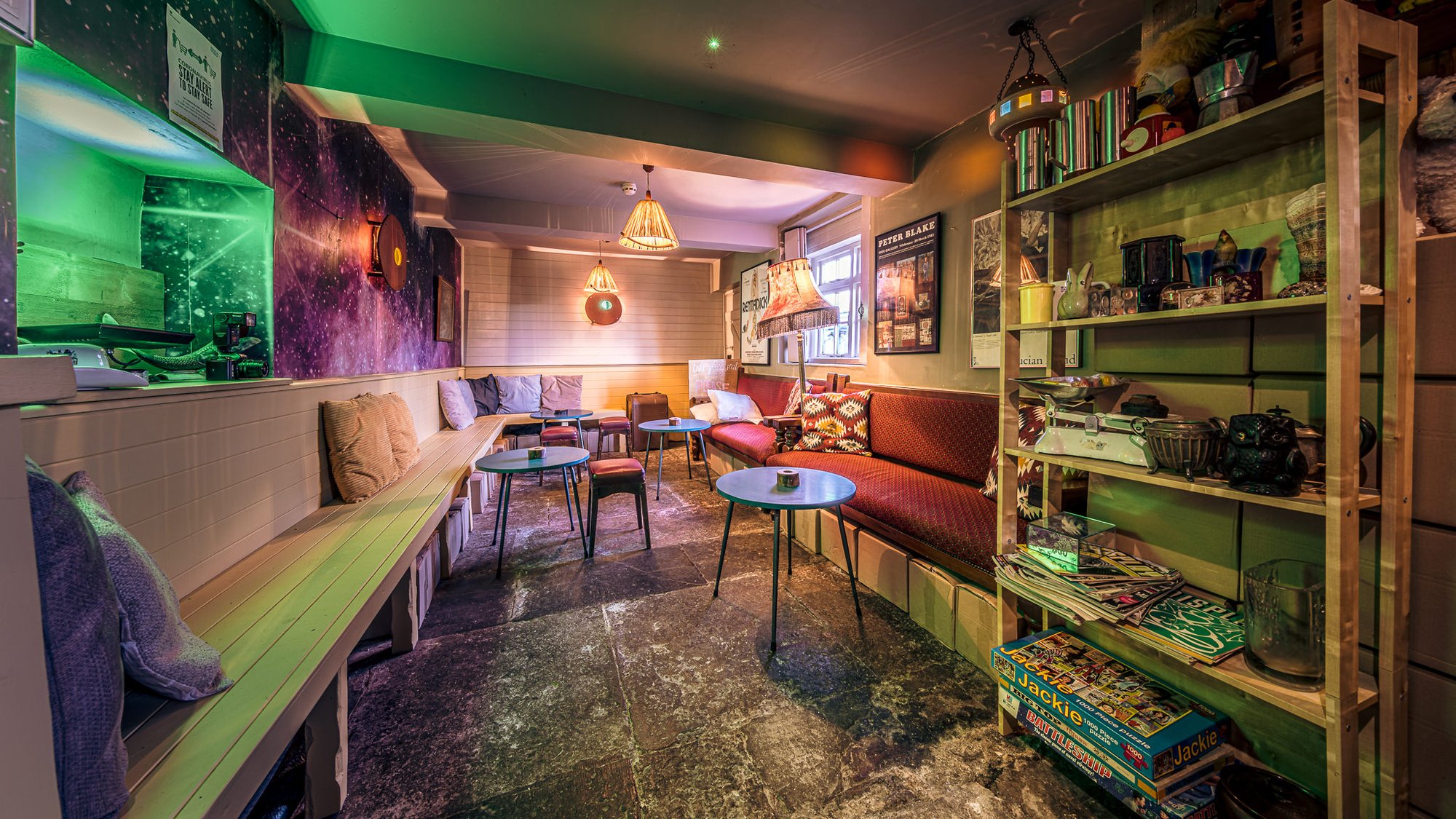
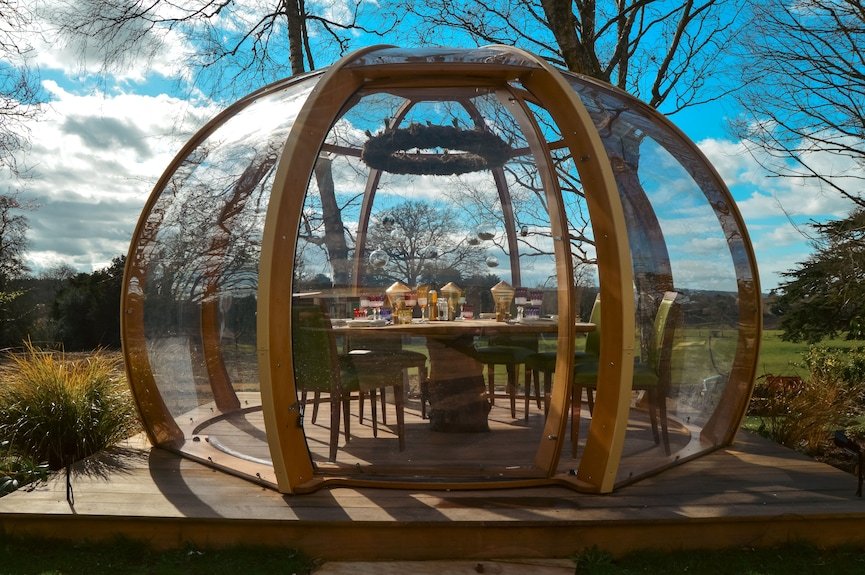
Intimate and thoughtfully designed space blending rustic charm with clean modernity, featuring an open kitchen, welcoming log fire, white walls, and views to the wildflower meadow and garden; quiet and cozy with a luxurious, living-room-like bar area.