
World's Best Wine Lists Awards WBWL 3-Star
Our verdict
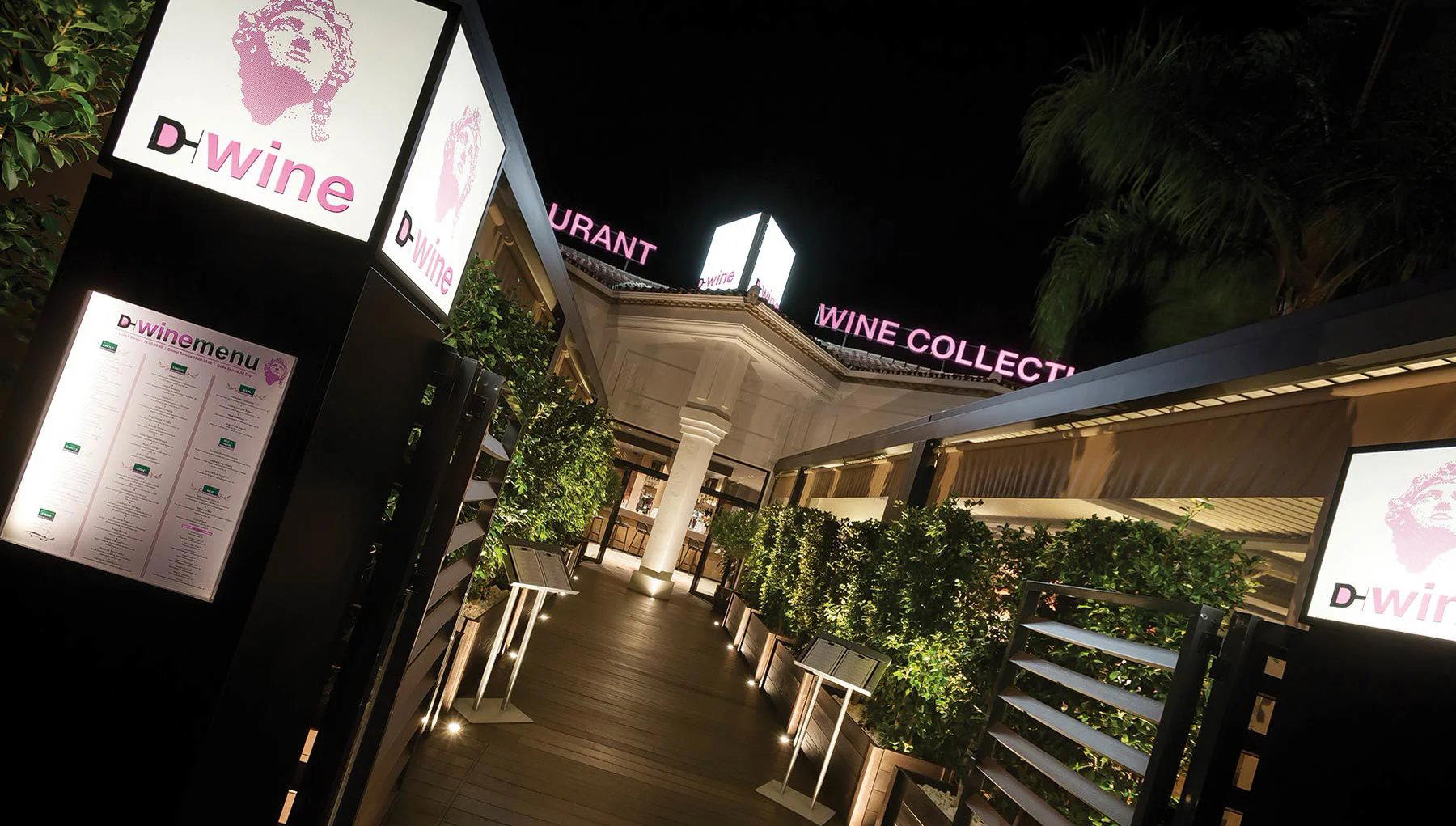
D-Wine Marbella holds a 3-Star Accreditation from the World of Fine Wine Awards, placing it among a small cohort of recognised wine-focused venues on the Costa del Sol. Located on Calle Ana de Austria in central Marbella, the address sits within walking distance of the old town's dining circuit, making it a practical anchor for an evening centred on serious wine and food.

Pearl is the En Primeur Club membership app, where members save venues, book tables and use the concierge.
The menu
What to order
- Tuna tartare
- Snails in Burgundy
Wine Culture on the Costa del Sol
Marbella's dining scene has spent the past decade pulling in two directions at once. On one side, resort-facing restaurants built around spectacle and volume; on the other, a smaller cohort of independently minded addresses that prioritise produce, craft, and in some cases wine as a central discipline rather than an afterthought. That accreditation is a meaningful signal: the World of Fine Wine evaluates across selection breadth, service knowledge, and list architecture, not merely the presence of premium labels.
The address on Calle Ana de Austria places D-Wine Marbella inside the gravitational pull of the old town, a neighbourhood that increasingly functions as the city's serious-dining corridor. Comparable venues in the area include Skina, which operates at the €€€€ tier with a seasonal Andalusian tasting format, and BACK, a modern cuisine address drawing from a similar design-conscious, wine-literate audience. D-Wine's identity as a wine-led venue rather than a kitchen-led one gives it a distinct position within that circuit.
The Role of Wine Programmes in Southern Spanish Dining
Andalusia has historically been understood through its sherry culture: the triangle formed by Jerez, Sanlúcar de Barrameda, and El Puerto de Santa María produces fino, manzanilla, amontillado, and palo cortado in a tradition that predates most of Europe's modern wine classifications. That heritage rarely translates directly into Marbella's dining rooms, which tend to skew international in both clientele and list construction. A venue that takes wine seriously in this city is therefore working against a prevailing current, and the depth of engagement that earns a 3-Star World of Fine Wine accreditation reflects a deliberate editorial stance on what a wine programme should do.
The broader Spanish fine dining conversation has been dominated by kitchens: El Celler de Can Roca in Girona integrates sommelier-led wine service as a co-equal element of the tasting experience; Arzak in San Sebastián pairs Basque tradition with a cellar built over decades; Aponiente in El Puerto de Santa María works with regional marine ingredients alongside wine pairings that reflect Andalusian terroir. At the creative end, DiverXO in Madrid and Azurmendi in Larrabetzu represent kitchen-first models where wine plays a supporting role. D-Wine operates from the opposite premise: the wine list is the primary architecture, and the food proposition is built around it.
This model is not uniquely Spanish. In cities like New York, restaurants such as Le Bernardin have long treated the wine programme as structurally equivalent to the kitchen. In New Orleans, Emeril's operates within a tradition where beverage programming is embedded in the hospitality identity. What makes a wine-first address in Marbella worth noting is context: the city's high-season turnover and tourist-facing orientation create market pressure toward accessible, high-margin lists rather than curated depth.
Placing D-Wine in Marbella's Competitive Set
Within Marbella's current dining field, wine-programme depth is not a common differentiator. Messina operates at the creative end of the local spectrum with a kitchen-driven identity; Nintai brings Japanese discipline to a coastal audience more accustomed to Mediterranean formats; Andala Marbella anchors Andalusian cooking to a local, produce-driven perspective. None of these are primarily wine venues. D-Wine's accreditation therefore marks a gap filled: a Marbella address where the list itself justifies the reservation.
Three-star accreditation from the World of Fine Wine places D-Wine in a small national cohort. The standard requires not just range but intelligence of selection, service capability, and list organisation that helps a guest find their way through without guidance becoming a performance. In a resort city where wine lists frequently function as revenue instruments rather than curation exercises, that standard carries weight.
Comparable wine-focused venues in other Spanish cities, those holding equivalent or adjacent recognition, typically position their lists around regional specificity, with Rioja and Ribera del Duero anchoring national identity and international selections organised by style or appellation. A list earning 3-star recognition at a coastal Andalusian address would be expected to engage with southern Spanish wine culture, including the fortified traditions of the south and the growing number of serious table wine producers now working in Málaga province and the broader Andalusian interior.
Visiting D-Wine Marbella
The venue is located at Calle Ana de Austria, 2, in central Marbella, within the old town area that anchors the city's most concentrated block of serious dining. For those building a broader Marbella itinerary, the full Marbella restaurants guide maps the complete dining field, while the Marbella hotels guide covers accommodation options at different price points. The Marbella bars guide and Marbella wineries guide extend the drink-focused itinerary, and the Marbella experiences guide covers the broader cultural programme.
Reservations should be confirmed directly with the venue. Given that high season on the Costa del Sol runs from late June through August, and that wine-focused venues in Marbella's old town see significantly higher demand during that window, booking ahead is advisable for summer visits. The old town is walkable from the central Marbella bus station and accessible by taxi from the main hotel strips along the Golden Mile and Nueva Andalucía.
For reference, Marbella's old town dining circuit is leading approached in the evening; many serious-format venues in the area do not open for lunch service, or maintain compressed midday hours. Confirming opening times directly before visiting remains the reliable approach.
Those with wider interest in Cocina Hermanos Torres in Barcelona or exploring what the Spanish dining scene produces beyond its headline kitchen addresses will find that wine-first venues like D-Wine represent a distinct and less covered strand of the national hospitality offer.
Frequently asked questions
Does D-Wine Marbella work for a family meal?
D-Wine's World of Fine Wine 3-Star Accreditation signals a format built around serious wine engagement rather than casual family dining. The orientation is toward guests who treat the wine programme as a central part of the visit, not an accompaniment. Families with younger children would likely find a better fit elsewhere in Marbella's old town.
How would you describe the vibe at D-Wine Marbella?
In a dining district where most venues compete on terrace visibility and seasonal volume, D-Wine positions itself around programme depth. Expect a more considered pace than Marbella's louder summer circuit.
Has D-Wine Marbella won any awards?
D-Wine Marbella has received recognition including:
What's D-Wine Marbella's location?
D-Wine Marbella is located at C. Ana de Austria, 2, 29670 Marbella, Málaga, Spain, Marbella.
Cost Snapshot
Comparable venues nearby, for context on price, style, and recognition.
| Venue | Cuisine | Price | Awards | Notes |
|---|---|---|---|---|
| D-Wine MarbellaThis venue (the venue you are viewing) | Spanish Fine Dining with Extensive Wine Selection | $50–100 | World's Best Wine Lists Awards WBWL 3-Star | Not listed |
| Andala Marbella | Modern Andalusian Gourmet Tapas | Not listed | Opinionated About Dining Casual in Europe | Marbella center, Modern Andalusian Gourmet Tapas |
| Bibo Dani Garcia | Modern Spanish Brasserie and Tapas | Not listed | Not listed | Puente Romano, Modern Spanish Brasserie and Tapas |
| Sea Grill | Mediterranean Seafood Grill | $100–150 | Star Wine List · Wine Spectator Best of Award of Excellence | Golden Mile, Mediterranean Seafood Grill |
| Tahini Marbella | Japanese Sushi Bar | Not listed | Not listed | Golden Mile, Japanese Sushi Bar |
| La Fonda Restaurante | Modern Spanish Tapas | $50–100 | Relais Chateaux Award | Old Town, Modern Spanish Tapas |
Recognition history
Dated appearances from independent guides and award organizations, with the underlying list record or original source where available.
World's Best Wine Lists Awards WBWL 3-Star
World's Best Wine Lists Awards
Continue exploring
More in Marbella
Restaurants in Marbella
All restaurants in Marbella →
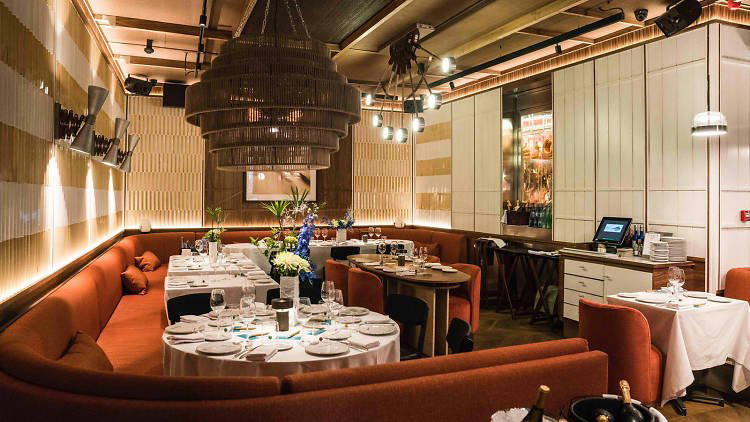
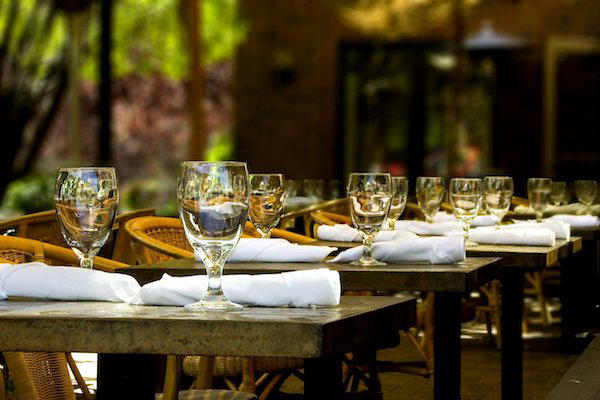
Bars in Marbella
All bars in Marbella →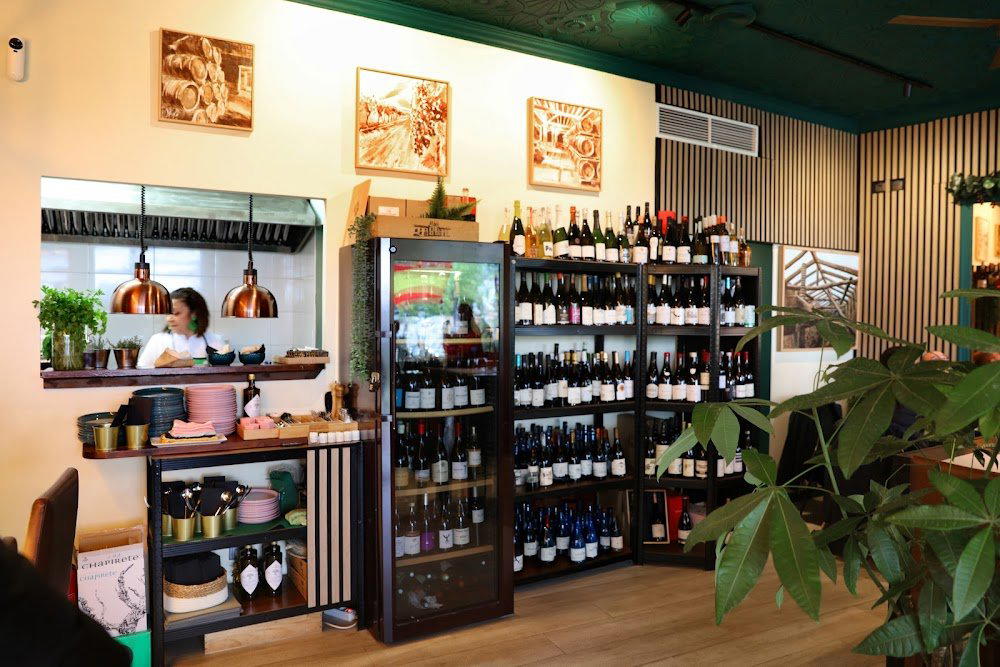
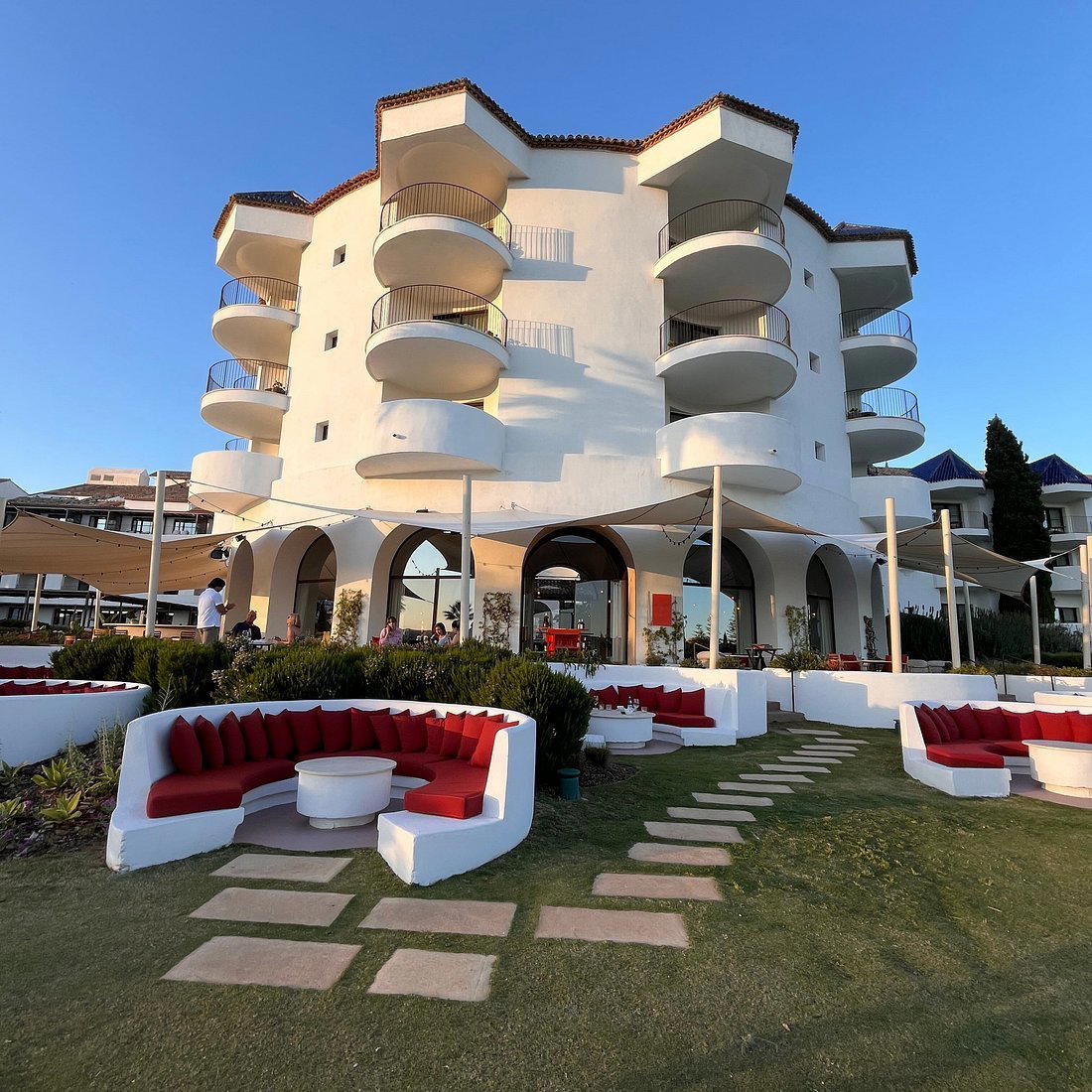

Hotels in Marbella
All hotels in Marbella →
Wineries in Marbella
Browse all →
D-Wine Marbella
The wine
- Wine program
- Deep wine list
- Extensive wine list
Details
- Elegant
- Sophisticated
- Intimate
- Date Night
- Special Occasion
- Terrace
- Wine Cellar
- Extensive Wine List
- Local Sourcing
- A La Carte
- Spanish Wines
Current opening hours
- Monday
- 1 PM–1 AM
- Tuesday
- 1 PM–1 AM
- Wednesday
- 1 PM–1 AM
- Thursday
- 1 PM–1 AM
- Friday
- 1 PM–1 AM
- Saturday
- 9–11:30 AM, 1 PM–1 AM
- Sunday
- 9–11:30 AM, 1 PM–1 AM
Hours can change for holidays and private events. Hours as of .
Elegant dining room with terrace and large wine cellar, offering a charming lounge for pre-meal drinks and tastings.