Yuta


Inside The Lodge at Blue Sky, Auberge Resorts Collection, Yuta anchors its modern American menu in the layered history of the Wasatch Back: indigenous Ute tradition, Spanish and Mexican exploration, and the railroad workers who shaped the region. James Beard Award-winning chef Galen Zamarra leads a kitchen that sources from an onsite farm and local Utah purveyors, with a wine list spanning 1,055 selections across California, Mexico, and France.
Pearl is the En Primeur Club membership app — saves, bookings, and concierge access live there. Same editors, same standards.
- Address
- 27649 Old Lincoln Hwy, Wanship, UT 84017
- Phone
- (435) 336-6420
- Website
- auberge.com
- Directions
- Get directions
 Saves & bookings on Pearl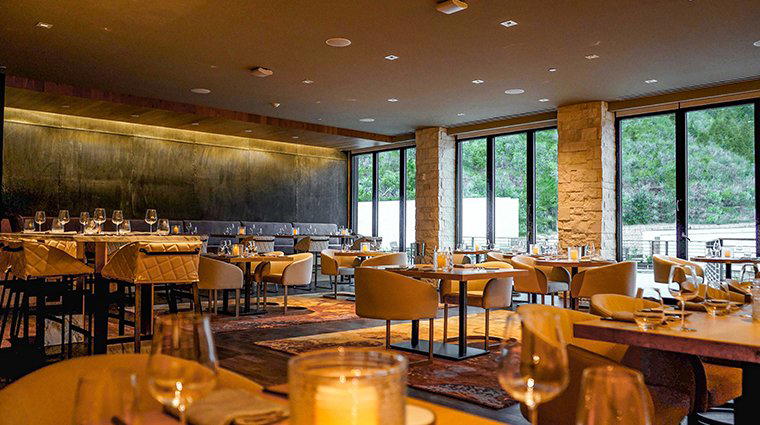
Where the American Steakhouse Tradition Meets the Wasatch Back
The American steakhouse has always been a place where the setting and the sourcing do as much work as the plate. From the sawdust floors of 19th-century New York chophouses to the white-tablecloth formality of Peter Luger Steak House to the modern fire-and-provenance temples that now operate in resort markets, the format has repeatedly reinvented itself around the same core instinct: give people serious meat, serious wine, and a room worth sitting in. Yuta is a restaurant in Wanship, Utah, at 27649 Old Lincoln Hwy, and it reads as a distinctly Western iteration of that lineage. Its setting in Wanship, roughly 30 miles east of Park City along Old Lincoln Highway, places it outside the resort town's main dining corridor entirely, which means guests arrive with intention rather than convenience.
The approach here is not the tableside-porterhouse theatre of a CUT-format steakhouse. It is something quieter and more regionally grounded: a menu shaped by the indigenous Ute peoples who gave the restaurant its name, the Spanish and Mexican explorers who moved through the territory, and the Chinese and Eastern European laborers who built the railroad infrastructure across Utah in the 1800s. That historical framework, applied to a wood-burning hearth kitchen and a farm-to-table sourcing model, puts Yuta in the company of American restaurants that treat their geography as a primary ingredient rather than a backdrop.
The Room and What It Signals
Resort dining in the mountain West has a tendency toward log-cabin maximalism: exposed timber, antler chandeliers, and interiors that communicate wilderness rather than live inside it. Yuta takes the opposing position. The design is clean and contemporary, with neutral tones that read as deliberate restraint against the alpine terrain visible through the windows. That aesthetic decision is worth noting, because it sets expectations for the food: this is not a restaurant performing ruggedness. It is a room that trusts its location to provide the drama.
The Lodge at Blue Sky sits on a working ranch, and the restaurant operates within that context. An onsite farm supplies organic eggs, vegetables, herbs, wildflowers, and honey. Staff forage seasonally for ingredients such as morel mushrooms, which move onto the menu when available. The result is a sourcing chain shorter than almost anything comparable in Park City's downtown dining scene, where restaurants like Riverhorse Cafe and Powder source regionally but without the same on-property infrastructure.
The Kitchen: James Beard Credentials in an Alpine Context
Resort steakhouses frequently operate with competent but anonymous culinary programs, the kind designed to satisfy rather than to distinguish. Yuta departs from that model. The kitchen is led by chef Yuta. That background is relevant not as biography but as a signal about where the restaurant sits in its comparable set: this is a program with urban fine-dining credentials relocated to a ranch context, a combination that has produced some of the more interesting cooking in American resort dining over the past decade. Comparable ambition shows up at properties like Single Thread Farm in Healdsburg, where the farm-to-table framework is applied with serious culinary weight.
Zamarra's menu draws on the open, wood-burning hearth as its primary cooking instrument, which connects the restaurant back to the oldest American steakhouse tradition: fire. The smoky character this imparts functions as a through-line across the menu, tying ranch-sourced beef preparations to seafood and vegetable courses that might otherwise feel disconnected from the steakhouse frame. Among starters, the kanpachi ceviche with pickled watermelon, tomato, avocado, and cilantro reflects the Mexican and Spanish cultural influences built into the restaurant's concept. The Blue Sky burger, made with a house blend of Wasatch beef, occupies the more direct end of the menu, a deliberate gesture toward the approachable without sacrificing sourcing standards.
Lunch, Dinner, and the Format Decision
Format matters in resort dining, and Yuta makes a considered distinction between its two services. Dinner operates at a different register, with four- to six-course tasting menu options that allow the kitchen to sequence the historical and regional influences more fully. That split format is common among resort restaurants that serve both the active-day guest and the evening-destination diner, but the execution here is more deliberate than most.
For guests comparing dining options across Park City's better-known resort restaurants, including Glitretind Restaurant at Stein Eriksen Lodge and RIME Seafood and Steak, the tasting menu option at Yuta represents a distinct offer: a historically framed, farm-sourced sequence with James Beard-level kitchen credentialing behind it.
The Wine Program
A steakhouse without a serious wine program is a less serious steakhouse. The geographic strengths are California, Mexico, and France, a combination that maps directly onto the restaurant's culinary influences. Corkage is set at $65 for guests who wish to bring their own bottles. For a resort property at this level, that is a reasonable figure, and the availability of the wine room for private events and group bookings adds a further dimension to what the program can deliver.
The wine room overlooks the surrounding mountains and holds Blue Sky's cellar collection. These logistical options make the restaurant more than a single-service proposition for guests staying at the Lodge.
Where Yuta Sits in the Park City Dining Picture
Park City's restaurant scene has broadened considerably over the past decade, with credible programs now extending beyond the Main Street corridor into resort properties and surrounding terrain. High West Distillery and Saloon anchors the whiskey-and-Western-food end of the local market; downtown American dining splits between polished and casual registers. Yuta occupies a category of its own: a resort restaurant with a documented fine-dining pedigree, a farming infrastructure most standalone restaurants cannot match, and a concept grounded in the specific cultural history of the land it occupies. That combination is uncommon in Utah's resort dining market, and it positions Yuta closer to the farm-and-fire seriousness of The French Laundry's sourcing philosophy than to the standard resort steakhouse format.
Reaching Yuta requires a vehicle, as the property sits on Old Lincoln Highway in Wanship rather than within Park City proper. That separation from the main resort cluster is, for most guests, part of the point.
Fast Comparison
Comparable venues nearby, for context on price, style, and recognition.
| Venue | Cuisine | Price | Notes |
|---|---|---|---|
| YutaThis venue — the venue you are viewing | Dining | Not listed | Not listed |
| Squatters Roadhouse Grill Park City | American Gastropub | $$ | Gateway to Park City |
| Flying Sumo | Japanese Sushi & Asian Fusion | $$ | Old Town |
| Szechwan Chinese Kitchen | Szechuan Chinese | $$ | Kimball Plaza |
| Dos Olas | Lively Mexican with Coastal California Influences | $$ | Canyons Village |
| Tupelo Park City | Southern-Influenced Farm-to-Table American | $$$ | Off Main |
Recognition history
Dated appearances from independent guides and award organizations, with the underlying list record or original source where available.
Forbes 4-Star
Forbes
Wine Spectator Best of Award of Excellence
Wine Spectator
Forbes 4-Star
Forbes
Wine Spectator Best of Award of Excellence
Wine Spectator
Continue exploring
More in Park City
Restaurants in Park City
Browse all →
Bars in Park City
Browse all →
Hotels in Park City
Browse all →
Wineries in Park City
Browse all →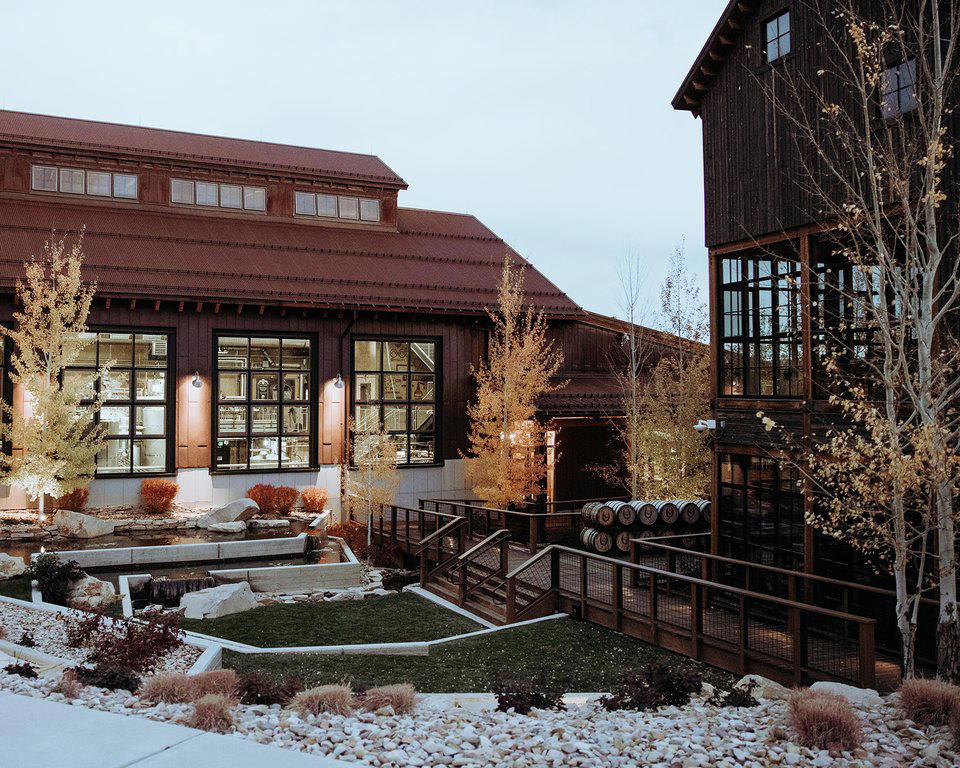
At a Glance
- Scenic
- Sophisticated
- Cozy
- Elegant
- Date Night
- Business Dinner
- Celebration
- Special Occasion
- Hotel Restaurant
- Standalone
- Extensive Wine List
- Sommelier Led
- Farm To Table
- Local Sourcing
- Sustainable Seafood
- Mountain
Current opening hours
- Monday
- 7–10:45 AM, 11 AM–11 PM
- Tuesday
- 7–10:45 AM, 11 AM–11 PM
- Wednesday
- 7–10:45 AM, 11 AM–11 PM
- Thursday
- 7–10:45 AM, 11 AM–11 PM
- Friday
- 7–10:45 AM, 11 AM–11 PM
- Saturday
- 7–10:45 AM, 11 AM–11 PM
- Sunday
- 7–10:45 AM, 11 AM–11 PM
Hours can change for holidays and private events. Last verified .
Upscale mountain-lodge atmosphere with a scenic, refined, and contemporary feel.