
Curry Ya Madras belongs to Osaka’s serious everyday-curry tier: compact, low-priced, and recognized by Tabelog Curry WEST 100 in both 2023 and 2024. In Nipponbashi, its reputation sits closer to the city’s specialist counter culture than to a broad tourist-dining circuit, with a 15-seat room and a cash-only setup shaping the pace.
Pearl is the En Primeur Club membership app — saves, bookings, and concierge access live there. Same editors, same standards.
- Address
- 4 Chome-3-12 Nipponbashi, Naniwa Ward, Osaka, 556-0005, Japan
- Phone
- +81 6-6644-9020
- Website
- tabelog.com
 Saves & bookings on Pearl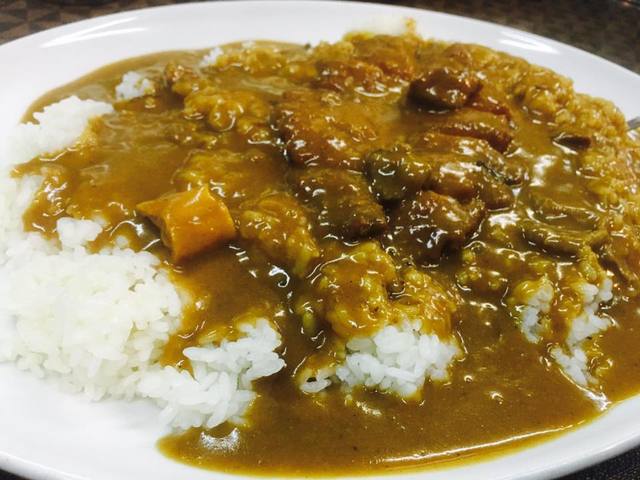
Nipponbashi changes register quickly: electronics shops, hobby stores, station exits, and small food rooms packed into the same working grid. Curry fits that district because it rewards speed without asking the diner to treat the meal as minor. In Osaka, Japanese curry is not only a convenience dish; at specialist addresses it becomes a test of balance, texture, portion logic, and consistency across a narrow format. Curry Ya Madras sits inside that category rather than the hotel-lobby or chef-counter end of the city’s dining spectrum.
The useful way to read its reputation is through critical selection, not spectacle. Tabelog named it to the Curry WEST 100 list in 2023 and again in 2024, a signal that matters in Japan’s curry scene because the category is crowded, inexpensive, and heavily local. A listing there does not make a place formal or rarefied. It says something more practical: enough informed diners rate the cooking, rhythm, and value to separate it from the many curry counters that simply feed the neighbourhood.
Nipponbashi curry culture rewards focus over ceremony
Osaka’s food identity is often flattened into takoyaki, okonomiyaki, and late-night drinking, but the city’s curry map has its own grammar. The serious rooms tend to be small, quick, and price-disciplined. They compete on repeatability rather than theatre. In that context, a 15-seat curry shop carries a different kind of pressure from a tasting-menu restaurant: there is little space for distraction, and the format exposes weak execution fast.
Curry Ya Madras belongs to the low-price end of the recognized Osaka curry field, aligned in budget terms with NOMSON CURRY and Ippotei Honten, while Yuai Tei and aglio olio sit a notch higher on typical spend. That comparison is useful because Osaka curry is not a single style ladder; it splits between quick specialist rooms, spice-forward independents, and places that pull influence from café culture or Western-leaning rice plates. The appeal here is the disciplined version of the genre, not a long-form meal.
The Tabelog score of 3.66 gives the recognition some numerical weight, but the repeated Curry WEST 100 selection is the stronger marker. For a diner deciding where to spend one casual meal in Osaka, the award places it inside a curated regional curry conversation rather than a random Nipponbashi stop. That distinction matters in a city where inexpensive food can be excellent, ordinary, or simply convenient within the same block.
Recognition without the luxury signals
The absence of luxury cues is part of the reading. No chef biography defines the experience, no elaborate service format reframes curry as fine dining, and no tasting-menu language is needed. The room is compact, the category is curry, and the reputation has been built in the public scoring culture that Japanese diners use for everyday specialists. That makes it a sharper choice for travellers who want Osaka’s dining range to include more than queues for famous snacks and high-end sushi counters.
There is a useful contrast with restaurants where awards amplify scarcity. Here, recognition points toward reliability within an accessible format. The listed spend sits at the bottom of the city’s restaurant scale, yet the selection history places the shop in a competitive field that includes both neighbourhood regulars and curry obsessives crossing town for a specific style. That tension is the point: Osaka’s democratic food culture often treats price and seriousness as separate questions.
For a premium travel itinerary, that makes Curry Ya Madras a corrective. It is not the reservation that anchors an evening, and it is not trying to be. It works better as a precise lunch or early dinner decision in Naniwa Ward, especially when the day already includes shopping or walking around Nipponbashi and Ebisucho. The editorial value is not glamour; it is calibration. A city’s dining character is clearer when the itinerary includes the specialist places locals rate alongside the formal rooms visitors already know to chase.
How to place it in an Osaka itinerary
The practical read is simple: treat this as a focused curry stop, not a lingering dining room. Reservations are listed as available, the room is small, and payment is cash only, with cards, electronic money, and QR payments not accepted. The shop is non-smoking and sits near Ebisucho Station, making it easy to pair with Nipponbashi rather than a separate cross-city detour. Paid parking exists around Nihonbashi Electric Town, but the rail approach fits the neighbourhood better.
Because the category is narrow, the decision should be intentional. Diners looking for a full-service evening with wine, courses, and a long table turn should spend that meal elsewhere. Diners trying to understand Osaka through its everyday specialist food should pay attention. The city’s range is visible in exactly this contrast: curry under JPY 1,000 can earn regional recognition, while other meals in the same trip might move toward Italian counters, bakeries, pork buns, bars, hotels, or cultural experiences.
For adjacent planning, compare the broader city edit through Our full Osaka restaurants guide, then branch into specific Osaka addresses such as .cafe, 52CHO-ME BAKERY, 551 Horai (551蓬莱), 99 Pizza Napoletana Gourmet, and a canto (Italian). For the non-restaurant parts of the trip, keep Our full Osaka hotels guide, Our full Osaka bars guide, Our full Osaka wineries guide, and Our full Osaka experiences guide in the same planning set.
Travellers mapping Japanese casual dining beyond Osaka can compare other city formats through -Grilled beef Sukiyaki- KAMAKURA TANUKIAN 鎌倉 たぬき庵 in Kamakura. 鮪と炭火焼き うお炭 秋葉原店 in Tokyo.know in Kumamoto, (Shoku) Vietnam in Kawasaki, [Curry Senmon Ten] Maruyama Kyoju. in Sapporo, [ki:] in Kyoto, Jōdo Saké Bar in Los Angeles, and Onigiri Time in Pasadena. The useful comparison is not cuisine-for-cuisine; it is how compact specialist formats travel across cities and price tiers.
Price Lens
Comparable venues for orientation by cuisine and category.
| Venue | Cuisine | Price | Notes |
|---|---|---|---|
| Curry Ya MadrasThis venue — the venue you are viewing | Naniwa, Japanese Curry | $ | Not listed |
| Marusho Gyoza | Not listed | $ | Daito City, Traditional Japanese Gyoza Specialist |
| Madam Curry | Chūō, Japanese Curry | $ | Not listed |
| Ramen Kasumi Awaza honten | Nishi, Niboshi-focused ramen shop | $ | Not listed |
| Udon Bo Oosaka honten | Not listed | $ | Kita, Traditional Sanuki Udon Noodle Shop |
| Tachinomiya Shiraishi | Not listed | $ | Kita, Japanese Tachinomi Stand‑Up Bar |
Recognition history
Dated appearances from independent guides and award organizations, with the underlying list record or original source where available.
Tabelog 100 #66 · No. 66
Tabelog · Tabelog 100 - Curry - WEST - 2024
Continue exploring
More in Osaka
Restaurants in Osaka
Browse all →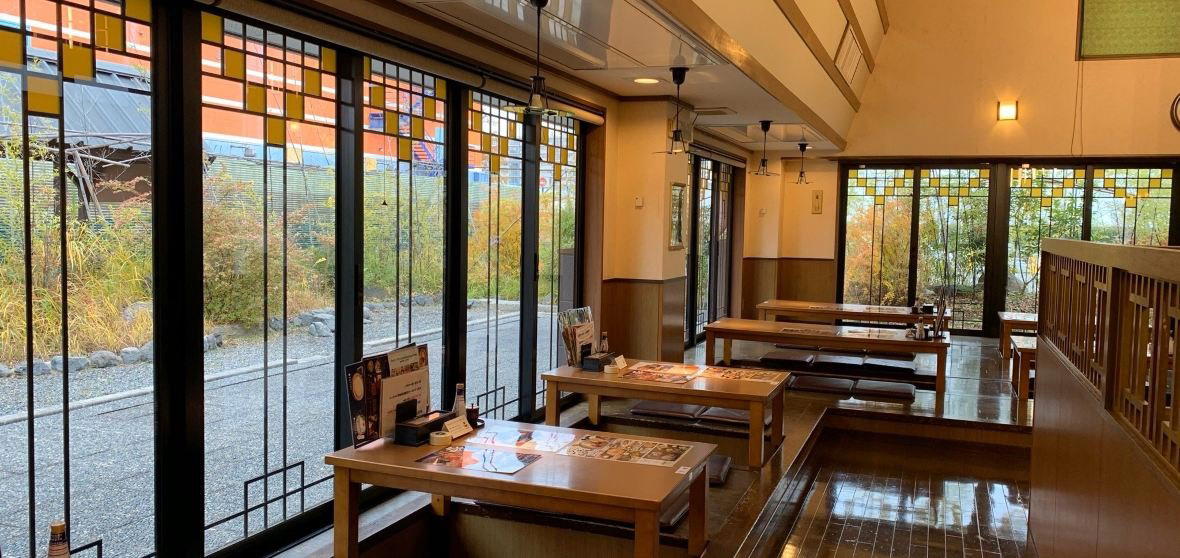




Bars in Osaka
Browse all →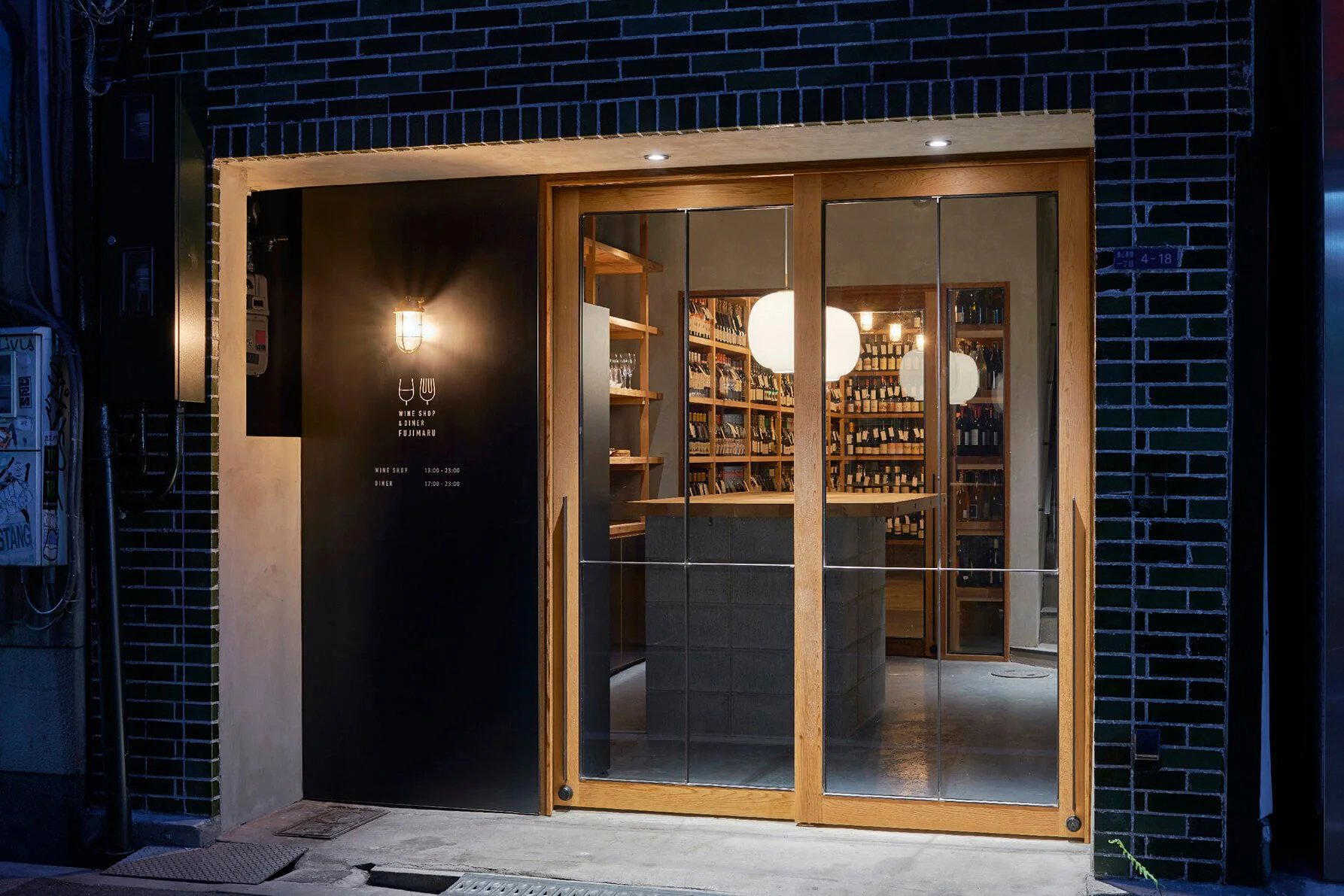
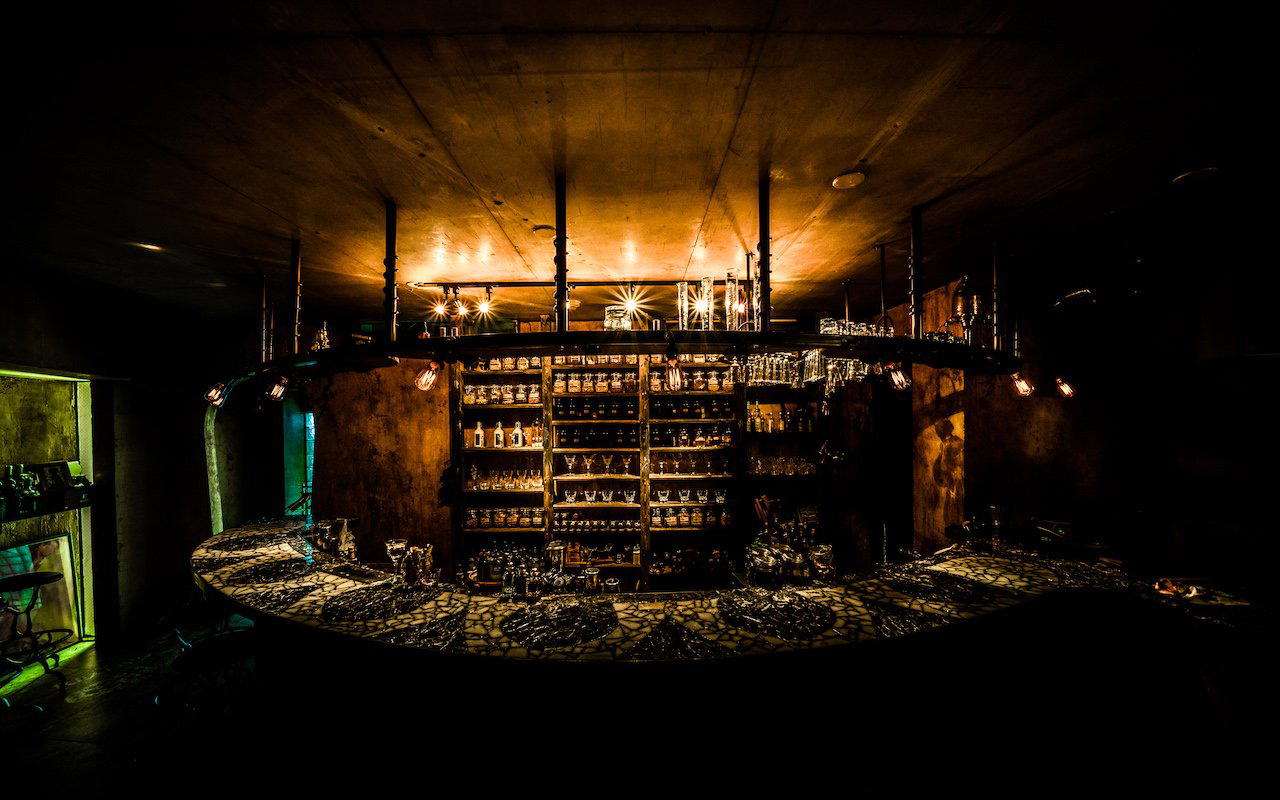

Hotels in Osaka
Browse all →


Wineries in Osaka
Browse all →
At a Glance
- Classic
- Cozy
- Quiet
- Solo
- Casual Hangout
- Group Dining
- Standalone
- Street Scene
Current opening hours
- Monday
- 11 AM–7 PM
- Tuesday
- 11 AM–8 PM
- Wednesday
- 11 AM–8 PM
- Thursday
- 11 AM–7 PM
- Friday
- 11 AM–8 PM
- Saturday
- 11 AM–8 PM
- Sunday
- 11 AM–8 PM
Hours can change for holidays and private events. Last verified .
Calm, compact, and counter-focused, with a low-key neighborhood curry-shop feel.