
Curry Notoriko is a seven-seat counter in Kanda, recognised in Tabelog Curry TOKYO 100 for 2024, with earlier selections in 2023, 2022, and 2018. It belongs to Tokyo’s serious curry culture: compact, quick-moving, technically focused, and closer to everyday urban ritual than luxury dining theatre.
Pearl is the En Primeur Club membership app — saves, bookings, and concierge access live there. Same editors, same standards.
- Address
- 東京都千代田区神田鍛冶町3-5 一八ビル 1F
- Website
- tabelog.com
 Saves & bookings on Pearl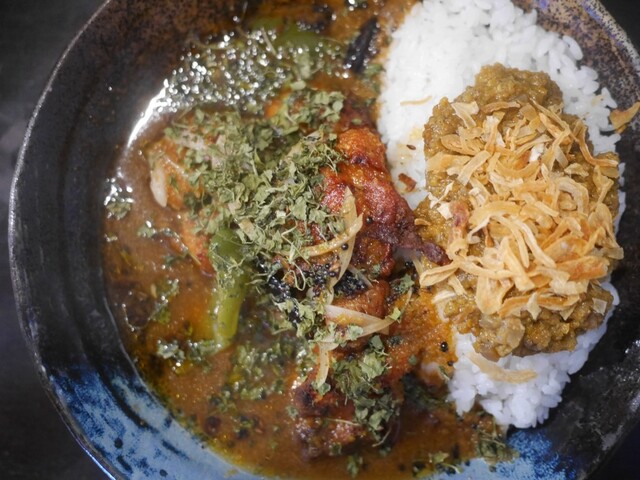
In Kanda, curry is not a side note to the office district; it is part of the daily machinery. Around the station, salarymen, students, small bars, bookshops, noodle counters, and lunch queues set the pace. Curry Notoriko fits that rhythm at human scale: counter seating, a compact room, and a format suited to a neighbourhood where serious eating often happens fast, close to the kitchen, and without ceremony.
Tokyo’s curry culture rewards specialists. The city treats curry as a local language, absorbing Indian spice logic, Japanese rice-plate structure, kissaten comfort, and lunch-counter speed into something distinctly urban. Kanda is especially important because the Jimbocho and Awajicho area has become one of Tokyo’s densest curry zones, where small shops compete on spice balance, sauce texture, rice, heat, and repeat value rather than dining-room polish.
Kanda curry culture, stripped down to a seven-seat counter
Read Curry Notoriko not as a luxury destination restaurant, but as a high-signal example of Tokyo’s specialist curry economy. Tabelog selected it for Curry TOKYO 100 in 2024, after Curry 100 selections in 2023, 2022, and 2018. That matters in a crowded field ranging from sub-¥1,000 neighbourhood plates to higher-spend spice counters, where recognition follows places with a clear point of view rather than broad menus.
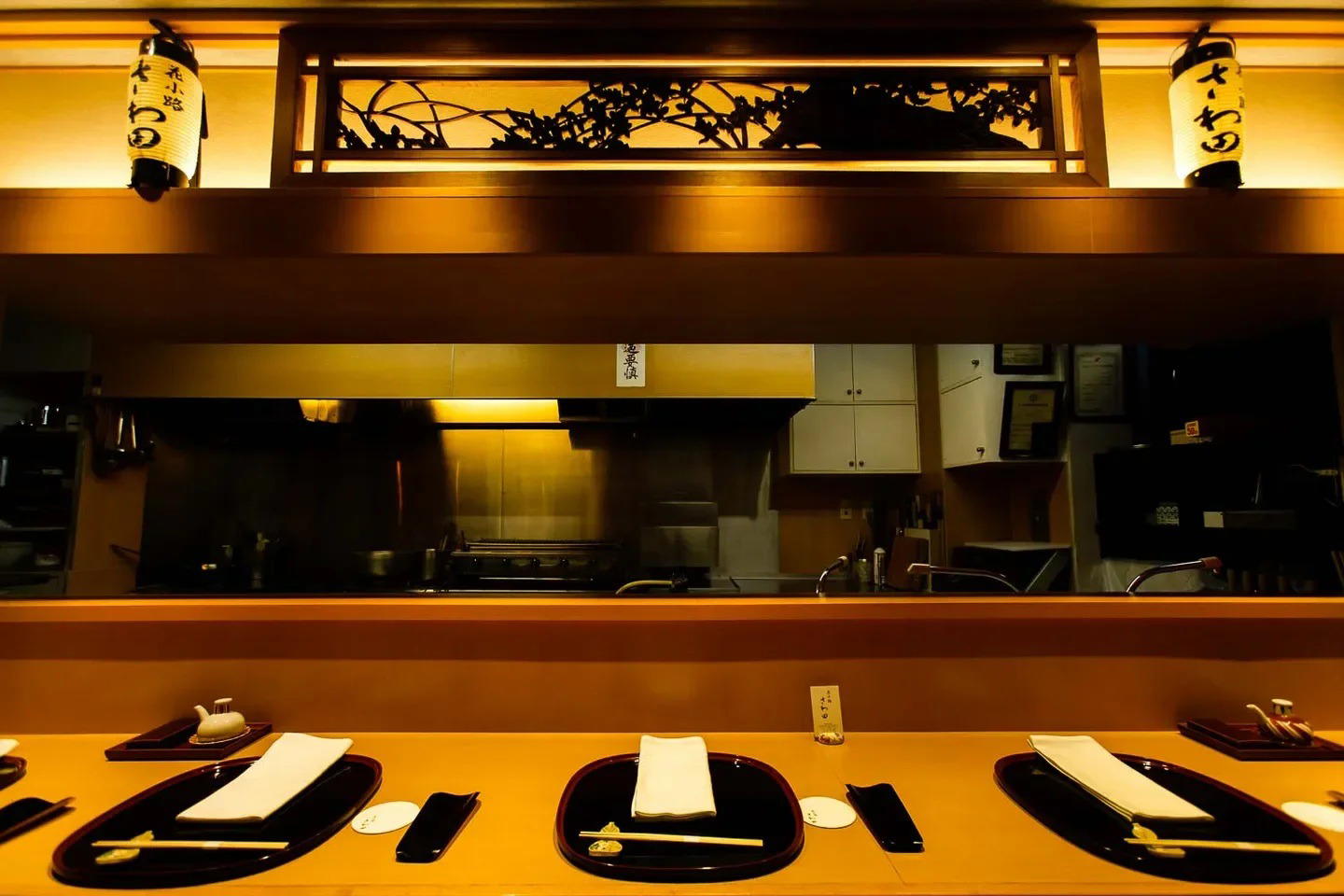
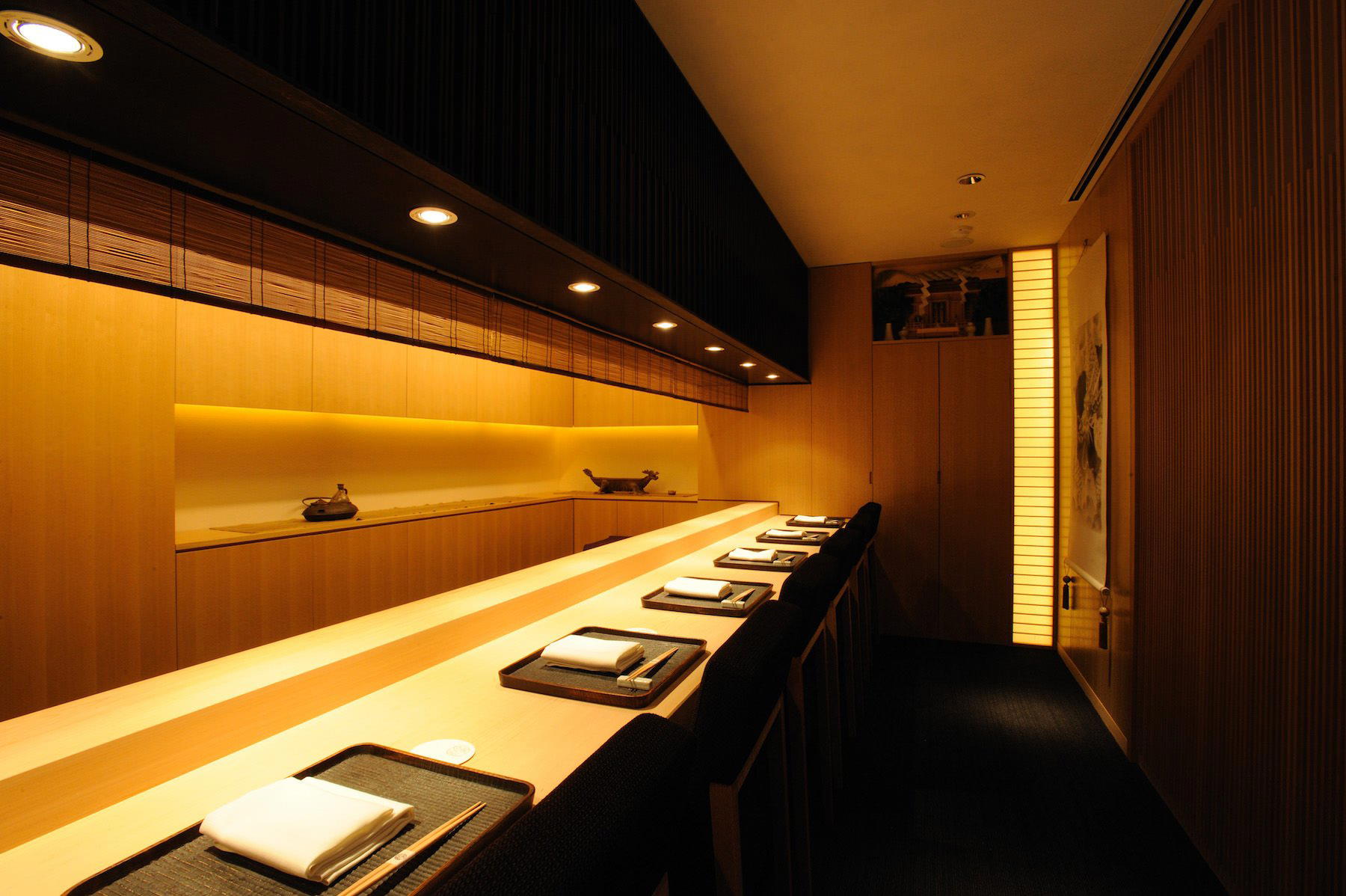
The format says as much as the awards. Seven counter seats leave little room for hesitation: the meal is organized around the plate, the room, and turnover, not the long arc of a tasting menu. Such intimacy is common in Tokyo specialist food culture, from sushi counters to ramen shops, but curry counters carry a different social charge. They are democratic by design, built for solo diners, short breaks, and regulars who know their preferred heat and rice-to-sauce ratio.
The comparison is less with grand dining rooms than with other compact Tokyo specialists. Fukuo Shoten and KAMAYOSHI sit in a lower price band, while Nemurian occupies a higher spend bracket; Curry Notoriko’s appeal is the middle ground where craft and routine overlap. For travellers mapping the city through small-format meals, it belongs beside focused entries such as 3 Chome no Curry Ya San, rather than the broader all-day café circuit represented by places like 2D Cafe.
Why Tokyo curry rewards repetition, not spectacle
Japanese curry is often described too casually abroad, as if it were only mild comfort food. Tokyo complicates that reading. Its serious curry shops are frequently obsessive, but the obsession is structural: how spice opens, how sweetness is controlled, how rice carries sauce, and how heat behaves after the first bites. The genre can be quick without being simple. Its discipline lies in compression.
The restaurant sits in the curry and Indian curry category, a useful label because Tokyo’s curry scene often moves between Japanese and South Asian references without treating them as fixed borders. The city’s strongest curry addresses are hybrids in practice: some emphasize roux depth, some spice aroma, some dry-style intensity, some rice and topping architecture. The point is not museum-style authenticity, but whether the plate has internal logic.
Kanda gives that logic a specific setting. Unlike Ginza, where high-end counters often price themselves against international visitors and expense accounts, Kanda food culture stays closer to workday appetite. A small curry counter here must satisfy repeat diners as much as list-chasing visitors. That is why Tabelog Curry 100 recognition carries weight: it reflects sustained attention in a city with hundreds of credible alternatives and little patience for weak execution.
The seven-seat counter is not built for lingering groups or occasion dining. It favors solo meals, pairs who understand the pace, and diners who value the directness of a specialist kitchen. In a broader Tokyo itinerary, it can sit between heavier reservations and neighbourhood wandering: lunch or early evening curry in Kanda, yakitori later at 124. KAGURAZAKA (Yakitori), or a contrasting casual stop near Akihabara such as . 鮪と炭火焼き うお炭 秋葉原店.
How to place it in a Tokyo food day
The case for the restaurant is editorial rather than ornamental: it shows how Tokyo turns everyday categories into specialist disciplines. The city’s acclaimed dining is often associated with omakase counters, French technique, and high-end kappo, but curry reveals another side of the same culture. Precision does not require linen. A short meal can carry as much local information as a long reservation when the category is taken seriously.
For visitors, treat this as a compact counter meal in a busy central district, not a relaxed group dinner. Kanda Station anchors the area, with Awajicho and Ogawamachi close enough to combine the shop with Jimbocho bookstores, Akihabara, or Marunouchi. Payment and seating conventions at small Tokyo counters can be narrower than at hotel restaurants, so arrive prepared for a lean, efficient meal rather than a flexible hospitality format.
It also pairs with a wider Tokyo dining map. Shinjuku has its own late-night gravity, represented in EP Club by 12/10 Shinjuku ten; Kanda’s appeal is more workday and specialist. Travellers extending beyond Tokyo can compare how casual Japanese formats shift by region through [ki:] in Kyoto.cafe in Osaka.know in Kumamoto, [Curry Senmon Ten] Maruyama Kyoju. in Sapporo, and -Grilled beef Sukiyaki- KAMAKURA TANUKIAN 鎌倉 たぬき庵 in Kamakura.
For broader planning, use Our full Tokyo restaurants guide alongside Our full Tokyo hotels guide, Our full Tokyo bars guide, Our full Tokyo wineries guide, and Our full Tokyo experiences guide. For a wider Japanese and diaspora food lens, EP Club also tracks places such as (Shoku) Vietnam in Kawasaki, Jōdo Saké Bar in Los Angeles, and Onigiri Time in Pasadena. The restaurant earns its place in that map by showing how much Tokyo can say through one small counter and one deeply local category.
Cost Snapshot
Comparable venues at a similar level for quick context.
| Venue | Cuisine | Price | Notes |
|---|---|---|---|
| Curry Notoriko | Not listed | $ | Chiyoda, Japanese–Indian Curry House |
| Pork Vindaloo Taberu Fukudaitoryo | Shibuya, Pork vindaloo curry shop | $ | Not listed |
| Ethiopia Curry Kitchen Ochanomizu soracity ten | Chiyoda, Curry House | $ | Not listed |
| Tokyo Bombay Ebisu honten | Shibuya, Indian Curry House | $ | Not listed |
| Indian Fu Curry Rice Supaisu | Suginami, Indian-style Japanese Curry | $ | Not listed |
| NANDHINI Toranomon ten | Not listed | $$ | Minato, Authentic South Indian (Halal) Restaurant |
Recognition history
Dated appearances from independent guides and award organizations, with the underlying list record or original source where available.
Tabelog 100 #34 · No. 34
Tabelog · Tabelog 100 - Curry - TOKYO - 2024






At a Glance
- Cozy
- Intimate
- Solo
- After Work
- Casual Hangout
- Chefs Counter
- Standalone
A compact, non-smoking counter with just seven seats, creating a casual, bustling atmosphere typical of a popular curry specialist near a busy station.