Cultiva sits within Nairobi's growing cohort of sustainability-focused restaurants, where locally sourced ingredients and reduced-waste kitchen practices define the offer rather than decorate it. Located on Pofu Road, it positions itself at a point in the city's dining scene where ethical sourcing has moved from marketing language to operational framework. For diners tracking where Nairobi's food culture is heading, Cultiva represents a directional signal worth following.
Pearl is the En Primeur Club membership app — saves, bookings, and concierge access live there. Same editors, same standards.
- Address
- Pofu Rd, Nairobi, Kenya
- Phone
- +254701579902
- Website
- cultivakenya.com
- Directions
- Get directions
 Saves & bookings on Pearl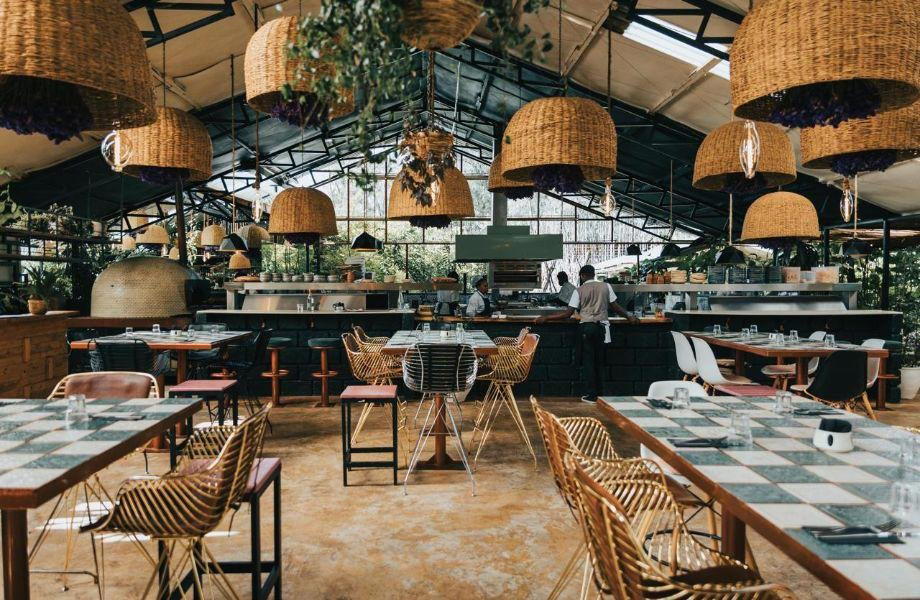
Where Nairobi's Sustainability Conversation Gets Serious
Nairobi's restaurant scene has spent much of the past decade sorting itself into recognizable tiers: the legacy institutions that built their identity around spectacle and abundance, the international-format imports, and a smaller, more deliberate cohort that has chosen to make sourcing and environmental practice the structural foundation of how they cook. Cultiva, on Pofu Road, belongs to that third group. What separates this tier from the broader market is not a single dish or a headline chef but a set of operating decisions, from supplier relationships to kitchen waste protocols, that shape the menu from the ground up rather than being applied after the fact.
The global dining conversation around sustainability has matured considerably. Restaurants like Atelier Moessmer Norbert Niederkofler in Brunico have demonstrated that a zero-compromise sourcing philosophy can anchor a serious fine-dining program without sacrificing ambition.
The Physical Setting and What It Signals
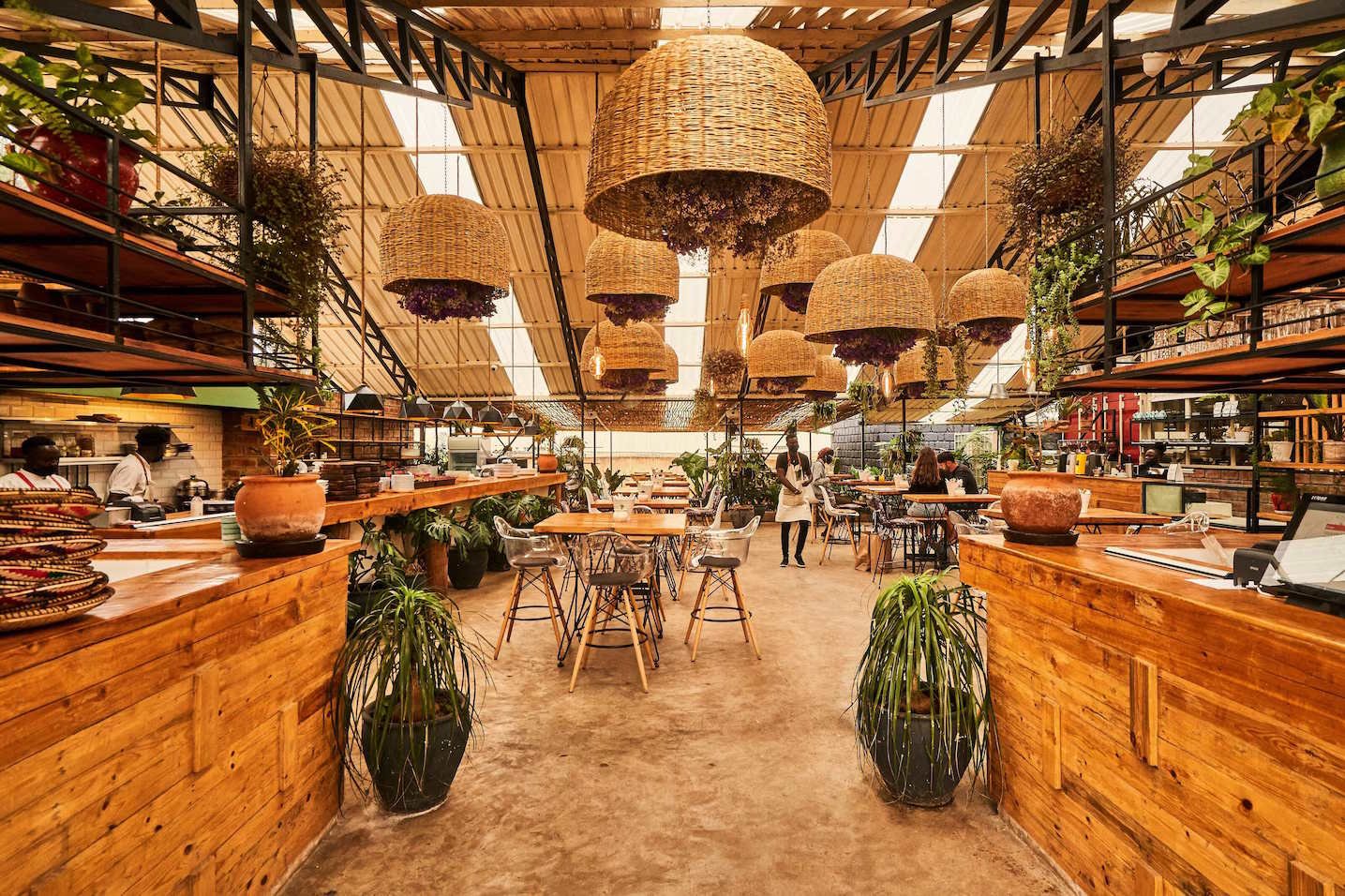
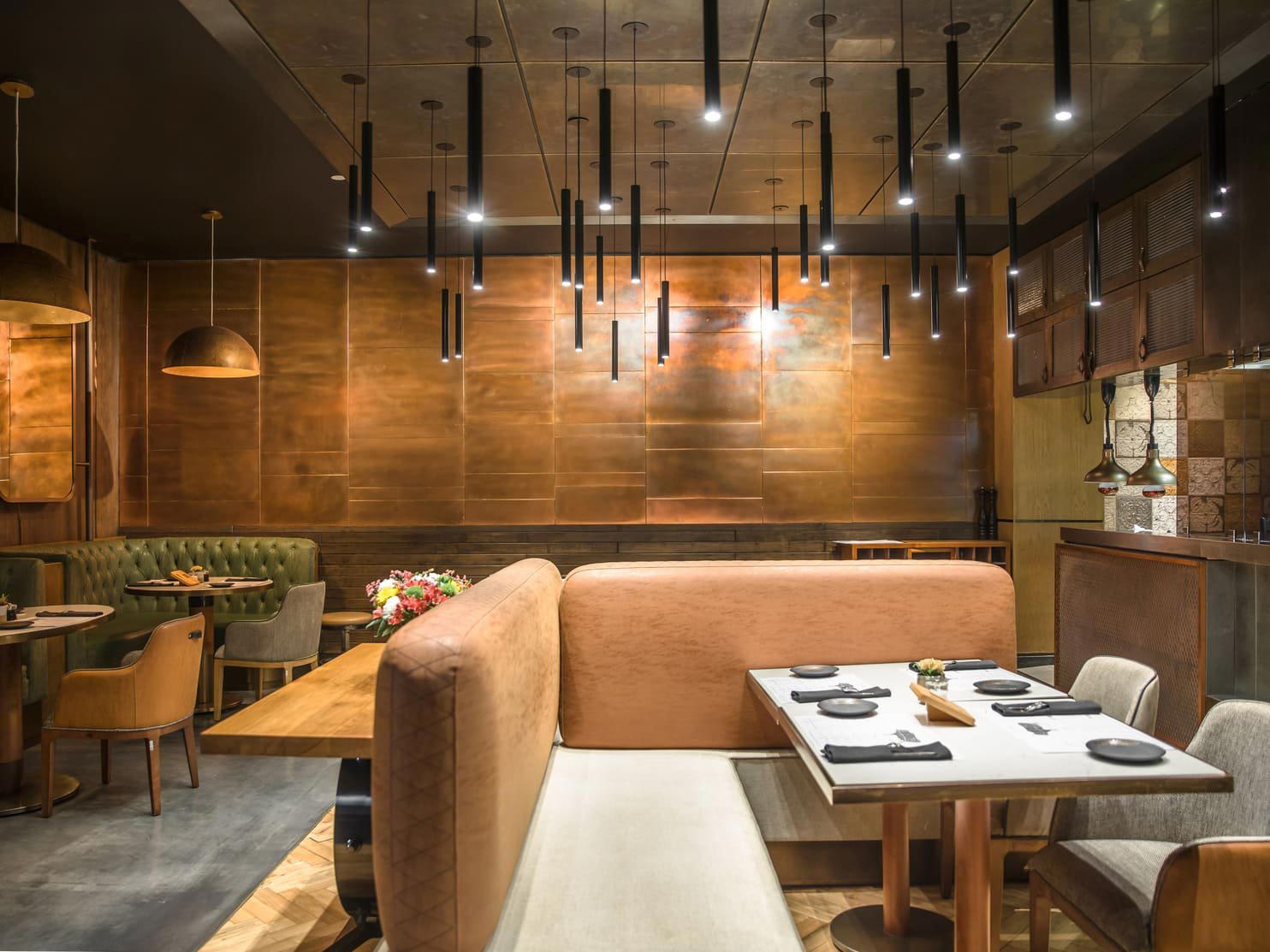
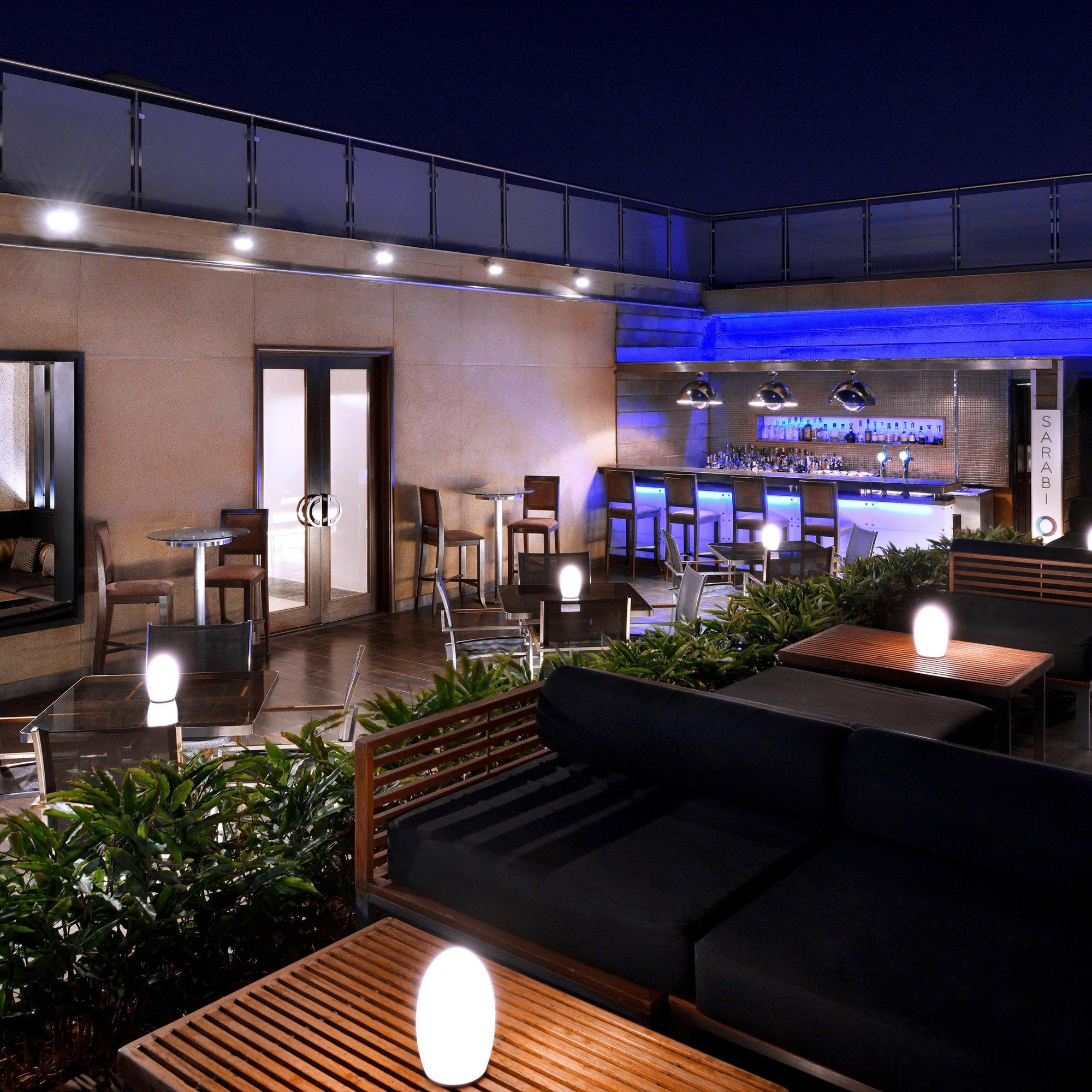
Cultiva is located on Pofu Rd, Nairobi, Kenya. The space, is designed to focus attention inward, on the food, the ingredients, and the sourcing logic behind them, rather than outward toward spectacle or scene-making.
That spatial restraint is consistent with how sustainability-first restaurants tend to operate globally. At HAJIME in Osaka, a similar commitment to ingredient integrity shapes both the menu architecture and the physical environment. In Nairobi, the parallel is instructive: the venues that take sourcing seriously tend to design their spaces to match, prioritizing material honesty over decorative excess.
Sourcing, Waste, and the Operational Argument
The sustainability story in East African dining is more complex than farm-to-table shorthand suggests. Kenya's agricultural supply chains involve smallholder farmers, cooperative networks, and significant logistical variables that make consistent ethical sourcing a genuine operational challenge rather than a branding exercise. Restaurants that commit to this model must build supplier relationships over years, accept seasonal constraints that limit menu flexibility, and develop kitchen practices that minimize waste precisely because the ingredients sourced this way carry real cost and provenance value.
Cultiva operates within this framework. In a city where restaurants like Talisman in Karen have established long track records of community and sourcing engagement, and where newer venues are making similar commitments with different aesthetic vocabularies, the broader pattern points to a Nairobi dining culture that is increasingly serious about where ingredients come from. The venues in this cohort tend to price accordingly, because the supply chain requires it, and they attract a clientele that understands the relationship between sourcing integrity and what ends up on the plate.
The waste-reduction dimension of this story is equally important. Across the global sustainability-conscious restaurant tier, from Lazy Bear in San Francisco to mid-scale operations in emerging food cities, the shift has been toward whole-ingredient cooking, nose-to-tail or root-to-leaf approaches, and creative use of what older kitchen cultures would discard. These are not aesthetic choices; they are responses to the real cost and ethical weight of food production. When a Nairobi restaurant frames itself through this lens, it is participating in a conversation that has global coordinates but local specificity.
Cultiva in Nairobi's Broader Dining Context
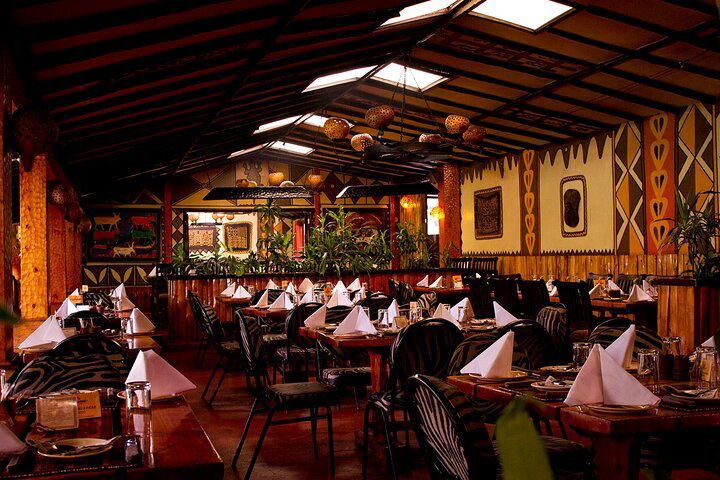
Understanding where Cultiva fits requires mapping it against the wider field. Nairobi has a layered restaurant culture. At one end, venues like Carnivore have built their identity around abundance and a specific African Traditional register that has defined the city's dining identity for decades. At another register, accessible and crowd-oriented venues like Artcaffé Restaurant Ring Road Parklands and Bao Box serve a broad, urban, cosmopolitan audience that values consistency and comfort over sourcing philosophy.
Between those poles, a smaller set of restaurants including About Thyme Restaurant and Arbor Place occupy a more considered middle ground. Cultiva's positioning suggests it operates closer to that considered tier, with sustainability as the organizing principle rather than a secondary feature. For diners who have also visited places like Atomix in New York City, where ingredient sourcing and cultural rootedness structure an entire tasting format, or Le Bernardin in New York City, where sourcing discipline underpins a seafood-focused offer built over decades, the logic of Cultiva's position in Nairobi will read as familiar even if the scale and context differ considerably.
Kenya's broader culinary geography adds further context. Coastal restaurants like Ali Barbour's Cave Restaurant in Kwale and Funky Monkey in Ukunda have long drawn on the Indian Ocean's ingredient supply. Lodge dining at properties like ol Donyo Lodge in Chyulu Hills and Great Plains Mara in Maasai Mara operates within conservation frameworks that make ethical sourcing structural rather than optional. Nairobi's urban sustainability restaurants, of which Cultiva is one, are making a parallel argument in a city context, without the conservation mandate but with access to a more diverse urban food supply chain. Restaurants in the city are also increasingly benchmarking against global fine-dining conversations, as operations like Emeril's in New Orleans and Dal Pescatore in Runate demonstrate different ways that a strong regional identity can anchor a restaurant's offer for the long term.
Planning a Visit
Cultiva is located on Pofu Road in Nairobi. Cultiva is recommended for advance reservations and opens Tue to Sun, with Monday closed. For restaurants in Nairobi's sustainability-conscious tier, demand tends to track the quality of the sourcing program, and seats at this kind of venue typically fill faster than the address or low-profile setting might suggest.
Just the Basics
Comparable venues nearby, for context on price, style, and recognition.
| Venue | Cuisine | Price | Notes |
|---|---|---|---|
| CultivaThis venue — the venue you are viewing | Langata, Farm-to-Table International | $$ | Not listed |
| Marketplace | Not listed | $$ | Nairobi Airport (JKIA), International All-Day Grill & Breakfast Buffet |
| Cultiva Farm Kenya | Langata, Farm-to-Table International | $$ | Not listed |
| Gogol Pizza | Not listed | $$ | Loresho, Traditional Italian Pizzeria & Pasta |
| Arbor Place | Not listed | $$ | Kilimani, Southeast Asian & Italian Fusion |
| Chowpaty Fast Foods Ltd | Westlands, Pure Vegetarian Indian | $ | Not listed |





At a Glance
- Rustic
- Cozy
- Trendy
- Romantic
- Date Night
- Brunch
- Special Occasion
- Garden
- Open Kitchen
- Craft Cocktails
- Farm To Table
- Organic
- Local Sourcing
- Garden
Current opening hours
- Monday
- Closed
- Tuesday
- 12–10 PM
- Wednesday
- 8 AM–10 PM
- Thursday
- 8 AM–10 PM
- Friday
- 8 AM–10 PM
- Saturday
- 8 AM–10 PM
- Sunday
- 8 AM–10 PM
Hours can change for holidays and private events. Last verified .
Rustic and romantic with fresh farm roses, fairy lights, wooden furniture, exposed brick walls, natural light, and a jungle-like serene setting.