Cultiva Farm Kenya occupies a working agricultural plot on Pofu Road in Nairobi, positioning itself within the city's growing farm-to-table movement at a moment when Kenyan diners are demanding greater transparency about food provenance. The site connects cultivation and consumption in a way that few urban venues in East Africa have attempted at scale, making it a reference point for understanding where Nairobi's food culture is heading.
Pearl is the En Primeur Club membership app — saves, bookings, and concierge access live there. Same editors, same standards.
- Address
- Pofu Rd, Nairobi, Kenya
- Phone
- +254 701 579902
- Website
- cultivakenya.com
- Directions
- Get directions
 Saves & bookings on Pearl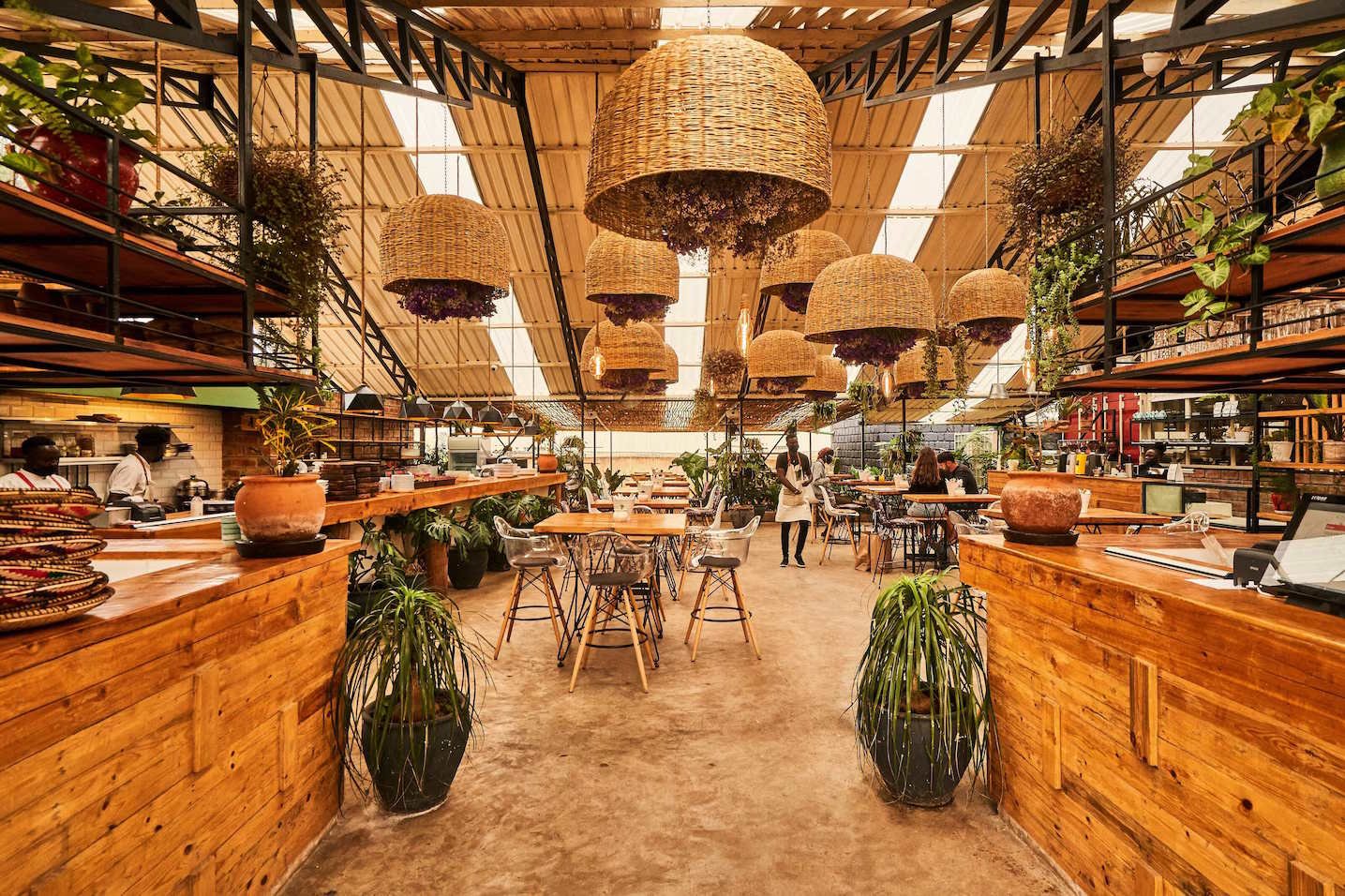
Farming as a Dining Premise: Where Nairobi's Food Conversation Has Arrived
Nairobi's restaurant scene has, over the past decade, moved through several distinct phases: first the dominance of imported formats and international chains, then a wave of bistro-style independents, and more recently a sharper turn toward provenance-driven concepts that ask where ingredients come from before asking what should be done with them. Cultiva Farm Kenya, situated on Pofu Rd in Nairobi, is a Farm-to-Table International restaurant with. The premise here is agricultural before it is gastronomic: the land is the point, and the table follows from it.
That sequencing matters because it places Cultiva in a different category than, say, the polished farm-aesthetic venues that use the language of provenance without the underlying infrastructure. In East Africa, where soil quality, rainfall patterns, and altitude variation across relatively short distances can produce dramatically different growing conditions, a venue that takes cultivation seriously is engaging with something genuinely complex. Nairobi's position at roughly 1,700 metres above sea level means that what grows here differs from coastal Kenya and from the rift valley floor, and any farm-based dining concept has to reckon with that specificity.
The Evolution of the Concept
Farm-to-table as a dining philosophy arrived in Kenya through a combination of influences: returning diaspora who had encountered the format abroad, international visitors who expected it, and a domestic professional class increasingly attentive to food quality and sourcing ethics. Early iterations in Nairobi tended to be declarative rather than operational, with menus citing farms without the direct land relationship that would give those claims substance. The more recent evolution has been toward venues that hold actual growing capacity, where the kitchen's range is shaped by what the land yields in a given season rather than what a supplier's catalogue offers.
Cultiva Farm Kenya sits within that evolution. The Pofu Road address locates it within Nairobi's peri-urban fringe, a zone where the city's expansion has not yet fully absorbed older agricultural uses, and where the land still functions as land rather than development opportunity. That positioning is both practical and conceptual: it allows the farm operation to be real rather than ornamental, and it keeps the venue at a remove from the density of Westlands or the Nairobi CBD, which is itself a kind of editorial statement about what the experience is meant to offer.
For comparison, consider how similarly positioned concepts have evolved elsewhere. At Atelier Moessmer Norbert Niederkofler in Brunico, the kitchen's relationship to Alpine terroir is so tightly defined that the menu is essentially a seasonal argument about a specific geography. At Dal Pescatore in Runate, decades of operation in a rural Italian setting have produced a version of place-based cooking that can only be understood in the context of its landscape. These are different scales and different culinary traditions, but the underlying logic, that the site produces the food and the food explains the site, is the same logic Cultiva is working with in a Nairobi context.
Nairobi's Farm-Dining Tier: Where Cultiva Sits
Within Nairobi, the farm-to-table tier is still small enough that venues within it are not directly competing so much as collectively building a category. Talisman in Karen has long held a position as a garden-set restaurant in the city's leafier southern suburb, where the outdoor environment is part of the offering. About Thyme Restaurant represents another angle on ingredient-conscious dining. Arbor Place and Bao Box occupy different culinary registers but collectively indicate a city where dining formats are diversifying faster than any single category can contain.
The contrast with older anchor venues is useful. Carnivore (African Traditional) built its identity around a maximalist, protein-heavy format that has defined Nairobi dining for international visitors for decades. Cultiva operates from an almost opposite premise: restraint in format, attention to what the ground produces, and a seasonal logic that resists the kind of menu permanence that made Carnivore legible across cultures. Both are valid responses to Nairobi as a dining city; they are simply responses to different questions about what that city's food should be.
Globally, the farm-as-venue format has produced particularly critically recognised restaurants of the past twenty years. Lazy Bear in San Francisco built a James Beard-recognised program partly on the logic of sourcing discipline and format experimentation. Atomix in New York City, with its two Michelin stars, demonstrates how ingredient provenance can become the structural logic of an entire tasting format. These are not direct comparators for Cultiva, but they illustrate the ceiling that the farm-to-table premise can reach when pursued with sustained rigour.
Beyond Nairobi: Kenya's Wider Dining Geography
Cultiva's position in Nairobi makes more sense when placed against Kenya's broader dining geography. The coast has its own register: Ali Barbour's Cave Restaurant in Kwale and Funky Monkey in Ukunda both operate in a coastal idiom shaped by Indian Ocean trade, Swahili culinary tradition, and resort-adjacent hospitality. The safari lodges, including ol Donyo Lodge in Chyulu Hills - Amboseli and Great Plains Mara in Maasai Mara, have developed their own model of place-rooted dining, where the landscape outside the lodge is part of the meal's meaning. Cultiva is attempting something analogous within Nairobi's urban context: to make the land legible through what appears on the plate.
Artcaffé Restaurant Ring Road Parklands represents the city's reliable all-day café tier, a useful point of reference for understanding where farm-focused venues sit on the broader spectrum.
Planning a Visit
Cultiva Farm Kenya is located on Pofu Road in Nairobi. Given the nature of farm-based operations, where availability and format can shift with seasonal production cycles, contacting the venue directly before visiting is advisable. That informality is often the mark of a concept still finding its form, which can be either a limitation or an invitation depending on what you are looking for.
Where the Accolades Land
Comparable venues nearby, for context on price, style, and recognition.
| Venue | Cuisine | Price | Notes |
|---|---|---|---|
| Cultiva Farm KenyaThis venue — the venue you are viewing | Farm-to-Table International | $$ | Not listed |
| Marketplace | International All-Day Grill & Breakfast Buffet | $$ | Nairobi Airport (JKIA) |
| Marula Mercantile | American Comfort Food | $$ | Langata |
| Arbor Place | Southeast Asian & Italian Fusion | $$ | Kilimani |
| Peppertree | Global Fusion Grill & Craft Cocktails | $$ | Kilimani |
| Sinnerman | Cocktail Bar | $$ | Westlands |







At a Glance
- Rustic
- Scenic
- Cozy
- Brunch
- Casual Hangout
- Garden
- Open Kitchen
- Craft Cocktails
- Farm To Table
- Organic
- Local Sourcing
- Garden
Current opening hours
- Monday
- Closed
- Tuesday
- 12–10 PM
- Wednesday
- 8 AM–10 PM
- Thursday
- 8 AM–10 PM
- Friday
- 8 AM–10 PM
- Saturday
- 8 AM–10 PM
- Sunday
- 8 AM–10 PM
Hours can change for holidays and private events. Last verified .
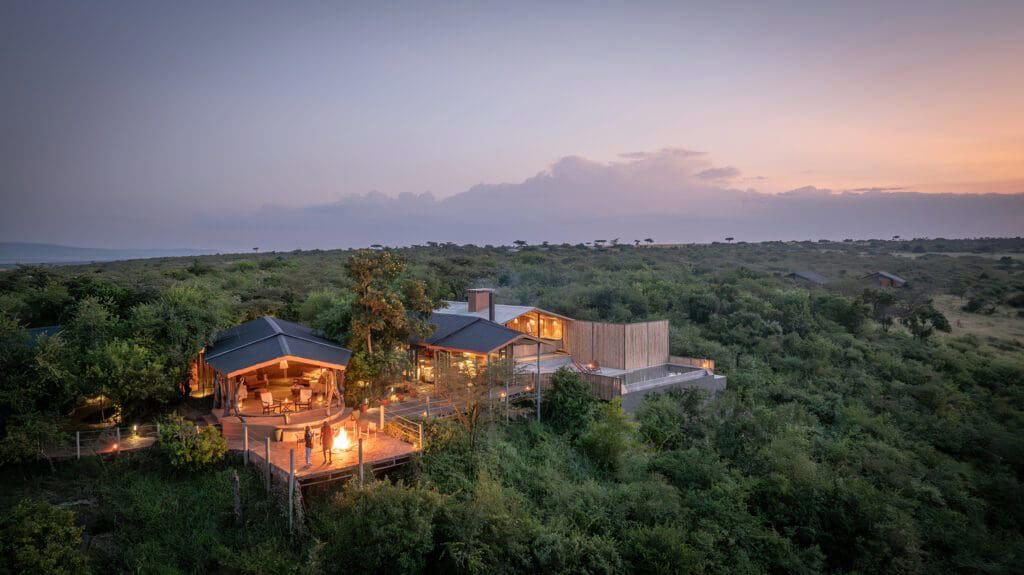
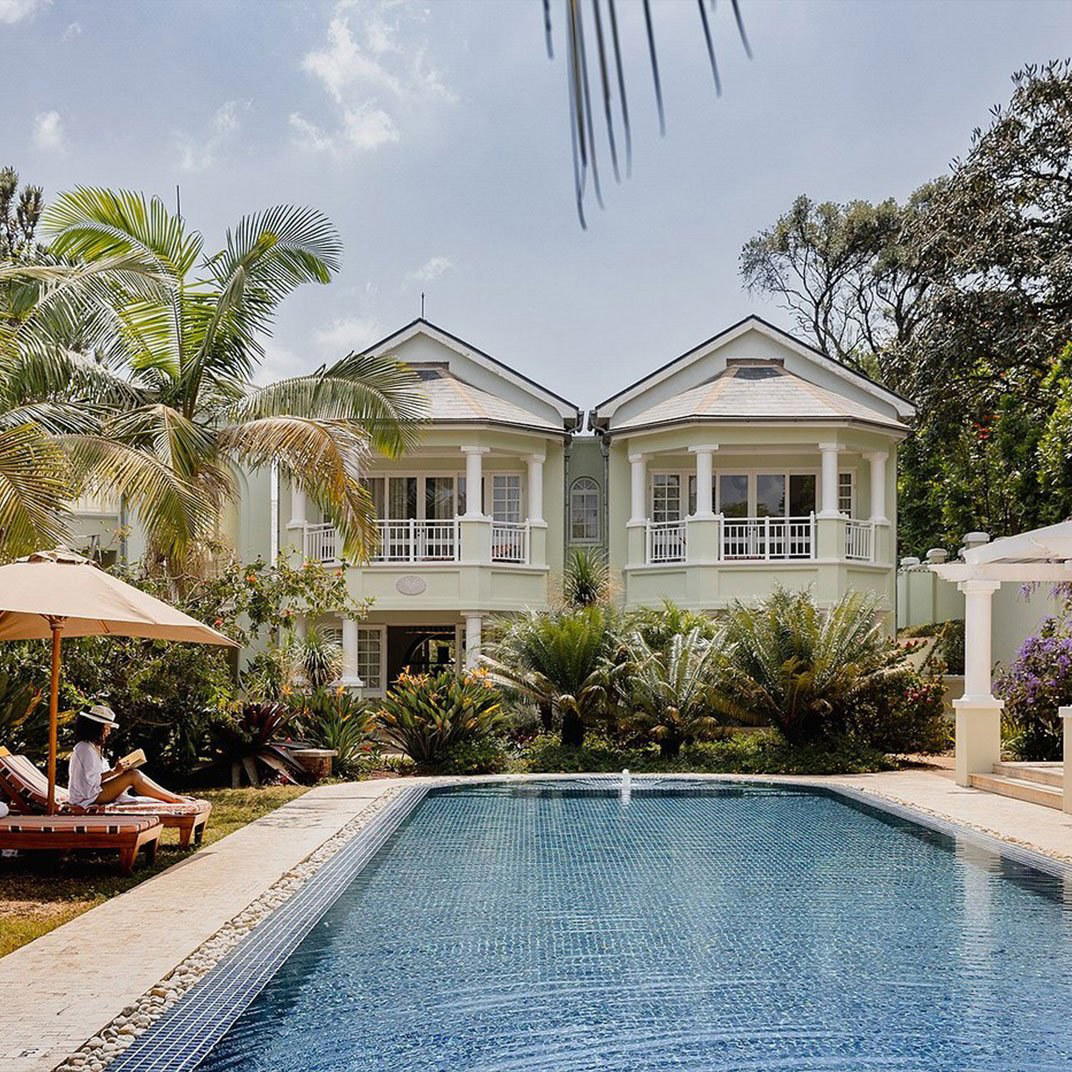
Rustic and charming with natural wood and stone decor in earthy tones, chic beach club vibe with wicker lighting, warm lighting, and lush greenery surroundings.