Carnivore on Langata Link Road is Nairobi's most recognised meat-roasting institution, appearing on the World's 50 Best Restaurants list in both 2002 and 2003. The format revolves around an open-pit fire, spit-roasted meats served tableside, and a tradition of game and domestic cuts that puts sourcing at the centre of the experience. For visitors building a Nairobi itinerary, it remains the clearest single entry point into East African carnivore culture.
Pearl is the En Primeur Club membership app — saves, bookings, and concierge access live there. Same editors, same standards.
- Address
- Langata Link Rd, Nairobi, Kenya
- Phone
- +254 722 204647
- Website
- tamarind.co.ke
- Directions
- Get directions
 Saves & bookings on Pearl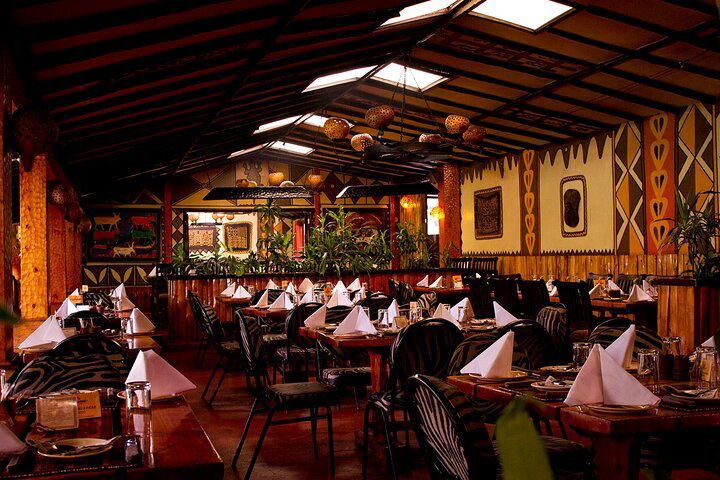
Fire, Sourcing, and the Logic of the Pit
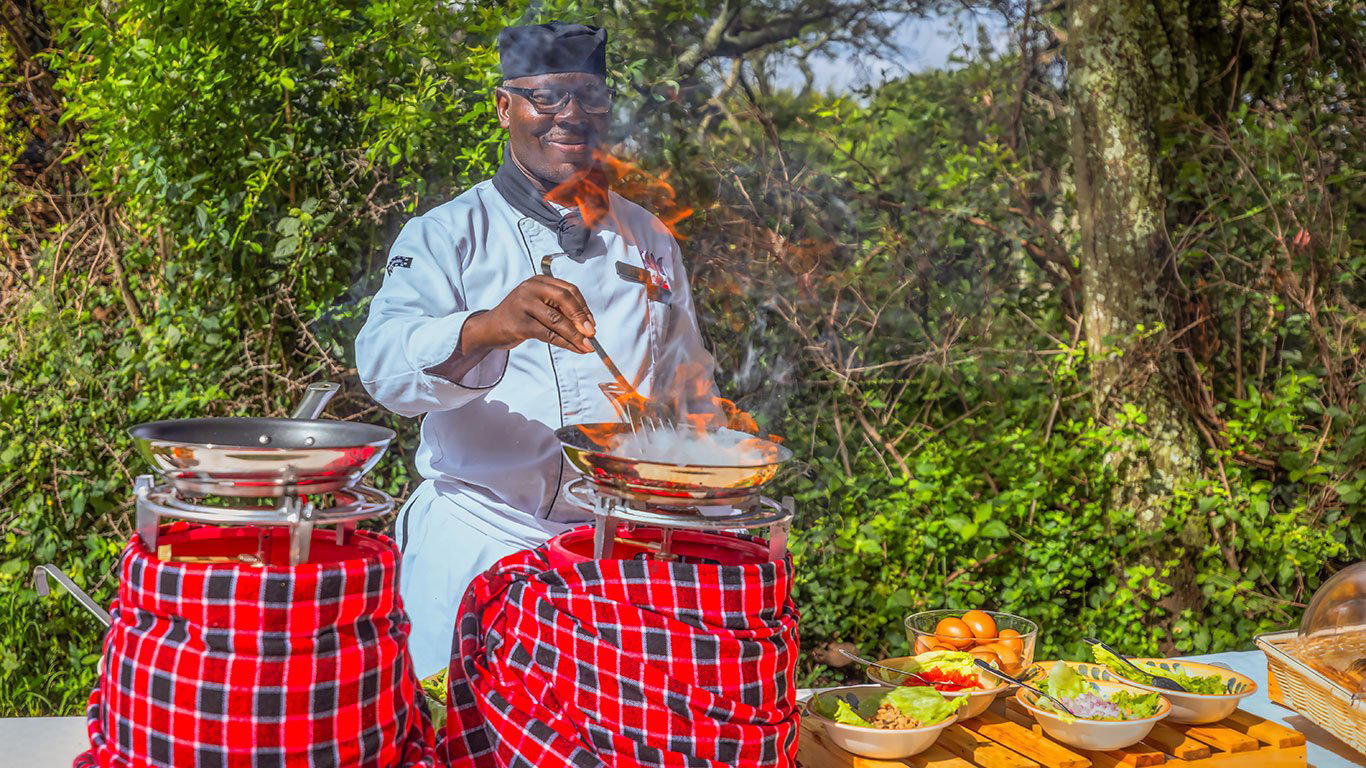
On Langata Link Road, the smell of woodsmoke reaches you before the building does. Carnivore's open charcoal pit is the architectural centrepiece of the dining room, a working hearth around which the entire service model is organised. Spit after spit rotates over direct heat, and the rhythm of carvers moving between tables with long-bladed knives is the spectacle that defines the experience. This is not a steakhouse in the Western sense; it belongs to a distinct African tradition of communal meat-roasting that is closer in spirit to the Argentine asado or South African braai than to any European equivalent. The fire is structural, not decorative.
That sourcing question matters more here than at most comparable restaurants. When Carnivore placed at number 47 on the World's 50 Best Restaurants list in 2002 and climbed to number 50 in 2003, the recognition acknowledged a format that few European or American lists had seriously engaged with: a large-scale, fire-based African meat restaurant where the variety and provenance of the product were the main event.
What the Menu Represents
The meat programme at Carnivore has historically included both domestic livestock cuts and game species, and that combination is the editorial point. Game meat in Kenya comes under a specific regulatory framework; what appears on any given service is shaped by wildlife management policy and licensed sourcing channels rather than by chef preference alone. That is a sourcing story with genuine depth, and it separates this format from any European approximation.
Domestically sourced cuts form the consistent core of the offering. Lamb, pork, chicken, and beef rotate reliably, and the service model, where carvers continue to bring fresh cuts to the table until a small flag is raised to signal that the diner has finished, is designed around abundance and variety rather than precision portioning. The carving-and-flag format is Carnivore's most-copied idea; versions of it have appeared in cities from Johannesburg to São Paulo, but the original Nairobi iteration remains the reference point.
Nairobi's Position in East African Dining
Nairobi has developed one of the more differentiated restaurant scenes in sub-Saharan Africa, with a range running from neighbourhood nyama choma grills to hotel dining rooms serving contemporary Kenyan cuisine. Carnivore occupies a distinct tier in that range: high-volume, internationally recognised, and built around a format that is specifically Kenyan in its meat culture while operating at a scale that accommodates both domestic diners and visitors arriving from safari circuits. For context, the bush lodges serving East African cuisine at the other end of the pricing and intimacy spectrum, including properties like Great Plains Mara in Maasai Mara and ol Donyo Lodge in Chyulu Hills, represent a different mode of engagement with the same regional food tradition: small-scale, location-specific, and priced accordingly.
Carnivore's longevity on Langata Link Road, which sits between the city centre and the Nairobi National Park, gives it a geographical logic that reinforces the format. The road connects urban Nairobi to the southern wildlife corridor, and the restaurant's identity as a meat institution has always been entangled with that proximity to the bush. That is not a coincidence of location but a deliberate positioning that has been maintained for decades.
Global Peer Context
The 2002 and 2003 World's 50 Best appearances put it in nominal company with restaurants operating different models, including multi-course European fine dining institutions and Japanese omakase counters. What those rankings registered was the coherence and authority of the format rather than technical complexity in the European sense. A restaurant like Le Bernardin in New York City or Alain Ducasse at Louis XV in Monte Carlo achieves recognition through precision, restraint, and the refinement of classical technique. Carnivore earned its place through something structurally different: the authority of a tradition, the quality of sourced product, and the disciplined execution of a communal format at scale. That is a legitimate and distinct form of culinary achievement.
The comparison is useful not to rank these approaches but to clarify what Carnivore actually is. Among the restaurants that have appeared on similar lists, including Alinea in Chicago, Atomix in New York City, and Amber in Hong Kong, Carnivore represents a genuinely different proposition: communal, fire-based, and rooted in a regional meat culture that has no precise equivalent elsewhere. For travellers who have spent time at Lazy Bear in San Francisco or Aponiente in El Puerto de Santa María, where the sourcing and sustainability narrative is central to the concept, Carnivore offers a parallel conversation conducted through entirely different means.
Planning a Visit
Carnivore sits on Langata Link Road, southwest of the city centre and accessible from most Nairobi hotels in under thirty minutes outside peak traffic hours. The format accommodates groups of varying sizes without difficulty, and the service model, continuous tableside carving rather than set courses, means arrival times are flexible in a way that tasting-menu restaurants are not. That rating, maintained across what is evidently a high-turnover operation, is a more useful trust signal than a single critic's visit. Booking is advisable, particularly on weekend evenings and during peak safari season months when Nairobi hotels fill with international visitors using the city as a gateway.
For visitors building a broader Nairobi trip, the restaurant sits comfortably alongside the city's other dining options covered in our full Nairobi restaurants guide.
Side-by-Side Snapshot
Comparable venues nearby, for context on price, style, and recognition.
| Venue | Cuisine | Price | Awards | Notes |
|---|---|---|---|---|
| CarnivoreThis venue — the venue you are viewing | Kenyan Rodizio Steakhouse | $$$ | World's 50 Best #47 | Not listed |
| Mama Rocks Gourmet Burgers @ The Alchemist Bar) | Afro-Fusion Gourmet Burgers | $$$ | Not listed | Westlands |
| About Thyme Restaurant | Contemporary Fusion | $$$ | Not listed | Westlands |
| Talisman Restaurant | Global Fusion with South Asian Influences | $$$ | Not listed | Langata |
| Urban Eatery | Multi-Cuisine Food Hall | $$ | Not listed | Kilimani |
| Cultiva | Farm-to-Table International | $$ | Not listed | Langata |
Recognition history
Dated appearances from independent guides and award organizations, with the underlying list record or original source where available.
World's 50 Best Best Restaurants #50
World's 50 Best
World's 50 Best Best Restaurants #47
World's 50 Best
At a Glance
- Lively
- Well Known
- Group Dining
- Celebration
- Family
- Open Kitchen
Current opening hours
- Monday
- 12–11 PM
- Tuesday
- 12–11 PM
- Wednesday
- 12–11 PM
- Thursday
- 12–11 PM
- Friday
- 12–11 PM
- Saturday
- 12–11 PM
- Sunday
- 12–11 PM
Hours can change for holidays and private events. Last verified .
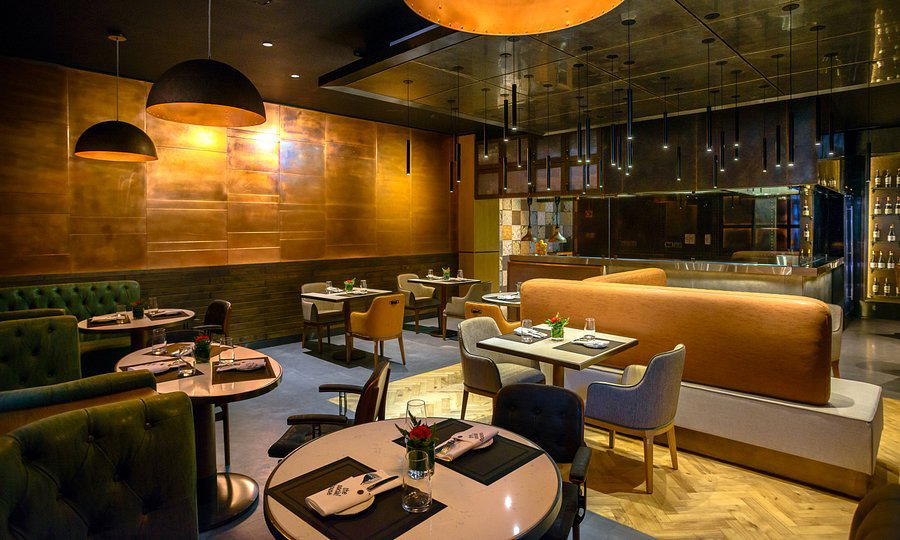
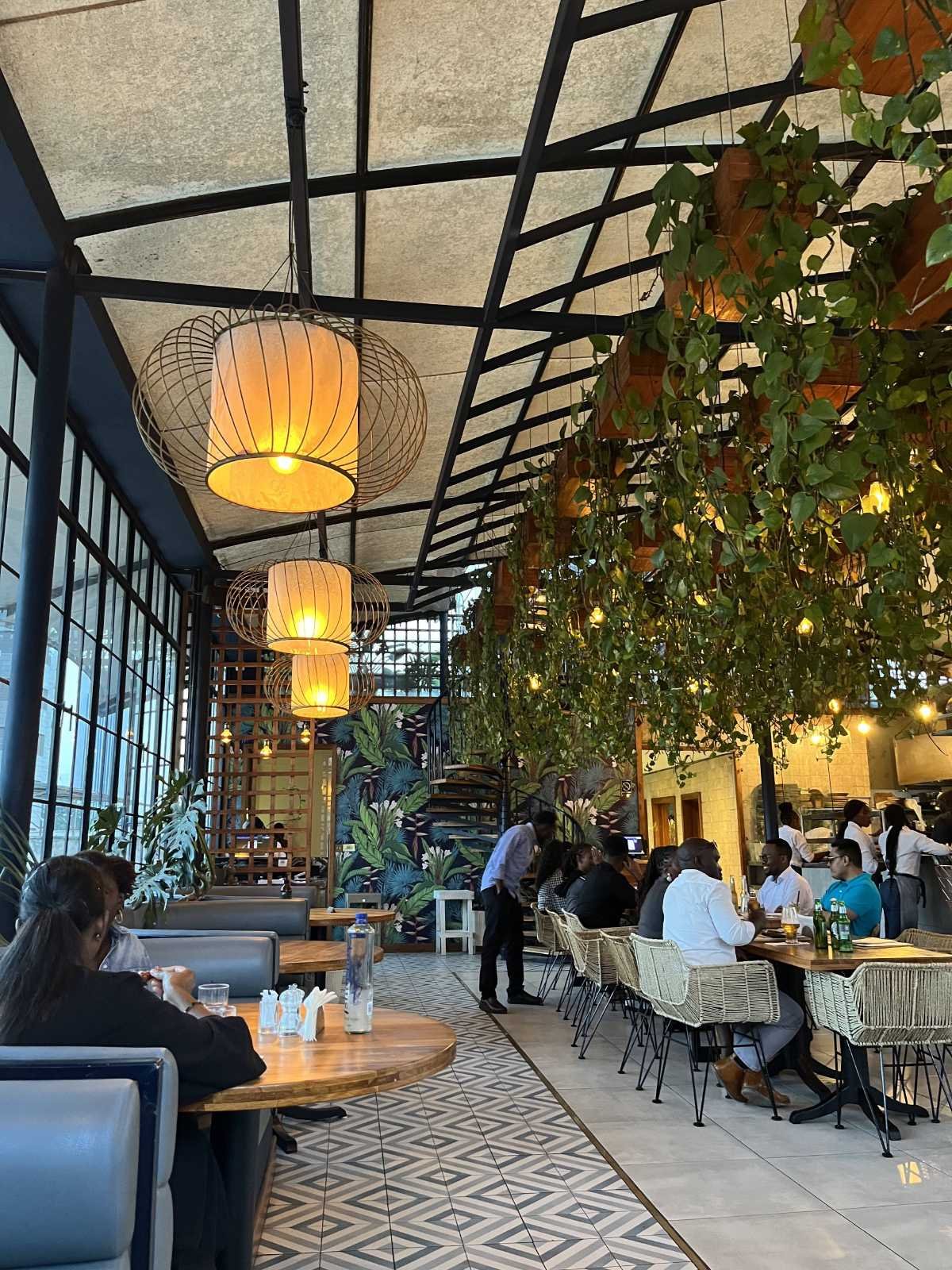
Lively and lively atmosphere with African-themed decor, open-air seating, and energetic service.