
Conde Nast Hot List Restaurants
Our verdict
Bistro Lolo brings brasserie grammar into Nairobi’s design-led dining scene, using French comfort dishes as a frame for Kenyan produce. Set within a restored 1970s villa linked to the architect behind the KICC tower, it reads less like a transplant than a local argument for highland potatoes, coastal seafood, proper wine, and a room with adult energy.

Pearl is the En Primeur Club membership app — saves, bookings, and concierge access live there. Same editors, same standards.
- Address
- 61 Kabarsiran Ave, Nairobi, Kenya
- Phone
- +254 117 080808
- Hours
- Daily 7 AM–9:30 PM
- Website
- celineandlolo.com
- Directions
- Get directions
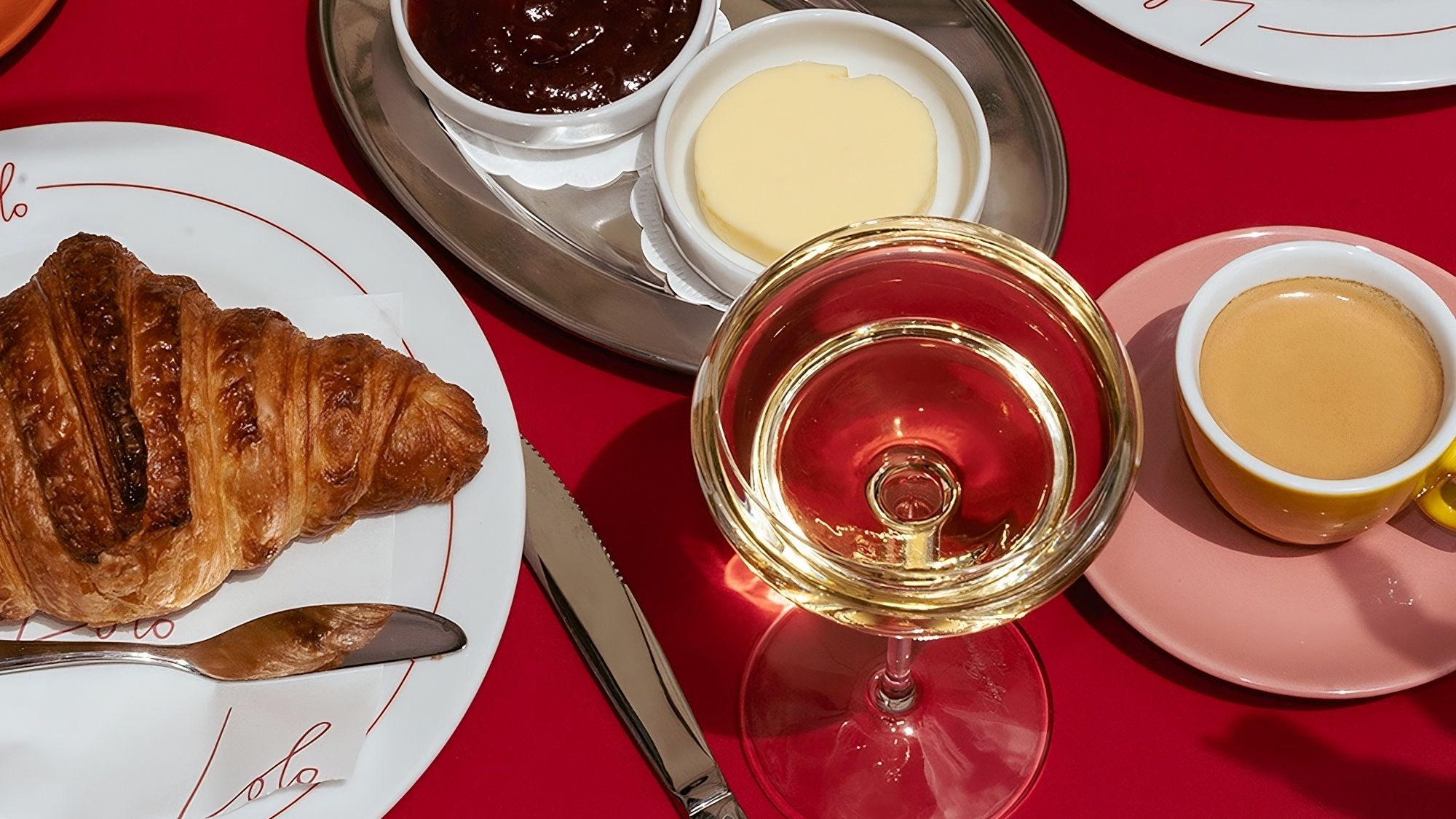
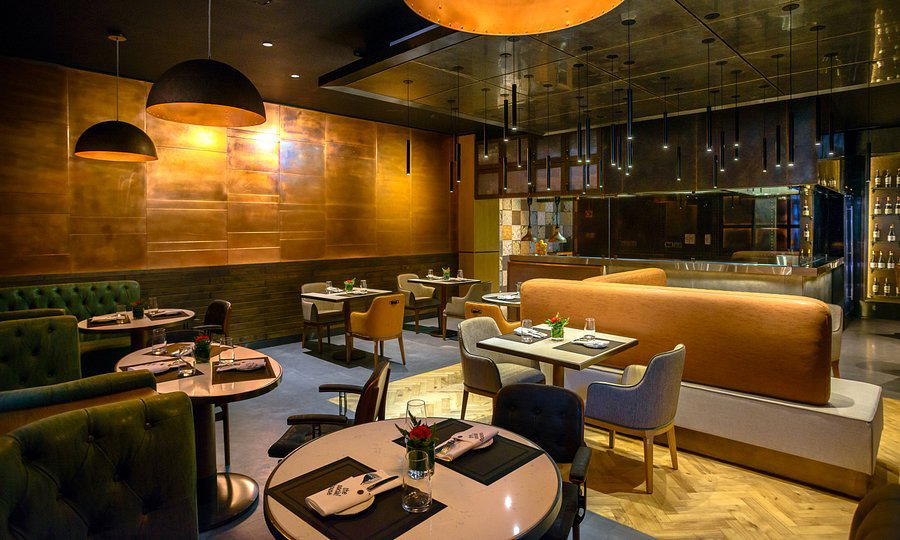
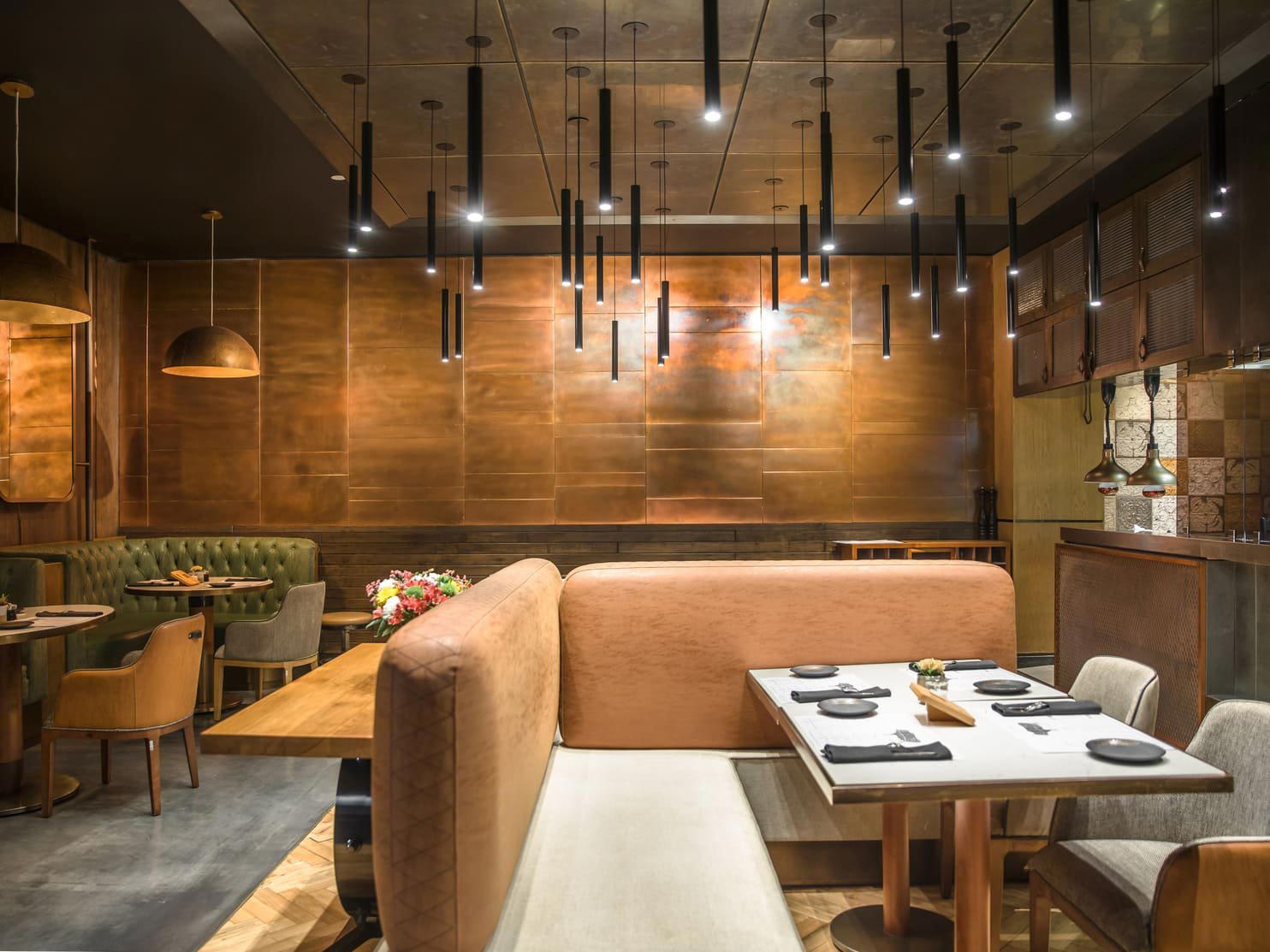
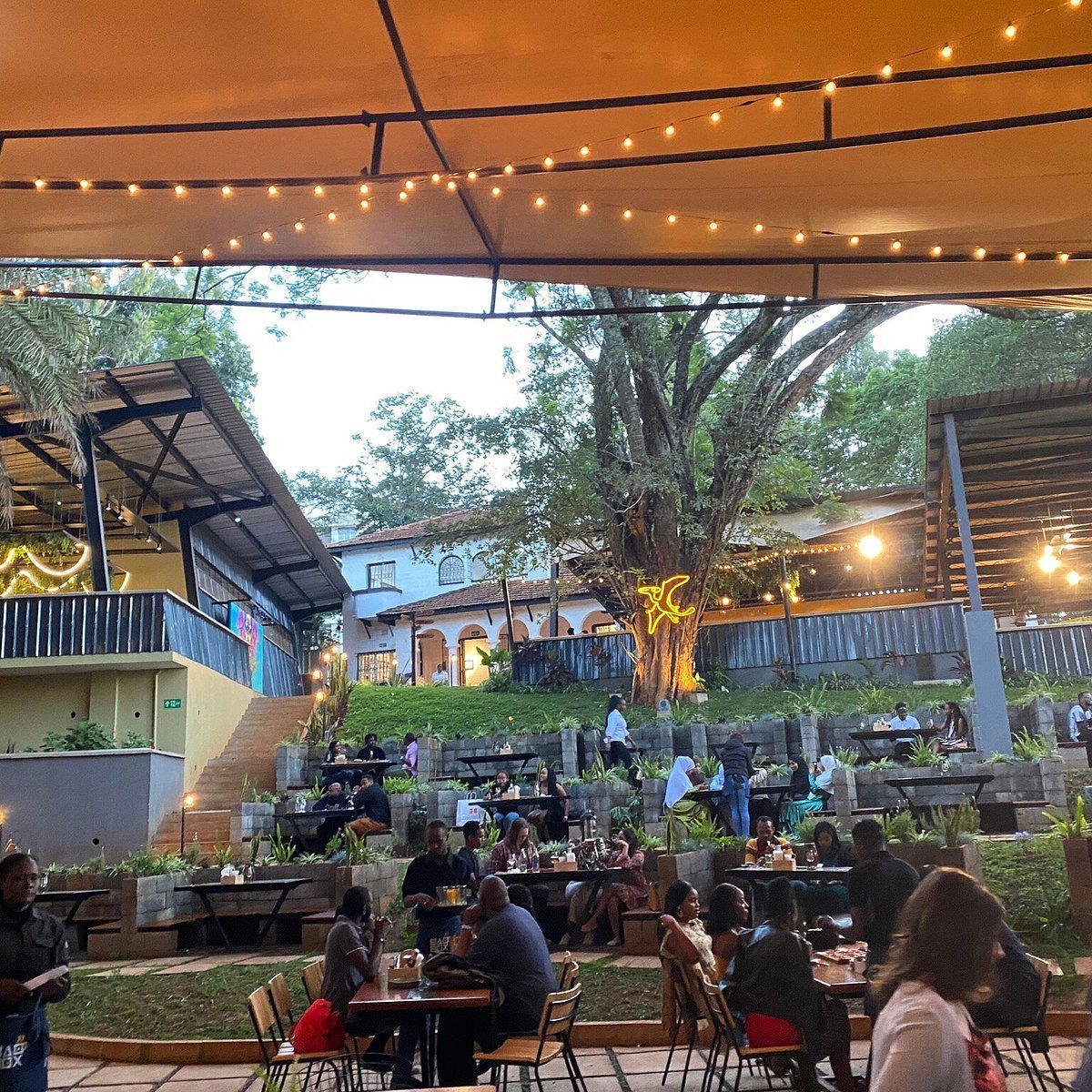
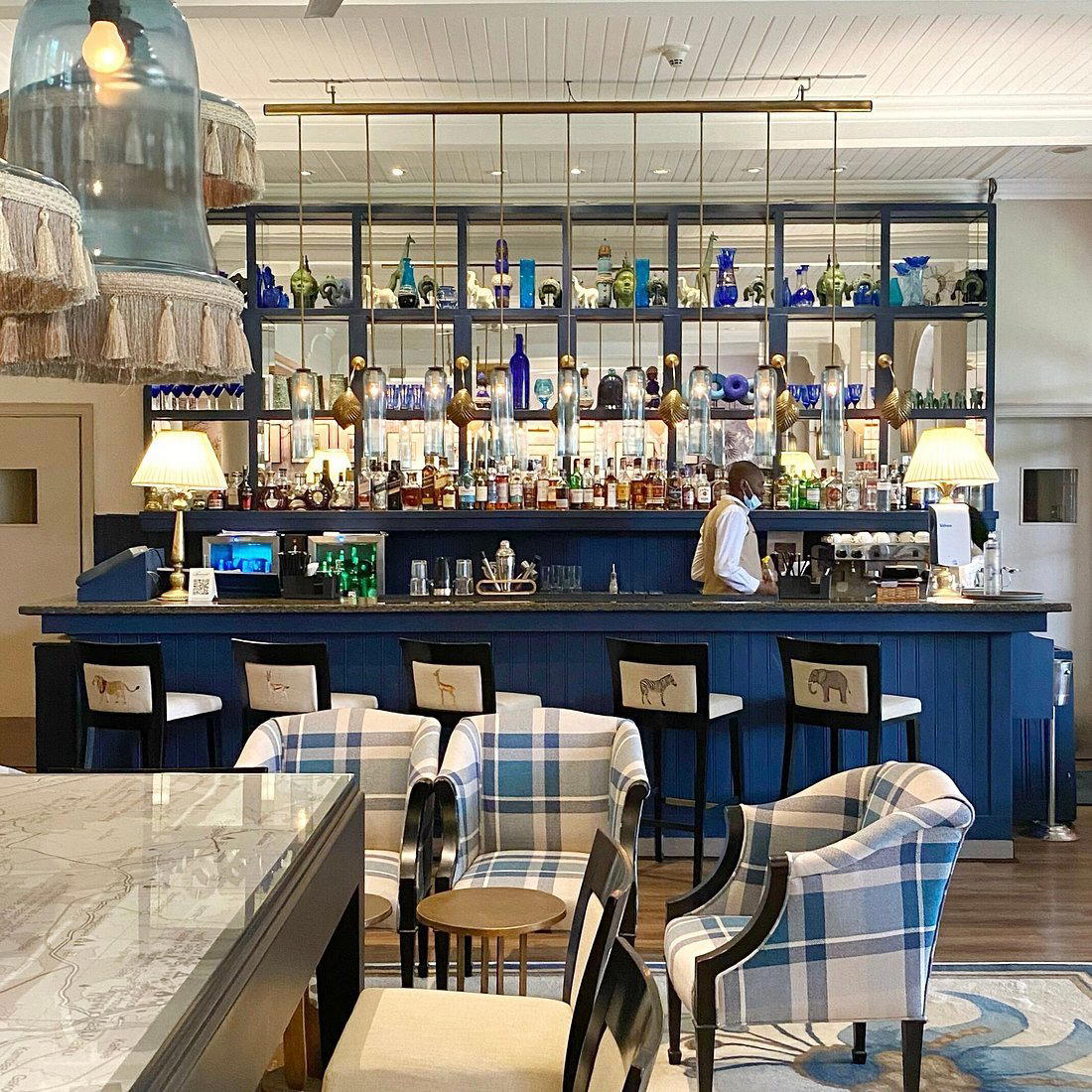
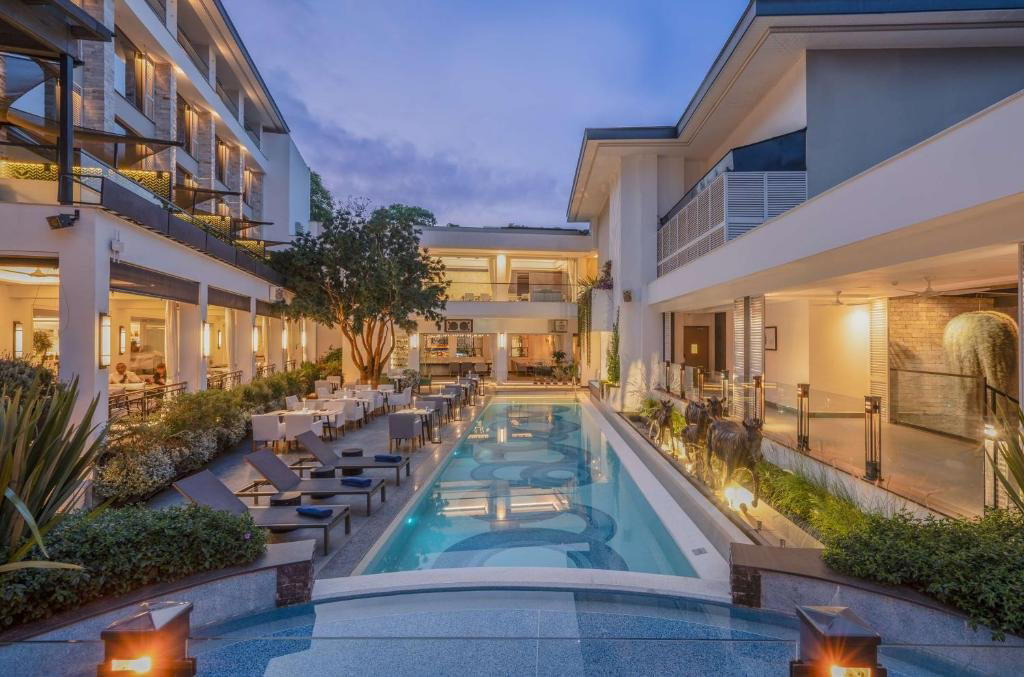
The room announces itself before the menu does: warm wood, low light, crisp table linen, and the soft percussion of cutlery in a restored 1970s villa. Nairobi has plenty of casual café culture and garden restaurants, but the current shift is toward rooms that feel socially grown-up without becoming stiff. Bistro Lolo sits inside that change, borrowing the codes of a French brasserie and letting Kenyan produce do much of the talking.
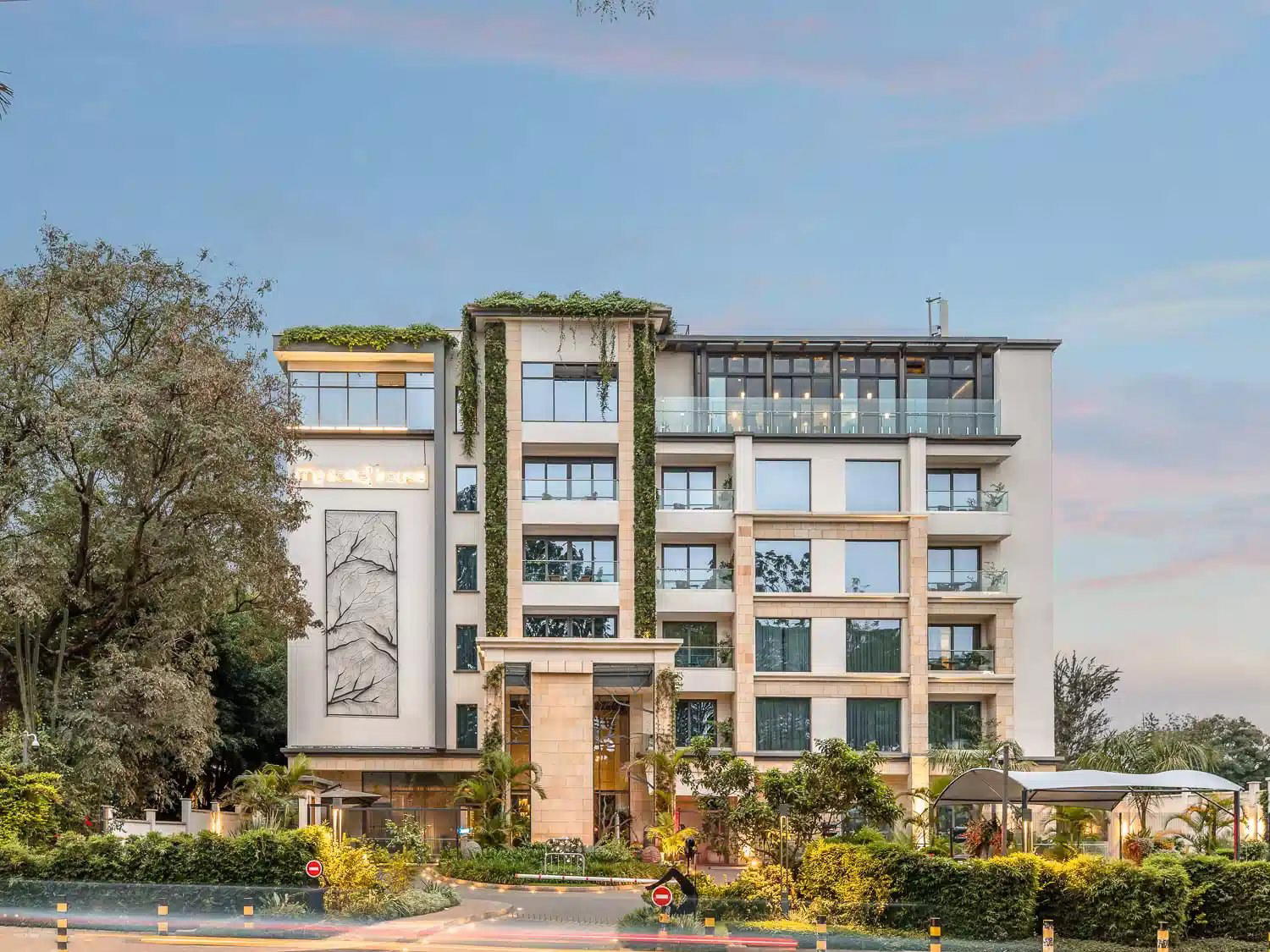
The building matters because Nairobi’s dining culture has become increasingly architectural. Restaurants are no longer judged only by the plate; the room has to carry a lunch meeting, a date, a family table, and a late glass of wine with equal confidence. This villa, by the architect associated with the KICC tower, gives the restaurant a built-in civic reference point. It is not retro styling for effect. It ties the table to a Nairobi that has always mixed modernist ambition, tropical climate, and social dining.
French brasserie rules, Kenyan produce at the centre
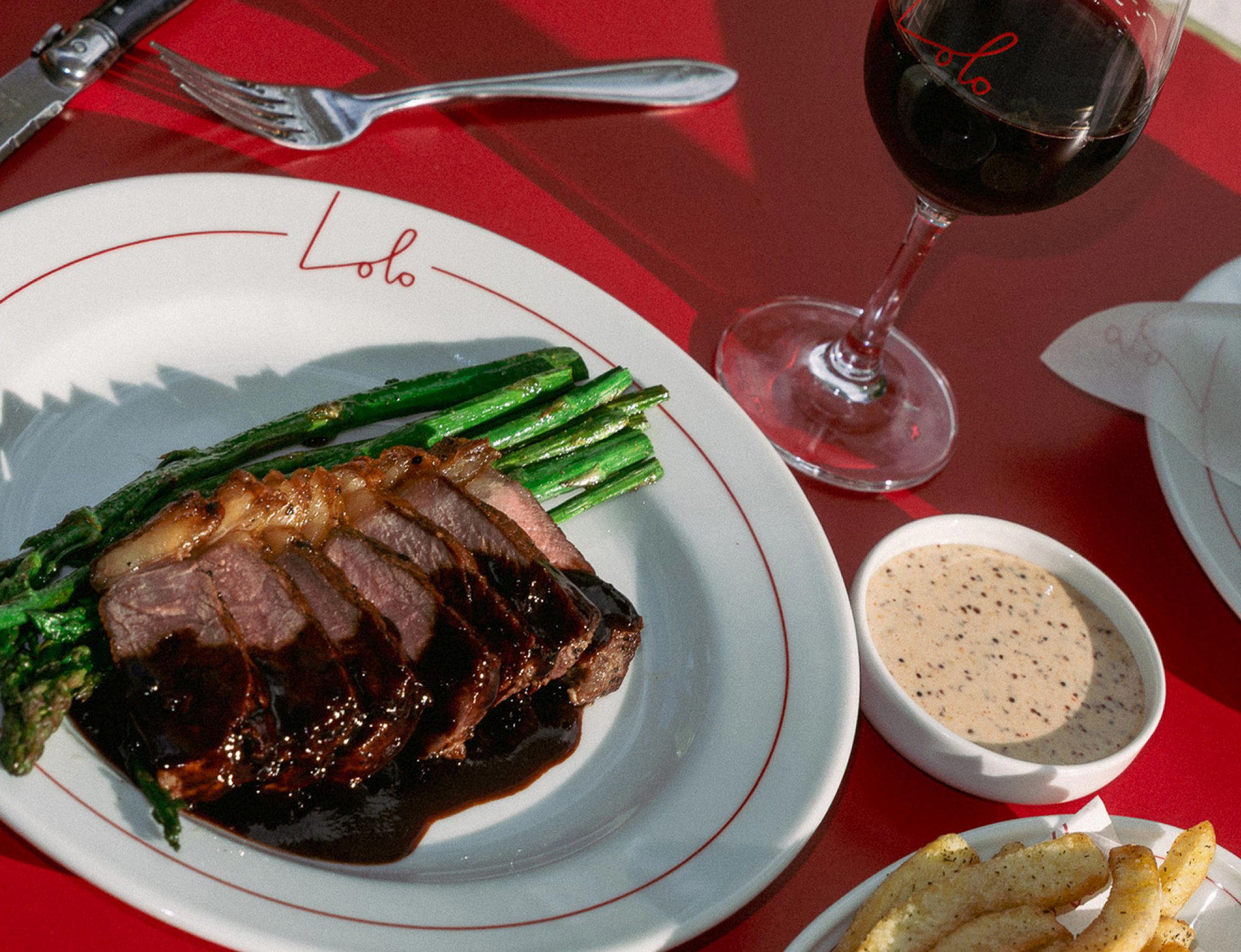
Useful way to read the menu is not as nostalgia for Paris, but as a brasserie template adapted to local supply. Steak frites, croque-monsieur, and œuf mayo are familiar forms; the editorial interest is what happens when they are built from Kenyan ingredients rather than imported sentiment. The triple-cooked fries, made from locally grown highland potatoes, give the point its clearest expression. In a city where produce quality is often strongest outside fine-dining signalling, a potato dish can say more about sourcing than a luxury ingredient ever could.
That sourcing angle gives Bistro Lolo a sharper identity than a generic European restaurant. Kenyan highlands supply potatoes with the structure needed for repeated cooking, while the coast gives the kitchen a seafood route that is local rather than decorative. Nairobi’s more convincing restaurants increasingly work this way: international technique, local supply chain, fewer empty gestures. Dutch chef Richard Loeff’s classical French cooking background is relevant here as a credential, but the point is not biography. It is discipline: a brasserie menu leaves little room to hide behind novelty.
Within Nairobi, the comparison is instructive. Arbor Place works from a garden-restaurant mood, while comparison venues such as Copper, Inca, The Other Room, and Mambo Italia Lavington point to a city comfortable with imported formats. The difference at Bistro Lolo is the degree to which the French frame is anchored by Kenyan product and a period building rather than theme-restaurant theatre. For a broader city read, our full Nairobi restaurants guide maps that range across dining rooms, cafés, and destination tables.
A Nairobi room for brasserie pace rather than occasion dining
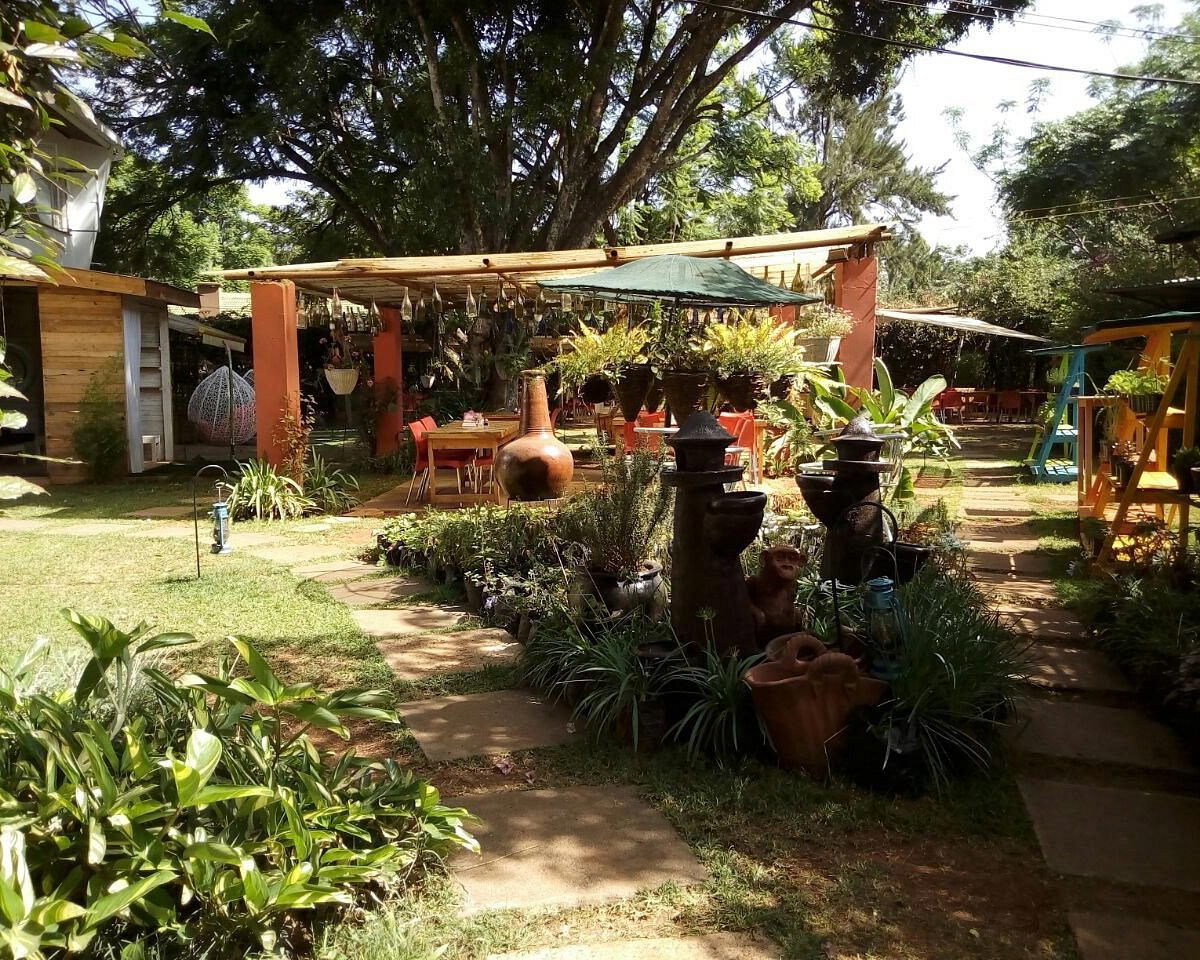
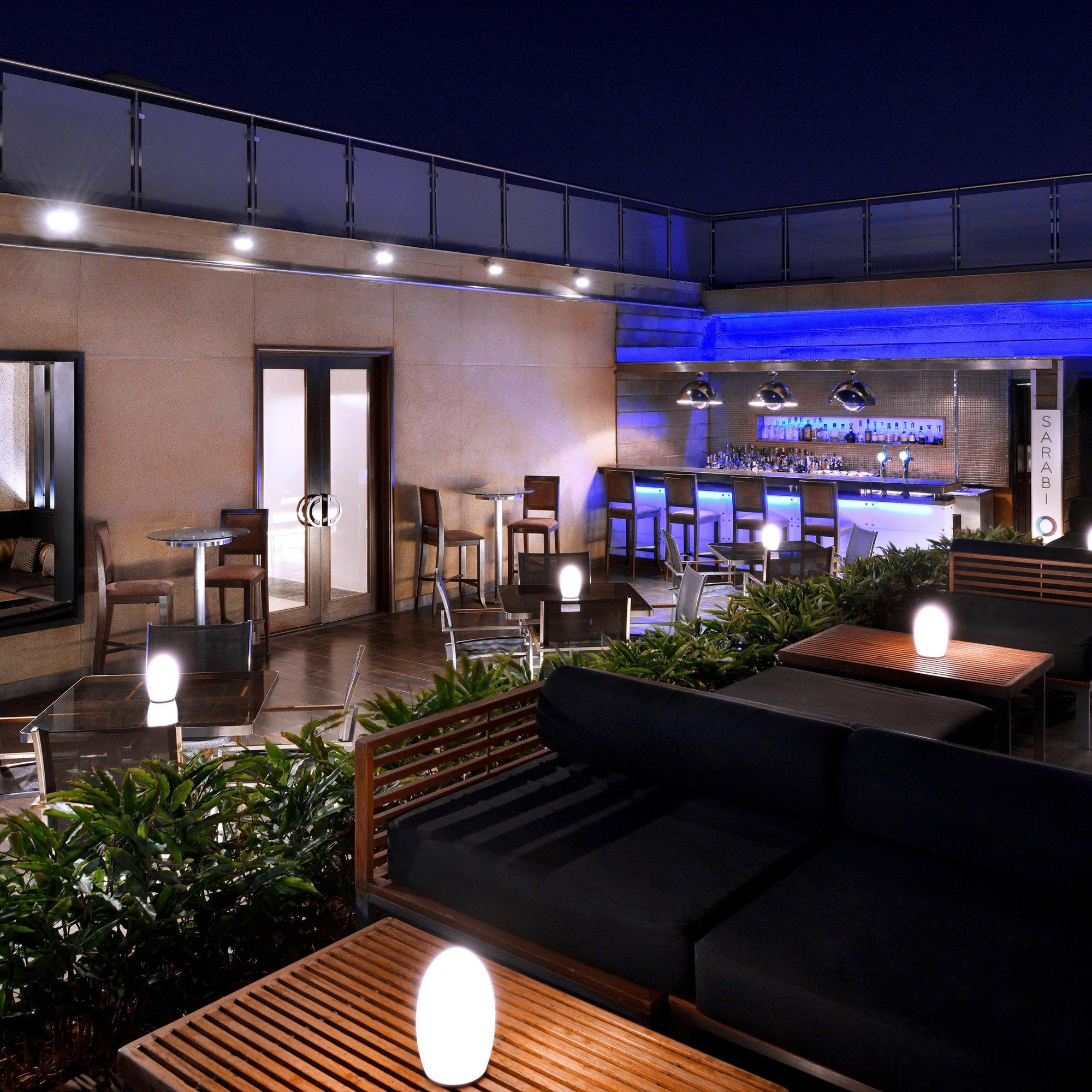
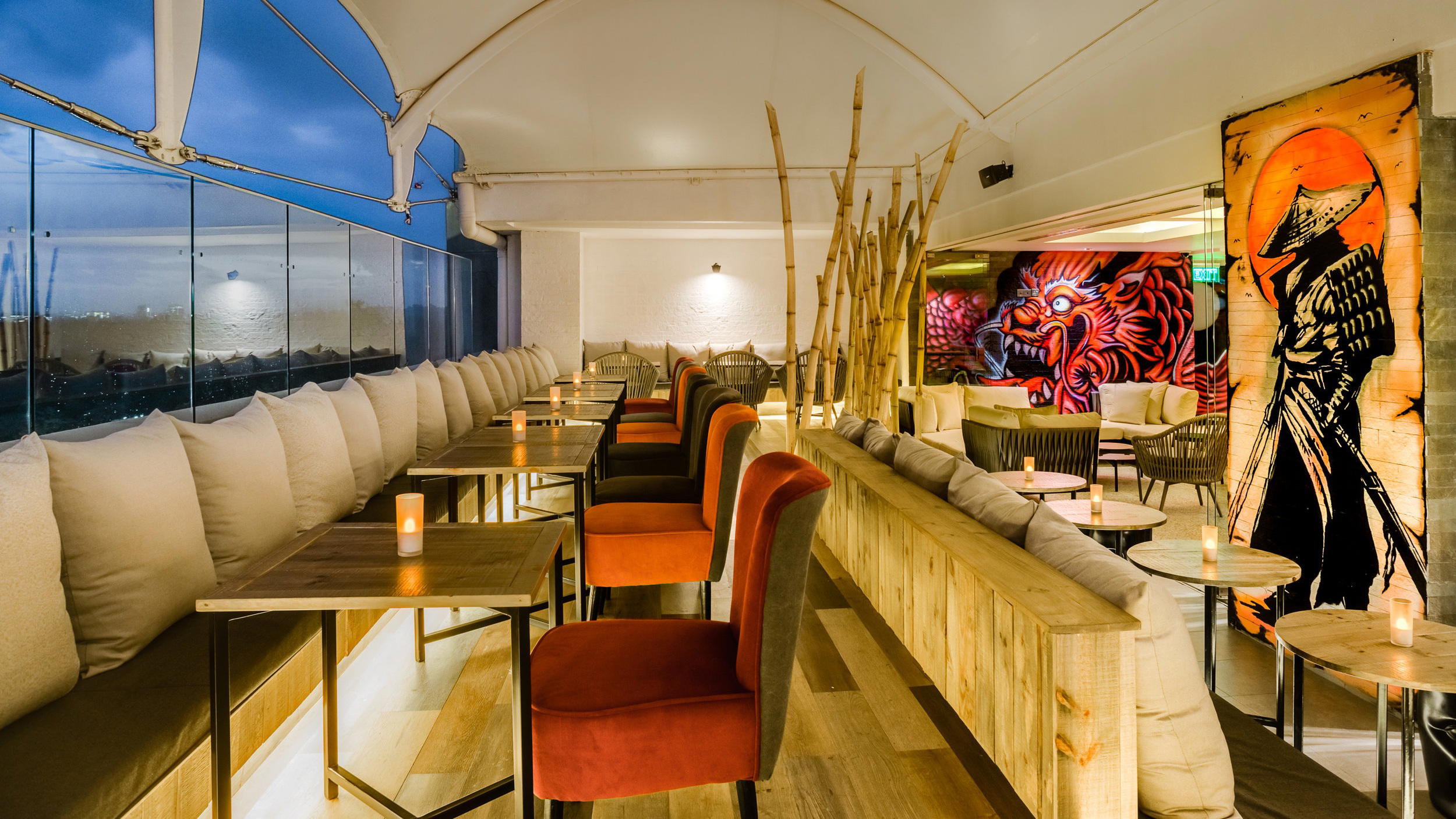
The atmosphere is polished but not hushed. That distinction matters in Nairobi, where many high-comfort restaurants lean either toward hotel formality or garden looseness. Bistro Lolo’s brasserie rhythm is more flexible: breakfast can move into lunch, and lunch can plausibly turn into wine and an early dinner without a change of costume. Its daily hours support that all-day pattern, which places it closer to a neighbourhood social room than a tasting-menu destination.
Wine also helps define the room. A list drawing from France and South Africa makes sense for Nairobi’s current dining public: French bottles echo the menu’s structure, while South African wine remains one of the continent’s strongest quality-to-price propositions. The result is a restaurant that can be used for a proper meal without demanding ceremony. That is a useful middle ground in a city where the dining scene is expanding faster than its service categories can neatly describe.
Readers building a wider Nairobi itinerary can place it alongside About Thyme Restaurant for established local dining texture, BangBang Thai Kitchen for another imported cuisine translated to the city, Aroma Coffee Shop for café context, and Artcaffé Restaurant Ring Road Parklands for the polished casual side of the market. Beyond restaurants, the city’s hospitality picture is easier to parse through our full Nairobi hotels guide, our full Nairobi bars guide, our full Nairobi wineries guide, and our full Nairobi experiences guide.
How it fits into Kenya's broader dining map
Kenya’s destination dining is split between city rooms, coastal spectacle, and safari-lodge hospitality. Nairobi supplies the social density; the coast supplies seafood and setting; the safari circuit supplies lodge dining built around landscape, fire, and controlled logistics. Bistro Lolo belongs firmly to the urban side of that map, but its use of highland potatoes and coastal seafood connects it to the country rather than only to a European canon.
For contrast, coastal and lodge addresses show how different Kenyan dining contexts shape expectation: Ali Barbour's Cave Restaurant in Kwale, Baharini in Chale Island, and Barharini Beach Bar and Restaurant in Diani Beach lean on place and coast; Angama Mara Dining Pavilion in Narok, Boma in Maasai Mara National Reserve, and Boma restaurant in Maasai Mara belong to the safari hospitality circuit. Nairobi’s work is different. It has to persuade without sunset, beach, or game-drive drama. Here, that persuasion comes through a confident room, recognizable cooking, and produce that earns its place on the plate.
Internationally minded diners may also read the restaurant against broader format translations: Jōdo Saké Bar in Los Angeles and Onigiri Time in Pasadena show how tightly defined culinary formats travel when handled with restraint. Bistro Lolo makes a similar case for the brasserie in Nairobi. The format is familiar; the test is whether the room and sourcing make it feel native to the city. On current evidence, that is the reason to pay attention.
Frequently asked questions
Does Bistro Lolo work for a family meal?
Yes, especially for families that want a relaxed brasserie setting rather than formal dining. Bistro Lolo at 61 Kabarsiran Ave runs daily from 7 AM to 9:30 PM, so it suits lunch or an early dinner in Nairobi.
What should I expect atmosphere-wise at Bistro Lolo?
Expect a polished room with warm woods, soft lighting, and the feel of a restored 1970s villa. The setting sits inside hotel Céline & Lolo in Nairobi, and the service format reads more brasserie than special-occasion tasting room.
What's Bistro Lolo known for in terms of accolades?
Bistro Lolo has received recognition including: Set inside a restored 1970s villa by the same architect behind Nairobi’s landmark KICC tower (often considered the city’s equivalent of the Eiffel Tower), hotel Céline & Lolo feels like stepping back in time while also capturing the spirit ….
When is Bistro Lolo open?
Hours at Bistro Lolo: Mon: 7 AM–9:30 PM; Tue: 7 AM–9:30 PM; Wed: 7 AM–9:30 PM; Thu: 7 AM–9:30 PM; Fri: 7 AM–9:30 PM; Sat: 7 AM–9:30 PM; Sun: 7 AM–9:30 PM.
How do I find Bistro Lolo?
Bistro Lolo is located in Nairobi.
What do critics highlight about Bistro Lolo?
Critics focus on the way Richard Loeff’s French-leaning menu is worked around Kenyan produce. The restaurant’s triple-cooked fries and seafood from the Kenyan coast are singled out in coverage, alongside its wine list with bottles from France and South Africa.
How does Bistro Lolo handle allergies?
Guests with allergies should speak to staff before ordering, since the menu draws on French brasserie classics such as steak frites, croque-monsieur, and œuf mayo. That mix of dairy, gluten, and egg-based dishes means ingredient checks matter at Bistro Lolo in Nairobi.
Snapshot
Comparable venues by cuisine and price in the same metro.
| Venue | Cuisine | Price | Awards |
|---|---|---|---|
| Bistro LoloThis venue — the venue you are viewing | French-leaning Bistro | Not listed | Conde Nast Hot List Restaurants |
| Arbor Place | Southeast Asian & Italian Fusion | $10–20 | Not listed |
| MAMBO ITALIA LAVINGTON | Italian Pizza & Pasta | $10–20 | Not listed |
| Copper: A smouldering Urban Grill | Modern urban grill & steakhouse | $30–50 | Not listed |
| Inca: A Peruvian Melting Pot | Peruvian Melting Pot | Not listed | Not listed |
| The Other Room: A garden-inspired, farm-to-table restaurant & terrace bar | Farm-to-Table International | $30–50 | Not listed |
Recognition history
Dated appearances from independent guides and award organizations, with the underlying list record or original source where available.
Conde Nast Hot List Restaurants
Conde Nast
Details
- Scenic
- Whimsical
- Cozy
- Trendy
- Lively
- Business Dinner
- Group Dining
- Brunch
- Casual Hangout
- After Work
- Garden
- Hotel Restaurant
- Design Destination
- Courtyard
- Craft Cocktails
- Garden
- A La Carte
- Cocktails
- Wine
Current opening hours
- Monday
- 7 AM–9:30 PM
- Tuesday
- 7 AM–9:30 PM
- Wednesday
- 7 AM–9:30 PM
- Thursday
- 7 AM–9:30 PM
- Friday
- 7 AM–9:30 PM
- Saturday
- 7 AM–9:30 PM
- Sunday
- 7 AM–9:30 PM
Hours can change for holidays and private events. Last verified .