Our verdict
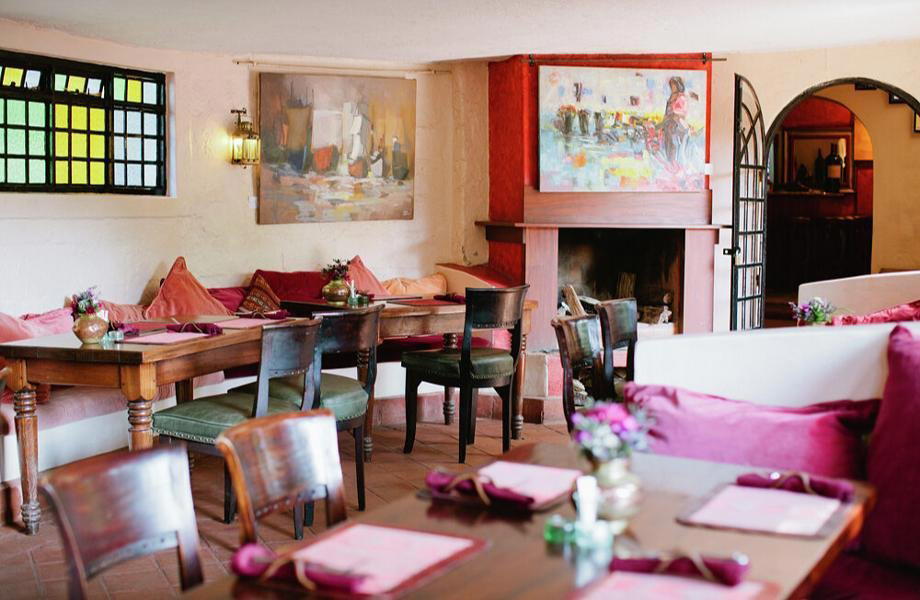
On Ngong Road, Talisman Restaurant occupies a particular position in Nairobi's established dining circuit: a garden-set property that has drawn a loyal clientele from the Karen and Nairobi suburbs for years. The setting rewards unhurried meals, and the kitchen operates within a tradition of European-influenced cooking adapted to East African ingredients and rhythms.

Pearl is the En Primeur Club membership app, where members save venues, book tables and use the concierge.
The menu
What to order
- Feta and coriander samosas
- Braised pork belly
Ngong Road and the Garden Dining Tradition
Nairobi's dining culture has long split between the city centre's fast-paced restaurant corridors and the slower, more residential character of the southern suburbs stretching toward Karen and Langata. Along Ngong Road, the latter tendency dominates. Properties here tend toward open-air or semi-outdoor formats, generous grounds, and a pace that suits long lunches rather than quick covers. Talisman Restaurant sits within this tradition, drawing from a suburban Nairobi dining pattern that prizes setting and atmosphere as much as the plate itself.
This matters as context. Where Nairobi's more urban dining options, places like Artcaffé Restaurant in Parklands or Bao Box, operate with the density and turnover of city-centre venues, Ngong Road restaurants occupy a different register entirely. The expectation, on both sides of the table, is that a meal takes time. The physical environment is designed to make that time feel considered rather than slow.
Arriving and Settling In
The approach along Ngong Road places Talisman in a stretch where established properties and newer commercial development sit in close proximity, but the restaurant's grounds create a clear separation from the road itself. Garden seating is a consistent feature of the southern Nairobi dining format, and Talisman's outdoor areas are part of what has made the property a fixture for residents of Karen, Langata, and the broader Nairobi south. The shift from the road into the property signals a change in tempo that is part of the dining proposition here.
This physical grammar, arrival, threshold, settling, is what makes garden restaurants in this part of Nairobi function as full-evening venues rather than meal stops. Comparable properties along the Ngong Road and Karen corridor operate on the same logic: the meal begins before the food arrives. For comparison, About Thyme Restaurant and Arbor Place draw from a similar suburban format and clientele, positioning themselves as destination venues rather than convenience options.
How the Meal Moves
The European-influenced kitchen tradition that characterises much of Nairobi's mid-to-upper dining tier tends to structure meals with a clear arc: lighter, sharper openings that give way to richer, more settled main courses, with the dessert stage functioning as resolution rather than afterthought. Talisman operates within this multi-course logic, where the sequencing of a meal is understood as part of what the restaurant offers.
This is worth stating plainly because it distinguishes Talisman's register from Nairobi's brasher, more informal dining formats. At the other end of the city's dining spectrum, venues like Carnivore, Nairobi's long-running African Traditional barbecue institution, operate on abundance and spectacle rather than sequence. The contrast is instructive: Talisman's proposition is built on progression and proportion, where each stage of a meal is calibrated against what comes before and after it.
For readers familiar with European restaurant formats where the tasting progression is treated as a narrative form, venues like Atomix in New York or Le Bernardin represent the most formalised version of this approach. Talisman operates several registers below that level of formality and price, but the underlying logic of meal-as-arc is shared. The kitchen's output is calibrated for a clientele that has experience with European dining formats and expects the pacing to reflect that.
Where It Fits in the Nairobi Dining Circuit
Nairobi's premium dining tier has diversified considerably over the past decade. The city now supports a range of cuisine types and formats that would have been less available to residents in earlier periods, from specialist Asian kitchens to contemporary African cooking and international hotel dining. Within this broader expansion, Talisman occupies a specific niche: a garden-set, European-influenced property on the southern corridor that functions as a reliable destination for the Karen and Langata residential communities.
This is not the same as saying it is a conservative venue. The southern Nairobi dining tradition has its own internal competition, and properties on this corridor have adapted to a clientele that travels internationally and has reference points for quality. The expectation at venues in this tier is that ingredient sourcing and kitchen execution are held to a standard that reflects the price point and setting.
For those building a broader picture of Kenya's dining scene beyond Nairobi, the contrast with coastal and safari-adjacent formats is worth noting. Properties like Ali Barbour's Cave Restaurant in Kwale or dining at ol Donyo Lodge in the Chyulu Hills and Great Plains Mara in the Maasai Mara operate with a completely different logic, where setting is inseparable from the experience and the dining format reflects the lodge or coastal context. Talisman is a city restaurant in the full sense: its proposition is built on the kitchen and the social occasion rather than the surrounding landscape.
There is also a Karen-specific property worth flagging separately: Talisman in Karen operates as a related but distinct venue from the Ngong Road property, and readers researching both should confirm which location suits their itinerary. The Karen corridor and the Ngong Road stretch serve overlapping but not identical catchment areas.
Planning a Visit
For visitors to Nairobi, the Ngong Road location places Talisman within reasonable reach of the Karen and Langata residential areas, and within a practical drive from central Nairobi or the Westlands corridor, depending on traffic. Nairobi's traffic patterns mean timing matters: a lunch reservation avoids the worst of evening congestion, while dinner visits benefit from arriving before the post-work rush consolidates on the major roads. Our full Nairobi restaurants guide covers the city's dining geography in more detail for visitors building an itinerary across multiple neighbourhoods.
For a city where restaurant information is not always consistently maintained online, local concierge contact is often the most reliable channel for confirmation and reservation.
Frequently asked questions
Would Talisman Restaurant be comfortable with kids?
Talisman's garden setting on Ngong Road tends to suit families better than a tight urban dining room would. The outdoor atmosphere allows for a more relaxed pace, which generally makes the environment workable for older children. That said, the restaurant sits within Nairobi's upper dining tier, so expect a crowd that skews adult, particularly in the evenings.
What's the vibe at Talisman Restaurant?
Talisman occupies a residential stretch of Ngong Road that sets a slower, more settled tone than the city centre's restaurant corridors. The garden format reinforces that character, meals here tend to unfold at a deliberate pace rather than against a backdrop of urban noise. It reads as the kind of place where regulars return on a Wednesday as readily as a Saturday.
Is Talisman Restaurant a good option for a meal near the Karen or Langata areas of Nairobi?
Talisman sits on Ngong Road, which places it within practical reach of both Karen and Langata, two of Nairobi's most established residential districts. For visitors or residents based in that part of the city, it represents one of the more accessible upper-tier dining options without requiring a drive into the city centre. The garden setting aligns well with the pace those neighbourhoods tend to favour.
What do regulars order at Talisman Restaurant?
Talisman draws from a European-influenced kitchen tradition common to Nairobi's mid-to-upper dining tier, with meals structured through a clear arc of lighter starters into more substantial mains. Specific dish details are best confirmed directly with the restaurant, as menus in this category typically shift with season and supplier availability.
Where is Talisman Restaurant in Nairobi?
Talisman Restaurant is located at Ngong Rd, Nairobi, Kenya, Nairobi.
Can I walk in to Talisman Restaurant?
Walk-ins depend on the day and time, and Talisman's position as a recognised address in Nairobi's upper dining circuit means tables fill more readily than a casual neighbourhood spot would. Contacting the restaurant ahead of any visit is the practical approach, particularly for weekend evenings when demand across the Ngong Road and Karen dining belt runs higher.
Where the Accolades Land
Comparable venues nearby, for context on price, style, and recognition.
| Venue | Cuisine | Price | Notes |
|---|---|---|---|
| Talisman RestaurantThis venue (the venue you are viewing) | Global Fusion with South Asian Influences | $20–30 | Not listed |
| Delta Towers | Global Grill & Craft Cocktails | $20–30 | Kilimani |
| Boho Eatery | Modern Vegan Fusion | Not listed | Langata |
| Urban Eatery | Multi-Cuisine Food Hall | $20–30 | Kilimani |
| Cultiva Farm Kenya | Farm-to-Table International | $30–50 | Langata |
| Fonda's Taqueria, Westlands | Authentic Mexican Street Food | $10–20 | Westlands |
Continue exploring
More in Nairobi
Restaurants in Nairobi
All restaurants in Nairobi →

Details
- Elegant
- Cozy
- Romantic
- Scenic
- Sophisticated
- Date Night
- Family
- Celebration
- Business Dinner
- Garden
- Terrace
- Open Kitchen
- Craft Cocktails
- Local Sourcing
- Garden
- A La Carte
- Vegetarian Friendly
- Gluten Free Options
- Vegan Options
Current opening hours
- Monday
- Closed
- Tuesday
- 11 AM–10 PM
- Wednesday
- 11 AM–10 PM
- Thursday
- 11 AM–10 PM
- Friday
- 11 AM–10 PM
- Saturday
- 9 AM–10 PM
- Sunday
- 9 AM–9 PM
Hours can change for holidays and private events. Hours as of .
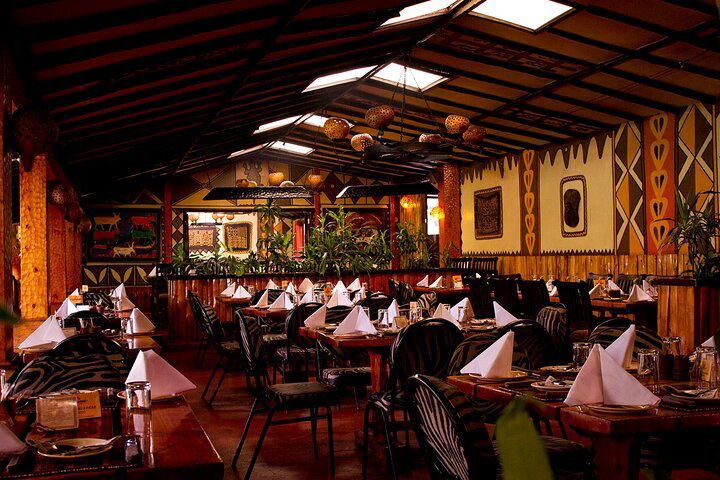
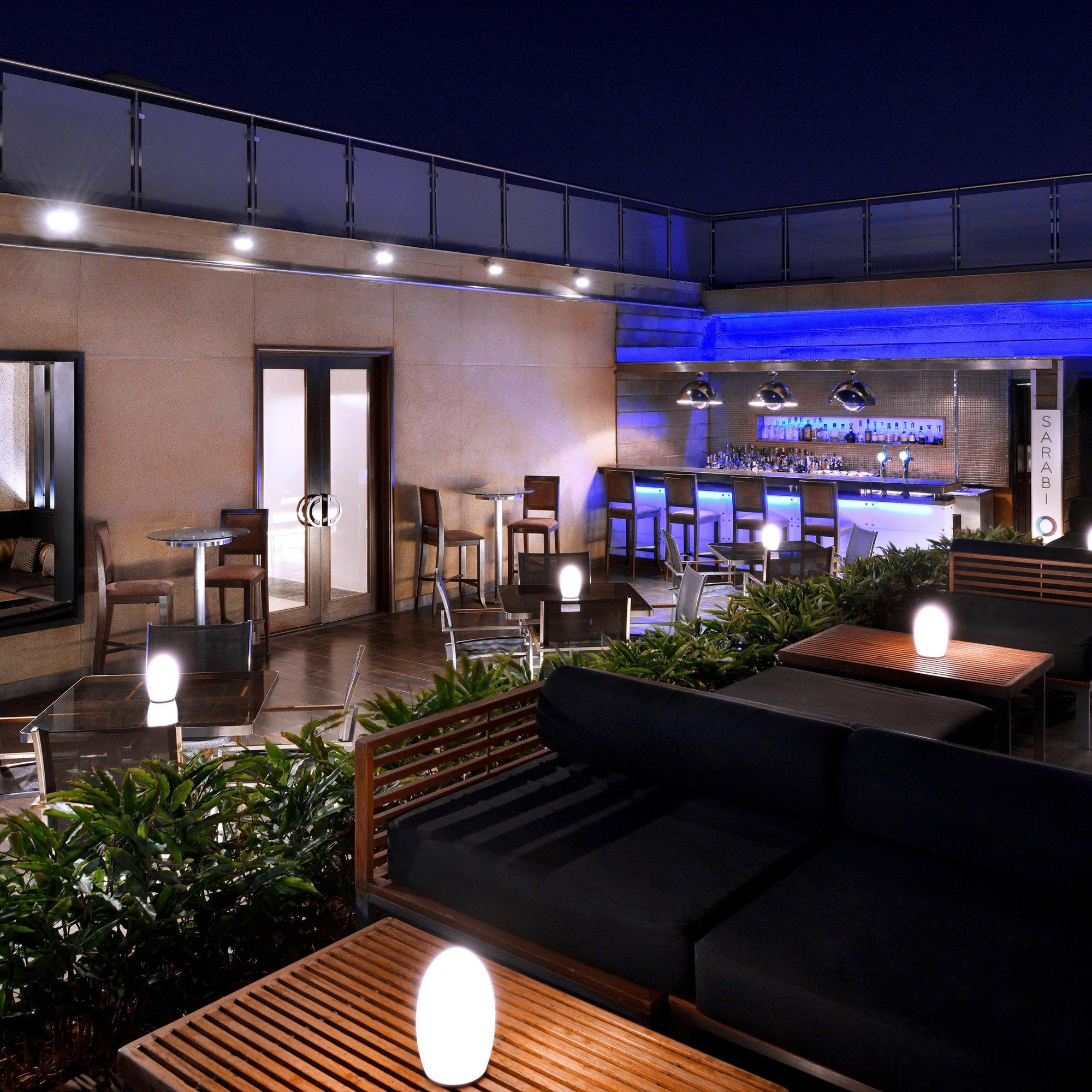
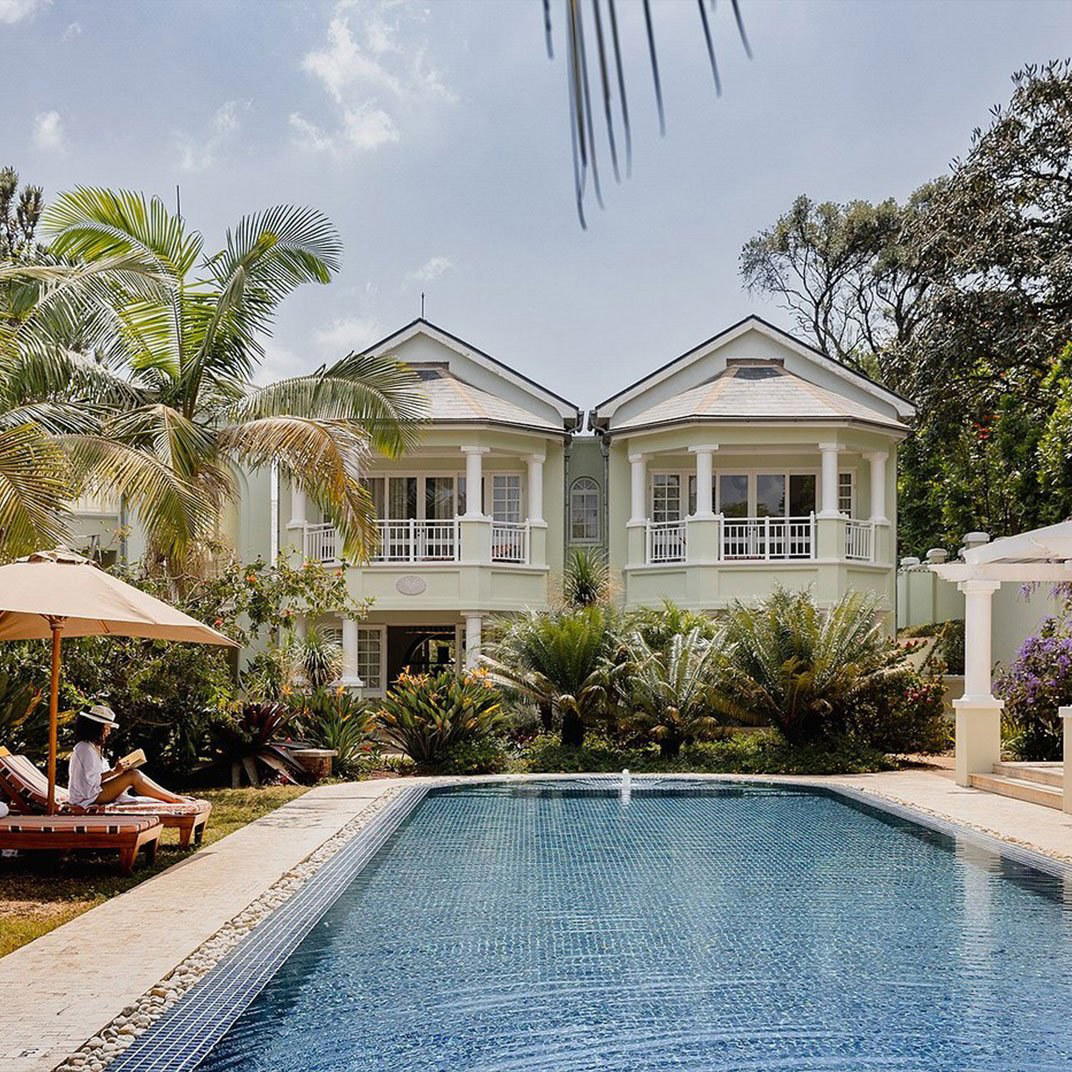
Warm and welcoming with candle-lit romantic dinners, fireplaces, oriental rugs, carved wooden pillars, sprawling terraces, and idyllic gardens creating an eclectic, stylish yet relaxed atmosphere.