Our verdict
On the second floor of Lavington Curve, Mambo Italia brings Italian dining to one of Nairobi's quieter, residential-leaning commercial corridors. The setting sits within a neighbourhood that has steadily drawn mid-to-upper-tier restaurants away from the Westlands bustle, positioning Italian cuisine as a viable anchor in the area's growing dining offer.

Pearl is the En Primeur Club membership app — saves, bookings, and concierge access live there. Same editors, same standards.
- Address
- LAVINGTON CURVE 2ND FLOOR, JAMES GICHURU ROAD, Nairobi, Kenya
- Phone
- +254 709 670000
- Hours
- Mon–Thu 11 AM–9:30 PMFri 11 AM–10 PMSat 11:30 AM–10 PMSun 11:30 AM–9:30 PM
- Website
- mambo-italia.com
- Directions
- Get directions
The menu
What to order
- Double Peperoni Pizza
- Greek Mama Pizza
- Bruschetta
- Chicken Milanese
Italian Dining and the Lavington Shift
Nairobi's restaurant geography has been quietly reorganising for years. The gravitational pull that once kept serious dining anchored to Westlands and the CBD has loosened, and neighbourhoods like Lavington now carry a recognisable dining strip of their own. James Gichuru Road, with Lavington Curve as one of its anchor retail points, reflects that shift: a concentration of restaurants serving residents who prefer proximity and a lower-tempo environment over the noise of Westlands. Italian cuisine has found a particular foothold in this context, partly because the format travels well — pasta, wood-fired dishes, and wine-adjacent dining map onto the casual-but-considered register that mid-Nairobi neighbourhoods tend to reward.
Mambo Italia Lavington occupies the second floor of Lavington Curve, which places it above the street-level commercial layer and gives the space a degree of separation from foot traffic below. Second-floor dining in Nairobi's mid-tier commercial buildings has a specific character: it filters for intention. Diners who arrive have already made a decision rather than wandering in, and that self-selection tends to shape the room's atmosphere toward something more settled. For the Italian format, where pacing matters and the meal is expected to stretch across courses rather than resolve in a single dish, that filtering effect is an asset.
The Ritual of the Italian Table in an African City
Italian dining carries a particular set of customs that don't always translate cleanly across contexts, and how a restaurant manages that translation is one of the more telling signals of its operational confidence. The Italian meal — antipasto giving way to primo, then secondo, then something sweet or sharp at the close, is built around patience. It assumes a table held for a duration, not turned quickly. In cities where dining culture skews toward faster formats, Italian restaurants that commit to that pacing signal a certain confidence in their clientele's willingness to stay.
Nairobi's mid-to-upper dining tier has, over the past decade, shown an increasing appetite for exactly that kind of extended table. The same neighbourhood corridor that hosts Mambo Italia also draws diners familiar with the Italian format from travel or from the city's longer-established European-influenced restaurants. That familiarity means the ritual, the bread before the menu decision, the wine conversation, the deliberate gap between courses, doesn't need to be explained. It can simply be executed. How well Mambo Italia executes that sequence, and how much the second-floor Lavington Curve setting supports the pacing, is the operative question for any first visit.
For context on the broader Nairobi dining scene and where Italian fits within it, the full Nairobi restaurants guide maps the city's categories and neighbourhoods with more granularity. The African traditional format, represented most visibly by Carnivore, occupies a very different register, but it illustrates the range of dining rituals the city holds simultaneously. More neighbourhood-adjacent comparisons include Talisman in Karen, which has built a sustained following on a similar premise of considered, unhurried dining in a residential-adjacent setting.
Placement Within the Nairobi Italian Category
Italian restaurants in Nairobi sit across a wide range of formality and price. At the casual end, pasta-and-pizza formats operate as quick-service or family dining. At the more considered end, wine lists lengthen, pasta is made in-house, and the service mode shifts toward something closer to the European original.
That neighbourhood-tier framing is not a diminishment. Some of Nairobi's most consistent restaurants operate in exactly this register: reliable enough to anchor a regular dinner habit, priced to allow return visits, and calibrated to the rhythms of the surrounding community rather than to the requirements of expense-account dining. About Thyme Restaurant and Arbor Place both operate in the kind of considered-but-accessible space that Nairobi's mid-tier has developed into a credible dining format. Artcaffé Ring Road Parklands represents the all-day café-dining model that competes in the same daypart for a similar demographic. Bao Box shows that Asian formats are also pulling from the same mid-Nairobi dining pool, which puts Italian restaurants under real competitive pressure to justify their format rather than simply rely on cuisine familiarity.
Against that competitive backdrop, an Italian restaurant in Lavington is making a specific bet: that the format's inherent pacing and the neighbourhood's profile are aligned enough to sustain a full-service operation. That bet has worked in comparable African cities, Kampala and Lagos both carry functioning Italian mid-tier restaurants in residential-commercial corridors, and Nairobi's expatriate and upper-middle-class Kenyan dining demographic has historically been receptive to European formats.
Planning a Visit
Lavington Curve on James Gichuru Road is accessible by road from the Ngong Road and Waiyaki Way axes, sitting in the triangle that makes Lavington a practical stop from much of the western residential belt. The second-floor location means the approach is through the building rather than directly from the street, so first-time visitors should factor in a brief orientation moment on arrival. For those travelling more broadly in Kenya, the dining register shifts significantly outside Nairobi: Ali Barbour's Cave Restaurant in Kwale and Funky Monkey in Ukunda occupy the coastal leisure-dining tier, while Great Plains Mara and ol Donyo Lodge in Chyulu Hills represent the high-end lodge-dining format that operates on an entirely different set of assumptions.
For reference on what Italian dining looks like at the most demanding international level, 8½ Otto e Mezzo Bombana in Hong Kong and Alain Ducasse at Louis XV in Monte Carlo set a benchmark that contextualises how the format scales. Closer to the Nairobi register in terms of neighbourhood dining intention are venues like Lazy Bear in San Francisco and Emeril's in New Orleans, both of which have sustained a loyal local following through format consistency rather than constant reinvention. Le Bernardin and Atomix in New York and Alinea in Chicago represent the opposite end of the formality spectrum, where the dining ritual is codified to a degree that neighbourhood Italian operates well outside.
Frequently asked questions
Would MAMBO ITALIA LAVINGTON be comfortable with kids?
Lavington Curve is a mixed-use retail and dining complex, which tends to attract a neighbourhood crowd that includes families from the surrounding residential area. The second-floor setting on James Gichuru Road suggests a sit-down format rather than a quick-service counter, which generally allows for a more relaxed pace suitable for dining with children.
Is MAMBO ITALIA LAVINGTON formal or casual?
The address at Lavington Curve on James Gichuru Road places it within a neighbourhood retail context rather than a hotel or fine-dining strip, pointing toward a casual to mid-range register. Italian restaurants occupying this kind of Nairobi setting typically run a relaxed room where the focus is on the food rather than ceremony. No dress code is documented.
Where exactly is Mambo Italia Lavington located, and is it easy to reach from central Nairobi?
Mambo Italia Lavington sits on the second floor of Lavington Curve on James Gichuru Road, Nairobi. The location sits within the triangle formed by the Ngong Road and Waiyaki Way axes, making it accessible from both Westlands and the CBD by road. Lavington is a residential neighbourhood that has developed a consistent dining corridor over recent years, meaning the venue benefits from steady local foot traffic rather than destination-driven visits.
What's the address for MAMBO ITALIA LAVINGTON?
MAMBO ITALIA LAVINGTON is located at LAVINGTON CURVE 2ND FLOOR, JAMES GICHURU ROAD, Nairobi, Kenya, Nairobi.
Cuisine and Credentials
Comparable venues nearby, for context on price, style, and recognition.
| Venue | Cuisine | Price | Notes |
|---|---|---|---|
| MAMBO ITALIA LAVINGTONThis venue — the venue you are viewing | Italian Pizza & Pasta | $10–20 | Not listed |
| Peppertree | Global Fusion Grill & Craft Cocktails | $20–30 | Kilimani |
| Artcaffé Restaurant Ring Road Parklands | Dining | $20–30 | Westlands |
| Nyama Mama Delta | Modern Kenyan Fusion | Not listed | Kilimani |
| Bao Box | Fusion Casual Dining with Games | Not listed | Westlands |
| Urban Eatery | Multi-Cuisine Food Hall | $20–30 | Kilimani |
Details
- Rustic
- Cozy
- Casual
- Casual Hangout
- Group Dining
- Family
- Standalone
- Beer Program
- A La Carte
- Beer
- Wine
- Coffee
- Vegetarian Friendly
- Vegan Options
- Halal
Current opening hours
- Monday
- 11 AM–9:30 PM
- Tuesday
- 11 AM–9:30 PM
- Wednesday
- 11 AM–9:30 PM
- Thursday
- 11 AM–9:30 PM
- Friday
- 11 AM–10 PM
- Saturday
- 11:30 AM–10 PM
- Sunday
- 11:30 AM–9:30 PM
Hours can change for holidays and private events. Last verified .
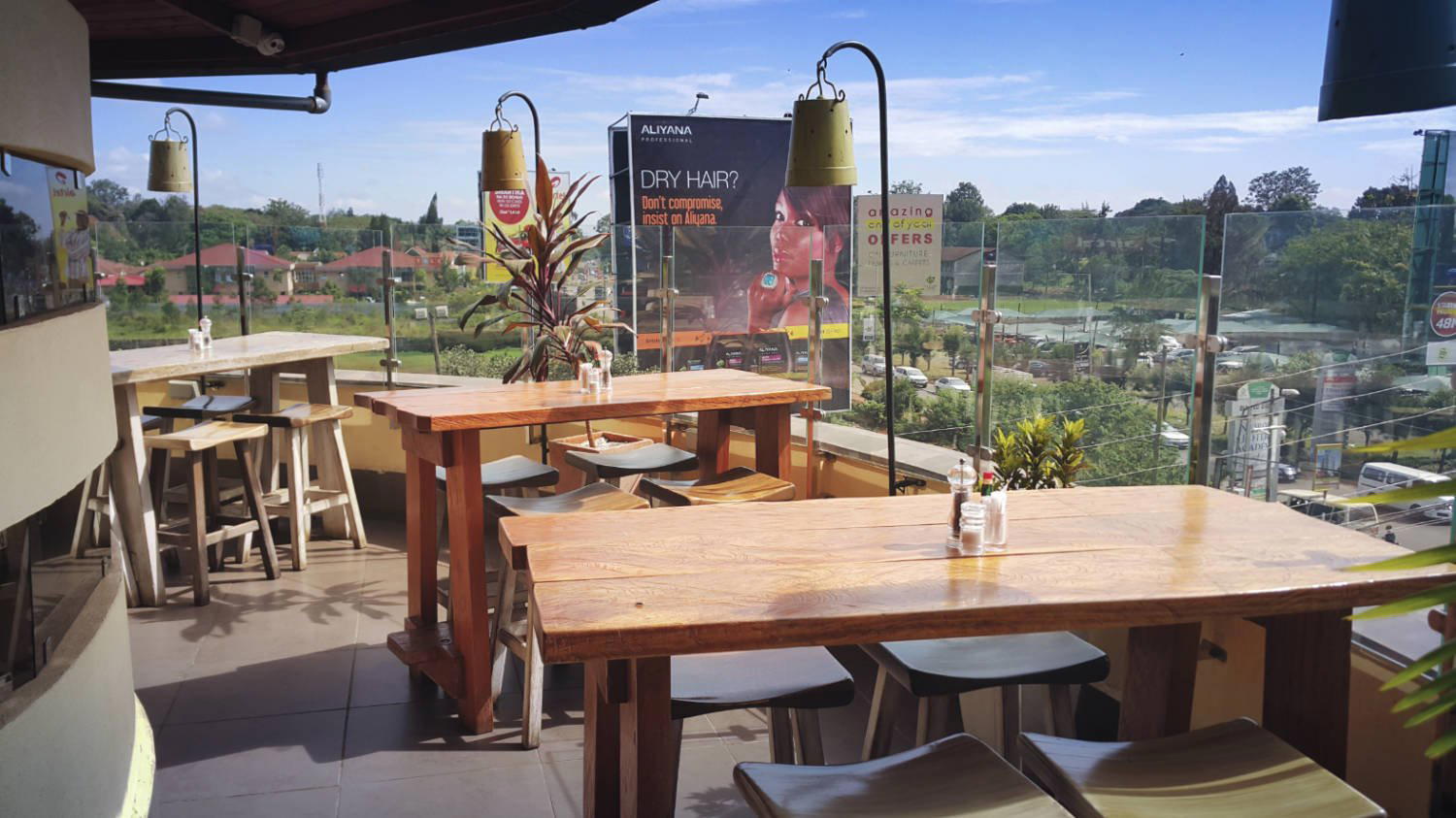
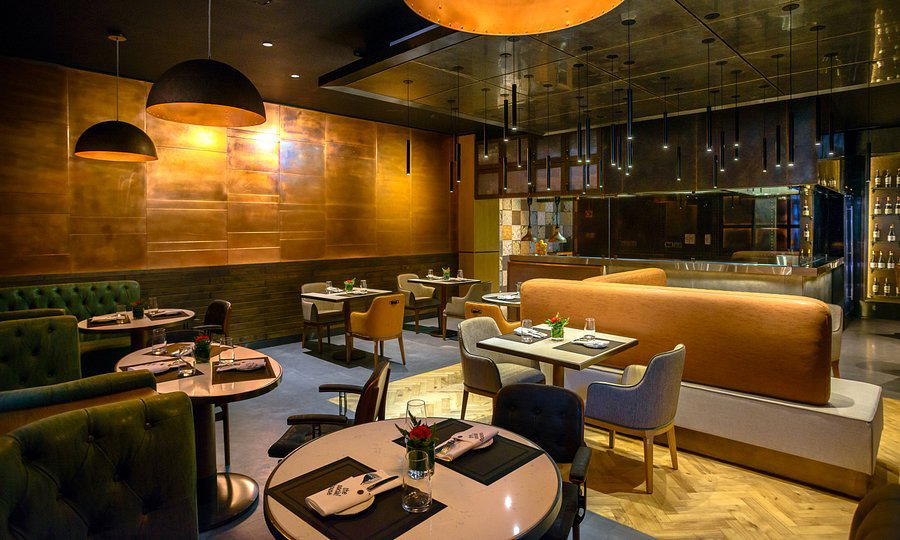
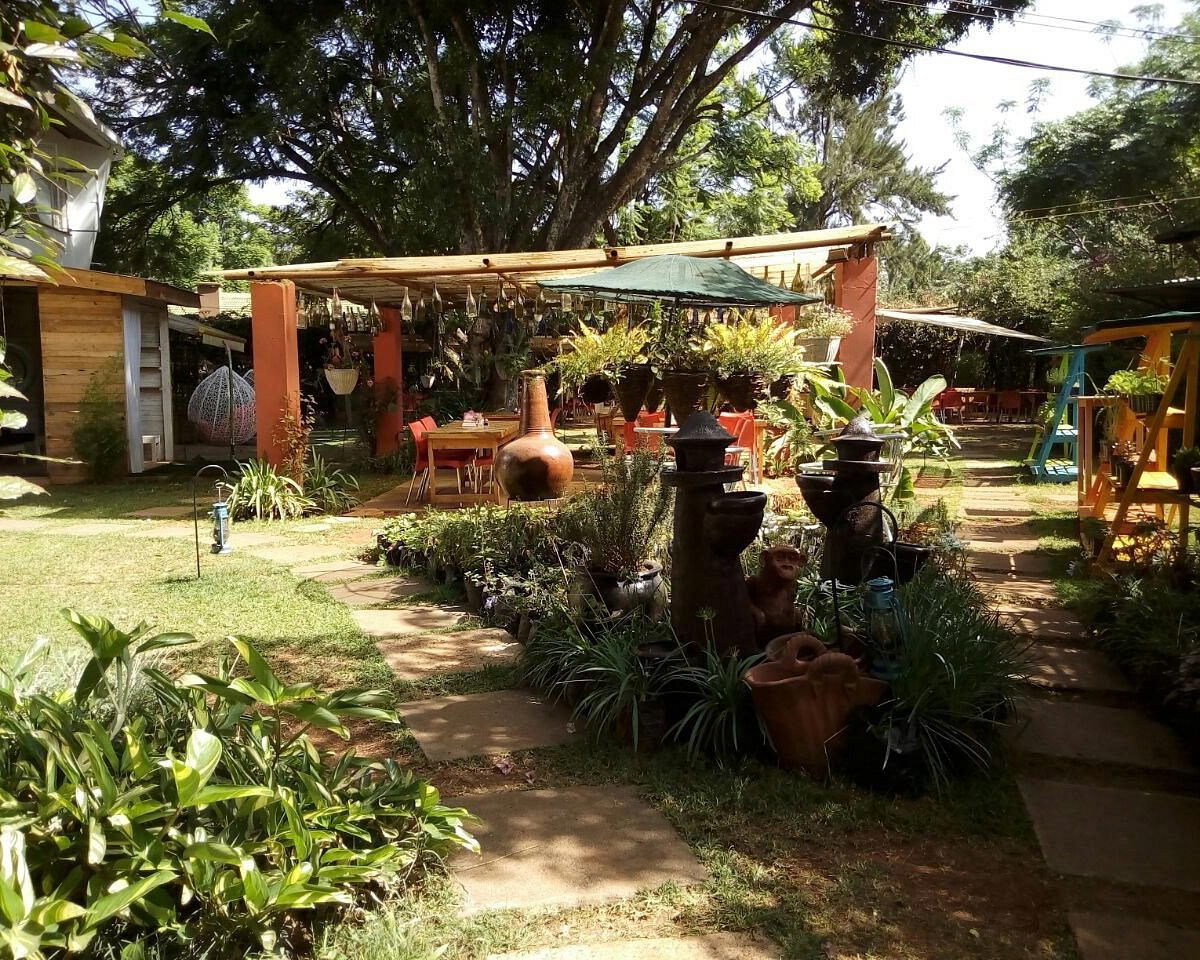
Warm and homely with wooden tables, chairs, and walls throughout; bright colors and a market-like feel create a comfortable, relaxed environment reminiscent of a cozy cabin.