Our verdict
Marula Mercantile sits within the creative compound of Marula Studios on Karen's Marula Lane, placing it among a small cluster of destination venues that draw a loyal Karen crowd back week after week. The setting blends the neighbourhood's leafy suburban character with a mercantile energy that makes it feel less like a restaurant and more like a gathering place with serious intentions behind the kitchen pass.
The menu
What to order
- Pork belly ribs
- Spicy prawns
- Sweet potato fritters
Karen's Compound Culture and the Return Visit
In Nairobi's dining geography, Karen occupies a distinct position. The suburb sits far enough from Westlands and the CBD to develop its own rhythm, and that rhythm tends toward the unhurried and the locally rooted. The dining venues that thrive here are not the ones chasing regional press cycles; they are the ones that accumulate a regular clientele who return not because a publication told them to, but because the venue has become part of a weekly routine. Marula Mercantile, operating within the Marula Studios compound on Marula Lane, sits precisely in that category.
The compound format itself carries meaning. Across East Africa, creative studio and mercantile spaces have emerged as alternative hospitality anchors, clustering food, retail, and cultural programming under a shared identity rather than the single-venue model. For the Karen regulars who make Marula Mercantile part of their rotation, the broader context of Marula Studios is part of the draw: you come for a meal and leave having moved through something closer to a neighbourhood institution than a standalone restaurant. Compare this to Talisman in Karen, which built its own long-running loyal following on similar principles of neighbourhood embeddedness over the course of decades.
What the Regulars Know That First-Timers Don't
The defining characteristic of a venue with a committed regular base is that the most valuable knowledge lives outside the printed menu. Regulars at compound-style venues like this one tend to gravitate toward whatever is freshest and most locally sourced on any given visit, because the kitchen's relationship with its suppliers shifts with season and availability. In Nairobi's broader dining scene, the venues that sustain repeat visits over years are those that do not freeze their offering into a fixed, unchanging format. The menu evolves, and the regulars track that evolution.
Karen's dining culture also rewards patience with booking. Venues embedded in residential compounds often operate on a more fluid schedule than city-centre restaurants, and the Karen clientele has learned to plan around that. Arriving with a reservation rather than on a speculative walk-in is the move that locals make, particularly on weekend afternoons when the compound draws visitors who are not part of the regular circuit. The gap between a first visit and a tenth visit at a place like this is the difference between navigating the venue and belonging to it.
For broader context on the Karen dining neighbourhood and how Marula Mercantile sits within it, the full Nairobi restaurants guide maps the suburb's competitive set against the rest of the city.
Nairobi's Compound Dining Model in Wider Context
The compound or studio-anchored dining model is not unique to Nairobi, but it carries particular resonance in a city where the boundary between hospitality, retail, and creative culture has always been porous. In cities with a strong tradition of destination restaurants fully divorced from their surroundings, the pull is the food alone. In Nairobi, and especially in Karen, the pull is often the combination: the setting, the community that gathers there, and the food as the anchor that makes the gathering intentional.
Kenya's coastal dining scene takes a different approach to that same hospitality impulse. Ali Barbour's Cave Restaurant in Kwale uses physical drama as its anchor, while Funky Monkey in Ukunda leans into beach-casual community energy. Both share with Marula Mercantile the principle that the environment is as much the product as the plate. Safari lodge dining operates on similar logic: ol Donyo Lodge in Chyulu Hills and Great Plains Mara in Maasai Mara each demonstrate how Kenyan hospitality at its most considered treats place as the primary editorial statement.
Within Nairobi's city limits, the comparison set for Marula Mercantile is a specific one. Carnivore built its loyal following on spectacle and scale; About Thyme Restaurant and Arbor Place operate in the sit-down neighbourhood dining register. Bao Box and Artcaffé Restaurant Ring Road Parklands serve the all-day casual segment. Marula Mercantile's positioning inside a creative compound puts it in a smaller, more defined peer category, one where the repeat-visit loyalty tends to be deeper precisely because the venue is not trying to serve every occasion.
The Karen Approach to a Long Lunch
The Karen suburb's dining culture has always favoured the long lunch over the theatrical dinner service that defines some of Nairobi's more urban venues. The regulars at compound venues in this part of the city tend to arrive mid-morning or at the early end of the lunch window, work through their visit at a pace the setting encourages, and leave having accomplished something that feels more social than purely gastronomic. The mercantile element of Marula Mercantile's identity reinforces this: there is something to browse, discover, or engage with beyond the plate, which means a visit has natural extension built into it.
Internationally, the reference points for this model are specific. Lazy Bear in San Francisco built a community-first dining format where the experience extends well beyond the food itself. At the higher end of that spectrum, venues like Atomix in New York City and Le Bernardin demonstrate how repeat clientele at serious restaurants operate with an almost membership-like relationship to the venue. Marula Mercantile's version of that loyalty operates on a more accessible register, but the underlying dynamic, where regulars know more than first-timers and return visit frequency is the real measure of a venue's standing, is consistent across price tiers and geographies.
Planning a Visit
Marula Mercantile is located within Marula Studios on Marula Lane in Karen, a neighbourhood most easily reached by car or ride-hail from central Nairobi. Karen sits roughly 45 minutes from Nairobi's city centre depending on traffic, which means a visit here is a deliberate half-day commitment rather than a quick dinner detour. That distance is part of what gives the compound its community character: the people who come here have chosen to come here. Visiting earlier in the week tends to offer a quieter experience than weekend afternoons, when the broader Marula Studios compound draws a more mixed crowd. Given the compound's community positioning, checking current hours and availability directly before visiting is advisable, as programming and kitchen hours can shift with events in the wider studio space.
Frequently Asked Questions
What should I order at Marula Mercantile?
The venue's compound positioning within Marula Studios suggests a kitchen that responds to what is locally available and seasonally relevant rather than a fixed signature-dish format. The practical approach, which the Karen regulars tend to apply, is to ask what has come in freshest that week rather than arriving with a fixed order in mind. Venues embedded in creative studio spaces in Nairobi's more residential suburbs typically develop their strengths around daytime and all-day formats, so the menu tends to be more interesting at lunch than it might appear on a static listing.
Do they take walk-ins at Marula Mercantile?
In Nairobi's Karen suburb, compound venues that draw a loyal local clientele tend to fill on weekend afternoons without much notice, particularly when the broader studio space is running concurrent events. A reservation made directly with the venue is the safer approach, especially if you are visiting for the first time and have a fixed time window. Walk-in availability is more reliable on quieter weekday services, but the compound format means that capacity can shift based on what else is happening in the Marula Studios space that day.
What do critics highlight about Marula Mercantile?
Marula Mercantile does not appear in the major award rosters, which places it in the category of venue that earns its reputation through community standing rather than formal critical recognition. In Nairobi's Karen suburb, that is a recognisable and often more durable form of authority than a single-cycle review. The compound setting within Marula Studios, the neighbourhood's broader dining culture, and the return-visit loyalty of its clientele are the signals that matter most here. Venues at this level in East African hospitality are assessed more usefully by the consistency of their local standing than by international award metrics.
Is Marula Mercantile connected to other businesses within Marula Studios?
Marula Mercantile operates as part of the Marula Studios compound on Marula Lane in Karen, which means the dining experience exists within a broader creative and retail environment rather than as a standalone restaurant. This is a meaningful distinction: the compound model, common in Nairobi's more design-conscious hospitality spaces, means that a visit to the restaurant is also a visit to the studios' wider cultural programming. For visitors coming from outside Karen, that broader context makes the journey more purposeful, and for regulars it creates the kind of layered weekly engagement that keeps a local clientele returning beyond purely food-driven motivation.
Frequently asked questions
Where do I go for Marula Mercantile?
Marula Mercantile is located at Marula Studios, Marula Lane, Karen, Nairobi, Kenya, Nairobi.
Is Marula Mercantile a good choice for a long lunch in Karen, Nairobi?
Karen's dining culture has historically favoured extended midday meals over evening set-piece services, and Marula Mercantile's location within Marula Studios on Marula Lane places it directly inside that tradition. The compound format, shared with several of Nairobi's most-returned-to neighbourhood venues, lends itself to the kind of unhurried afternoon that Karen regulars treat as the suburb's default dining mode. It is most easily reached by car or ride-hail from central Nairobi.
What should I order at Marula Mercantile?
Specific menu details for Marula Mercantile are not published in advance, which is consistent with Karen's compound-dining venues that adjust their offer to season and supply. The regulars' approach is to ask staff what's running that day rather than arriving with a fixed order in mind. The kitchen is housed within Marula Studios on Marula Lane, a setting that tends to attract operators with a considered, produce-led approach to what they put on the table.
Do they take walk-ins at Marula Mercantile?
No booking policy is formally published for Marula Mercantile. Karen venues of this type, set within a studio or compound complex on Marula Lane, generally accommodate walk-ins more readily than Westlands or CBD counterparts, but weekend lunch periods in Karen draw a committed local crowd. Arriving mid-week or early in a sitting reduces the risk of a wait.
What do critics highlight about Marula Mercantile?
Documented critical coverage of Marula Mercantile is not currently on record at EP Club. What the venue's Karen address and Marula Studios setting do signal is a positioning within Nairobi's compound-dining tier, a format that local food writers have consistently noted for prioritising atmosphere and repeat-visit loyalty over destination spectacle. That context is worth holding when reading any coverage that does emerge.
Cuisine Context
| Venue | Cuisine | Price | Awards | Notes |
|---|---|---|---|---|
| Marula MercantileThis venue (the venue you are viewing) | American Comfort Food | Not listed | Not listed | Not listed |
| Carnivore | Kenyan Rodizio Steakhouse | $50–100 | World's 50 Best #50 | African Traditional |
| Chowpaty Fast Foods Ltd | Pure Vegetarian Indian | $10–20 | Not listed | Not listed |
| About Thyme Restaurant | Contemporary Fusion | $20–30 | Not listed | Not listed |
| Arbor Place | Southeast Asian & Italian Fusion | $10–20 | Not listed | Not listed |
| Bao Box | Fusion Casual Dining with Games | Not listed | Not listed | Not listed |
Continue exploring
More in Nairobi
Restaurants in Nairobi
All restaurants in Nairobi →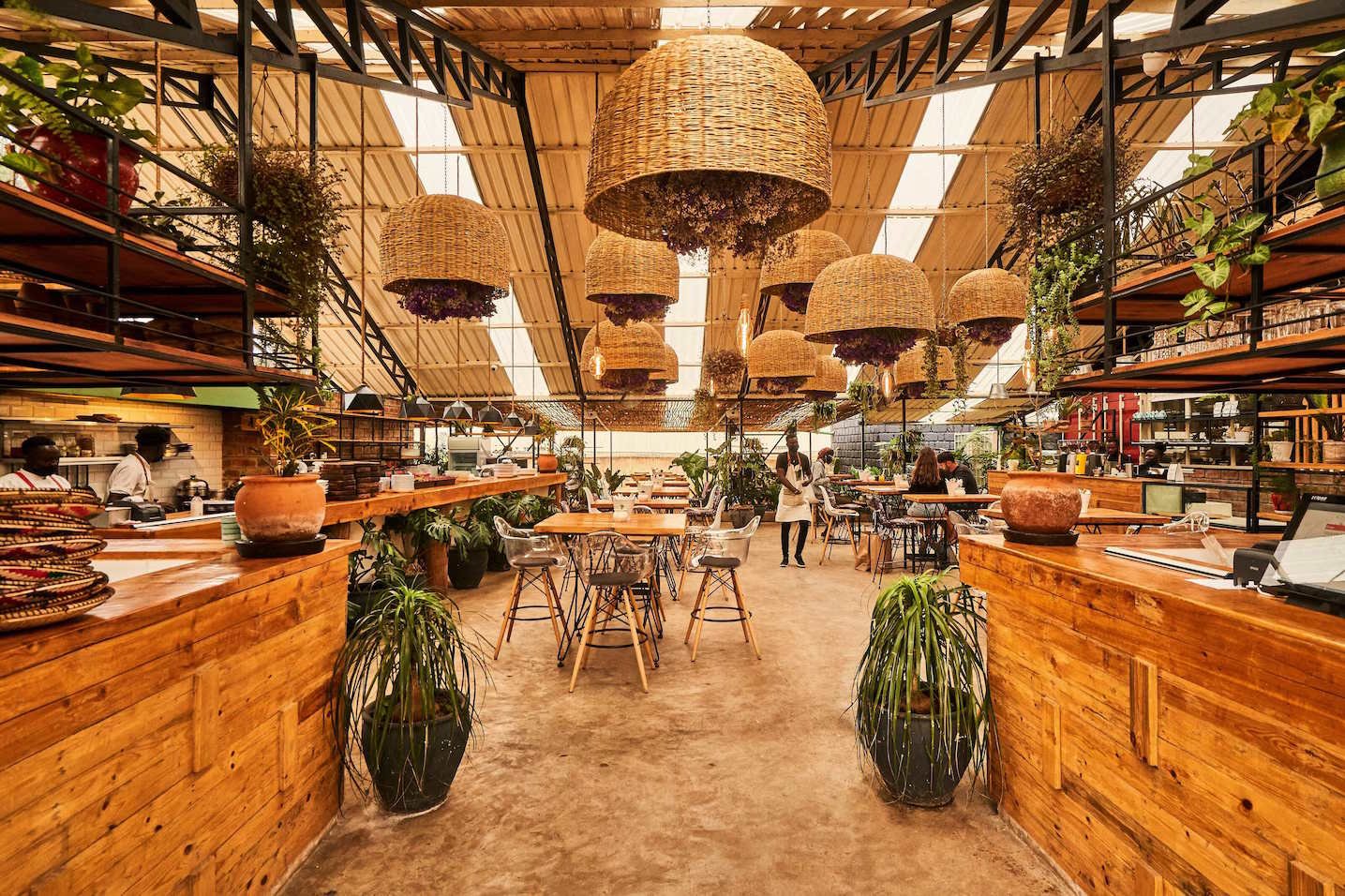

Details
- Rustic
- Cozy
- Casual Hangout
- Brunch
- Family
- Garden
- Craft Cocktails
- Garden
- A La Carte
- Small Plates
- Homemade Sodas
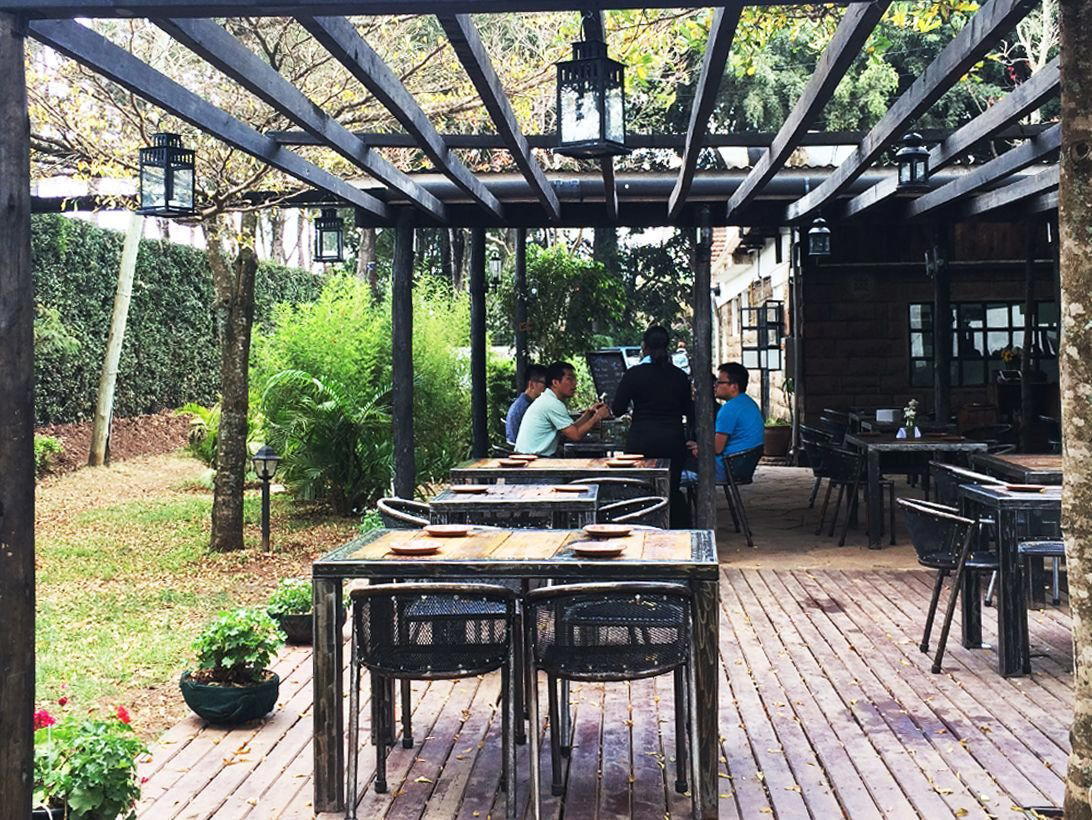
Magical ambiance beautiful during day and night with reclaimed wood furniture and garden setting.