Our verdict
Peppertree occupies the second floor of Delta Towers on Waiyaki Way, positioning itself within Nairobi's mid-to-upper dining corridor that runs west from Westlands. The menu architecture here does the orienting work that signage rarely does in Nairobi's busier strips, offering a structured approach to multi-influence cooking that reflects how the city's restaurant scene has matured over the past decade.

Pearl is the En Primeur Club membership app — saves, bookings, and concierge access live there. Same editors, same standards.
- Address
- Delta Towers, 2nd floor Waiyaki Wy, Nairobi, Kenya
- Phone
- +254721172950
- Hours
- Mon–Wed 11 AM–11 PMThu–Sat 11 AM–11:30 PMSun 11 AM–11 PM
- Website
- peppertreekenya.com
- Directions
- Get directions
Waiyaki Way's Dining Register
The stretch of Waiyaki Way running through Westlands and into the broader Nairobi west corridor has become one of the city's more reliable concentrations of mid-market to upper-casual dining. Delta Towers, where Peppertree holds its second-floor position, sits within that band. The building's commercial address means the restaurant draws a professional lunch crowd during the week and a more leisurely evening set on weekends — a rhythm familiar to anyone who has tracked how Nairobi's office-adjacent dining has evolved since the early 2010s. Compare this to the Karen side of the city, where venues like Talisman in Karen operate within a garden-suburb register that feels deliberately removed from the pace of Waiyaki Way.
Nairobi's dining scene has, over roughly fifteen years, moved from a binary of hotel restaurants and informal local joints toward a denser middle tier. That middle tier is where menu architecture becomes the primary distinguishing tool. Without the inherited prestige of a five-star hotel kitchen or the blunt identity of a single-cuisine specialist, a restaurant like Peppertree has to communicate its editorial position through how it organises a menu: what sits alongside what, how sections are weighted, and what the kitchen's range implies about its training and sourcing priorities.
How the Menu Does the Work
In Nairobi's current mid-upper tier, the most revealing thing about a restaurant is often not any single dish but the internal logic of its menu structure. A menu that moves coherently from lighter, shareable formats into heavier mains, with a wine or drinks section that doesn't feel bolted on, signals a kitchen that has thought about sequence and pacing. Conversely, menus that aggregate global references without a connective thread tend to reflect either an early-stage identity or a deliberate attempt to cover as much demographic ground as possible.
Peppertree's placement in Delta Towers, a commercial complex rather than a standalone heritage building or purpose-built hospitality venue, suggests a menu positioned for weekday utility as much as weekend occasion dining. That dual-mode operation — serving a lunch set that needs to move efficiently and an evening format that can breathe, often produces menus with a clear structural division between faster-execution items and slower, more composed plates. The Westlands-to-Waiyaki corridor rewards this flexibility; the same postcode serves expense-account lunches and anniversary dinners within a forty-eight-hour window.
For context on how Nairobi's multi-influence kitchens tend to structure their menus, it is worth reading across to venues like About Thyme Restaurant or Arbor Place, both of which operate in a similar register and face comparable structural decisions about how broadly to cast their menus without losing coherence. At the other end of the city's identity spectrum, Carnivore (African Traditional) demonstrates what happens when a kitchen commits entirely to a single cuisine logic, the menu becomes almost self-explanatory, but the trade-off is range.
The Delta Towers Setting
Arriving at a second-floor restaurant inside a commercial tower on a major Nairobi thoroughfare is a different experience from pulling into a garden compound or stepping off a hotel lobby. The approach is functional: elevator or stairs, a corridor, then the restaurant's own threshold. What the setting lacks in ambient drama it compensates for in accessibility. Waiyaki Way is one of Nairobi's primary arteries westward, well-served by ride-hailing services and within reasonable distance of Westlands' denser cluster of restaurants and bars.
For visitors already familiar with Nairobi's more atmospheric dining addresses, the Ali Barbour's Cave Restaurant in Kwale on the coast, or the lodge-dining experience at Great Plains Mara in Maasai Mara, the Delta Towers address is a deliberate register shift. This is urban Nairobi dining, prioritising convenience and a professional crowd over destination atmosphere. That positioning is not a weakness; it maps to a real and underserved demand in the city's mid-upper tier.
Nairobi's broader restaurant geography rewards understanding the difference between destination venues and neighbourhood anchors. Peppertree reads as the latter: the kind of place that accumulates a regular clientele from the surrounding office and residential zones rather than drawing cross-city traffic on reputation alone. For those exploring the city's full dining spread, the full Nairobi restaurants guide covers the range from Westlands through Karen to the city centre.
Nairobi's mid-upper casual tier has grown competitive over the past five years, with a new generation of venues investing in kitchen technique and front-of-house consistency. The comparators are instructive: Artcaffé Restaurant Ring Road Parklands occupies a more chain-adjacent position with consistent execution across multiple sites. Bao Box takes a tighter, single-cuisine approach that allows for deeper execution within a narrower range. Peppertree's Delta Towers address suggests it is neither a chain outpost nor a specialist single-cuisine format, which places it in a segment where the menu's internal architecture carries most of the identity weight.
Internationally, the question of how a mid-upper restaurant communicates ambition through menu structure rather than through brand recognition or chef celebrity is one the industry has wrestled with in cities from San Francisco (where Lazy Bear uses a highly prescriptive format to signal its position) to Hong Kong (where 8 1/2 Otto e Mezzo Bombana (Hong Kong) relies on a classic Italian framework as a trust signal). In Nairobi, without the same density of Michelin-adjacent signalling, menu architecture and word-of-mouth among the professional class do the equivalent work.
Planning a Visit
Peppertree sits on the second floor of Delta Towers on Waiyaki Way, reachable by ride-hailing from most of Nairobi's central and western neighbourhoods without significant detour. The commercial tower address means parking is available within the building complex, which is a practical consideration on Waiyaki Way during peak hours. Lunch on a weekday is likely the lowest-friction entry point for a first visit, given the urban-professional footfall the location naturally attracts.
Those building a longer Nairobi dining itinerary might consider anchoring at Peppertree for a midweek lunch, then contrasting the urban commercial experience with Karen-side venues or, further afield, the coastal and safari dining contexts represented by places like ol Donyo Lodge in Chyulu Hills or Funky Monkey in Ukunda.
Frequently asked questions
What's the address for Peppertree?
Peppertree is located at Delta Towers, 2nd floor Waiyaki Wy, Nairobi, Kenya, Nairobi.
How does Peppertree's location in Delta Towers compare to ground-level restaurant options in Nairobi's Westlands area?
Peppertree sits on the second floor of Delta Towers on Waiyaki Way, which places it in the commercial corridor rather than the denser restaurant cluster of central Westlands. Second-floor positioning in a working office tower changes the arrival dynamic — there is no street-facing frontage drawing in passing trade, which means the venue draws a more deliberate, often repeat clientele from nearby offices and ride-hailing traffic. For diners coming from central Nairobi or further west, it is reachable without the parking pressure common to ground-level Westlands spots.
What's the best thing to order at Peppertree?
The most reliable approach at a mid-upper Nairobi venue like Peppertree is to read the menu for dishes that signal kitchen investment rather than defaulting to familiar crowd-pleasers. At commercial-address restaurants on Waiyaki Way, menus typically anchor around a core set of proteins with regional and international technique applied across both lunch and dinner services. Ask staff which dishes move fastest — high-turnover items at this tier are usually the most consistent.
Can I walk in to Peppertree?
Peppertree's Delta Towers address on Waiyaki Way puts it in a commercial corridor where midweek lunch slots tend to have more availability than weekend evenings. Walk-in success at mid-upper Nairobi restaurants in this tier generally tracks with time of day: arriving before the peak lunch window or early in the dinner service gives you the strongest odds. Calling ahead remains the safest option, though no reservation line is publicly listed.
Recognition, Side-by-Side
Comparable venues nearby, for context on price, style, and recognition.
| Venue | Cuisine | Price | Notes |
|---|---|---|---|
| PeppertreeThis venue — the venue you are viewing | Global Fusion Grill & Craft Cocktails | $20–30 | Not listed |
| Bao Box | Fusion Casual Dining with Games | Not listed | Westlands |
| Talisman Restaurant | Global Fusion with South Asian Influences | $20–30 | Langata |
| Boho Eatery | Modern Vegan Fusion | Not listed | Langata |
| MAMBO ITALIA LAVINGTON | Italian Pizza & Pasta | $10–20 | Kilimani |
| Artcaffé Restaurant Ring Road Parklands | Modern International Bakery Cafe | $20–30 | Westlands |
Details
- Trendy
- Modern
- Cozy
- Lively
- Date Night
- After Work
- Group Dining
- Casual Hangout
- Rooftop
- Garden
- Terrace
- Open Kitchen
- Craft Cocktails
- Local Sourcing
- Garden
- Street Scene
- A La Carte
- Small Plates
- Craft Cocktails
- Vegetarian Friendly
- Vegan Options
Current opening hours
- Monday
- 11 AM–11 PM
- Tuesday
- 11 AM–11 PM
- Wednesday
- 11 AM–11 PM
- Thursday
- 11 AM–11:30 PM
- Friday
- 11 AM–11:30 PM
- Saturday
- 11 AM–11:30 PM
- Sunday
- 11 AM–11 PM
Hours can change for holidays and private events. Last verified .
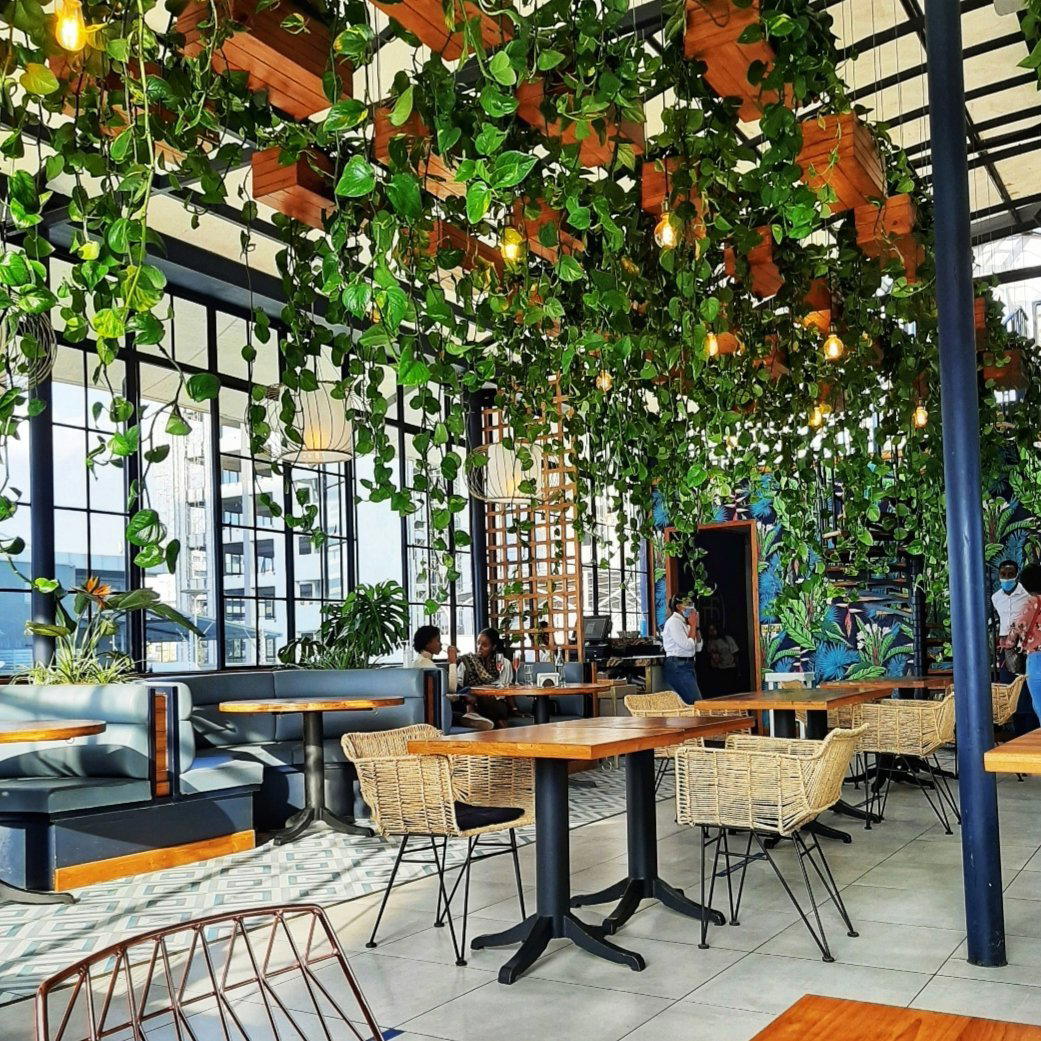
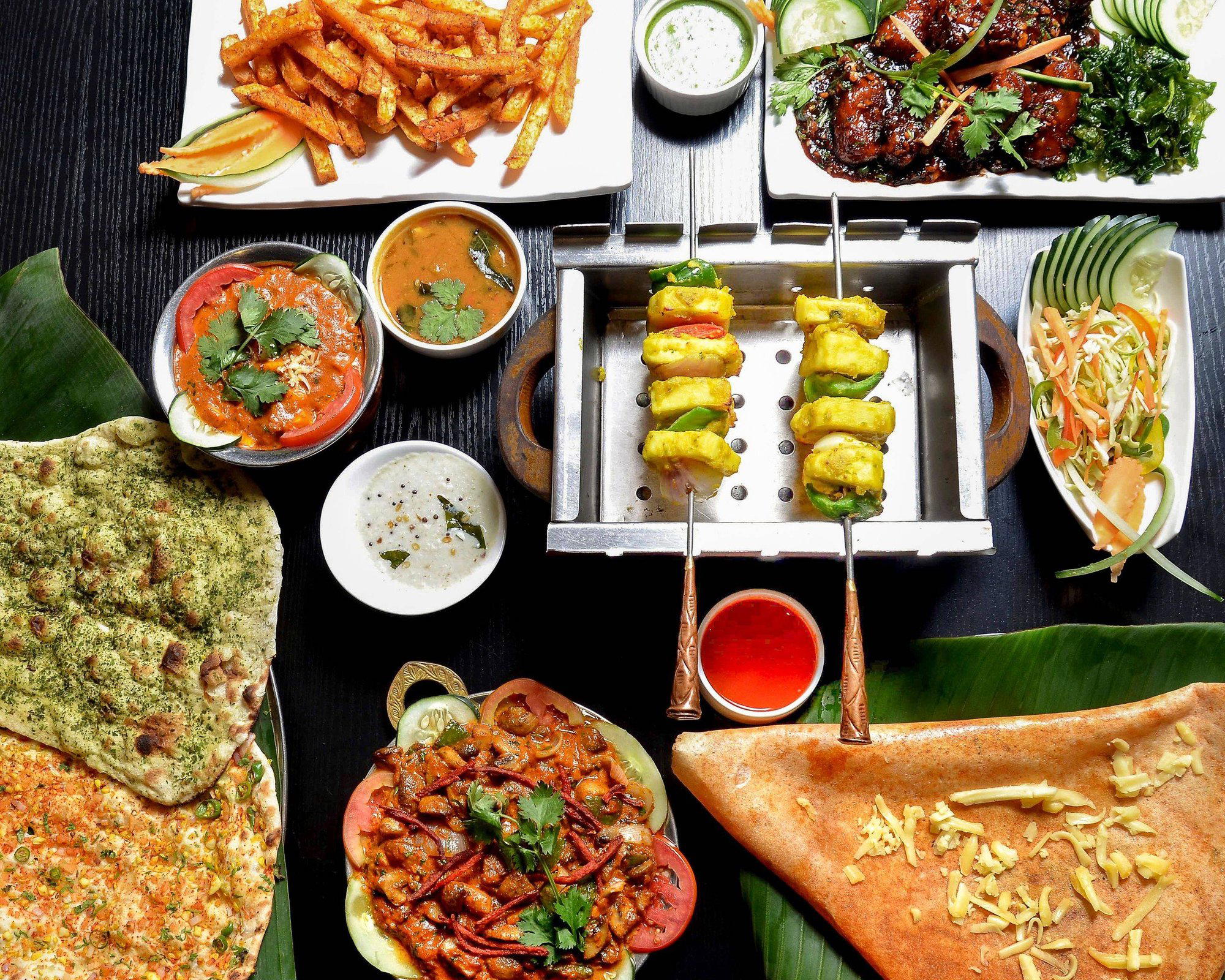
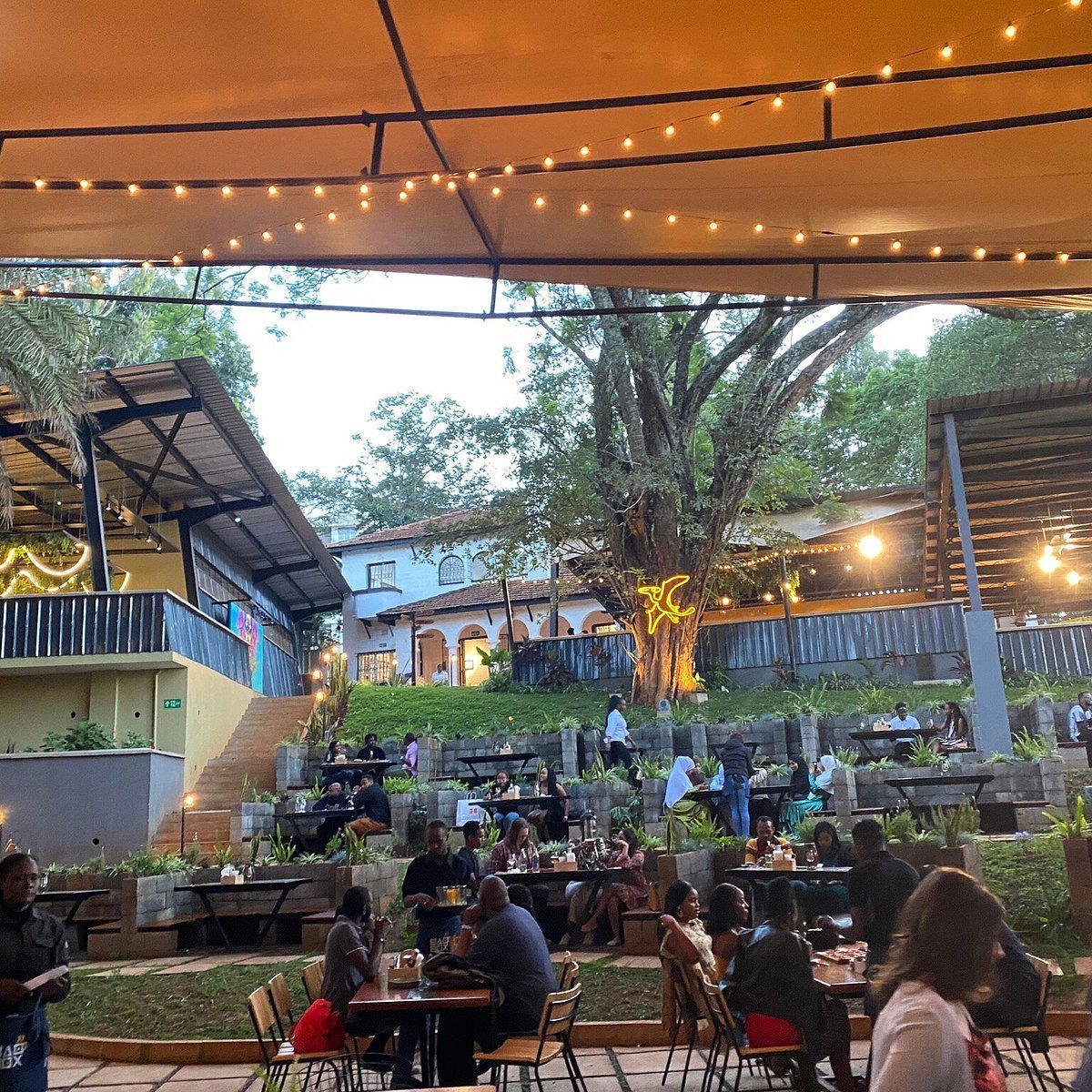
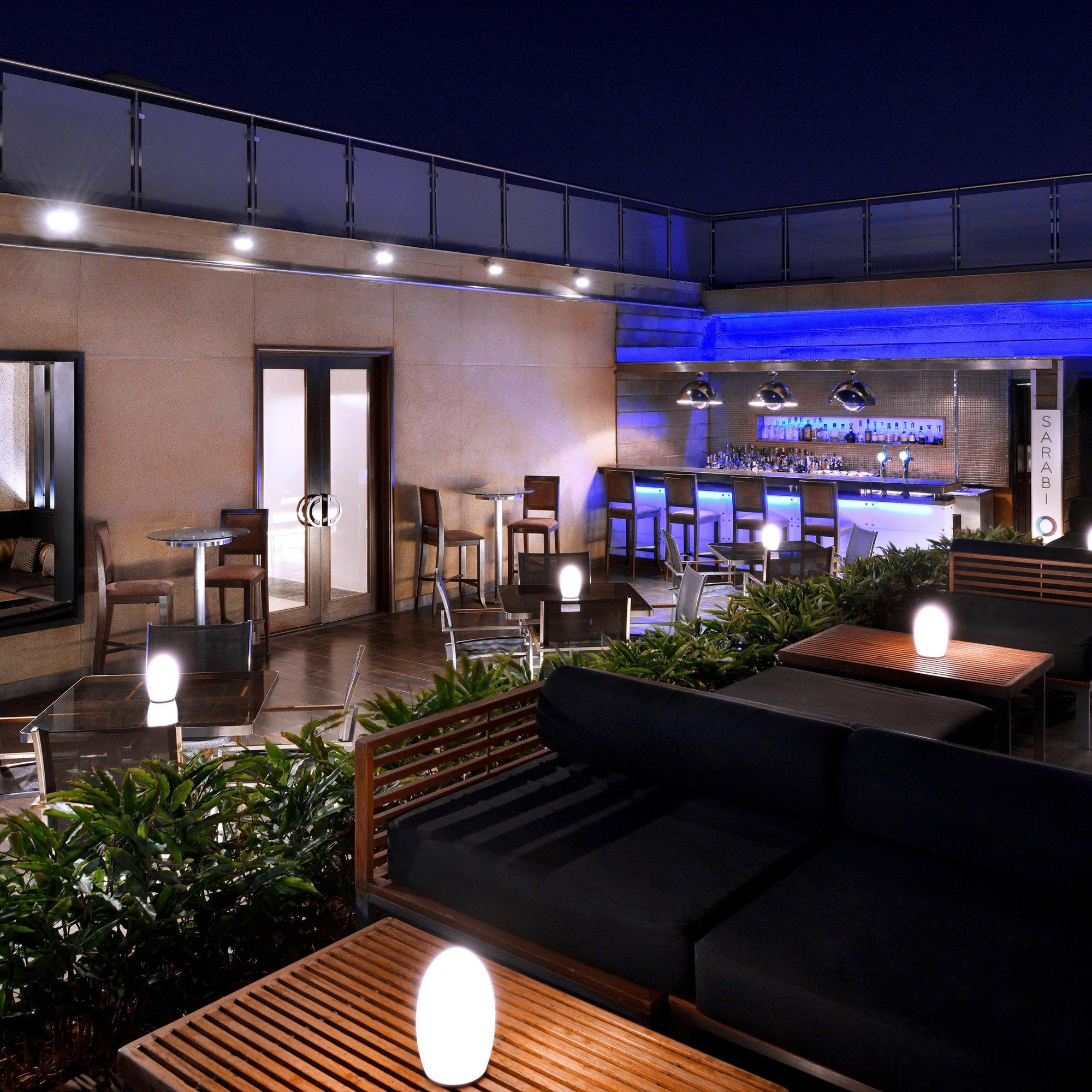
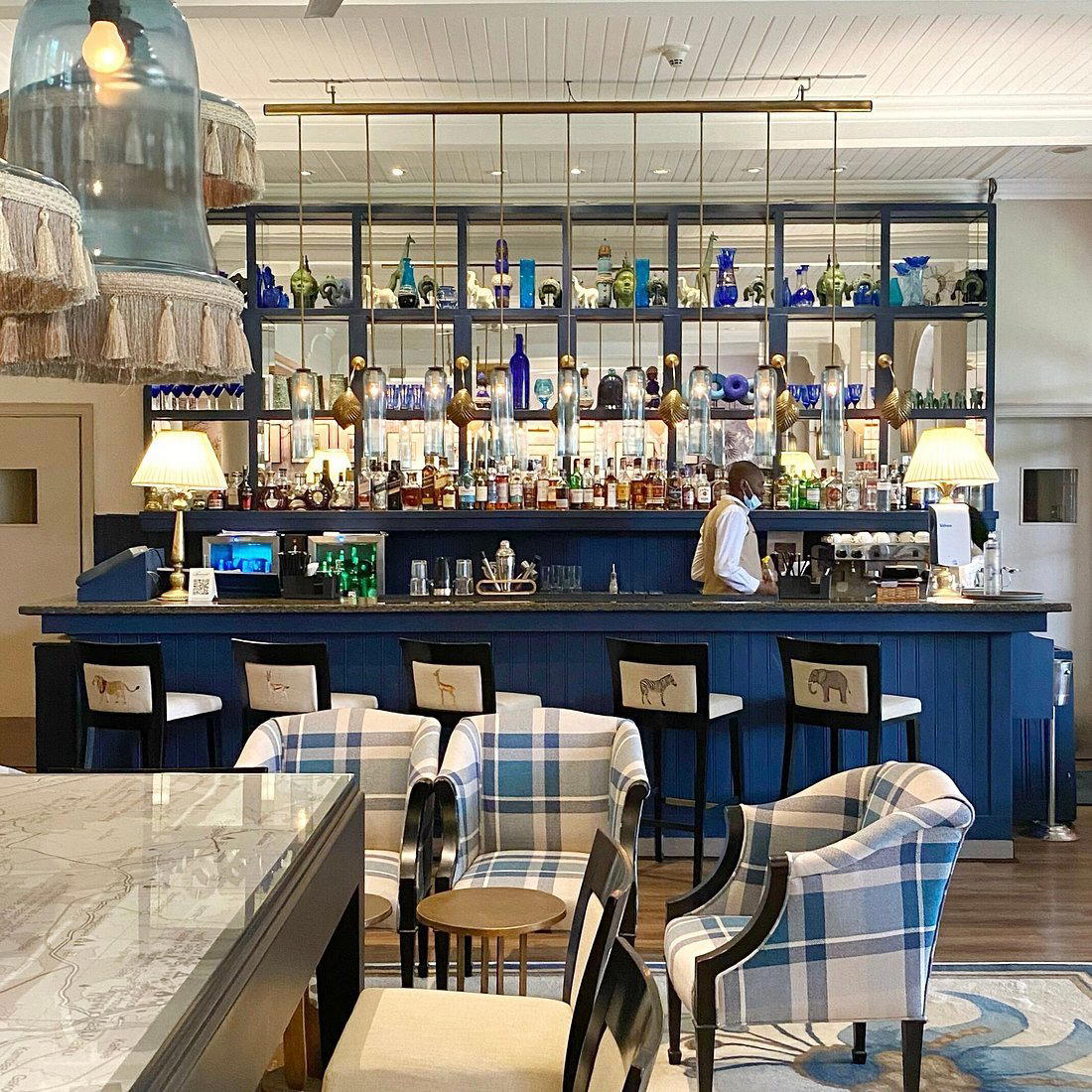
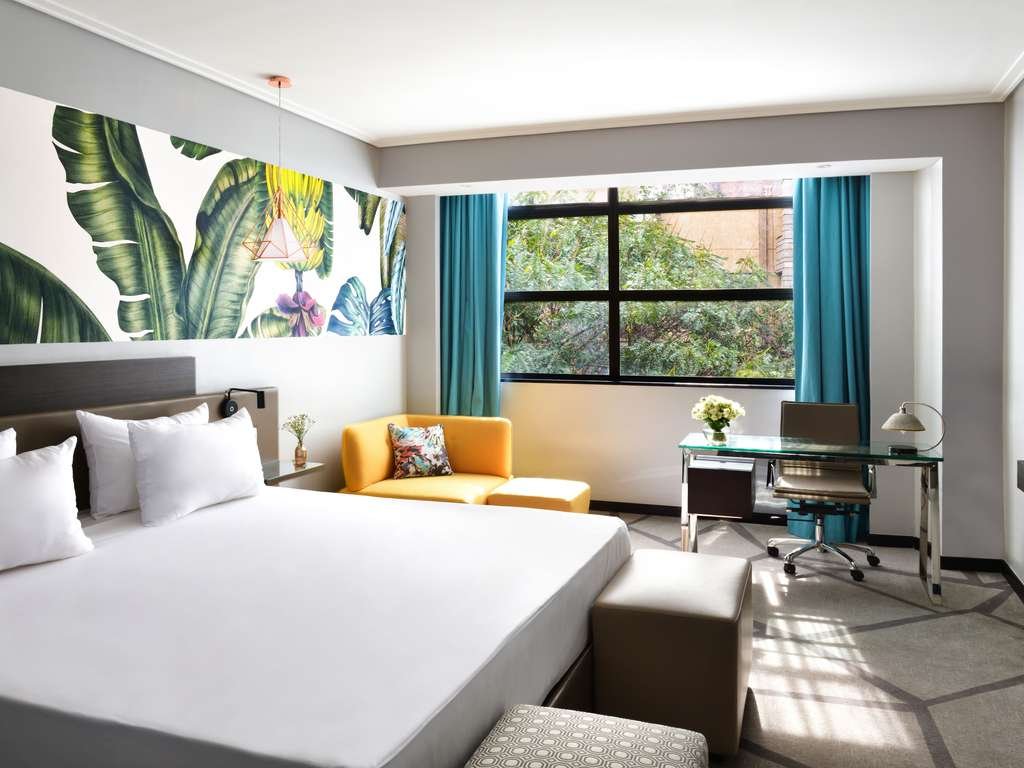
Bright and airy urban oasis with floor-to-ceiling windows, abundant hanging plants, cheerful decor, and modern lively atmosphere.