Crying Wolf
On Cotham Hill in Redland, Crying Wolf occupies a stretch of Bristol's most self-assured neighbourhood dining corridor. The kitchen works a format that places locally sourced West Country produce inside frameworks borrowed from European fine-dining technique — a pattern increasingly common at Bristol's sharper independent tables. Redland regulars treat it as a standing fixture rather than an occasion destination.
Pearl is the En Primeur Club membership app — saves, bookings, and concierge access live there. Same editors, same standards.
- Address
- 37 Cotham Hill, Redland, Bristol BS6 6JY, United Kingdom
- Phone
- +441179467767
- Website
- cryingwolf.co.uk
- Directions
- Get directions
 Saves & bookings on Pearl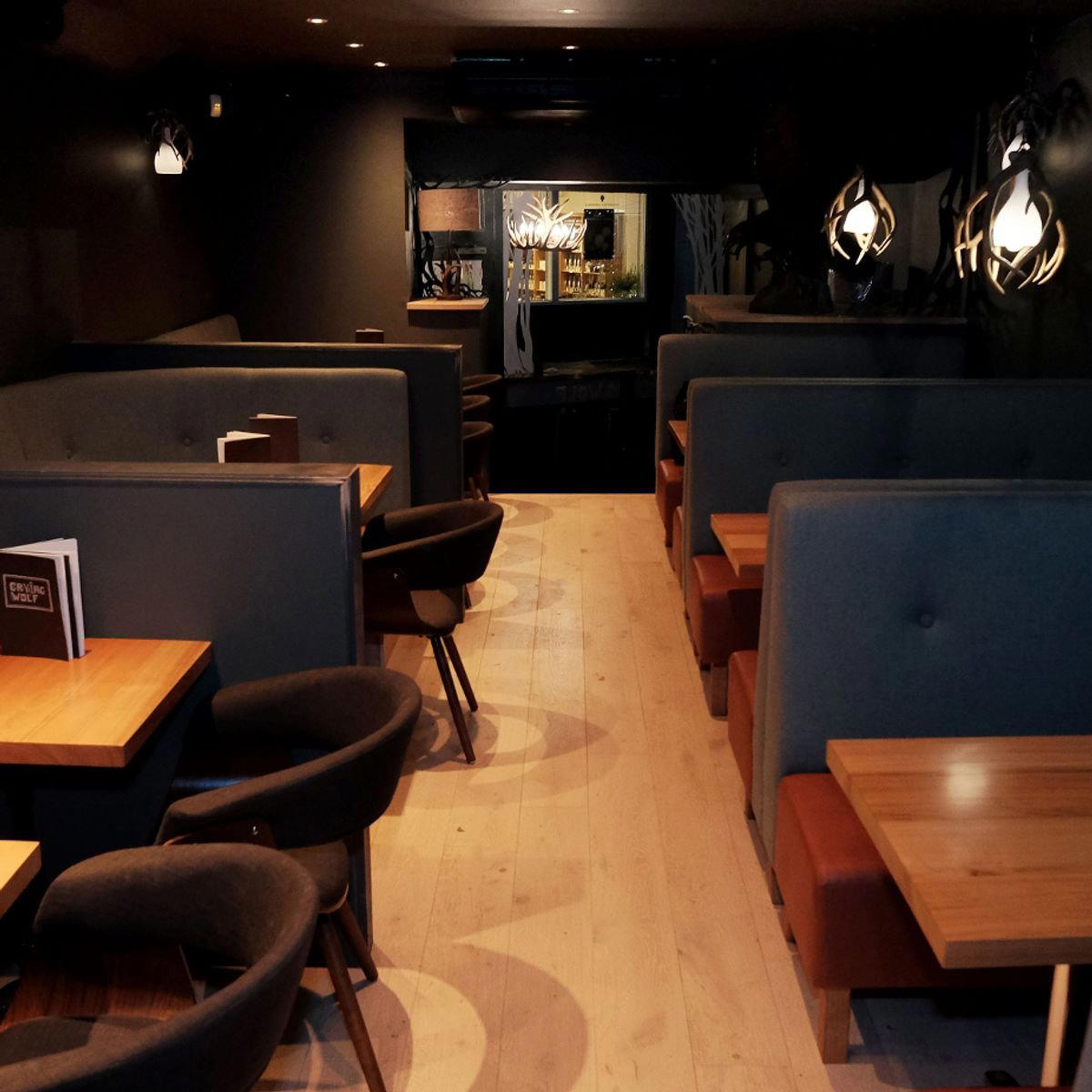
Cotham Hill and the Case for Neighbourhood Ambition
Cotham Hill runs through one of Bristol's most consistently interesting stretches for eating and drinking — a residential gradient where independent operators tend to outlast trends. The street isn't a designated dining quarter in the way that Bristol's waterfront has become, which is precisely why venues that anchor themselves here signal something about confidence: they're not relying on foot traffic from tourist loops or office-lunch crowds. Crying Wolf, at number 37, is part of that Cotham Hill logic. The address tells you something before you've looked at a menu.
Bristol's independent restaurant scene has developed in a way that rewards knowing where to look. The city has a documented tier of Michelin-recognised kitchens — Bulrush holds a star on Whiteladies Road, and Adelina Yard has long operated at the sharper end of the waterfront, but beneath that formal recognition tier sits a cohort of neighbourhood restaurants that feed the city's day-to-day appetite for cooking that takes itself seriously without requiring a special occasion. Crying Wolf is positioned in that cohort. The Cotham Hill location puts it alongside the kind of regulars who know Bristol's eating scene from the inside rather than from a weekend supplement.
Local Produce, Borrowed Frameworks
The editorial case for Bristol as a serious food city rests substantially on geography. The West Country larder, Cornish day-boat fish, Somerset dairy, Wiltshire and Gloucestershire meat producers, market gardens across Avon and Somerset, gives kitchens here access to raw material that restaurants in less agricultural regions would import at considerable cost. What matters, increasingly, is what kitchens do with that access. The more interesting Bristol tables are those that apply technique imported from French, Nordic, or broader European fine-dining traditions to produce that was raised or harvested within an hour's drive.
That intersection of imported method and indigenous ingredient is where Crying Wolf operates. It's a format that has become a credible signature for ambitious British independents outside London, kitchens that have absorbed the discipline of European culinary training and turned it toward what's available locally, rather than toward international prestige ingredients. The same logic runs through places like L'Enclume in Cartmel, where Simon Rogan's kitchen treats Cumbrian provenance as the organising principle, or Moor Hall in Aughton, where Lancashire sourcing sits inside a firmly European technical frame. The scale and ambition differ at those addresses, both carry Michelin recognition at the highest level, but the intellectual argument is shared.
Kitchens like Bank and Bianchis occupy related territory, each working a specific idiom at a Redland-and-Clifton price register. 1 York Place holds a comparable commitment to European cooking discipline at a similar local scale. The question for any Cotham Hill table is whether it justifies the journey across the city when the waterfront and the centre offer broader choice. Crying Wolf's position on a street with established residential custom suggests it does, at least for the local constituency that keeps it filled.
What the Format Implies
Neighbourhood restaurants that succeed in Bristol over the medium term tend to share certain structural features: a format flexible enough to handle both Tuesday dinners and Saturday bookings without bifurcating into two different restaurants; a price point calibrated for repeat visits rather than one-off occasions; and a menu that signals seasonal awareness without becoming so market-dependent that it alienates the regulars who come back for something familiar. The Bristol dining public is more sophisticated than it was a decade ago, partly because of the wider influence of kitchens like Bulrush raising expectations at the leading, and partly because the city's independent culture has consistently rewarded operators who cook with intention.
Across British cities outside London, the neighbourhood restaurant format has also evolved in conversation with what's happened at the formal end of the market. Restaurants like Hand and Flowers in Marlow demonstrated that serious cooking doesn't require formal dining-room codes. Hide and Fox in Saltwood and Midsummer House in Cambridge show what sustained ambition looks like at a regional scale. The ambition dial at Crying Wolf sits lower than these, it's a neighbourhood restaurant, not an occasion destination on the national circuit, but the frame of reference that Bristol diners bring to a Cotham Hill table is shaped by exactly this kind of ambient awareness of what serious British cooking can look like.
Bristol in a Wider Frame
Bristol's position in the national conversation about British food is stronger now than at any previous point, and that's partly a function of visibility from institutions like Michelin, but also of a broader cultural shift in how British regional cooking is received internationally. Places like Ynyshir Hall in Machynlleth and Opheem in Birmingham have pulled critical attention toward British regional cooking as a category worth taking seriously on its own terms, rather than as a peripheral concern relative to London. For Bristol specifically, that national visibility makes the work of local neighbourhood restaurants slightly more legible to a visiting audience that might previously have defaulted to the waterfront's more obvious options.
For travellers comparing Bristol against the West Country's other serious dining addresses, Gidleigh Park in Chagford remains the region's most formally decorated table, Crying Wolf occupies a different register entirely. It's not a destination restaurant in the national sense. It's what a city needs at the neighbourhood level: consistent, local-facing, and technically serious without being theatrical about it. See our full Bristol restaurants guide for context on how Crying Wolf fits within the city's wider eating map.
Planning a Visit
Cotham Hill is a ten-minute walk from Clifton Down station, or accessible by bus from the city centre on routes that run through Redland. The address at number 37 places it within comfortable walking distance of the Clifton and Redland residential areas that constitute its core audience. As with most ambitious independent restaurants operating without significant online presence, the practical intelligence on booking is leading gathered through direct contact or recent local coverage rather than from aggregator platforms. Bristol's better neighbourhood tables do fill, particularly on weekends, and Cotham Hill venues tend to draw a local crowd that books ahead, arriving without a reservation on a Friday or Saturday evening carries obvious risk. For visitors who want to cross-reference the wider Bristol scene before committing, Adelina Yard and Bulrush represent the city's Michelin-recognised tier, while Bank and Bianchis sit closer to Crying Wolf's neighbourhood-independent format.
How Crying Wolf Bristol compares with similar nearby venues.
| Venue | Cuisine | Price |
|---|---|---|
| Dongnae | Korean | £££ |
At a Glance
- Trendy
- Cozy
- Intimate
- Modern
- Date Night
- Casual Hangout
- Open Kitchen
- Craft Cocktails
- Natural Wine
- Local Sourcing
Current opening hours
- Monday
- Closed
- Tuesday
- 5 PM–12 AM
- Wednesday
- 5 PM–12 AM
- Thursday
- 5 PM–12 AM
- Friday
- 5 PM–1 AM
- Saturday
- 5 PM–1 AM
- Sunday
- Closed
Hours can change for holidays and private events. Last verified .
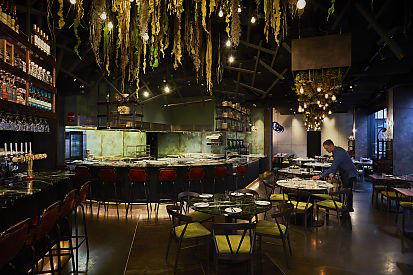
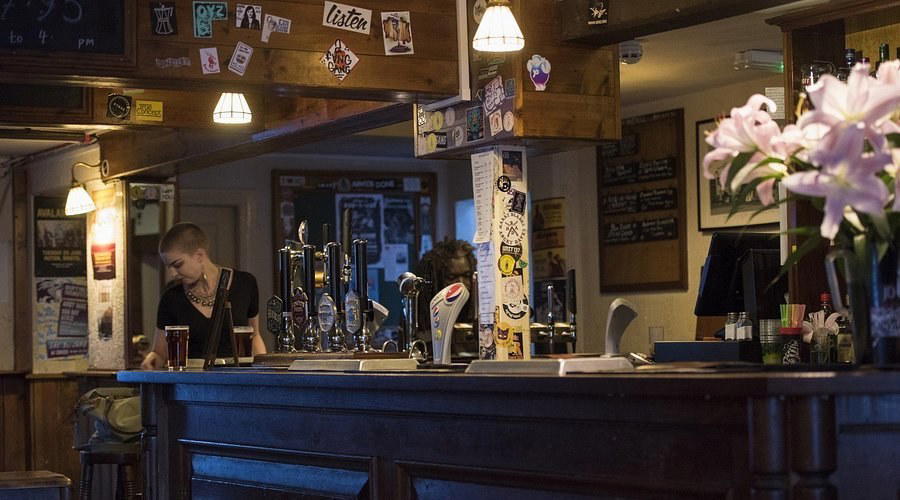
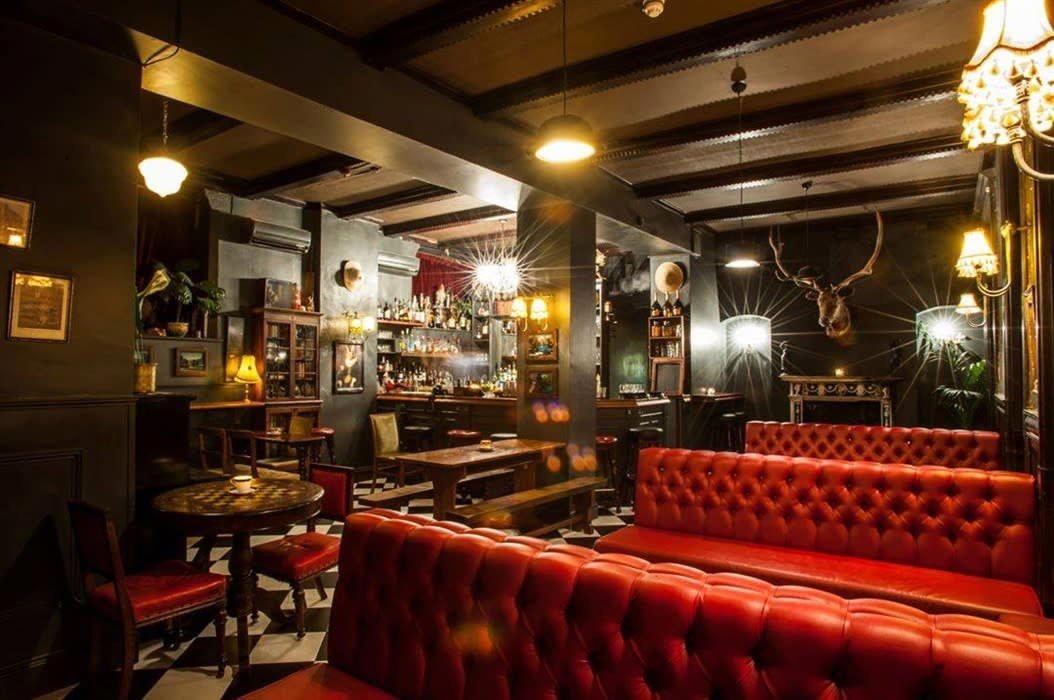
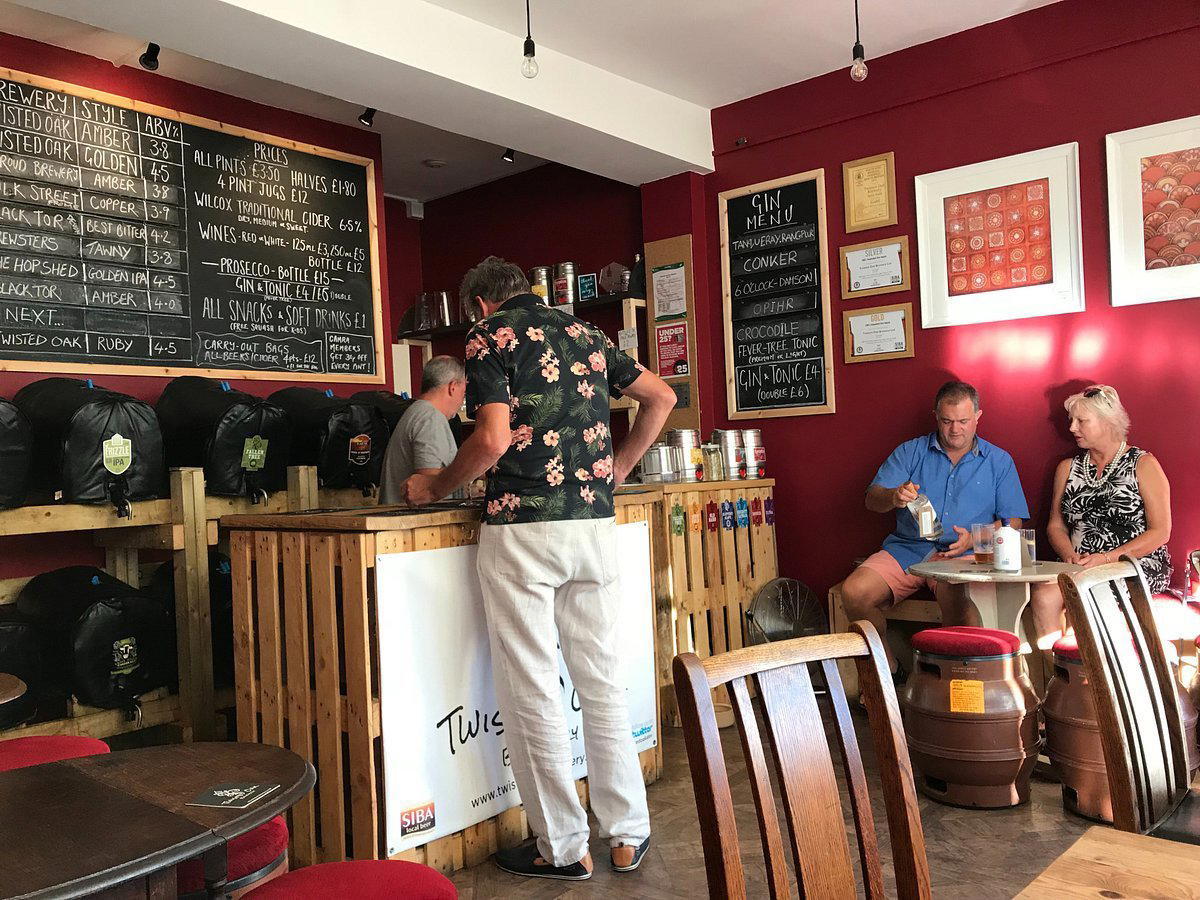
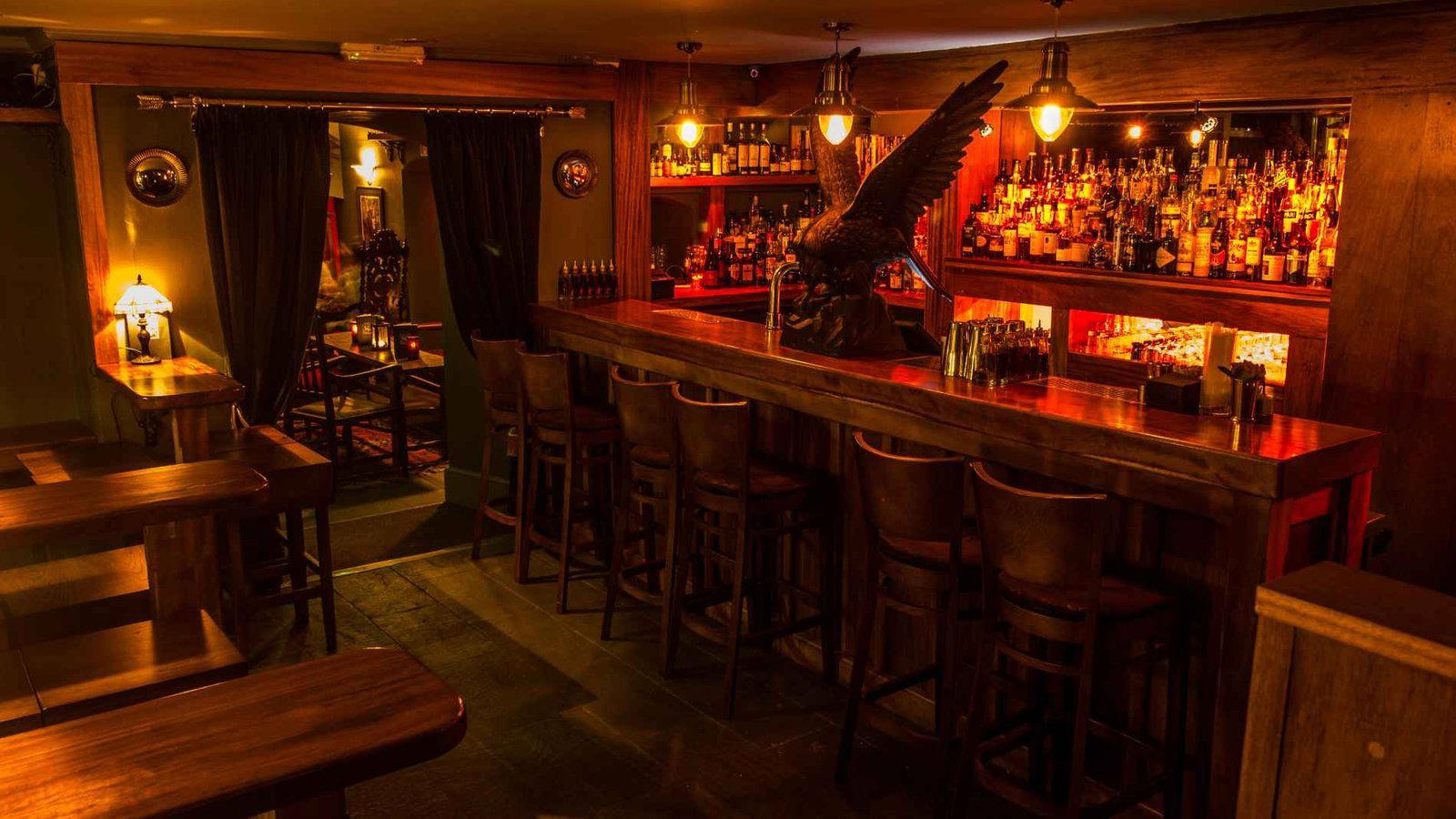
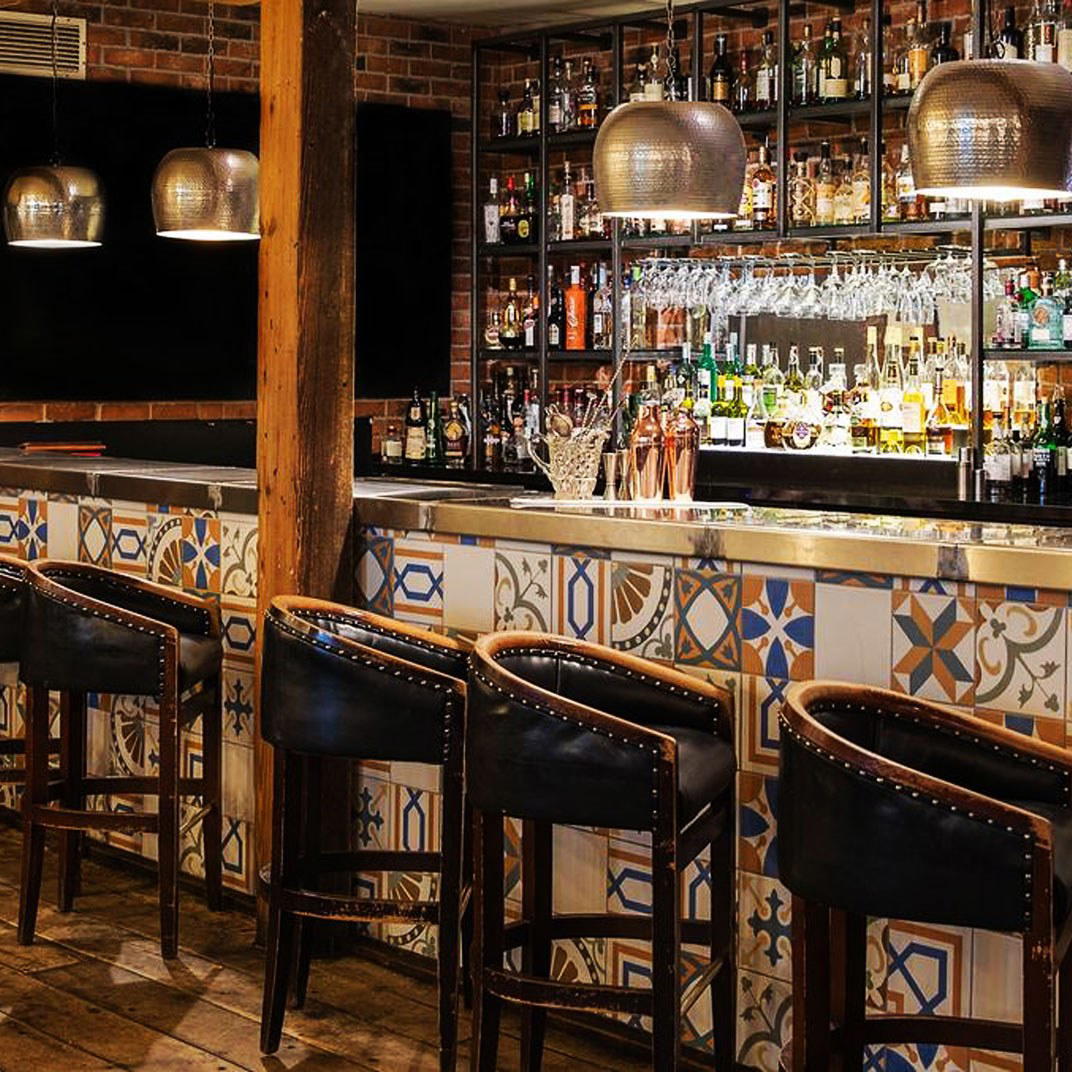
Artful yet unpretentious decor creating a warm, tasteful, and stylish atmosphere praised for great date nights.
Know Before You Go
- Getting there
- 37 Cotham Hill, Redland, Bristol BS6 6JY, United Kingdom