Crêperie du Port serves Breton crêpes on Lorient’s waterfront, with casual service, conversational noise, and lunch-or-dinner timing that suits unhurried plans.
Pearl is the En Primeur Club membership app — saves, bookings, and concierge access live there. Same editors, same standards.
- Address
- 3 place Polig Monjarret, 17 Rue Poissonnière, 56100 Lorient, France
- Phone
- +33222213899
- Directions
- Get directions
 Saves & bookings on Pearl
Where the Atlantic Meets the Griddle: Crêperie du Port in Context
Brittany's crêperie culture is not a regional curiosity that survives on nostalgia. It is a living culinary institution, and Lorient sits at one of its more working-class, salt-aired expressions. The city's port history runs deep: a naval base rebuilt from rubble after wartime destruction, a tuna-fishing industry that once fed European canning factories, and a waterfront that still moves with commercial freight and fishing vessels. Against that backdrop, the crêperie occupies a particular social role that its urban counterparts in Rennes or Quimper do not. It is the place where dock workers and families eat alongside tourists, where the galette de sarrasin is as ordinary as bread and as carefully sourced as anywhere on the Breton peninsula.
Crêperie du Port, addressed at 3 place Polig Monjarret on the Rue Poissonnière, occupies this civic character directly. The address places it close to the port activity that defines the neighbourhood's daily rhythm. The building faces the kind of square where fishermen's associations and maritime workers have historically gathered, and that context shapes the atmosphere as much as any interior decision.
The Sourcing Logic Behind Breton Buckwheat
The ingredient at the centre of any serious Breton crêperie is buckwheat, or blé noir, and its sourcing story is more layered than most visitors realise. Buckwheat arrived in Brittany from central Asia via Eastern Europe sometime in the 15th century and naturalised so thoroughly that it became the defining grain of the Breton diet for centuries, filling the role that wheat played elsewhere in France. It is not a wheat at all — it is a seed, naturally gluten-free, with an earthy, slightly bitter profile that pairs against salty, fatty, or fermented accompaniments far better than it does against sweet ones. That is why the canonical Breton galette is savoury: the grain demands salt, and the local dairy and charcuterie traditions evolved alongside it.
Regional sourcing of buckwheat has experienced something of a revival in Brittany over the past two decades. Small-scale growers in Finistère and Morbihan — the department in which Lorient sits, have reintroduced older varieties that were displaced by high-yield commercial strains, and the quality gap between industrially sourced buckwheat flour and locally stone-milled alternatives is measurable in both flavour and texture. A galette made from local blé noir has a deeper grey-brown colour, a slightly more pronounced nuttiness, and a crispness at the edges that mass-produced versions rarely achieve. Crêperies that commit to local sourcing in this respect are working within a traceable food geography, not a marketing abstraction.
The sweet crêpe, made from wheat flour rather than buckwheat, follows a parallel logic. Brittany's butter traditions are among the most assertive in France: salted butter from the Charentes-Poitou or the Breton coastline carries a mineral sharpness that changes the register of a simple beurre-sucre crêpe entirely. Salted caramel, now a global shorthand for Breton pastry culture, originated in part from this regional preference for salt in sweet preparations. A crêperie serious about its sourcing will use local beurre demi-sel and will not substitute neutral vegetable fat regardless of cost pressure.
Eating at Crêperie du Port: What to Expect
Lorient's crêperies are not the kind of destination where the room commands attention. The format is deliberate, simple, and focused on the food coming off the billig, the heavy cast-iron griddle that defines crêperie cooking. The crêpier's skill lies in batter consistency, griddle temperature management, and timing, none of which are visible to the diner but all of which determine whether the galette arrives lace-crisp or limp. At a port-adjacent address in a city with this demographic character, the expectation is generous portions, moderate prices relative to Brittany's restaurant tier, and a format that moves efficiently without being rushed.
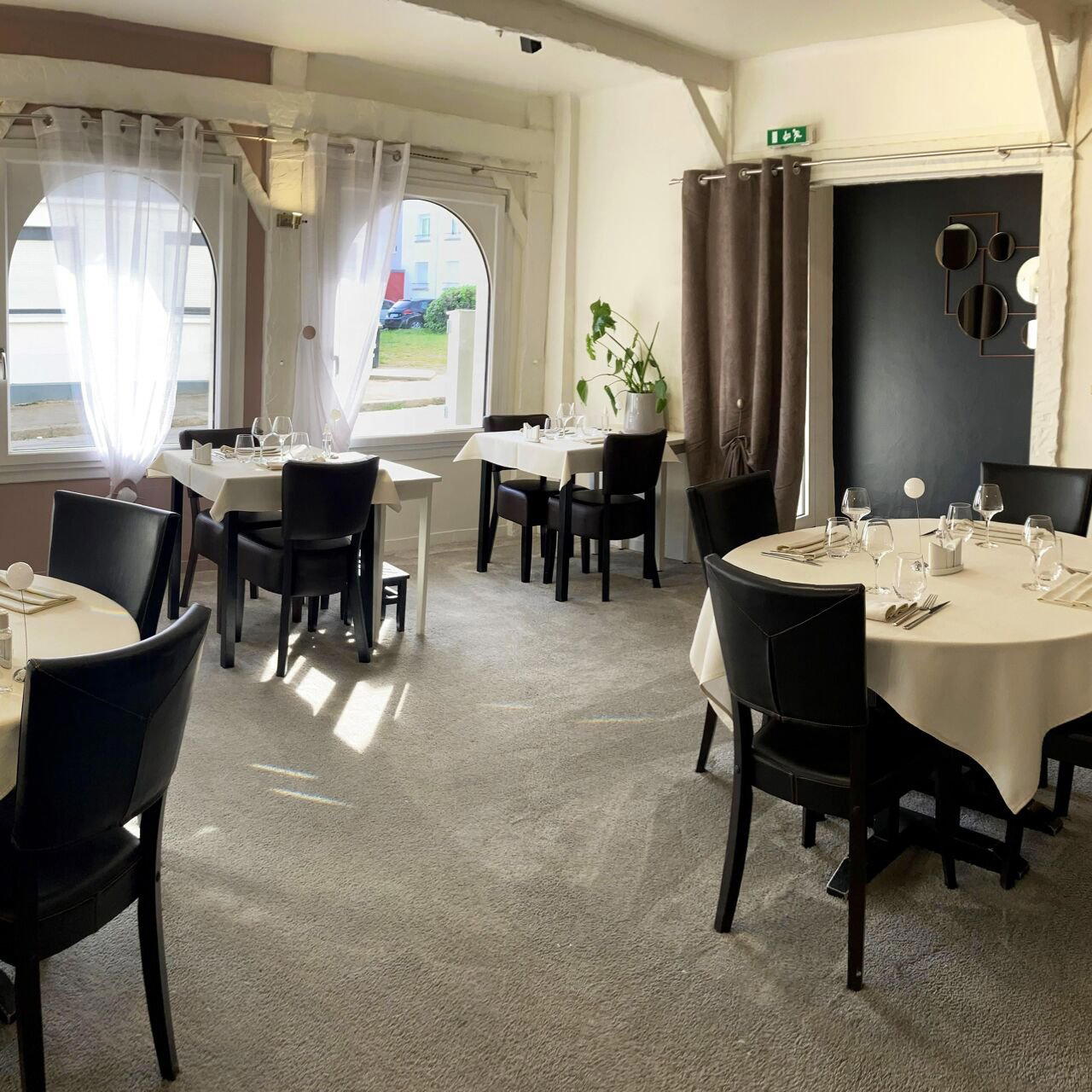
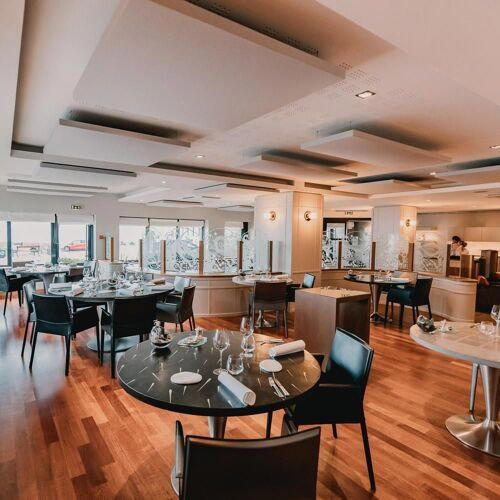
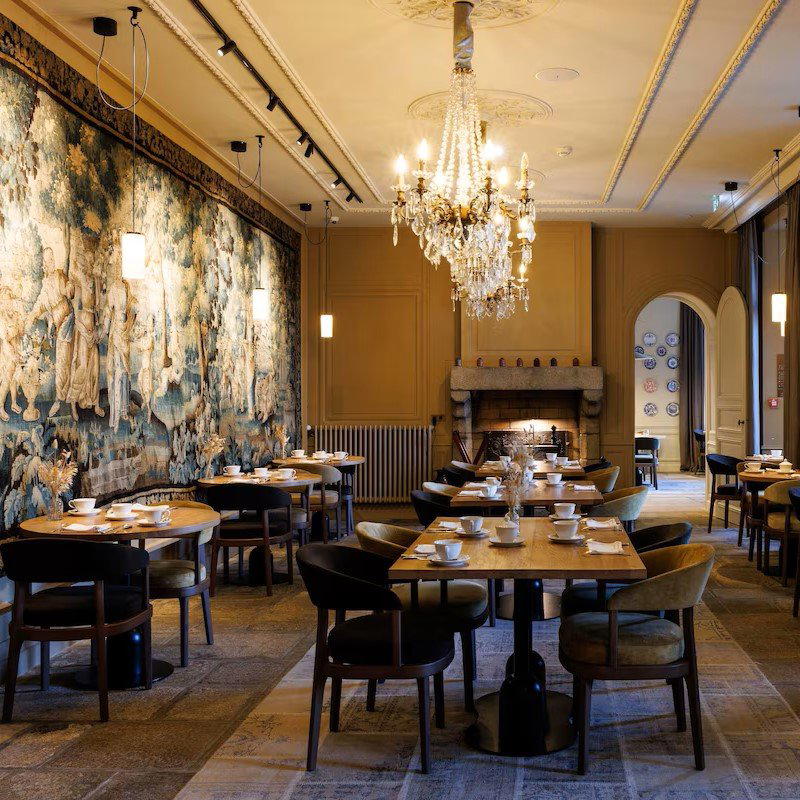
The atmosphere at a place like Crêperie du Port belongs to the mid-tier Breton crêperie model: informal, often noisy in a familial way, with tables placed close enough to overhear neighbouring orders. This is not a place for a long tasting-menu evening in the manner of, say, Flocons de Sel in Megève or Mirazur in Menton. It belongs to a category where the pleasure is direct and unrehearsed. For comparison within Lorient, the more contemporary end of the city's dining scene is represented by Gare aux Goûts and Le 26-28, while Le Tire Bouchon covers the traditional cuisine bracket at a similar price tier.
Lorient's Dining Context
Lorient does not have the gastronomic profile of Rennes or Saint-Malo, and it does not try to. It is a working port city with a population that eats practically and well. The restaurant tier sits mostly at €€, with a concentration of seafood and traditional Breton formats that reflect the city's maritime economy rather than the tourism circuits of the Côte de Granit Rose further north. Within that context, crêperies occupy a democratic middle ground: accessible to families, affordable for regular attendance, and capable of delivering real quality when the sourcing and technique are taken seriously. The city's broader dining range is mapped in our full Lorient restaurants guide, which includes options from Karantez and Le Jardin Gourmand for those wanting to range across formats.
For travellers who have been through the upper tier of French restaurant culture, Alléno Paris au Pavillon Ledoyen, Troisgros in Ouches, or the historic address of Paul Bocuse in Collonges-au-Mont-d'Or, the Breton crêperie represents the opposite end of formality without any reduction in culinary seriousness. The techniques are different, the scale is different, and the social contract is different. But the commitment to an ingredient, properly sourced and properly cooked, connects a port crêperie in Lorient to the same French food culture that produced Bras in Laguiole, Auberge de l'Ill in Illhaeusern, and Les Prés d'Eugénie in Eugénie-les-Bains. The ingredient is the argument, in every format. That thread also connects to how French culinary technique has travelled internationally, to kitchens like Le Bernardin in New York City or the collaborative community dining of Lazy Bear in San Francisco, and to Provence-adjacent addresses such as La Table du Castellet or Georges Blanc in Vonnas.
Planning Your Visit
The address at 3 place Polig Monjarret is walkable from Lorient's central train station and from the main port-side quays. Crêperies in Brittany typically operate at lunch and dinner with a gap in the mid-afternoon, so arrival outside those windows will usually mean a closed kitchen. Weekend lunches in port-adjacent crêperies across Brittany draw family groups, and the format moves quickly enough that waits are generally short even without a reservation. The price tier in this category across Lorient sits at the lower end of the €€ bracket, making it one of the more accessible formats in the city for a meal that does not compromise on Breton character.
How Crêperie du Port Lorient compares with similar nearby venues.
| Venue | Cuisine | Price |
|---|---|---|
| Le 26-28 | Modern Cuisine | €€ |
| Le Tire Bouchon | Traditional Cuisine | €€ |
| Le Yachtman | Seafood | €€ |
At a Glance
- Cozy
- Classic
- Casual Hangout
- Family
- Waterfront
- Local Sourcing
- Waterfront
Current opening hours
- Monday
- Closed
- Tuesday
- 12–2:15 PM, 7–9:30 PM
- Wednesday
- 12–1:45 PM, 7–9:30 PM
- Thursday
- 12–1:45 PM, 7–9:30 PM
- Friday
- 12–1:45 PM, 7–9:40 PM
- Saturday
- 12–1:45 PM, 7–9:40 PM
- Sunday
- Closed
Hours can change for holidays and private events. Last verified .
Joyful and contagiously good-humored atmosphere with quick, pleasant service.
Know Before You Go
- Getting there
- 3 place Polig Monjarret, 17 Rue Poissonnière, 56100 Lorient, France