Our verdict
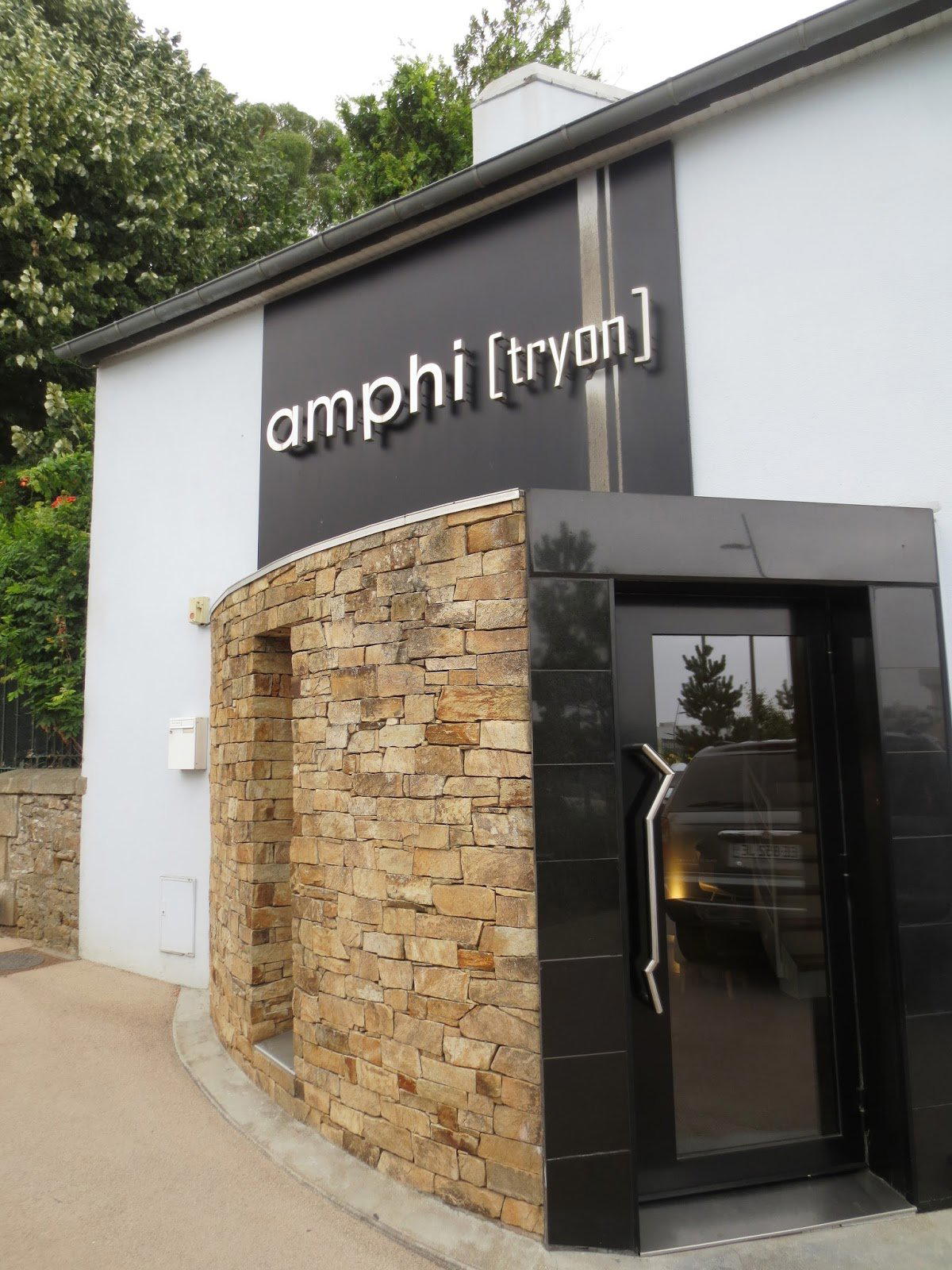
Amphitryon occupies a specific position in Lorient's dining scene, bringing serious kitchen ambition to a port city better known for its fishing fleets than its gastronomy. Located at 127 rue Colonel Jean Muller, it represents the kind of address where coastal Brittany's exceptional primary produce — langoustines, line-caught fish, salt-marsh lamb — meets disciplined classical French technique. For the city's upper tier of dining, this is the reference point.
- Address
- 127 rue Colonel Jean Muller, Lorient, 56100, France
- Phone
- +33 2 97 83 34 04
- Website
- amphitryon-abadie.com
- Directions
- Get directions
The menu
What to order
- Lobster
- Langoustine
- Cockles
- Moules frites
Where Brittany's Coastline Ends Up on the Plate
Lorient sits at the mouth of three rivers — the Scorff, the Blavet, and the Ter — where Atlantic weather shapes everything that grows, swims, or grazes within reach. The fishing port is one of France's most active, and the markets it feeds are among the most direct supply chains available to any chef operating in the region. This is the context in which Amphitryon, at 127 rue Colonel Jean Muller, operates: not as an isolated restaurant making the most of a difficult location, but as a kitchen positioned precisely where the ingredients are. In Brittany's coastal towns, proximity to supply is not incidental, it is the whole argument.
France's most formally recognised restaurants, places like Mirazur in Menton, Bras in Laguiole, or Troisgros in Ouches, have long built their identities around a specific terroir argument: the restaurant exists because this land or this coastline produces something worth celebrating in a rigorous kitchen. Amphitryon makes a version of the same case, but from a port city that has not historically drawn the gastronomic tourist traffic those addresses command. That relative quietness is not a signal of lesser quality, it is a signal of a different calculus, one where ingredient access outweighs destination prestige.
The Sourcing Logic Behind a Breton Kitchen
The ingredient story in Lorient is specific and verifiable. The Breton coastline from the Quiberon peninsula to the Île de Groix produces langoustines that are caught, landed, and available to kitchens within hours. Salt-marsh lamb from the nearby Presqu'île de Rhuys grazes on iodine-rich grasses that leave a measurable imprint on the meat. Oysters from the Penerf estuary, wild sea bass from the Breton shelf, and Guérande salt from the Loire-Atlantique, these are not vague regional claims but specific supply relationships that a kitchen in Lorient can realistically maintain with a directness that a Paris restaurant cannot replicate.
This is the kind of sourcing infrastructure that gives a serious kitchen its credibility. The ingredient provenance is not a story told on a menu for marketing effect, it is the actual operating advantage of being located where the fish comes off the boat. Restaurants like Le Yachtman work the same coastline at a more accessible price point, and the contrast is instructive: when a city has this quality of primary produce across its restaurant tier, the ceiling for what a committed kitchen can achieve is genuinely high.
Amphitryon in Lorient's Dining Tier
Lorient's restaurant scene is not large, and its upper tier is compact. The city's dining addresses, including Gare aux Goûts, working a contemporary format, Le 26-28 in the modern cuisine register, and Le Tire Bouchon in the traditional mode, each occupy a distinct lane within what remains a mid-sized port city's offer. Amphitryon's address on rue Colonel Jean Muller places it in a part of the city that requires a degree of intent to reach: this is not a restaurant you walk past and decide to try. The guest who arrives has made a deliberate choice, and that self-selection shapes the room's character.
In French provincial dining, the addresses that endure tend to be those that take the formal structure of classical French cooking seriously while committing without reservation to local supply. The model is not the Paris grand restaurant, compare the scale and resource of Alléno Paris au Pavillon Ledoyen or the alpine precision of Flocons de Sel in Megève and the differences are obvious. The provincial model is leaner, more dependent on the chef's relationships with suppliers, and more directly accountable to a local clientele that eats there repeatedly rather than once as a tourist experience.
That accountability is, arguably, a quality signal in its own right. A restaurant surviving at the upper end of a small city's market over years cannot rely on destination tourists to absorb off nights. The regulars return because the kitchen is consistent, and consistency in a sourcing-led restaurant means having supply relationships that hold through seasons and weather, not just in summer when the boats are busy.
The Broader French Gastronomy Context
France's provincial fine dining map rewards patience. The most compelling addresses, from Auberge de l'Ill in Illhaeusern to Paul Bocuse's Auberge du Pont de Collonges, are not in Paris. They are in places where a chef's relationship to a region's produce defines the entire proposition. Brittany has the raw material to support that kind of argument: the coastline, the livestock, the dairy, the salt. What it has lacked, historically, is the critical mass of high-profile kitchens drawing sustained attention to those ingredients.
Amphitryon operates in that gap. For the reader accustomed to tracking serious cooking across international addresses, whether at Le Bernardin in New York or Atomix, the relevant question when approaching a Lorient address is not whether it matches those reference points in scale or spectacle, but whether it makes the most of what its specific location offers. A Breton kitchen that works the port supply chain with genuine discipline answers a different question, and it answers it on its own terms.
Planning Your Visit
Amphitryon's address is 127 rue Colonel Jean Muller, Lorient 56100. Lorient is served by TGV from Paris Montparnasse, with journey times of approximately three hours and fifteen minutes to three and a half hours depending on the service, placing it within a viable day-trip from the capital for a long lunch, though an overnight stay allows a more considered pace. For accommodation options in the city, the full Lorient hotels guide covers the available range. Those exploring the wider dining and drinking offer should consult the complete Lorient restaurants guide, alongside the bars guide and the experiences guide for a fuller picture of what the city offers beyond the table. Given the restaurant's position at the upper end of the city's dining tier, booking in advance is the practical default, do not assume availability on the day, particularly for Friday and Saturday evening services or during the InterCeltique festival period in August when Lorient's visitor numbers rise considerably.
Frequently asked questions
What's Amphitryon's location?
Amphitryon is located at 127 rue Colonel Jean Muller, Lorient, 56100, France, Lorient.
Is Amphitryon a good option for fine dining in Lorient if you're travelling from Paris?
Lorient is accessible from Paris Montparnasse by TGV, making Amphitryon at 127 rue Colonel Jean Muller a viable destination within Brittany's provincial fine dining circuit. The city sits where the Scorff, Blavet, and Ter rivers meet the Atlantic, and the restaurant draws from that geography for its sourcing. For travellers already covering Brittany's dining addresses, Lorient's upper tier — where Amphitryon sits — warrants the detour.
What do people recommend at Amphitryon?
Amphitryon's kitchen is grounded in Breton coastline produce, so the consensus leans toward seafood-led dishes drawing on what the Atlantic delivers to Lorient's markets. The Quiberon peninsula and Île de Groix supply langoustines and fish that are central to what the kitchen does. Given the sourcing logic, seasonal menus shift with what's available from those waters.
Do I need a reservation for Amphitryon?
For a restaurant operating at Lorient's upper dining tier, booking ahead is advisable rather than optional. Lorient's fine dining addresses are compact in number, which concentrates demand at the better-known tables. Contact Amphitryon directly at 127 rue Colonel Jean Muller, Lorient 56100 to confirm current availability and booking procedures.
What's the signature at Amphitryon?
The kitchen's throughline is Atlantic Breton produce, with the coastline between Quiberon and the Île de Groix providing the primary sourcing base. In that context, the seafood preparation — shaped by what the three river mouths and open Atlantic deliver — functions as the defining register of the cooking. Expect the menu to reflect that geography directly rather than abstract it.
Fast Comparison
| Venue | Cuisine | Price | Awards |
|---|---|---|---|
| AmphitryonThis venue — the venue you are viewing | Modern French Fine Dining | Not listed | Not listed |
| Gare aux Goûts | Modern French Bistro | $30–50 | Michelin Bib Gourmand |
| Le Tire Bouchon | Refined Traditional French Seafood | $50–100 | Michelin Bib Gourmand |
| Le 26-28 | Modern French Bistronomique | $30–50 | Michelin Plate |
| Le Yachtman | Traditional Breton Seafood | $30–50 | Michelin Plate |
Details
- Elegant
- Sophisticated
- Intimate
- Classic
- Special Occasion
- Date Night
- Celebration
- Standalone
- Extensive Wine List
- Local Sourcing
- Tasting Menu
- Vegetarian Friendly
- Vegan Options
- Gluten Free Options
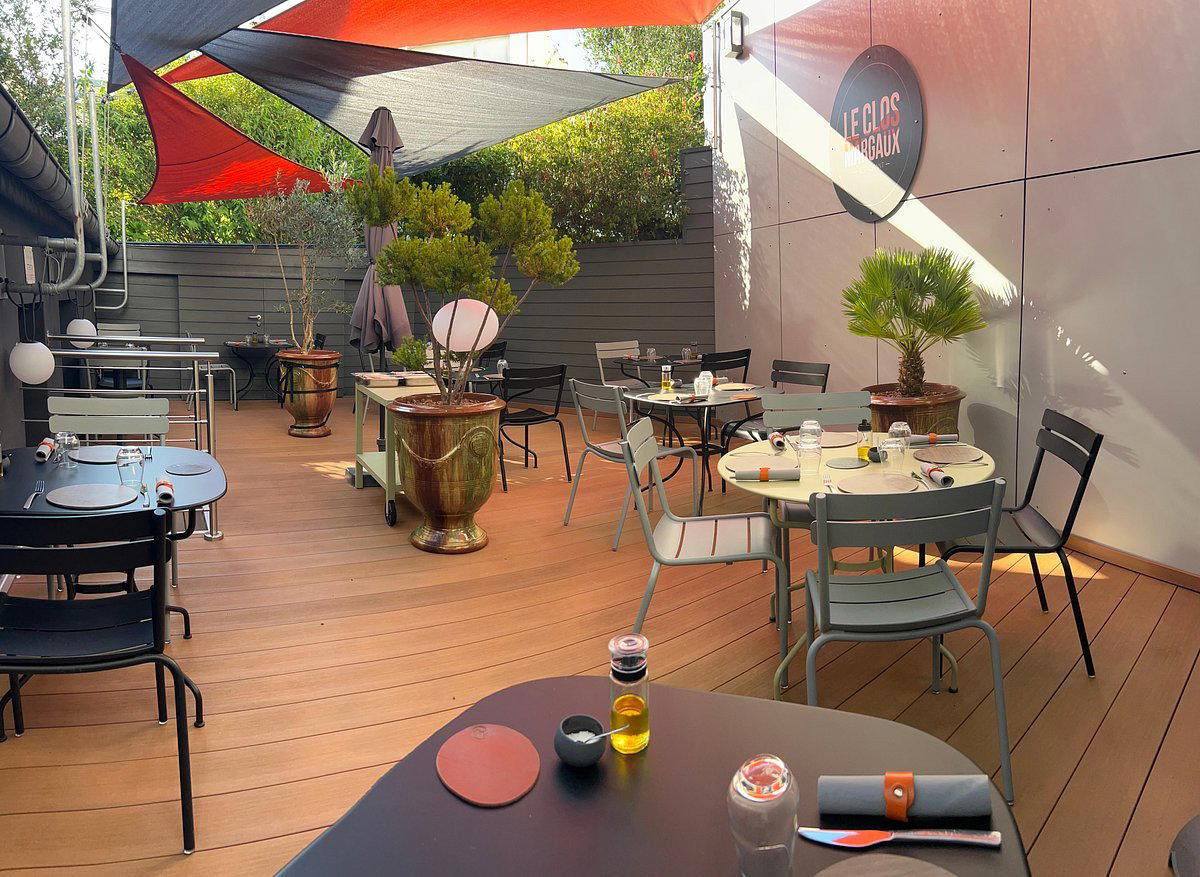
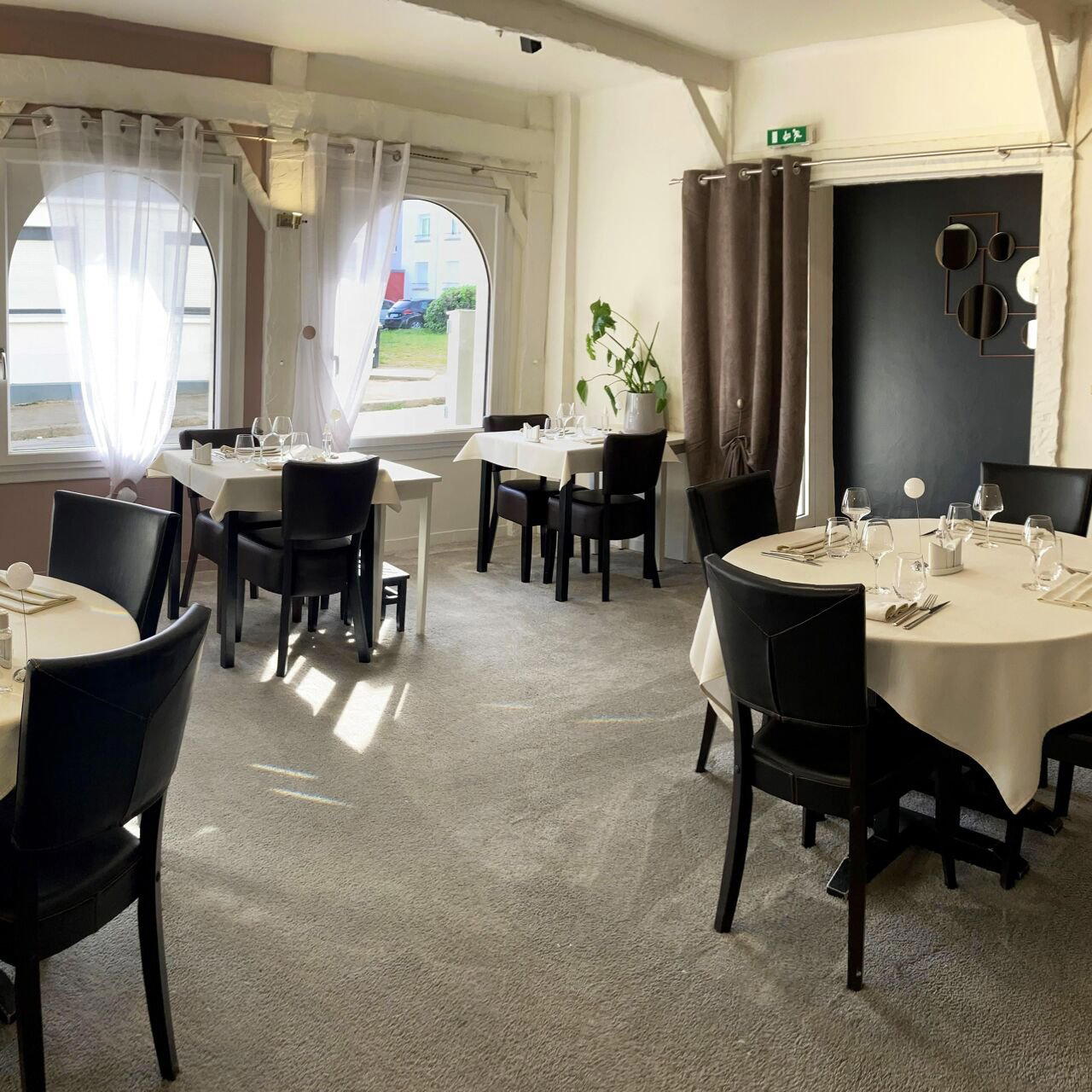
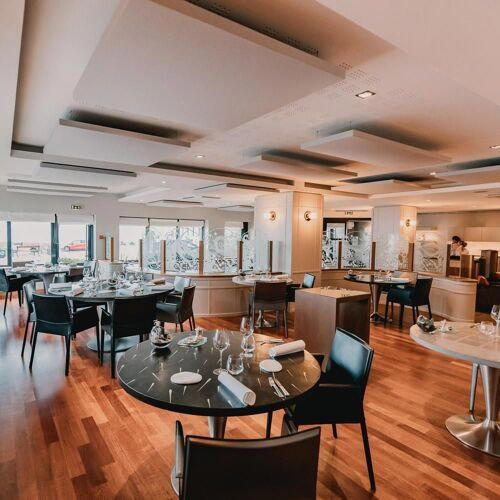
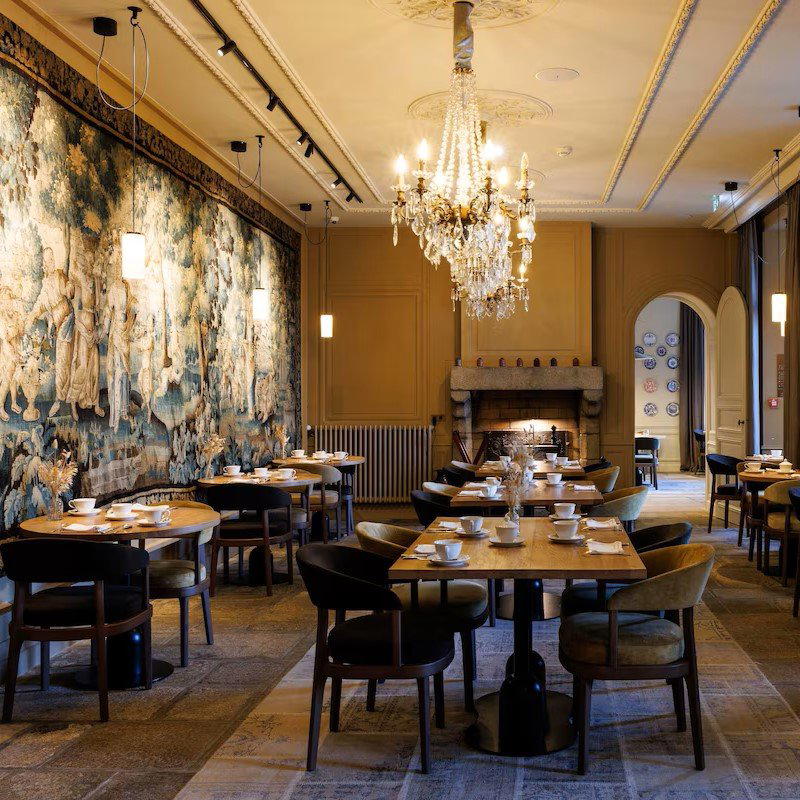
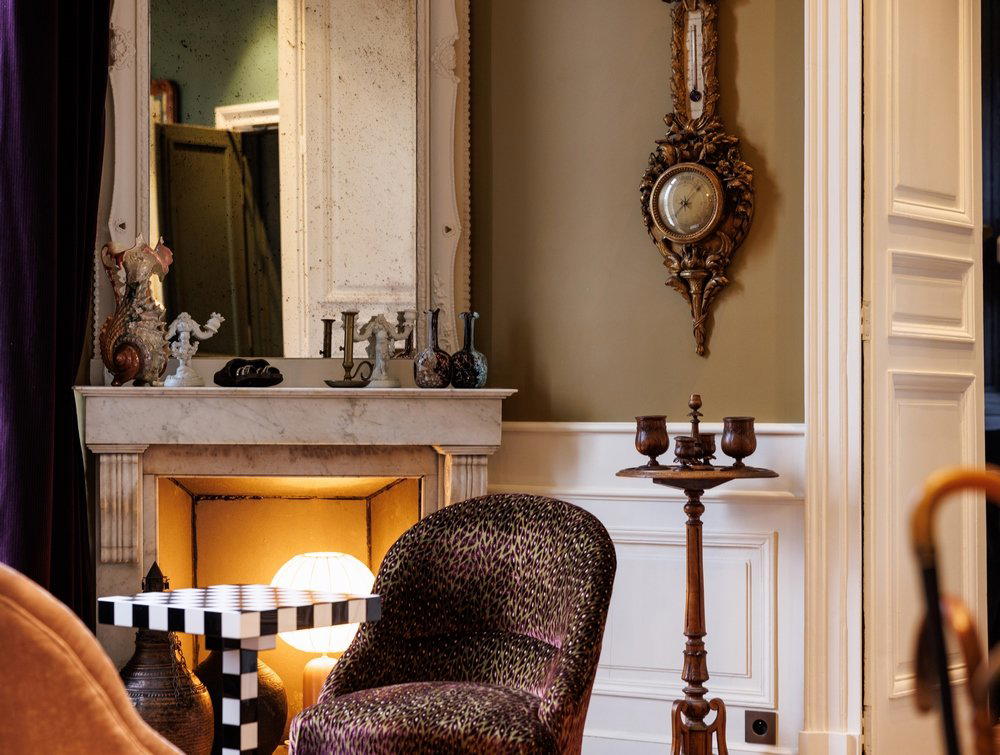
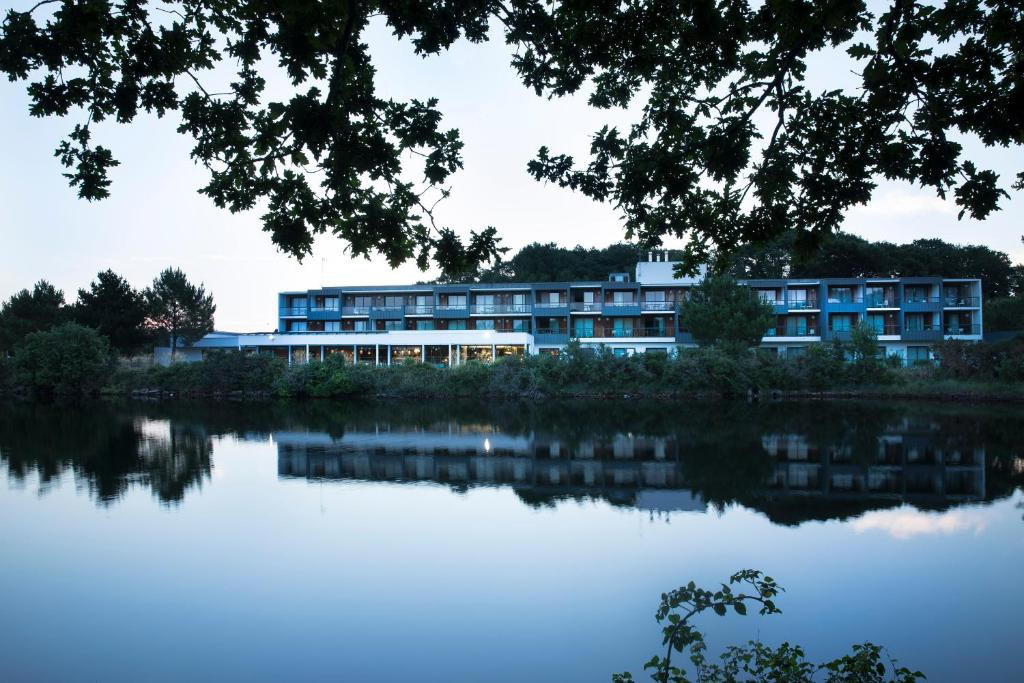
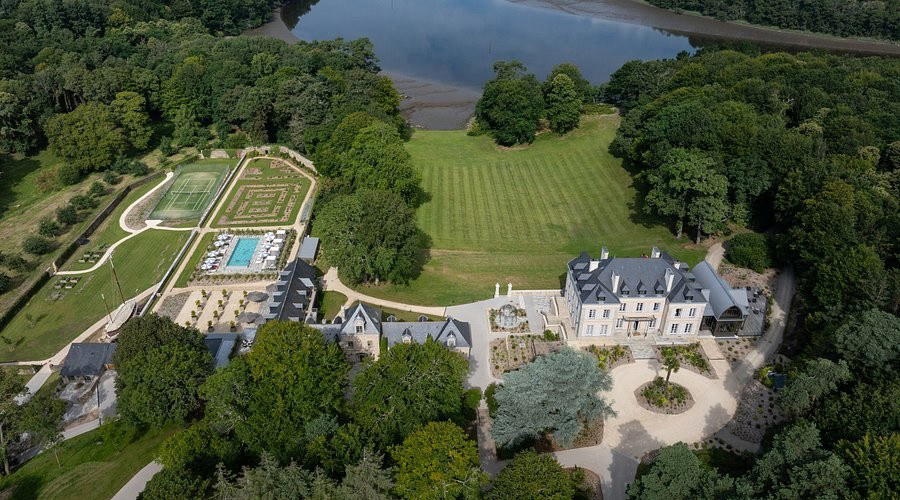
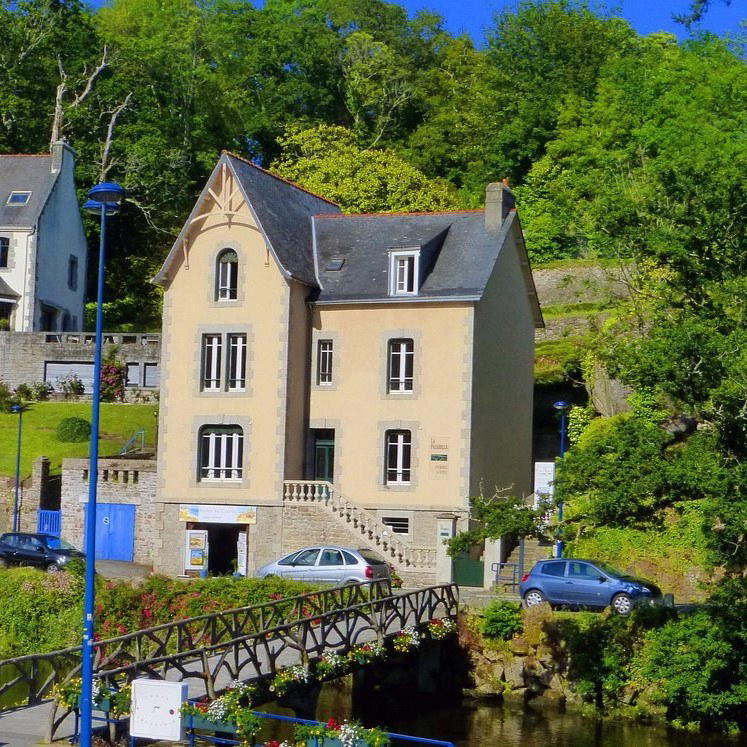
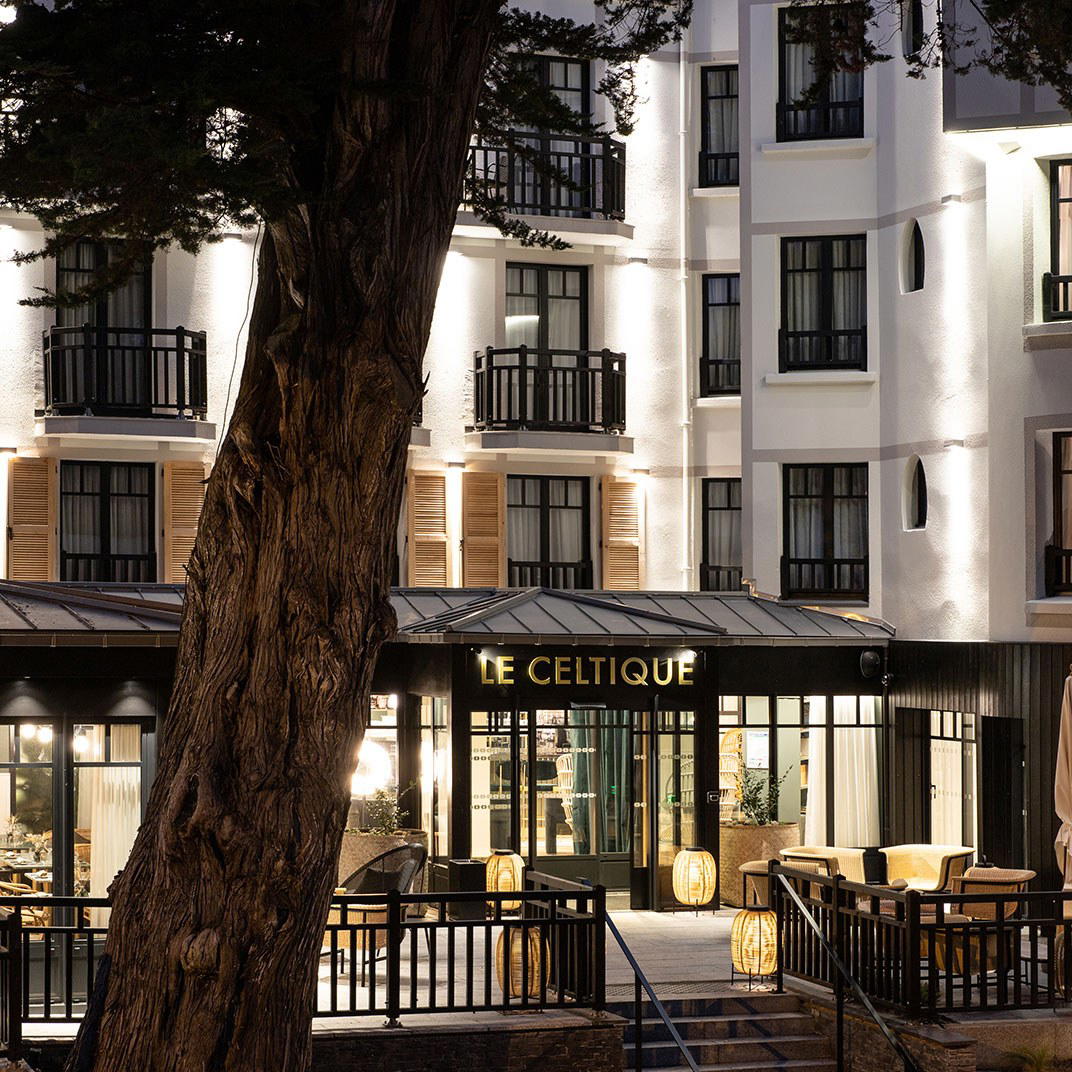
Warm, inviting, and elegant with effective lighting in an unassuming yet refined setting.