
Chef Heidi Bjerkan relocated her New Nordic restaurant from Trondheim to Oslo's National Library, a 1914 building decorated with Emanuel Vigeland frescoes. Her ingredient-driven cooking emphasizes Norwegian produce, terrific seafood, and seasonal timing—rhubarb at first harvest, lamb at peak sweetness—delivered in a room that balances history with contemporary architecture.
Pearl is the En Primeur Club membership app — saves, bookings, and concierge access live there. Same editors, same standards.
- Address
- The National Library, Henrik Ibsens Gate 110, Oslo, Oslo, 0255, NOR
- Phone
- +47 954 37 028
- Website
- restaurantcredo.no
- Directions
- Get directions
 Saves & bookings on Pearl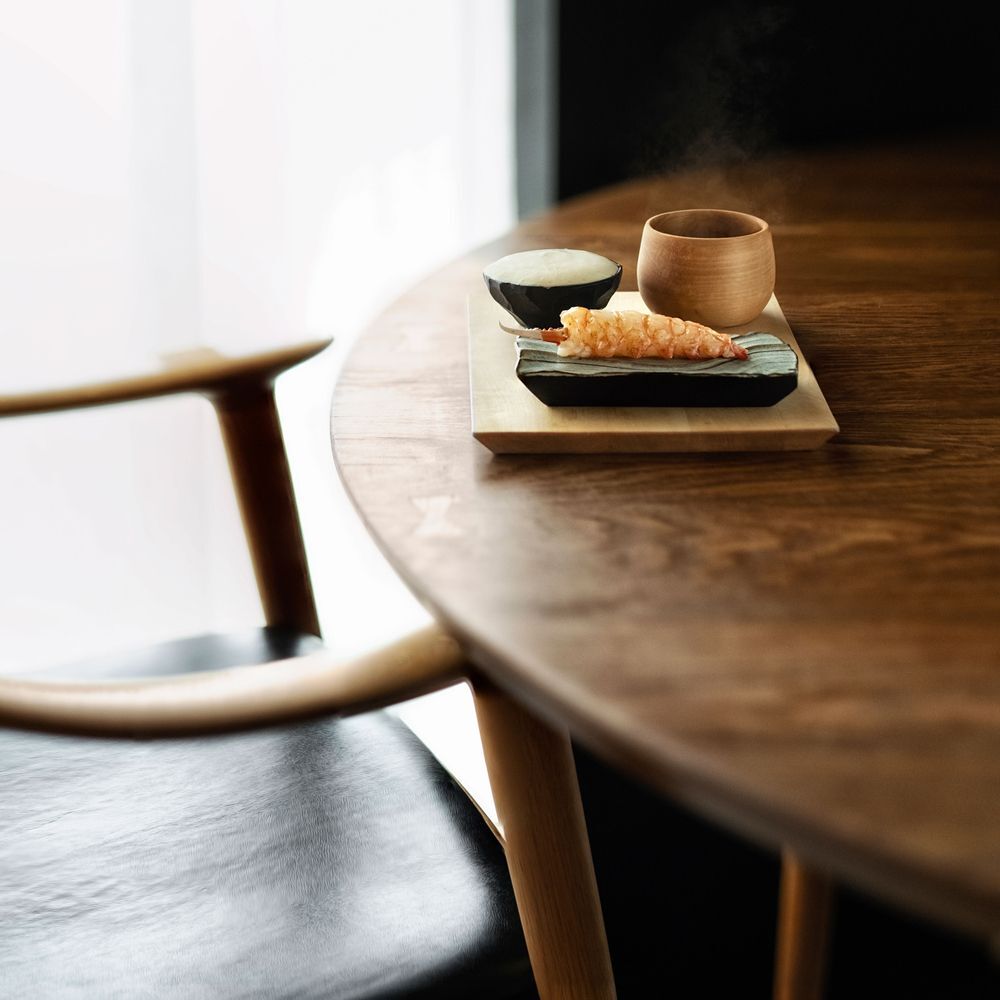
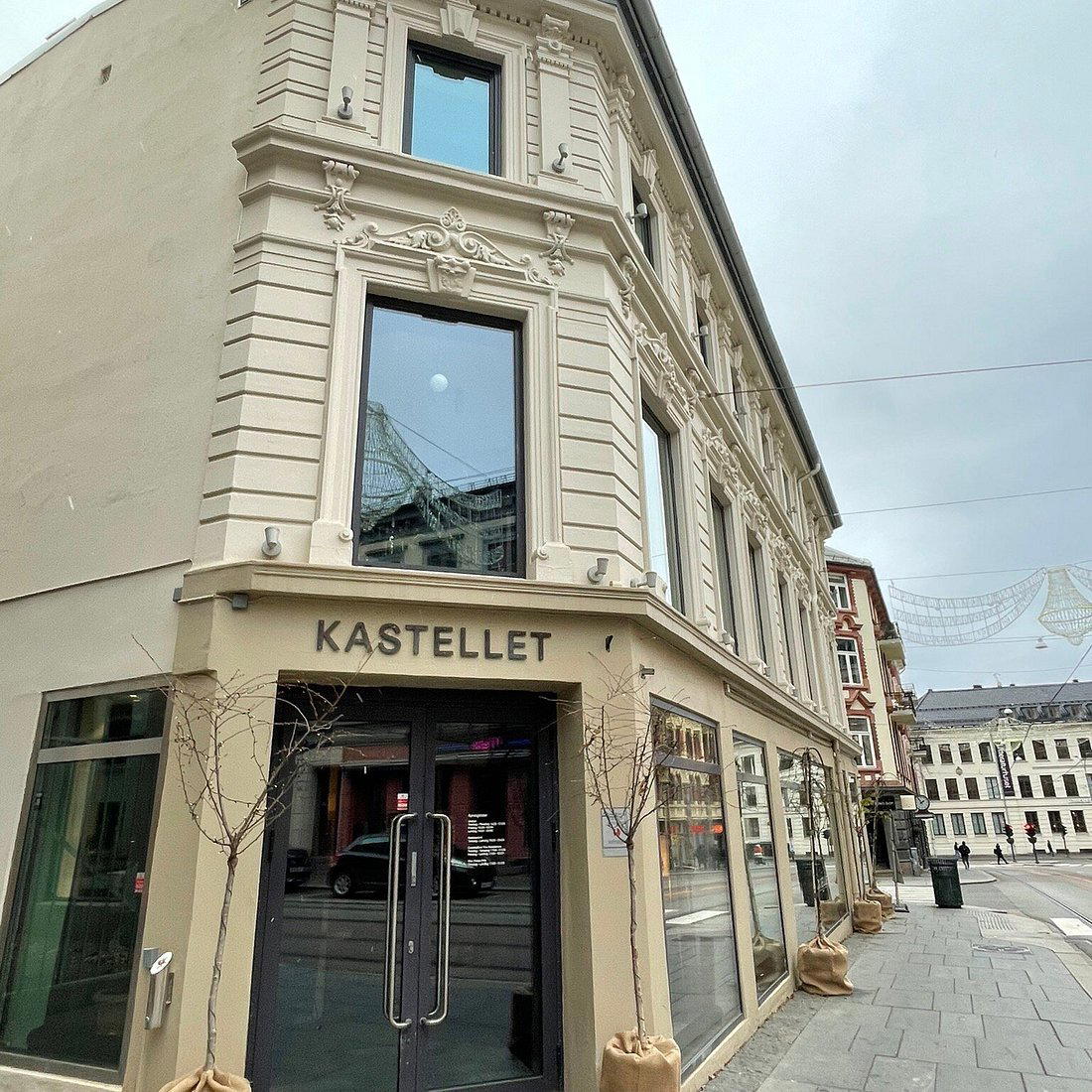
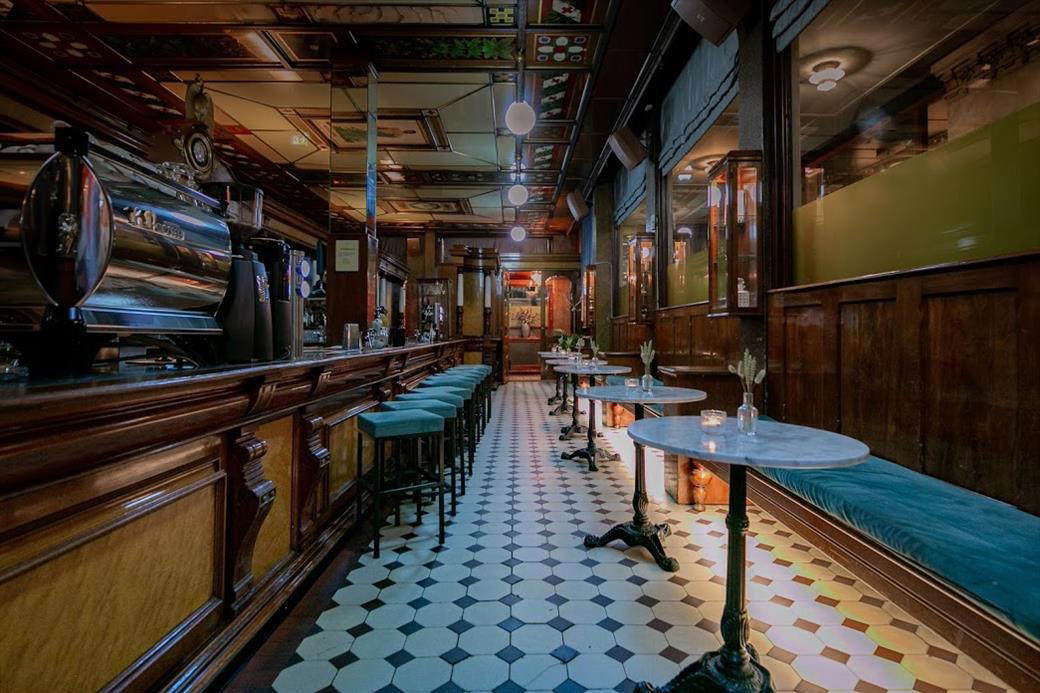
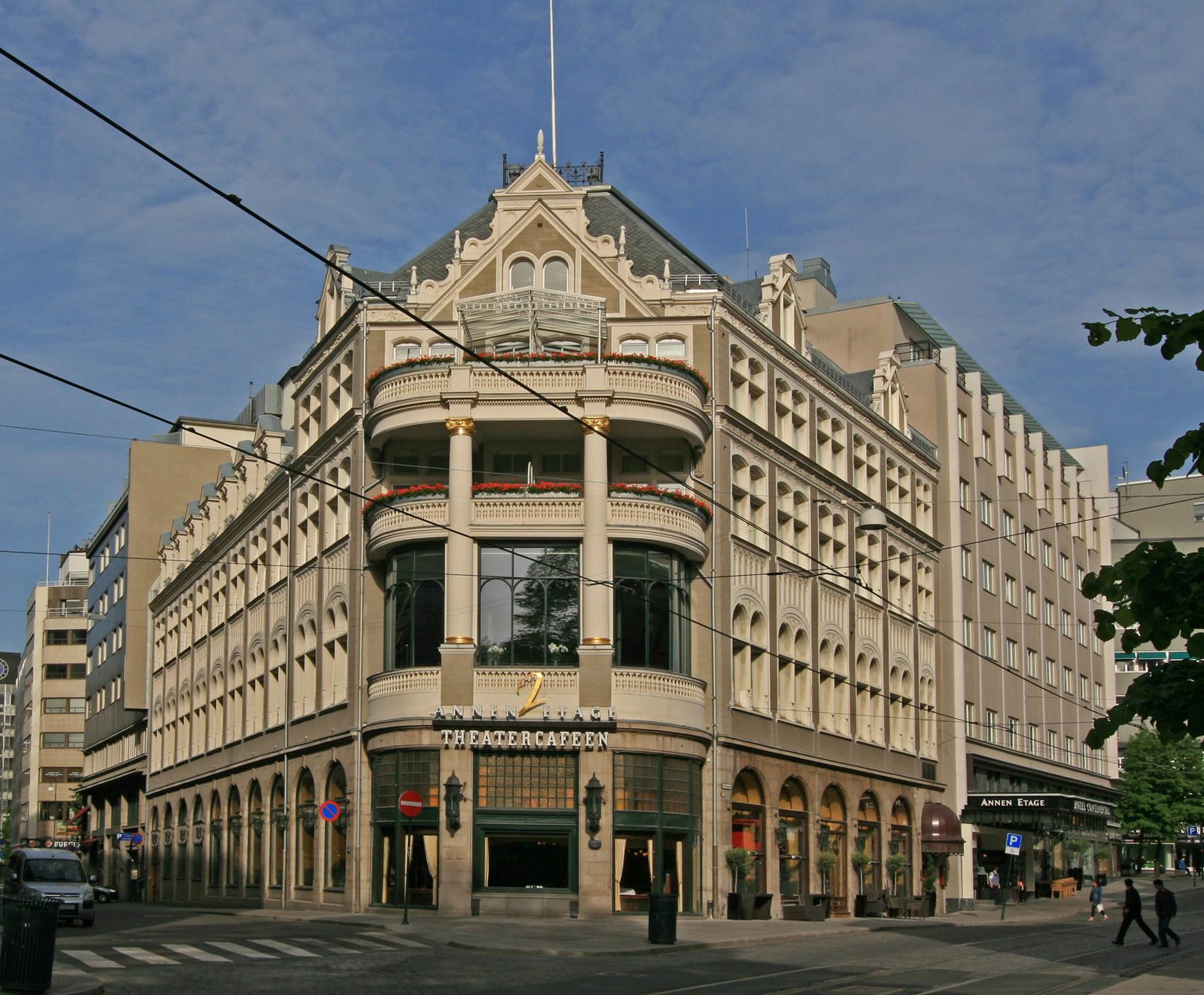
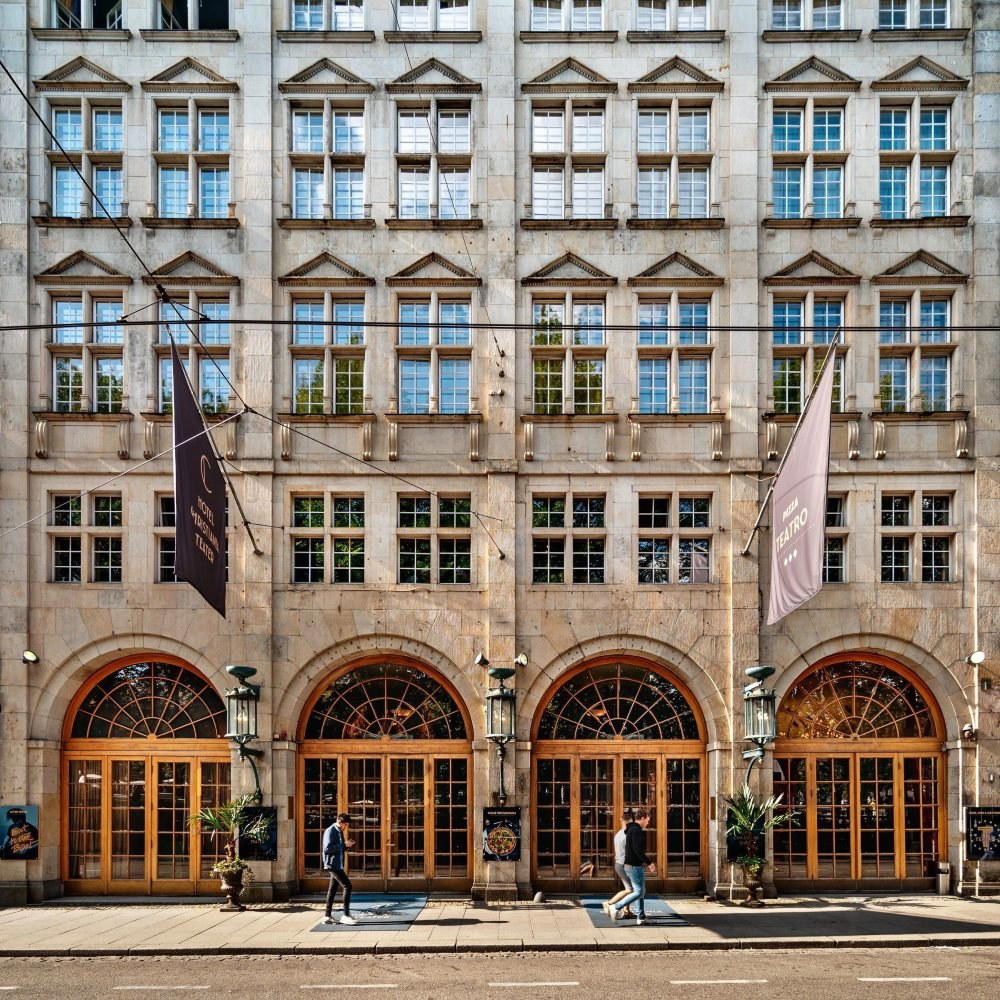
Oslo's New Nordic scene runs deeper than the 2000s-era manifesto; it reaches backward into Norwegian terroir and forward into cultural infrastructure. Credo occupies the contemporary wing of the National Library, an imposing 1914 building on Henrik Ibsens gate decorated with Emanuel Vigeland frescoes. The juxtaposition works: a restaurant that views food as "a cultural expression", Chef Heidi Bjerkan's phrase, finds logic in a building designed to preserve culture. The dining room overlooks the library's collection, a setting that distances the meal from Oslo's harborfront and Aker Brygge hotel-restaurant cluster and places it inside the city's institutional fabric.
Bjerkan built her name in Trondheim, where Credo originated, before relocating the project to the capital. Her cooking carries the founding ethos intact: environmental awareness, animal welfare, and ingredient provenance treated as non-negotiable criteria. That stance positions Credo within the New Nordic tradition but with sharper edges than the phrase now suggests. Bjerkan sources aggressively from Norwegian producers, coastal fishermen, small-flock shepherds, farmers working at the margin of the growing season, and the menu narrates those relationships. First-of-season rhubarb, sweet lamb from animals raised on fjord-side pasture, cod caught hours before service: these are not menu-writing devices but logistical commitments. The kitchen states where each ingredient originates, and the format depends on that transparency.
What the Menu Reflects
Oslo's fine-dining tier now includes Plah, Apostrophe, and Ambassaden, each working within distinct culinary frameworks. Credo's framework is Norwegian seasonality filtered through Bjerkan's technical lens. Seafood anchors much of the menu, Norway's coastline and cold-water fisheries make that inevitable, but the preparation avoids the rustic-tradition clichés. Bjerkan favors precision: fish arrives at the table in compositions that emphasize texture contrast and temperature, often paired with fermented or pickled elements drawn from the same season. The plating is careful, photogenic in the manner of contemporary Nordic kitchens, but the flavor profile stays focused on the ingredient's inherent character rather than chef intervention.
The pace is structured but not rigid. Courses arrive in sequence, portions sized to sustain momentum through a multi-course progression without the physical weight of older French formats. Vegetables receive equal attention to protein, spring greens, root vegetables treated with respect for their growing conditions, berries foraged from regions where they thrive. Bjerkan's advocacy for "healthy habits" translates into cooking that avoids excessive fat and cream, a departure from the butter-and-stock foundations of classical kitchens. That lightness aligns with Scandinavian health culture and also serves a practical function: it allows the menu to extend across multiple courses without overwhelming the palate.
Chef Heidi Bjerkan and the Cultural Context
Bjerkan's biography connects to Norway's regional food movements, but her reach extends beyond localism. She has spoken publicly about viewing food as a cultural artifact, a position that resonates with the National Library's mission. That alignment gives Credo a conceptual coherence: the restaurant doesn't merely occupy a library; it participates in the same preservation-and-expression work. Bjerkan's dishes are finely prepared, attractive in their assembly, and rooted in the same terroir that defines Norwegian identity. The cooking reflects seasonal peaks, lamb at its sweetest moment, rhubarb at first harvest, because the calendar dictates what the land offers.
Oslo's dining landscape has widened in recent years, with Ahaan bringing Thai technique to the Nordic capital and Arno offering a different lens on Norwegian ingredients. Credo remains distinct within that mix because of Bjerkan's unwavering focus on provenance and her willingness to advocate publicly for environmental and welfare standards. That advocacy shapes the menu's structure: producers are named, fishing methods disclosed, and seasonal timing explained. The transparency is not marketing; it is the operational backbone of the kitchen.
For travelers interested in how Oslo's fine-dining scene sits within the broader Scandinavian context, our full Oslo restaurants guide maps the city's range. Credo occupies the high end of that spectrum, comparable in ambition to Michelin-level Nordic kitchens in Stockholm and Copenhagen but with a Norwegian ingredient base and a location that distances it from the tourist-facing waterfront. The National Library setting attracts a local audience, Oslo residents interested in Bjerkan's work, diners who value the institutional gravitas of the building, and visitors who want to experience New Nordic cooking in a space that reflects Norway's cultural infrastructure. The room's architecture and Vigeland's frescoes add a layer of historical weight that few Oslo restaurants can match.
Those planning a broader visit to the city can explore our full Oslo hotels guide, our full Oslo bars guide, and our full Oslo experiences guide to build a trip that extends beyond dining. For context on how Norway's regional food traditions play out in other cities, Allmuen Bistro in Bergen and Anita's Sjomat in Lofoten offer coastal perspectives, while A. Idsøe Grill & berkel in Stavanger shows how southern Norway interprets local ingredients.
Credo's relocation from Trondheim to Oslo marked a shift in scale and audience, but the kitchen's core commitments remained intact. Bjerkan's cooking continues to prioritize Norwegian terroir, seasonal precision, and ethical sourcing, now presented in a room that amplifies those values through its institutional context. The National Library setting is not incidental; it is integral to the restaurant's identity and to the argument Bjerkan makes about food as cultural expression.
Fast Comparison
Comparable venues by cuisine and price in the same metro.
| Venue | Cuisine | Price | Awards |
|---|---|---|---|
| Credo | Trondheim’s loss was Oslo’s gain when Credo relocated to a distinctive space in the contemporary wing of the National Library, an imposing 1914 building decorated with Emanuel Vigeland frescoes. Pioneering Chef Heidi Bjerkan leads the team and remains strong in her vision, viewing food as “a cultural expression” and advocating for healthy habits, environmental awareness and animal welfare. Her finely prepared dishes are as attractive as the surroundings, with top Norwegian produce including some terrific seafood and the latest produce to reach its peak – the first of the season’s rhubarb or sweet, juicy lamb. | This venue | Not listed |
| Credo | New Nordic | New Nordic | Not listed |
| Plah | Thai | €€€€ | Thai, €€€€ |
Recognition history
Dated appearances from independent guides and award organizations, with the underlying list record or original source where available.
Michelin 1 Star
Michelin


At a Glance
- Elegant
- Sophisticated
- Modern
- Intimate
- Date Night
- Business Dinner
- Special Occasion
- Celebration
- Design Destination
- Historic Building
- Standalone
- Extensive Wine List
- Farm To Table
- Local Sourcing
- Sustainable Seafood
- Organic
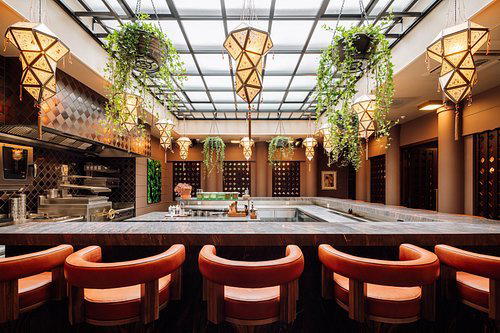
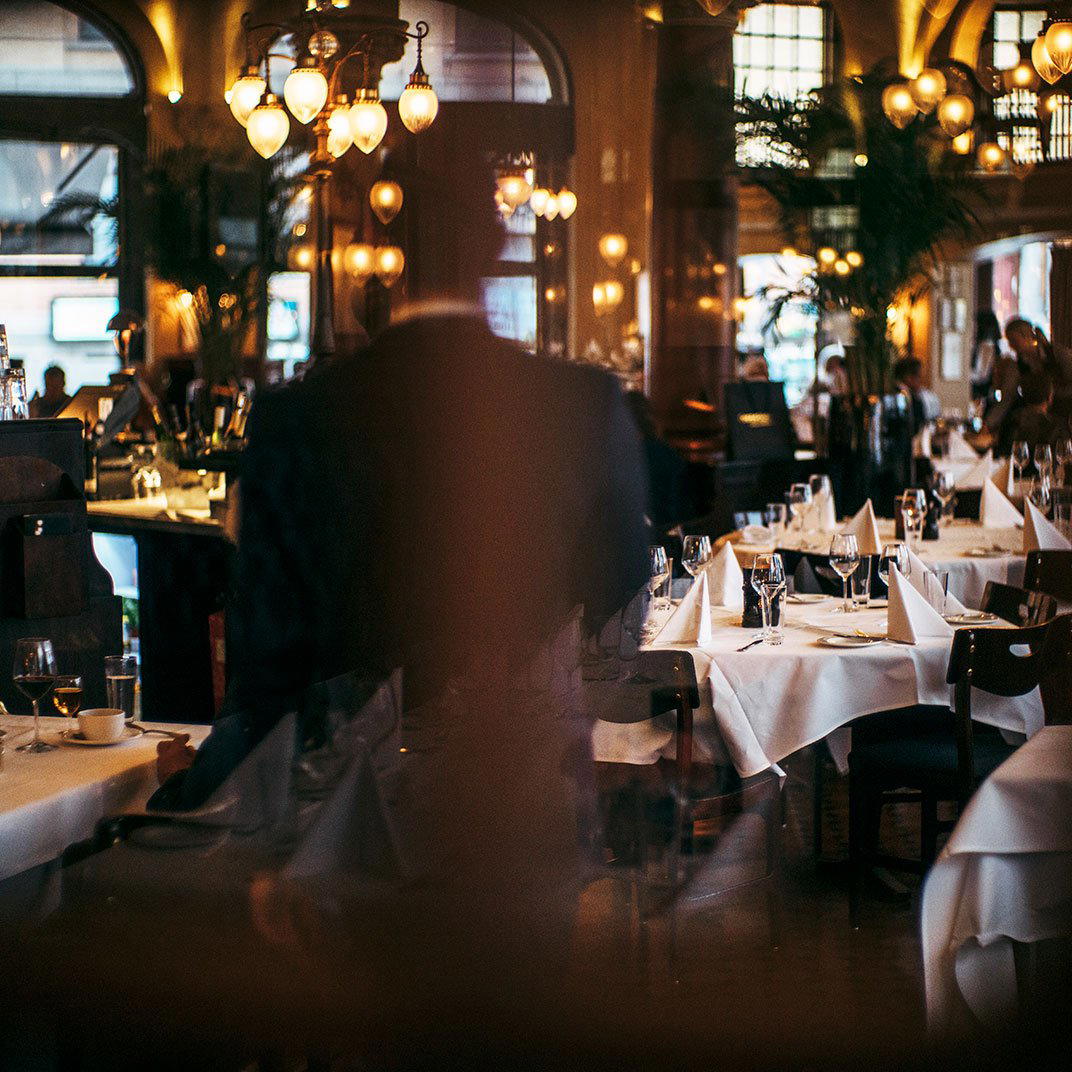
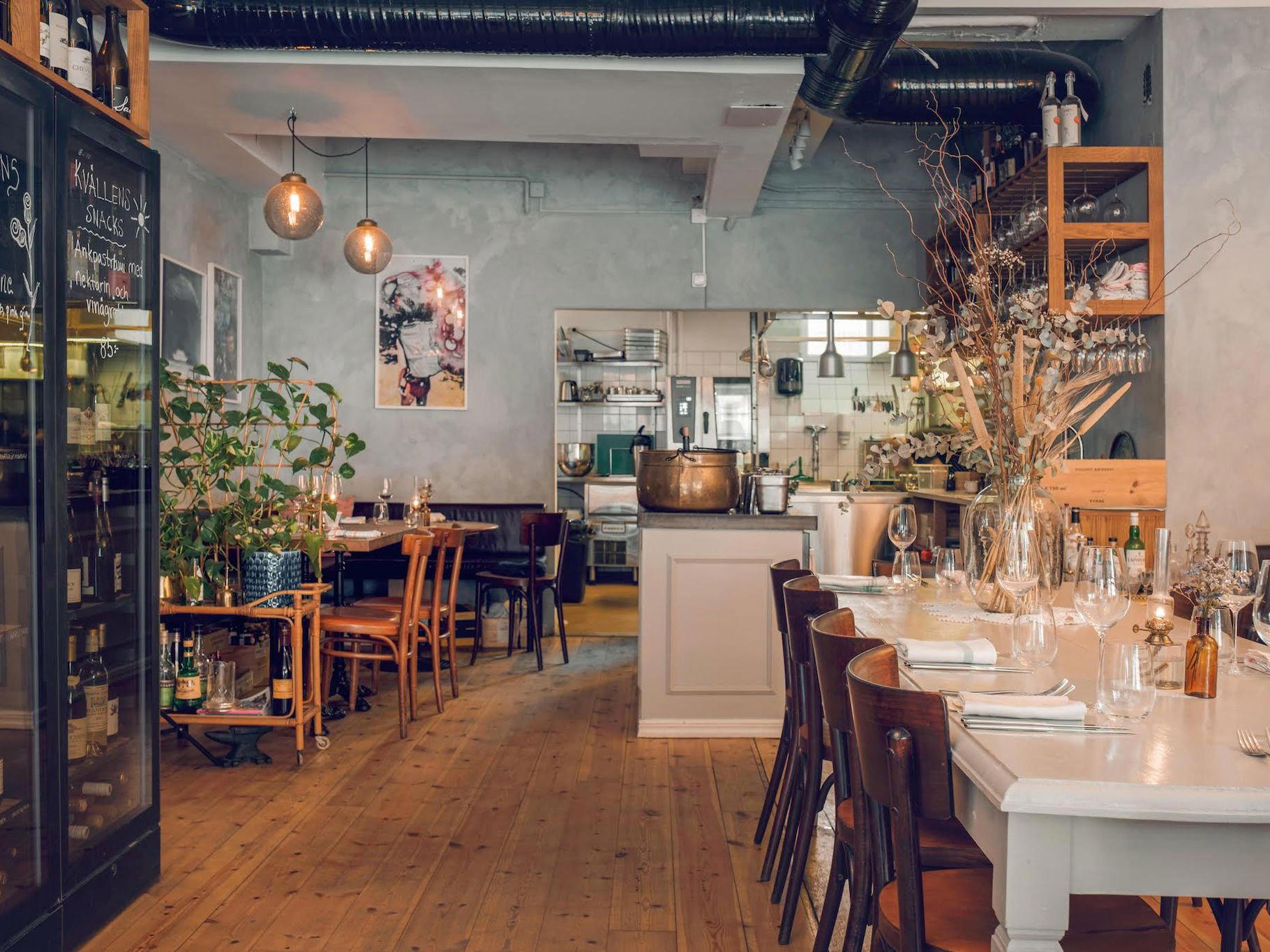
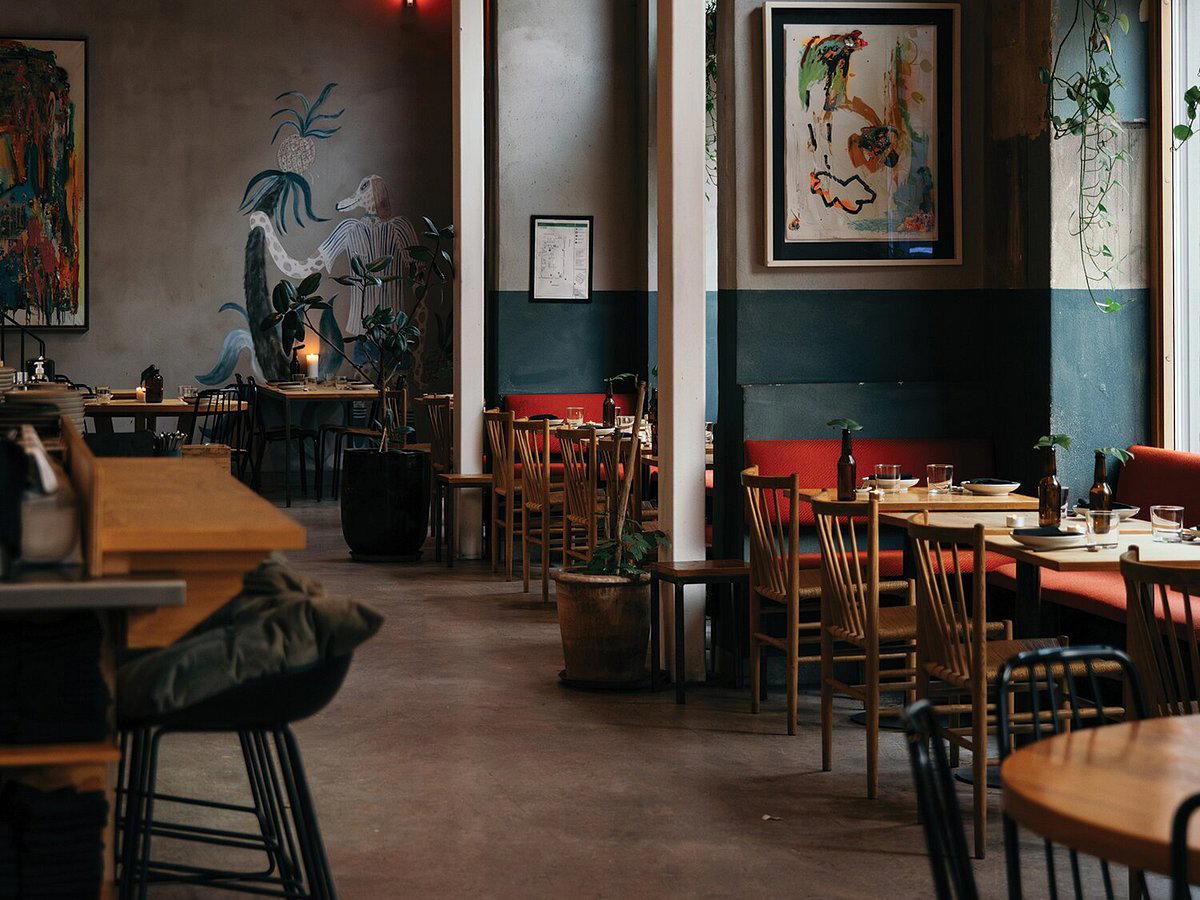
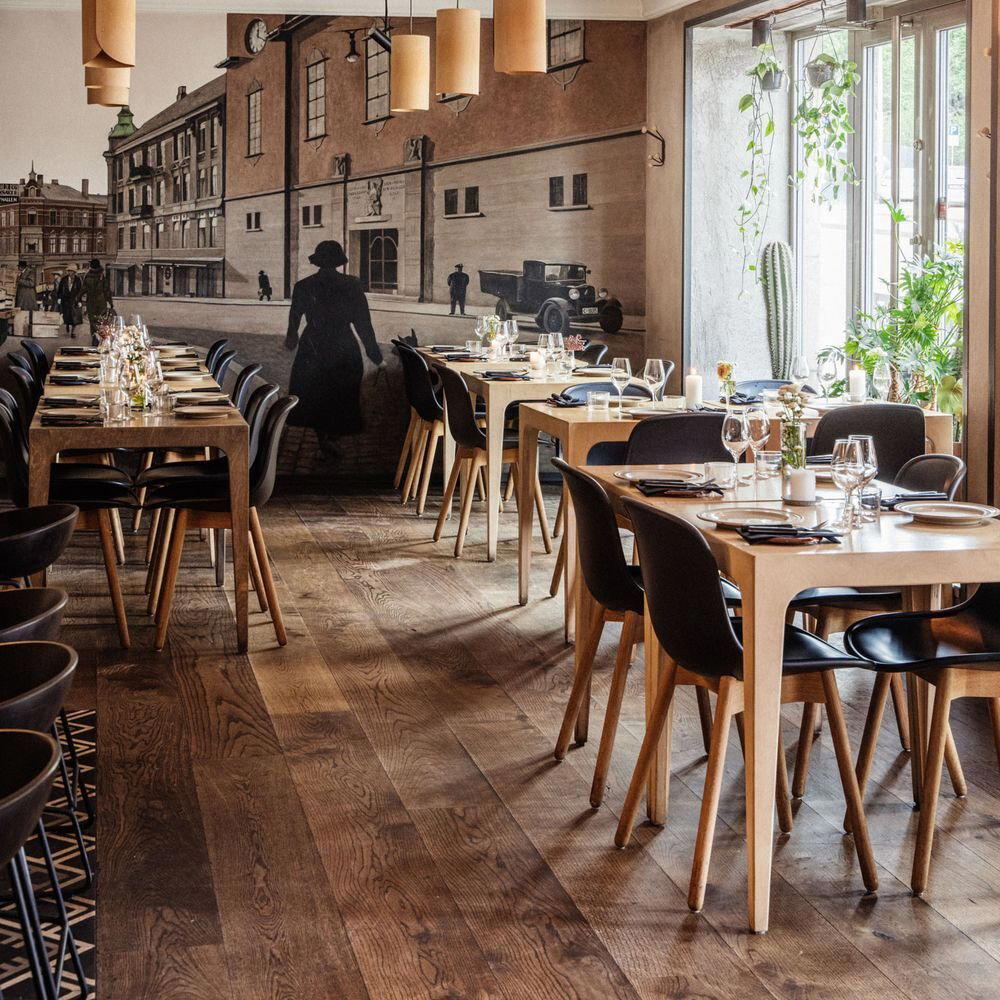
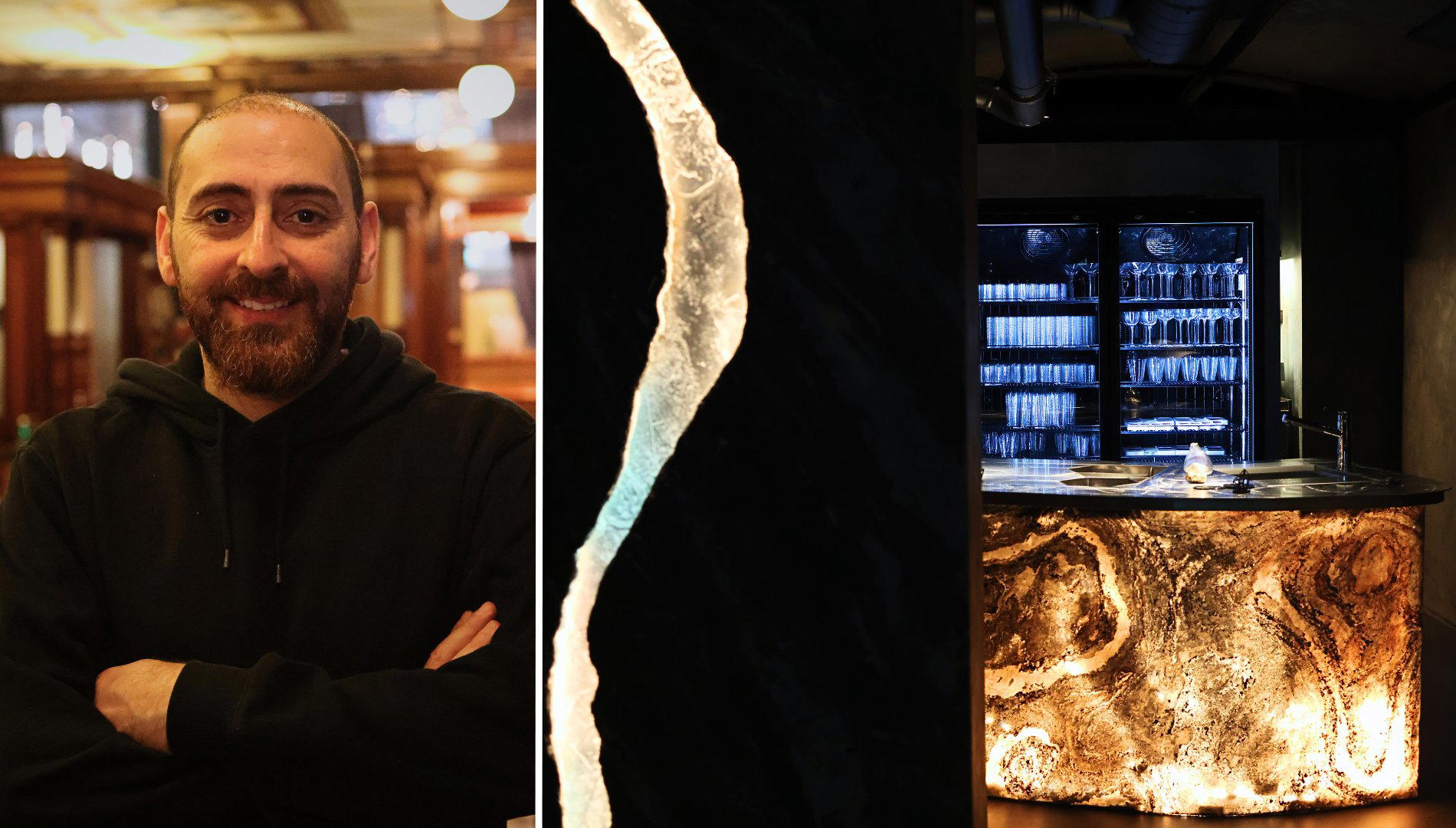
Refined and tranquil fine-dining setting within the National Library, combining minimalist Nordic design, soft lighting, and a calm, contemplative atmosphere that emphasizes seasonality, provenance, and thoughtful presentation.