Cozinha da Felicidade sits at Praça Dom Luís I in central Lisbon, placing it squarely within the city's most visited riverside corridor. The name translates as 'Kitchen of Happiness,' a frame that signals domestic warmth over fine-dining formality. For travellers working through Lisbon's broader restaurant scene, it represents the neighbourhood-rooted end of the spectrum rather than the tasting-menu tier occupied by Belcanto or CURA.
Pearl is the En Primeur Club membership app — saves, bookings, and concierge access live there. Same editors, same standards.
- Address
- Praça Dom Luís I 44, 1200-161 Lisboa, Portugal
- Phone
- +351965375972
- Website
- timeoutmarket.com
- Directions
- Get directions
 Saves & bookings on Pearl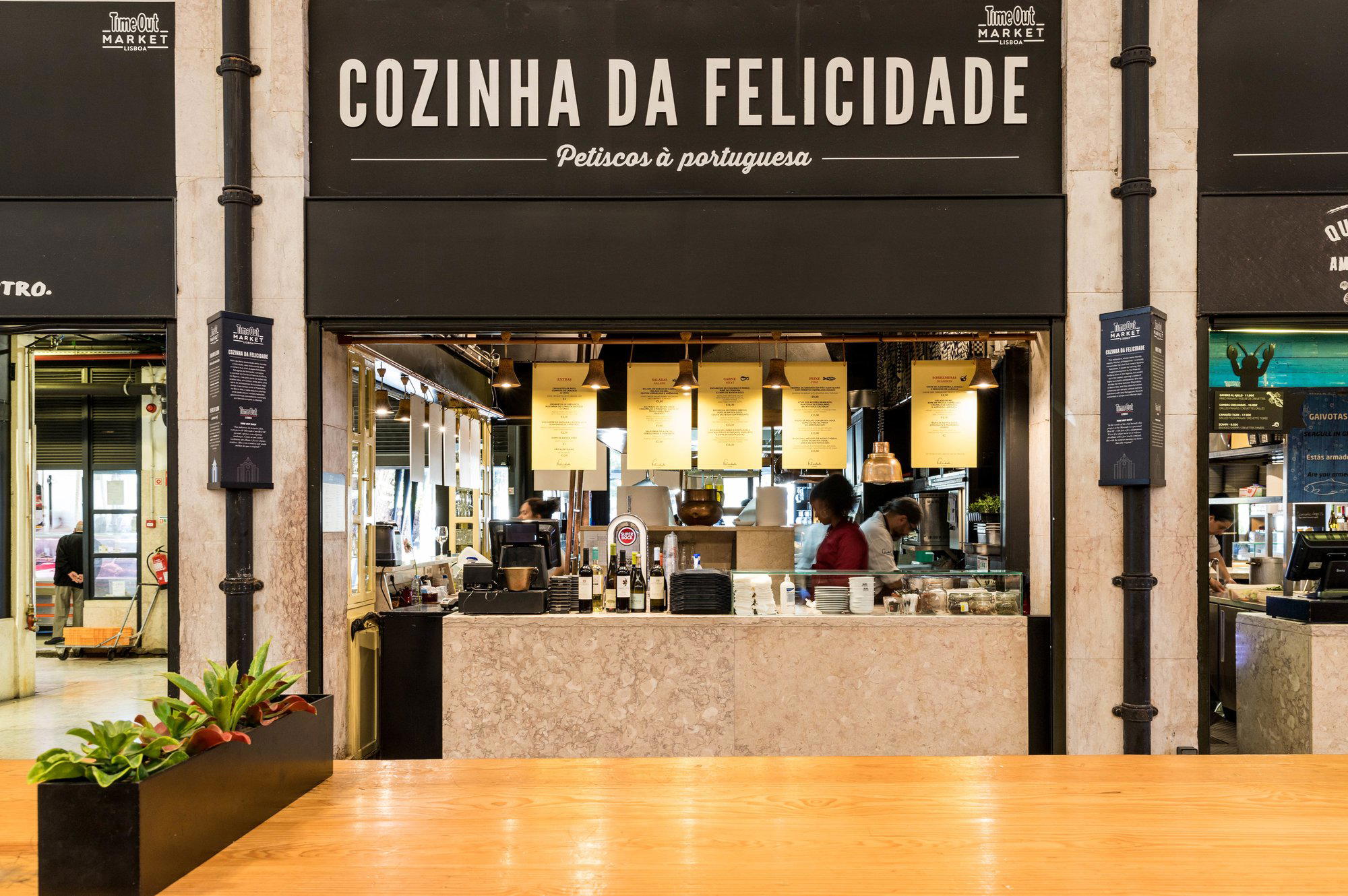
Where the Riverside Corridor Meets the Neighbourhood Table
Cozinha da Felicidade is a casual Modern Algarve Portuguese restaurant at Praça Dom Luís I 44 in Lisbon, with a price tier around US$20 per person. Praça Dom Luís I occupies a specific gravitational position in Lisbon's geography. The square sits at the foot of the Cais do Sodré district, where the older ferry terminals and the wine-bar density of Rua Nova do Carvalho converge before the city tilts uphill toward Chiado. Restaurants on or immediately around the square serve a mixed public: locals crossing between Alfama and Bairro Alto, tourists following the waterfront, and the working population of the adjacent financial and legal offices. It is not, by convention, where Lisbon's most technically ambitious kitchens have chosen to anchor themselves. That separation matters for understanding what a place called Cozinha da Felicidade is doing and who it is doing it for.
The name itself carries editorial weight. 'Cozinha da Felicidade' translates directly as 'Kitchen of Happiness,' a deliberate positioning that distances the restaurant from the restraint-signalling language used by the city's tasting-menu tier. Happiness, in Portuguese culinary culture, has specific connotations: abundance, shared plates, recipes transmitted across generations rather than invented in development kitchens.
Sourcing and the Portuguese Pantry
Portuguese cuisine is built on a sourcing logic that has become fashionable elsewhere but was never novel here. The Atlantic shelf running from the Minho to the Algarve supplies the fish; the interior regions of Alentejo and Trás-os-Montes supply the cured meats, cheeses, and legumes; the Douro, Dão, and Vinho Verde zones supply the wine. A kitchen operating in Lisbon in 2024 has access to one of Europe's most coherent regional pantries without needing to import anything of consequence.
That pantry is, in part, what has allowed Portuguese restaurants across the price spectrum to hold their ground against the internationalisation pressures that reshaped dining in London or Paris. Bacalhau, the salt-cured cod that anchors the national repertoire, is sourced from Norwegian and Icelandic waters but treated as a domestic ingredient by centuries of preparation tradition. Piri piri peppers arrived from the former colonies and were absorbed so completely that they now read as native. The black pork of Alentejo competes credibly with Iberian breeds across the border. A restaurant at Praça Dom Luís I that draws on this supply network honestly is already working with better raw material than most European capitals can claim at a comparable price point.
Portugal's broader restaurant scene has demonstrated what rigorous sourcing, applied at the leading end, can achieve. Vila Joya in Albufeira has held two Michelin stars, drawing from Algarve seafood and Alentejo produce. Casa de Chá da Boa Nova in Leça da Palmeira has used Atlantic-caught fish as the centrepiece of a two-star programme. Ocean in Porches and The Yeatman in Vila Nova de Gaia have shown that the same ingredient logic scales from the Algarve coast to the Douro bank. In Lisbon itself, Belcanto and CURA operate at the summit of a two-star and one-star tier respectively, framing Portuguese ingredients in contemporary tasting formats. Eleven takes a more international-creative approach from its Parque Eduardo VII address.
The question for a neighbourhood restaurant near the waterfront is different: whether it is buying from the same supply network and preparing those ingredients with enough precision to justify the visit over a generic tourist-zone alternative. Lisbon has many restaurants that use the Portuguese pantry as set dressing without engaging with it seriously. The proximity to the Ribeira market, one of the city's primary fresh-ingredient hubs, roughly ten minutes on foot, gives any kitchen in this corridor a logistical advantage if it chooses to use it.
Lisbon's Restaurant Tiers and Where This Address Fits
Lisbon's dining scene has stratified more sharply in the past decade. At the leading sit the Michelin-recognised houses: Belcanto with two stars, CURA with one, 50 Seconds from Martín Berasategui with two, and 2Monkeys operating in the creative-format niche. Below that sits a mid-tier of serious neighbourhood restaurants that serve traditional Portuguese cooking or contemporary variations of it without tasting-menu pricing. Below that is a large volume of tourist-facing operations that trade on location and ambience more than kitchen discipline.
A restaurant at Praça Dom Luís I is more likely to belong to the second or third of those tiers than to the first, given the address economics and the informal register implied by the name. That is not a disqualification. The mid-tier in Lisbon is where most of the city's actual culinary character lives: the tascas that have been serving the same braised dishes for forty years, the converted warehouse restaurants doing whole-fish cookery on wood-fired grills, the wine bars that have made Lisbon one of the more interesting natural-wine cities in southern Europe. Internationally comparable scenes in cities like San Francisco, where Lazy Bear operates a high-commitment supper-club format, or New York, where Le Bernardin has sustained its seafood-focused fine-dining programme for decades, show that the top tier captures most of the critical attention while the mid-tier carries most of the daily eating. Lisbon is no different.
For context across Portugal more broadly, addresses like Antiqvvm in Porto, Il Gallo d'Oro in Funchal, Fortaleza do Guincho in Cascais, Gusto by Heinz Beck in Almancil, Al Sud in Lagos, and Ó Balcão in Santarém define the reference points for serious restaurant-going across the country. The restaurant, based on its address and name register, is pitched as an accessible city-centre table rather than a destination in that competitive set.
Know Before You Go
| Address | Praça Dom Luís I 44, 1200-161 Lisboa, Portugal |
|---|---|
| Neighbourhood | Cais do Sodré / Ribeira, central Lisbon |
| Price range | About US$20 per person |
| Reservations | Walk-in friendly |
| Nearest transport | Cais do Sodré station (metro and rail), approximately 5 minutes on foot |
What It’s Closest To
Comparable venues nearby, for context on price, style, and recognition.
| Venue | Cuisine | Price | Notes |
|---|---|---|---|
| Cozinha da FelicidadeThis venue — the venue you are viewing | Modern Algarve Portuguese | $$ | Not listed |
| Café O Corvo | Portuguese Mediterranean Bistro | $$ | Mouraria |
| Corrupio | Modern Portuguese | $$ | Bairro Alto |
| Tasquinha do Lagarto | Traditional Portuguese | $$ | Campolide |
| A Praça | Portuguese Mediterranean | $$ | Alcantara |
| Cantina das Freiras | Traditional Portuguese Comfort Food | $ | Chiado |
Continue exploring
More in Lisbon
Restaurants in Lisbon
Browse all →
Bars in Lisbon
Browse all →
Hotels in Lisbon
Browse all →
At a Glance
- Lively
- Cozy
- Casual Hangout
- Open Kitchen
- Local Sourcing
Current opening hours
- Monday
- 10 AM–11:45 PM
- Tuesday
- 10 AM–11:45 PM
- Wednesday
- 10 AM–11:45 PM
- Thursday
- 10 AM–11:45 PM
- Friday
- 10 AM–11:45 PM
- Saturday
- 10 AM–11:45 PM
- Sunday
- 10 AM–11:45 PM
Hours can change for holidays and private events. Last verified .
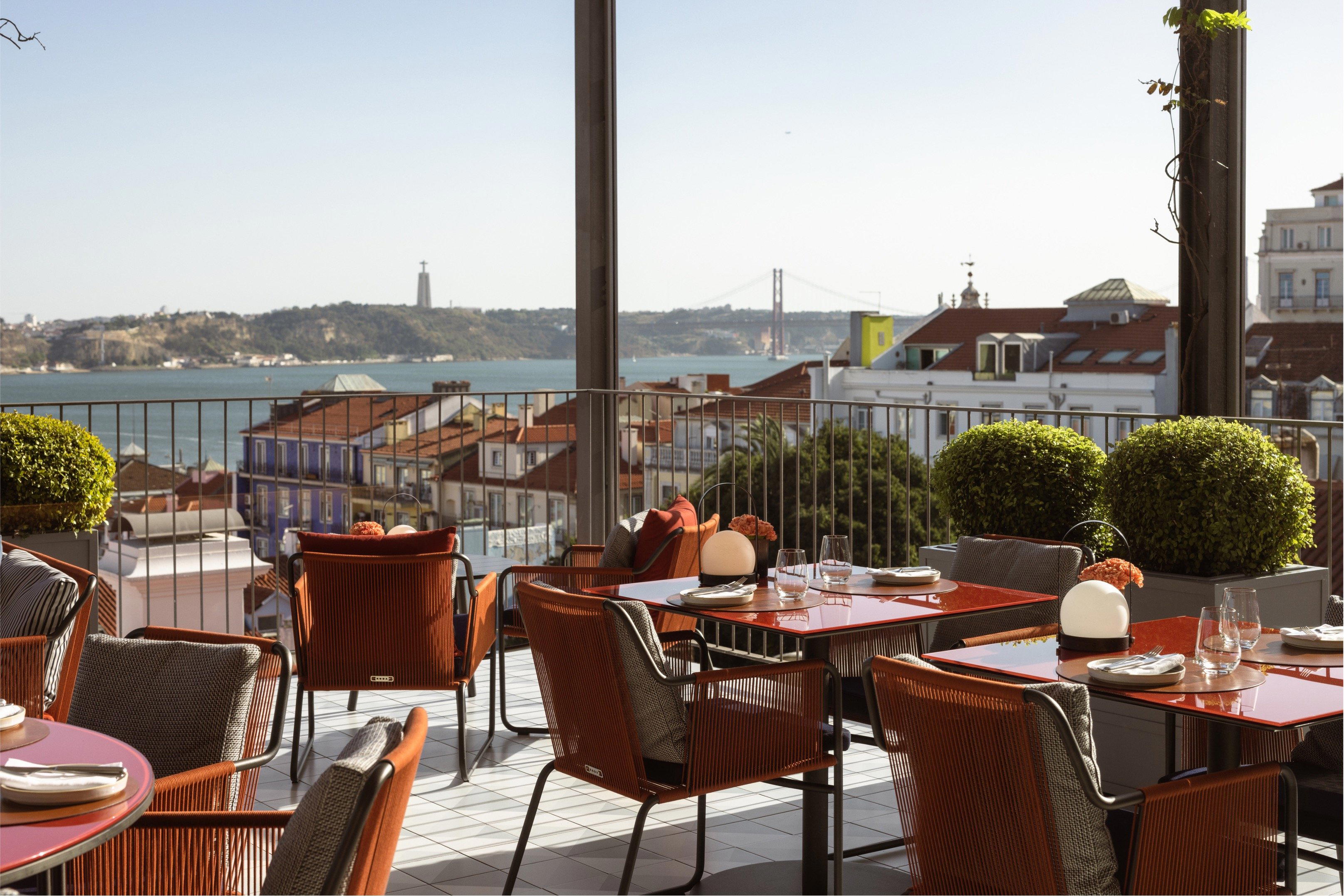
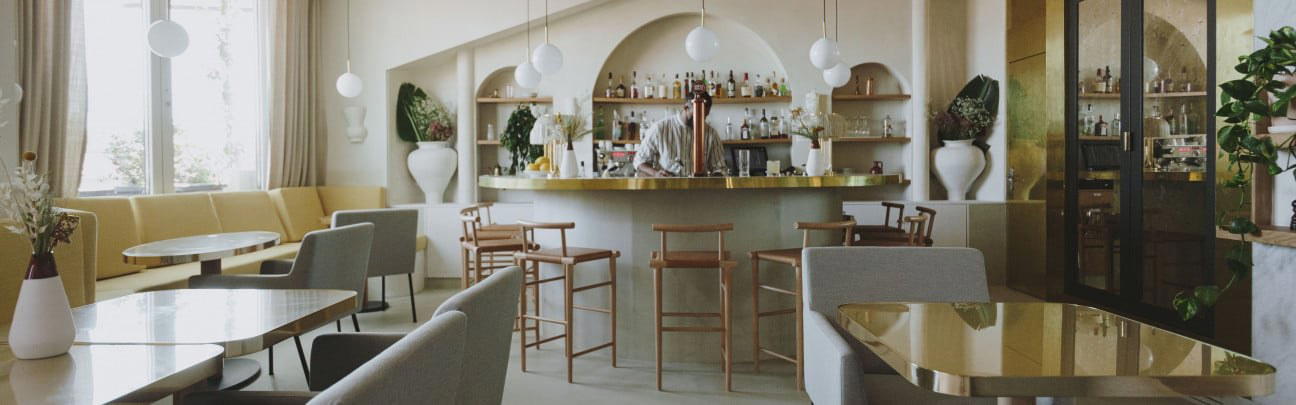
Casual market atmosphere with open kitchen views and lively communal dining.