A Travessa do Ferragial address in the Chiado district places Cantina das Freiras within one of Lisbon's most concentrated dining neighbourhoods, where old-city informality sits a short walk from the city's top-end restaurants. The cantina format — unpretentious, rhythm-driven, built around shared tables and honest cooking — represents a different register entirely from the tasting-menu tier, and that contrast is part of its appeal.
Pearl is the En Primeur Club membership app — saves, bookings, and concierge access live there. Same editors, same standards.
- Address
- Tv. do Ferragial 1, 1200-184 Lisboa, Portugal
- Phone
- +351 21 324 0910
- Directions
- Get directions
 Saves & bookings on Pearl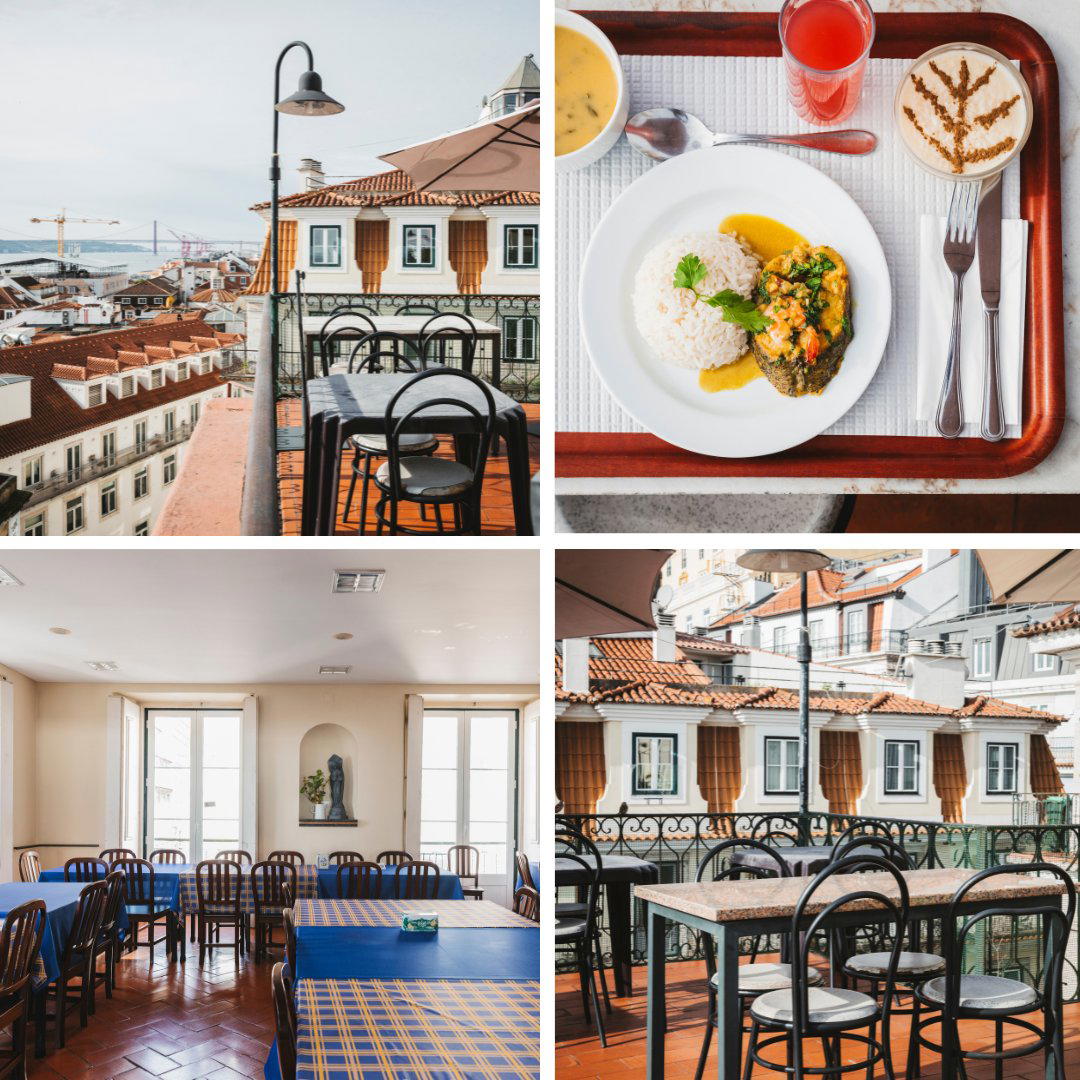
The Chiado Setting and What It Tells You
Travessa do Ferragial is the kind of Lisbon address that rewards knowing it exists. The lane runs off the lower edge of Chiado, a district that has held its status as the city's literary and intellectual quarter for long enough that the identity now feels structural rather than curated. In the same few blocks you will find espresso counters that open at seven, wine shops with serious back catalogues, and restaurants operating at price points that range from lunch-plate informality to the tasting-menu tier occupied by places like Belcanto and CURA. Cantina das Freiras sits at the informal end of that spectrum, which in Chiado is not a concession — it is a deliberate positioning inside a neighbourhood where the full register of eating is represented.
The name itself is instructive. "Cantina" signals a dining culture built around rhythm and repetition rather than occasion: the daily lunch, the set plate, the table that turns. "Das Freiras" — of the nuns, roots the name in a Lisbon tradition of convent-adjacent cooking, the kind of food that was practical before it was fashionable. That tradition, in which religious institutions fed communities on produce-led, low-waste cooking, runs through Portuguese culinary history as a counterpoint to the elaboration of court cuisine. A name that invokes it is making a statement about register and intention.
The Ritual of the Cantina Meal
The cantina format imposes its own pacing on a meal, and that pacing is one of its distinguishing features. Where a tasting-menu restaurant like Eleven or 50 Seconds from Martin Berasategui builds the meal around extended sequences with deliberate pauses, the cantina compresses time. Dishes arrive in a cadence set by the kitchen's throughput rather than a sommelier's choreography. The expectation is collective eating, often at tables that seat more than your party, and a relationship with the menu that is transactional in the leading sense: you know broadly what you will get, and the value equation is transparent.
This is a dining ritual with deep roots in Portuguese urban culture. The concept of the working lunch, eaten quickly, eaten well, eaten without ceremony, has sustained a particular kind of restaurant across Lisbon's older districts for generations. What distinguishes the better examples of this format is not ambition toward complexity but fidelity to produce and proportion. A bowl of caldo verde that arrives at the right temperature, with the right weight of smoked sausage, is not a lesser achievement than a refined soup course at a €€€€ restaurant, it is simply a different achievement, measured against a different set of criteria.
For context on where the city's leading formal dining sits, the Michelin-starred tier in Lisbon includes addresses like Belcanto and 2Monkeys, alongside the creative output at CURA. These restaurants operate in an entirely different competitive set, with tasting menus, extended service windows, and price points that place a meal firmly in the occasion category. The cantina operates orthogonally to that tier: it is not trying to compete, and it is not a stepping stone. It is a different answer to the question of what lunch in Lisbon should be.
Lisbon's Broader Dining Spectrum
Understanding where Cantina das Freiras fits requires a brief map of how Lisbon's restaurant scene has organised itself. At the leading formal end, Portugal's Michelin presence now extends well beyond Lisbon, Vila Joya in Albufeira, Casa de Chá da Boa Nova in Leça da Palmeira, The Yeatman in Vila Nova de Gaia, Ocean in Porches, Antiqvvm in Porto, Il Gallo d'Oro in Funchal, Fortaleza do Guincho in Cascais, Ó Balcão in Santarém, Al Sud in Lagos, and Gusto by Heinz Beck in Almancil, which signals a maturing national scene rather than a single capital-city concentration. Within Lisbon itself, the mid-range and informal tiers have grown accordingly, with visitors now moving more fluently between a long tasting menu one evening and a market lunch the following day.
The cantina sits precisely in that daily-rhythm segment. It is the format that locals return to on a Tuesday, not a format they save for occasions. For visitors calibrated by experience at destination restaurants, say, a communal-format dinner at Lazy Bear in San Francisco or a seafood-led progression at Le Bernardin in New York City, the shift in register requires a deliberate recalibration. The metrics are different: speed, proportion, price-to-plate honesty, and the ambient energy of a room that is eating rather than performing.
Practical Considerations for Planning Your Visit
The Travessa do Ferragial address puts Cantina das Freiras within walking distance of several Chiado reference points, including the Largo do Chiado and the upper end of the Rua Garrett. The lane itself is narrow and easily missed; approaching from the Praça do Município side is generally more legible. Given the format, walk-in is typically the expected mode of arrival, with queuing at peak lunch hours being normal rather than exceptional. Booking infrastructure, if it exists at all, tends to be informal. For a full overview of where this address sits among Lisbon's options across every tier, our full Lisbon restaurants guide maps the city's dining scene by neighbourhood and price point.
Cuisine Lens
| Venue | Cuisine | Price | Awards |
|---|---|---|---|
| Cantina das FreirasThis venue — the venue you are viewing | This venue | Not listed | Not listed |
| Belcanto | Modern Portugese, Creative | €€€€ | Michelin 2 Star |
| CURA | Modern Portugese, Modern Cuisine | €€€€ | Michelin 1 Star |
| Eleven | Portugese, Creative | €€€€ | Michelin 1 Star |
| Feitoria | Modern Cuisine | €€€€ | Michelin 1 Star |
| Grenache | French Contemporary | €€€€ | Michelin 1 Star |
Continue exploring
More in Lisbon
Restaurants in Lisbon
Browse all →
Bars in Lisbon
Browse all →
Hotels in Lisbon
Browse all →

At a Glance
- Cozy
- Quiet
- Scenic
- Rustic
- Casual Hangout
- Solo
- Terrace
- Waterfront
- Panoramic View
- Historic Building
- Beer Program
- Local Sourcing
- Waterfront
Current opening hours
- Monday
- 12–3 PM
- Tuesday
- 12–3 PM
- Wednesday
- 12–3 PM
- Thursday
- 12–3 PM
- Friday
- 12–3 PM
- Saturday
- Closed
- Sunday
- Closed
Hours can change for holidays and private events. Last verified .
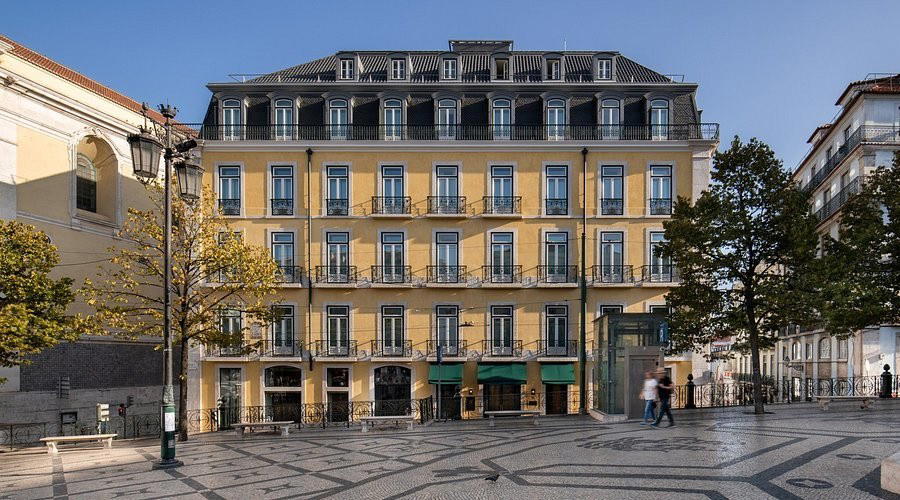
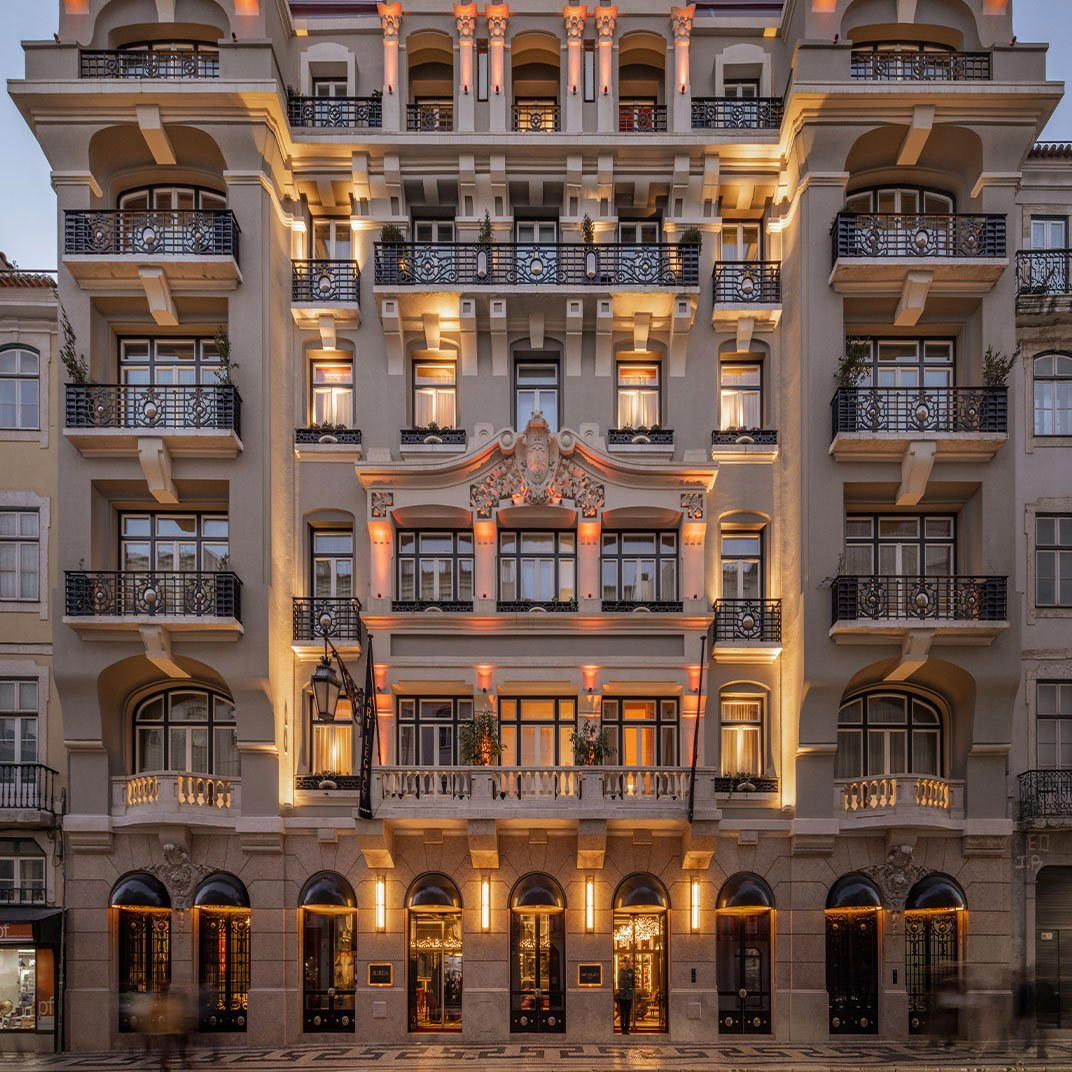
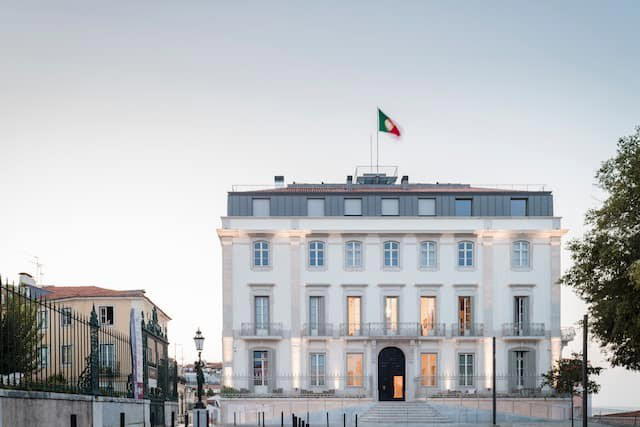
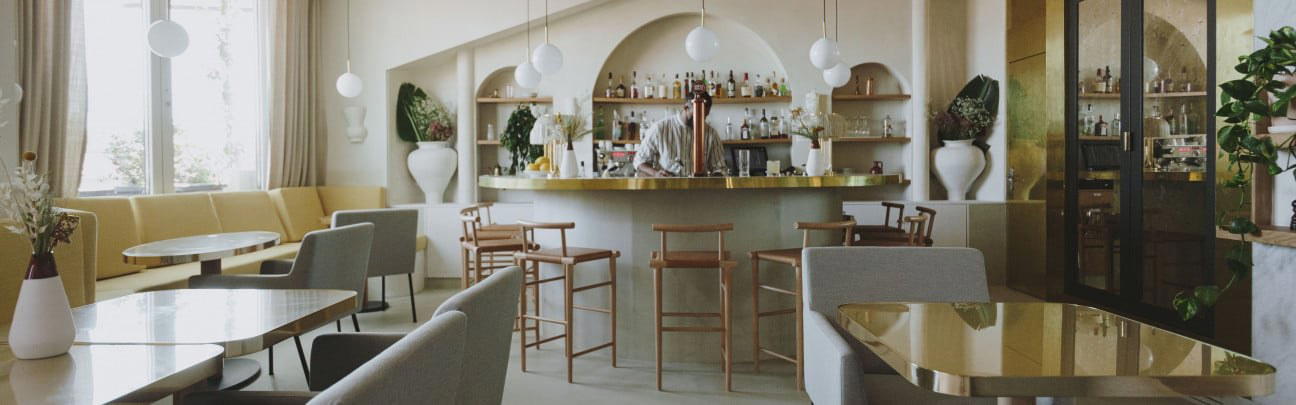
Simple, modest, and unpretentious with bright natural light on the rooftop terrace overlooking the Tagus River; cafeteria-style service in an airy dining room.
Know Before You Go
- Getting there
- Tv. do Ferragial 1, 1200-184 Lisboa, Portugal