A Praça occupies a Lisbon address in the Alcântara district, where the city's growing appetite for ingredient-led, market-driven cooking finds a neighbourhood foothold. The restaurant sits at the intersection of everyday Portuguese produce culture and a more considered approach to what lands on the plate — placing it in a category that Lisbon's dining scene has been quietly expanding for years.
Pearl is the En Primeur Club membership app — saves, bookings, and concierge access live there. Same editors, same standards.
- Address
- R. Rodrigues de Faria 105, 1300-501 Lisboa, Portugal
- Phone
- +351 21 099 1792
- Website
- screstauracao.com
- Directions
- Get directions
 Saves & bookings on Pearl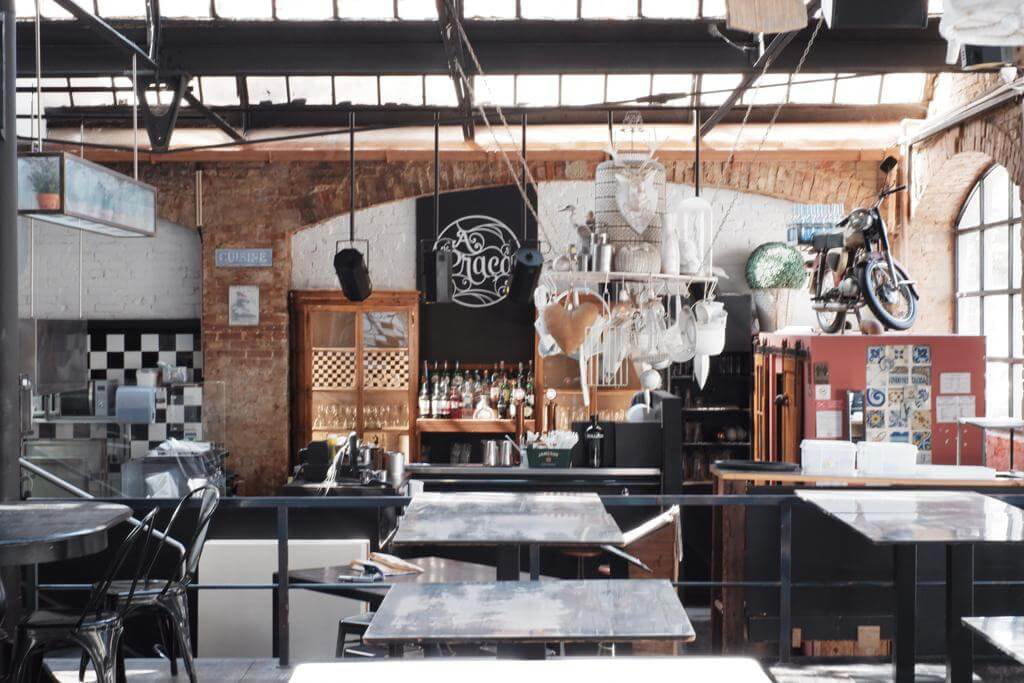
Where Alcântara Eats: The Market Logic Behind A Praça
Lisbon's relationship with its food markets runs deeper than nostalgia. The city's traditional praças — the public squares and covered markets that once organised daily commerce — still shape how the leading neighbourhood restaurants think about their menus. An address on Rua Rodrigues de Faria, in the Alcântara corridor west of Cais do Sodré, places A Praça in a part of the city that has shifted noticeably over the past decade: once defined by warehouses and working-class tascas, now home to a generation of restaurants that have kept the ingredient instincts of the old neighbourhood while updating what happens to those ingredients in the kitchen.
That shift is worth understanding before you arrive. Lisbon's fine dining tier, represented by Michelin-starred rooms such as Belcanto, CURA, and Eleven, or the imported ambition of 50 Seconds from Martin Berasategui, operates at price points and with a ceremony that separates it from daily life. What has grown alongside that tier is a middle register: restaurants where the sourcing rigour is serious, the cooking is technically considered, and the atmosphere does not ask you to dress for an occasion. A Praça fits that pattern. Its location in Alcântara, rather than in the more performatively trendy streets of Príncipe Real or the tourist pressure of Alfama, signals something deliberate about its positioning.
The Sourcing Argument: Why Where the Food Comes From Matters Here
Portugal's ingredient geography is one of the most compelling in southern Europe, and Lisbon restaurants that understand this tend to wear it plainly. The Atlantic coast delivers fish and shellfish with a consistency that restaurants elsewhere struggle to match, percebes from the Peniche cliffs, razor clams from the Alentejo coast, bacalhau in its many cured forms. Inland, the Alentejo's cork-oak plains produce black pork and sheep's cheese that require very little intervention to justify their place on a menu. The Douro and Minho supply wine. The Serra da Estrela delivers cheese. This is a country where the supply chain, when properly engaged, does much of the editorial work for a kitchen.
The praça concept, the market square as the original point of distribution, is embedded in how Portuguese cooks have historically thought about their role. A cook at the market buys what is there; the menu follows. For restaurants that have adopted that logic in a more formal setting, it means shorter menus, regular rotation, and a resistance to the kind of signature-dish permanence that characterises higher-ceremony rooms. Whether a kitchen operates that way in practice is always more interesting than whether it claims to. The evidence tends to show in the plate: produce that arrives at peak rather than weeks into cold storage, preparations that do not need to disguise mediocre ingredients with technique.
This sourcing-first philosophy puts A Praça in a different conversation from the tasting-menu format that dominates Lisbon's Michelin bracket. It is closer to the tradition of the good neighbourhood restaurant, what the Portuguese call a casa de pasto updated for a more ingredient-conscious generation, than to the experiential dining that 2Monkeys or the starred rooms pursue. That is not a lesser ambition. In many cities, it is the harder one to sustain.
Alcântara in Context: Reading the Neighbourhood
The stretch of Lisbon between the Tagus waterfront and the railway viaducts in Alcântara has a specific urban character that differentiates it from the city's more visited quarters. The LX Factory complex, occupying a former industrial textile site a short walk from Rua Rodrigues de Faria, has brought footfall and a weekend market culture that reinforces the neighbourhood's relationship with food as something to seek out rather than stumble into. Restaurants here tend to serve a local clientele alongside visitors who have made the deliberate choice to cross the city for a meal rather than staying within the Bairro Alto or Chiado orbit.
That self-selecting audience matters. It tends to produce a room with more regulars, more Portuguese voices at the tables, and a less performative atmosphere than venues that sit on the main tourist drag. For a restaurant whose identity connects to market-sourced cooking, an audience that understands what that means, and comes back when the menu changes, is a more useful constituency than a passing international crowd.
For those building an itinerary around Portugal's wider restaurant geography, Alcântara is a reasonable base point for understanding how the city's neighbourhood dining works before moving outward: to Antiqvvm in Porto, Casa de Chá da Boa Nova in Leça da Palmeira, or south to Vila Joya in Albufeira and Ocean in Porches. The Algarve's Michelin circuit, including Bon Bon in Lagoa and Al Sud in Lagos, represents a different register entirely, one oriented toward the international visitor and resort context. The contrast is instructive. Lisbon's neighbourhood tier operates at a different frequency, and that frequency is easier to hear once you have spent time in it.
Further afield, Il Gallo d'Oro in Funchal, The Yeatman in Vila Nova de Gaia, A Cozinha in Guimarães, and A Ver Tavira in Tavira extend the map of serious Portuguese cooking beyond the capital, each with its own regional sourcing logic that mirrors, in different keys, the same argument A Praça makes in Alcântara.
Planning a Visit
A Praça is located at Rua Rodrigues de Faria 105, 1300-501 Lisboa, in the Alcântara district. The address is accessible by tram from central Lisbon and is within walking distance of the LX Factory. Specific booking policies, current hours, and pricing are best confirmed directly before visiting, as operational details at this type of neighbourhood restaurant can shift seasonally. For a broader picture of where A Praça sits within the city's dining options, our full Lisbon restaurants guide maps the range from neighbourhood rooms to the Michelin bracket. Travellers weighing the international fine dining tier may also find it useful to consider how Lisbon's neighbourhood scene compares to similarly ingredient-led urban rooms elsewhere, such as Le Bernardin in New York City or the more precise tasting-menu format at Atomix.
Continue exploring
More in Lisbon
Restaurants in Lisbon
Browse all →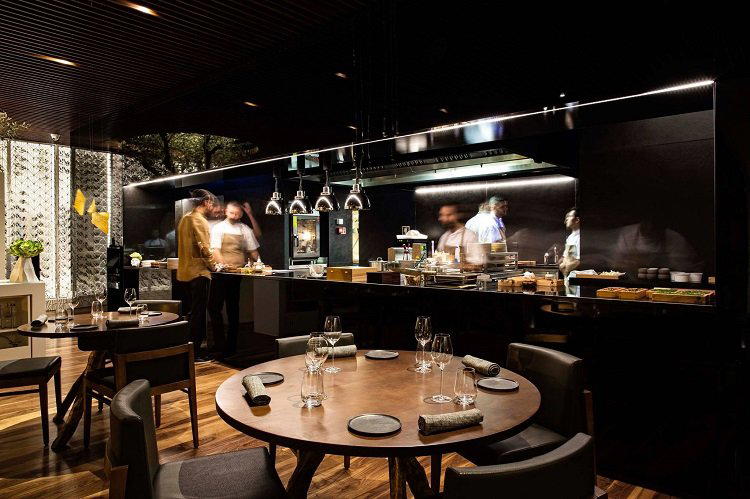
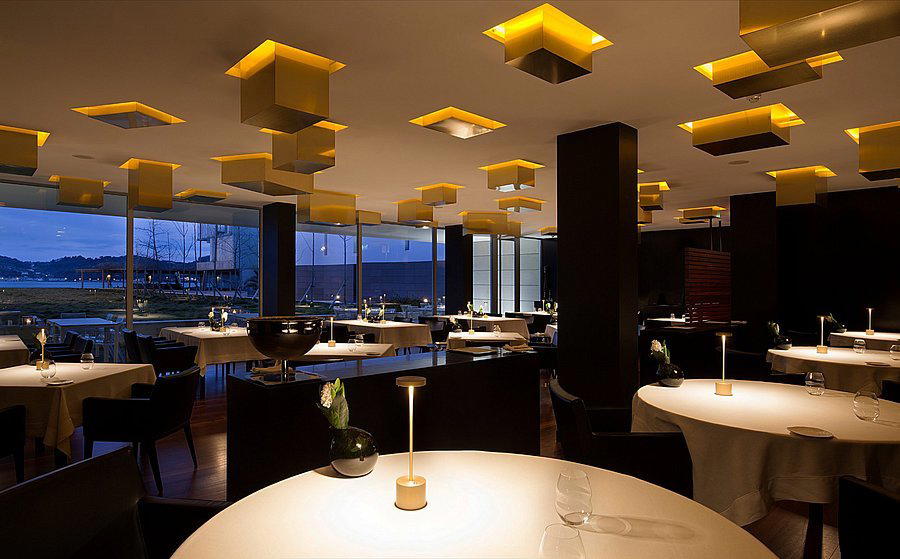

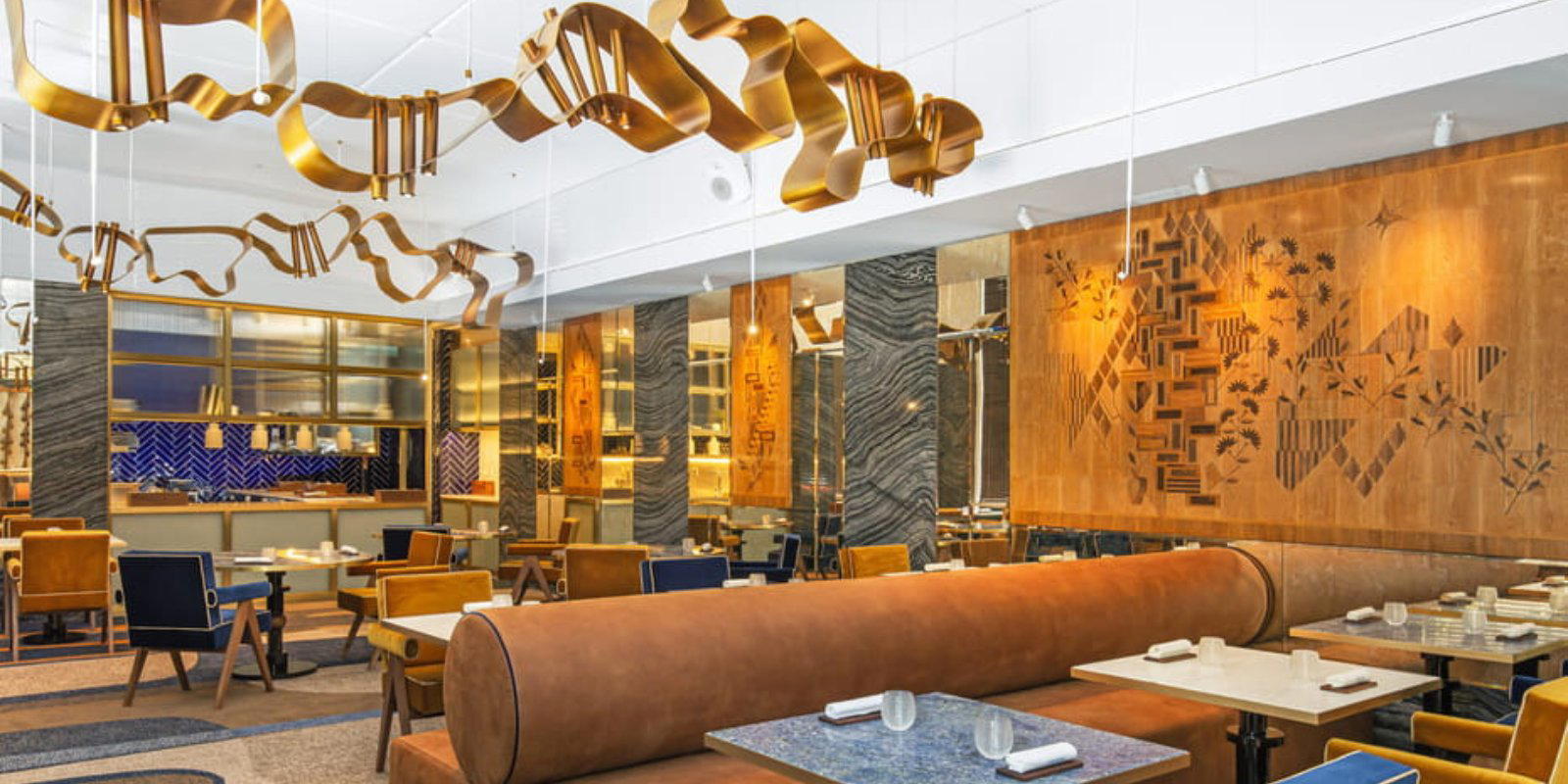
Bars in Lisbon
Browse all →
Hotels in Lisbon
Browse all →

At a Glance
- Trendy
- Lively
- Cozy
- Casual Hangout
- Open Kitchen
Current opening hours
- Monday
- 12:30–11 PM
- Tuesday
- 12:30–11 PM
- Wednesday
- 12:30–11 PM
- Thursday
- 12:30–11 PM
- Friday
- 12:30–11 PM
- Saturday
- 12:30–11 PM
- Sunday
- 12:30–11 PM
Hours can change for holidays and private events. Last verified .
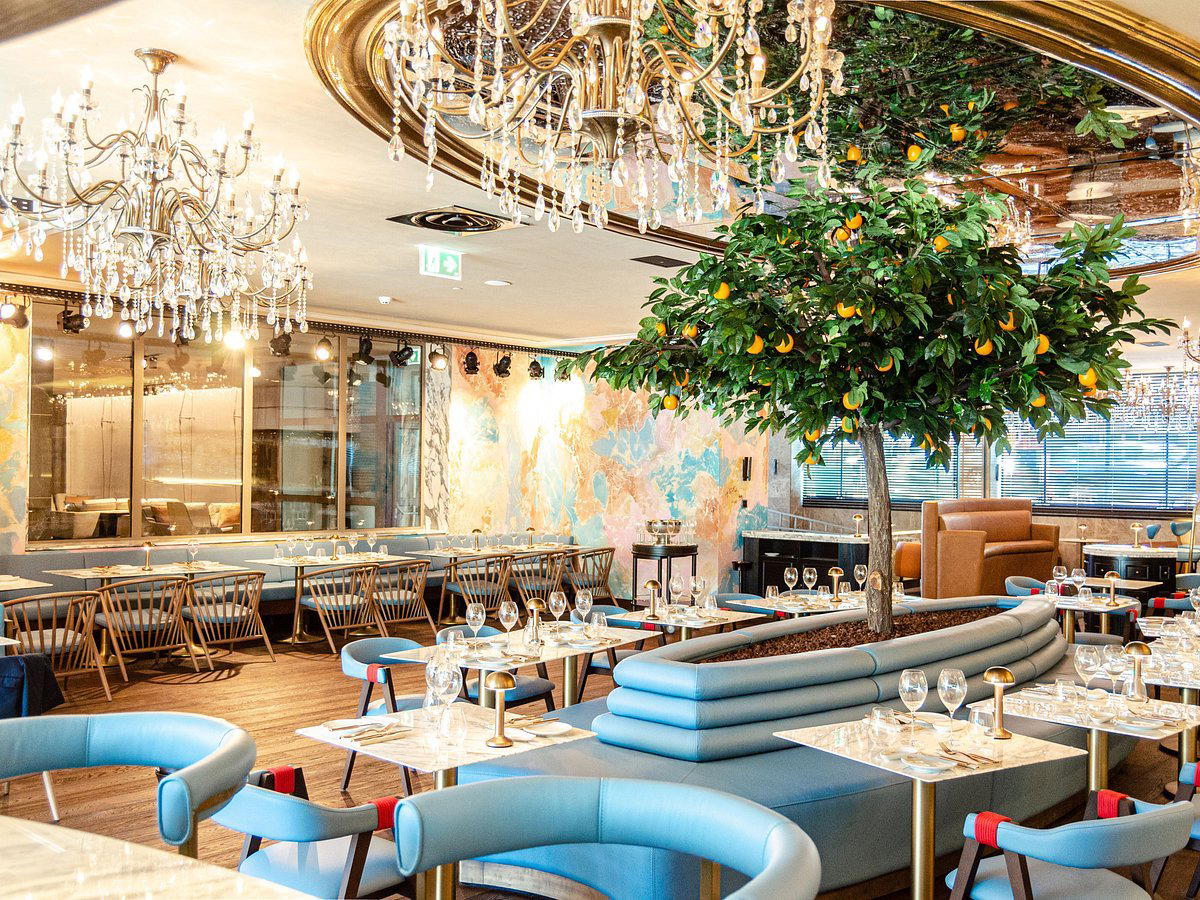
Relaxed and creative atmosphere with good vibes in a descontraído setting.
Know Before You Go
- Getting there
- R. Rodrigues de Faria 105, 1300-501 Lisboa, Portugal