Stately ambience with care; first-class service.
- Address
- Parkallee 1, 23758 Wangels, Germany
- Phone
- +4949438292620
- Website
- weissenhaus.de
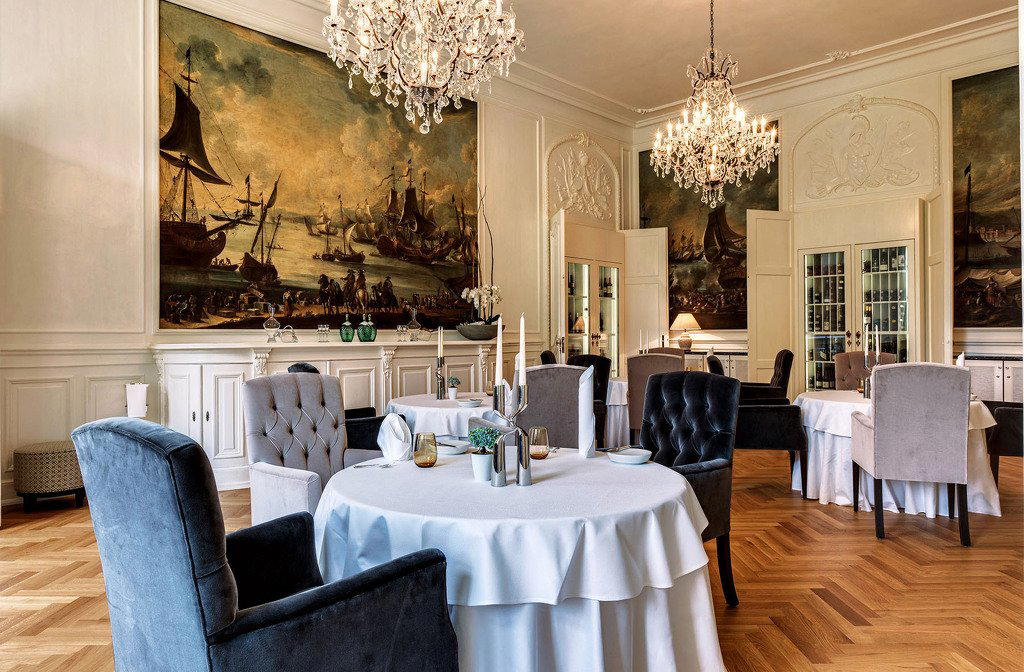
Where the Baltic Shore Meets the Kitchen
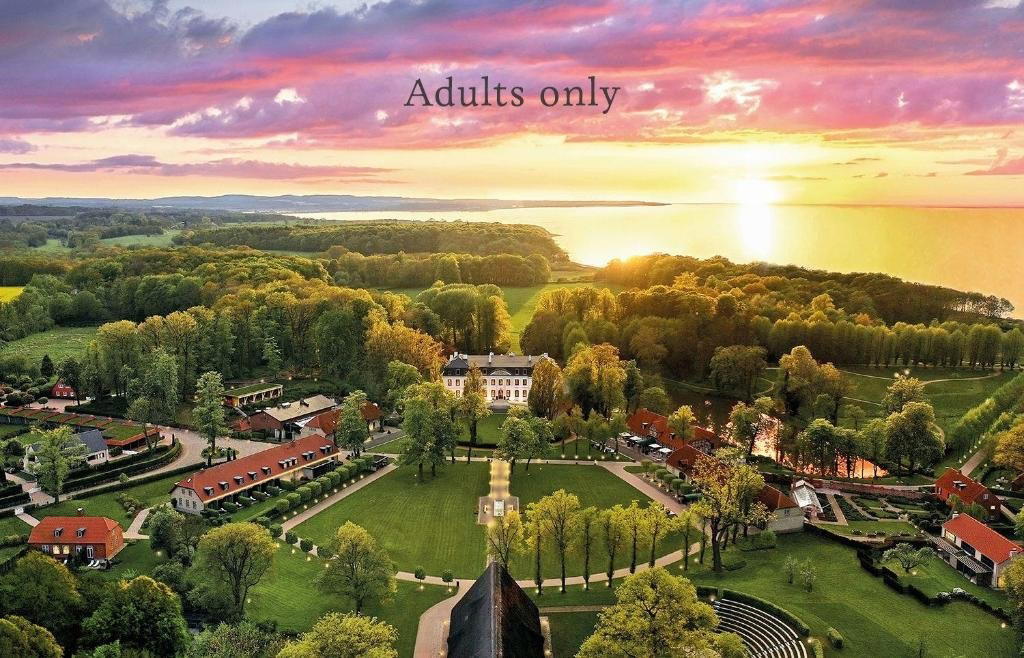
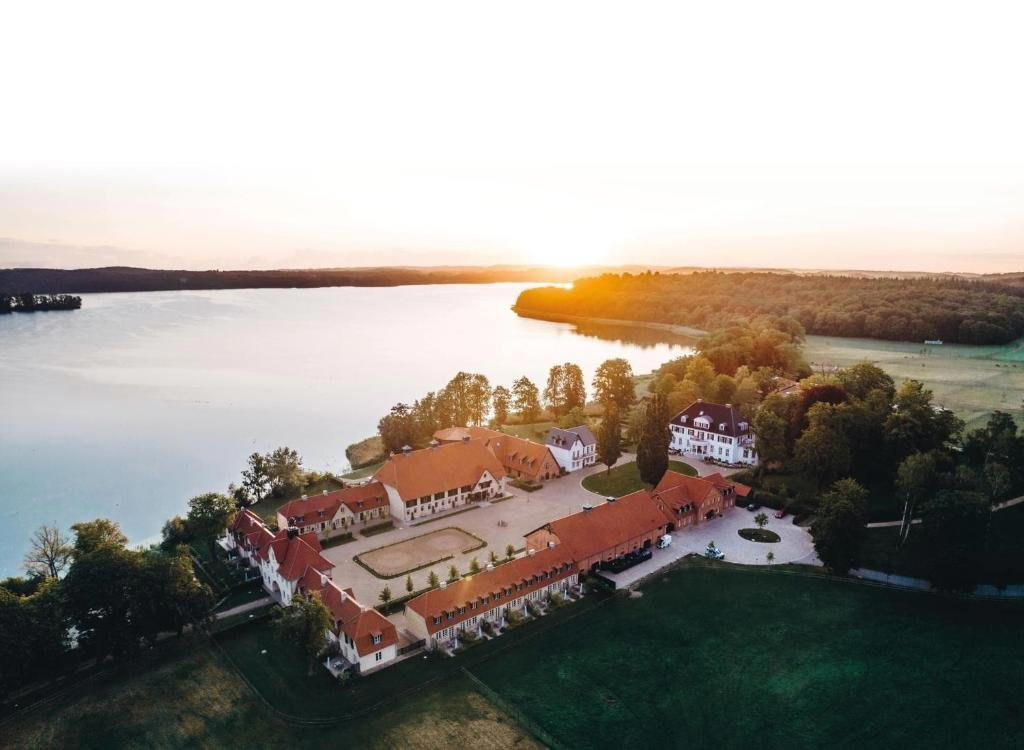
The Schleswig-Holstein coastline north of Kiel occupies a different register from Germany's more-trafficked restaurant destinations. Wangels sits within the Weissenhaus Grand Village Resort, a sprawling estate on the Hohwachter Bucht that draws visitors away from Hamburg's urban dining circuit and into a landscape shaped by salt air, farmland, and the slow rhythms of the Baltic. Courtier, the estate's flagship dining room, operates within that specific geography in a way that matters at the table. The surrounding region, historically given over to agriculture and fishing, provides a sourcing frame that most city-based restaurants have to work harder to construct.
Germany's fine-dining scene has reorganised itself considerably over the past decade. Prestige addresses in Baiersbronn (Schwarzwaldstube), Wolfsburg (Aqua), and Bergisch Gladbach (Vendôme) share a common thread: they are destination restaurants anchored to properties outside major urban centres, where the surrounding terroir becomes part of the culinary argument. Courtier belongs to that peer group. Reaching Wangels requires intent, arriving most practically from Kiel or Lübeck, approximately 45 minutes by road. That deliberateness is part of the proposition: you come here specifically, not incidentally.
The Sourcing Logic Behind a Baltic Dining Room
The editorial case for ingredient provenance has become something of a reflex across European fine dining, but geography still separates genuine sourcing relationships from sourcing relationships. Weissenhaus sits within one of Germany's more productive coastal belts. The Hohwachter Bucht and its surrounding farmland have supplied regional kitchens for generations, and proximity to the water creates access to seafood supply chains that inland properties simply cannot replicate at the same speed or freshness margin. Fish landed nearby arrives at a different stage than product that has travelled from a central distribution hub, and that difference shows in texture and flavour before any kitchen technique is applied.
North German cuisine has historically leaned on cured and smoked preparations, a preservation tradition born of practical necessity rather than fashion. Contemporary kitchens in this region tend to work in dialogue with that tradition, using modern technique to refine rather than erase it. The estate's agricultural surrounds extend the sourcing radius to include dairy, game, and produce from the Schleswig-Holstein hinterland, where the climate produces particularly well-regarded root vegetables and cold-water dairy in the colder months. This seasonal dependency is what separates menu-driven tasting formats at this level from more static operations.
For comparison, restaurants such as ES:SENZ in Grassau and Schanz in Piesport make similar geographic arguments from their respective regions, tying the dining experience to the specific character of their local supply. Courtier's position on the Baltic shore gives it a distinct sourcing identity within that broader national conversation.
The Setting as Context, Not Decoration
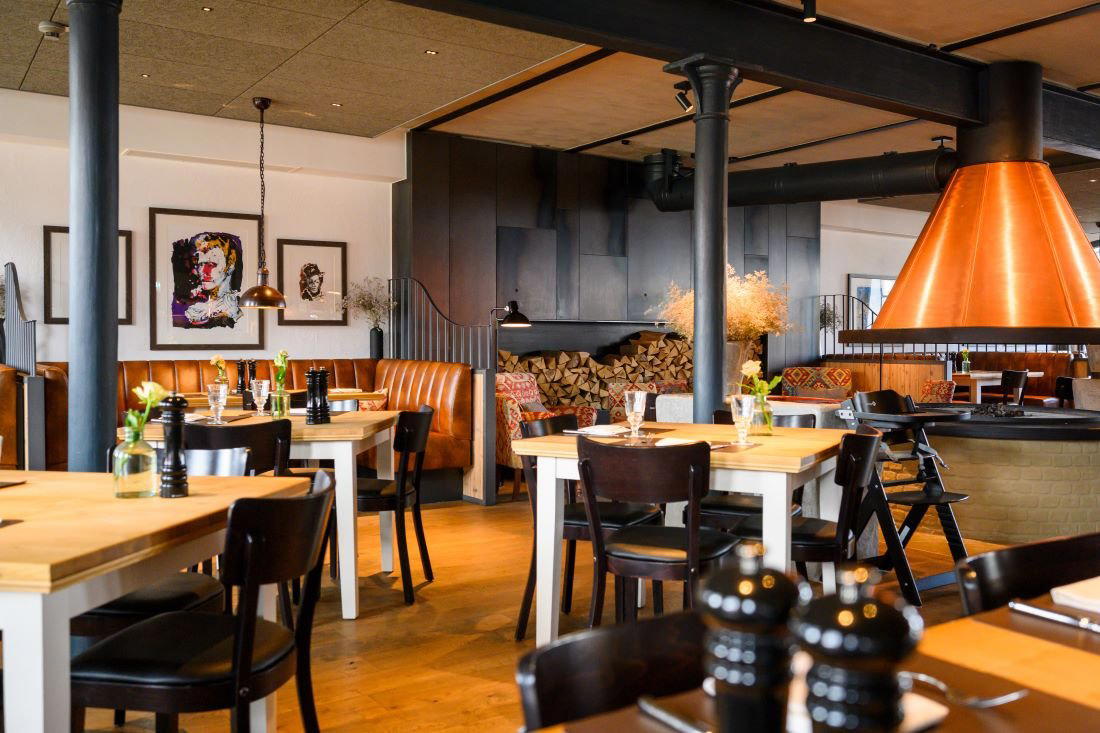
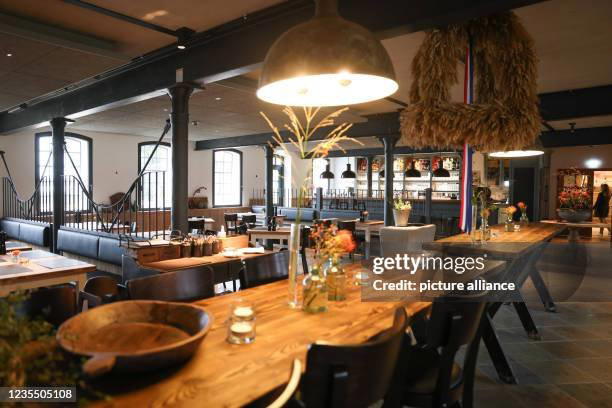
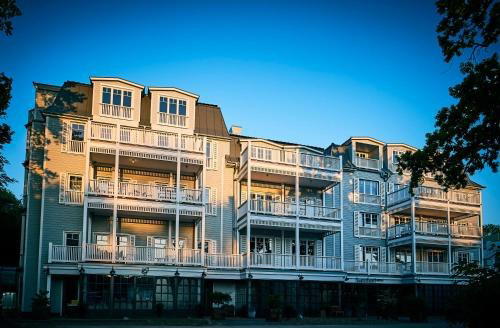
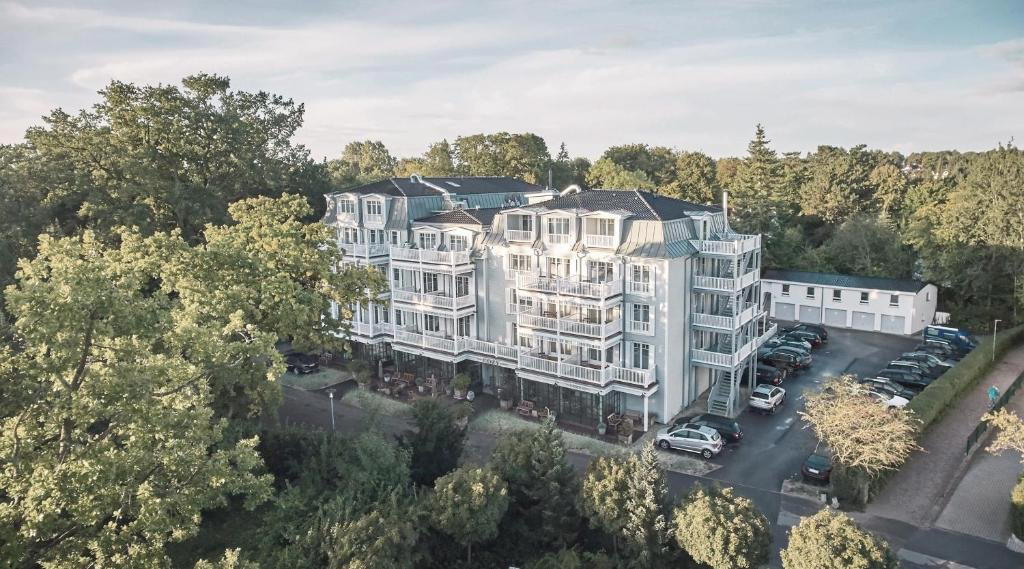
Weissenhaus Grand Village is a converted historic estate, and Courtier occupies a space within that ensemble that carries the physical weight of older architecture without the stiffness that sometimes accompanies it. Estate dining rooms of this type in northern Germany tend toward a particular aesthetic: high ceilings, materials that acknowledge the exterior environment, and a quietness that city restaurants rarely achieve. The distance from urban noise is literal as well as figurative, and service cadence in these settings typically reflects the unhurried pace the location permits.
That said, the atmosphere of a resort-anchored restaurant differs meaningfully from a standalone destination address. Guests staying on the property arrive at dinner already calibrated to the estate's tempo, which gives the dining room a particular warmth. Walk-in visitors from outside the property represent a smaller share of covers, which means the room operates with a more consistent guest profile than urban equivalents. This is not a restaurant where you are competing for attention with a boisterous bar crowd spilling through from the front of house.
Where Courtier Sits in the National Fine-Dining Circuit
Germany's decorated restaurant tier is geographically distributed in ways that reward those willing to travel. Waldhotel Sonnora in Dreis, Victor's Fine Dining in Perl, and GästeHaus Klaus Erfort in Saarbrücken are all outside the major cities and require a comparable level of travel commitment. The pattern holds across the country: some of the most ambitious cooking happens in places where land costs are lower, the surrounding environment feeds the menu, and the business model can support longer, more considered service. Courtier fits that structural profile.
Northern Germany is less represented at the top of the national restaurant conversation than Baden-Württemberg or the Rhine Valley, which makes Weissenhaus an outlier worth noting. Restaurant Haerlin in Hamburg represents the region's most decorated city address, but the coastal stretch beyond Hamburg has seen less sustained critical attention despite its sourcing advantages. Courtier is positioned to make a case for the Baltic shore as a serious dining region, a case that properties like Bootshaus, also on the Weissenhaus estate, support from a different format angle.
Internationally, the model of estate-anchored, sourcing-first fine dining is well established. Lazy Bear in San Francisco pursues a similar philosophy of provenance-led cooking in a format that owes something to the same European tradition. Le Bernardin in New York City remains the benchmark for seafood-centric fine dining at the highest international tier, and it is a useful point of comparison when thinking about what serious coastal sourcing can produce in a formal setting.
Planning Your Visit
Wangels is accessible from Kiel or Lübeck by car, with the Weissenhaus estate clearly signposted once you reach the Hohwachter Bucht area. Guests staying on the property can walk to the restaurant directly. For those travelling specifically for dinner, booking ahead is advisable given the estate's profile and the limited number of covers that resort dining rooms of this type typically operate. Seasonal timing matters for the Baltic coast, and the exterior grounds of the estate are at their most useful in the warmer months. Winter visits have their own character, particularly for those interested in the cold-weather sourcing traditions of northern German cooking. Germany's broader network of ambitious rural restaurants confirms that the country rewards those who plan around the restaurant rather than around the city. Courtier at Weissenhaus operates in that same tradition.
Comparison Snapshot
Comparable venues nearby, for context on price, style, and recognition.
| Venue | Cuisine | Price | Awards | Notes |
|---|---|---|---|---|
| Courtier – WeissenhausThis venue — the venue you are viewing | Modern European Fine Dining | $$$$ | , | |
| Bootshaus | Modern Mediterranean Seafood | $$$$ | Michelin Plate | Wangels |
| Courtier | Dining | , | Michelin 2 Star | Wangels |
| Gourmetrestaurant Wappensaal | Seasonal Fine Dining | $$$$ | , | Hohen Demzin |
| chez l'ami TORTUE | Exclusive French Fine Dining | $$$$ | , | Neustadt |
| Heinz Winkler | Modern French Fine Dining - Cuisine Vitale | $$$$ | , | Aschau im Chiemgau |
Continue exploring
More in Wangels
Restaurants in Wangels
Browse all →
At a Glance
- Romantic
- Elegant
- Sophisticated
- Classic
- Date Night
- Celebration
- Special Occasion
- Historic Building
- Waterfront
- Garden
- Terrace
- Private Dining
- Hotel Restaurant
- Extensive Wine List
- Sommelier Led
- Local Sourcing
- Waterfront
- Garden
Sumptuous and refined with soaring ceilings, chandeliers, and original wall paintings creating an aristocratic yet intimate atmosphere.