
Cote's second New York location extends the Korean steakhouse format that earned the Flatiron original a Michelin star and a loyal following among the city's serious dining crowd. The concept centers on premium beef cuts cooked tableside over charcoal, set against a program that takes wine and sourcing as seriously as the grill. For a city that treats its steakhouses as institutions, Cote occupies a distinct position at the intersection of Korean bbq tradition and fine-dining ambition.
 Discover on Pearl
Pearl is the En Primeur Club membership app — saves, bookings, and concierge access live there. Same editors, same standards.
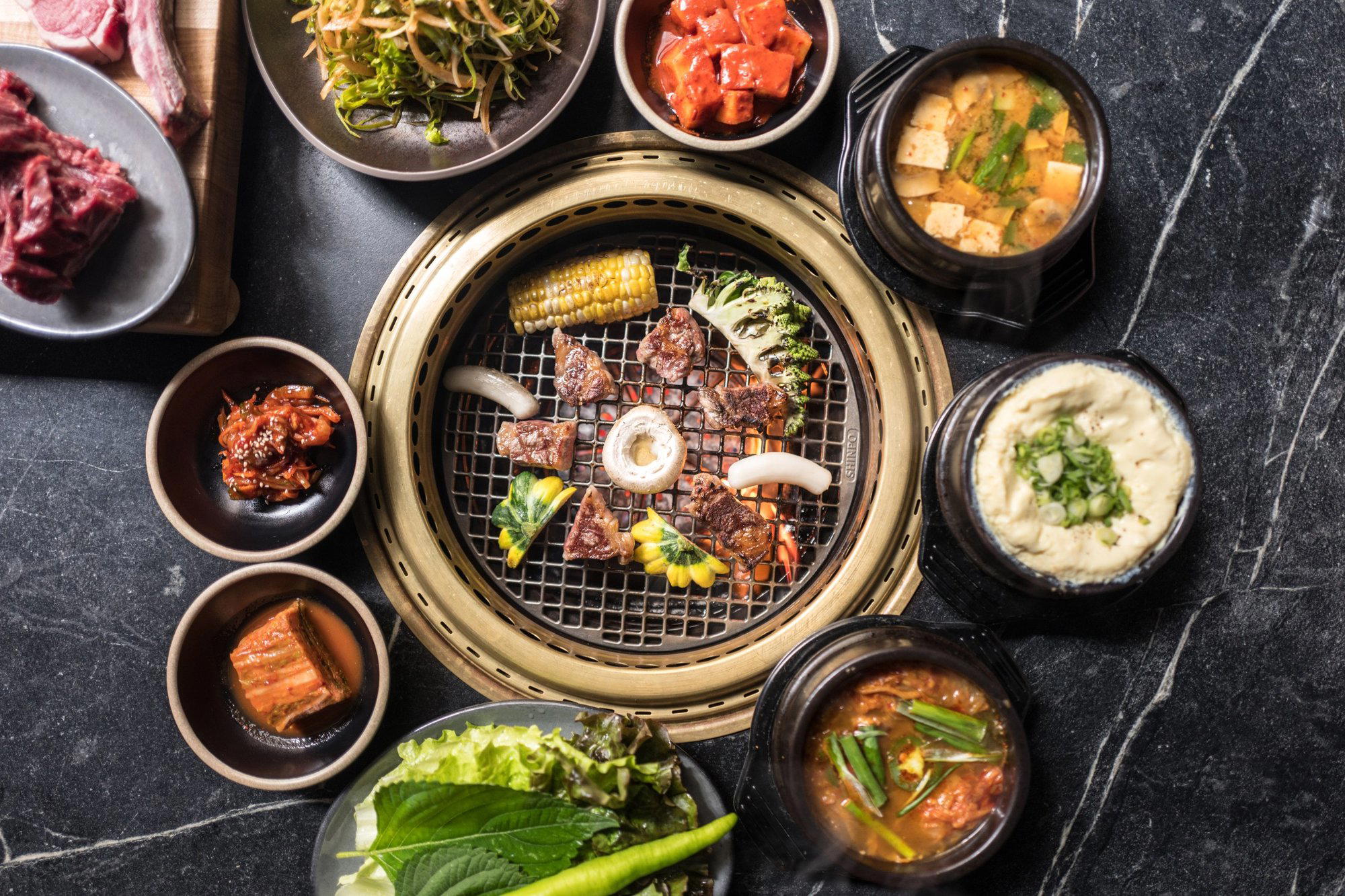
The Korean Steakhouse as Fine-Dining Argument
New York's steakhouse category has long sorted itself into recognizable tiers: the old-guard chophouses of Midtown, the newer breed of chef-driven beef programs, and the Korean barbecue houses that line 32nd Street in Koreatown. Cote arrived at the Flatiron original to make a case that these categories could collapse into one, anchoring tableside charcoal grilling inside a wine-forward, service-conscious room that priced and operated against the city's high-end American steakhouses rather than against its casual Korean bbq spots. The second New York location extends that argument to a new part of the city, bringing the same sourcing philosophy and format discipline to a broader audience without diluting the premise.
That premise matters because it is not simply a marketing positioning. The Korean steakhouse format, as Cote executes it, is built around a specific claim about provenance: that the beef arriving at your table is worth the same scrutiny a French restaurant would apply to its butter or its fish. For comparisons from the same tier, consider how Le Bernardin treats its sourcing of Atlantic seafood, or how Per Se positions its ingredient relationships as a structural part of the menu. Cote operates in the same register, just expressed through the grammar of ssam, banchan, and charcoal rather than through French brigade service.
Where the Beef Comes From, and Why That Question Is the Point
The sourcing logic behind the Cote format is the editorial through-line that separates it from both the Koreatown bbq houses and the conventional American steakhouse. High-end Korean steakhouses in Korea have long prized Hanwoo cattle, the native Korean breed, for its distinctive marbling pattern and fat composition. In the United States, that reference point shapes how a restaurant like Cote frames its beef selection: the question is not just USDA grade but breed, aging method, and the relationship between fat quality and the specific high-heat charcoal cook that tableside grilling demands.
Charcoal temperature, grill contact time, and cut thickness interact differently from a pan-sear or a broiler finish. The format requires beef that performs well at high surface heat while retaining interior moisture and fat integrity, which pushes sourcing decisions toward heavily marbled cuts aged for flavor concentration rather than tenderness alone. This is the same underlying logic that drives the beef programs at high-end Japanese teppanyaki and yakiniku restaurants, where the sourcing conversation is inseparable from the cooking method. At the leading of New York's Korean steakhouse tier, Cote has made that conversation visible in a way that most American steakhouses, focused on cut size and price-per-ounce, have not.
The wine program reinforces this positioning. Most Korean barbecue houses do not operate a serious cellar, but Cote's Flatiron original accumulated significant recognition for pairing a deep list with tableside grilling, a combination that sounds counterintuitive until you consider that the fat intensity and char of grilled beef can handle Burgundy, aged Barolo, or structured Napa Cabernet as readily as it handles soju. That wine ambition places Cote in a peer conversation with rooms like Masa, where the beverage program is treated as an equal editorial statement alongside the food, not an afterthought.
The Room and the Ritual
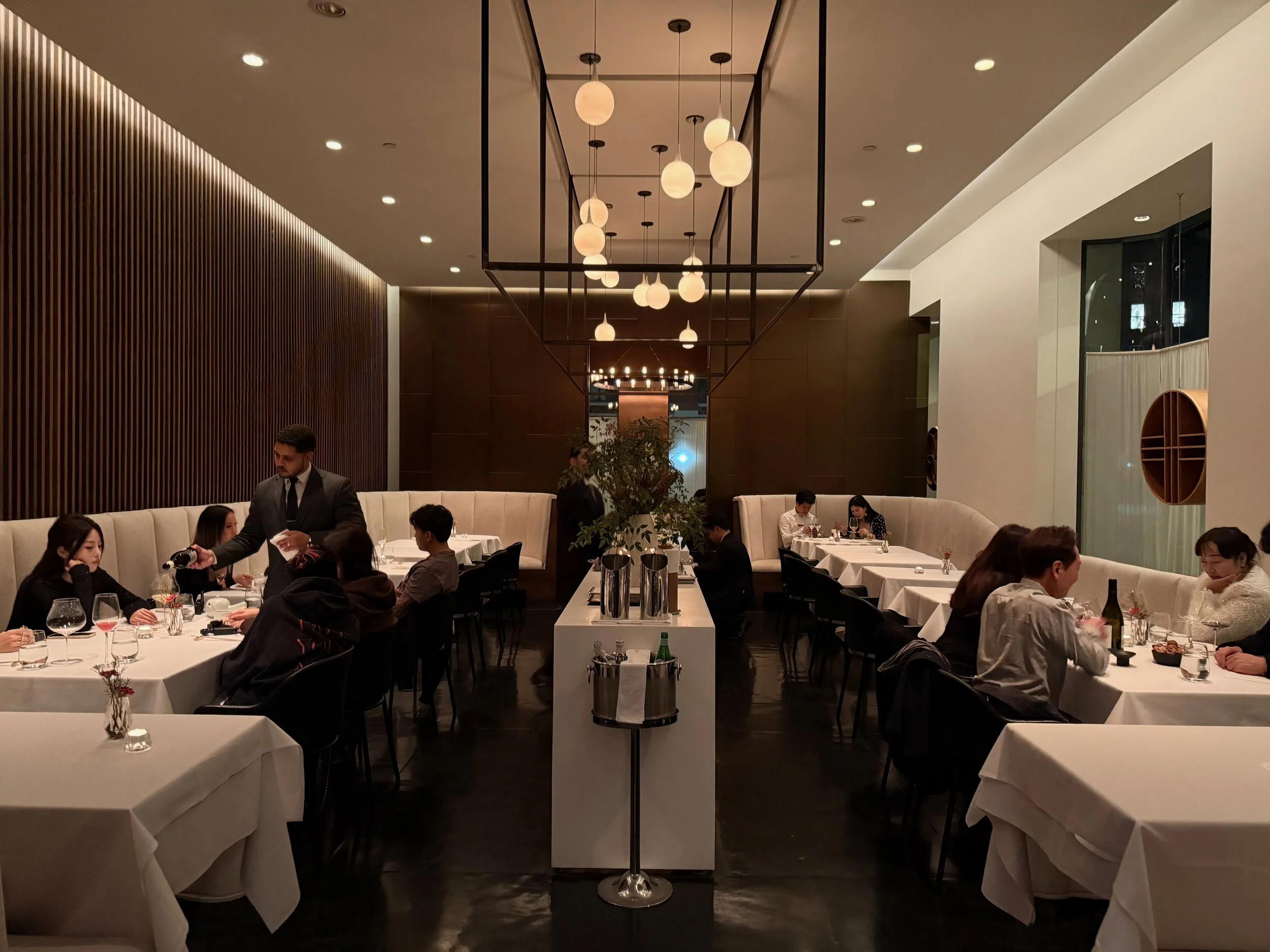
The physical experience of a Cote dinner is structured around the grill inset into each table, which means the room is designed to support a cooking ritual rather than simply to deliver plated food. Smoke extraction, table spacing, lighting calibrated for a charcoal surface, and the choreography of servers managing the grill station: these are design decisions that distinguish a serious Korean steakhouse build-out from a restaurant that simply adds a grill element to an existing room. The second New York location carries forward the commitment to a purpose-built environment that the Flatiron original established.
Banchan service that accompanies the beef is worth noting as a sourcing indicator in its own right. Banchan, the array of small fermented, pickled, and seasoned side dishes that arrive before and during a Korean meal, reflects the kitchen's relationship with fermentation and vegetable preparation. A restaurant that treats sourcing and technique seriously across the protein program tends to extend that discipline to the supporting elements, and the banchan spread is where that either shows or falls short. At the top tier of Korean dining in New York, this is where the gap between a serious room and a casual one becomes visible.
For the practical planning of a visit, Cote's Flatiron original has operated on a reservation model with significant lead time, particularly for prime dinner slots on weekends. The second location, extending the same format into a new neighborhood, can be expected to operate under similar booking conditions during its early months, when novelty demand typically compresses availability. Guests considering either location should treat advance booking as non-negotiable, the same planning calculus that applies to Saga or César at comparable price points in the city's serious dining tier.
Cote in the City's Larger Dining Map
New York's premium dining category has expanded its cultural range considerably over the past decade. The Michelin star that Cote's original location earned was significant not just as a credential but as a signal that the guide's evaluators had accepted the Korean steakhouse format as a legitimate peer of the French, Japanese, and American fine-dining rooms that had historically dominated the upper tier. That acceptance opened space for a second location and, more broadly, for Korean-rooted formats to compete openly at the highest price and quality brackets in the city.
The comparison set for a second Cote location is not other Korean barbecue houses. It is the full field of serious beef-focused restaurants in New York, from the classic chophouses of Midtown to chef-driven programs like those at Lazy Bear in San Francisco or Alinea in Chicago, which have built reputations on ingredient discipline and format specificity rather than on category convention. Internationally, the sourcing-first beef restaurant has a clear lineage through venues like 8½ Otto e Mezzo Bombana in Hong Kong and Alain Ducasse at Louis XV in Monte Carlo, where the relationship between a kitchen's sourcing commitments and its final plate quality is treated as the defining statement of the operation.
For readers building a broader New York itinerary, our full New York City restaurants guide covers the city's dining range in depth. You can also consult our New York City hotels guide, bars guide, wineries guide, and experiences guide for a complete picture of the city. For readers comparing Cote against the broader American fine-dining scene, the sourcing conversations at The French Laundry in Napa, Single Thread Farm in Healdsburg, Providence in Los Angeles, and Emeril's in New Orleans offer useful reference points for how seriously a room can take its ingredient relationships before they become the defining feature of the guest experience.
Recognition Snapshot
A quick comparison pulled from similar venues we track in the same category.
| Venue | Awards | Cuisine | Notes |
|---|---|---|---|
| Cote (second New York location) | Korean steakhouse (Cote) | This venue | |
| Le Bernardin | Michelin 3 Star | French, Seafood | French, Seafood, $$$$ |
| Masa | Michelin 3 Star | Sushi, Japanese | Sushi, Japanese, $$$$ |
| Per Se | Michelin 3 Star | French, Contemporary | French, Contemporary, $$$$ |
| The Chefs Table at Brooklyn Fare | Michelin 2 Star | Japanese - French, Contemporary | Japanese - French, Contemporary, $$$$ |
| Estela | Michelin 1 Star | Mediterranean, Contemporary | Mediterranean, Contemporary, $$$$ |
Continue exploring
More in New York City
Restaurants in New York City
Browse all →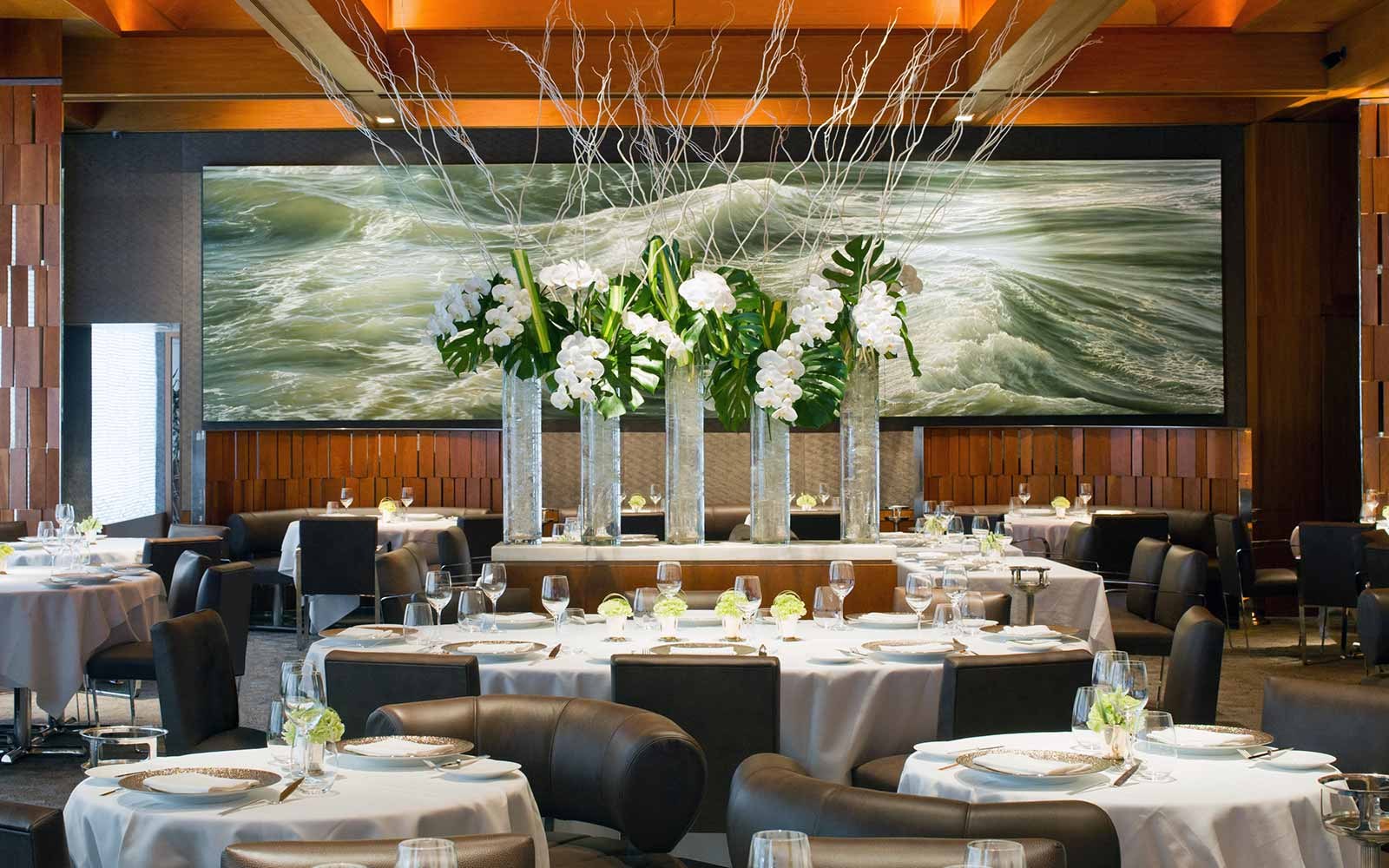
Bars in New York City
Browse all →
Hotels in New York City
Browse all →
Wineries in New York City
Browse all →
At a Glance
- Lively
- Elegant
- Trendy
- Sophisticated
- Date Night
- Group Dining
- Special Occasion
- Business Dinner
- Open Kitchen
- Private Dining
- Extensive Wine List
- Craft Cocktails
Convivial and interactive atmosphere with smokeless grills at every table, creating a lively dining experience focused on grilling premium steaks.