

The Madrid offshoot of Ibiza's Corsario brings Cuban chef Liván Valdés to the Justicia neighbourhood, where Mediterranean cooking absorbs the flavours of the Madrid mountains and international influences into something that reads as distinctly its own. The room on Calle Tamayo y Baus signals intention through its décor before the first plate arrives, a compact address that rewards advance planning.
Pearl is the En Primeur Club membership app — saves, bookings, and concierge access live there. Same editors, same standards.
- Address
- C. de Tamayo y Baus, 1, Centro, 28004 Madrid, Spain
- Phone
- +34 652 69 96 42
- Website
- corsariomadrid.com
- Directions
- Get directions
 Saves & bookings on Pearl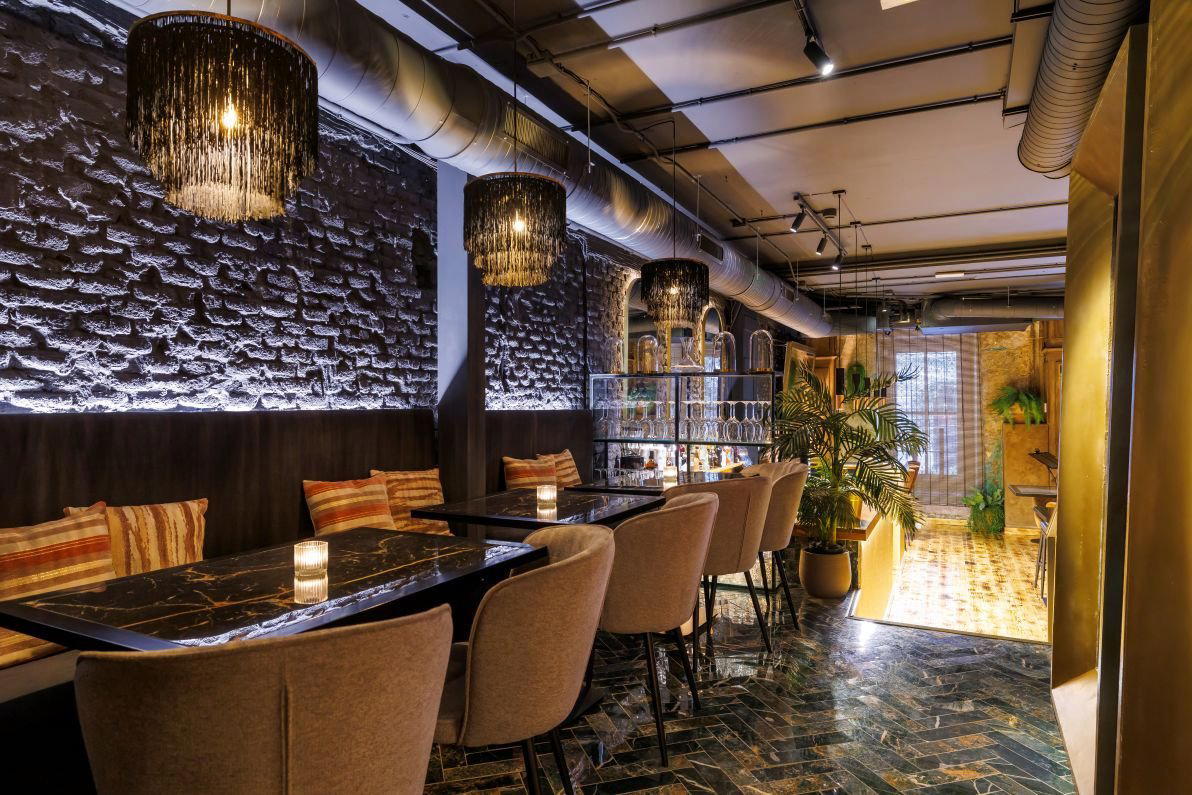
A Room with Something to Say
Calle Tamayo y Baus sits at the quieter edge of the Justicia neighbourhood, a street that connects the theatrical energy of Chueca to the institutional solemnity of the Paseo del Prado axis. The area has developed a reputation for mid-format restaurants that prioritise craft over volume, smaller rooms, considered menus, cooking that requires some attention from the diner. Corsario Madrid is a restaurant in Madrid’s Justicia district serving modern Mediterranean cooking with Ibizan influences. Corsario Madrid fits that pattern. The interior signals a deliberate aesthetic investment, with décor that references the Ibizan original, Corsario at La Torre del Canónigo, while adapting to a Madrid address. The room is compact enough that the atmosphere is generated by the food and the conversation rather than by scale or spectacle.
Madrid's restaurant scene in the Centro and northern barrios has matured considerably over the past decade. The flagship end is occupied by operations like DiverXO and Coque, where multi-course tasting formats and Michelin accolades set the register. A tier below, places like Deessa, DSTAgE, and Paco Roncero offer serious creative cooking within more contained formats. Corsario Madrid occupies a different register still, closer to an informed neighbourhood restaurant than a set-piece destination, which in Justicia is a distinction worth making.
Mediterranean Cooking Through a Different Lens
What makes Corsario Madrid interesting editorially is the layering of influences that shapes its menu. Mediterranean cooking is the base, a foundation that Spanish diners understand intuitively, but the kitchen applies it through the sensibility of Cuban chef Liván Valdés, whose formation sits at a different geographic and cultural remove from the ingredient traditions of Andalucía or the Levant. That combination produces cooking that connects to local flavours and to the produce of the Madrid mountains while absorbing techniques and references from elsewhere. The result is not fusion in the diluted sense, but rather a menu that uses Mediterranean structure as scaffolding while allowing other vocabularies in.
This approach aligns with a broader tendency in Spanish creative cooking: the leading kitchens in the country have consistently treated regional tradition as a starting point rather than a constraint. El Celler de Can Roca in Girona reinterprets Catalan tradition through classical French technique and avant-garde method. Arzak in San Sebastián keeps Basque identity intact while pulling from global influences. Azurmendi in Larrabetzu frames Basque produce through an environmental consciousness that extends from sourcing to the building itself. The restaurant operates in a smaller register than any of those, but the instinct, to treat local identity as a conversation partner rather than a closed system, is recognisable across them.
The Sustainability Dimension
The emphasis on local flavours and the produce of the Madrid mountains points toward something that matters more at the table level than it sometimes gets credit for: proximity as a quality argument. The sierra behind Madrid, the Guadarrama range, the valleys of the Lozoya and the Jarama, produces lamb, game, mushrooms, and mountain herbs that are genuinely different in character from coastal or southern equivalents. Cooking that draws on this geography is implicitly making a case for sourcing that reduces supply distance and keeps smaller producers in the picture.
Across Spain, this sourcing logic has become increasingly explicit. Aponiente in El Puerto de Santa María has built its entire identity around the marine biodiversity of the Bay of Cádiz, using overlooked species and by-products that the fishing industry would otherwise discard. Cocina Hermanos Torres in Barcelona operates one of the country's most visible urban kitchen gardens. Martin Berasategui in Lasarte-Oria has worked with Basque producers across decades, embedding those relationships into the cooking at a structural level. What the restaurant represents, in its combination of Mediterranean method and mountain-region sourcing, is a smaller-scale version of that same argument: that what grows and is raised nearby tends to arrive at the table in better condition and with less environmental cost than what travels further.
The international dimension of Valdés's cooking does not contradict this. Technique and influence are not the same as supply chain. A kitchen can draw on Cuban, Mediterranean, and global culinary references while still sourcing its proteins and vegetables from the sierra and the central meseta. The distinction matters because it separates cooking philosophy from procurement ethics, both are relevant, but they operate on different axes.
Placing Corsario in the Madrid Context
For visitors working through Madrid's dining options, the restaurant sits in a category that the city's high-end circuit does not fully represent. The Michelin-led operations, three stars at DiverXO, two at Coque, Deessa, and Paco Roncero, are destination meals that require significant advance booking and financial commitment. The tapas circuit of the Mercado de San Miguel or the pintxos bars of Lavapiés operates at the opposite end of the formality spectrum. The restaurant occupies the more interesting middle ground: a room that takes its cooking seriously, connects to a specific geographic identity, and does so in a neighbourhood format that allows for a more casual rhythm.
The Justicia location is practical for anyone based in the hotel corridor between Gran Vía and Colón, or staying in properties along the Paseo de Recoletos.
For reference, the international creative cooking conversation that Spanish chefs now participate in globally is well represented by operations like Le Bernardin in New York City and Atomix in New York City, both of which demonstrate how specific cultural and geographic identities can be maintained at high technical levels within an international city context. The restaurant poses the same question at a smaller scale: what does it mean to cook from a specific place when both the chef and the influences travel?
Planning a Visit
The restaurant is located at C. de Tamayo y Baus, 1, in the Justicia district of Centro, Madrid 28004. Given the small size of the room, a consistent characteristic of the Corsario format, reservations are advisable rather than optional. Walk-in availability is possible at quieter service times, but the restaurant's reputation in the neighbourhood means that weekend evenings in particular are likely to be full. Visitors arriving from outside Madrid will find the location accessible by Metro at either Chueca or Banco de España, both within comfortable walking distance.
Recognition Snapshot
Comparable venues nearby, for context on price, style, and recognition.
| Venue | Cuisine | Price | Awards | Notes |
|---|---|---|---|---|
| Corsario MadridThis venue — the venue you are viewing | Modern Mediterranean with Ibizan influences | $$ | Michelin Plate | Not listed |
| El Perro y La Galleta | Modern Mediterranean with Spanish Influences | $$ | Not listed | Recoletos |
| Ottica | Contemporary Mediterranean with Spanish & International Fusion | $$ | Not listed | Prosperidad |
| La Buena Guarda | Mediterranean Cafe with Sustainable Focus | $$ | Not listed | Barrio de las Letras |
| Marinero Bistro | Mediterranean Fusion Bistro with Natural Wines | $$ | Not listed | Barrio de las Letras |
| Desengaño13 | Mediterranean Fusion Tapas | $$ | Not listed | Malasana |
Recognition history
Dated appearances from independent guides and award organizations, with the underlying list record or original source where available.
Macarfi 7.5 Food Rating
Macarfi
Michelin Plate
Michelin
Continue exploring
More in Madrid
Restaurants in Madrid
Browse all →
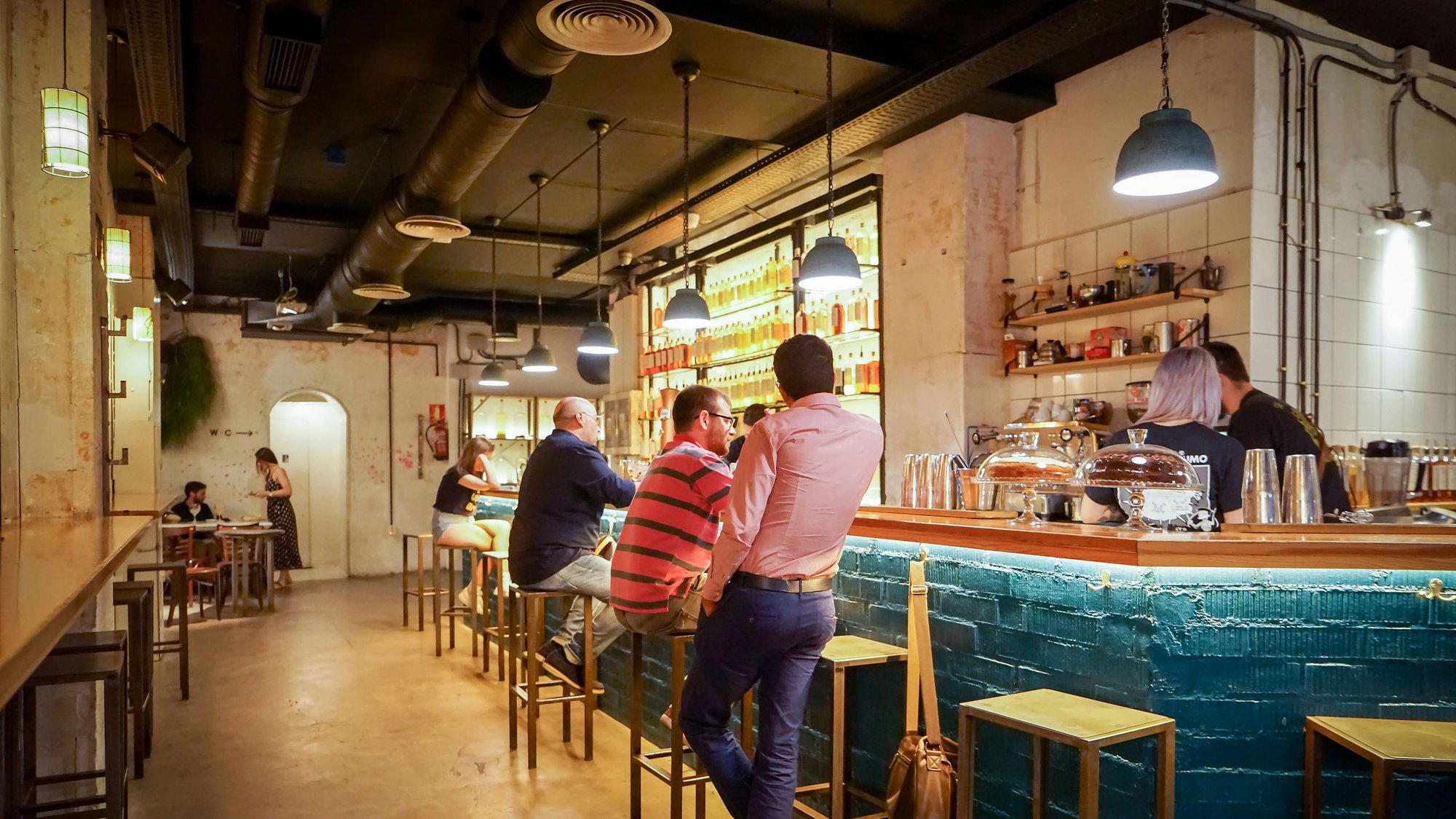
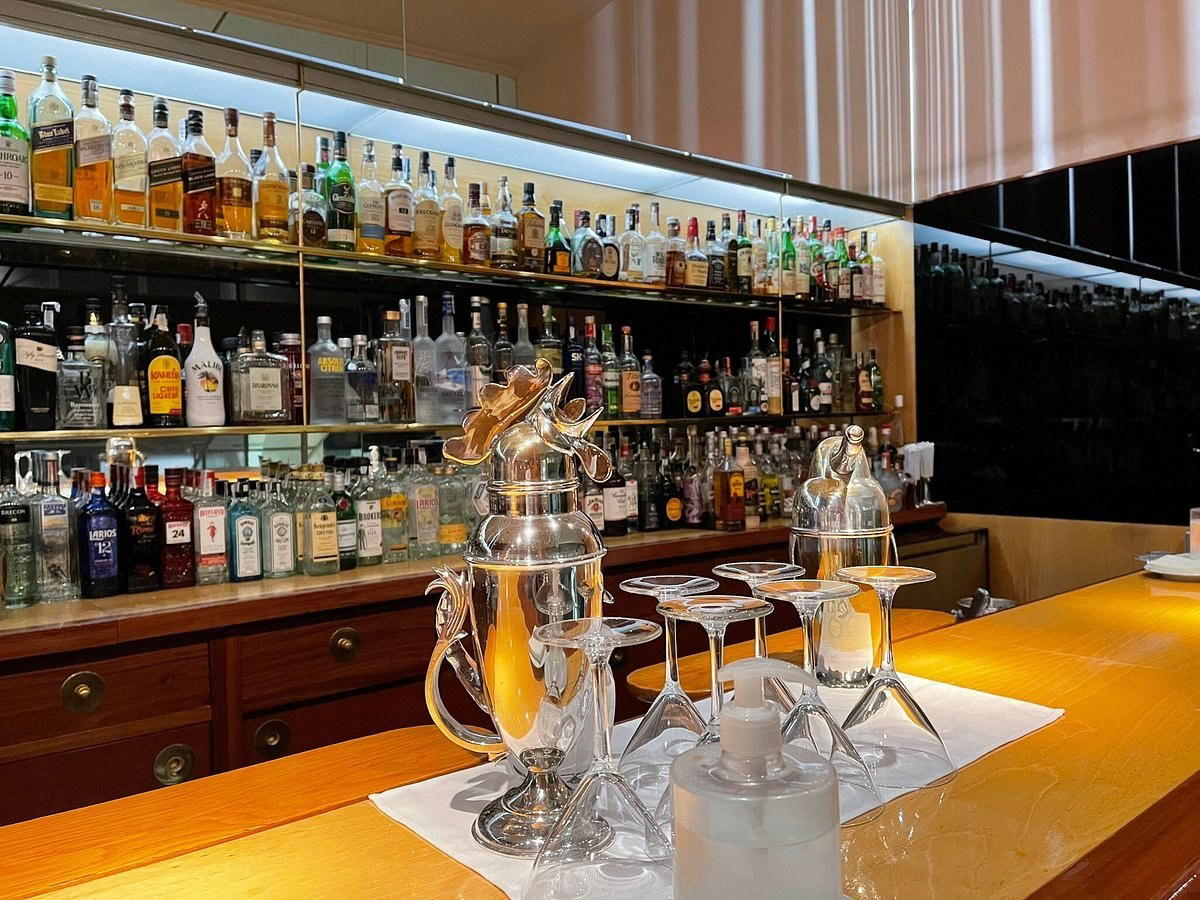
Bars in Madrid
Browse all →
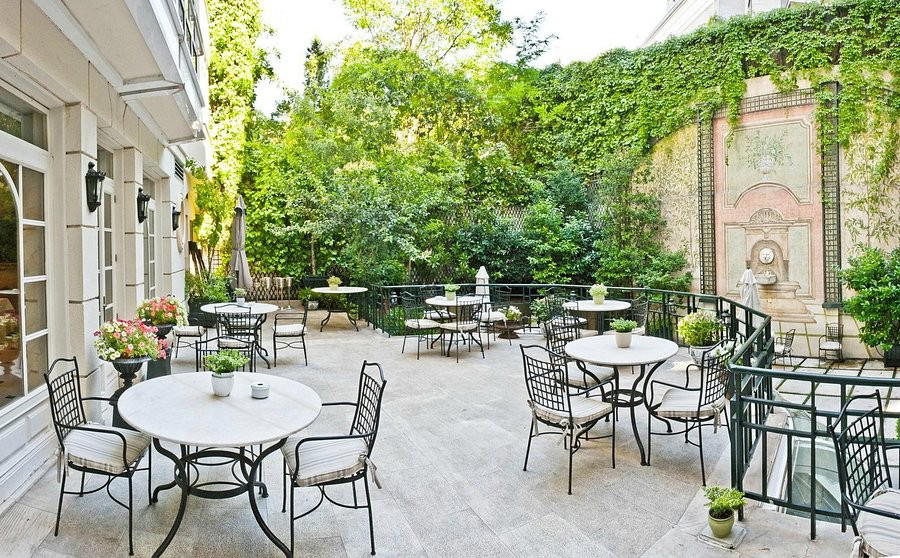
Hotels in Madrid
Browse all →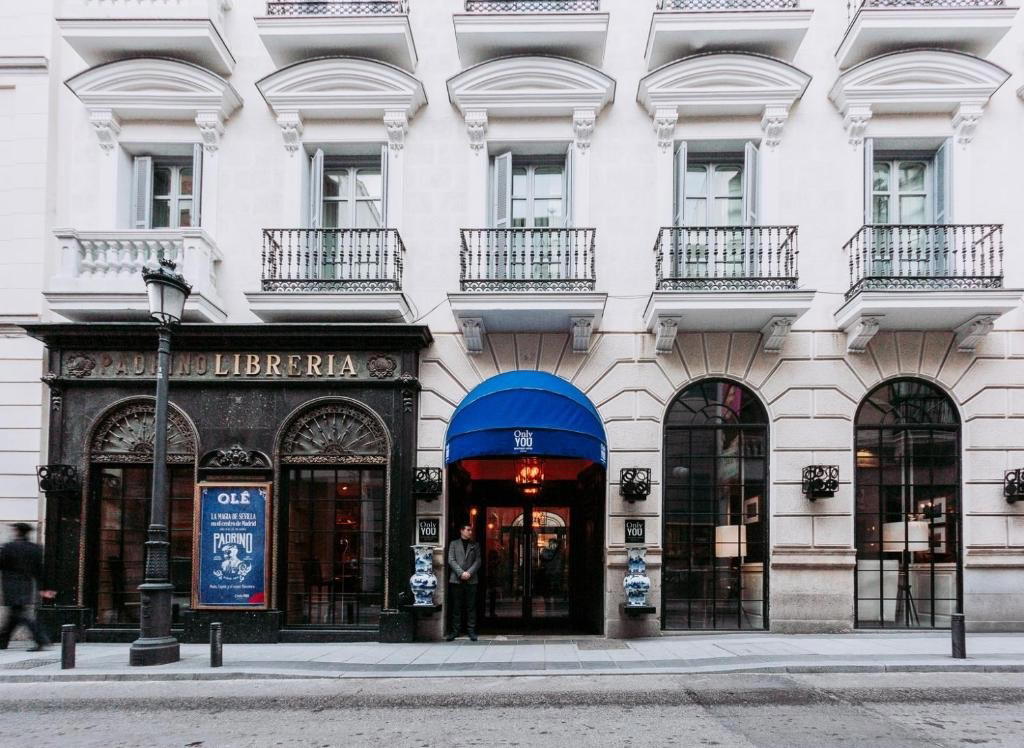




At a Glance
- Cozy
- Date Night
- Group Dining
- Family
- Standalone
- Extensive Wine List
- Local Sourcing
Current opening hours
- Monday
- Closed
- Tuesday
- 1 PM–12 AM
- Wednesday
- 1 PM–12 AM
- Thursday
- 1 PM–12 AM
- Friday
- 1:30 PM–12 AM
- Saturday
- 1:30 PM–12 AM
- Sunday
- Closed
Hours can change for holidays and private events. Last verified .
Pure, healthy, comfortable, harmonious, fun, and homely atmosphere designed for disconnecting with loved ones.