Our verdict
One of Dublin's longest-running vegetarian restaurants, Cornucopia on Wicklow Street has anchored the city's plant-based dining conversation for decades. Operating within the city centre, it represents a durable alternative to Dublin's meat-forward mainstream, drawing a steady crowd that ranges from habitual regulars to visitors discovering that vegetarian cooking in Ireland can be both grounded and generous.

Pearl is the En Primeur Club membership app — saves, bookings, and concierge access live there. Same editors, same standards.
- Address
- 19-20 Wicklow St, Dublin, D02 FK27, Ireland
- Phone
- +35316777583
- Hours
- Mon–Wed 8 AM–7 PMThu–Sat 8 AM–8 PMSun 9 AM–7 PM
- Website
- cornucopia.ie
- Directions
- Get directions
- Booking
- Book on OpenTable
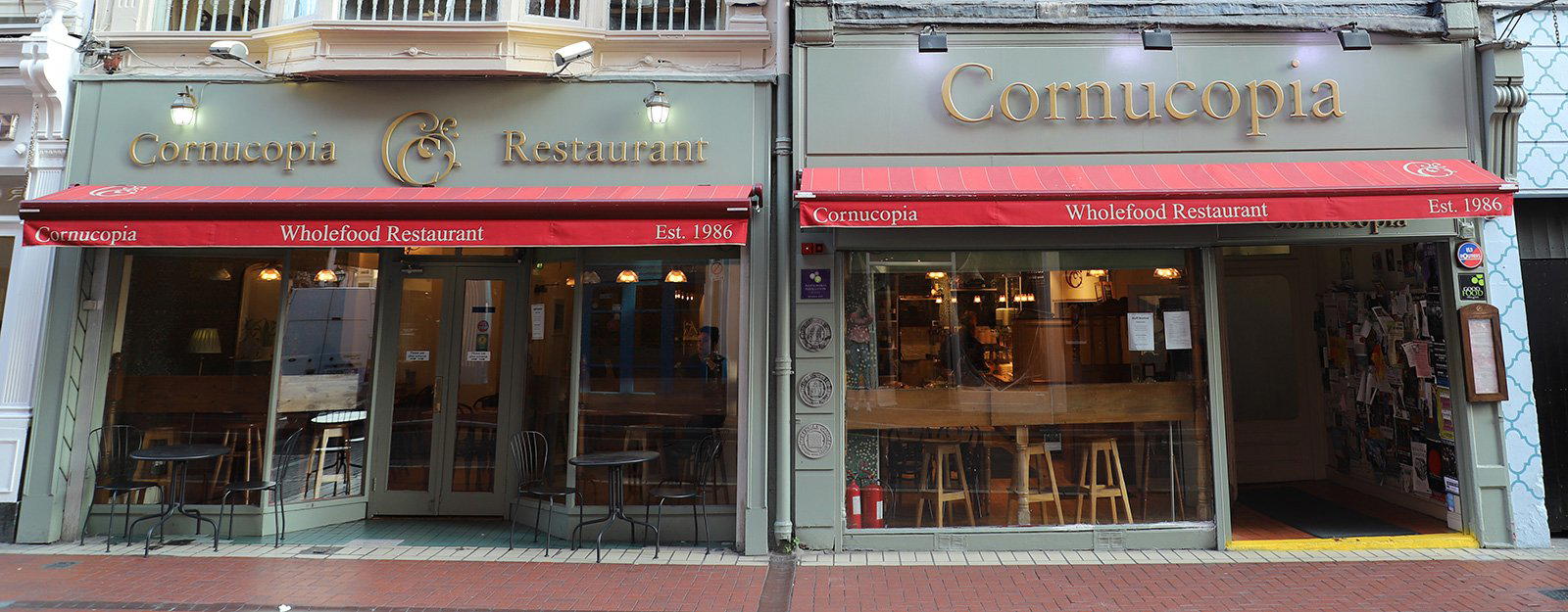
Wicklow Street and the Vegetarian Long Game
Dublin's restaurant scene has lurched through several reinventions since the 1980s: the Celtic Tiger splurge, the post-crash contraction, the natural wine pivot, the small-plates orthodoxy. Through all of it, Cornucopia at 19-20 Wicklow St has remained, which is itself a form of argument. In a city where independent restaurants routinely fold within three years, longevity at this address signals something more than nostalgia. It suggests a proposition that keeps finding new audiences even as the dining conversation around it shifts.
Vegetarian dining in Ireland occupies a different position than it does in, say, London or Berlin. The island's food culture remains anchored in dairy, lamb, and seafood, and most of the restaurants generating critical attention, from Chapter One by Mickael Viljanen through to Patrick Guilbaud, treat vegetables as supporting cast rather than lead. Cornucopia has always operated the other way around, which means it has never been fashionable in the way tasting-menu rooms are fashionable, but it has also never needed to be. The format, wholefood and largely plant-based, is durable precisely because it does not depend on a chef's personal mythology or a seasonal concept that can be outrun by the next trend.
The Wholefood Counter and What It Says About Dublin
Counter-service vegetarian restaurants occupy a specific niche in most cities: they tend to skew utilitarian, treating the absence of meat as sufficient editorial statement and leaving atmosphere to fend for itself. Cornucopia has historically worked against that tendency. The Wicklow Street premises, over two floors in the city centre, draws lunchtime queues that include office workers, students, and visitors who might not identify as vegetarian at all. That cross-audience pull is the more interesting data point, because it suggests the food is doing more than serving a dietary category.
Compared to the high-end Irish cooking now coming out of places like Bastible or Glovers Alley, Cornucopia operates at a different price tier and with a different register entirely. There is no tasting menu structure, no wine-pairing architecture, no brigade formality. What the format does share with those rooms is an attention to seasonal Irish produce, which means Cornucopia is, in practice, doing something the fine-dining rooms are celebrated for, just without the ceremony around it. That alignment is worth noting when Dublin is sometimes characterised as a city where good vegetable cooking only exists inside expensive tasting menus.
Across Ireland more broadly, the restaurants earning the most attention are almost all in the protein-led tradition. Liath in Blackrock, Aniar in Galway, Campagne in Kilkenny, and Bastion in Kinsale all build around meat or fish as the structural anchor. The same is true of destination restaurants further afield, from Terre in Castlemartyr to The Oak Room in Adare. Cornucopia's position as a sustained vegetarian operation in this context is not a niche novelty; it is a rarity with a genuine record.
Team Dynamic Inside a Counter Format
The editorial angle that matters most for Cornucopia is not a single chef or a signature technique. The counter-service model distributes authorship differently from a brigade kitchen. The food that arrives on your tray is the product of a team working across prep, service, and floor in a compressed, high-turnover environment, and the consistency that has sustained the restaurant's reputation over decades reflects that collective effort rather than any single individual's vision.
This is actually the more sophisticated team dynamic to maintain. In tasting-menu rooms, the front-of-house pacing, the sommelier sequencing, and the kitchen output are separated by clear professional lanes. In a busy counter-service vegetarian restaurant at lunchtime in central Dublin, the distinctions collapse: the person explaining the daily specials is also the one managing queue flow and handling dietary questions from customers who may never have eaten this style of food before. Getting that right, day after day, across different staff and shifting seasonal menus, is harder than it looks from the queue.
Restaurants with a comparable approach to distributed team authorship, where no single name carries the brand, include some of the more durable community-focused operations internationally. Lazy Bear in San Francisco runs a collaborative kitchen model, though in a very different price tier and format. The principle, that strong collective process outlasts individual star power, applies across both.
Where Cornucopia Sits in the Dublin Picture
Wicklow Street places Cornucopia within walking distance of the city's main concentrations of fine dining and casual eating alike. D'Olier Street is a short distance away; the cluster of restaurants around St Stephen's Green, including Glovers Alley, is within easy reach. In that geography, Cornucopia occupies the accessible, daytime end of the market, which is a different proposition from the evening fine-dining circuit but not a lesser one. The city needs both registers to function as a serious food destination, and restaurants that operate reliably at the accessible tier, while maintaining food quality, are harder to sustain than the awards conversation usually acknowledges.
For anyone building an Irish itinerary that reaches beyond Dublin, the regional pattern is worth understanding. dede in Baltimore, Homestead Cottage in Doolin, Chestnut in Ballydehob, and The Morrison Room in Maynooth each represent a different expression of Irish produce-led cooking. None of them approach vegetables in the sustained, exclusive way Cornucopia does, which reinforces how specific the Wicklow Street operation is within the national picture. Our full Dublin restaurants guide maps the broader city context if you are planning across multiple meals.
The comparison that perhaps illuminates Cornucopia's position most clearly is not an Irish one. Le Bernardin in New York City built a sustained reputation by going deep on a single ingredient category, fish, rather than ranging broadly. The commitment to a constrained ingredient philosophy, executed with discipline over decades, is what created the authority. Cornucopia's vegetarian focus operates on the same logic at a very different price point and register: the depth of commitment to a single culinary position is what gives it credibility that a more generalist restaurant could not claim.
Know Before You Go
Address: 19-20 Wicklow St, Dublin, D02 FK27, Ireland
Format: Counter-service vegetarian restaurant
Leading for: Daytime dining; lunch trade is heaviest mid-week
Getting there: Central Dublin location; accessible on foot from most city-centre hotels and the DART at Pearse Street
Note: Phone and booking; walk-in is the standard format for counter-service operations of this type
Frequently asked questions
Where exactly is Cornucopia?
Cornucopia is located at 19-20 Wicklow St, Dublin, D02 FK27, Ireland, Dublin.
Is Cornucopia a good option for a vegetarian or vegan lunch in Dublin city centre?
Cornucopia sits on Wicklow Street, D02, within walking distance of Dublin's main retail and cultural corridors, making it a practical midday stop for both vegetarian and vegan diners. The wholefood counter-service format means the selection changes daily, so the offer on any given visit reflects what is fresh rather than a fixed printed menu. Few restaurants in the Dublin city centre have maintained a dedicated vegetarian and vegan focus for as long.
What's the signature dish at Cornucopia?
Cornucopia operates on a daily-rotating specials format rather than a fixed menu anchored around a single hero dish. This is consistent with the wholefood counter-service model, where the offer shifts according to season and availability. Wicklow Street regulars return for that variability, not despite it.
What's the best way to book Cornucopia?
Counter-service restaurants at Cornucopia's format and price tier typically operate on a walk-in basis. Turning up at off-peak hours — mid-morning or mid-afternoon — is generally the most reliable approach for the Wicklow Street location.
What is Cornucopia known for?
Cornucopia is one of Dublin's longest-established vegetarian restaurants, trading from 19-20 Wicklow Street in the city centre. In a national dining scene that remained heavily meat-focused for most of the 20th century, its longevity positions it as a reference point for plant-based and wholefood eating in Ireland. The counter-service format keeps it accessible and unpretentious across a wide range of diners.
Recognition Snapshot
Comparable venues nearby, for context on price, style, and recognition.
| Venue | Cuisine | Price | Notes |
|---|---|---|---|
| CornucopiaThis venue — the venue you are viewing | Vegan Wholefood | $20–30 | Not listed |
| The Winding Stair | Modern Irish | $30–50 | North City |
| Café 1920 | Modern Irish Gastropub | $20–30 | Royal Exchange A |
| Al Vesuvio | Authentic Italian Osteria and Pizzeria | $20–30 | Royal Exchange A |
| Musashi Parnell Street | Japanese Sushi and Ramen | $20–30 | Rotunda B |
| Kittyhawks | Irish Gastropub | Not listed | Airport |
Continue exploring
More in Dublin
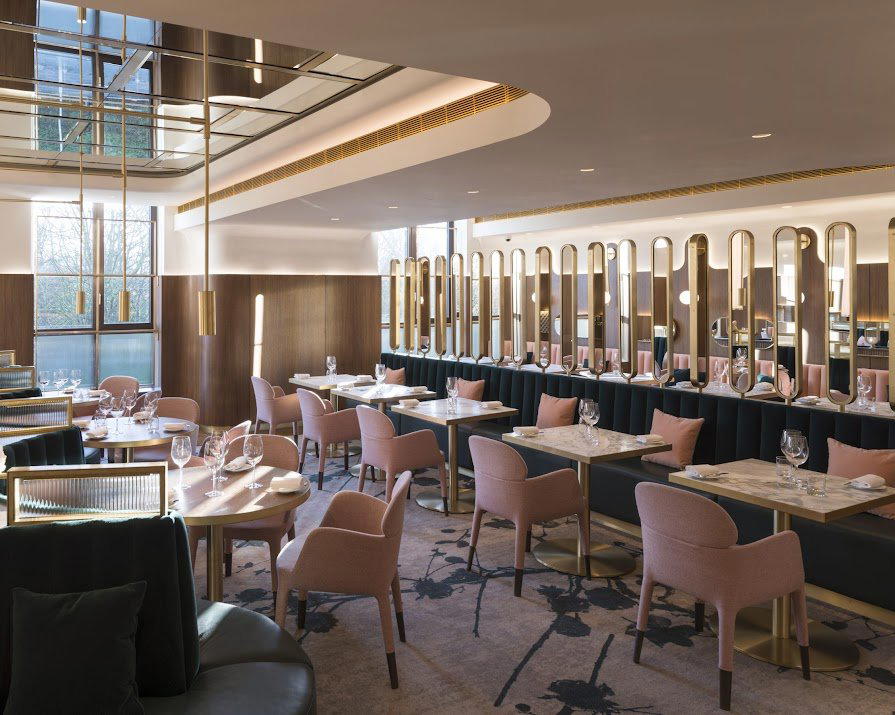
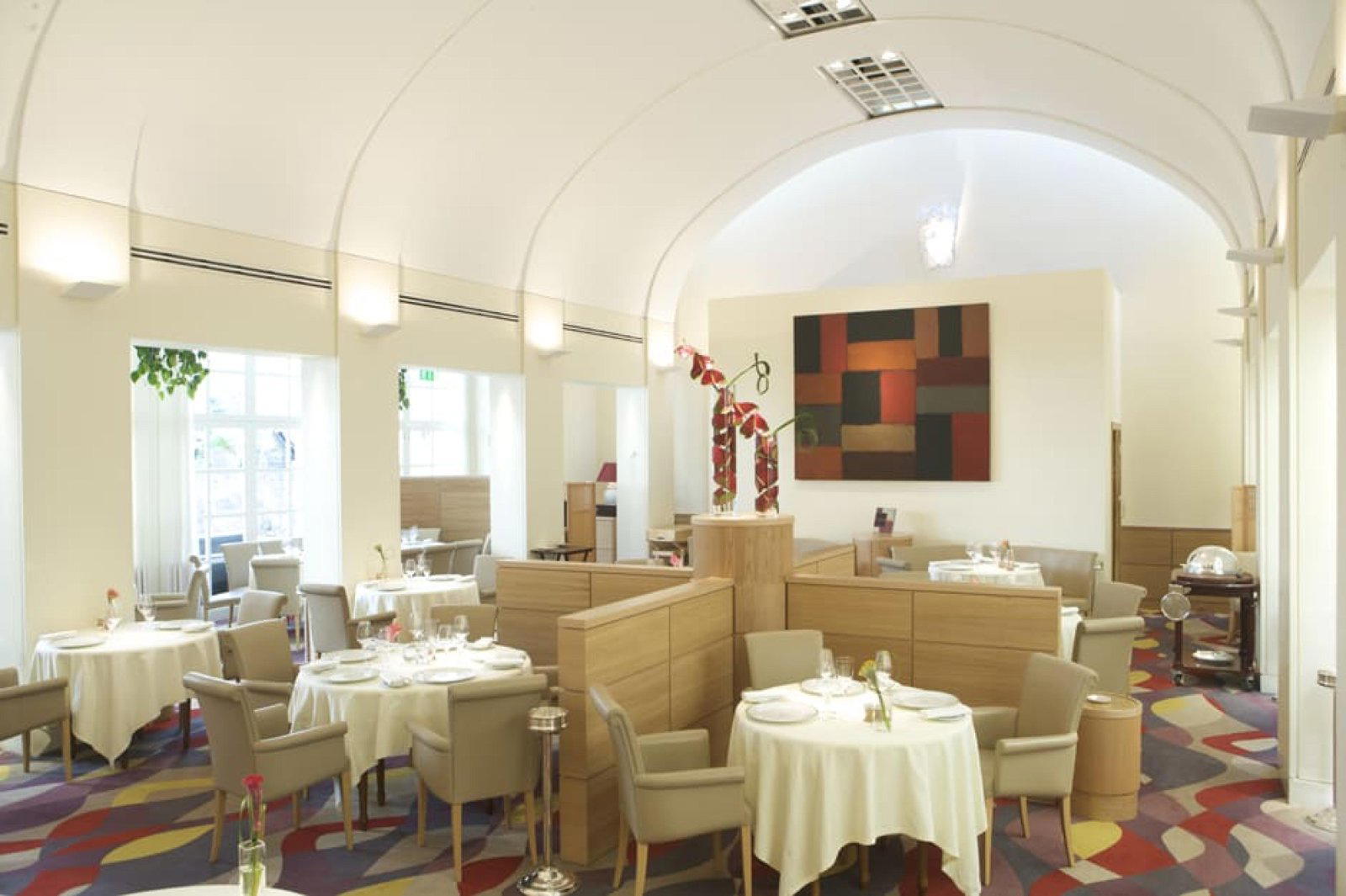
Restaurants in Dublin
Browse all →
Bars in Dublin
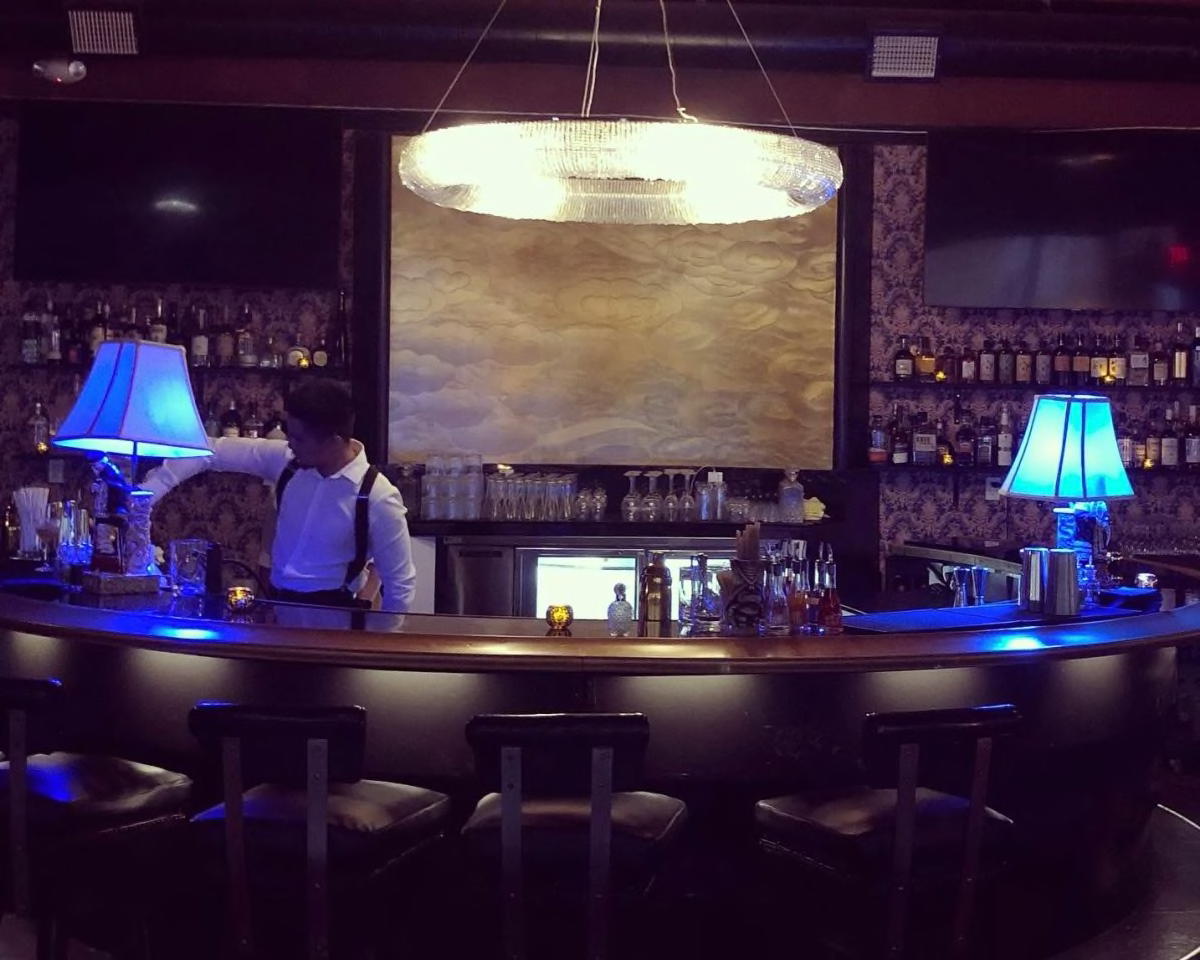
Browse all →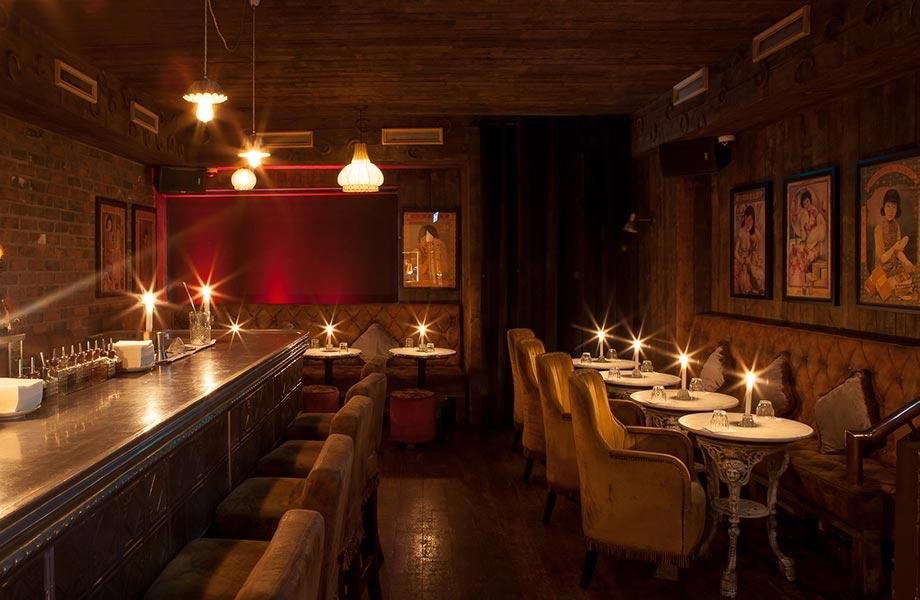
Hotels in Dublin
Browse all →
Wineries in Dublin
Browse all →
Details
- Cozy
- Casual
- Casual Hangout
- Brunch
- Standalone
- A La Carte
- Small Plates
- Vegetarian Friendly
- Vegan Options
- Gluten Free Options
Current opening hours
- Monday
- 8 AM–7 PM
- Tuesday
- 8 AM–7 PM
- Wednesday
- 8 AM–7 PM
- Thursday
- 8 AM–8 PM
- Friday
- 8 AM–8 PM
- Saturday
- 8 AM–8 PM
- Sunday
- 9 AM–7 PM
Hours can change for holidays and private events. Last verified .
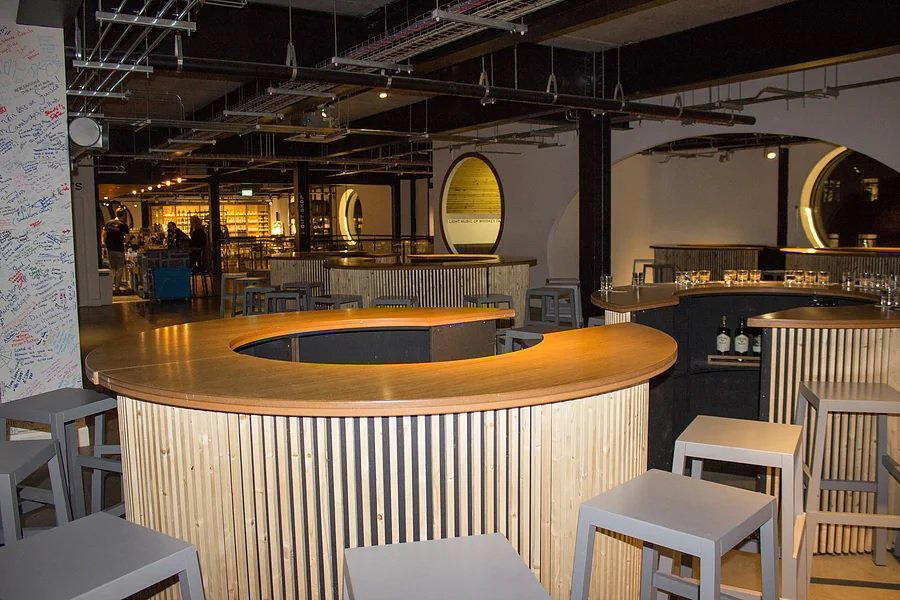
Cozy and relaxed with beautiful decor across three floors, featuring a modern counter for handcrafted vegan dishes and a friendly, welcoming atmosphere.