Cooper Coffee & Wine
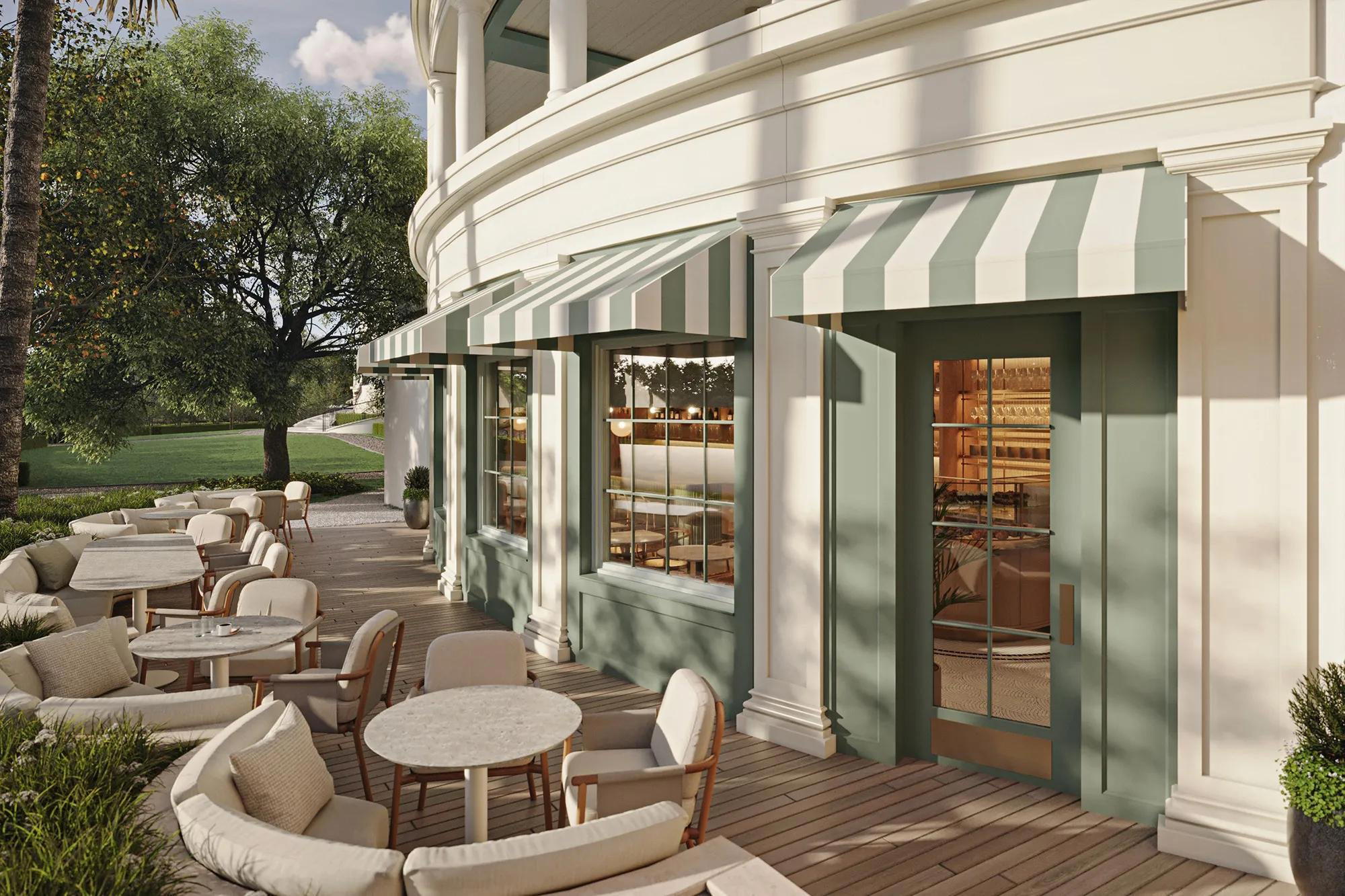
Cooper Coffee & Wine occupies a format that Charleston's all-day dining scene has been quietly building toward: a boulangerie-rooted café that transitions into a wine bar without losing its sense of place. The combination of serious coffee, house-baked goods, and a curated wine list positions it as a mid-day anchor in a city that tends to save its ambition for dinner. It is the kind of spot that rewards knowing about it.
 Discover on Pearl
Pearl is the En Primeur Club membership app — saves, bookings, and concierge access live there. Same editors, same standards.
Where Charleston's All-Day Drinking Habits Make Sense
Charleston has long organised its hospitality around two poles: the white-tablecloth dinner reservation and the quick counter stop. What has taken longer to develop is the middle register, the kind of place where serious coffee transitions into afternoon wine without either half feeling like an afterthought. Cooper Coffee & Wine operates squarely in that register. The boulangerie-café-wine bar format has roots in Paris and has found footholds in cities like New York and San Francisco, but in Charleston, where the food culture tilts heavily toward evening, it represents something genuinely less common.
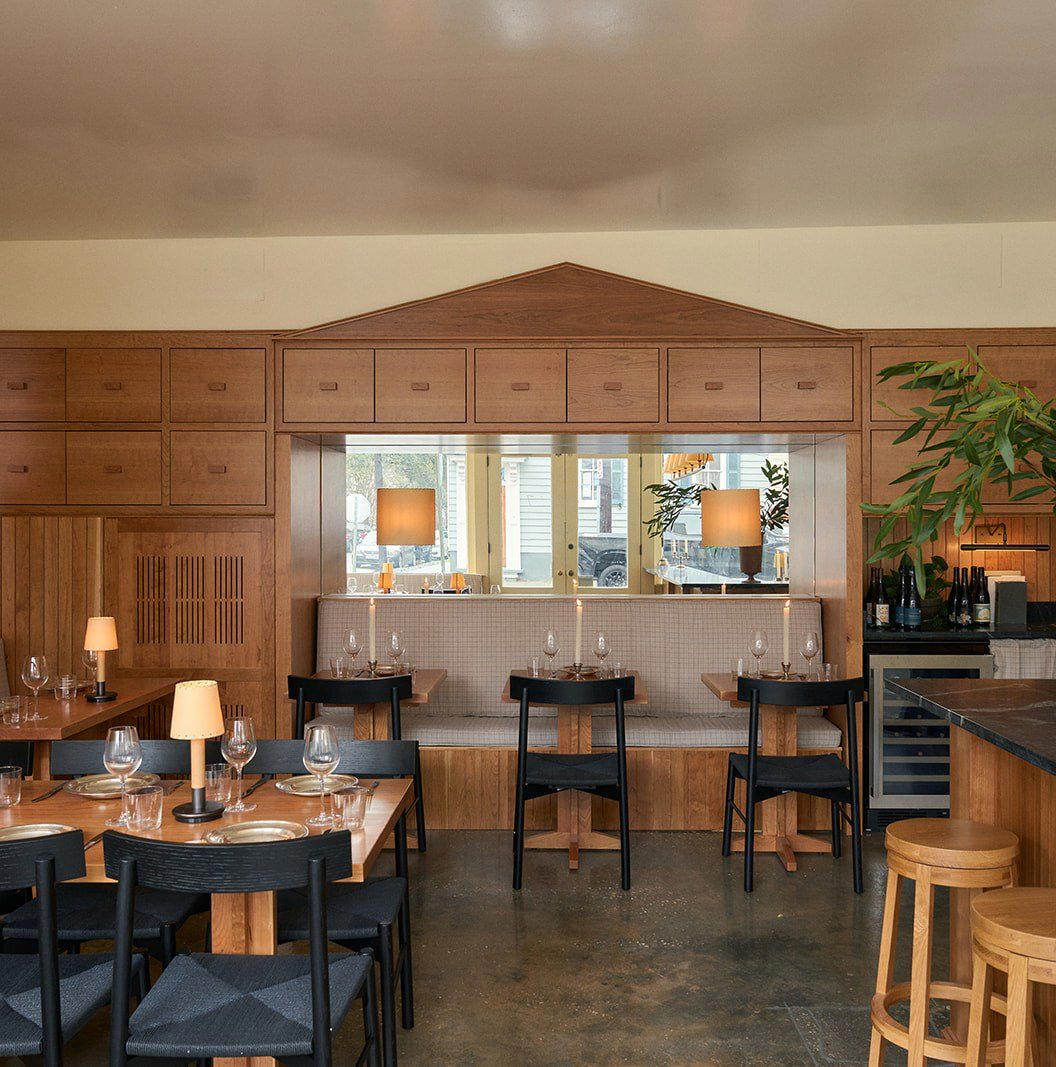
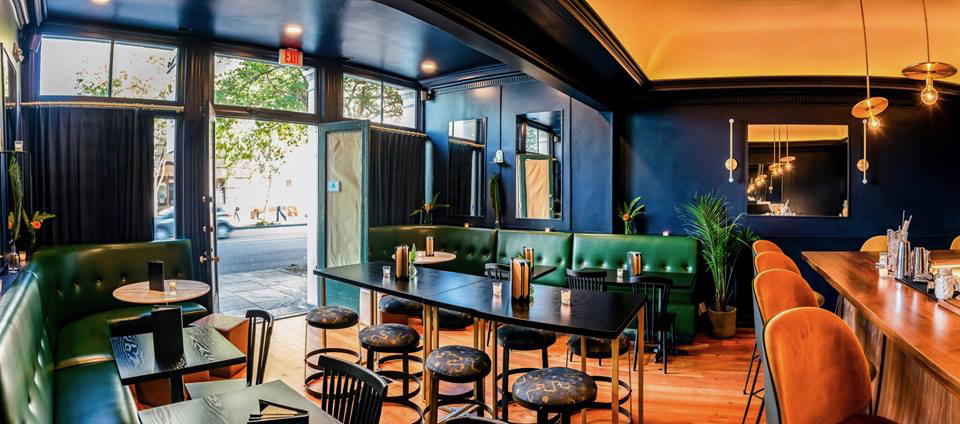
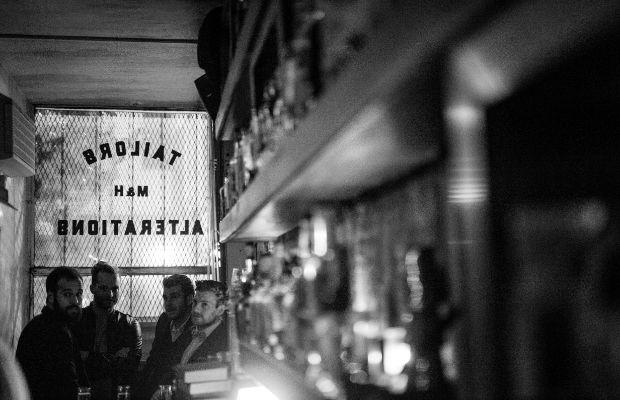
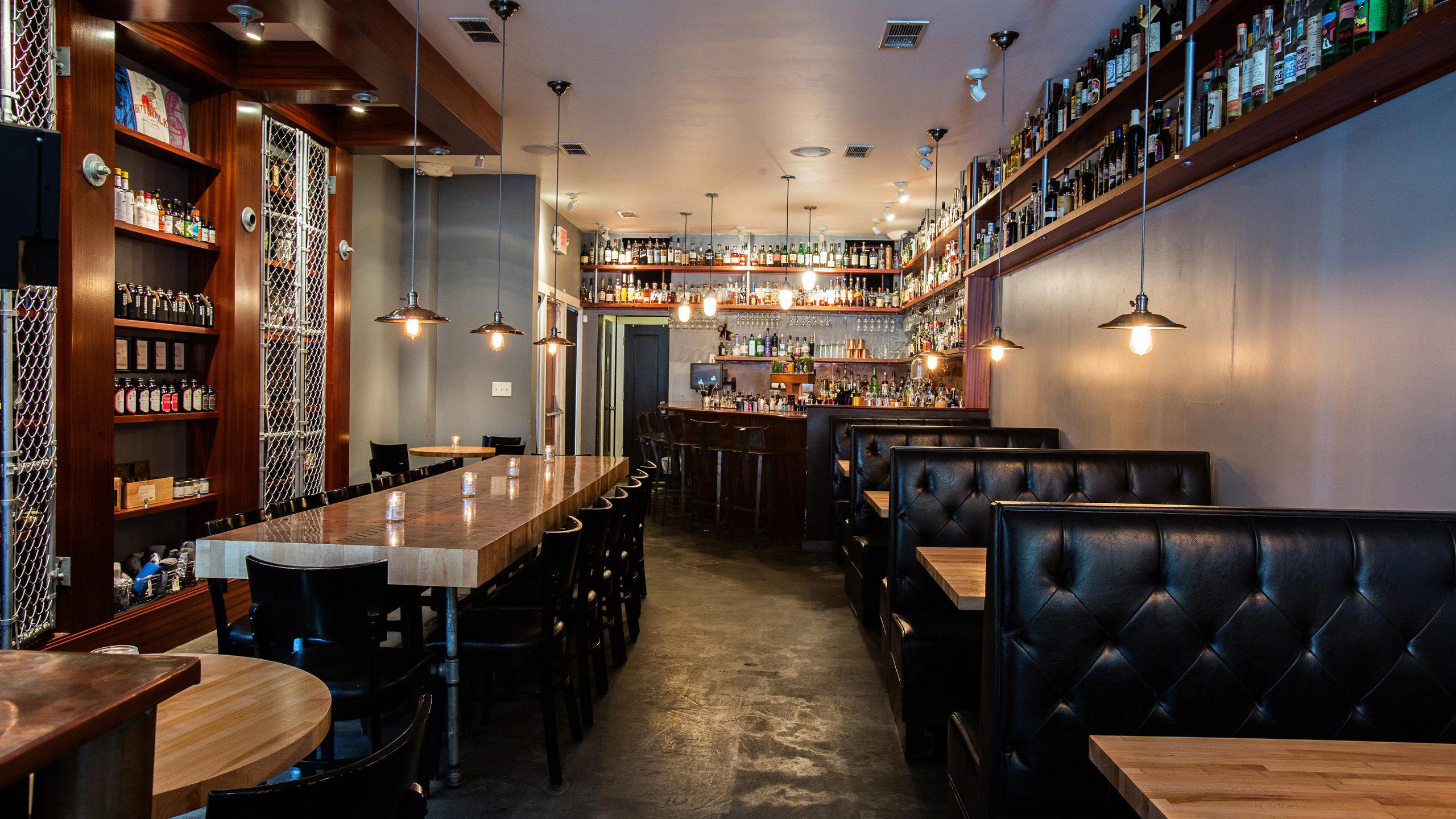
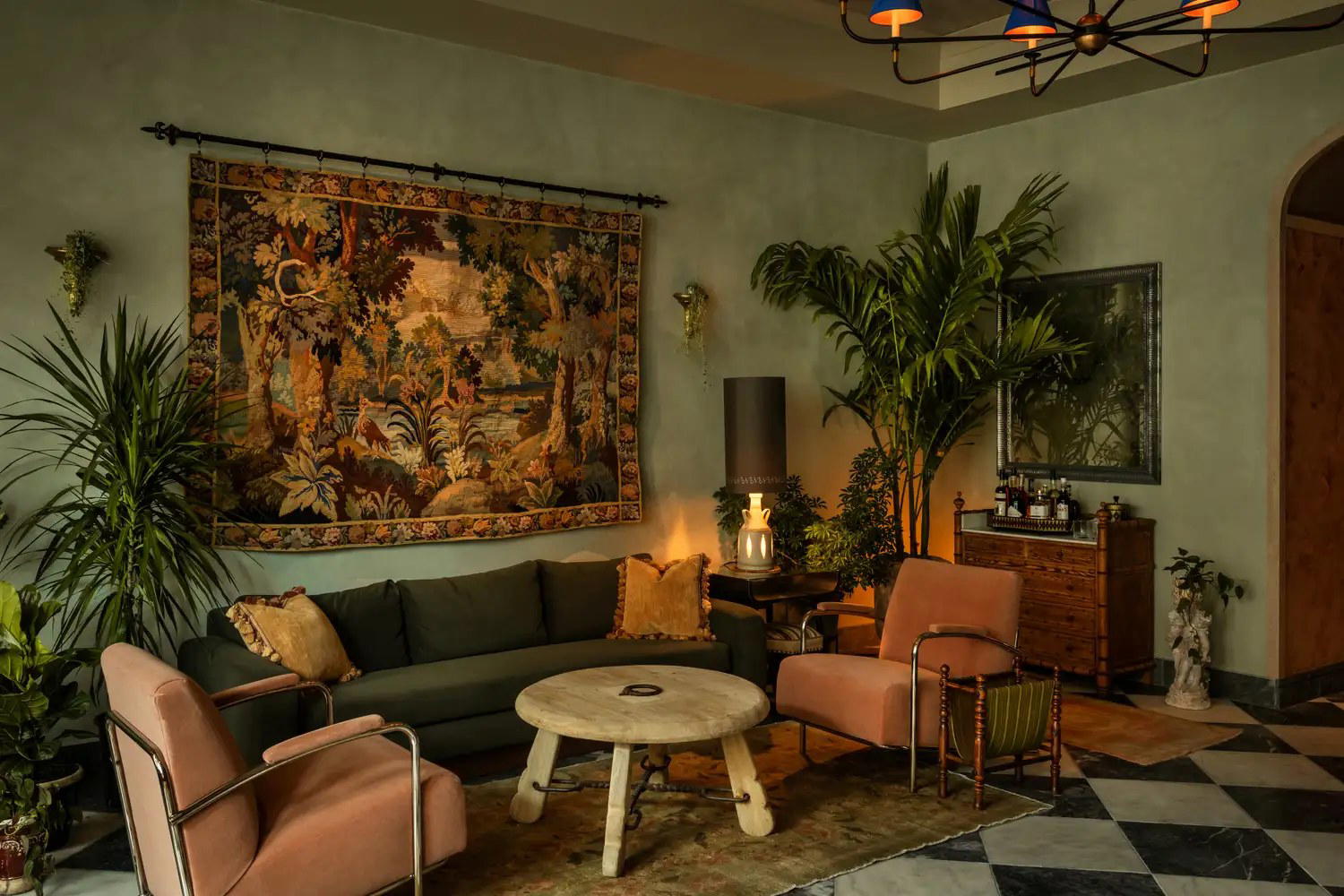
Approaching a venue like this in Charleston, what you register first is the pace. The city's dining identity is built on slowness, long porches, long meals, long conversations, and an all-day café that takes its wine list as seriously as its espresso program fits that sensibility more naturally here than it might in a faster-moving city. The physical environment tends toward the spare and deliberate in venues of this type: warm light, counter seating, the smell of something recently baked. Whether or not you arrive before noon matters less than whether you arrive with time.
The Sourcing Logic Behind the Format
The all-day café-boulangerie format is ingredient-driven. Bread is the honesty test: you cannot fake a good croissant or a well-structured sourdough, and the quality of a boulangerie's output signals almost everything about how seriously the kitchen approaches sourcing and process. In Charleston, that question connects to a wider story about the Lowcountry's agricultural identity. The region has been producing serious food culture around local grains, heritage proteins, and coastal ingredients for long enough that sourcing claims carry real weight, and real accountability. Venues that make them are measured against a peer group that includes places like Lowland and Vern's, both of which anchor their menus in a specific sense of where the food comes from.
For a coffee and wine bar, the sourcing conversation runs in two directions simultaneously. On the coffee side, the specialty coffee movement has spent the last two decades building transparency into supply chains, single-origin beans, direct trade relationships, roast profiles calibrated to origin character rather than masking it. On the wine side, the natural and low-intervention movement has brought comparable attention to place and provenance, foregrounding the vineyard over the winemaker's intervention. A venue that holds both of those sensibilities in the same room is making a coherent argument about ingredient integrity, even if it is doing so through a café format rather than a tasting menu. That argument is harder to sustain than it looks, which is why most all-day venues in America default to generic coffee programs and wine lists that exist as an afterthought.
Where It Sits in the Charleston Dining Picture
Charleston's restaurant reputation has been built largely on dinner, and on a specific kind of dinner: Southern ingredients handled with technical ambition, often in historic spaces with a certain formality of service. Rodney Scott's BBQ represents one end of that spectrum, deeply rooted, smoke-driven, product-first, while 167 Raw occupies the coastal-casual bracket with its oyster counter and raw bar. The daytime picture is thinner, and that gap is exactly where an all-day boulangerie-wine bar format finds its position.
Within the all-day category specifically, Cooper Coffee & Wine competes less with Charleston's dinner destinations and more with the city's growing population of specialty coffee shops and neighbourhood wine bars. The distinction it appears to draw is in combining both functions under a single roof with a boulangerie component that most of its peer venues do not carry. That combination changes the value proposition: you are not choosing between coffee and wine as separate occasions, but being offered a single address that works from morning through evening.
The Wine Bar Half of the Equation
American wine bars have been reshaping their identity over the past decade. The earlier model, a dozen wines by the glass, cheese plates, dim lighting, has given way to something more opinionated: shorter, more selective lists, often organised around natural producers or specific regions, with a food component that takes the kitchen seriously. The transition mirrors what has happened in cocktail culture, where technical commitment replaced novelty as the dominant signal of quality. A wine bar attached to a boulangerie sits comfortably within that more serious register, because the food component already implies a level of craft attention that filters the clientele toward people who care about what they are eating and drinking.
Charleston has a maturing wine culture, supported in part by its proximity to sommelier-driven restaurant programs and in part by a visitor demographic that expects wine lists to be considered rather than decorative. At the dinner-and-evening end of the city's ambitions, venues like Malagón Mercado y Taperia demonstrate what a Spanish-influenced small-plates format looks like when wine and food are given equal weight, a different execution, but a comparable philosophy about the relationship between the glass and the plate.
Planning a Visit
An all-day café of this type functions differently depending on when you arrive. Morning visits tend to centre on coffee and pastry, with the boulangerie component at its freshest. Afternoon arrivals can usually bridge both the café and wine bar identities, which is arguably the format at its most useful: a glass of wine, something from the kitchen, and no pressure to commit to a full dinner reservation. The venue's positioning as a neighbourhood address rather than a destination restaurant means that advance booking pressure is likely lower than at Charleston's more reservation-driven dinner spots, For visitors planning a broader Charleston itinerary,
At-a-Glance Comparison
Comparable venues nearby, for context on price, style, and recognition.
| Venue | Cuisine | Price | Awards | Notes |
|---|---|---|---|---|
| Cooper Coffee & WineThis venue — the venue you are viewing | Modern American Cafe & Wine Bar | $$$ | , | |
| Saffire Restaurant | Modern American Fusion | $$$ | , | Downtown |
| The Swamp Fox Restaurant | Classic Southern Lowcountry | $$$ | , | Downtown Charleston |
| Sorghum & Salt | Vegetable-Forward Farm-to-Table Small Plates | $$$ | , | Charleston |
| Two Boroughs Larder | New American Farm-to-Table | $$ | , | Cannonborough-Elliotborough |
| Chef Daniel Humm x The Charleston Place, Presented by Resy, Charleston | Contemporary Fine Dining | $$$$ | Downtown Charleston |
Continue exploring
More in Charleston
Restaurants in Charleston
Browse all →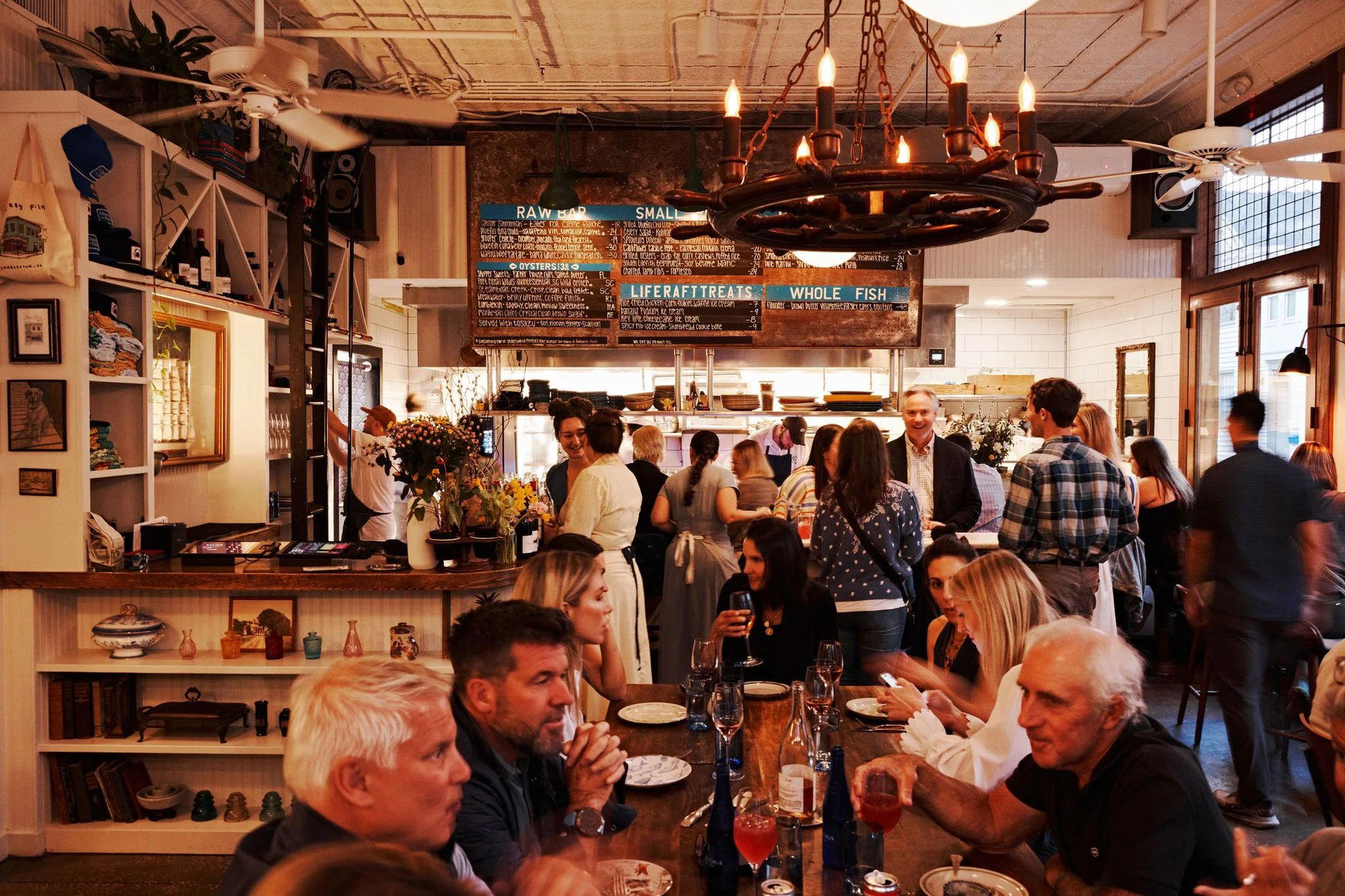
Bars in Charleston
Browse all →
At a Glance
- Modern
- Elegant
- Scenic
- Casual Hangout
- After Work
- Brunch
- Waterfront
- Hotel Restaurant
- Rooftop
- Extensive Wine List
- Craft Cocktails
- Waterfront
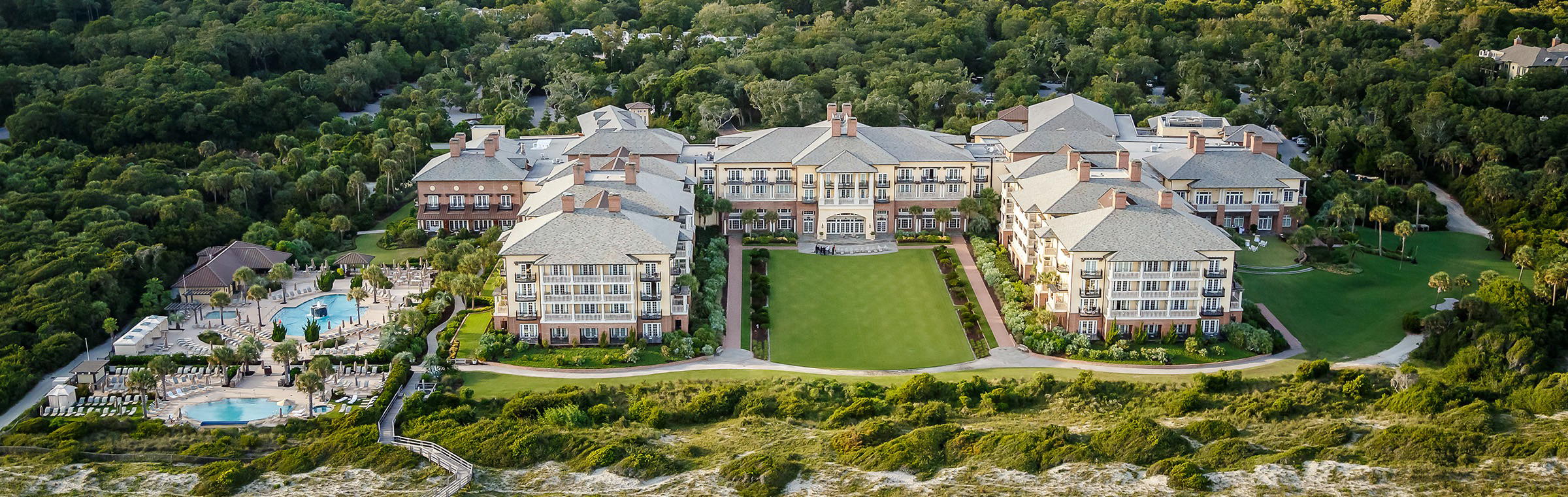
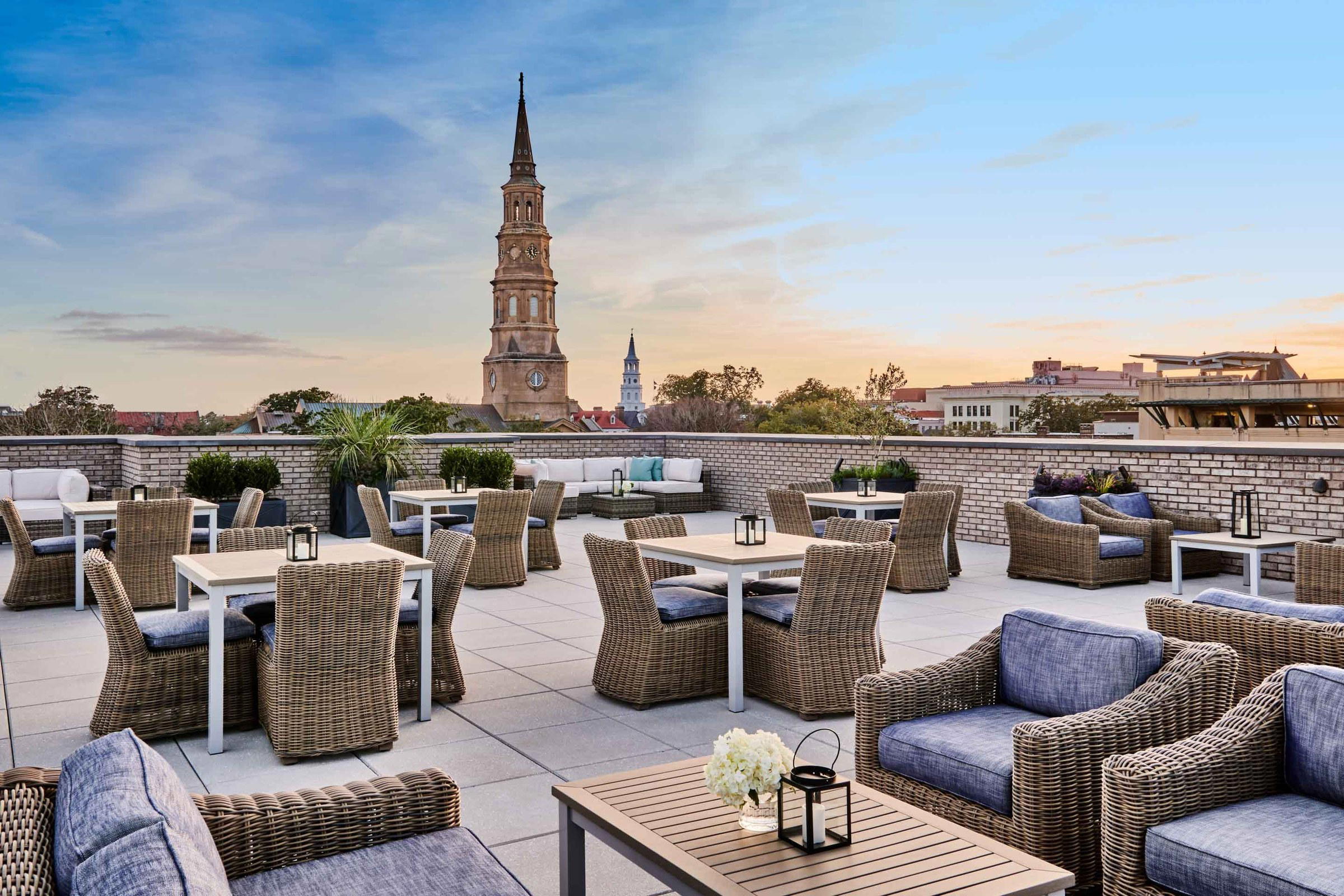
Bright and welcoming during daytime with coastal influences; transitions to sophisticated evening atmosphere with wine service and harbor views.