Coohills
Coohills occupies a street-level position along Wewatta Street in Denver's Union Station district, where the city's most concentrated run of serious dining has taken shape over the past decade. The address alone signals intent: this is a neighbourhood where restaurants compete on execution rather than novelty, and Coohills positions itself accordingly within that comparable set.
Pearl is the En Primeur Club membership app — saves, bookings, and concierge access live there. Same editors, same standards.
- Address
- 1400 Wewatta St, Denver, CO 80202
- Phone
- +13036235700
- Website
- coohills.com
- Directions
- Get directions
 Saves & bookings on Pearl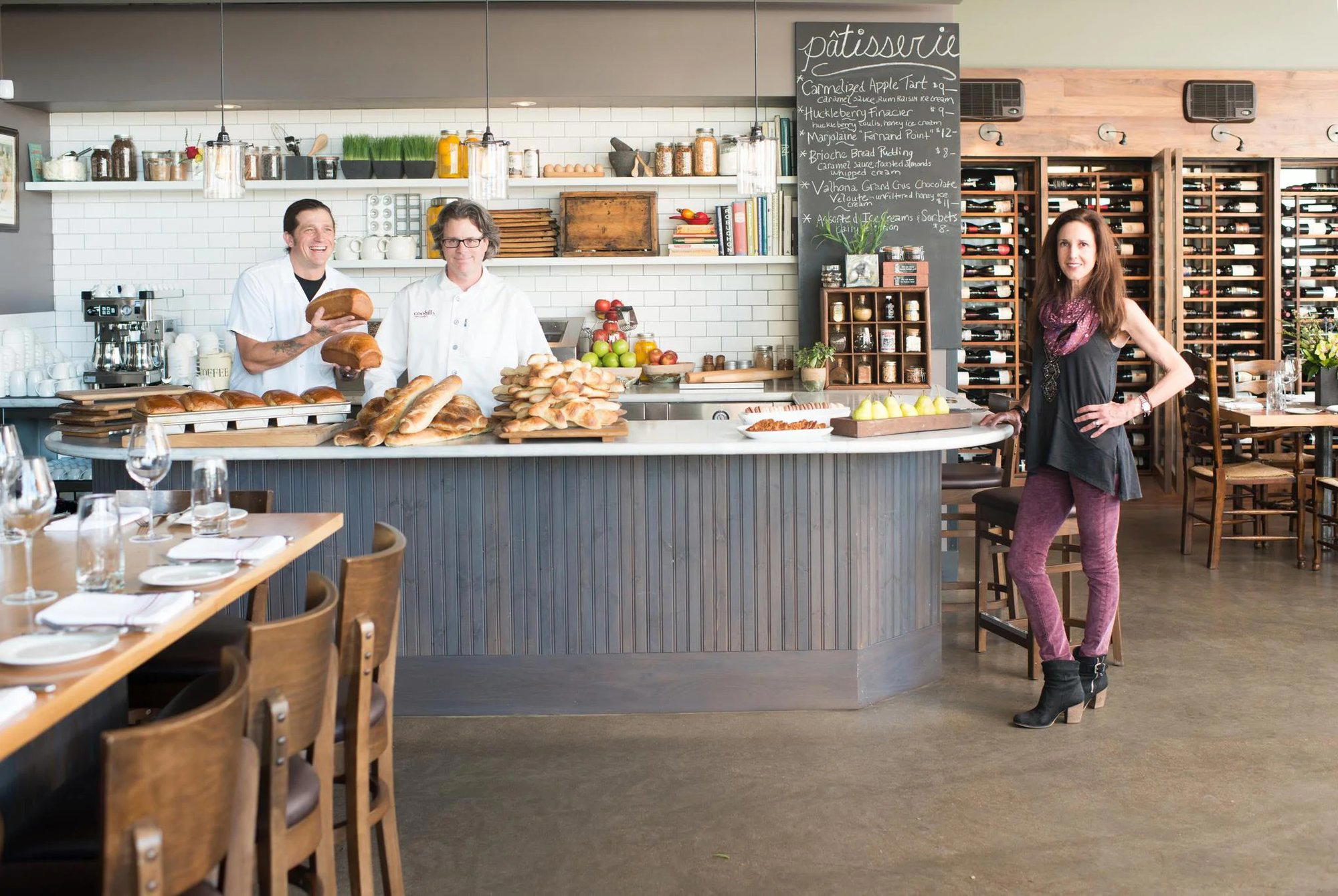
Where the River District Sets the Table
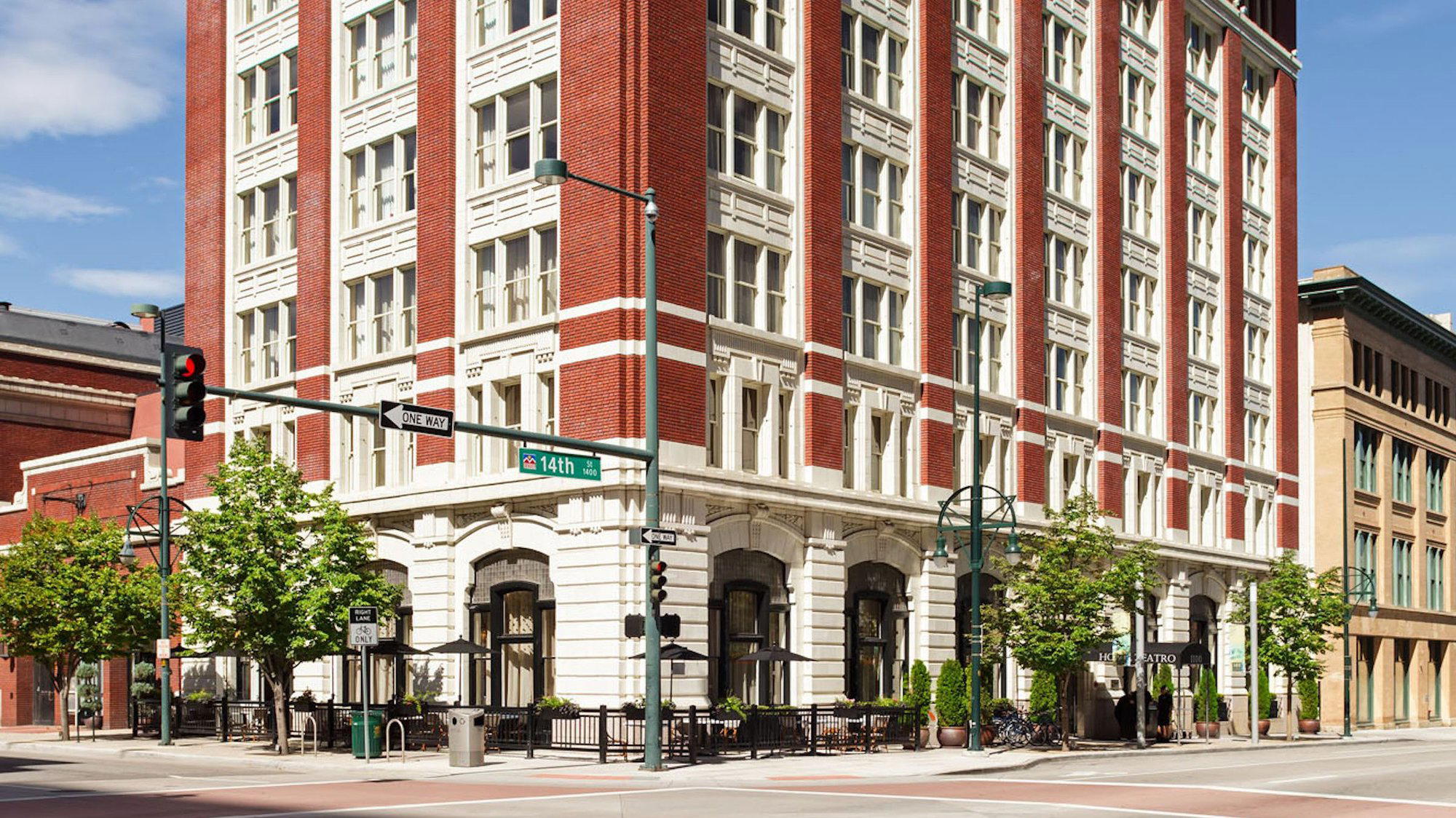
The stretch of Wewatta Street that runs toward Union Station has become the clearest indicator of how Denver's dining ambitions have shifted. A decade ago, this corridor was infrastructure and parking. Today it anchors a cluster of restaurants that take execution seriously, not as a point of difference but as a baseline expectation. Coohills, a Modern French-American restaurant in Denver, sits at 1400 Wewatta St and is priced at about $40 per person. The building's street-level presence, facing the South Platte River corridor, means the physical approach carries its own atmosphere: light off the water in the late afternoon, the low hum of a neighborhood shaped for adults who want to eat and drink well rather than be entertained.
Denver's Union Station district has developed a comparable set that repays comparison. Brutø operates at the technically ambitious end of the contemporary spectrum, with a tasting menu format and a price point that signals where Denver's ceiling has moved. The Wolf's Tailor occupies a similar register in the Berkeley neighbourhood, where fermentation-forward technique and New American framing have attracted national attention. Against that backdrop, the question for any Wewatta address is where it sits on the axis between accessibility and ambition, a question Denver diners are now accustomed to asking with some sophistication.
The Physical Grammar of the Space
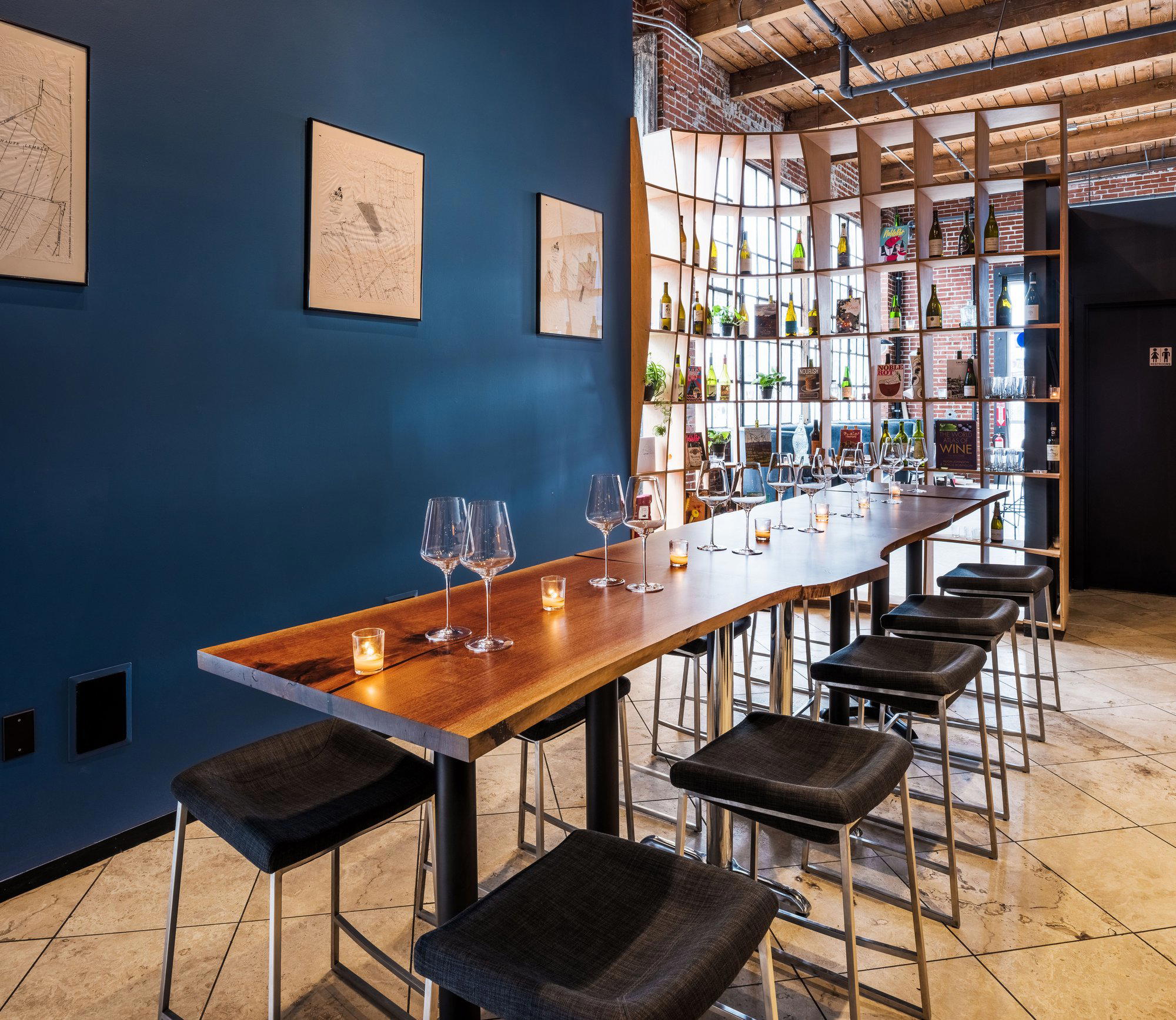
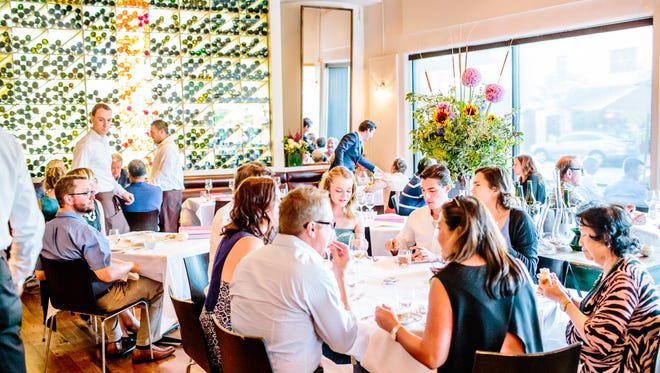
American restaurant design in the 2010s defaulted to a particular vocabulary: exposed brick, Edison bulbs, reclaimed wood, and a general aesthetic of industrial-warm. What distinguished the better rooms from that period was not the departure from that vocabulary but the proportion and light within it. A well-made room in this register feels assembled rather than decorated, surfaces that have a reason for being there, lighting that flatters food and faces without theatrical dimming, and acoustics that allow a table of four to hear one another across the full arc of a meal.
The Wewatta corridor buildings, most of them constructed or converted during the Union Station development surge, tend toward larger volumes than the neighbourhood restaurants in RiNo or Capitol Hill. That scale demands a certain confidence in interior handling. Proximity to the river means windows facing west carry meaningful light through the service period, which changes the character of an early dinner sitting relative to a later one, a detail that matters more than most diners consciously register but that shapes the feel of a reservation from the moment of arrival.
Denver's Fine-Casual Tier and Where Coohills Fits
One of the more interesting structural developments in Denver dining over the past several years has been the consolidation of a middle tier: restaurants that price and cook above casual but resist the full formality of a tasting menu format. This tier is where most working cities do their leading dining, it is the register of Annette in Aurora and Alma Fonda Fina when it is operating at its most focused. It is also the tier most sensitive to execution variance, because diners at this level are paying enough to notice when the kitchen is not at full attention.
Nationally, the a la carte fine-casual format has proven more durable than critics predicted during the tasting menu boom of the 2010s. Operations like Smyth in Chicago represent one endpoint of ambition; Beckon represents Denver's own experiment with the ticketed, fully committed format. Between those poles, the majority of a city's serious dining happens in rooms where the guest controls the pace and chooses the depth of the meal. That flexibility is not a compromise; for many diners, it is a preference, particularly in a city like Denver, where the dining culture has grown faster than its institutional memory, and where a single restaurant's reputation can turn on a visitor's single experience rather than decades of accumulated goodwill.
The River District in National Context
It is useful to place Denver's current dining tier against the national map. The city does not yet have the density of a San Francisco, where Lazy Bear operates in a market that can support multiple tasting-menu rooms with sustained waiting lists. It does not approach the institutional weight of The French Laundry in Napa or the mission-driven sourcing depth of Blue Hill at Stone Barns in Tarrytown. What Denver has developed instead is a genuine critical mass at the ambitious-a-la-carte level, supported by a local dining public that now travels for food and returns with calibrated expectations.
That calibration matters. A Denver diner who has eaten at Le Bernardin in New York City or Providence in Los Angeles brings a frame of reference that raises the floor for every serious room in the city. The Wewatta corridor benefits from being the visible cluster in that rising market, a restaurant at this address is, by proximity, implicitly competing with its neighbours and measured against a more demanding standard than it might face in an outlying neighbourhood.
That dynamic has pushed the better Union Station rooms toward clarity of identity. Restaurants that tried to be everything, wine bar and raw bar and seasonal tasting format simultaneously, have tended to blur. The ones that have held their position are the ones that chose a lane and executed it consistently. In a corridor that also draws comparison to the sourcing-intensive models at Single Thread Farm in Healdsburg or the precision of Addison in San Diego, consistency is the argument that outlasts opening-season enthusiasm.
For those moving between dining cultures across cities, the Union Station district offers a useful barometer of where Denver now sits relative to markets like New Orleans, where Emeril's has anchored a warehouse district for decades, or Washington, where The Inn at Little Washington demonstrates what a single address can do to a region's culinary reputation over time. Denver is earlier in that arc, which means the restaurants operating here now are building institutional memory in real time.
Know Before You Go
- Address: 1400 Wewatta St, Denver, CO 80202
- Neighbourhood: Union Station / River District
- Hours: Thu-Sat, 4:30-9 PM; Wed, 4:30-8 PM; Mon-Tue and Sun closed
- Reservations: Recommended; confirm availability via the venue directly
- Price range: About $40 per person
- Getting there: Union Station is walkable; street parking and garage options are nearby on Wewatta and adjacent blocks
What It’s Closest To
Comparable venues nearby, for context on price, style, and recognition.
| Venue | Cuisine | Price | Notes |
|---|---|---|---|
| CoohillsThis venue — the venue you are viewing | Modern French-American | $$$ | Not listed |
| Bistro Vendôme | Classic French Bistro | $$$ | North Park Hill |
| Le Bilboquet Denver | Classic French Bistro with Modern Influences | $$$ | Cherry Creek |
| Atelier by Radex | French-influenced Bistro | $$$ | City Park West |
| Gattara | Modern Italian-American | $$$ | North Capitol Hill |
| Rougarou | Shapeshifting Southern | $$$ | Curtis Park |
Continue exploring
More in Denver
Restaurants in Denver
Browse all →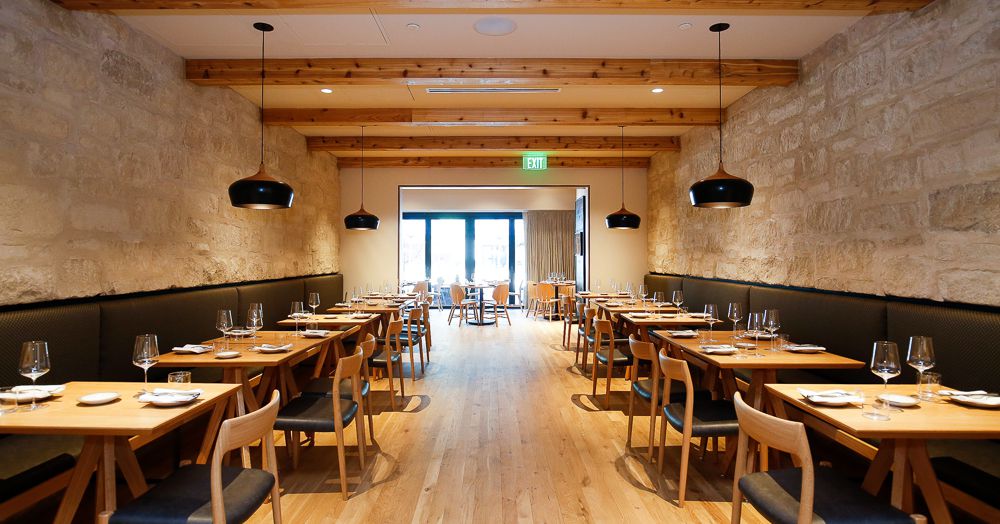
Bars in Denver
Browse all →
Hotels in Denver
Browse all →

At a Glance
- Romantic
- Elegant
- Modern
- Sophisticated
- Lively
- Date Night
- Special Occasion
- Celebration
- Business Dinner
- Group Dining
- Terrace
- Waterfront
- Private Dining
- Craft Cocktails
- Farm To Table
- Local Sourcing
- Waterfront
- Street Scene
Current opening hours
- Monday
- Closed
- Tuesday
- Closed
- Wednesday
- Closed
- Thursday
- 4:30–8 PM
- Friday
- 4:30–9 PM
- Saturday
- 4:30–9 PM
- Sunday
- Closed
Hours can change for holidays and private events. Last verified .
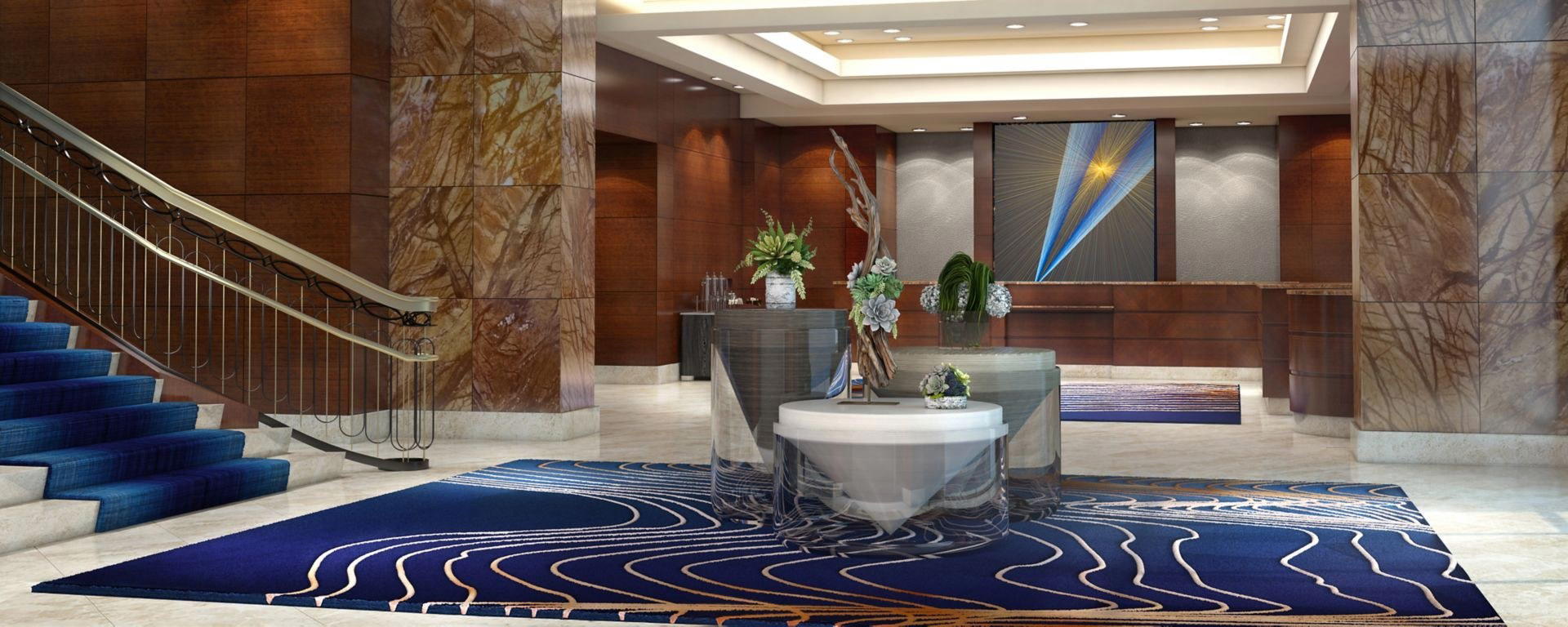
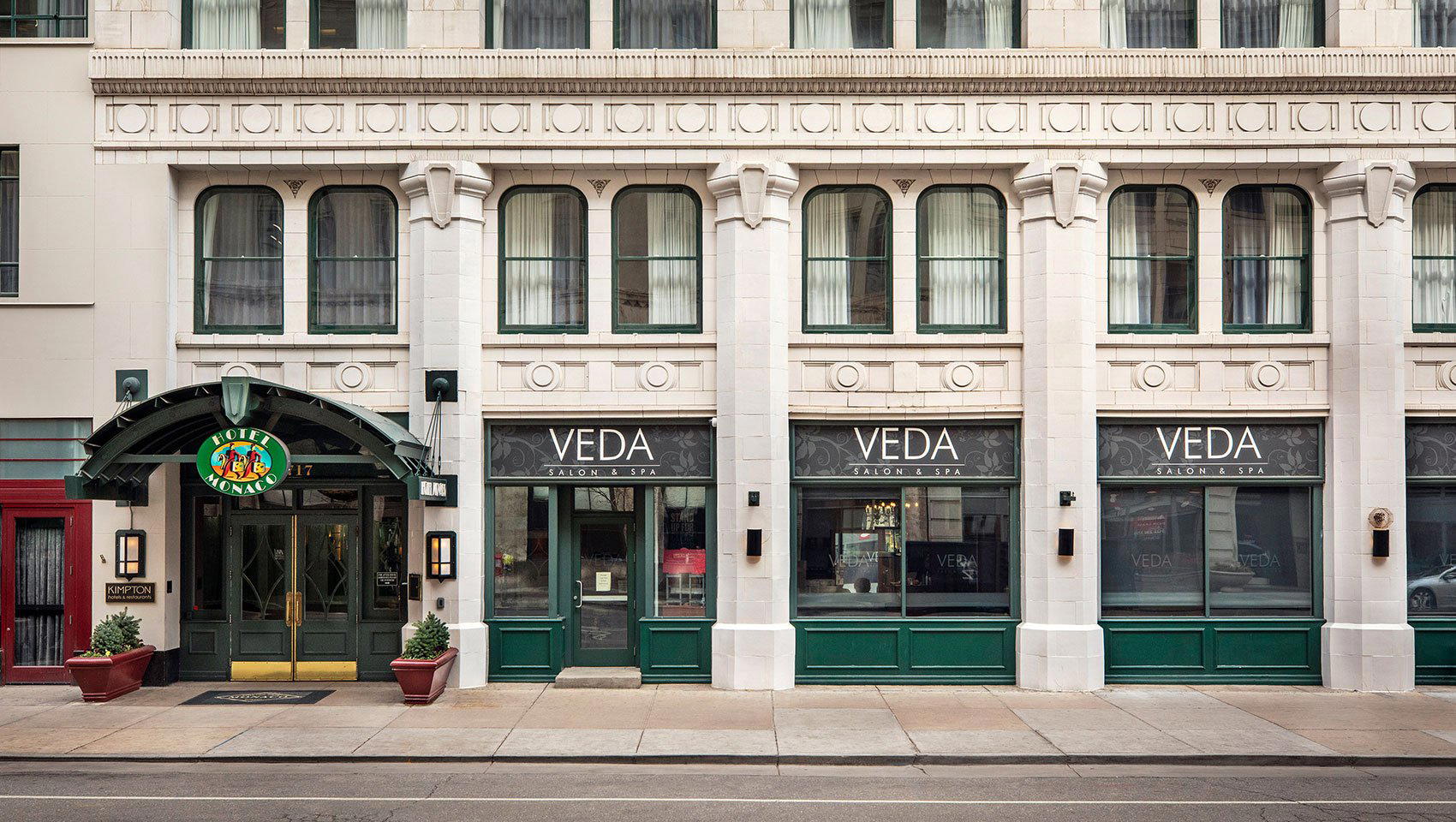
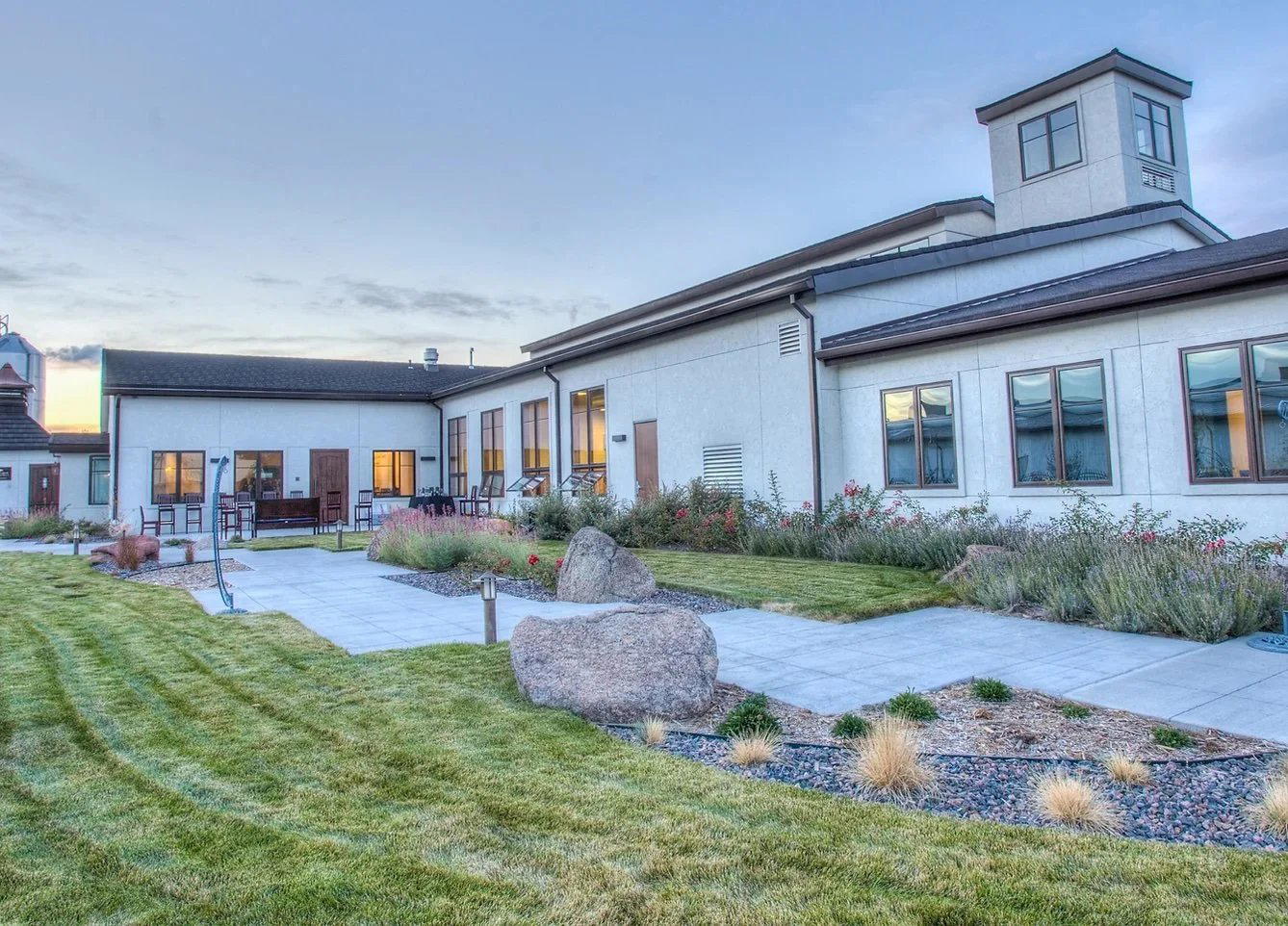
Warm chocolate tones with crisp modern decor, wall-to-wall windows overlooking Denver and the creek, chic and upscale yet relaxed atmosphere with attentive service.