Our verdict
On College Street in Toronto's Little Italy, Contrada operates within a neighbourhood where ingredient provenance and Italian-rooted cooking have long shaped the block's identity. The address at 537 College St places it in a stretch that rewards those who look past the busier tourist-facing strip, where sourcing discipline and kitchen craft matter more than spectacle.

Pearl is the En Primeur Club membership app, where members save venues, book tables and use the concierge.

College Street and the Italian Sourcing Tradition
College Street between Bathurst and Ossington has functioned as Toronto's most durable Italian corridor for decades. Unlike the more curated, design-led dining rooms that define the city's Financial District or Yorkville, this stretch operates on a different register: the cooking is grounded in ingredient habit, the rooms tend toward the personal, and the clientele skews local in a way that keeps kitchen priorities honest. Contrada, at 537 College St, sits inside that tradition rather than apart from it. The address is not incidental, Little Italy's dining identity has always been less about concept and more about what arrives at the table and where it came from.
That sourcing orientation is what separates the neighbourhood's more serious kitchens from the tourist-facing trattorias that bookend the strip. In Italian regional cooking, the distance between ingredient and plate is treated as a value in itself. Shorter supply chains, seasonal adjustment, and producer relationships are the scaffolding on which the food rests. This is not a trend imported from Californian farm-to-table culture; it is the foundational logic of the cucina italiana that predates the restaurant industry by centuries. College Street's better kitchens have absorbed that logic, and Contrada operates within it.
What Ingredient Provenance Means in This Context
In Toronto's current dining conversation, sourcing claims have proliferated to the point where they require scrutiny. The city's upper-mid tier is full of menus that invoke local farms without the relationships to back it up. The restaurants that hold the claim with credibility tend to be smaller, more committed to seasonal adjustment, and less concerned with locking a menu into year-round consistency. That operational posture, accepting the friction of seasonal cooking, is the clearest signal that sourcing is structural rather than decorative.
For comparison, the city's top-tier Italian dining is represented by addresses like DaNico and Don Alfonso 1890, both of which operate at the $$$$ price point and draw on deep Italian culinary lineages. Contrada's neighbourhood context suggests a more accessible register, where the sourcing discipline shows up in daily specials and product-driven simplicity rather than multi-course tasting formats.
Across Canada, the restaurants most committed to this approach tend to share certain operational signals: limited seating, menus that shift with market availability, and a preference for producers within a defined geographic radius. Restaurant Pearl Morissette in Lincoln and Eigensinn Farm in Singhampton represent the most rigorous end of that spectrum in Ontario, where the sourcing relationship is so direct that the kitchen and the land are effectively continuous. Contrada operates in a more urban, neighbourhood-restaurant mode, but the underlying orientation toward where food comes from connects it to that broader Canadian conversation.
The College Street Room
Approaching 537 College on a weeknight, the block has the low-wattage energy of a neighbourhood that does not need to perform for visitors. The storefronts are modest, the foot traffic is purposeful, and the restaurants that have survived multiple decades here have done so because the food holds up on repeat visits. Little Italy's dining rooms tend to be compact, and the spaces that work leading on this stretch treat their size as an asset rather than a limitation, closer quarters, less distance between kitchen and table, less room for the cooking to hide behind ambience.
That physical intimacy is characteristic of the neighbourhood's better addresses and connects to the sourcing logic: when the room is small and the clientele is regular, the kitchen is accountable in a way that larger, more transient dining rooms are not. The chef has to answer for last Tuesday's decisions to the same people sitting down this Thursday. That feedback loop shapes kitchens in ways that award cycles and press coverage do not.
Toronto's Italian Dining Range
Toronto's Italian dining runs a wide range in 2024. At the formal end, tasting-menu formats and chef-driven Italian address the same $$$$ tier occupied by Alo, a contemporary benchmark that sets the standard for the city's top-end dining rooms. Below that tier, the neighbourhood restaurant occupies a space where value and craft intersect more directly. College Street has historically been that middle ground for Italian cooking in Toronto: serious enough to draw from across the city, accessible enough to function as a regular spot.
The city's other premium experiences, from the precision Japanese formats at Sushi Masaki Saito and Aburi Hana to the tasting-menu tier more broadly, operate with booking windows and price points that make them occasion dining. Contrada's College Street address positions it differently: as the kind of place where the cooking standard is high but the format is not designed to be an event.
For those building a picture of Canadian sourcing-led cooking more broadly, the reference points extend well beyond Toronto. Tanière³ in Quebec City is among the most rigorous in the country on provenance; Fogo Island Inn Dining Room in Joe Batt's Arm takes hyper-local sourcing to its geographic extreme. In Vancouver, AnnaLena operates within a similar neighbourhood-restaurant-with-serious-kitchen mode. See our full Toronto restaurants guide for a wider map of the city's dining.
Planning Your Visit
Address: 537 College St, Toronto, ON M6G 1A9. Neighbourhood: Little Italy, accessible via TTC streetcar on College. Reservations: Dress: College Street norms skew casual-smart; the neighbourhood does not enforce formality. Timing: Weekday evenings tend to reflect the neighbourhood's regular clientele more than weekend service, when foot traffic on the strip increases.
Frequently asked questions
What dish is Contrada famous for?
The restaurant's College Street position within Toronto's Little Italy places it in a cuisine tradition where pasta and market-driven Italian plates are the natural reference points, but any specific dish claims would require direct confirmation from the venue. For Italian dining with documented signatures in the city, Don Alfonso 1890 and DaNico offer verified reference points at the top of the Toronto Italian tier.
What's the ideal way to book Contrada?
Toronto's more formal Italian dining rooms at the $$$$ tier, such as Don Alfonso 1890, typically require advance reservations, while neighbourhood addresses on College Street have historically accommodated shorter booking windows.
How does Contrada fit into Toronto's Little Italy dining scene compared to restaurants elsewhere in the city?
College Street's Italian dining corridor operates at a different pitch than Toronto's downtown tasting-menu tier or the high-end Japanese formats concentrated in the Financial District and Yorkville. The neighbourhood rewards regulars and tends to produce kitchens accountable to a consistent local audience rather than a rotating visitor base. Contrada's address at 537 College places it within that local-accountability model, which in Italian culinary tradition correlates with tighter sourcing relationships and menus that reflect what is available rather than what is consistent year-round. For context on how this compares to the broader Canadian sourcing conversation, Restaurant Pearl Morissette in Lincoln and Cafe Brio in Victoria represent the neighbourhood-restaurant-with-sourcing-discipline model in other Canadian markets.
Cost and Credentials
Comparable venues nearby, for context on price, style, and recognition.
| Venue | Cuisine | Price | Awards | Notes |
|---|---|---|---|---|
| ContradaThis venue (the venue you are viewing) | Modern Italian-Canadian | Not listed | Not listed | Not listed |
| Ristorante Sotto Sotto | Authentic Italian Trattoria | $50–100 | Wine Spectator Best of Award of Excellence | Annex, Authentic Italian Trattoria |
| Mercatto | Casual Elegant Italian | $30–50 | Not listed | Bay Street Corridor, Casual Elegant Italian |
| Venga Cucina | Authentic Italian Pinsa Romana | $50–100 | Not listed | The Junction, Authentic Italian Pinsa Romana |
| Piano Piano Harbord | Modern Italian | Not listed | Not listed | Harbord Village, Modern Italian |
| Maker Pizza Cameron | Modern Pizza | $20–30 | Not listed | Chinatown, Modern Pizza |
Continue exploring
More in Toronto
Restaurants in Toronto
All restaurants in Toronto →
Bars in Toronto
All bars in Toronto →

Details
- Cozy
- Modern
- Sophisticated
- Intimate
- Date Night
- Special Occasion
- Open Kitchen
- Extensive Wine List
- Craft Cocktails
- Local Sourcing
- A La Carte
- Small Plates
Current opening hours
- Monday
- 5:30–9:30 PM
- Tuesday
- 5:30–9:30 PM
- Wednesday
- 5:30–9:30 PM
- Thursday
- 5:30–10:30 PM
- Friday
- 5:30–10:30 PM
- Saturday
- 5:30–10:30 PM
- Sunday
- 5:30–9:30 PM
Hours can change for holidays and private events. Hours as of .
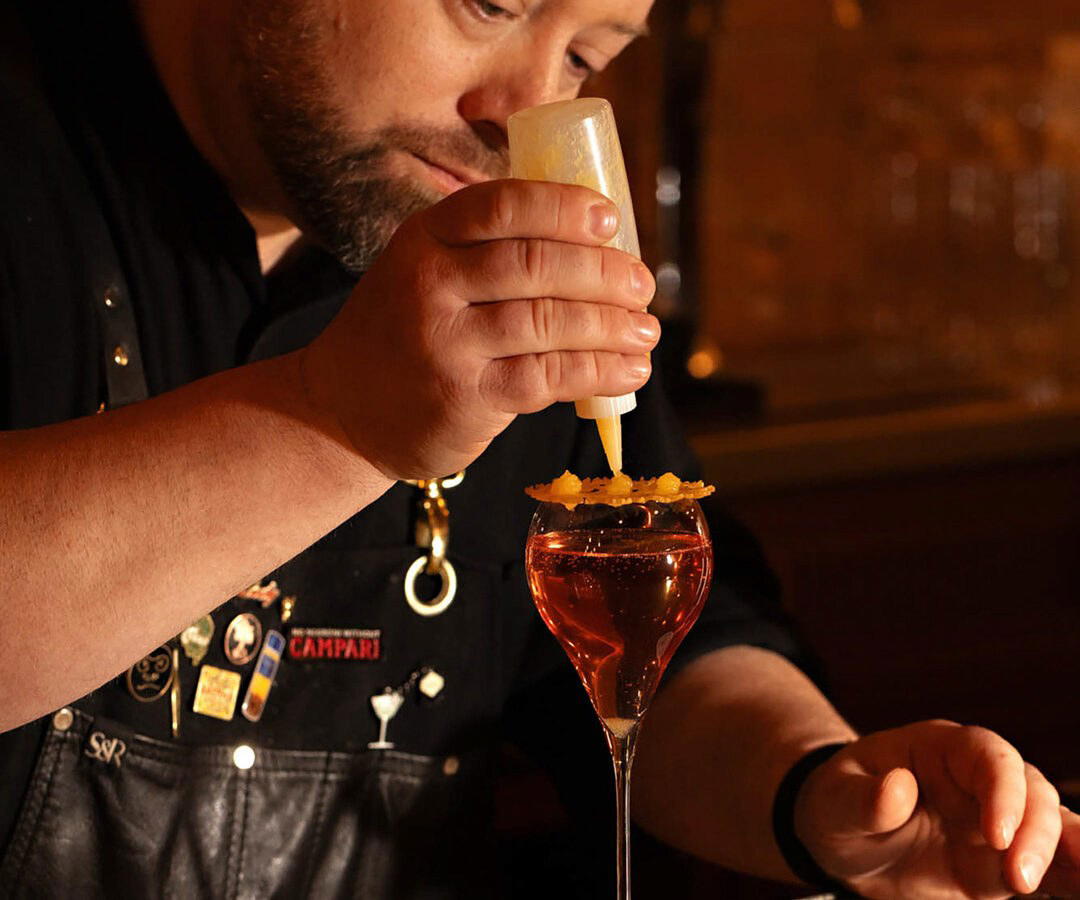
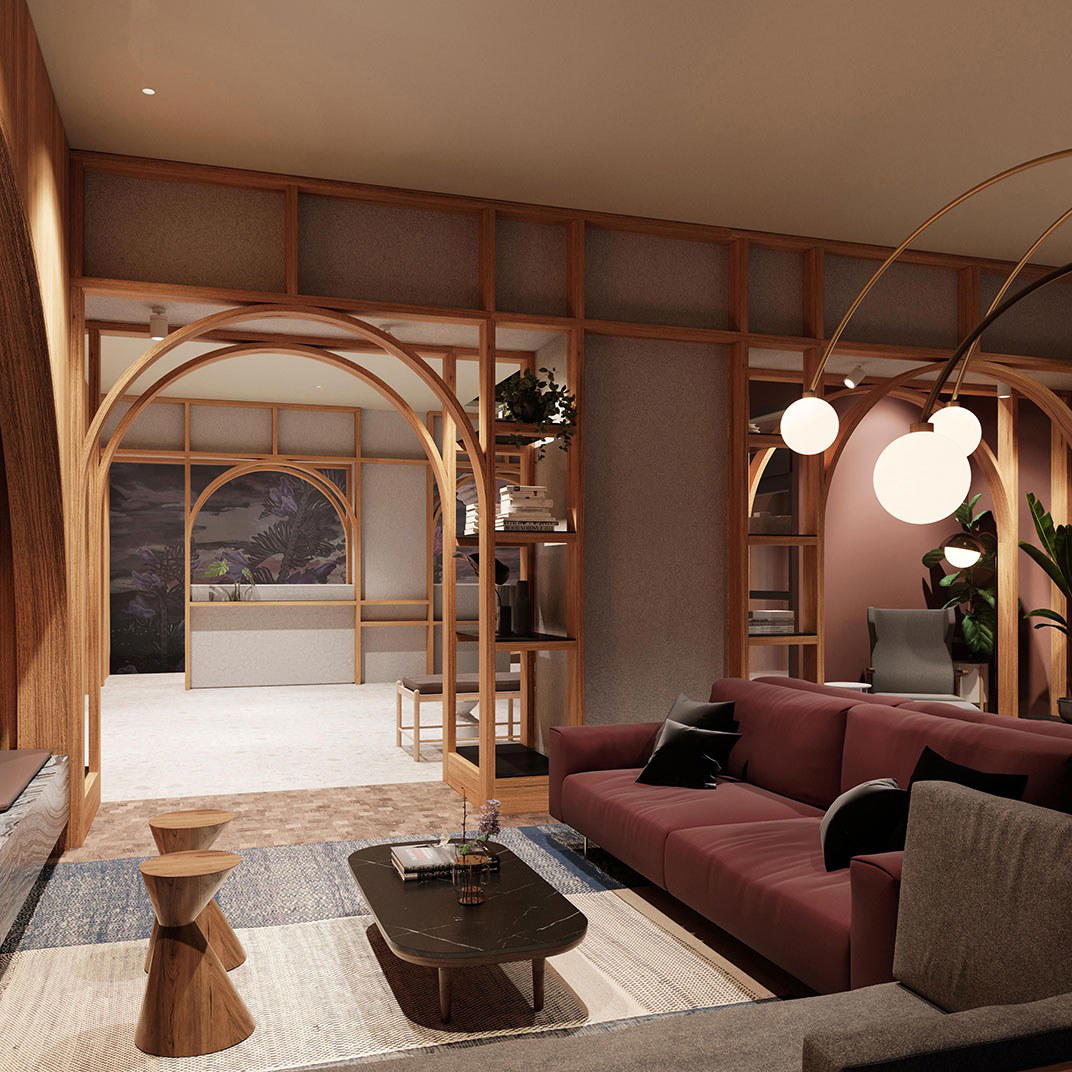
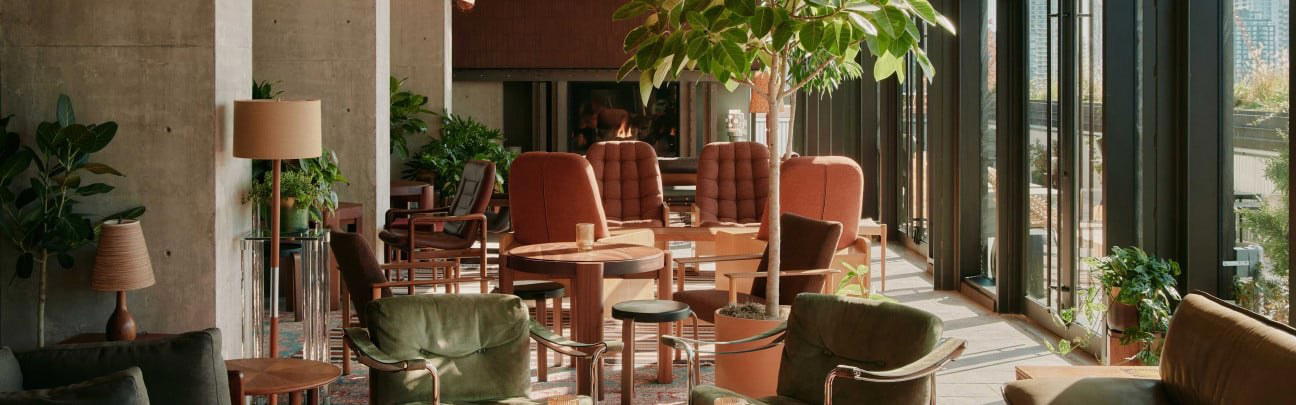
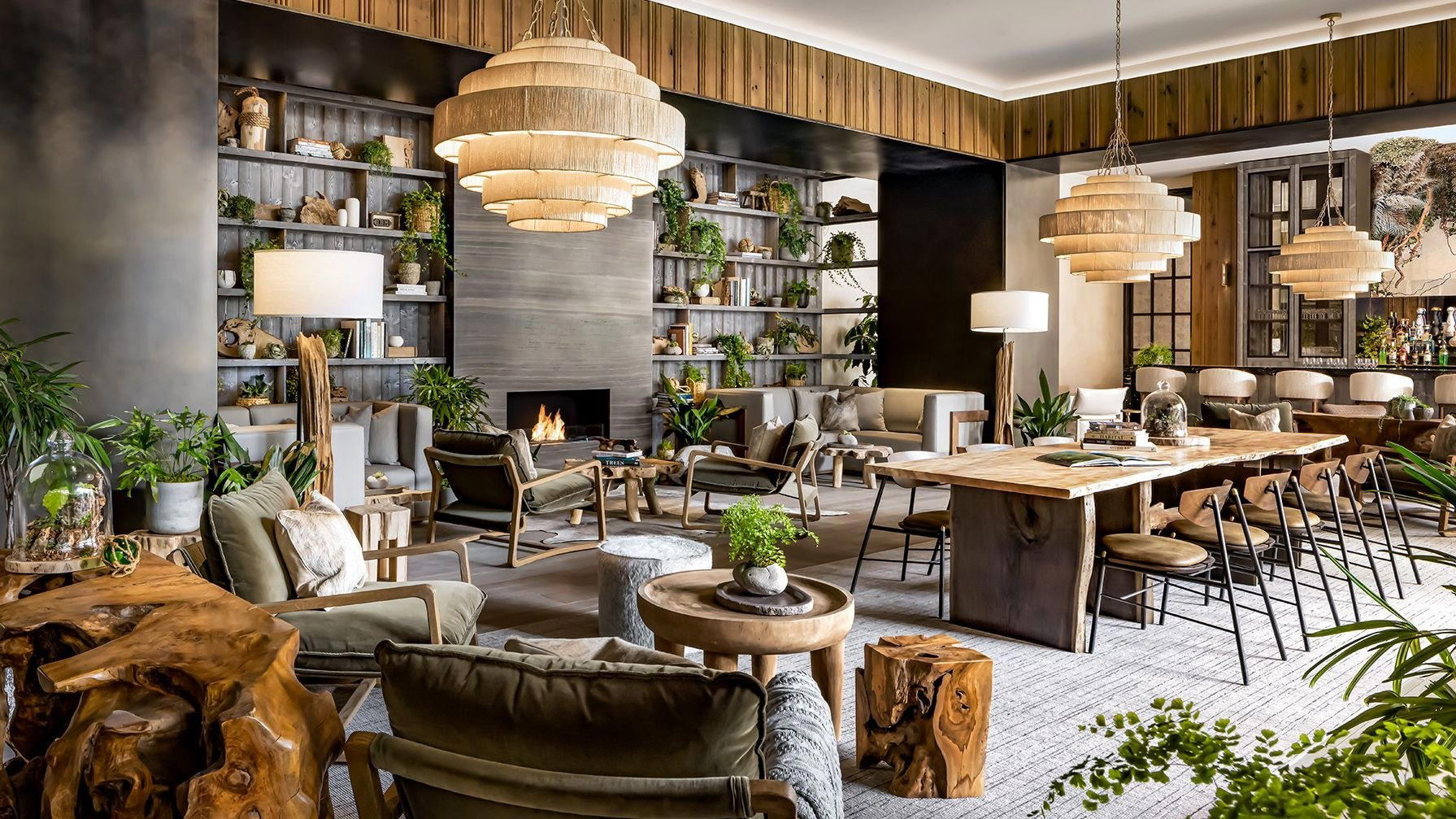
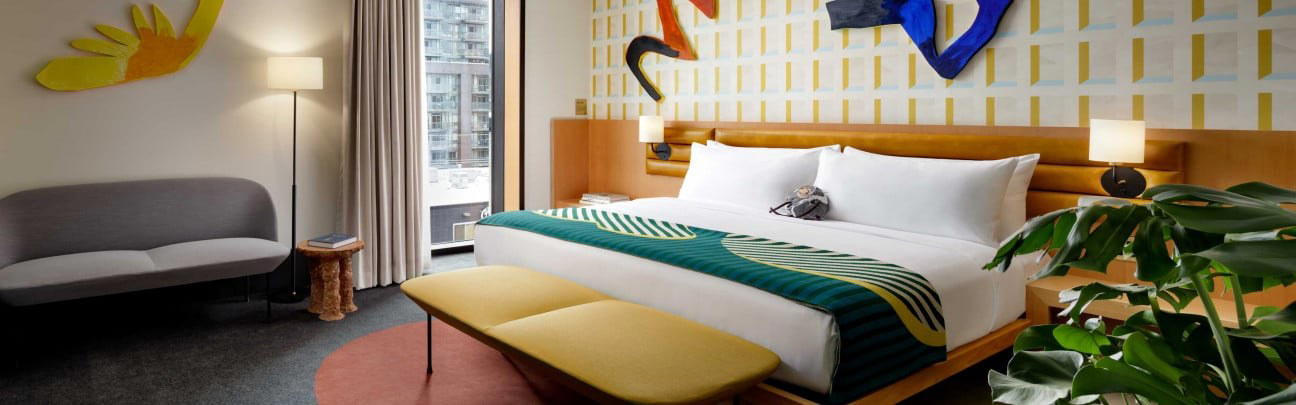
Warm and inviting with a blend of modern and vintage elements, repurposed furniture, and artwork creating a cozy, sophisticated atmosphere.