On Victoria Road in Parramatta, Colors of India occupies a stretch of western Sydney where subcontinental cooking competes on depth rather than novelty. The restaurant sits within a dining corridor that has quietly built one of Australia's more serious concentrations of regional Indian cuisine, drawing diners from across the metropolitan area who prioritise flavour specificity over inner-city convenience.
Pearl is the En Primeur Club membership app — saves, bookings, and concierge access live there. Same editors, same standards.
- Address
- 97 Victoria Rd, Parramatta NSW 2150, Australia
- Phone
- +61 412 059 547
- Website
- colorsofindia.com.au
- Directions
- Get directions
 Saves & bookings on Pearl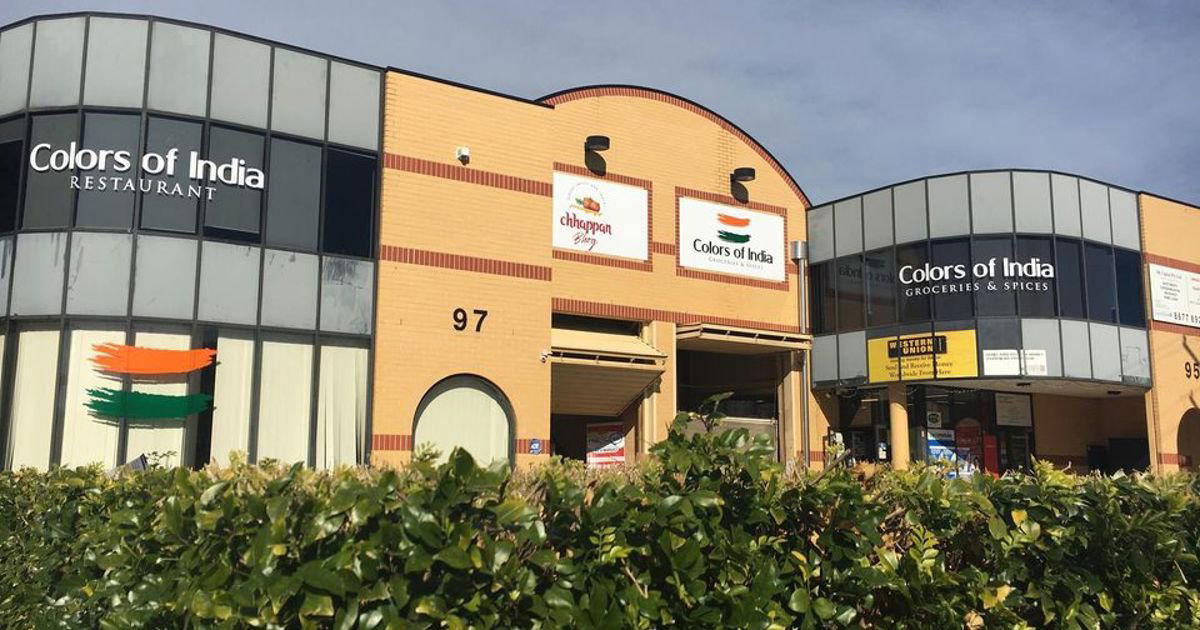
Parramatta's Indian Dining Scene and Where Colors of India Fits
Western Sydney's relationship with Indian cuisine is categorically different from what you find along the inner-city restaurant strips. In Parramatta and its surrounding suburbs, the clientele is largely community-driven, the cooking is held to a different standard of regional accuracy, and the competition is intense enough that generic curry-house shortcuts tend not to survive. Victoria Road sits inside that ecosystem, a stretch where several Indian restaurants operate within close proximity and the dining public has both the palate and the cultural reference points to judge them honestly.
Colors of India at 97 Victoria Road occupies a position in that competitive field. The address places it squarely in Parramatta's established South Asian dining corridor, where the comparable set is not the mod-Australian fine dining of venues like Rockpool or Saint Peter but rather a dense local market that rewards consistency, regional specificity, and value.
Menu Architecture: What the Structure Reveals
Indian restaurant menus in Australia tend to fall into two structural categories. The first is the pan-Indian approach: a long list covering every recognisable name from the subcontinent's regional canon, organised by protein rather than origin, designed to reassure rather than educate. The second is a tighter, more regionally anchored menu that uses structure to signal something about the kitchen's actual expertise. The distinction matters because a menu's architecture is almost always an honest reflection of what the kitchen can execute with confidence.
Parramatta's stronger Indian operators have generally moved toward menus that communicate a regional identity, whether that's Punjabi tandoor-centric cooking, the coconut-and-tamarind logic of southern Indian preparations, or the slow-cooked dum traditions of Mughal-influenced cuisine. A menu that clusters dishes around a coherent regional grammar gives the diner a more reliable basis for ordering and gives the kitchen a more defensible claim to authenticity. The name Colors of India suggests a broad-church approach rather than a single-region specialisation, which is a common positioning for restaurants serving a diverse diaspora community that spans multiple Indian states and culinary traditions.
That breadth-over-depth positioning, when done well, requires a kitchen capable of code-switching between genuinely different flavour logics: the yoghurt-and-cream richness of north Indian curries, the mustard-seed and curry-leaf aromatics of south Indian preparations, and the layered spicing of biryani traditions that differ substantially between Hyderabad, Lucknow, and Kerala. When it's done poorly, it collapses into a lowest-common-denominator buffer. The distinction between those two outcomes usually comes down to sourcing discipline and spice-blending practice rather than any single technique.
The Broader Context: Indian Cuisine in Australian Fine Dining
Indian cooking in Australia occupies a complicated position in the critical conversation. The country's most-discussed restaurants, from Brae in Birregurra to Attica in Melbourne to Botanic in Adelaide, are almost exclusively rooted in European or native-Australian ingredient traditions. Indian cuisine, despite representing one of the largest and most culinarily sophisticated diaspora communities in the country, has not yet produced an Australian venue that operates in the same conversation as, say, Le Bernardin in New York City or even the more celebrated tasting-menu formats represented by Lazy Bear in San Francisco.
That gap is not a reflection of the cuisine's depth. It reflects a structural dynamic in Australian fine dining criticism, which has historically privileged European frameworks and awarded Michelin-adjacent prestige to cooking that speaks that language. The practical consequence is that some of Australia's most technically accomplished Indian cooking happens in suburbs like Parramatta, Harris Park, and Dandenong, where rent economics and community density support serious kitchens. Venues like Ormeggio at The Spit in Mosman or Hentley Farm in Seppeltsfield exist in an entirely different critical ecosystem, one where awards, press coverage, and booking scarcity function as trust signals. Indian restaurants in western Sydney operate with different trust signals: community reputation, repeat patronage, and word-of-mouth within networks that have no particular incentive to defer to mainstream food media.
Venues like 1021 Mediterranean illustrate the area's multicultural breadth, but Indian cooking is the dominant and most-developed culinary tradition in this specific stretch of Victoria Road.
For comparison points further afield, the focused regional specificity of venues like Pipit in Pottsville, Provenance in Beechworth, or Salt Water Restaurant in Cairns illustrates a broader Australian pattern: serious cooking often happens at a geographic remove from the critical centre, and the restaurants that reward the detour are usually the ones with a clear point of view about what they're cooking and for whom. Laura at Pt Leo Estate in Merricks and Lizard Island Resort make similar arguments for destination dining in non-metropolitan settings.
- Address: 97 Victoria Road, Parramatta NSW 2150
- Getting There: T1 Western Line to Parramatta Station; Victoria Road is walkable from the station
- Price Range: About USD 25 per person
- Hours: Mon: 11 AM to 10 PM; Tue: Closed; Wed to Fri: 12 to 10 PM; Sat and Sun: 11 AM to 10 PM
Comparable Spots, Quickly
Comparable venues nearby, for context on price, style, and recognition.
| Venue | Cuisine | Price | Notes |
|---|---|---|---|
| Colors of IndiaThis venue — the venue you are viewing | Authentic Indian | $$$ | Not listed |
| 32 Miles Indian Restaurant | Modern Indian | $$ | Sans Souci |
| The Bungalow Petersham | Modern Australian Café & Restaurant | $$$ | Petersham |
| COYA | Modern Australian with Middle Eastern twist | $$$ | St Leonards |
| Opera Bar | Modern Australian Seafood with Global Flavours | $$$ | Sydney |
| Manly Grill | Beachside Steakhouse & Grill | $$$ | Manly |
Continue exploring
More in Sydney
Restaurants in Sydney
Browse all →
Bars in Sydney
Browse all →
Hotels in Sydney
Browse all →

At a Glance
- Lively
- Family
- Group Dining
- Date Night
- Business Dinner
Current opening hours
- Monday
- 11 AM–10 PM
- Tuesday
- Closed
- Wednesday
- 12–10 PM
- Thursday
- 12–10 PM
- Friday
- 12–10 PM
- Saturday
- 11 AM–10 PM
- Sunday
- 11 AM–10 PM
Hours can change for holidays and private events. Last verified .
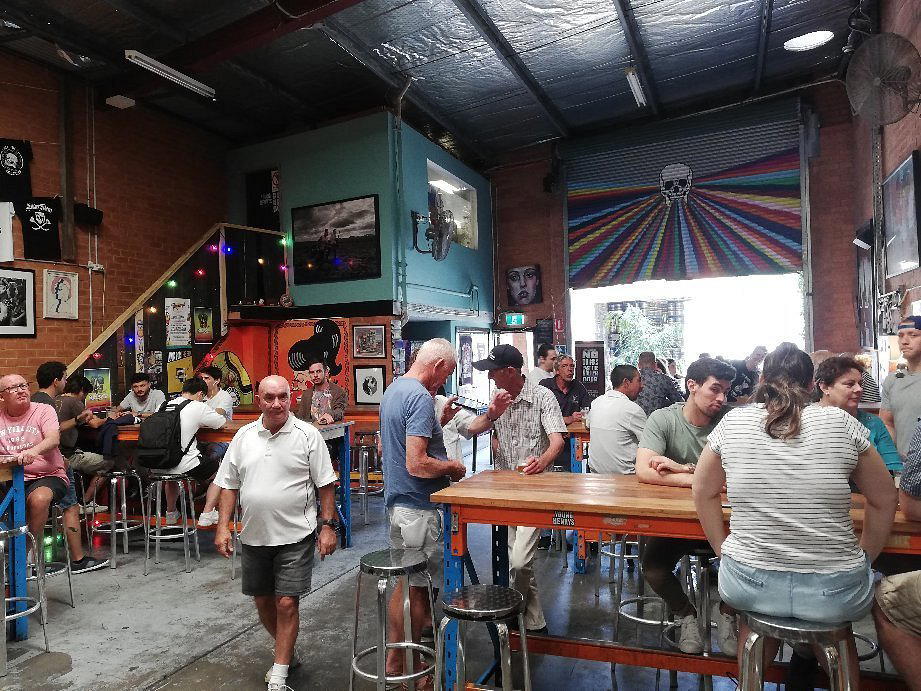
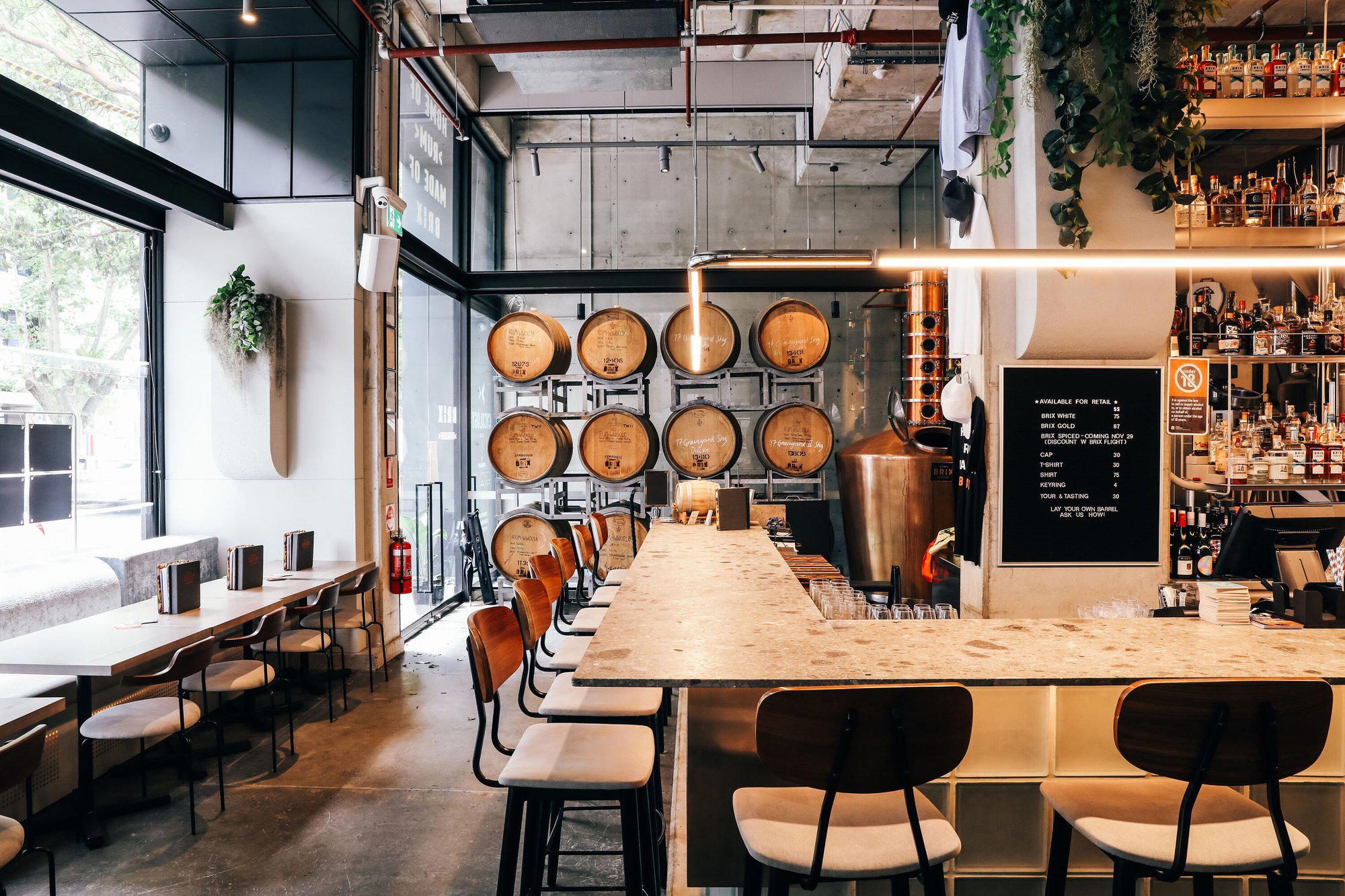
Lively and welcoming atmosphere suitable for families and groups.