On the lower North Shore, COYA occupies a position in Sydney's dining scene where Latin American cooking traditions meet the city's appetite for bold, ingredient-driven menus. Located on Pacific Highway in St Leonards, it draws a neighbourhood crowd alongside destination diners from across the city seeking something distinct from the Australian-produce-first format that dominates the upper end of Sydney dining.
Pearl is the En Primeur Club membership app — saves, bookings, and concierge access live there. Same editors, same standards.
- Address
- 567 Pacific Hwy, St Leonards NSW 2065, Australia
- Phone
- +61299817053
- Website
- coyasydney.com.au
- Directions
- Get directions
 Saves & bookings on Pearl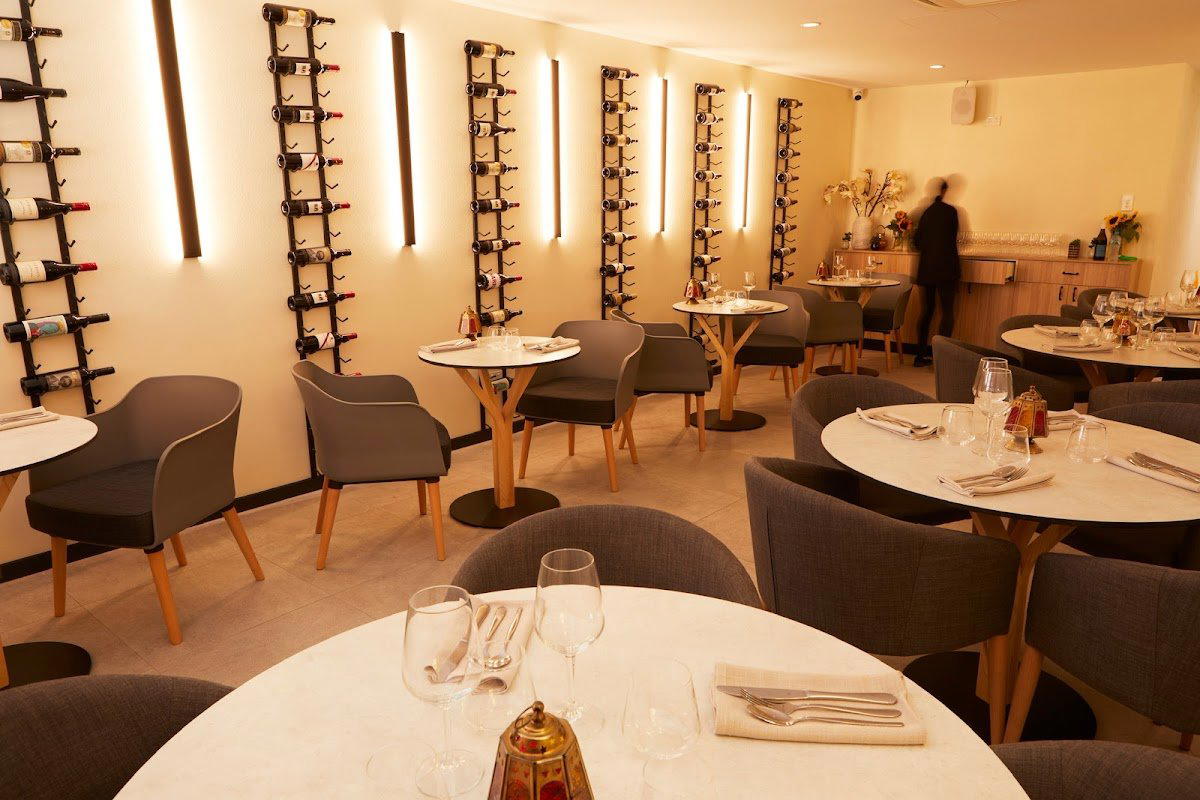
St Leonards and the Lower North Shore's Dining Identity
Sydney's lower North Shore has long operated in the shadow of the CBD's restaurant concentration, but the strip running through St Leonards and the surrounding suburbs has developed a reliable mid-to-upper dining tier of its own. The Pacific Highway corridor, where COYA sits at number 567, functions as a neighbourhood anchor rather than a destination strip — which means the room tends to fill with regulars who return for consistency rather than novelty-seekers chasing a new opening. That dynamic shapes everything from service rhythm to menu depth. Restaurants that survive on this kind of trade learn quickly that the front-of-house relationship with the regular diner matters as much as what comes out of the kitchen.
Latin American cooking has carved a specific niche in Sydney over the past decade. While the city's fine-dining conversation has been dominated by Australian-produce-first kitchens — the lineage running from Rockpool through to contemporary seafood-focused rooms like Saint Peter, there has been a parallel track of restaurants drawing on Central and South American technique, acidity, and spice architecture. These kitchens operate with a different set of reference points: ceviche discipline, the structural use of chilli, the layering of fermented and pickled elements alongside protein-forward dishes. COYA sits inside that tradition.
The Room and What You Encounter on Arrival
The address on Pacific Highway places COYA in a commercial streetscape rather than a laneway or heritage precinct. Approaching from the street, the venue reads as a neighbourhood restaurant with evening dining ambitions rather than a lunch-counter operation. Inside, the design sensibility that defines Latin American-influenced rooms in this price tier typically combines warm tones, textured surfaces, and low lighting, a deliberate contrast to the clinical modernism that characterises many Australian tasting-menu formats. The atmosphere is built for conversation, which in turn creates the conditions for a front-of-house team that can engage rather than simply process tables.
That front-of-house dynamic is worth noting because Latin American dining formats at this level depend heavily on how the room is read and paced. The sequence of small plates, shared dishes, and protein centrepieces that defines this style of menu only lands correctly when the team between the pass and the table is communicating well. The leading rooms in this format, whether at the international reference points like Le Bernardin in New York City or at Australian addresses, work because the service team understands the architecture of the menu as well as the kitchen does.
Kitchen, Collaboration, and Menu Logic
The editorial angle that matters most for a room like COYA is not any single dish or technique but the internal collaboration that makes the format work. In restaurants operating a Latin American-influenced menu at the neighbourhood-anchor level, the kitchen team needs to balance two pressures simultaneously: fidelity to the technical disciplines of the cuisine (the precision of ceviche acidity, the management of char and smoke in grilled preparations, the calibration of heat across a multi-course sequence) and the practical reality of feeding regulars who will return multiple times across a season.
This is a different creative challenge from the one facing tasting-menu formats at Brae in Birregurra, Attica in Melbourne, or Botanic in Adelaide, where a single extended menu can be refined over an entire season with a captive audience experiencing it fresh each time. A neighbourhood room needs the menu to have enough stability for regulars to rely on familiar dishes while maintaining sufficient rotation to keep those same regulars engaged. The sommelier's role inside this dynamic is to build a wine and drinks program that scales across both the lighter acid-driven plates and the heavier protein courses without requiring the diner to rebuild their order from scratch on every visit.
For a cuisine that leans on citrus, fermentation, and chilli as structural elements, the beverage pairing demands real attention. The oxygen between a ceviche course and a slow-cooked meat plate is considerable, and programs at this level in Sydney tend to address it through a combination of South American wine references, Malbec from Mendoza, coastal Chilean whites, and broader selections that give the front-of-house team flexibility when a table is ordering selectively rather than committing to a full pairing sequence.
Sydney Context and Where COYA Sits in the Wider Scene
Positioning COYA within Sydney's broader restaurant conversation requires acknowledging that the city's upper dining tier is currently defined by Australian provenance narratives, seafood excellence, and tasting-menu formats. The conversation around venues like Ormeggio at The Spit in Mosman and Pipit in Pottsville centres on hyper-local sourcing and chef-driven tasting menus. COYA operates in a different register: Latin American cooking in a neighbourhood format that prioritises the diner's experience of the room as much as the kitchen's ambition.
That positioning has analogues in other Australian cities, Hentley Farm in Seppeltsfield, Laura at Pt Leo Estate in Merricks, and Provenance in Beechworth all demonstrate that serious cooking outside the CBD or major inner-city strips can build loyal followings when the room has a clear identity. The parallel internationally holds too: the community-anchor restaurant model, where a kitchen with genuine technical commitment operates in a non-destination location, is well-established in cities like San Francisco, where venues such as Lazy Bear have built strong reputations outside the conventional fine-dining geography.
Within Sydney itself, the reference set for Latin American-influenced cooking at this level includes venues operating across the inner west and lower North Shore, none of which have yet achieved the recognition tier of the city's Australian-cuisine leaders. That gap represents both the relative youth of this segment in Sydney and the ongoing challenge of building critical mass and press attention outside the CBD-adjacent corridors where reviewers concentrate. For comparison, the Mediterranean-influenced end of Sydney's mid-upper dining scene, represented by venues like 1021 Mediterranean, has faced similar positioning questions about how to build profile outside the city's default review geography. See our full Sydney restaurants guide for the broader picture, including entries for 10 Pounds and 10 William St.
For diners making the trip from the CBD or inner suburbs, St Leonards is direct to reach on the North Shore line, with the restaurant a short walk from the station. The lower North Shore also connects to broader dining circuits that extend toward Salt Water Restaurant in Cairns and coastal properties like Lizard Island Resort for travellers building a Queensland extension into a Sydney trip.
Know Before You Go
- Address: 567 Pacific Hwy, St Leonards NSW 2065
- Getting there: St Leonards station (North Shore line) is within walking distance
- Price range: Not publicly confirmed; expect mid-to-upper neighbourhood pricing
- Hours: Not publicly confirmed; verify before visiting
Just the Basics
| Venue | Cuisine |
|---|---|
| COYAThis venue — the venue you are viewing | Not listed |
| Rockpool | Australian Cuisine |
| Saint Peter | Australian Seafood |
| BENTLEY Restaurant & Bar | Australian Modern |
| Bennelong | Australian Cuisine |
Continue exploring
More in Sydney
Restaurants in Sydney
Browse all →
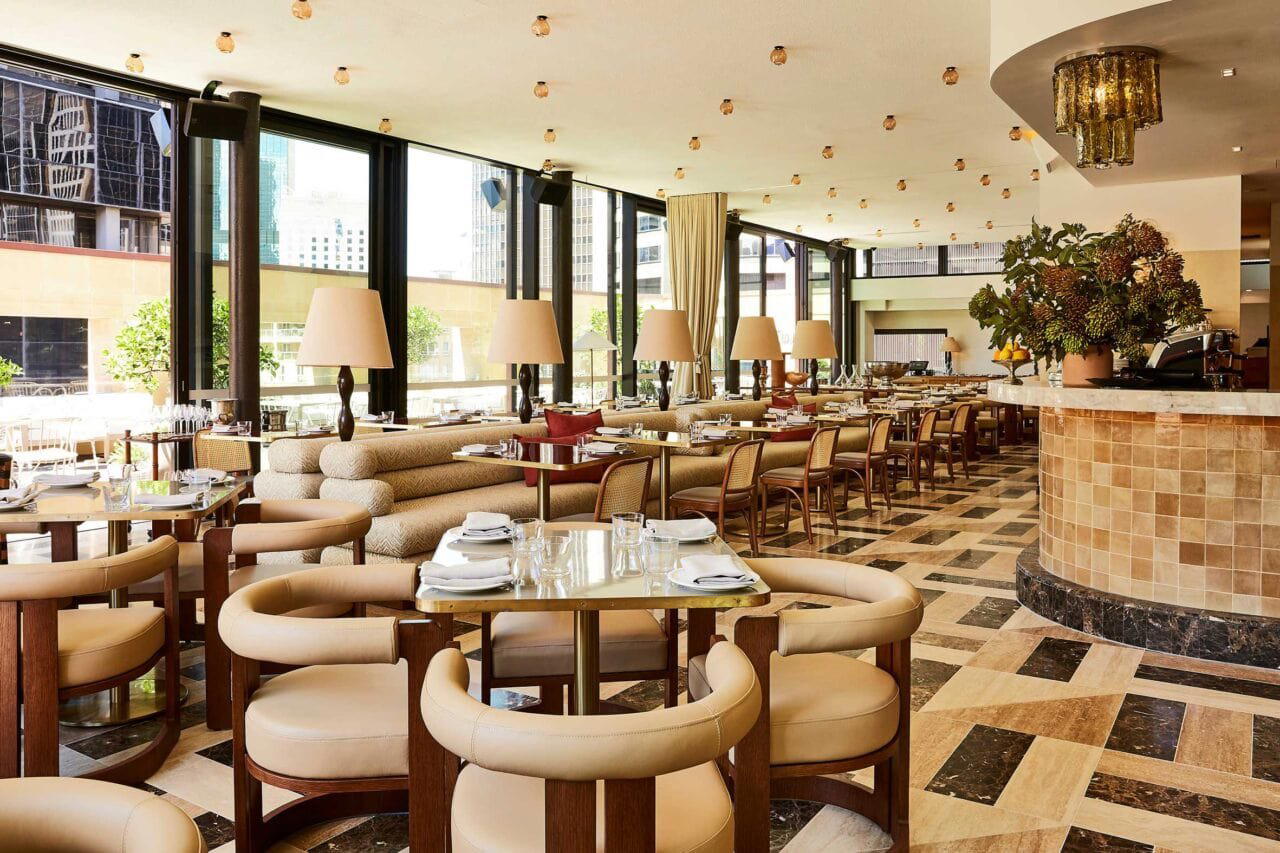
Bars in Sydney
Browse all →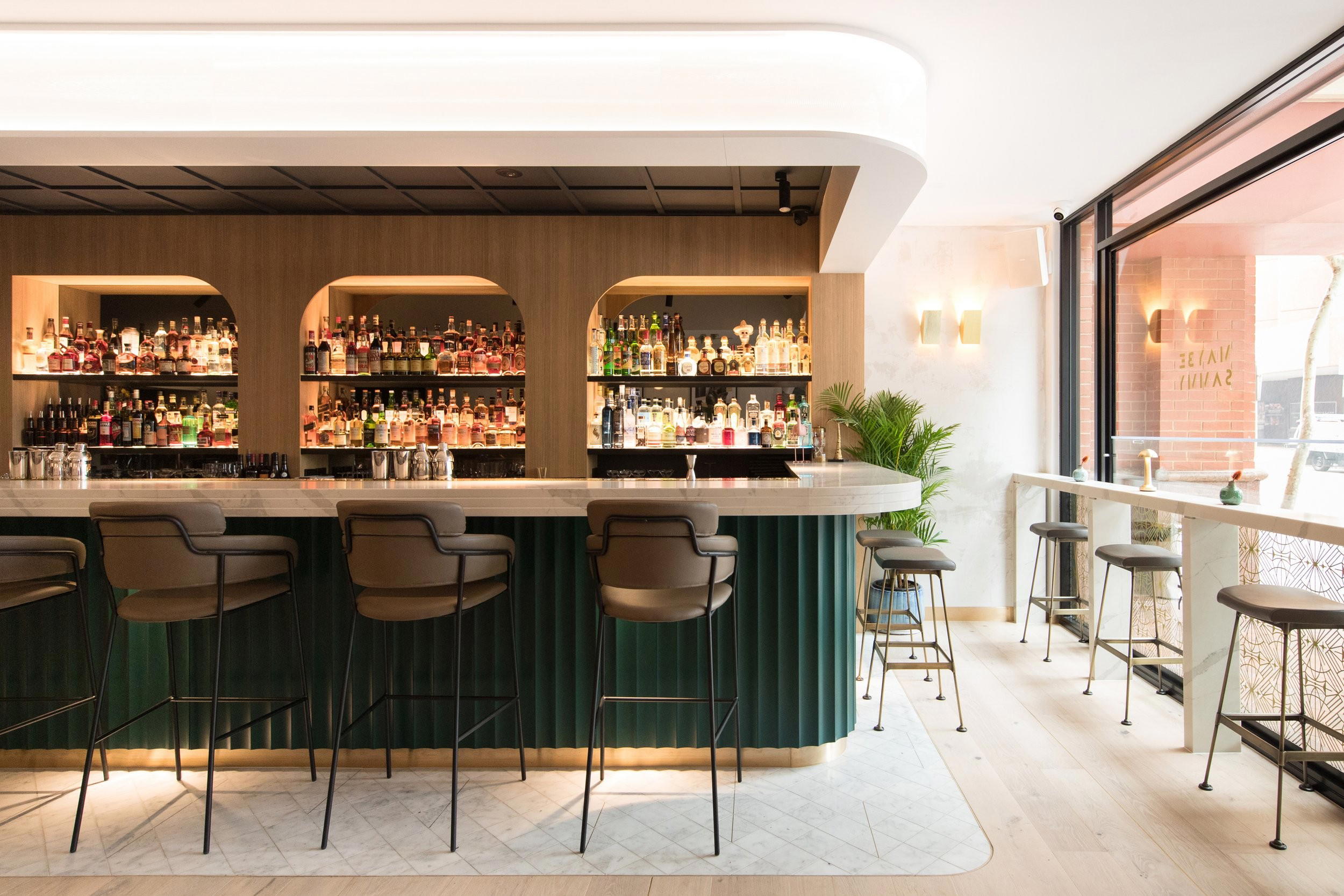
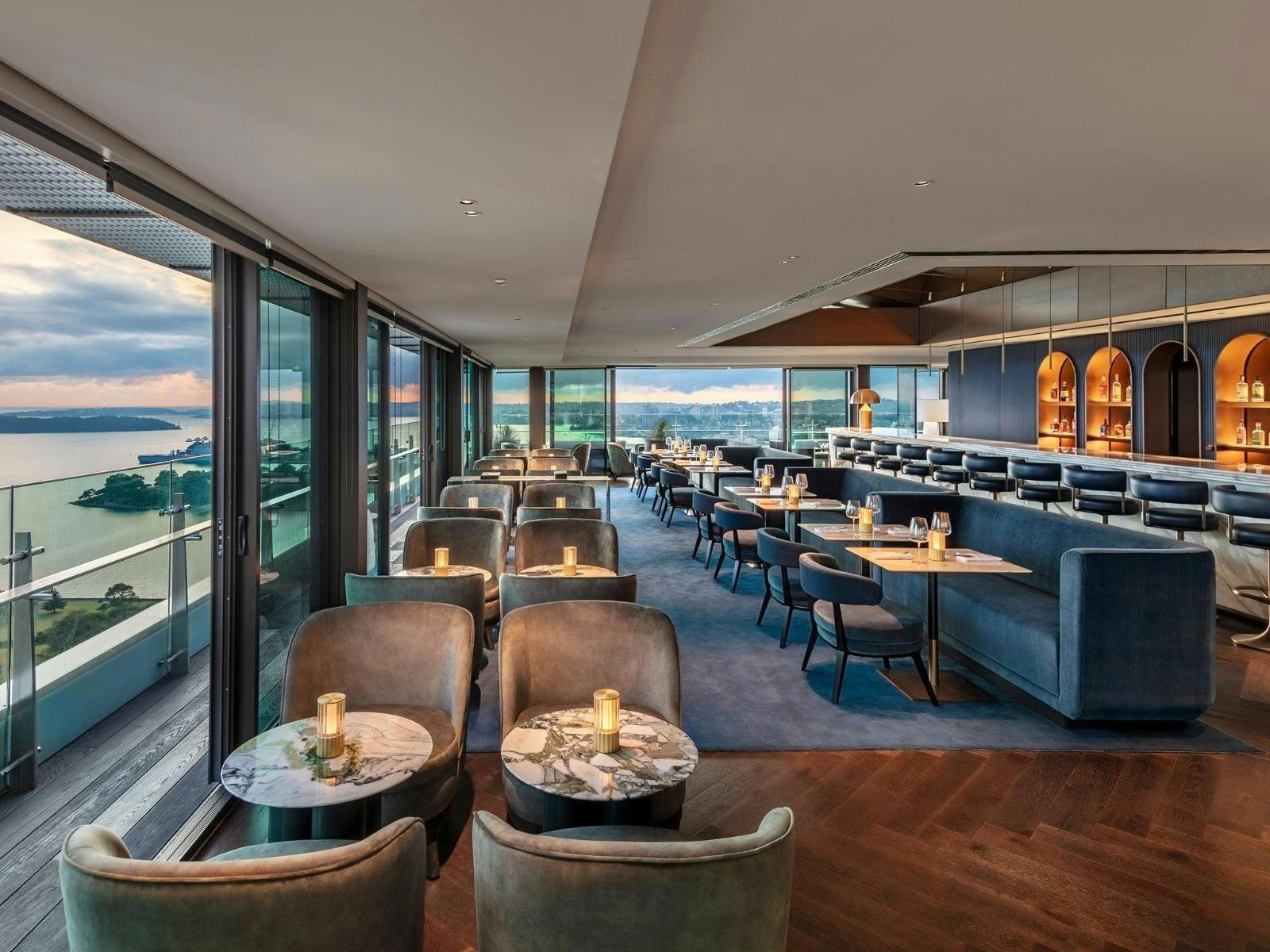
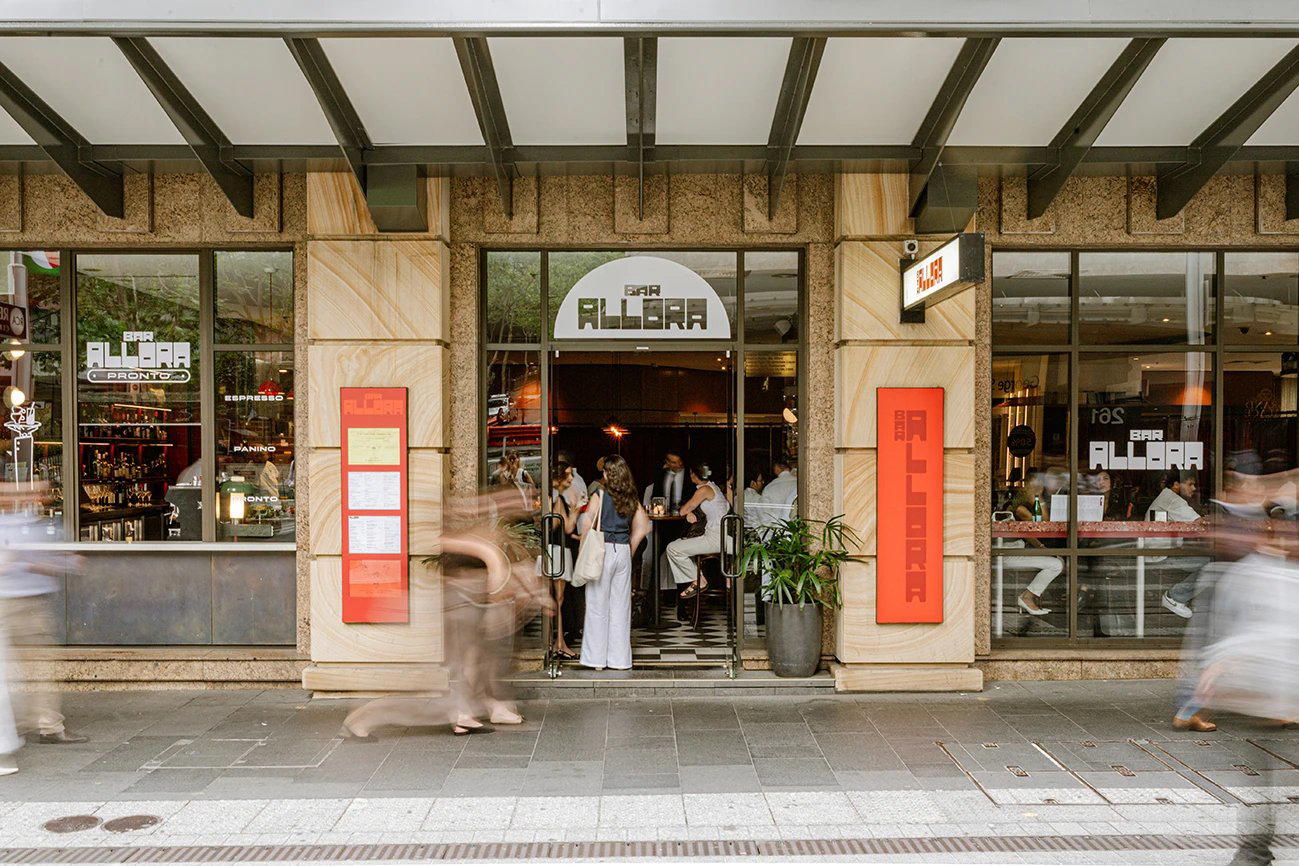
Hotels in Sydney
Browse all →


At a Glance
- Elegant
- Cozy
- Date Night
- Special Occasion
- Group Dining
Current opening hours
- Monday
- Closed
- Tuesday
- Closed
- Wednesday
- 5:30–9 PM
- Thursday
- 5:30–9 PM
- Friday
- 5:30–9 PM
- Saturday
- 5:30–9 PM
- Sunday
- Closed
Hours can change for holidays and private events. Last verified .
Relaxing and warm atmosphere with sublime setting
Know Before You Go
- Getting there
- 567 Pacific Hwy, St Leonards NSW 2065, Australia