Colita
Colita sits on Penn Avenue South in the Tangletown neighbourhood of Minneapolis, operating in a city where creative, regionally-rooted dining has developed a seriousness that rivals larger American food cities. The restaurant draws from Latin American culinary traditions in a dining room that rewards attention and patience, the kind of place where the pace of service is itself part of what you're paying for.
Pearl is the En Primeur Club membership app — saves, bookings, and concierge access live there. Same editors, same standards.
- Address
- 5400 Penn Ave S, Minneapolis, MN 55419
- Phone
- +16128861606
- Website
- colitampls.com
- Directions
- Get directions
 Saves & bookings on Pearl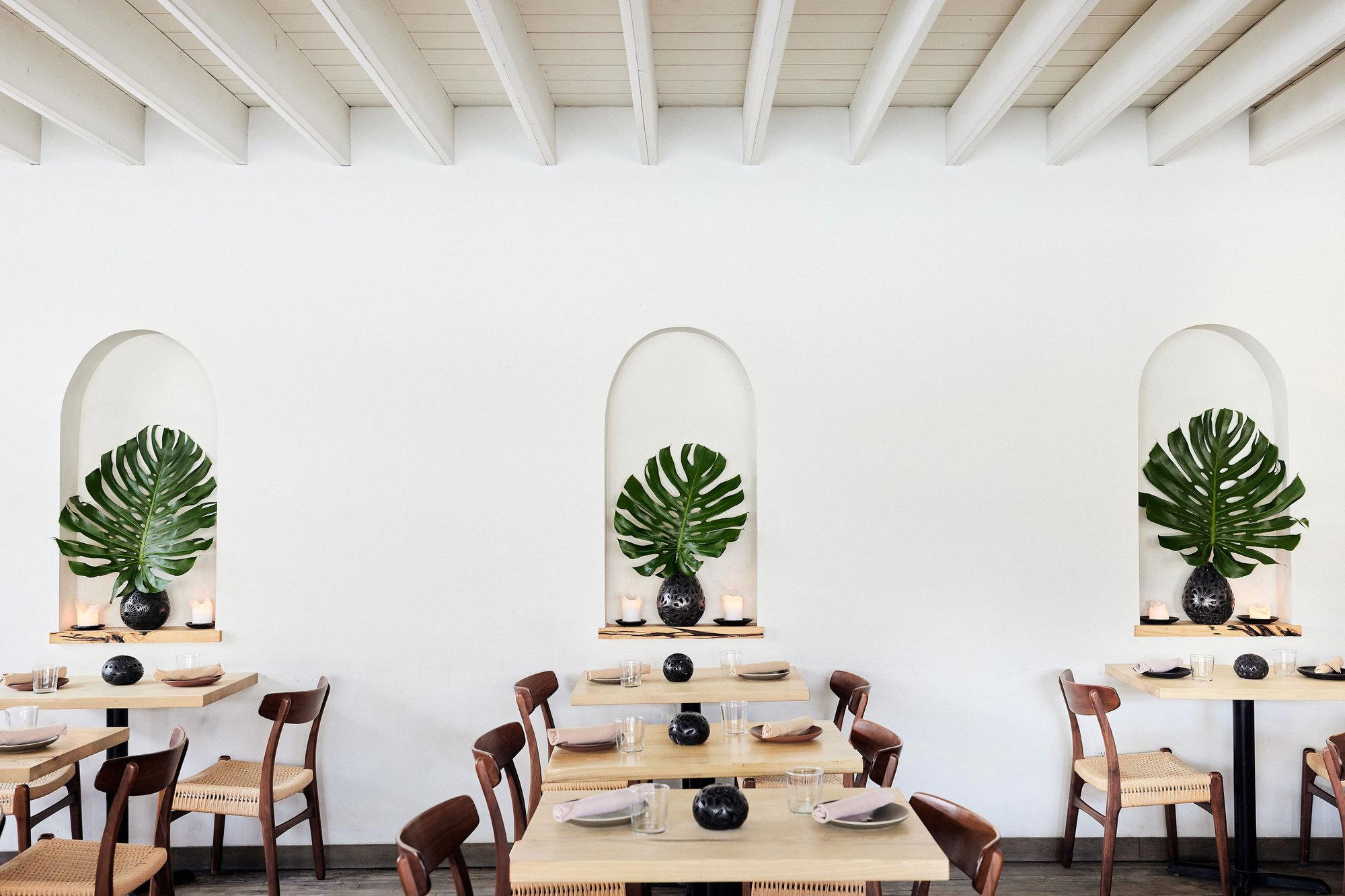
Penn Avenue South and the Ritual of the Meal
Minneapolis has spent the better part of a decade assembling a dining culture that punches well above its population weight. The city that produced James Beard recognition for Owamni and built the reputation of Spoon & Stable now sustains a bracket of neighbourhood restaurants serious enough to compete on craft without competing on theatre. Colita, at 5400 Penn Ave S in the Tangletown neighbourhood, belongs to that bracket. The address alone signals something about intent: Penn Avenue South is residential territory, the kind of street where a restaurant earns its clientele through word of mouth and repeat visits rather than hotel concierge lists.
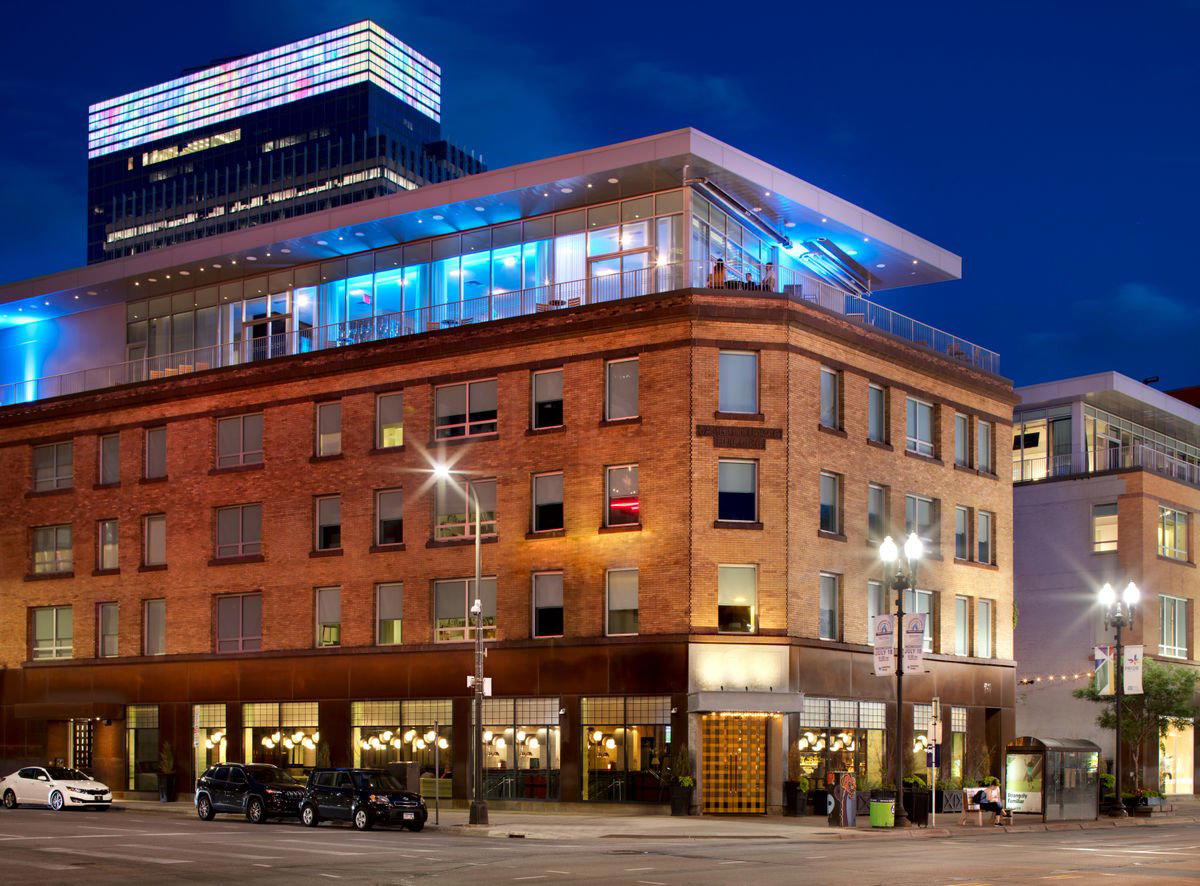
Approaching the building from Penn Avenue, the scale is deliberately modest. This is not a destination dressed for arrival drama. What it offers instead is the particular quality of a room that has been arranged for the meal itself, where the architecture of the evening is built around what arrives at the table and in what order, not around how the space photographs. In American cities where restaurant openings increasingly orient themselves around the visual, that restraint carries its own editorial statement.
The Pacing and Logic of a Latin-Rooted Table
Latin American dining traditions have a specific relationship with time that distinguishes them from the northern European model most American fine dining inherited. A meal paced through multiple small courses, with pauses built in rather than apologised for, is not inefficiency, it is the format itself. Minneapolis diners who come to Colita from steakhouse culture, from the direct transactional model of a place like Kincaid's or Manny's Steakhouse, may find the rhythm here takes a beat or two to calibrate to. That recalibration is part of what the restaurant is offering.
Across American cities, the restaurants that have done much to establish Latin American cuisine as a serious fine dining proposition have tended to share a few common features: they resist the impulse to exoticise their own traditions for a non-Latin audience, they build menus around technique and sourcing rather than novelty, and they accept that the meal will take the time it takes. Lazy Bear in San Francisco demonstrated that communal, experience-led formats can hold significant critical weight. Smyth in Chicago showed how a tasting format anchored in local ingredient cycles can sustain long-term relevance. The comparison set matters because it frames what Colita is doing in a broader national conversation about how dining rituals are being renegotiated.
Minneapolis in the Midwestern Dining Argument
The Midwest has historically been underrepresented in national food media, a gap that has closed significantly over the past decade. Minneapolis sits at the centre of that correction. Hai Hai, a James Beard-nominated restaurant in the city, demonstrated that Southeast Asian flavours could find a committed audience in this market. Owamni's James Beard Award for Leading New Restaurant in 2022 made national headlines and repositioned Minneapolis as a city where originality in cuisine concept is actively rewarded. 112 Eatery has held its place in the city's conversation for years on the basis of consistent kitchen discipline rather than trend-chasing.
Colita enters this context as a restaurant whose location in a southern Minneapolis neighbourhood rather than the downtown core or North Loop puts it in a different relationship with its audience. Tangletown is a quiet, largely residential area. A restaurant at this address is making a deliberate choice about who it is primarily serving: local diners with enough engagement to seek it out, rather than visitors triangulating from a hotel. That neighbourhood specificity is itself a kind of editorial position.
Dining Ritual as the Frame
The restaurants that sustain reputations across competitive American dining markets tend to have one thing in common: they have a clear theory of how a meal should unfold. Particularly celebrated examples, The French Laundry in Napa, Le Bernardin in New York City, Blue Hill at Stone Barns in Tarrytown, are places where the sequence, the pacing, the logic of what follows what is as considered as the food itself. At a different scale, restaurants like Addison in San Diego, Providence in Los Angeles, and Single Thread Farm in Healdsburg have built their reputations on that same principle applied to distinct regional identities.
What distinguishes the ritual at Latin American-rooted tables specifically is that the structure often derives from traditions of communal eating, of dishes arriving to be shared rather than portioned, of conversation as an assumed part of the meal's architecture. That format places different demands on both kitchen and diner. The kitchen must calibrate timing across a table rather than per plate. The diner must be willing to give the evening over to the meal rather than fitting the meal into the evening. For a Minneapolis audience accustomed to the more compressed rhythms of a restaurant like Brasa Rotisserie, that shift in register can be one memorable part of the experience. Other restaurants pushing structured dining formats to their limits, Atomix in New York City, The Inn at Little Washington, Atelier Moessmer Norbert Niederkofler in Brunico, all share the same underlying premise: the meal is the event, not an accessory to it.
Nearby, 4801 S Minnehaha Dr anchors another southern Minneapolis dining node, giving the southern neighbourhoods more critical mass than visitors who orient entirely around downtown Minneapolis tend to credit.
Know Before You Go
- Address: 5400 Penn Ave S, Minneapolis, MN 55419
- Neighbourhood: Tangletown, south Minneapolis
- Cuisine orientation: Latin American-rooted
Comparable Spots
Comparable venues nearby, for context on price, style, and recognition.
| Venue | Cuisine | Price | Notes |
|---|---|---|---|
| ColitaThis venue — the venue you are viewing | Modern Oaxacan Mexican | $$$ | Not listed |
| Chilango | Modern Mex-Tex | $$ | Cedar-Isles-Dean |
| Paris Dining Club | Modern French Bistro | $$$ | North Loop |
| Billy Sushi | Modern Japanese Sushi | $$$ | North Loop |
| The Curry Diva | Authentic Sri Lankan Curry House | $$ | King Field |
| 5-8 Club | Classic American Burgers | $$ | Diamond Lake |
Continue exploring
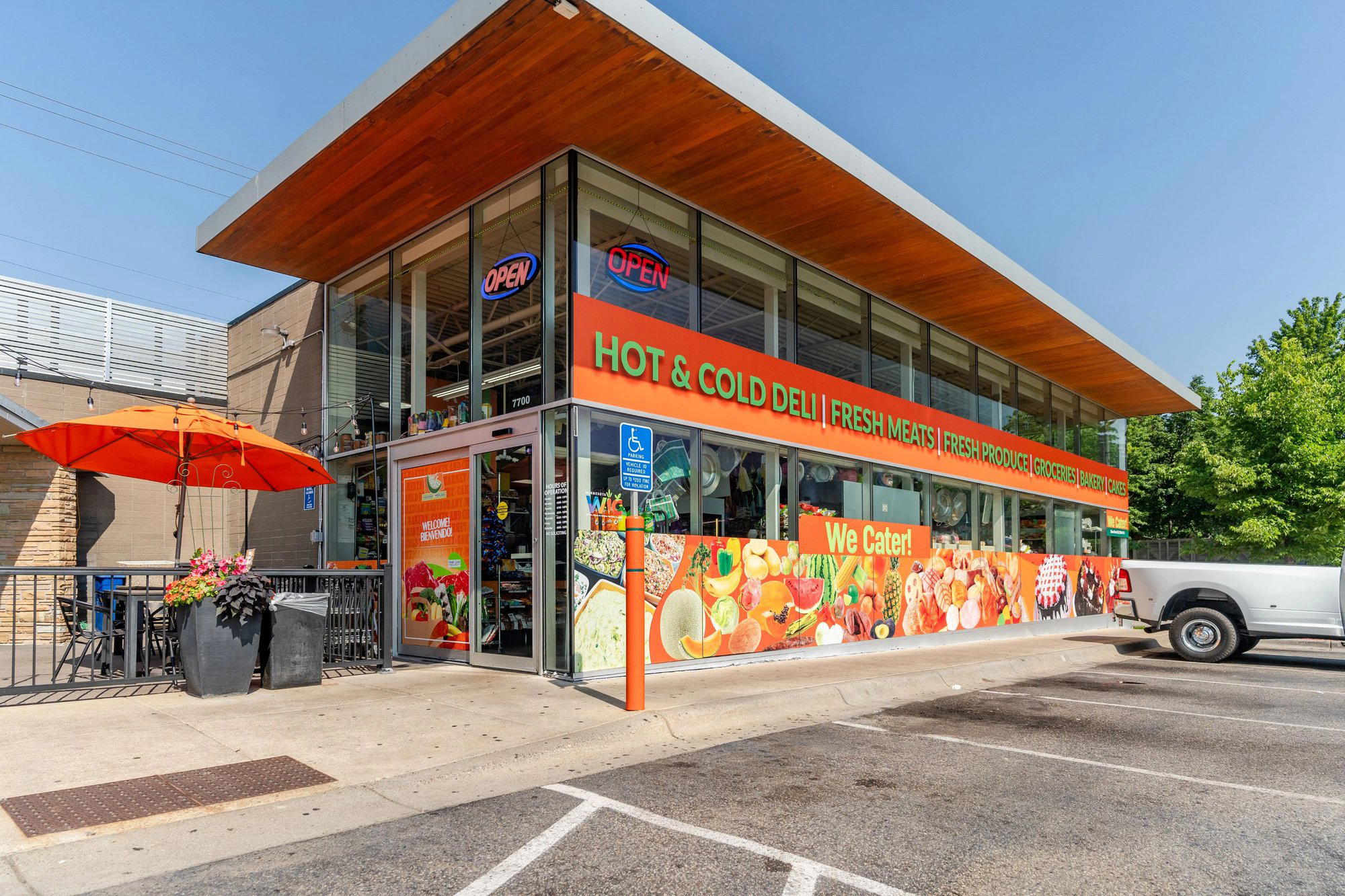
More in Minneapolis
Restaurants in Minneapolis
Browse all →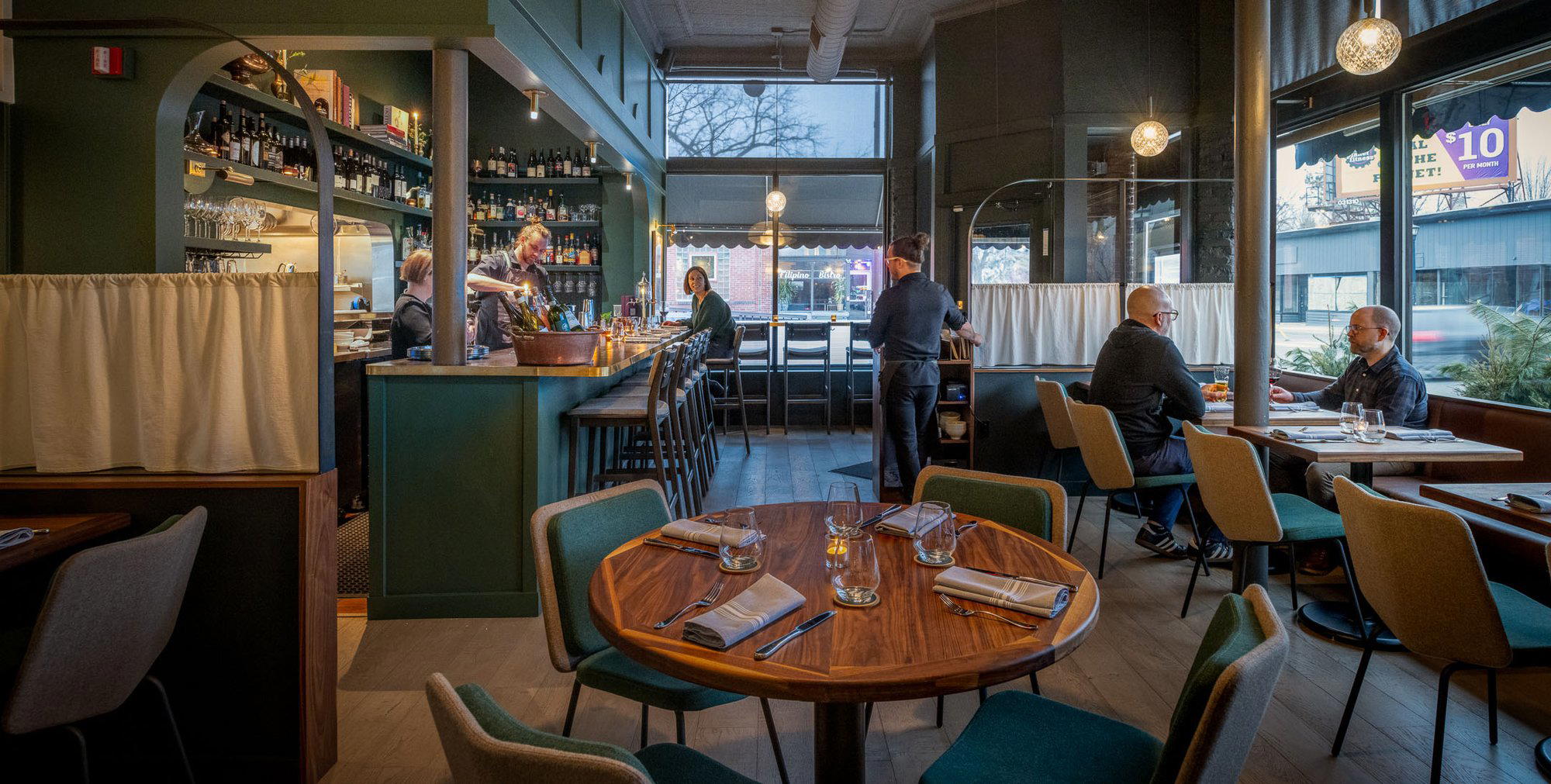
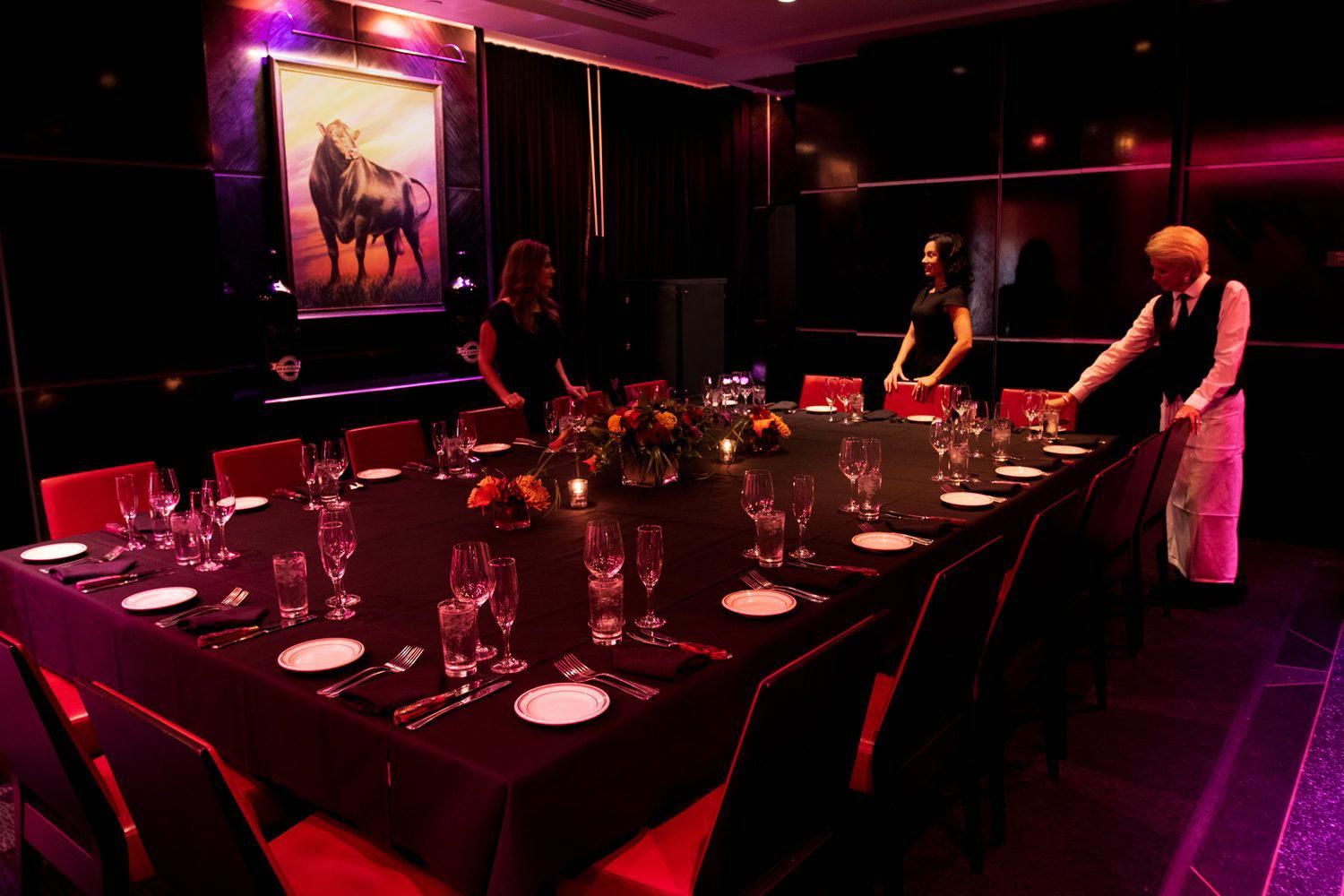
Bars in Minneapolis
Browse all →


At a Glance
- Lively
- Trendy
- Energetic
- Modern
- Group Dining
- Casual Hangout
- Date Night
- Celebration
- Open Kitchen
- Standalone
- Craft Cocktails
Current opening hours
- Monday
- 4–9 PM
- Tuesday
- 4–9 PM
- Wednesday
- 4–9 PM
- Thursday
- 4–9 PM
- Friday
- 4–10 PM
- Saturday
- 4–10 PM
- Sunday
- 4–9 PM
Hours can change for holidays and private events. Last verified .
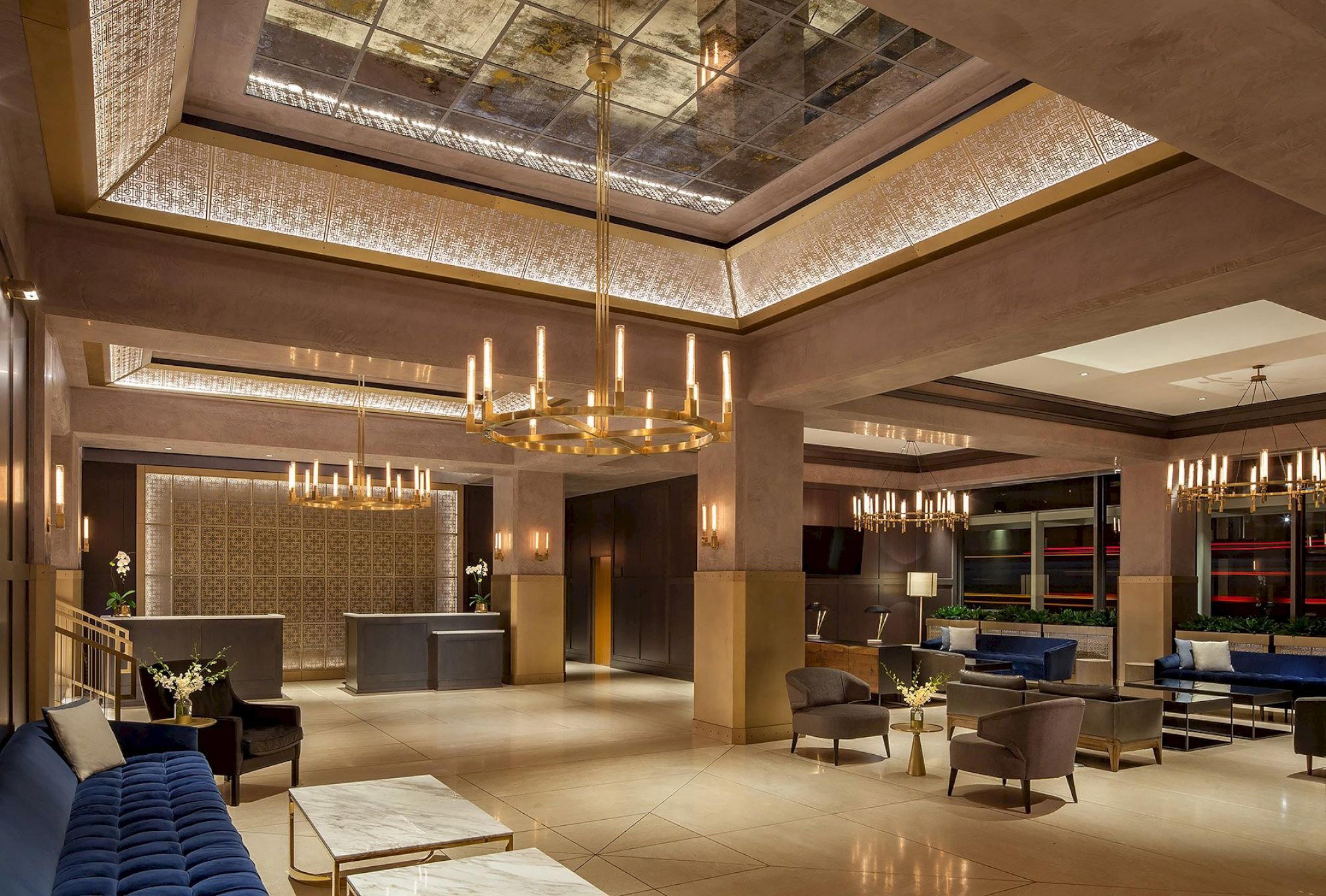
Lively and lively with high ceilings that provide acoustic space despite packed crowds; energetic atmosphere with creative plating and presentation.