Cole's French Dip
Our verdict
One of downtown Los Angeles's oldest surviving bars and eateries, Cole's French Dip at 118 E 6th St has been serving its namesake sandwich in the city's Historic Core since 1908. The sawdust-floor, dim-lit interior reads as a working document of early 20th-century American tavern culture, and the French dip format it helped pioneer remains the draw for locals and visitors alike.
The menu
What to order
- Original French Dip
- Braised Pork Dip
- Pastrami Dip
A Downtown Counter That Predates the Freeway
The Historic Core of downtown Los Angeles operates as an accidental museum. The blocks around 6th and Main contain some of the oldest continuously operating commercial spaces in the city, and the low light, wood paneling, and pressed-tin ceilings that characterize the district's surviving bars and eateries are not renovation choices. They are the original. Cole's French Dip, at 118 E 6th St, sits inside the Pacific Electric Building and has been in operation since 1908, which places it among the few Los Angeles food institutions that predate the automobile's dominance of the city's geography. Walking in from 6th Street, the room does not perform nostalgia. The patina is structural.
That longevity matters in a city whose restaurant culture turns over with unusual speed. Los Angeles has produced some of the country's most ambitious contemporary dining, from the Taiwanese-inflected tasting menus at Kato to the kaiseki precision of Hayato, the boundary-pushing progressivism of Somni, and the Italian-Californian authority of Osteria Mozza. Cole's sits at the opposite end of that spectrum, not as a lesser alternative but as a different category altogether: a document of what American bar food looked like before the concept of technique-driven cuisine arrived in the city.
The French Dip Format and Its Los Angeles Origins
The French dip sandwich occupies a genuinely contested piece of American culinary history. Cole's and Philippe The Original, less than a mile apart in downtown Los Angeles, both claim to have invented the format, with the dispute dating to approximately the same period in the early 20th century. Whatever the resolution of that argument, the basic proposition is identical at both institutions: thin-sliced roast beef, served on a French roll, with hot beef jus on the side for dipping. The technique is not French in the European sense; the name almost certainly derives from the bread style. The result is a sandwich format that rewards simplicity of execution over complexity of ingredient sourcing.
That emphasis on execution over elaboration places Cole's in an interesting position relative to the broader conversation about local ingredients and classical methods. The French dip does not require provenance storytelling or seasonal menu variation. It requires consistent quality in a narrow set of components: the roast, the bread, the jus. The format is, in this sense, an early American application of the French principle that a dish's quality is determined by the integrity of its base preparation, not by the number of its components. That parallel is worth noting when considering where Cole's fits in a city that now hosts every register of that conversation, from the hyper-local sourcing discipline at Blue Hill at Stone Barns in New York to the ingredient-forward precision of Single Thread Farm in Healdsburg.
Downtown Los Angeles as Context
The neighborhood around Cole's has changed substantially since 2000. The Historic Core and the adjacent Arts District have attracted a generation of restaurants that read the area's industrial bones as an opportunity rather than a liability. That shift brought the kind of venues that populate the higher end of the Los Angeles dining conversation, including places whose ambitions align more closely with Le Bernardin in New York, The French Laundry in Napa, or Providence on Melrose than with a century-old sandwich counter. Cole's did not transform with the neighborhood. It absorbed the change around it without adjusting its own register, which is either a point of institutional integrity or evidence that the format simply does not require adjustment.
For a full picture of where Cole's fits within the broader dining options across the city, the EP Club Los Angeles restaurants guide maps the range from legacy counters to contemporary tasting menus. Comparable institutional dining conversations arise at venues like Emeril's in New Orleans, Smyth in Chicago, Lazy Bear in San Francisco, and Frasca Food and Wine in Boulder, each anchoring a local dining identity through a specific set of commitments. Cole's version of that commitment is narrower and older than any of them.
What the Room Tells You
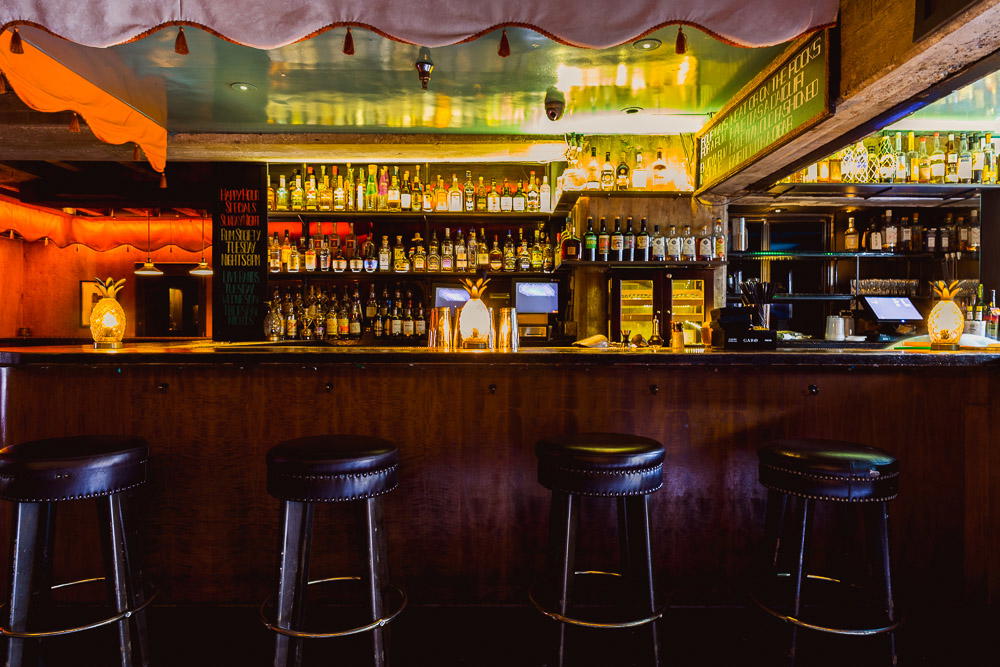
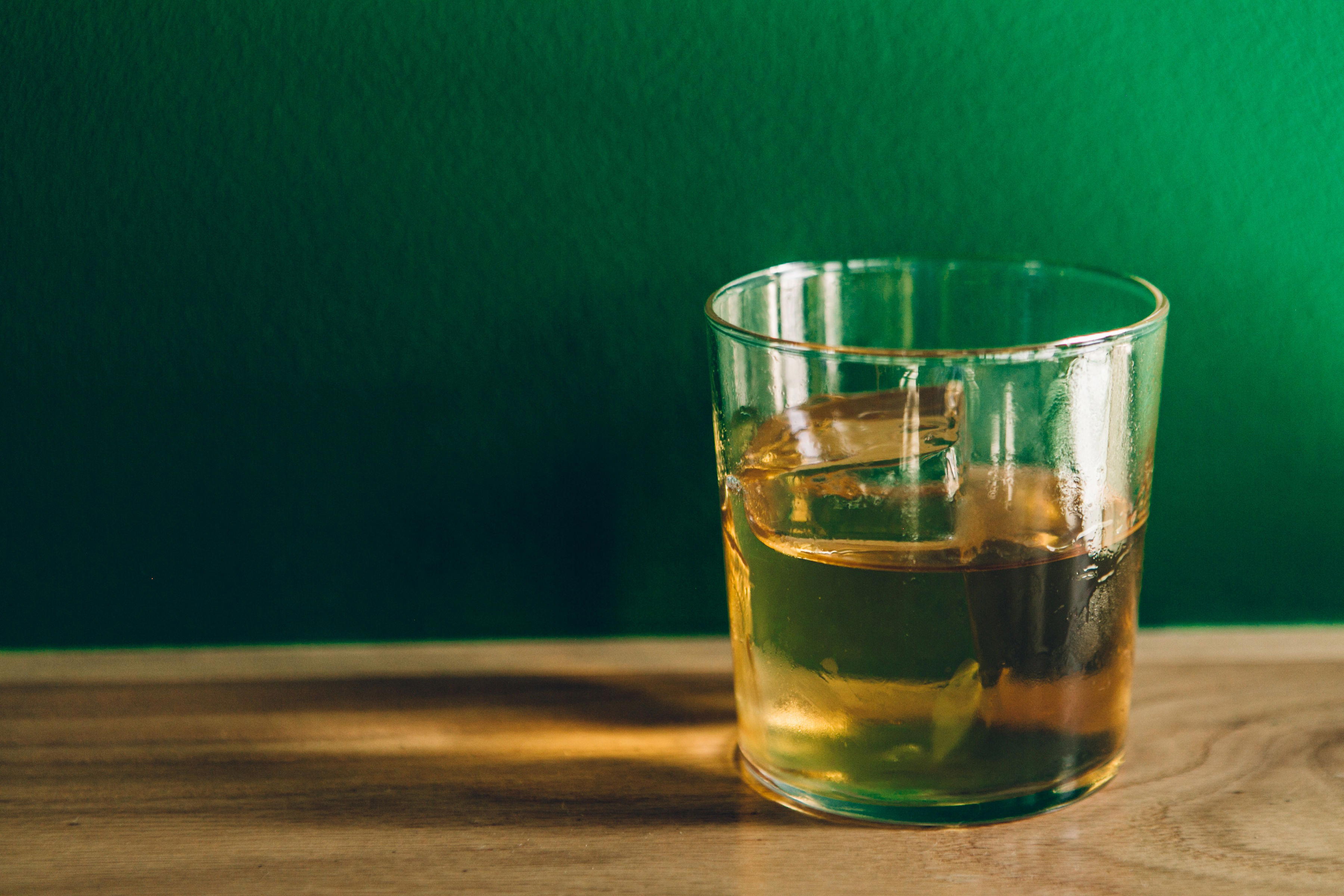
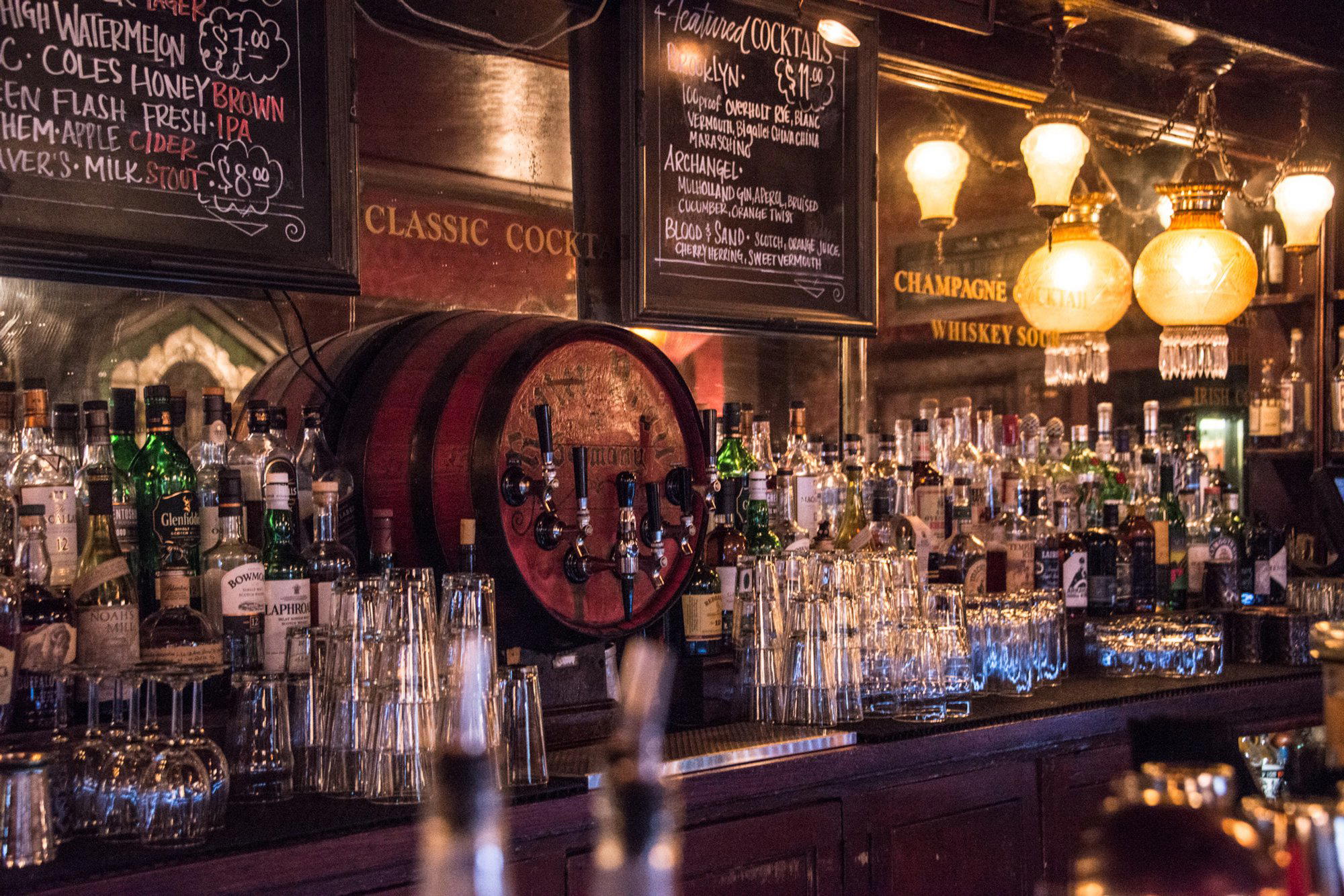
The bar at Cole's is a separate draw from the sandwich. The space operates as a full bar with a cocktail program that arrived during the broader revival of interest in classic American mixed drinks, and the dim, wood-heavy interior suits that kind of drinking. The combination of a century-old room, a direct food format, and a serious bar represents a particular downtown Los Angeles archetype that is harder to find than it should be. High-concept programs like those at Atomix in New York or the farm-anchored rigour of Addison in San Diego operate in a different register entirely, but they share one quality with Cole's: a clear point of view executed without apology.
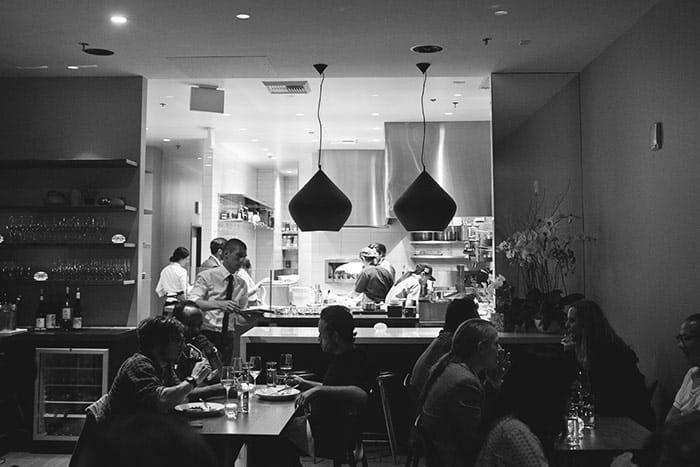
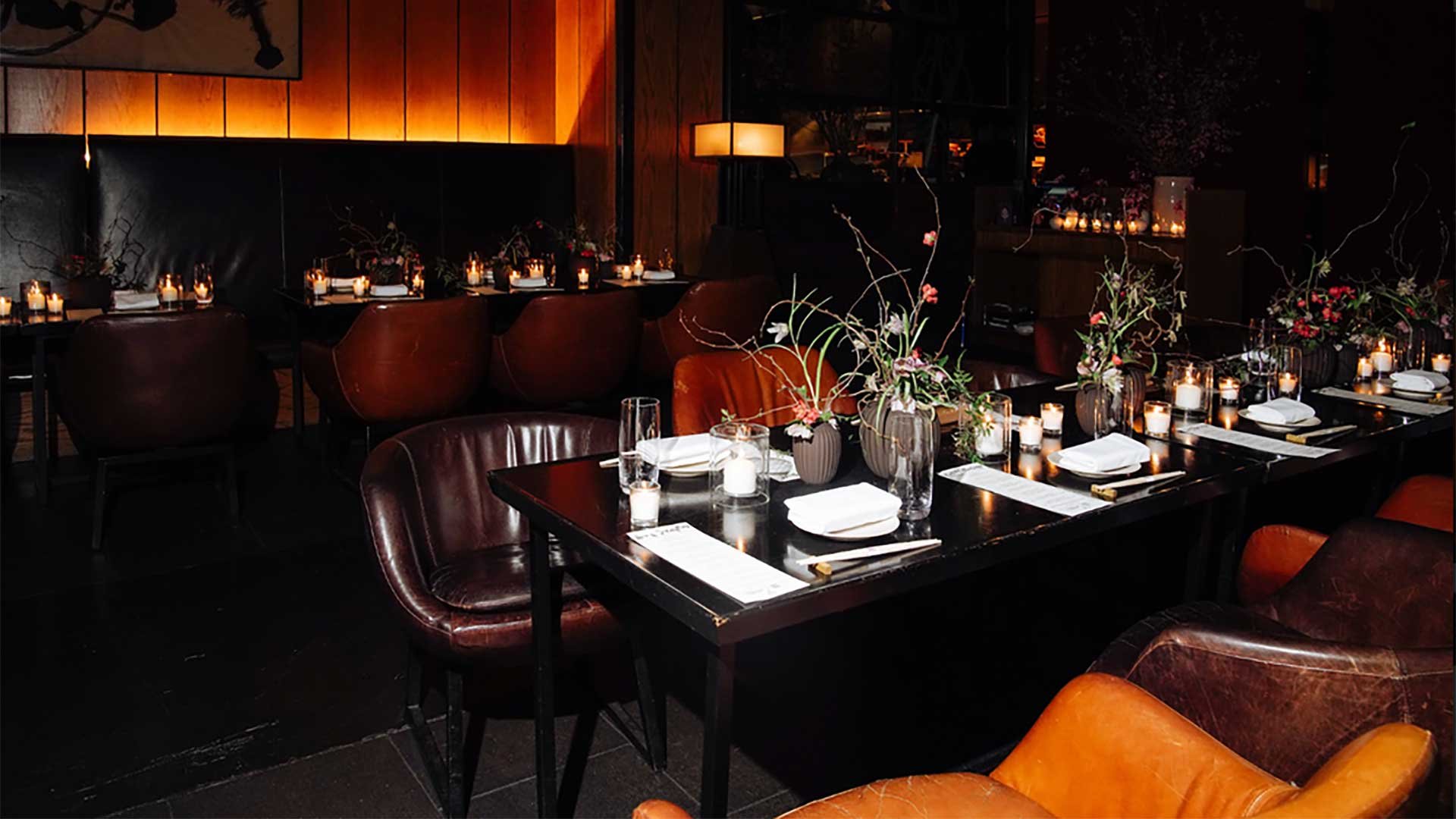
The room's physical character is worth describing because it shapes the experience in ways that newer venues spend significant money trying to approximate. The long bar, the low ceiling, the photographs, and the overall sense that the furniture was placed once and left alone are not design decisions in the contemporary sense. They are the residue of continuous operation. That continuity is, in a city that prizes novelty, its own form of distinction. Venues like The Inn at Little Washington and Atelier Moessmer Norbert Niederkofler in Brunico construct atmosphere through curation and investment. Cole's has it by default.
Planning Your Visit
Cole's is located at 118 E 6th St in downtown Los Angeles, inside the Pacific Electric Building in the Historic Core. The address is walkable from the 7th St/Metro Center station and sits within the cluster of blocks that also includes the Ace Hotel and a concentration of the area's older commercial architecture. No reservation is typically required for the main dining room, which operates on a walk-in basis consistent with its tavern format. The price point sits well below the tasting-menu tier that defines the upper end of Los Angeles dining, making it accessible for a weekday lunch or a pre- or post-theatre stop in a neighborhood that has become a genuine evening destination. For visitors cross-referencing against other California dining considerations, The French Laundry and Single Thread Farm represent the opposite end of the planning and booking spectrum.
Frequently asked questions
What's Cole's French Dip's location?
Cole's French Dip is located at 118 E 6th St, Los Angeles, CA 90014, Los Angeles.
Is Cole's French Dip older than Philippe The Original, and what does that mean for the French dip origin debate?
Both Cole's and Philippe The Original claim 1908 as their founding year, placing them as the two oldest competing claimants to the French dip sandwich's invention in Los Angeles. The debate has never been formally resolved, and food historians generally treat both origin stories as plausible rather than settled. What is documented is that Cole's has operated continuously at 118 E 6th St in the Historic Core, making the address itself part of the argument.
What dish is Cole's French Dip famous for?
Cole's is known for the French dip sandwich: thinly sliced roast beef served on a French roll with a side of beef au jus for dipping. The sandwich sits at the center of a long-running dispute with Philippe The Original, less than a mile away in downtown Los Angeles, over which restaurant invented the format. Cole's has been operating at 118 E 6th St since 1908, which underpins its claim.
How hard is it to get a table at Cole's French Dip?
Cole's operates as a walk-in counter and bar inside the Pacific Electric Building in the Historic Core of Los Angeles. There is no reservation system for the sandwich counter. Weekend evenings can draw a crowd given the bar program, but the format is built for turnover rather than extended waits.
What do critics highlight about Cole's French Dip?
Coverage consistently returns to two things: the age and continuity of the space, which dates to 1908 inside one of downtown LA's most intact Beaux-Arts buildings, and the separate cocktail bar that developed during the broader revival of the Historic Core. The French dip sandwich itself is treated as a civic artifact as much as a menu item, given the ongoing origin debate with Philippe The Original.
Is Cole's French Dip allergy-friendly?
Cole's menu centers on beef-based sandwiches and a full bar, which limits options for guests avoiding red meat or gluten.
Accolades, Compared
| Venue | Cuisine | Price | Awards | Notes |
|---|---|---|---|---|
| Cole's French DipThis venue (the venue you are viewing) | Classic French Dip Sandwiches | Not listed | Not listed | Not listed |
| Kato | Modern Taiwanese Fine Dining | $300–500 | 2 Michelin Stars · World's 50 Best #49 | New Taiwanese, Asian |
| Hayato | Traditional Japanese Kaiseki | $300–500 | 2 Michelin Stars · La Liste Top Restaurants | Japanese |
| Vespertine | Avant-Garde Tasting Menu | $200–300 | 2 Michelin Stars · La Liste Top Restaurants | Progressive, Contemporary |
| Holbox | Modern Mexican Seafood | $30–50 | 1 Michelin Star · World's 50 Best #26 | Mexican Seafood, Mexican |
| Sushi Kaneyoshi | Edomae Omakase | $300–500 | 1 Michelin Star · LA Times 101 Best Restaurants #24 | Sushi, Japanese |