Abernethy's
Abernethy's occupies a quietly considered address at 220 N Hope Street in downtown Los Angeles, placing it within the civic and cultural corridor that connects the city's institutional anchors.
Pearl is the En Primeur Club membership app — saves, bookings, and concierge access live there. Same editors, same standards.
- Address
- 220 N Hope St, Los Angeles, CA 90012
- Phone
- +12139728088
- Website
- abernethysla.com
- Directions
- Get directions
 Saves & bookings on Pearl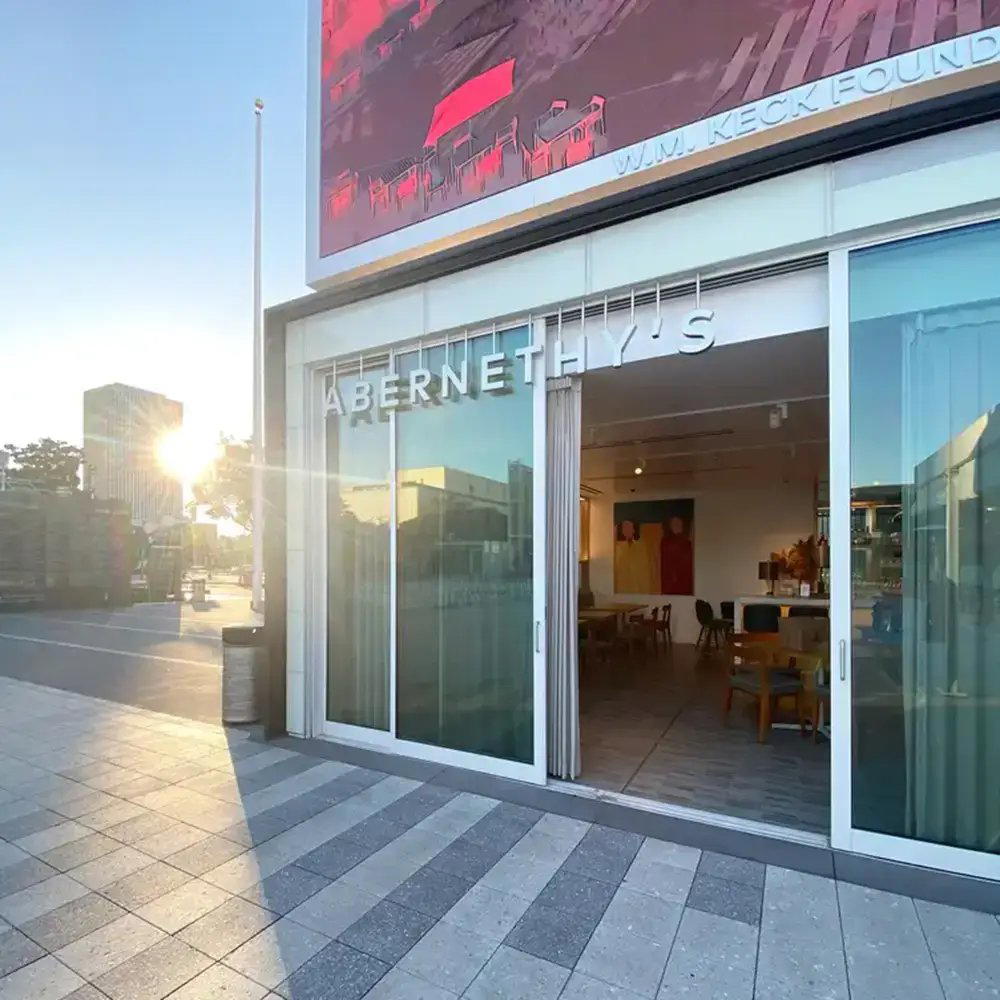
A Downtown Address That Operates Against Type
The stretch of Hope Street running through downtown Los Angeles carries a particular civic weight. Grand Avenue's concert halls and museums draw one kind of visitor; the Financial District's lunch trade draws another. Restaurants that take root in this corridor tend to define themselves against both impulses, or get swallowed by them. At 220 N Hope Street, Abernethy's occupies a position in the neighbourhood that raises the first question any serious diner should ask: what kind of restaurant it is and what it serves?
Abernethy's is a downtown Los Angeles restaurant serving Rotating Emerging Chef Cuisine at a moderate price point. Downtown LA's dining identity has shifted considerably over the past decade, moving from post-office developments and cheap eats toward a more stratified scene that now includes credible fine dining, serious bar programs, and a growing number of operator-driven independents who chose the area for the space and the rents before the neighbourhood caught up to them.
Downtown LA's Dining Arc and Where Abernethy's Sits Within It
To understand what the restaurant represents, it helps to trace the broader evolution of fine and independent dining in the downtown core. A decade ago, the area around Grand Avenue and the Civic Center was largely a business-hours district, emptying out by seven. The transformation since then has been less about any single opening and more about a sustained accumulation of operators willing to make a bet on residential growth and cultural traffic from the Music Center, MOCA, and The Broad.
Los Angeles as a whole has developed one of the more genuinely diverse high-end dining ecosystems of any American city. Providence anchors the contemporary seafood category; Kato has redefined what New Taiwanese cooking looks like at the $$$$ tier; Somni operates in the molecular-progressive space with a format built around scarcity; and Hayato has made the case that Japanese kaiseki deserves the same reverence in Los Angeles as it commands in Kyoto. Osteria Mozza remains the benchmark for Italian in the city. Within that context, a venue on Hope Street that keeps a low public profile is either a deliberate counter-cultural statement or an operation still in formation, and the distinction matters to how a diner should approach it.
Nationally, the trajectory of serious independent restaurants has often followed a recognizable arc: a quiet opening, a period of refinement, then either a tipping point toward recognition or a gradual fade. Lazy Bear in San Francisco and Smyth in Chicago both passed through long periods of operating beneath the noise before awards and reviews consolidated their reputations. Single Thread Farm in Healdsburg and Blue Hill at Stone Barns in Tarrytown built their identities around a specific thesis, agricultural in both cases, that preceded the press. Particularly enduring venues tend to have a point of view that predates the attention.
The Evolution Argument: Why Low-Profile Operations Sometimes Matter Most
There is a case to be made, and it is not a romantic one, that the venues hardest to read from the outside are often the ones undergoing the substantive change. In an era when restaurant marketing operates at a volume that can overwhelm the actual dining experience, some operators consciously withdraw from the noise. This was the bet that several now-recognized restaurants made in their early phases, from Atomix in New York City to Addison in San Diego, each of which operated with limited public exposure before critical recognition made the information landscape catch up.
What can be said is that its address, within walking distance of Bunker Hill's cultural institutions and the civic machinery of the city, gives it a built-in audience of the kind that sustains independent restaurants through quiet periods: working professionals, institutional visitors, and the neighborhood's growing residential population.
Wider American Fine Dining for Context
For readers building a broader itinerary or benchmarking their dining calendar against the American fine dining circuit, several reference points outside Los Angeles are worth holding in frame. Le Bernardin in New York City and The French Laundry in Napa represent the institutional end of the American tasting-menu tradition. Emeril's in New Orleans, Frasca Food and Wine in Boulder, and The Inn at Little Washington each anchor their respective city's high-end market with a combination of longevity and culinary consistency. Further afield, Atelier Moessmer Norbert Niederkofler in Brunico demonstrates how a defined culinary philosophy, in that case an Alpine regionalism, can place a venue in a global conversation without proximity to a major urban center. These reference points matter for readers calibrating what a serious independent in a major American city should be measured against.
Planning a Visit
The restaurant is located at 220 N Hope Street, Los Angeles, CA 90012, in the downtown Civic Center corridor. The restaurant is casual, reservations are recommended, and the price is about $35 per person. The address places the venue within the walkable core of Bunker Hill, accessible from the Metro B and D lines at Civic Center/Grand Park Station.
Where It Fits
Comparable venues nearby, for context on price, style, and recognition.
| Venue | Cuisine | Price | Notes |
|---|---|---|---|
| Abernethy'sThis venue — the venue you are viewing | Rotating Emerging Chef Cuisine | $$ | Not listed |
| Carla Cafe | Modern American Sandwiches & Cafe | $$ | Jewelry District |
| Wax Paper Frogtown | Creative American Sandwiches | $$ | Elysian Valley |
| The Beacon | Californian American | $$ | Westchester |
| Lemonade | California Fresh & Healthy Comfort Food | $$ | Westchester |
| Nickel Diner | American Diner Comfort Food | $$ | Old Bank District |
Continue exploring
More in Los Angeles
Restaurants in Los Angeles
Browse all →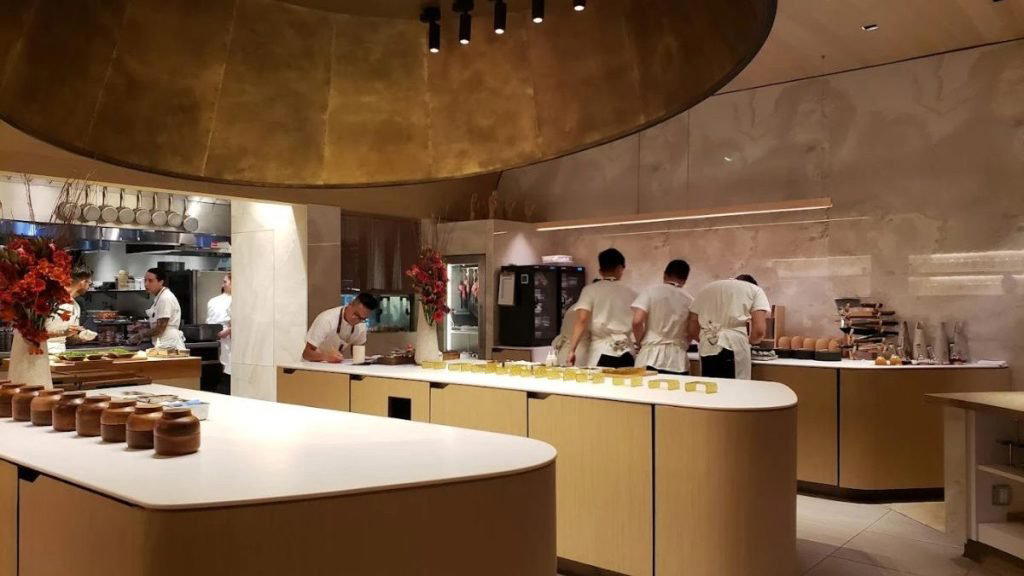
Bars in Los Angeles
Browse all →
Hotels in Los Angeles
Browse all →
Wineries in Los Angeles
Browse all →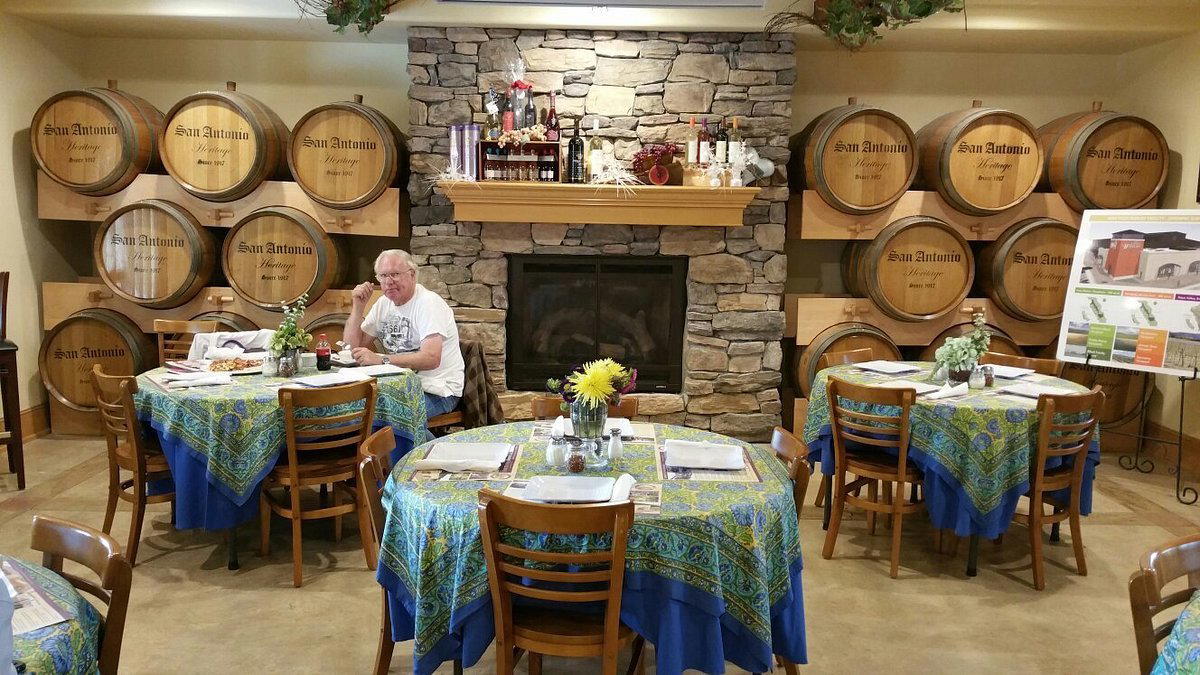
At a Glance
- Cozy
- Modern
- Date Night
- Business Dinner
- Group Dining
- Special Occasion
- After Work
- Open Kitchen
- Standalone
- Historic Building
- Craft Cocktails
- Local Sourcing
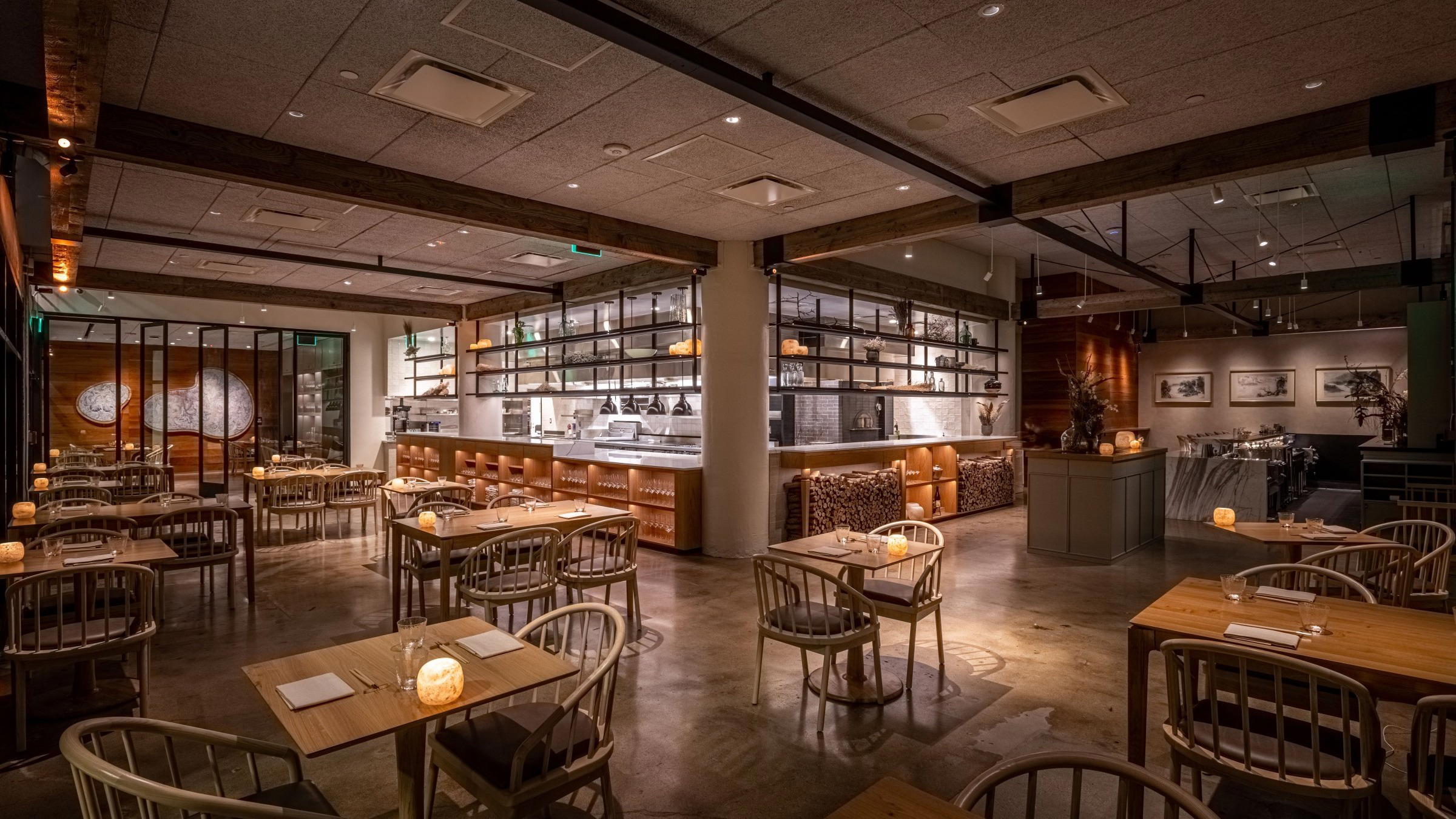
Warm and welcoming atmosphere ideal for pre-show dining, with a cozy diner aesthetic combined with modern culinary presentation.