Club Cochon occupies a quiet address on Rue Drouot in Paris's 9th arrondissement, a neighbourhood whose dining character has shifted considerably over the past decade. The address places it within easy reach of the Grands Boulevards circuit, where a younger wave of bistro-format openings has complicated the area's traditionally bourgeois dining identity. Coverage remains thin, which makes advance research worthwhile for visitors without local intelligence.
Pearl is the En Primeur Club membership app — saves, bookings, and concierge access live there. Same editors, same standards.
- Address
- 4 Rue Drouot, 75009 Paris, France
- Phone
- +33140220228
- Website
- clubcochon.com
- Directions
- Get directions
 Saves & bookings on Pearl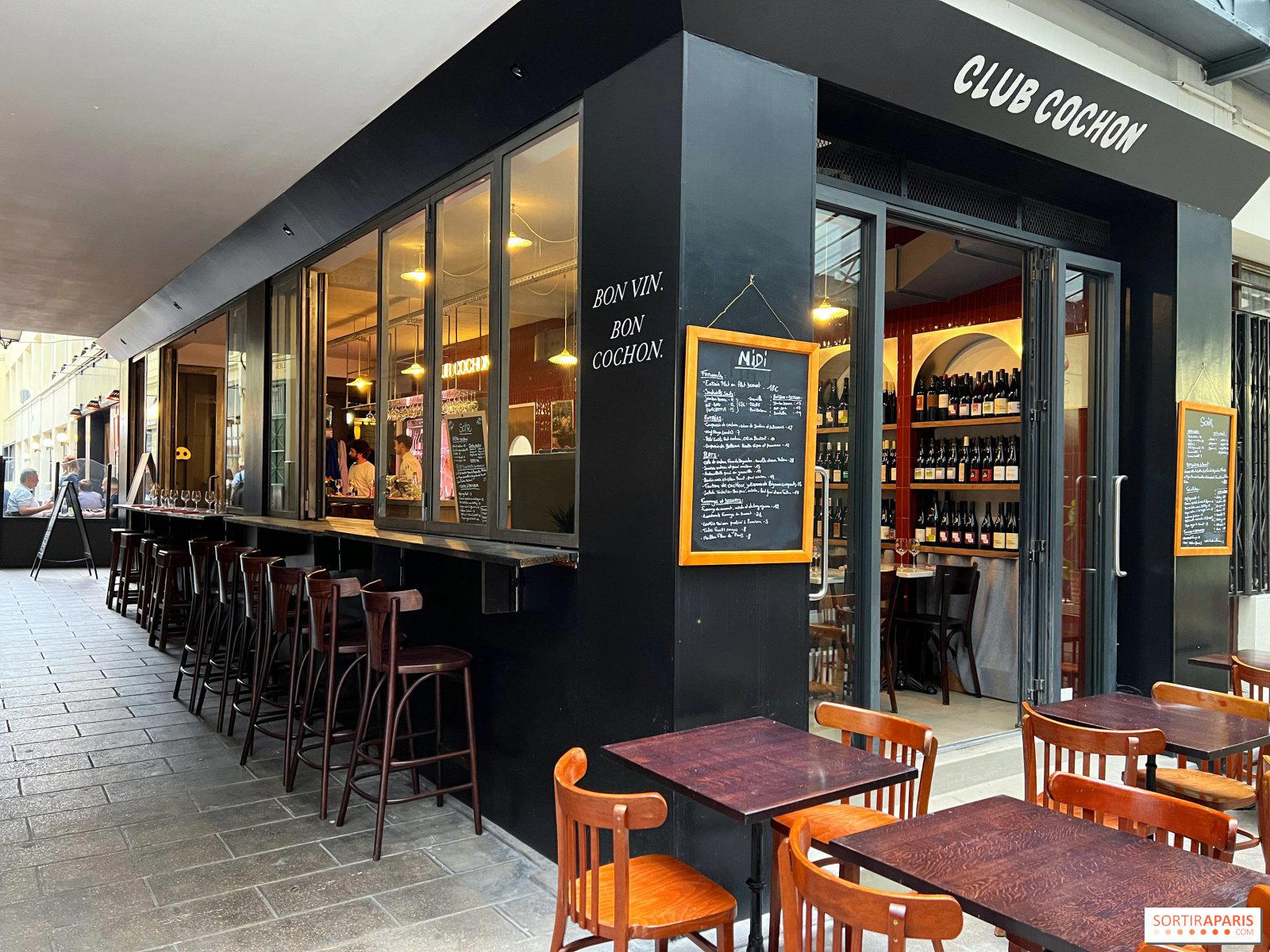
A Street That Has Seen Several Chapters
Rue Drouot, in the 9th arrondissement, is the kind of Paris address that accumulates layers quietly. It runs alongside the Drouot auction house, an institution that has drawn collectors, dealers, and the determinedly curious since the mid-nineteenth century. The foot traffic it generates is specific: people who know what they came for, who move between appointments, who eat with a purpose rather than a performance. Restaurants in this immediate pocket have historically reflected that practicality, tighter formats, fewer theatrical gestures, menus that reward attention rather than photograph well. Club Cochon sits within that inherited context, on an address shaped less by hospitality ambition than by the accumulated habits of a quartier that has always had its own reasons for existing.
The 9th arrondissement as a dining destination has evolved considerably since the mid-2010s, when a cluster of natural-wine bistros and neo-brasseries pushed its reputation toward a younger, more experimental register. Streets near the Faubourg Montmartre and the Rue des Martyrs corridor attracted coverage in publications that had previously overlooked the area. That wave had a gravitational effect on surrounding streets, including those nearer to the Grands Boulevards, pulling forward venues that might otherwise have remained deeply local.
The Bistro-Brasserie Continuum and Where Cochon Fits
Paris has always maintained a spectrum between the formal grande table and the neighbourhood bistro, but the distance between those poles has compressed in interesting ways over the past fifteen years. The €€€€ tier, where Alléno Paris au Pavillon Ledoyen, Kei, L'Ambroisie, and Le Cinq at the Four Seasons George V operate, remains clearly defined by Michelin recognition, long tasting menus, and advance booking requirements measured in months. Below that, however, the mid-tier has fragmented into a series of overlapping sub-categories: the neo-bistro with a credentialed chef, the natural-wine bar with serious food, the updated brasserie retaining its zinc counter but rethinking the kitchen, and a newer format built around a single ingredient or regional identity. The cochon, pig, in its broadest culinary interpretation, is precisely the kind of organising principle that the last of those formats has claimed most effectively.
Pork-forward formats have a deep French lineage that the current wave of charcuterie-driven restaurants references knowingly. The tradition runs from the Lyon bouchon, where cervelas and quenelles de brochet coexist without irony, through the Alsatian choucroute garnie, through the rillettes and fromage de tête of the Loire. Venues that structure themselves around the pig tend to signal a particular set of allegiances: to craft over novelty, to regional specificity over cosmopolitan abstraction, to the kind of patience that curing and slow cooking require. That positioning sits at a specific distance from the technical ambition on display at places like Arpège, and at an equally specific distance from the tourist-facing brasserie that has absorbed the form without the commitment.
France's wider dining geography reinforces this point. The grandes maisons outside Paris, Flocons de Sel in Megève, Mirazur in Menton, Troisgros in Ouches, Paul Bocuse in Collonges-au-Mont-d'Or, Bras in Laguiole, Auberge de l'Ill in Illhaeusern, Les Prés d'Eugénie in Eugénie-les-Bains, La Table du Castellet, Georges Blanc in Vonnas, and Auberge du Vieux Puits in Fontjoncouse, operate in a register defined by destination dining, where the journey is part of the proposition. Paris venues working in a more focused, ingredient-led format occupy a different social contract with their guests: proximity replaces pilgrimage, and repeat visits are part of the logic.
What the Address Implies About the Format
The Rue Drouot location, adjacent to the auction house district and within a short walk of the Grands Boulevards, suggests a venue that accommodates the rhythms of a working neighbourhood rather than one that asks guests to plan their day around a booking. That pattern is common to the better bistro-format openings in Paris, the kind of room that fills at lunch with people who have another appointment at three, and again at dinner without the ceremonial pacing of a tasting menu. What the address does imply, with some confidence, is that the theatrical remove of the 8th or the self-conscious cool of the 11th are not the operating reference points here.
Internationally, French-accented pork-forward restaurants have found a strong market in cities like New York, where Le Bernardin represents one pole of French-technique seriousness, and in San Francisco, where Lazy Bear explores an entirely different approach to the communal dining format. The Paris original, operating without the translation demands of an export market, has different pressures: it must satisfy a local clientele with strong inherited opinions about what a cochon should taste like, while remaining legible to an international visitor who may be arriving via coverage rather than neighbourhood knowledge.
Planning a Visit
Club Cochon is located at 4 Rue Drouot, 75009 Paris, accessible from the Richelieu-Drouot metro station, which sits at the intersection of lines 8 and 9. Club Cochon is recommended for reservations and prices around $40 per person.
Quick reference: 4 Rue Drouot, 75009 Paris. Nearest metro: Richelieu-Drouot (lines 8 and 9). Pricing: about $40 per person. Reservations are recommended.
Cuisine Context
Comparable venues nearby, for context on price, style, and recognition.
| Venue | Cuisine | Price | Notes |
|---|---|---|---|
| Club CochonThis venue — the venue you are viewing | Traditional French Bistro with Charcuterie | $$$ | Not listed |
| Restaurant Bachaumont | Modern French Brasserie | $$$ | |
| La Rotonde | Classic French Brasserie | $$$ | Montparnasse |
| La Closerie des Lilas | Classic French Brasserie & Gastronomic | $$$ | Montparnasse |
| Joy | Modern French Bistro | $$$ | 8th Arr. |
| Le Grand Colbert | Traditional French Brasserie | $$$ | 2nd arrondissement |



At a Glance
- Lively
- Cozy
- Rustic
- Business Dinner
- Group Dining
- Casual Hangout
- Late Night
- Open Kitchen
- Extensive Wine List
- Local Sourcing
Current opening hours
- Monday
- 12–2:30 PM
- Tuesday
- 12–2:30 PM, 6 PM–2 AM
- Wednesday
- 12–2:30 PM, 6 PM–2 AM
- Thursday
- 12–2:30 PM, 6 PM–2 AM
- Friday
- 12–2:30 PM, 6 PM–2 AM
- Saturday
- 6 PM–2 AM
- Sunday
- Closed
Hours can change for holidays and private events. Last verified .
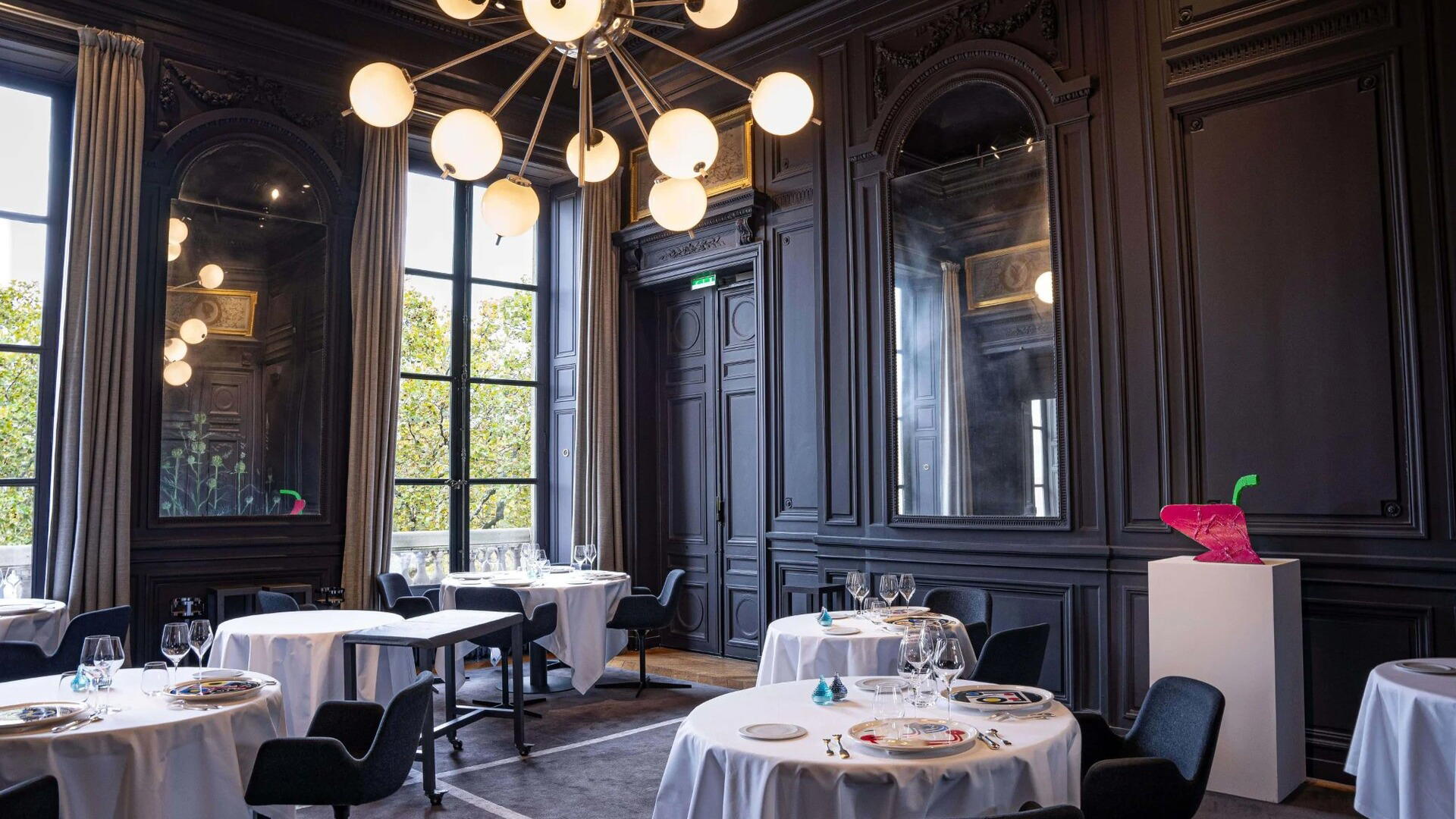
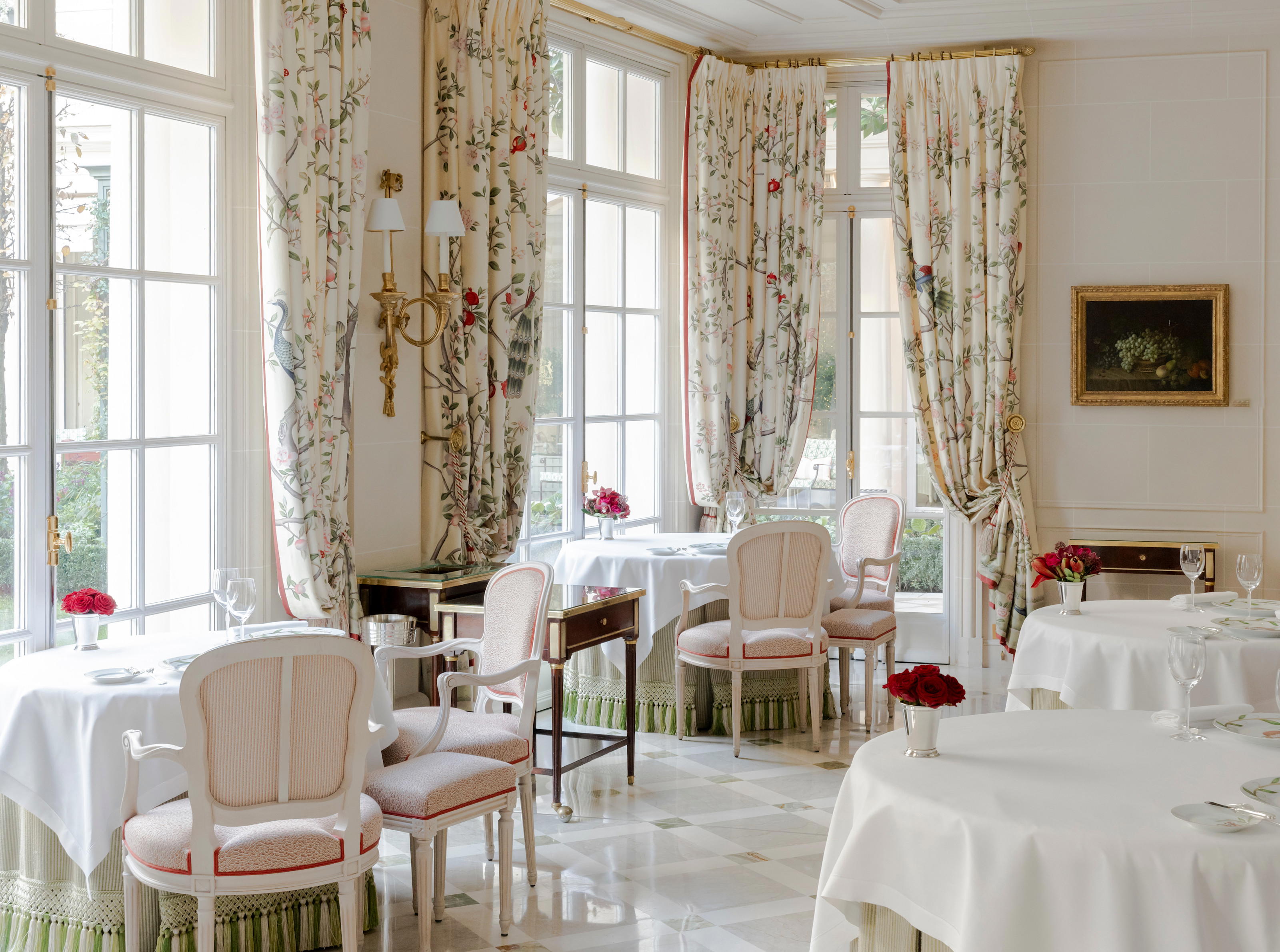
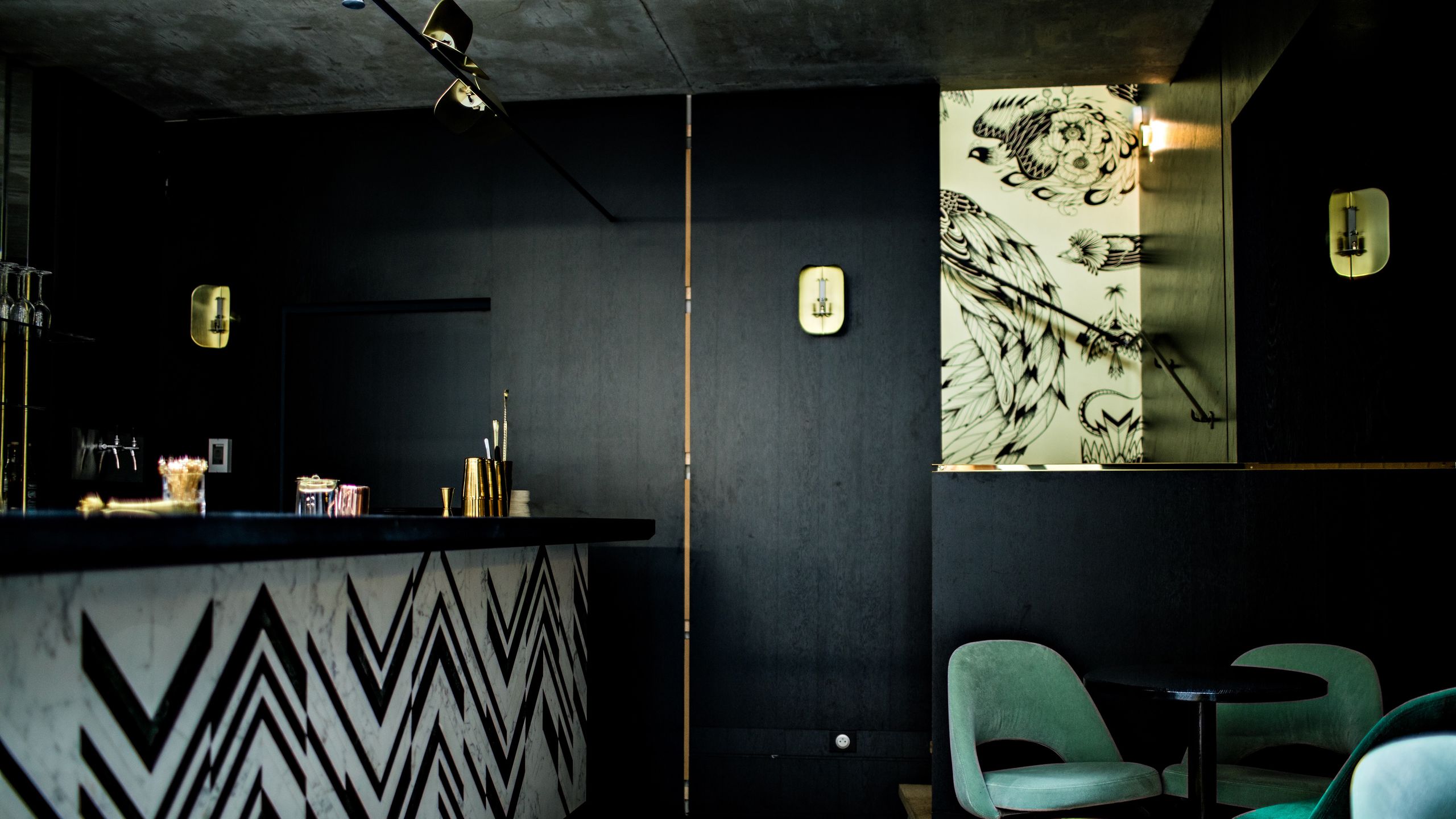
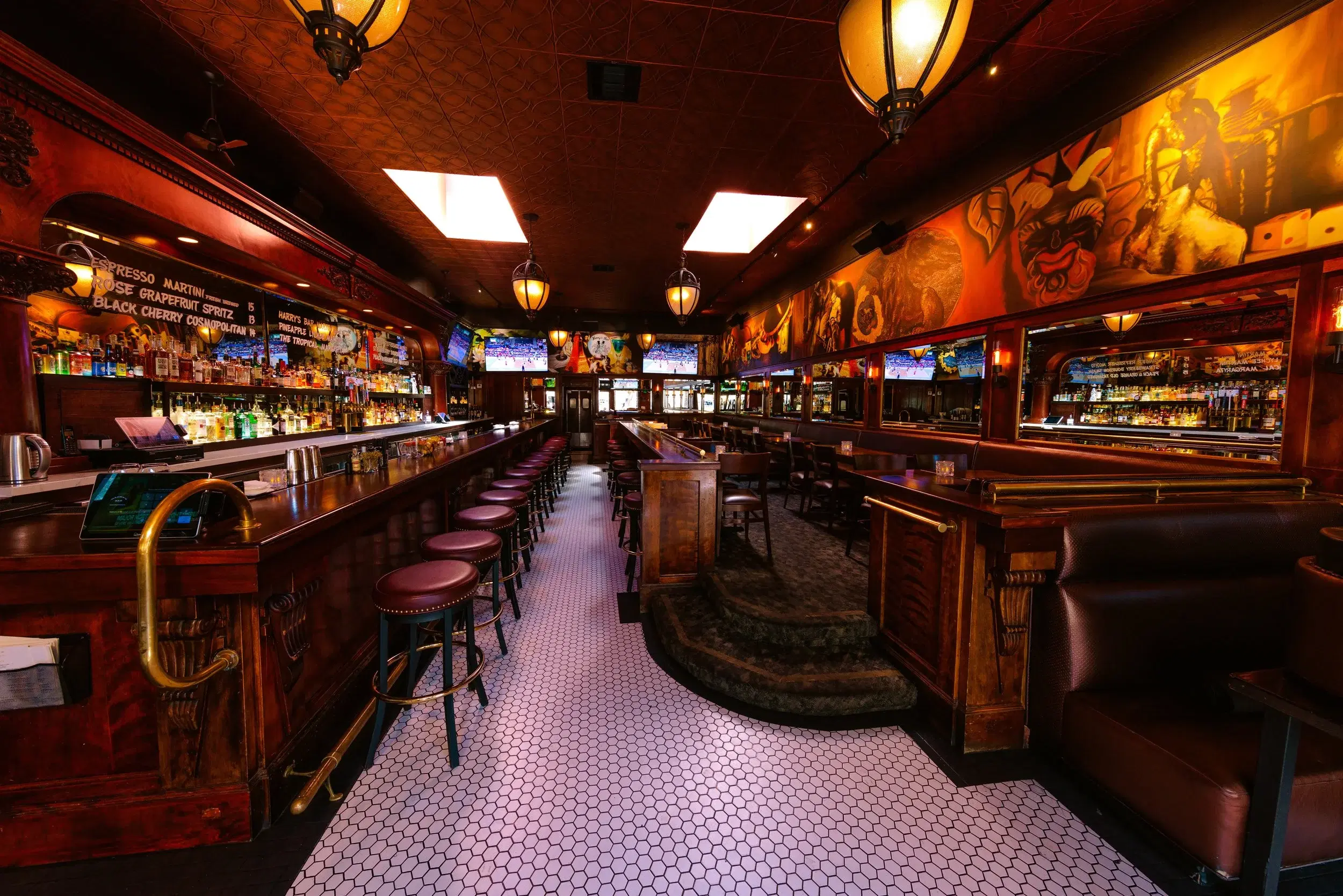
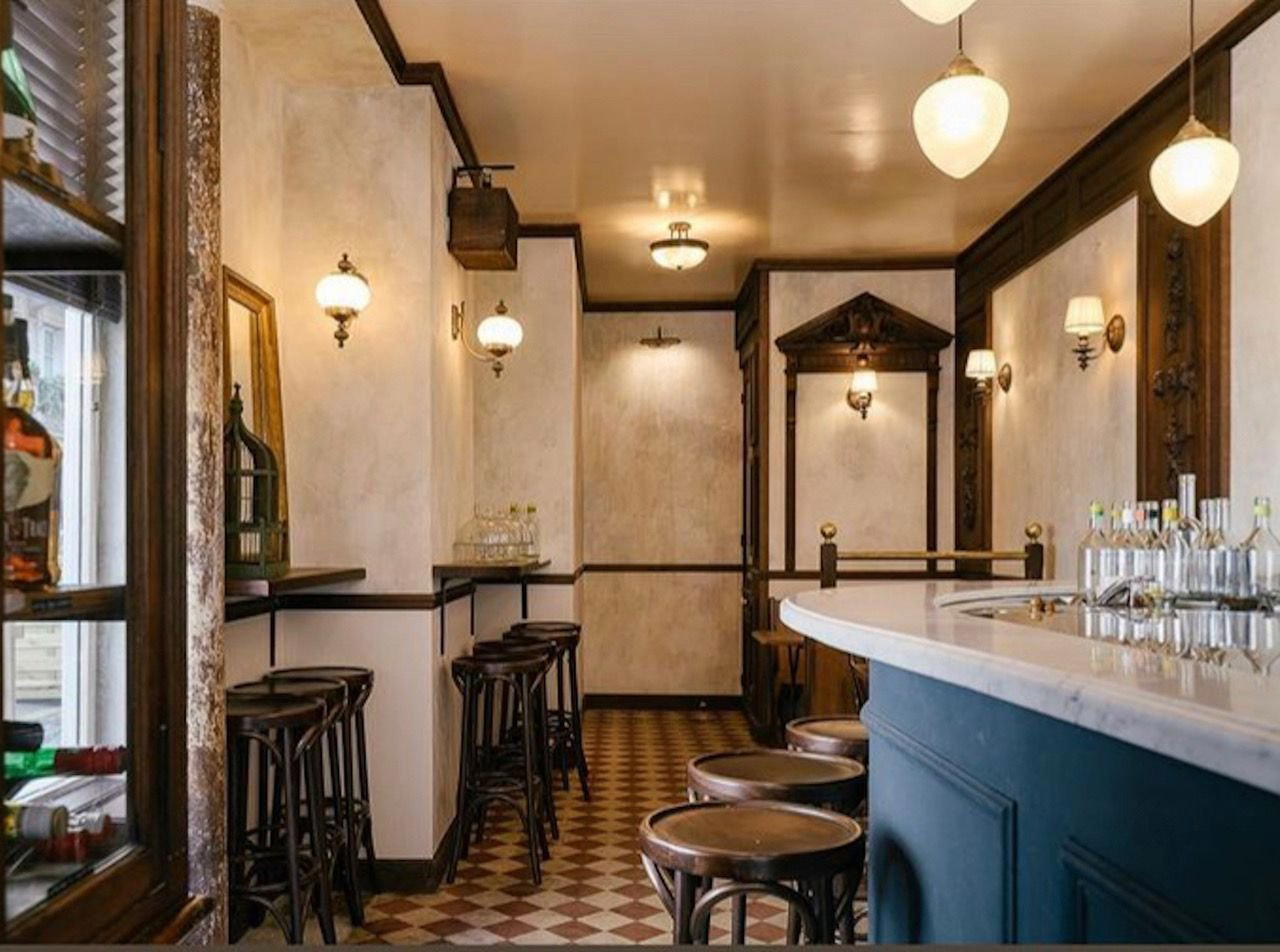
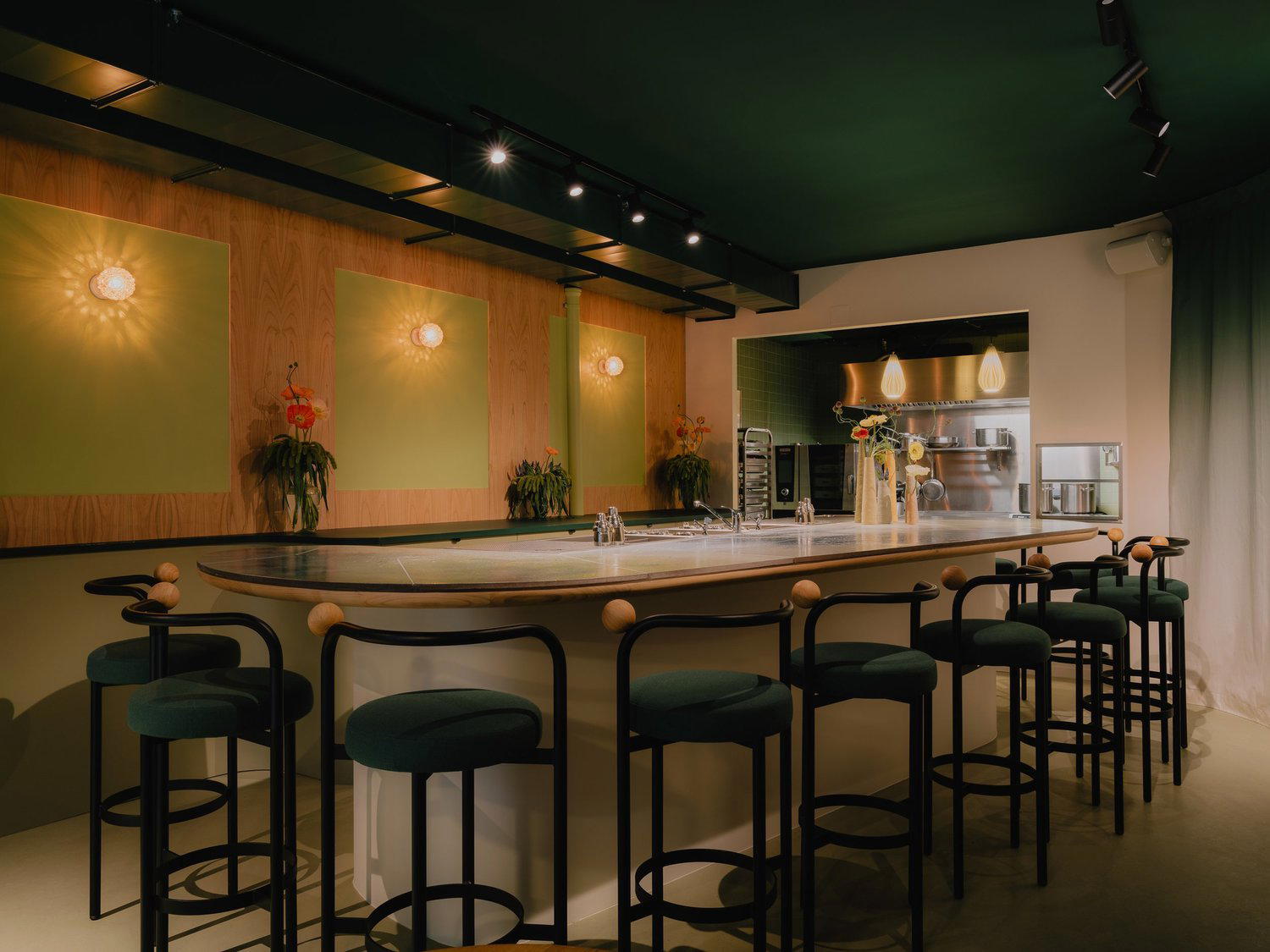
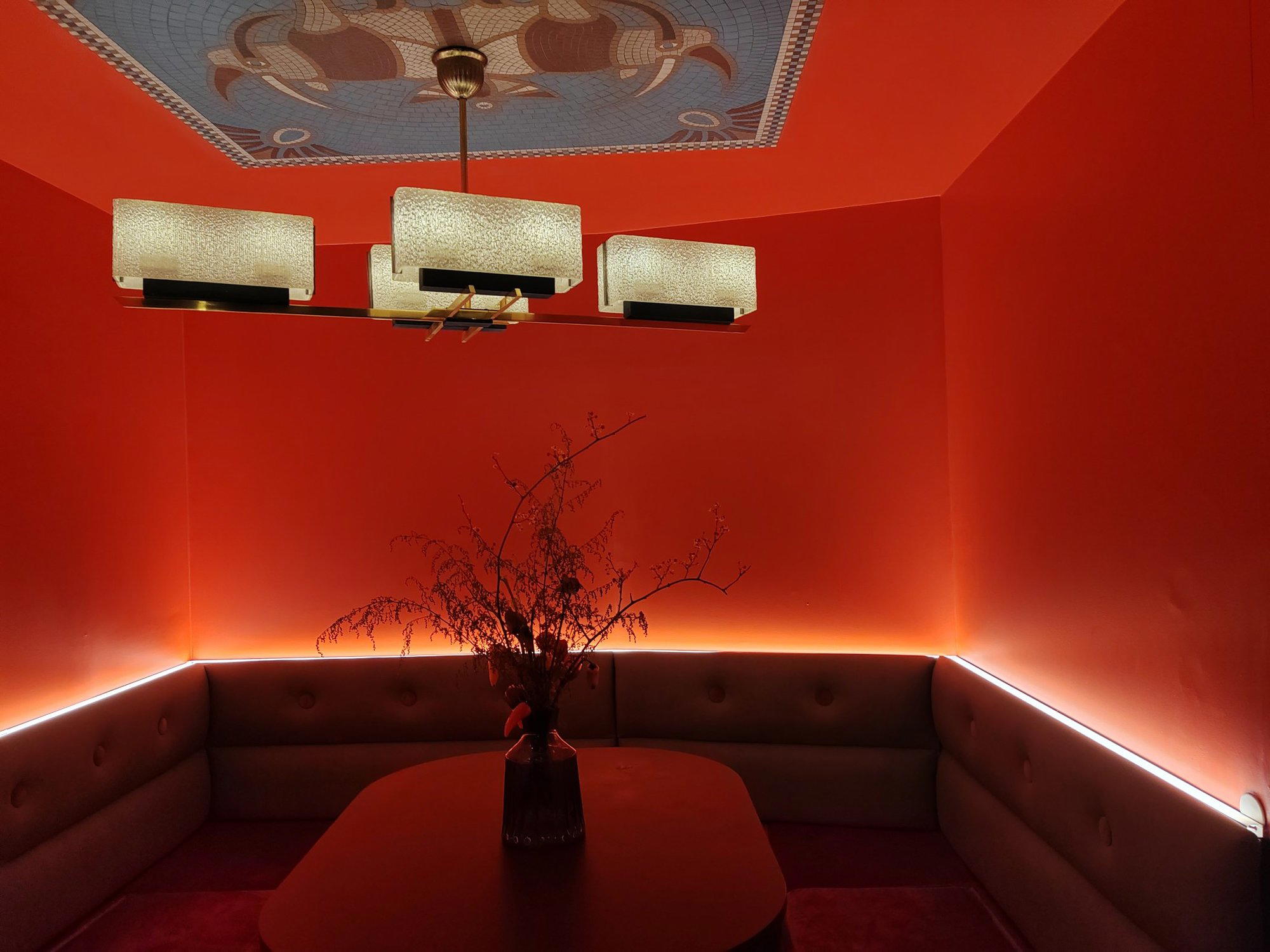
Warm, relaxed atmosphere with conviviality, lively bar energy, and the sounds of flame cooking and roasting.